Is the Coral Bell Plant Harmful to Cats
Coral bell plants (Heuchera) are not toxic to cats according to the ASPCA. While eating large amounts may cause mild stomach upset, these popular shade perennials are generally safe for curious felines. Always monitor your cat after plant ingestion and contact your vet if unusual symptoms appear.
If you share your home with a curious cat and love gardening, you have probably wondered about plant safety. Cats love to nibble on greenery. Sometimes they do it out of boredom. Sometimes they do it to help with digestion. And sometimes they just like the texture. Whatever the reason, knowing which plants are safe gives you peace of mind.
Coral bells are a garden favorite. Their colorful foliage adds beauty to shady spots. Their delicate flowers attract hummingbirds. But are they safe for your feline friend? The short answer is yes. Coral bells are considered non-toxic to cats. But there is more to the story. Let us dig into the details so you can garden with confidence.
Key Takeaways
- Coral bells are non-toxic: The ASPCA lists Heuchera species as non-toxic to cats, dogs, and horses.
- Mild upset possible: Eating large quantities may cause vomiting or diarrhea due to fiber content, not toxicity.
- Watch for pesticides: Chemical treatments on plants pose a greater risk than the plant itself.
- Individual sensitivity varies: Some cats may react differently based on health conditions or allergies.
- Prevention is best: Use deterrents or barriers to keep cats from damaging plants.
- Know the lookalikes: Some toxic plants resemble coral bells; proper identification matters.
- Contact your vet when in doubt: Professional advice ensures your cat gets proper care if needed.
Quick Answers to Common Questions
Are coral bells poisonous to cats?
No, coral bells (Heuchera) are not poisonous to cats. The ASPCA lists them as non-toxic to cats, dogs, and horses.
What happens if my cat eats a coral bell plant?
Most cats experience no symptoms. Eating large amounts may cause mild vomiting or diarrhea due to fiber content, not toxicity.
Should I take my cat to the vet after eating coral bells?
Usually not needed for small amounts. Contact your vet if vomiting persists beyond 24 hours, diarrhea is severe, or your cat shows signs of dehydration or lethargy.
Can pesticides on coral bells harm my cat?
Yes, chemical treatments pose a greater risk than the plant itself. Keep cats away from recently treated plants and use pet-safe gardening products.
What are some cat-safe alternatives to coral bells for shade gardens?
Japanese painted fern, astilbe, hosta, Japanese forest grass, sweet woodruff, and creeping jenny are all non-toxic shade-loving plants.
📑 Table of Contents
- What Are Coral Bell Plants?
- Are Coral Bells Toxic to Cats? The Short Answer
- What Happens If a Cat Eats Coral Bells?
- Signs Your Cat May Have Eaten Something They Shouldn’t
- How to Keep Cats Away from Coral Bells
- Cat-Safe Garden Alternatives to Coral Bells
- When to Call the Vet
- Creating a Cat-Sense Precautions for Cat Owners
- Conclusion
What Are Coral Bell Plants?
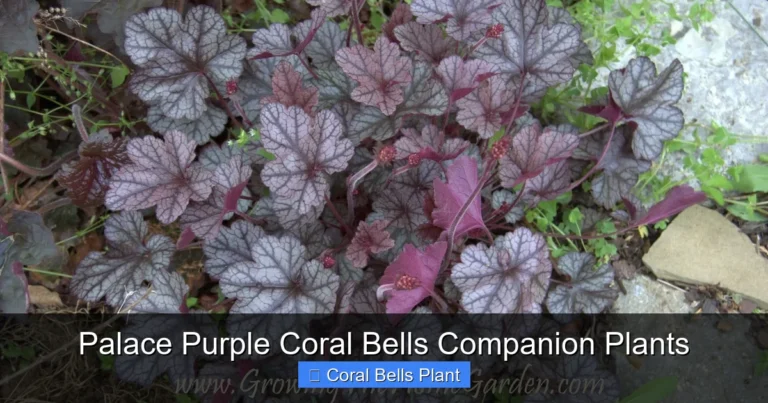
Coral bells belong to the genus Heuchera. They are native to North America. Gardeners love them for their stunning leaves. The leaves come in shades of purple, bronze, green, silver, and even near-black. Some varieties have ruffled edges. Others have striking veins. In late spring to early summer, they send up tall stems with tiny bell-shaped flowers. These flowers give the plant its common name.
Popular Coral Bell Varieties
There are dozens of cultivars available. Some popular ones include ‘Palace Purple’ with deep purple leaves. ‘Caramel’ offers warm amber foliage. ‘Lime Rickey’ brings bright chartreuse color. ‘Obsidian’ has nearly black leaves. ‘Berry Smoothie’ shows off rose-pink foliage. All these varieties share the same non-toxic status. The species name Heuchera sanguinea is the classic coral bell. But modern hybrids dominate the market today.
Growing Conditions
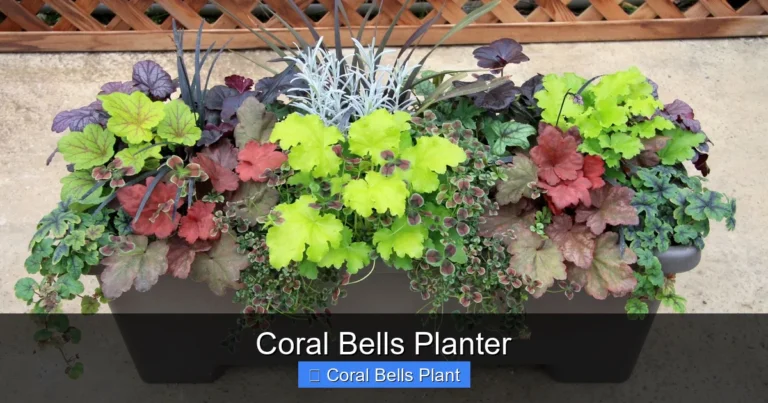
Coral bells thrive in partial shade. They prefer well-draining soil rich in organic matter. They are hardy in USDA zones 4 through 9. They work well in borders, containers, and rock gardens. Their low mounding habit makes them perfect for edging paths. They also grow well under trees where grass struggles. This versatility makes them a common choice for home landscapes.
Are Coral Bells Toxic to Cats? The Short Answer
According to the American Society for the Prevention of Cruelty to Animals (ASPCA), coral bells are non-toxic to cats. They are also non-toxic to dogs and horses. This classification means the plant does not contain known poisonous compounds. Your cat can brush against them. Your cat can sniff them. Your cat can even take a small bite. Serious poisoning is not expected.
What Non-Toxic Really Means
Non-toxic does not mean edible. It means the plant lacks toxins that cause organ damage or life-threatening reactions. However, cats are obligate carnivores. Their digestive systems are not designed for plant matter. Eating any plant material can cause gastrointestinal upset. This upset comes from physical irritation, not chemical poisoning. Think of it like a person eating too much salad after not eating vegetables for weeks.
Official Sources Confirm Safety
The ASPCA Animal Poison Control Center maintains a comprehensive database. Their toxic and non-toxic plant list is the gold standard for pet owners. Coral bells appear on the non-toxic list for cats. The Pet Poison Helpline also does not list Heuchera as a concern. University extension offices across the country classify coral bells as pet-safe. These consistent sources should reassure cat owners.
What Happens If a Cat Eats Coral Bells?
Most cats who nibble coral bells experience no symptoms at all. A small taste usually passes without notice. However, some cats may develop mild digestive upset. This typically happens when a cat eats a large amount. The high fiber content can irritate the stomach and intestines. Symptoms are usually self-limiting and resolve within 24 hours.
Common Mild Reactions
If your cat eats a significant portion of a coral bell plant, you might see vomiting. You might see diarrhea. Your cat might have a decreased appetite for a meal or two. Your cat might seem slightly lethargic. Drooling can occur if the plant texture irritates the mouth. These signs are similar to what happens when a cat eats grass. They are not signs of poisoning. They are signs of dietary indiscretion.
When to Worry
Contact your veterinarian if vomiting persists beyond 24 hours. Contact your vet if diarrhea is severe or bloody. Contact your vet if your cat refuses water for more than 12 hours. Contact your vet if your cat becomes extremely lethargic or unresponsive. Contact your vet if you see signs of dehydration like sunken eyes or skin tenting. These symptoms suggest something more serious than simple plant irritation.
The Pesticide Factor
This is an important consideration. The plant itself is safe. But what is on the plant might not be. If you treat your coral bells with insecticides, fungicides, or herbicides, those chemicals can harm your cat. Even organic treatments like neem oil or pyrethrin can cause reactions in sensitive cats. Always read labels carefully. Keep cats away from recently treated plants until products have dried completely. Better yet, use pet-safe gardening practices.
Signs Your Cat May Have Eaten Something They Shouldn’t
Cats are masters at hiding discomfort. In the wild, showing weakness makes them vulnerable. This instinct remains strong in house cats. You need to be observant. Knowing normal behavior helps you spot abnormal behavior quickly.
Digestive Symptoms
Vomiting is the most obvious sign. Occasional hairballs are normal. Frequent vomiting is not. Diarrhea or constipation can indicate a problem. Straining in the litter box warrants attention. Loss of appetite for more than one meal is concerning. Excessive drooling or pawing at the mouth suggests oral irritation. Lip smacking can indicate nausea.
Behavioral Changes
Hiding more than usual is a red flag. Cats often hide when they feel unwell. Decreased interaction with family members matters. Reduced grooming leads to a scruffy coat. Increased vocalization, especially at night, can signal distress. Aggression when touched in certain areas suggests pain. Changes in litter box habits often point to health issues.
Physical Signs
Check your cat’s gums. They should be pink and moist. Pale gums can indicate anemia or shock. Yellow gums suggest liver problems. Blue-tinged gums mean oxygen deprivation. Feel for dehydration. Gently pinch the skin at the scruff. It should snap back instantly. Slow return means dehydration. Check capillary refill time. Press on the gum until it turns white. Color should return in under two seconds.
How to Keep Cats Away from Coral Bells
Even safe plants can suffer from cat attention. Cats dig in loose soil. Cats use garden beds as litter boxes. Cats chew leaves out of curiosity. Protecting your coral bells protects your garden investment. It also prevents the mess of uprooted plants.
Physical Barriers
Chicken wire laid flat on the soil works well. Cut holes for your plants. Cover with a thin layer of mulch. Cats dislike walking on the wire. Plastic carpet runners placed spike-side up deter cats. The spikes are uncomfortable but not harmful. Decorative fencing adds beauty while keeping cats out. Cloches or wire cages protect young plants. Remove barriers once plants are established and less tempting.
Scent Deterrents
Cats have sensitive noses. Citrus peels scattered around plants repel many cats. Orange, lemon, and lime peels work. Replace them weekly. Commercial cat repellent sprays use predator urine or essential oils. Apply according to directions. Reapply after rain. Coffee grounds deter some cats. They also add nitrogen to soil. Vinegar soaked rags on stakes work but smell strong for humans too.
Texture Deterrents
Pine cones placed around plants create an unpleasant surface. Rough mulch like stone or large bark chips feels bad on paws. Plastic netting laid on soil discourages digging. Aluminum foil strips catch light and feel weird. Some gardeners use rose bush trimmings as a prickly barrier. The thorns deter cats without chemicals.
Provide Alternatives
Give your cat their own plants. Cat grass (wheat, oat, or barley grass) is safe and satisfying. Catnip plants provide entertainment. Catmint (Nepeta) is different from catnip but also appealing. Valerian root attracts many cats. Spider plants are safe and fun to bat at. Place these plants in accessible pots. Your cat may leave your coral bells alone.
Environmental Enrichment
Bored cats destroy plants. Provide scratching posts. Offer climbing trees. Rotate toys weekly. Use puzzle feeders. Schedule play sessions. A tired cat is a well-behaved cat. Window perches let cats watch birds. This mental stimulation reduces destructive behavior. Consider a catio for safe outdoor access.
Cat-Safe Garden Alternatives to Coral Bells
If you want to expand your shade garden with cat-safe plants, you have many beautiful options. Creating a pet-friendly landscape means everyone enjoys the space. Here are excellent companions for coral bells.
Ferns for Shade
Japanese painted fern offers silver and burgundy fronds. It thrives in the same conditions as coral bells. Maidenhair fern has delicate, lacy foliage. It adds elegant texture. Autumn fern emerges copper-colored in spring. It matures to deep green. Christmas fern stays evergreen in mild climates. All these ferns are non-toxic to cats.
Ground Covers
Creeping jenny (Lysimachia nummularia) spreads with chartreuse leaves. It tolerates light foot traffic. Sweet woodruff (Galium odoratum) has whorled leaves and white flowers. It smells like fresh hay when dried. Ajuga (bugleweed) forms dense mats with purple, green, or variegated leaves. Blue flowers appear in spring. All are cat-safe.
Flowering Perennials
Astilbe brings feathery plumes in pink, red, or white. It loves moisture and shade. Bleeding heart (Dicentra) has distinctive heart-shaped flowers. It goes dormant in summer heat. Hosta offers endless leaf variations. Lavender to blue flowers appear in summer. Note: some cats love hostas. They may eat them down to nubs. Spiderwort (Tradescantia) has three-petaled flowers in blue, purple, or pink. It spreads gently.
Ornamental Grasses
Japanese forest grass (Hakonechloa) cascades like a waterfall. Golden varieties brighten dark corners. Sedges (Carex) come in many colors and textures. They are technically not grasses but look similar. Northern sea oats (Chasmanthium) has dangling seed heads. It adds movement and sound. All are safe for cats.
When to Call the Vet
Knowing when to seek professional help saves lives. It also saves money by catching problems early. Trust your instincts. You know your cat better than anyone.
Immediate Emergency Signs
Difficulty breathing requires immediate care. Open-mouth breathing in cats is never normal. Collapse or inability to stand is critical. Seizures or tremors need emergency treatment. Profuse bleeding cannot wait. Known ingestion of a toxic substance like lilies, antifreeze, or human medication demands immediate action. Do not wait to see if symptoms improve.
Urgent But Not Emergency
Persistent vomiting for more than 24 hours needs veterinary attention. Diarrhea lasting more than 48 hours warrants a visit. Refusal to eat for more than 24 hours is concerning. Refusal to drink for more than 12 hours risks dehydration. Straining to urinate with little output is a urinary blockage risk. This is especially true for male cats. Sudden behavior changes deserve investigation.
Information to Provide
When you call or visit, bring details. What plant was eaten? How much? When did it happen? What symptoms have you seen? Has your cat vomited? If so, what did it look like? Bring a plant sample if possible. A photo works too. List any medications your cat takes. Mention any recent changes in diet or environment. This information helps your vet make quick decisions.
Pet Poison Helplines
Keep these numbers handy. ASPCA Animal Poison Control Center: (888) 426-4435. Pet Poison Helpline: (855) 764-7661. Both charge a consultation fee. Both are available 24/7. Both have veterinarians and toxicologists on staff. They can advise if you need emergency care. They can guide home monitoring when appropriate. The fee is worth the peace of mind.
Creating a Cat-Sense Precautions for Cat Owners
Gardening with cats requires balance. You want beautiful plants. You want a healthy cat. You can have both with some planning. These habits make coexistence easier.
Know Your Plants
Identify every plant in your yard. Use plant tags. Keep a garden journal. Take photos for reference. Learn which are toxic. Lilies are deadly to cats. All parts cause kidney failure. Sago palms cause liver failure. Azaleas and rhododendrons affect the heart. Oleander is highly toxic. Autumn crocus causes multi-organ failure. Remove these or fence them securely.
Supervise Outdoor Time
Supervised outdoor time is safest. Harness training lets cats explore safely. Catios provide enclosed outdoor access. Window boxes bring the outside in. If your cat roams free, know the neighbors’ plants too. Community gardens may have toxic plants. Talk to neighbors about pet safety. Most gardeners are happy to help.
Indoor Plant Safety
Indoor cats need plant protection too. Many houseplants are toxic. Pothos, philodendron, and peace lily cause oral irritation. Dieffenbachia causes severe swelling. Snake plant causes nausea. Aloe vera causes diarrhea. Keep toxic plants out of reach. High shelves work for some cats. Hanging baskets work for others. Closed rooms are best for dangerous plants.
Regular Vet Checkups
Annual exams catch problems early. Blood work establishes baselines. Dental checks prevent pain. Vaccinations prevent disease. Parasite prevention protects inside and out. Discuss your garden with your vet. They can advise on specific risks. They know your cat’s health history. This partnership keeps your cat healthy long-term.
Conclusion
Coral bells are a wonderful addition to any shade garden. Their vibrant foliage provides season-long interest. Their delicate flowers support pollinators. Best of all, they are safe for your feline family members. The ASPCA confirms coral bells are non-toxic to cats. You can plant them with confidence.
Remember that non-toxic does not mean consequence-free. Large amounts of any plant can upset a cat’s stomach. Pesticides and herbicides pose real risks. Individual cats may have unique sensitivities. Good gardening practices protect both your plants and your pets. Physical barriers, scent deterrents, and alternative plants keep everyone happy.
Stay observant. Know the signs of trouble. Keep emergency numbers handy. Build a relationship with your veterinarian. Enjoy your garden. Enjoy your cat. With knowledge and preparation, they can thrive together. Your coral bells will flourish. Your cat will stay safe. That is the perfect garden outcome.
Frequently Asked Questions
Are all varieties of coral bells safe for cats?
Yes, all Heuchera species and cultivars are considered non-toxic to cats. This includes popular varieties like ‘Palace Purple,’ ‘Caramel,’ ‘Obsidian,’ and ‘Lime Rickey.’ The non-toxic classification applies to the entire genus.
Can coral bells cause allergic reactions in cats?
While rare, individual cats may have sensitivities or allergies to any plant. Watch for excessive itching, facial swelling, or hives after contact. These signs warrant veterinary attention even with non-toxic plants.
Is it safe for kittens to be around coral bells?
Kittens are more vulnerable to dehydration from vomiting or diarrhea. While the plant is non-toxic, supervise kittens closely and discourage plant chewing. Their small size means even mild upset can become serious faster.
What should I do if my cat uses my coral bells as a litter box?
Cat feces can damage plants and pose health risks. Remove waste promptly. Use physical barriers like chicken wire or rough mulch. Provide clean litter boxes indoors. Consider motion-activated sprinklers for persistent problems.
Are coral bell flowers safe if my cat eats them?
Yes, the flowers are also non-toxic. The entire plant – leaves, stems, flowers, and roots – is considered safe. However, the same fiber-related digestive upset can occur if large quantities are consumed.
How can I tell if my coral bells have been treated with harmful chemicals?
If you purchased the plant, ask the nursery about treatments. If you applied products yourself, check labels for pet safety warnings. When in doubt, assume recent treatments could be harmful and keep cats away for the period specified on the product label.