Types of Coral Bell Plants
Coral bells (Heuchera) offer a rainbow of foliage colors and thrive in shady spots. Choosing the right variety depends on your climate, light, and design goals.
Key Takeaways
- Foliage variety: Coral bells come in green, purple, silver, amber, and near‑black leaves.
- Shade tolerance: Most types of coral bell plants prefer partial to full shade.
- Seasonal interest: Many varieties produce delicate flower spikes in late spring.
- Low maintenance: Once established, they need little water and minimal fertilizing.
- Versatile design: Use them as groundcovers, border accents, or container specimens.
- Deer resistant: Their tough leaves deter most browsing animals.
Quick Answers to Common Questions
What are the most popular types of coral bell plants?
Popular choices include ‘Palace Purple’, ‘Obsidian’, ‘Silver Scrolls’, ‘Marmalade’, and dwarf ‘Little Cutie’.
Do coral bells need full sun?
No, most types of coral bell plants prefer partial to full shade; full sun can scorch their leaves.
How often should I water coral bells?
Water regularly until established, then only during prolonged dry spells; they prefer evenly moist soil.
Can I grow coral bells in containers?
Yes, many types of coral bell plants thrive in pots with good drainage and a quality potting mix.
When is the best time to divide coral bells?
Early spring, before new growth starts, is the ideal time to divide established clumps.
📑 Table of Contents
What Are Coral Bells?
Coral bells are perennial herbs known botanically as Heuchera. They belong to the Saxifragaceae family. Gardeners love them for their colorful leaves rather than their flowers. The plants form neat mounds that stay attractive all season. They grow well in USDA zones 4 through 9. Most types of coral bell plants prefer moist, well‑drained soil. They tolerate a range of pH levels but thrive in slightly acidic conditions. Because they are native to North American woodlands, they adapt easily to garden shade.
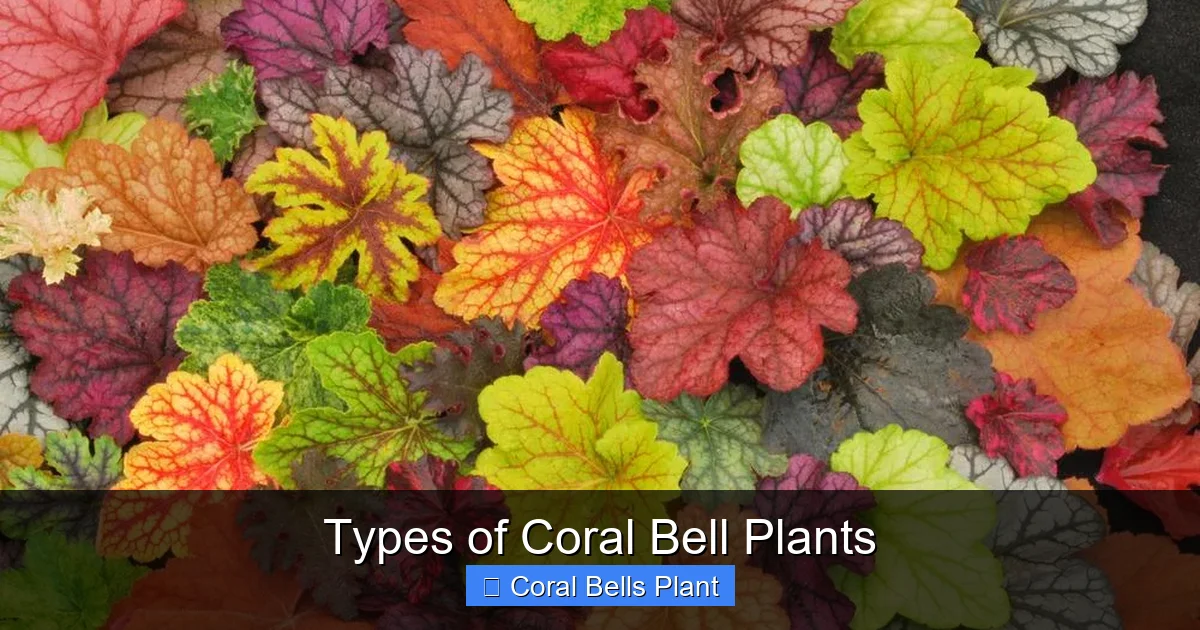
The foliage can be smooth, ruffled, or deeply lobed. Colors shift with temperature and light exposure. In spring, new leaves often emerge brighter than mature ones. Summer heat may deepen hues, while cooler autumn tones bring out richer shades. The flower spikes rise above the mound on slender stems. They bear tiny bell‑shaped blooms in white, pink, or coral. Although the flowers are modest, they attract pollinators like bees and hummingbirds.
Heuchera hybrids have expanded the palette dramatically. Breeders cross species to create new leaf patterns and improved vigor. This means gardeners can find a type of coral bell plant for almost any design need. Whether you want a bold purple accent or a subtle silver groundcover, there is likely a cultivar that fits.
Popular Types of Coral Bell Plants
Classic Green Varieties
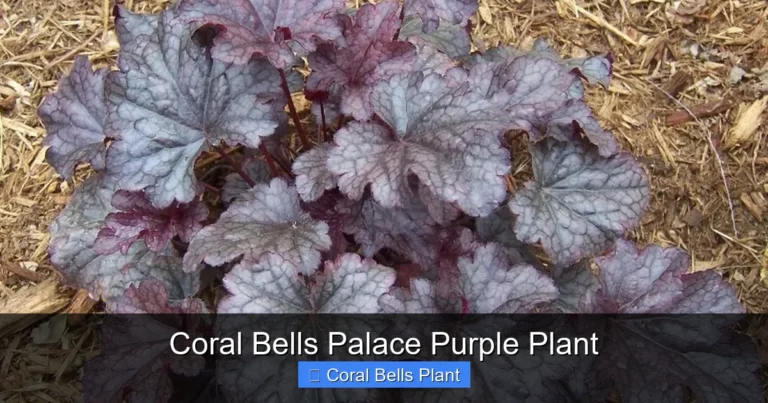
Green leaf cultivars remain popular for their reliable performance. ‘Palace Purple’ offers deep burgundy leaves that hold color all summer. ‘Green Spice’ features bright lime green foliage with a subtle silver sheen. These types of coral bell plants work well as a backdrop for brighter companions. They also tolerate a bit more sun than darker varieties.
Purple and Red Selections
Purple foliage adds drama to shade gardens. ‘Obsidian’ displays near‑black leaves with a glossy finish. ‘Fire Alarm’ shows vivid red‑orange new growth that matures to deep maroon. These types of coral bell plants create strong contrast when paired with chartreuse or silver plants. They also hold color better in cooler climates.
Silver and Gray Options
Silver leaves brighten dark corners. ‘Silver Scrolls’ has metallic silver foliage with dark veining. ‘Caramel’ offers warm amber‑gold leaves that shimmer in low light. These types of coral bell plants reflect light, making small spaces feel larger. They pair beautifully with deep green ferns.
Variegated and Patterned Forms
Variegated cultivars bring a painterly effect. ‘Marmalade’ shows orange‑gold centers with green margins. ‘Berry Smoothie’ displays pink‑blushed leaves edged in cream. These types of coral bell plants act as living art. They work well in containers where their details can be appreciated up close.
Compact and Dwarf Types
Small gardens benefit from dwarf varieties. ‘Little Cutie’ stays under six inches tall. ‘Petite Pearl’ forms a tight mound of pink‑tinged leaves. These types of coral bell plants are perfect for rock gardens, edging, or fairy garden scenes. Their diminutive size also makes them ideal for troughs and window boxes.
Choosing the Right Variety for Your Garden
Assess Light Conditions
Most types of coral bell plants prefer dappled shade. Full sun can scorch delicate leaves, especially dark cultivars. If your site receives morning sun only, you can grow a wider range. Deep shade may limit flowering but foliage stays vibrant. Observe the site for a full day before selecting.
Consider Climate and Hardiness
Check the USDA zone rating on the plant tag. Northern gardeners should choose cold‑hardy selections like ‘Northern Exposure’. Southern growers need heat‑tolerant types such as ‘Southern Comfort’. Microclimates near walls or water can shift the effective zone by one level.
Match Soil and Moisture Needs
Well‑drained soil is essential. Heavy clay can cause root rot. Amend planting holes with compost and coarse sand. Mulch with shredded bark to retain moisture and suppress weeds. Water newly planted types of coral bell plants regularly until established. After that, they tolerate short dry spells.
Plan for Color Harmony
Think about the overall palette. Pair cool silver leaves with warm amber varieties for contrast. Use green types as a neutral bridge. Repeat a single cultivar in drifts for a cohesive look. Remember that leaf color can shift seasonally, so plan for year‑round interest.
Size and Spacing
Mature spread ranges from 12 to 24 inches. Space plants accordingly to avoid overcrowding. Dwarf types can be placed 8 inches apart. Larger cultivars need 18 to 24 inches. Proper spacing improves air flow and reduces disease pressure.
Planting and Care Tips
When to Plant
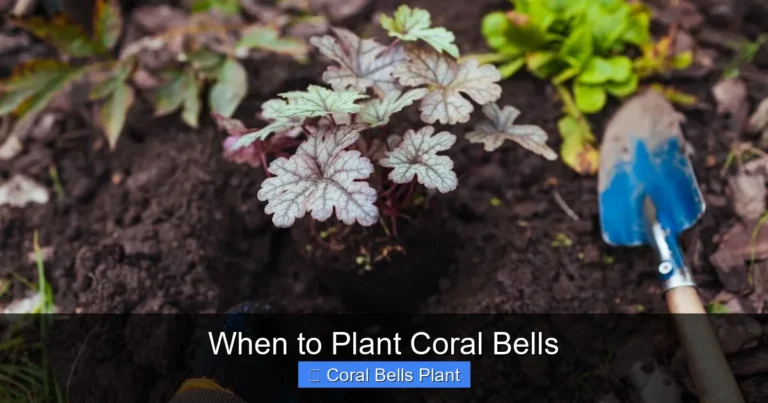
Spring and early fall are ideal planting windows. Cool temperatures reduce transplant shock. Avoid planting during extreme heat or frozen ground. Container‑grown types of coral bell plants can be set out any time the soil is workable.
Planting Steps
- Dig a hole twice as wide as the root ball.
- Loosen the bottom and sides of the hole.
- Mix native soil with compost at a 1:1 ratio.
- Place the plant so the crown sits at soil level.
- Backfill, firm gently, and water thoroughly.
- Apply a two‑inch mulch layer.
Water deeply after planting. Keep the soil evenly moist for the first six weeks. Then transition to a normal watering schedule.
Fertilizing
Coral bells are light feeders. Apply a balanced slow‑release fertilizer in early spring. A 10‑10‑10 formula at half the recommended rate works well. Avoid high nitrogen, which promotes leggy growth and reduces leaf color intensity.
Pruning and Division
Remove spent flower stalks after blooming to tidy the plant. In early spring, cut back any winter‑damaged foliage. Every three to four years, divide clumps to rejuvenate vigor. Dig the clump, separate crowns with a sharp knife, and replant divisions immediately.
Pest and Disease Management
Common issues include leaf spot, powdery mildew, and root rot. Provide good air circulation and avoid overhead watering. Remove affected leaves promptly. If needed, treat with a copper‑based fungicide labeled for ornamentals. Deer and rabbits rarely browse these plants.
Design Ideas with Coral Bells
Shade Garden Borders
Line a woodland path with alternating purple and silver types of coral bell plants. The rhythm guides the eye and adds texture. Interplant with hostas and ferns for layered height.
Container Combinations
Use a single bold cultivar as a thriller in a mixed pot. Surround it with trailing ivy and a filler like impatiens. The container can sit on a patio where shade is reliable.
Rock Garden Accents
Dwarf varieties tuck nicely between stones. Their low profile softens hard edges. Pair with sedums and creeping thyme for a tapestry effect.
Mass Plantings for Groundcover
Plant a single green variety in large drifts under trees. The uniform foliage suppresses weeds and creates a living carpet. Add spring bulbs for seasonal pops of color.
Pollinator Friendly Corners
Though flowers are modest, they feed early bees. Group several cultivars with staggered bloom times. This extends the nectar window from late spring into early summer.
Common Problems and Solutions
Leaf Scorch
Brown leaf edges indicate too much sun or insufficient water. Move the plant to a shadier spot or increase watering frequency. Mulch helps keep roots cool.
Crown Rot
Soggy soil leads to mushy crowns. Improve drainage by adding grit or planting on a slight mound. Avoid burying the crown during mulching.
Faded Color
Intense heat can wash out pigment. Provide afternoon shade or choose heat‑tolerant types of coral bell plants. Some cultivars naturally hold color better in warm zones.
Pest Damage
Slugs and snails may chew holes in tender leaves. Use beer traps or diatomaceous earth around the base. Hand‑pick at night for quick control.
Winter Dieback
In very cold zones, foliage may die back to the ground. This is normal. Cut back dead leaves in early spring. New growth emerges from the crown.
With so many types of coral bell plants available, you can craft a shade garden that feels like a living jewel box. Start by evaluating your site, then pick cultivars that match your light, climate, and design vision. Plant with care, give them a little attention each season, and they will reward you with year‑round foliage drama. Happy planting!
Frequently Asked Questions
What soil pH do coral bells prefer?
Coral bells grow best in slightly acidic to neutral soil, ideally a pH between 6.0 and 7.0.
Are coral bells deer resistant?
Yes, their tough, often bitter foliage makes them unappealing to deer and rabbits.
Do coral bells bloom all summer?
They typically produce flower spikes in late spring to early summer; blooms are short‑lived but attractive to pollinators.
Can I grow coral bells indoors?
They can be grown as houseplants in bright, indirect light with high humidity, but they prefer outdoor conditions.
How do I propagate coral bells?
Division is the easiest method; seed propagation is possible but hybrids may not come true to type.
What fertilizer works best for coral bells?
A balanced slow‑release fertilizer applied at half strength in early spring supports healthy foliage without excess growth.