Can You Plant Coral Bells with a Rhododendron Plant
Coral bells and rhododendrons make excellent planting partners because they share nearly identical growing requirements. Both plants prefer partial to full shade, acidic well-draining soil, and consistent moisture without waterlogging. Their complementary foliage textures and seasonal interest create beautiful layered garden designs throughout the year.
If you have ever wandered through a woodland garden in late spring, you have likely seen the magical combination of rhododendrons in full bloom with coral bells carpeting the ground beneath them. This classic pairing is not just beautiful by accident. It works because these two plants speak the same language when it comes to what they need from the soil, the light, and the weather. Gardeners have been planting them together for generations, and for good reason. They are natural companions in every sense of the word.
But before you rush to the nursery and load up your cart with both plants, it helps to understand exactly why this pairing works so well and what you need to watch out for. The relationship between a towering rhododendron and a low-growing coral bell is not without its challenges. Root competition, water needs, and spacing all play a role in whether your planting bed thrives or struggles. In this guide, we will walk through everything you need to know to create a stunning, healthy garden bed that showcases both of these shade-loving stars.
Key Takeaways
- Shared growing conditions: Both plants thrive in partial shade, acidic soil (pH 5.5-6.5), and consistent moisture
- Complementary aesthetics: Coral bells provide colorful ground-level foliage while rhododendrons offer structure and spring blooms
- Proper spacing is crucial: Plant coral bells 12-18 inches from rhododendron base to avoid root competition
- Mulching benefits both: Apply 2-3 inches of organic mulch to retain moisture and maintain soil acidity
- Seasonal interest varies: Rhododendrons bloom in spring; coral bells provide year-round foliage color
- Water deeply but infrequently: Encourage deep root growth with thorough weekly watering rather than frequent shallow watering
- Watch for root competition: Mature rhododendrons have extensive root systems that can outcompete smaller plants
Quick Answers to Common Questions
How far apart should I plant coral bells from a rhododendron?
Plant coral bells at least 12-18 inches from the rhododendron trunk to avoid root competition and allow both plants room to grow.
Do coral bells and rhododendrons need the same soil pH?
Yes, both prefer acidic soil. Rhododendrons need pH 4.5-6.0 while coral bells prefer 5.5-7.0, so a pH around 5.5-6.0 works perfectly for both.
Can I plant coral bells under an established rhododendron?
Yes, but take care not to damage the rhododendron’s shallow roots. Plant in pockets between roots and amend soil with compost for the coral bells.
Which coral bells varieties work best with rhododendrons?
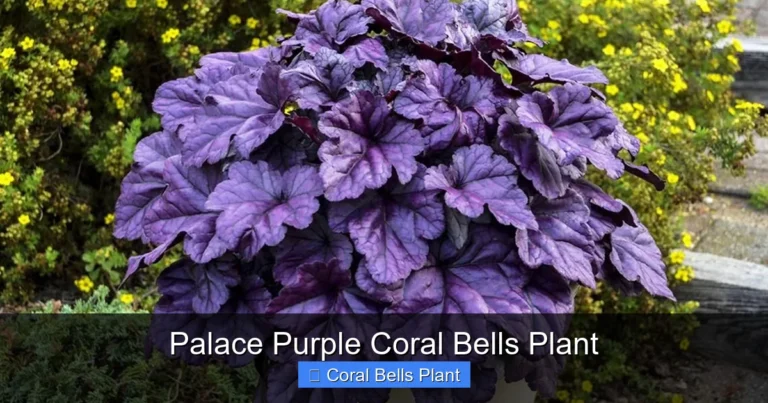
Any variety works, but villosa hybrids like ‘Caramel’ and ‘Citronelle’ handle heat and humidity well, while americana types like ‘Palace Purple’ are extremely cold-hardy.
Do I need to fertilize both plants differently?
No, both benefit from the same slow-release fertilizer for acid-loving plants applied in early spring. Avoid high-nitrogen fertilizers.
📑 Table of Contents
- Understanding the Natural Habitat of Both Plants
- Soil Requirements: The Foundation of Success
- Light and Placement Strategies
- Watering Wisdom for Companion Plantings
- Designing for Year-Round Interest
- Common Challenges and How to Solve Them
- Maintenance Calendar for a Thriving Partnership
- Choosing the Right Varieties for Your Zone
- Container Combinations: An Alternative Approach
- Troubleshooting Common Problems
- Creating a Complete Shade Garden Ecosystem
- Conclusion
Understanding the Natural Habitat of Both Plants
Where Rhododendrons Come From
Rhododendrons are native to mountainous regions across the Northern Hemisphere, from the Himalayas to the Appalachian Mountains. In the wild, they grow as understory shrubs beneath taller canopy trees. They are accustomed to dappled sunlight filtering through leaves above them. The soil in their native habitats is rich in organic matter from decades of fallen leaves and needles. It is acidic, well-draining, and consistently moist but never soggy. These conditions shaped the rhododendron into a plant with shallow, fibrous roots that spread wide rather than deep. Those roots are efficient at capturing nutrients in poor soil but they are also sensitive to disturbance and competition.
Where Coral Bells Come From
Coral bells, known botanically as Heuchera, are native to North America. Different species hail from varied environments, from rocky cliffs to woodland floors. The varieties we grow in gardens today are mostly hybrids bred for their spectacular foliage colors. Like rhododendrons, many Heuchera species evolved as understory plants. They grow in the shade of larger plants, rooted in soil enriched by decaying organic matter. Their roots are also relatively shallow but they form a tight clump rather than spreading widely. This makes them ideal for tucking in around the base of larger shrubs without getting in the way of the bigger plant’s root system.
Why Their Origins Matter
When two plants come from similar ecological niches, they usually make good garden companions. They have evolved to handle the same light levels, soil chemistry, and moisture patterns. You are not fighting nature when you plant them together. You are recreating a slice of their native habitat. This means less work for you and happier plants overall. The key is understanding that “similar” does not mean “identical.” There are nuances in how each plant uses water and nutrients that you need to manage.
Soil Requirements: The Foundation of Success
The Acidic Soil Connection
Both rhododendrons and coral bells prefer acidic soil. The sweet spot for rhododendrons is a pH between 4.5 and 6.0. Coral bells are a bit more flexible, tolerating a range from 5.5 to 7.0, but they perform best in that same slightly acidic zone. If your soil is naturally alkaline, you will need to amend it before planting. This is not a one-time fix. Soil pH drifts over time, especially in areas with alkaline water or limestone bedrock. Plan to test your soil annually and amend as needed. Elemental sulfur, aluminum sulfate, and acidic organic mulches like pine needles or oak leaves can help maintain the right pH.

Visual guide about Can You Plant Coral Bells with a Rhododendron Plant
Image source: s3.amazonaws.com
Drainage Is Non-Negotiable
Here is where many gardeners run into trouble. Both plants hate wet feet. Rhododendrons are notorious for developing root rot in poorly drained soil. Coral bells can handle a bit more moisture but they also succumb to crown rot if the soil stays soggy. The solution is the same for both. Amend heavy clay soil with generous amounts of compost, aged bark fines, or coarse sand. Create raised beds or mounds if your site has poor natural drainage. A simple test: dig a hole twelve inches deep, fill it with water, and see how long it takes to drain. If it takes more than a few hours, you have a drainage problem that needs fixing before you plant.
Organic Matter: The Secret Ingredient
In nature, both plants grow in soil rich with decaying leaves, needles, and wood. This organic matter does three things. It holds moisture without becoming waterlogged. It feeds beneficial soil microbes that help roots absorb nutrients. And it creates a loose, airy texture that shallow roots can easily penetrate. When preparing your planting bed, work in two to three inches of compost or well-rotted leaf mold. Do not skimp on this step. It is the single most important thing you can do for long-term success. Top-dress with more organic matter each year as mulch breaks down.
Light and Placement Strategies
Finding the Sweet Spot
Rhododendrons and coral bells both prefer partial shade. Morning sun with afternoon shade is ideal. Full deep shade can work but flowering on the rhododendron may be reduced and coral bells may lose some of their vibrant foliage color. Full afternoon sun in hot climates will scorch both plants. The rhododendron leaves will yellow and curl. The coral bells will bleach out and crisp at the edges. If you are planting in a new bed, observe the light patterns throughout the day before you commit. A spot that gets four to six hours of gentle morning light is perfect.
Orientation Matters
Plant your rhododendron first. It is the anchor of the design. Then arrange coral bells around its base in a loose arc or circle, staying at least twelve inches from the main trunk. This gives the rhododendron’s surface roots room to breathe and expand. It also makes it easier to water and mulch around the shrub without damaging the coral bells. If you are planting multiple rhododendrons, space them according to their mature width, then fill the gaps between them with coral bells. This creates a cohesive groundcover layer that suppresses weeds and retains soil moisture.
Using Microclimates to Your Advantage
Every garden has microclimates. The north side of a building stays cooler and shadier. The east side gets morning sun. A low spot may collect cold air and stay damp. A slope drains quickly but may dry out faster. Match your planting to the microclimate. In hot southern zones, push both plants into more shade. In cool northern zones, they can handle more sun. Coral bells with darker foliage (purples, near-blacks) tolerate more sun than chartreuse or yellow varieties. Use this knowledge to place each cultivar where it will look its best.
Watering Wisdom for Companion Plantings
The Deep Watering Principle
Both plants benefit from deep, infrequent watering rather than frequent light sprinkles. Deep watering encourages roots to grow downward, making plants more drought-resilient. Light watering keeps roots near the surface where they dry out quickly and suffer heat stress. Aim to wet the soil to a depth of twelve to eighteen inches each time you water. For a new planting, this might mean running a soaker hose for an hour or more. Check with a soil probe or long screwdriver. It should slide easily into moist soil but meet resistance when it hits dry earth.
Managing Different Root Depths
Here is a subtle but important point. Rhododendron roots are extremely shallow, often staying in the top six to eight inches of soil. Coral bells roots go a bit deeper, maybe ten to twelve inches. This means the rhododendron will feel drought stress first. In a hot dry spell, you may see rhododendron leaves drooping while coral bells look fine. Do not wait for the coral bells to wilt. Water when the rhododendron shows stress. Conversely, in wet periods, the rhododendron is more susceptible to root rot because its roots sit in the zone that stays saturated longest. Good drainage protects both but especially the rhododendron.
Mulch: Your Best Water Management Tool
A two to three inch layer of organic mulch is essential for this planting combination. Mulch reduces evaporation, moderates soil temperature, suppresses weeds, and breaks down to feed the soil. Pine bark nuggets, shredded leaves, pine straw, and wood chips all work well. Avoid piling mulch against the rhododendron trunk or the coral bells crowns. Leave a few inches of breathing room. Wet mulch against bark or crowns invites rot and pests. Replenish mulch annually as it decomposes. This ongoing addition of organic matter is what builds that rich, forest-floor soil both plants love.
Designing for Year-Round Interest
Spring: The Rhododendron Show
In spring, the rhododendron takes center stage. Depending on the variety, you get trusses of flowers in white, pink, red, purple, or yellow. The bloom period lasts two to three weeks. During this time, coral bells play a supporting role. Their fresh new foliage emerges in intense colors, providing a vibrant skirt at the base of the flowering shrub. Choose coral bells with foliage that complements the rhododendron blooms. Deep purple heuchera under a pink rhododendron is a classic combination. Lime green foliage under white flowers creates a fresh, luminous effect.
Summer: Foliage Takes the Lead
After the rhododendron flowers fade, the garden relies on foliage for interest. This is where coral bells shine. Their leaves hold color all summer long, especially modern hybrids bred for sun tolerance and color retention. The rhododendron provides a backdrop of leathery evergreen leaves. Some rhododendron varieties have attractive new growth in bronze or red, adding a second flush of color. The contrast in texture is striking. Large, smooth rhododendron leaves versus the ruffled, veined, often glossy coral bells leaves. This textural interplay keeps the bed looking sophisticated even without flowers.
Fall and Winter: Structure and Color
In fall, some coral bells varieties intensify in color as temperatures drop. Purples deepen. Reds brighten. Oranges glow. The rhododendron stands steady, its flower buds for next spring already visible at branch tips. In winter, the combination provides structure in the dormant garden. Evergreen rhododendron varieties hold their leaves (though they may curl in extreme cold). Many coral bells are semi-evergreen, holding basal foliage through winter in mild climates. In colder zones, they may die back to the crown but return vigorously in spring. The dried flower stems of coral bells can be left standing for winter interest and to protect the crown.
Common Challenges and How to Solve Them
Root Competition: The Silent Struggle
This is the biggest long-term challenge. A mature rhododendron has a massive root system that extends well beyond its drip line. Those roots are greedy for water and nutrients. Coral bells planted too close can decline over time as the rhododendron outcompetes them. The solution is proactive management. When planting, give coral bells a wide berth. Twelve to eighteen inches from the rhododendron trunk is a minimum. More is better. If you notice coral bells getting smaller, flowering less, or losing color vigor after a few years, root competition is likely the cause. You have two options. Dig and divide the coral bells in early spring, replanting the divisions further out. Or apply a slow-release fertilizer specifically to the coral bells area, using a fertilizer formulated for acid-loving plants.
Pest and Disease Considerations
Both plants have their share of pests but they rarely share them. Rhododendrons battle lace bugs, root weevils, and various fungal leaf spots. Coral bells deal with foliar nematodes, crown rot, and occasional aphids. Good cultural practices prevent most problems. Proper spacing for air circulation. Watering at the base, not overhead. Cleaning up fallen debris. Mulching to prevent soil splash. If you do see issues, treat each plant specifically. Do not assume a spray for rhododendron lace bugs is safe for coral bells. Read labels carefully. Many insecticides harm beneficial insects that keep pest populations in check naturally.
Deer and Rabbit Resistance
Here is good news. Rhododendrons are generally deer-resistant due to their leathery, toxic leaves. Coral bells are also rarely browsed, though hungry deer may nibble flowers. Rabbits tend to leave both alone. If you garden in an area with high deer pressure, this combination is a safe bet. However, no plant is truly deer-proof. In severe winters, deer will eat almost anything. Fencing or repellents may still be needed for young plants.
Winter Damage and Protection
In cold climates (zones 4-5), both plants benefit from winter protection. Rhododendrons can suffer from winter burn when frozen ground prevents water uptake but sun and wind demand transpiration. Anti-desiccant sprays applied in late fall help. A burlap screen on the windward side provides physical protection. Coral bells can heave out of the ground during freeze-thaw cycles. A thick mulch layer applied after the ground freezes prevents this. Do not mulch too early. Wait until the soil is frozen hard. This keeps rodents from nesting in the mulch and gnawing on plant crowns.
Maintenance Calendar for a Thriving Partnership
Early Spring (March-April)
Remove winter mulch gradually as temperatures rise. Check for heaved coral bells and gently firm them back into the soil. Apply a balanced, slow-release fertilizer for acid-loving plants around the drip line of the rhododendron and among the coral bells. Prune any dead or damaged rhododendron branches after flowering finishes. Divide crowded coral bells clumps every three to four years to maintain vigor.
Late Spring (May-June)
Deadhead spent rhododendron flowers carefully to avoid damaging next year’s buds. Snap them off just above the new leaf growth. This directs energy into growth rather than seed production. Monitor for lace bugs on rhododendron leaf undersides. Check coral bells for foliar nematode damage (angular brown patches between leaf veins). Remove and destroy affected leaves. Refresh mulch layer to two inches.
Summer (July-August)
Water deeply during dry spells. This is the most critical maintenance task. Scout for root weevil damage on rhododendron leaves (notched edges). Apply beneficial nematodes to soil if weevils are a problem. Trim any coral bells flower stems that have finished blooming to tidy the plant. Watch for signs of drought stress on both plants.
Fall (September-October)
Stop fertilizing. You want plants to harden off for winter. Plant new additions early enough to establish roots before freeze-up (six weeks minimum). Apply winter mulch after ground freezes. Use pine needles, straw, or shredded leaves. Protect young rhododendrons with burlap screens if exposed to winter winds.
Winter (November-February)
Minimal maintenance. Brush heavy snow off rhododendron branches to prevent breakage. Do not attempt to remove ice. Let it melt naturally. Plan next year’s additions. Order coral bells varieties for spring planting.
Choosing the Right Varieties for Your Zone
Rhododendron Selection by Climate
Not all rhododendrons are created equal when it comes to cold hardiness. In zones 4-5, stick with proven hardy varieties like the PJM group, ‘Nova Zembla’, ‘Roseum Elegans’, or the Northern Lights series. These survive -25°F or colder. In zones 6-7, your options explode. You can grow large-leaved species and tender hybrids. In zones 8-9, heat tolerance becomes the issue. Look for varieties bred for southern gardens, like the Southgate series. Always check the hardiness rating on the tag and buy from a local nursery that grows their own stock or sources regionally.
Coral Bells Selection by Climate
Heuchera breeding has produced varieties for every climate. In hot, humid zones (7-9), choose varieties with H. villosa parentage. These have fuzzy leaves that resist fungal diseases. ‘Caramel’, ‘Citronelle’, ‘Mocha’, and the Primo series are excellent choices. In cold zones (3-5), look for varieties with H. americana or H. micrantha genetics. ‘Palace Purple’, ‘Plum Pudding’, and the Dolce series are reliably hardy. In all zones, darker foliage colors tend to be more sun-tolerant than light colors. But in the deep shade under a rhododendron, even the brightest chartreuse varieties will hold their color well.
Matching Sizes and Scales
Consider the mature size of both plants. A dwarf rhododendron that stays three feet tall pairs well with compact coral bells like ‘Petite Pearl Fairy’ or ‘Little Cutie’ series. A large rhododendron that reaches eight feet wide needs bold coral bells that can hold their own, like ‘Blackout’, ‘Fire Alarm’, or ‘Electric Lime’. You want the coral bells to be visible and impactful, not swallowed by the shrub’s skirt. Plant in groups of three, five, or seven for the best visual effect. Odd numbers look more natural than even rows.
Container Combinations: An Alternative Approach
When Ground Planting Isn’t an Option
If your soil is hopelessly alkaline, poorly drained, or you simply don’t have the space, you can grow this combination in containers. Use a large pot, at least twenty-four inches wide and deep. Fill with a high-quality acidic potting mix (look for mixes formulated for azaleas, camellias, and rhododendrons). Plant a compact rhododendron in the center. Surround it with three to five coral bells around the edges. This gives you total control over soil conditions and makes winter protection easier in cold zones. You can move the pot to a sheltered location or unheated garage.
Container Care Differences
Containers dry out faster than ground soil. You will need to water more frequently, possibly daily in hot weather. Fertilize more often too, since nutrients leach out with watering. Use a slow-release fertilizer at planting and supplement with liquid fertilizer monthly during the growing season. Repot every two to three years in early spring, root-pruning the rhododendron and dividing the coral bells. This keeps the combination healthy long-term.
Best Varieties for Pots
Choose naturally compact rhododendrons like ‘PJM Compact’, ‘Yaku Princess’, or ‘Ginny Gee’. For coral bells, almost any variety works in a pot but the smaller, mounding types look best in proportion. ‘Delta Dawn’, ‘Georgia Peach’, ‘Lime Rickey’, and ‘Berry Smoothie’ are all excellent container performers with season-long color.
Troubleshooting Common Problems
Yellowing Rhododendron Leaves
If your rhododendron leaves turn yellow between the veins while the veins stay green, that is chlorosis. It usually means the soil pH is too high (alkaline) for the plant to absorb iron. Test your soil. If pH is above 6.0, apply elemental sulfur or iron chelate according to package directions. Mulch with pine needles to gradually lower pH. Do not over-fertilize with nitrogen, which can worsen the problem.
Coral Bells Losing Color
If your vibrant coral bells fade to dull green, they are likely getting too much shade or too much nitrogen fertilizer. While they grow in shade, they need some light to develop full pigmentation. Morning sun is ideal. Excess nitrogen promotes lush green growth at the expense of color. Use a balanced fertilizer with lower nitrogen (first number) or one formulated for foliage plants.
Rhododendron Not Blooming
A rhododendron that grows well but refuses to flower is frustrating. Common causes: too much shade (less than four hours of light), pruning at the wrong time (removing flower buds), too much nitrogen fertilizer, or the plant is too young. Some varieties take three to five years to bloom heavily after planting. Be patient. Ensure the plant gets adequate light and avoid high-nitrogen lawn fertilizers near the root zone.
Coral Bells Crown Rot
If coral bells collapse at the base with mushy, brown crowns, that is crown rot. It is caused by fungi that thrive in wet conditions. Improve drainage immediately. Remove affected plants. Do not replant coral bells in the same spot for a year. When replanting, set the crown slightly high (half inch above soil level) and mulch with coarse material that does not hold moisture against the crown.
Creating a Complete Shade Garden Ecosystem
Adding Layers for Biodiversity
A rhododendron and coral bells combination is a great start but a truly resilient garden has more layers. Consider adding spring bulbs (snowdrops, scilla, daffodils) that bloom before the rhododendron leafs out fully. Add ferns for summer texture (Japanese painted fern, autumn fern, Christmas fern). Include late-season bloomers like toad lilies (Tricyrtis) or Japanese anemones. Groundcovers like foamflower (Tiarella) or wild ginger (Asarum) fill gaps between coral bells clumps. Each layer supports different pollinators and beneficial insects, creating a mini-ecosystem that is more stable and beautiful.
Supporting Pollinators and Wildlife
Rhododendron flowers attract bumblebees, which are among the few pollinators strong enough to access the nectar. Coral bells flowers draw hummingbirds and native bees. The dense foliage provides shelter for birds and beneficial insects. Leave some leaf litter undisturbed in fall. It harbors overwintering insects that become next year’s pest control. A diverse planting is a healthy planting. The more species you include, the fewer pest outbreaks you will experience.
Long-Term Evolution of the Planting
Gardens are not static. Your rhododendron will grow. The shade will deepen. The coral bells that thrived in year three may struggle in year ten. This is normal. Plan for evolution. As the rhododendron expands, you may need to transplant coral bells to the new drip line. You may shift to more shade-tolerant varieties. You may add more ferns and fewer flowering perennials. Embrace the change. A mature shade garden has a dignity and peace that a new planting cannot match. The partnership between rhododendron and coral bells is the foundation. What you build on that foundation is up to you.
Conclusion
Can you plant coral bells with a rhododendron plant? The answer is a resounding yes. These two plants are not just compatible. They are natural partners that have been growing together in woodland environments for millennia. When you recreate those conditions in your garden—acidic, well-drained, organically rich soil, dappled shade, consistent moisture—you set the stage for a planting that gets better every year. The rhododendron provides structure, spring drama, and year-round evergreen presence. The coral bells provide a living mulch of incredible foliage color, seasonal flowers, and textural contrast. Together, they create a garden scene that looks effortless but rewards careful attention.
Success comes down to a few key practices. Prepare the soil thoroughly before you plant. Space generously to reduce root competition. Mulch religiously. Water deeply. Choose varieties suited to your climate. And observe. Watch how the plants respond through the seasons. Adjust your care based on what you see. A garden is a conversation between you and the plants. When you listen, they tell you what they need. The coral bells and rhododendron conversation is one of the most rewarding in the shade garden. Start it this season. Your future self, sitting in the dappled shade with a cup of tea, surrounded by color and texture, will thank you.
Frequently Asked Questions
Will coral bells survive the dense shade under a large rhododendron?
Coral bells tolerate deep shade but perform best with some morning light or dappled sun. In very dense shade, foliage color may be less vibrant and flowering reduced. Choose dark-leaved varieties for the shadiest spots.
Can rhododendron roots damage coral bells over time?
Mature rhododendrons have aggressive surface roots that can outcompete coral bells for water and nutrients. Plant coral bells at least 18 inches from the trunk and divide them every few years to maintain vigor.
Should I remove rhododendron flower heads after blooming?
Yes, deadheading rhododendrons redirects energy from seed production to next year’s flower buds. Snap off spent trusses carefully just above the new leaf growth to avoid damaging emerging buds.
How often should I water newly planted coral bells and rhododendrons?
Water deeply 2-3 times per week for the first growing season, ensuring moisture reaches 12-18 inches deep. After establishment, water weekly during dry periods, more often in extreme heat.
Can I grow this combination in containers?
Absolutely. Use a large pot (24+ inches) with acidic potting mix. Choose compact rhododendron varieties and any coral bells. Water and fertilize more frequently than in-ground plantings.
What mulch is best for coral bells and rhododendrons?
Pine bark, pine needles, shredded leaves, or wood chips all work well. Apply 2-3 inches, keeping mulch away from plant crowns and trunks. Replenish annually as it decomposes to build soil organic matter.