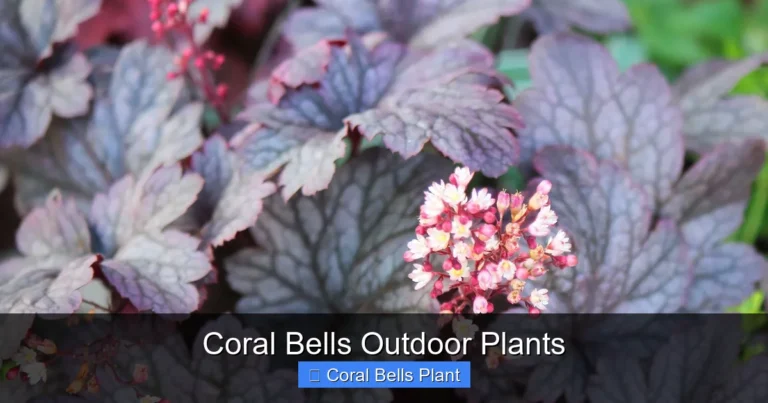
Can You Plant Two Coral Bells in a Pot
Yes, you can plant two coral bells in a single pot as long as you choose a container at least 12-14 inches wide and use well-draining soil. Proper spacing prevents root competition and ensures both plants get enough nutrients, water, and airflow for healthy growth.
Key Takeaways
- Minimum pot size matters: Use a container at least 12-14 inches in diameter to give two coral bells enough root room.
- Spacing prevents competition: Plant them 6-8 inches apart so roots don’t tangle and fight for water and nutrients.
- Well-draining soil is essential: Mix potting soil with perlite or coarse sand to prevent root rot in shared containers.
- Match varieties wisely: Pair coral bells with similar light and water needs for easier care and balanced growth.
- Water consistently but don’t overwater: Check soil moisture 1-2 inches deep; water when the top layer feels dry.
- Fertilize lightly in spring: Apply a slow-release balanced fertilizer once per growing season to support both plants.
- Divide or repot every 2-3 years: Refresh soil and separate crowded roots to maintain vigor and prevent decline.
Quick Answers to Common Questions
What size pot do I need for two coral bells?
Use a pot at least 12-14 inches wide and 10-12 inches deep to give both plants enough root space.
How far apart should I plant two coral bells in a container?
Space the crowns 6-8 inches apart measured from center to center for healthy root development.
Can I mix sun and shade coral bell varieties in the same pot?
No, pair varieties with similar light needs so both thrive in the same location.
How often should I water two coral bells in a pot?
Check soil daily in summer; water deeply when the top 1-2 inches feel dry to the touch.
When should I divide and repot paired coral bells?
Divide and refresh soil every 2-3 years in early spring or early fall to maintain plant vigor.
📑 Table of Contents
- Can You Plant Two Coral Bells in a Pot? The Short Answer
- Choosing the Right Pot for Two Coral Bells
- Spacing Two Coral Bells in One Container
- Soil Mix for Happy Container Coral Bells
- Pairing Coral Bell Varieties in a Pot
- Watering Two Coral Bells in One Pot
- Feeding and Long-Term Care
- Common Problems and Quick Fixes
- Design Ideas for Two Coral Bells in a Pot
- When NOT to Plant Two Coral Bells Together
- Conclusion: Two Coral Bells, One Beautiful Pot
Can You Plant Two Coral Bells in a Pot? The Short Answer
If you’re wondering can you plant two coral bells in a pot, the answer is a cheerful yes. These charming perennials, also known as Heuchera, play nicely together in containers when you give them a little breathing room. I’ve tucked pairs of coral bells into pots on my porch for years, and they reward me with ruffled foliage in shades of caramel, purple, lime, and silver from spring through frost.
The trick isn’t whether you can do it. The trick is doing it well so both plants thrive instead of just survive. A crowded pot leads to tangled roots, uneven watering, and sad, leggy growth. But with the right container, soil mix, and a few simple habits, two coral bells can live happily side by side for seasons.
In this guide, I’ll walk you through everything I’ve learned from trial, error, and plenty of conversations with fellow gardeners. We’ll cover pot size, spacing, soil, variety pairing, watering, feeding, and long-term care. By the end, you’ll feel confident planting a dynamic duo that looks great and stays healthy.
Choosing the Right Pot for Two Coral Bells
Why Pot Size Makes or Breaks the Pairing
Let’s start with the container. Coral bells have fibrous root systems that spread horizontally more than they dive deep. When you plant two in one pot, those roots need room to stretch without bumping into each other constantly.
A pot that’s too small forces roots into a tight knot. That means less soil to hold moisture, fewer nutrients available, and faster drying out in summer heat. The plants compete, and usually both lose.
Minimum diameter: 12 inches. That’s the absolute floor. A 12-inch pot gives each plant roughly a 6-inch radius of soil. Better yet, go for 14 to 16 inches. The extra width means more soil volume, which buffers temperature swings and holds water longer. Your watering chores drop, and the plants stay happier.
Depth Matters Too
Coral bells don’t need a deep tub, but they appreciate 10-12 inches of soil depth. Shallow bowls dry out fast. If you love the look of a low bowl, just know you’ll water more often. A standard nursery pot shape, wider than it is tall, hits the sweet spot.
Drainage Is Non-Negotiable
Every pot needs drainage holes. No exceptions. Coral bells hate wet feet. Root rot sets in fast in soggy soil. If your decorative pot lacks holes, drill them or use it as a cachepot with a nursery pot inside. Elevate the pot on feet or bricks so water escapes freely.
Material Choices
Terracotta breathes, which helps soil dry evenly but means more frequent watering. Glazed ceramic and plastic retain moisture longer. Lightweight resin or fiberstone pots are easy to move. Pick what suits your climate and watering style. In hot, dry summers, I lean toward glazed or plastic to cut daily watering.
Spacing Two Coral Bells in One Container
The 6-8 Inch Rule
When you plant two coral bells in a pot, space the crowns 6 to 8 inches apart. Measure from the center of one plant’s crown to the center of the other. This distance lets each root zone develop without immediate overlap.
If you’re starting with small nursery plugs, they’ll look far apart at first. Resist the urge to crowd them. They fill in fast. By midsummer, the foliage will knit together into a lush mound.
Positioning for Visual Balance
Place the plants slightly off-center from each other rather than perfectly symmetrical. A gentle asymmetry looks more natural. If the pot sits against a wall, put the taller or showier variety toward the back. For a 360-degree view, stagger them so the foliage fans out in a pleasing circle.
What Happens If You Plant Too Close?
Crowded coral bells compete for everything. The stronger plant shades the weaker one. Airflow drops, inviting fungal issues like powdery mildew. Roots choke each other out. You end up with one dominant plant and one struggling runt. Give them space from day one.
Soil Mix for Happy Container Coral Bells
The Ideal Blend
Coral bells need soil that drains fast but holds enough moisture to keep roots hydrated between waterings. Straight garden soil compacts in pots. Straight peat-based potting mix stays too wet. The sweet spot is a custom blend.
My go-to recipe:
- 2 parts high-quality potting soil
- 1 part perlite or pumice
- 1 part coarse sand or fine bark
- Handful of compost or worm castings per pot
This mix drains in seconds, stays loose for years, and feeds slowly. The perlite creates air pockets. The sand or bark adds weight and structure. The compost gives a gentle nutrient baseline.
Why Not Just Buy “Cactus Mix”?
Cactus mix drains too fast for coral bells. These plants like consistent moisture, not desert conditions. You’d water constantly. A balanced blend saves time and stress.
Refreshing Soil Over Time
Potting mix breaks down. After two years, it compacts and loses drainage. When you repot or divide, toss the old mix into garden beds and start fresh. Don’t reuse it in containers.
Pairing Coral Bell Varieties in a Pot
Match Light and Water Needs
Not all coral bells want the same conditions. Some handle more sun. Some need more shade. Some are thirstier. When you plant two together, pick varieties with overlapping preferences.
Sun-tolerant pairs: ‘Caramel’, ‘Citronelle’, ‘Electric Lime’, ‘Southern Comfort’. These handle 4-6 hours of morning sun.
Shade-loving pairs: ‘Palace Purple’, ‘Obsidian’, ‘Black Pearl’, ‘Berry Smoothie’. These prefer dappled or full shade.
Don’t mix a sun-lover with a shade-lover. One will fry or sulk.
Play With Color and Texture
This is the fun part. Coral bells offer incredible foliage variety. Pair a ruffled lime green with a glossy near-black. Combine a silver-veined variety with a warm caramel. Contrast leaf shapes: deeply lobed next to gently scalloped.
Think about the pot color too. A charcoal pot makes lime foliage pop. A terracotta pot warms up purple leaves. A white glazed pot feels crisp with silver and dark combos.
Growth Rate Compatibility
Some varieties grow faster. ‘Caramel’ and ‘Citronelle’ are vigorous. ‘Obsidian’ and ‘Black Pearl’ are slower. If you pair a sprinter with a slowpoke, the fast one may swallow the slow one. Check plant tags or descriptions for “vigorous” vs. “compact” notes.
Watering Two Coral Bells in One Pot
The Finger Test
Forget schedules. Water when the top 1-2 inches of soil feel dry. Stick your finger in. If it’s cool and damp, wait. If it’s dry at your fingertip, water deeply until it runs out the bottom.
Two plants in one pot dry out faster than one plant in the same pot. More roots pull more water. Check daily in summer. Every 2-3 days in spring and fall. Rarely in winter.
Morning Watering Wins
Water early. Foliage dries before evening, reducing fungal risk. Wet leaves overnight invite powdery mildew, a common coral bell annoyance.
Avoid the “Splash and Dash”
Don’t just wet the surface. Deep watering encourages roots to chase moisture downward, building drought resilience. Shallow watering keeps roots near the surface where they fry.
Mulch Helps
A 1-inch layer of fine bark, shredded leaves, or cocoa hulls slows evaporation. Keep mulch away from crowns to prevent rot. Mulch also suppresses weeds and looks tidy.
Feeding and Long-Term Care
Light Feeding, Once a Year
Coral bells aren’t heavy feeders. Too much fertilizer makes soft, floppy growth that attracts pests. In early spring, scratch in a tablespoon of slow-release balanced fertilizer (like 10-10-10 or 14-14-14) per pot. That’s it for the year.
If leaves look pale or growth stalls midsummer, a half-strength liquid feed once won’t hurt. But don’t make it a habit.
Deadheading and Grooming
Coral bells send up delicate flower spikes in late spring to early summer. Hummingbirds love them. When blooms fade, snip stems at the base. It keeps the plant tidy and redirects energy to foliage.
Remove any tattered or brown leaves anytime. They pull off easily. Fresh growth follows quickly.
Dividing and Repotting Every 2-3 Years
This is the secret to long-term success. After two or three seasons, the pot gets root-bound. Soil is exhausted. Plants lose vigor.
In early spring or early fall, tip the pot out. Gently tease the two root balls apart. You may need a knife or hori-hori. Replant each in fresh mix, either in separate pots or back together in the same pot with new soil. Water well. They bounce back fast.
Winter Care for Potted Coral Bells
In zones 4-7, pots freeze harder than ground soil. Roots can die. Options:
- Move pots to an unheated garage or shed.
- Sink pots into the ground up to the rim.
- Wrap pots in burlap or bubble wrap.
- Group pots together against a protected wall and mulch heavily.
Don’t bring them indoors as houseplants. They need winter dormancy. Keep soil barely moist, not bone dry, not soggy.
Common Problems and Quick Fixes
Powdery Mildew
White dusty coating on leaves. Caused by poor airflow, wet foliage, humidity. Fix: space plants properly, water at soil level, thin crowded growth. Spray with neem oil or potassium bicarbonate if it persists.
Root Weevils
Notches chewed in leaf edges at night. Larvae eat roots. Fix: apply beneficial nematodes to soil in spring and fall. Hand-pick adults at night with a flashlight.
Crown Rot
Plant collapses at base, mushy crown. Caused by buried crown or soggy soil. Fix: ensure crown sits at soil level, not below. Improve drainage. Discard severely affected plants.
Fading Color
Leaves lose vibrancy, turn greenish. Usually too much shade for colorful varieties or too much sun for shade types. Fix: move pot to better light. Some color shift is seasonal and normal.
Design Ideas for Two Coral Bells in a Pot
Thriller-Filler-Spiller With a Twist
Classic container design uses a tall thriller, mounding filler, trailing spiller. Two coral bells make a stunning filler duo. Add a tall grass or fern in the center (thriller) and a trailing creeping jenny or ivy at the edges (spiller). Instant pro-looking pot.
Monochromatic Elegance
Plant two shades of the same color family. Example: ‘Plum Pudding’ and ‘Berry Smoothie’ for a purple-themed pot. Add white caladiums or impatiens for contrast.
Seasonal Swaps
Coral bells are evergreen in mild winters. In spring, tuck in pansies or violas between them. Summer: add petunias or calibrachoa. Fall: swap in ornamental kale or mums. The coral bells anchor the display year-round.
Single-Specimen Statement
Sometimes one spectacular coral bell in a beautiful pot beats a pair. If you have a showstopper like ‘Fire Alarm’ or ‘Forever Purple’, give it a solo stage. But for most of us, two complementary varieties create richer texture.
When NOT to Plant Two Coral Bells Together
Tiny Pots
Anything under 10 inches wide. Just don’t. One plant max.
Aggressive Neighbors
Don’t pair coral bells with mint, lamium, or other spreaders. They’ll get swallowed.
Wet, Heavy Soil Conditions
If you can’t provide sharp drainage, stick to one plant in a smaller pot you can monitor closely. Two plants in soggy soil double the rot risk.
You’re a Chronic Overwaterer
Be honest. If you love your plants to death with the hose, one coral bell is safer. Two means more roots to rot.
Conclusion: Two Coral Bells, One Beautiful Pot
So, can you plant two coral bells in a pot? Absolutely. It’s one of my favorite container combos. The foliage play lasts months, the care is straightforward, and the payoff is huge.
Start with a 14-inch pot. Use a gritty, rich mix. Space crowns 6-8 inches apart. Pick varieties that want the same light. Water deeply when the top inch dries. Feed once in spring. Divide every few years.
Do those things, and your paired coral bells will look like a magazine spread from April to November. They’ll survive winter. They’ll greet you each spring with fresh, vibrant leaves. And you’ll wonder why you ever planted just one.
Grab a pot. Pick two varieties that make your heart happy. Plant them tomorrow. Your porch will thank you.
Frequently Asked Questions
Can you plant two coral bells in a pot together?
Yes, you can plant two coral bells in one pot if the container is at least 12-14 inches wide and you space the plants 6-8 inches apart with well-draining soil.
What is the best soil mix for coral bells in containers?
Use 2 parts potting soil, 1 part perlite or pumice, 1 part coarse sand or fine bark, plus a handful of compost for a well-draining, moisture-retentive mix.
Do coral bells need full sun or shade in pots?
It depends on the variety. Some like ‘Caramel’ tolerate 4-6 hours of morning sun, while ‘Obsidian’ prefers dappled or full shade. Match varieties to your light conditions.
How often should I fertilize coral bells in a pot?
Apply a slow-release balanced fertilizer once in early spring. Avoid overfeeding, which causes weak, floppy growth.
Will coral bells in pots survive winter?
In zones 4-7, protect pots by moving to an unheated garage, sinking into the ground, or wrapping with insulation. Keep soil barely moist during dormancy.
Why are my potted coral bells turning brown and crispy?
Crispy leaves usually mean underwatering, too much sun for the variety, or root binding. Check soil moisture, assess light exposure, and consider repotting if roots are crowded.