Where to Plant Coral Bells Heuchera
Coral bells heuchera thrives in partial shade with well-draining, humus-rich soil. Choose a location with morning sun and afternoon shade for the most vibrant foliage color. Proper spacing and soil preparation ensure healthy growth and stunning garden displays year after year.
If you have ever wandered through a shade garden in late spring, you have likely spotted the ruffled, jewel-toned leaves of coral bells heuchera. These perennials are garden workhorses. They offer months of color, texture, and form with very little fuss. But the secret to their success starts long before you dig the hole. It starts with knowing exactly where to plant coral bells heuchera for the happiest, healthiest plants.
I have grown these beauties in everything from deep woodland shade to sunny rock gardens. I have learned the hard way that location dictates everything. The right spot means vibrant foliage, strong blooms, and plants that return bigger each year. The wrong spot leads to bleached leaves, crown rot, or plants that simply sulk. Let us walk through every factor you need to consider so your coral bells thrive from day one.
Key Takeaways
- Light matters most: Plant coral bells in partial shade with morning sun and afternoon shade for optimal foliage color and health.
- Soil drainage is critical: Well-draining, humus-rich soil prevents root rot and supports vigorous growth.
- Space plants properly: Allow 12 to 18 inches between plants for good air circulation and mature spread.
- Consider your climate zone: Adjust sun exposure based on your hardiness zone; hotter regions need more shade.
- Group for impact: Plant in drifts or clusters of three to five for the best visual effect in borders and beds.
- Protect from harsh winds: Choose sheltered locations to prevent leaf scorch and winter desiccation.
- Container options work well: Coral bells adapt beautifully to pots with quality potting mix and consistent moisture.
Quick Answers to Common Questions
Can coral bells grow in full sun?
In cooler zones (4-6), some varieties tolerate full sun with consistent moisture. In warmer zones, full sun will scorch the foliage. Morning sun with afternoon shade is ideal for most climates.
How far apart should I space coral bells?
Space plants 12 to 18 inches apart for most varieties. Larger cultivars need 18 to 24 inches. Proper spacing ensures good air circulation and prevents disease.
What type of soil do coral bells prefer?
Coral bells need well-draining, humus-rich soil with a pH of 6.0 to 7.0. Amend heavy clay or sandy soil with compost or leaf mold to improve drainage and moisture retention.
When is the best time to plant coral bells?
Spring after the last frost or early fall (6 weeks before ground freeze) are best. Fall planting allows root establishment before winter. Avoid summer heat and winter frozen ground.
Do coral bells grow well in containers?
Yes, coral bells are excellent container plants. Use a quality potting mix with perlite, ensure drainage holes, and water when the top inch of soil feels dry. They work as thrillers, fillers, or spillers.
📑 Table of Contents
- Understanding Light Requirements for Coral Bells
- Soil Conditions That Make Coral Bells Happy
- Spacing and Air Circulation Considerations
- Choosing the Perfect Garden Location
- Seasonal Timing for Planting Success
- Companion Planting Strategies
- Common Mistakes to Avoid When Siting Coral Bells
- Special Situations and Problem Areas
- Maintaining Your Coral Bells After Planting
- Design Ideas for Maximum Impact
- Troubleshooting Location-Related Issues
- Conclusion
Understanding Light Requirements for Coral Bells
Light is the single most important factor when deciding where to plant coral bells heuchera. Most varieties prefer partial shade. This means they want morning sun and afternoon shade. Or they want dappled light filtering through a tree canopy all day. This light recipe gives you the richest leaf color and the strongest growth.
Why Morning Sun Works Best
Morning sun is gentle. It dries dew off the leaves quickly. This reduces the risk of fungal diseases like powdery mildew. It also provides enough energy for the plant to produce the pigments that make the leaves so colorful. Afternoon sun, especially in summer, is intense. It can scorch the delicate leaves. It can also fade those deep purples, bright limes, and rich caramels into washed-out versions of themselves.
Adjusting for Your Climate Zone
Your USDA hardiness zone changes the light equation. In cooler zones like 4 through 6, coral bells can handle more sun. They may even thrive in full sun if the soil stays consistently moist. In warmer zones 7 through 9, afternoon shade becomes non-negotiable. The heat intensity will fry the foliage. If you live in the Deep South, aim for bright shade or only a couple of hours of very early morning light.
Reading the Plant Tag for Variety-Specific Needs
Not all coral bells are created equal. The species Heuchera villosa and its hybrids, like the popular ‘Caramel’ and ‘Citronelle,’ handle heat and humidity better. They tolerate more sun. The species Heuchera americana prefers cooler, shadier spots. Dark-leaved varieties like ‘Palace Purple’ or ‘Obsidian’ hold their color best with some direct morning light. Chartreuse and yellow varieties like ‘Lime Rickey’ or ‘Electric Lime’ need shade to prevent bleaching. Always check the specific cultivar tag before you commit to a spot.
Soil Conditions That Make Coral Bells Happy
Once you have the light figured out, soil is your next big decision. Coral bells have a woody crown that sits right at the soil line. This crown is prone to rot if it stays wet. Excellent drainage is not optional. It is essential.
The Ideal Soil Profile
Think forest floor. That is the gold standard. You want soil that is rich in organic matter. It should be loose and friable. It holds moisture but lets excess water drain away quickly. A pH between 6.0 and 7.0 is perfect. Slightly acidic to neutral. If your soil is heavy clay, you must amend it. If it is pure sand, you must amend it. Both extremes cause problems.
Amending Clay and Sandy Soils
For clay, work in compost, leaf mold, or aged bark fines. Do not just dig a hole and fill it with good soil. That creates a bathtub effect. Water pours into the hole and has nowhere to go. Instead, amend a wide area. Mix organic matter into the native soil at least 12 inches deep and 18 inches wide. For sandy soil, the same organic additions help. They increase water retention and nutrient holding capacity. Peat moss or coconut coir works well here too.
Testing Drainage Before You Plant
Dig a test hole 12 inches deep and 12 inches wide. Fill it with water. Let it drain. Fill it again. If the second fill drains in under an hour, you are good. If it takes two to four hours, it is acceptable but not ideal. If water sits for half a day, you have a drainage problem. Consider raised beds or mounding the soil to lift the crown above the wet zone.
Spacing and Air Circulation Considerations
Crowding is a common mistake. Coral bells need room to breathe. Good air circulation keeps the foliage dry. Dry foliage resists disease. Proper spacing also lets each plant reach its natural, graceful mound shape.
General Spacing Guidelines
Space most varieties 12 to 18 inches apart. Measure from center of crown to center of crown. Larger cultivars like ‘Big Top’ or ‘Mega Caramel’ need 18 to 24 inches. Smaller ones like ‘Petite Pearl Fairy’ can go 10 to 12 inches. If you are planting a groundcover mass, you can cheat a little closer. But never plant them touching. That invites trouble.
Planning for Mature Size
Look at the plant tag for mature width. A one-gallon pot looks small. In two years, that plant will be triple the size. Visualize the mature spread. Will it crowd the walkway? Will it smother the neighboring hosta? Will it block the airflow around the base of a shrub? Plant for the future, not the pot size.
Container Spacing Rules
In pots, you can plant slightly closer for a full look. But do not pack them tight. A 12-inch pot holds one coral bells comfortably. An 18-inch pot holds two or three. Use a high-quality potting mix with perlite or pumice. Ensure the pot has drainage holes. Elevate pots on feet or bricks so water exits freely.
Choosing the Perfect Garden Location
Now we get to the fun part. Picking the actual spot in your garden. Coral bells are incredibly versatile. They fit into almost any garden style. But some locations showcase them better than others.
Woodland and Shade Gardens
This is their native habitat. Under deciduous trees. Along shaded paths. Mixed with ferns, hostas, and foamflowers. The dappled light is perfect. The soil is usually rich with leaf litter. The tree roots can be a challenge. Do not chop large roots. Plant in the pockets between them. Or create a raised bed on top of the root zone with 8 to 12 inches of amended soil.
Mixed Perennial Borders
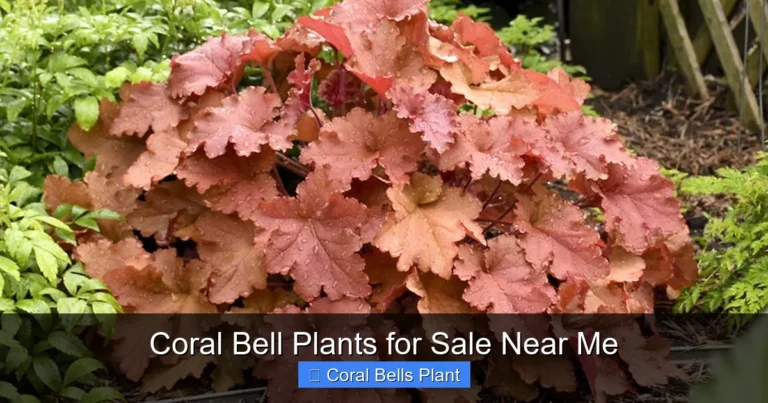
Coral bells shine at the front of the border. Their low mounds hide the bare legs of taller plants behind them. Their evergreen or semi-evergreen foliage provides winter interest when everything else has died back. Pair them with plants that have contrasting textures. Think spiky iris, airy grasses, or bold hosta leaves. The color combinations are endless. Purple heuchera next to chartreuse hakone grass. Caramel heuchera beside blue hostas. Lime heuchera under dark purple salvia.
Rock Gardens and Slopes
The sharp drainage of a rock garden suits coral bells beautifully. The stones keep the crown high and dry. The reflected heat can be intense, so choose sun-tolerant varieties. On slopes, they help stabilize soil. Their fibrous roots hold the bank. Plant them in drifts flowing down the hill. The effect is natural and stunning.
Container Gardens and Patio Planters
This is where coral bells have exploded in popularity. They are the ultimate container thriller, filler, or spiller depending on the variety. They look great solo in a decorative pot. They mix beautifully with annuals, trailing plants, and small shrubs. The key is the potting mix. Do not use garden soil. Use a lightweight, well-draining mix. Water when the top inch feels dry. Fertilize lightly with a slow-release balanced fertilizer in spring.
Understory of Shrubs and Small Trees
Plant them under hydrangeas, viburnums, or Japanese maples. They cover the bare ground. They suppress weeds. They add a layer of color at knee height. Just ensure the shrub canopy is not too dense. You still need that dappled light. And watch for aggressive surface roots from trees like maples. They will outcompete the coral bells for water.
Seasonal Timing for Planting Success
Where you plant matters. When you plant matters almost as much. Timing affects establishment. It affects winter survival. It affects first-year performance.
Spring Planting Advantages
Spring is the most popular time. The soil is warming. The rains are regular. The plant has a full growing season to establish roots before winter. Plant after the last hard frost. In most zones, that is April or May. Water consistently through the first summer. Mulch well to keep roots cool and moist.
Fall Planting Benefits
Fall is actually ideal in many regions. The soil is still warm from summer. This encourages root growth. The air is cool. This reduces top growth stress. Rainfall is often reliable. Plant at least six weeks before the ground freezes. This gives roots time to anchor. Mulch heavily after the ground freezes to prevent frost heaving. Frost heaving pushes the crown out of the soil. This kills the plant.
Avoiding Summer and Winter Planting
Summer planting is risky. Heat and drought stress the new plant. If you must plant in summer, provide temporary shade. Water daily for the first two weeks. Winter planting only works in zones where the ground does not freeze. Even then, root growth is minimal. The plant sits idle until spring. It is not worth the risk.
Companion Planting Strategies
Great garden design is about relationships. Coral bells play well with many partners. The right companions enhance beauty. They share similar cultural needs. They extend the season of interest.
Shade-Loving Perennials
Hostas are the classic partner. Their bold leaves contrast with the ruffled heuchera foliage. Ferns add delicate texture. Japanese painted fern brings silver and burgundy tones that echo heuchera colors. Astilbe adds feathery plumes in early summer. Brunnera offers heart-shaped leaves and true blue flowers. Hellebores bloom in late winter when heuchera foliage looks its best.
Spring Bulbs for Early Color
Plant daffodils, grape hyacinths, or species tulips among your coral bells. The bulbs bloom before the heuchera fully leafs out. As bulb foliage yellows, the expanding heuchera leaves hide it. This is a perfect succession. No empty gaps. No messy dying bulb leaves on display.
Ornamental Grasses for Movement
Hakone grass (Hakonechloa macra) is the number one grass partner. It loves the same conditions. Its cascading habit contrasts with the mounded heuchera. ‘Aureola’ is gold-striped. ‘All Gold’ is solid chartreuse. Both look amazing with purple or caramel heuchera. Carex sedges work too. ‘Ice Dance’ has white-edged leaves. ‘Everillo’ is bright gold.
Annuals for Season-Long Pop
In containers, mix coral bells with shade-tolerant annuals. Impatiens, begonias, and coleus provide flowers or intense foliage color all summer. Torenia (wishbone flower) blooms nonstop in shade. Fuchsia adds elegant dangling flowers. The heuchera provides the perennial backbone. The annuals provide the seasonal fireworks.
Common Mistakes to Avoid When Siting Coral Bells
I have made all of these. Learn from my errors. Your plants will thank you.
Planting Too Deep
This is the number one killer. The crown must sit at or slightly above soil level. Not buried. Not mounded with mulch against the stems. If the crown is covered, it rots. Plant high. Mulch away from the crown. Leave a one-inch gap.
Ignoring Winter Wet
A spot that drains fine in summer may be a swamp in winter. Clay soils hold water when frozen. Low spots collect runoff. If your chosen spot stays soggy in February, the crown will rot. Choose a slightly elevated spot. Or plant on a small mound. Or use containers where you control the drainage.
Underestimating Tree Root Competition
Mature trees are water hogs. Their surface roots suck the soil dry. Coral bells have shallow roots. They lose the battle. If you must plant under a thirsty tree, use a root barrier. Or plant in containers sunk into the ground. Or water religiously. And fertilize more often. The tree steals nutrients too.
Choosing the Wrong Variety for the Spot
Putting a sun-sensitive lime variety in hot afternoon sun. Putting a heat-hating variety in a zone 9 courtyard. It ends in disappointment. Match the plant to the place. Read the tag. Ask the nursery staff. Do your homework.
Neglecting Mulch
Bare soil bakes in summer. It freezes hard in winter. It erodes in rain. Two inches of shredded bark, leaf mold, or pine straw solves all three. It moderates temperature. It conserves moisture. It suppresses weeds. It breaks down to feed the soil. Just keep it off the crown.
Special Situations and Problem Areas
Every garden has tricky spots. Coral bells can solve many of them. But you need to match the variety to the challenge.
Dry Shade Under Large Trees
This is the toughest garden condition. Dry. Shady. Root-filled. Heuchera villosa hybrids are your best bet. ‘Autumn Bride’ is a tough, large, green-leaved variety that handles this. ‘Caramel’ and ‘Citronelle’ do well too. Amend the planting hole generously. Water deeply once a week during the first year. Mulch heavily. Consider a drip irrigation line run through the bed.
Hot, Humid Southern Gardens
Fungal diseases love humidity. Powdery mildew. Rust. Leaf spot. Choose varieties bred for the South. The ‘Southern Comfort’ series. ‘Georgia Peach.’ ‘Peach Flambe.’ ‘Mocha.’ Space widely for airflow. Water at the base, not overhead. Morning water only so leaves dry fast.
High Altitude and Cold Climates
Zone 3 and 4 gardeners need extreme hardiness. Look for Heuchera sanguinea hybrids. ‘Firefly.’ ‘Snow Angel.’ ‘Ruby Bells.’ Plant in a protected spot. South or east side of a building. Good snow cover helps. Mulch heavily after freeze-up. Do not cut back foliage in fall. It insulates the crown.
Coastal and Salt-Prone Areas
Salt spray burns foliage. Salt in soil damages roots. Coral bells have moderate salt tolerance. Not high. Plant them behind a windbreak. Rinse foliage with fresh water after storms. Use gypsum in the soil to displace sodium. Choose tough varieties like ‘Palace Purple’ or ‘Green Spice.’
Maintaining Your Coral Bells After Planting
You picked the perfect spot. You planted perfectly. Now what? A little care keeps them looking spectacular for years.
Watering Wisdom
New plants need consistent moisture. Not soggy. Not bone dry. Check the soil with your finger. Top inch dry? Water. Established plants are surprisingly drought tolerant. But they look best with regular water. In containers, check daily in summer. The limited soil volume dries fast.
Fertilizing Lightly
Coral bells are light feeders. Too much fertilizer makes weak, floppy growth. It reduces foliage color intensity. Apply a balanced slow-release fertilizer in early spring. Or top-dress with compost. That is it. No liquid feeding every two weeks. No high nitrogen. Less is more.
Dividing Every Few Years
After three to four years, the center gets woody. The plant loses vigor. The crown rises above the soil. This is the signal to divide. Do it in spring or fall. Dig the whole plant. Pull or cut apart the rosettes. Each piece needs roots. Replant the vigorous outer pieces. Discard the woody center. Amend the soil. Water well. You just turned one plant into five.
Seasonal Cleanup
In late winter, remove any tattered, brown, or damaged leaves. Cut them at the base. Do not shear the whole plant. The fresh new growth will emerge from the center. In cold zones, leave the foliage all winter. It protects the crown. Clean up in early spring.
Design Ideas for Maximum Impact
Let us talk aesthetics. Where to plant coral bells heuchera for the biggest wow factor.
Color Echoes and Contrasts
Repeat a color from a nearby plant. Purple heuchera near a purple-leaf sand cherry. Caramel heuchera near a copper beech. Lime heuchera near a golden Japanese forest grass. This creates harmony. Or contrast. Dark purple heuchera next to white-variegated hosta. Silver heuchera next to deep green fern. This creates drama.
Drifts and Mass Plantings
One plant is a specimen. Five plants is a drift. Fifteen plants is a statement. Odd numbers look more natural. Plant in triangles or loose zigzags. Not straight lines. Not perfect circles. Let them flow. Space them so they will eventually touch. A carpet of ruffled color is breathtaking.
Edging Paths and Borders
Line a shaded path with coral bells. They stay low. They do not flop over the edge. They soften the hardscape. They invite you to look down. Mix three varieties in a repeating pattern. Purple, silver, caramel. Purple, silver, caramel. Rhythm leads the eye.
Focal Points in Containers
A single large pot with one spectacular variety. ‘Black Pearl’ with its jet-black ruffled leaves. ‘Electric Plum’ with its intense purple-pink foliage. Place it on a pedestal. At the top of stairs. Flanking a doorway. The container elevates the plant. Literally and visually.
Troubleshooting Location-Related Issues
Even with perfect planning, things happen. Here is how to read the signs and fix the problem.
Bleached or Scorched Leaves
Too much sun. Especially afternoon sun. Move the plant in fall or early spring. Or add a shade cloth. Or plant a taller perennial to cast afternoon shade. The damaged leaves will not recover. New growth will be normal once the light is right.
Stretched, Leggy Growth
Too much shade. The plant reaches for light. Stems elongate. Leaves get smaller. Color fades to green. Move to a brighter spot. Or limb up nearby trees to let in more light. Morning sun is the target.
Crown Rot and Mushy Stems
Too wet. Poor drainage. Buried crown. Dig the plant. Check roots. Black and mushy? Trim to healthy tissue. Replant higher in a raised mound. Or move to a better-drained spot. Or switch to containers.
Frost Heaving
The crown is pushed out of the ground. Roots exposed. This happens in freeze-thaw cycles. Push the plant back down gently. Or replant at correct depth. Mulch heavily after ground freezes. Pine boughs or straw work well. They insulate without matting.
Poor Color Development
Usually light-related. But can be nutrient-related. Very high nitrogen reduces anthocyanin production. That is the pigment for reds and purples. Stop fertilizing. Ensure proper light. Some varieties color up in cool weather. They green out in heat. This is normal. Wait for fall.
Conclusion
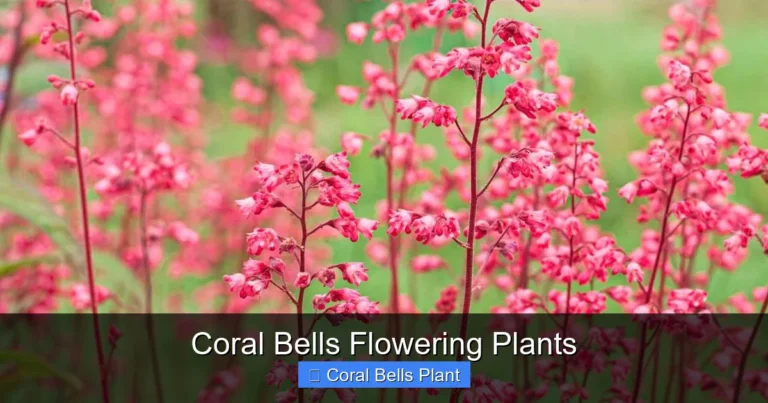
Knowing where to plant coral bells heuchera transforms these perennials from fussy divas into reliable stars. It is not complicated. Partial shade. Well-drained soil. Proper spacing. Good air flow. Crown at soil level. Match the variety to your climate. That is the recipe. Follow it and you will be rewarded with months of foliage color, delicate flower spikes, and plants that live for decades.
I have clumps in my garden that are fifteen years old. They have been divided and shared. They have survived droughts, floods, polar vortexes, and my own neglect. They ask for so little. They give so much. Take the time to choose their home wisely. Your future self, sipping coffee while admiring a tapestry of ruffled jewel tones, will thank you.
Now grab your trowel. Pick your spot. Plant your coral bells. And watch the magic unfold.
Frequently Asked Questions
Where is the best place to plant coral bells heuchera in my garden?
The best location offers morning sun and afternoon shade with well-draining, humus-rich soil. Choose a spot with good air circulation, such as a woodland edge, shaded border, or under deciduous trees where they receive dappled light.
Can I plant coral bells under pine trees?
Yes, but pine needles create acidic soil and heavy shade. Test soil pH and amend with lime if needed below 6.0. Choose tough varieties like ‘Autumn Bride’ and water regularly since tree roots compete heavily for moisture.
How do I prevent crown rot when planting coral bells?
Plant the crown at or slightly above soil level, never buried. Ensure excellent drainage by amending soil with compost. Mulch with 2 inches of shredded bark but keep mulch 1 inch away from the crown to prevent moisture buildup.
Will coral bells survive winter in zone 4?
Many varieties are hardy to zone 4, especially Heuchera sanguinea hybrids like ‘Firefly’ and ‘Ruby Bells.’ Plant in a protected spot, leave foliage standing for winter insulation, and mulch heavily after the ground freezes.
Why are my coral bells turning green instead of staying purple?
High heat, deep shade, or excess nitrogen fertilizer can cause purple varieties to green out. Ensure they receive morning light for color development, avoid high-nitrogen feeds, and know that some seasonal greening in summer is normal.
Can I plant coral bells as a ground cover?
Yes, plant them 12 inches apart in drifts for a ground cover effect. They spread slowly by clumping, not runners. Choose vigorous varieties like ‘Caramel’ or ‘Autumn Bride’ for faster fill. Combine with spring bulbs for season-long interest.