Caramel Coral Bells Plant
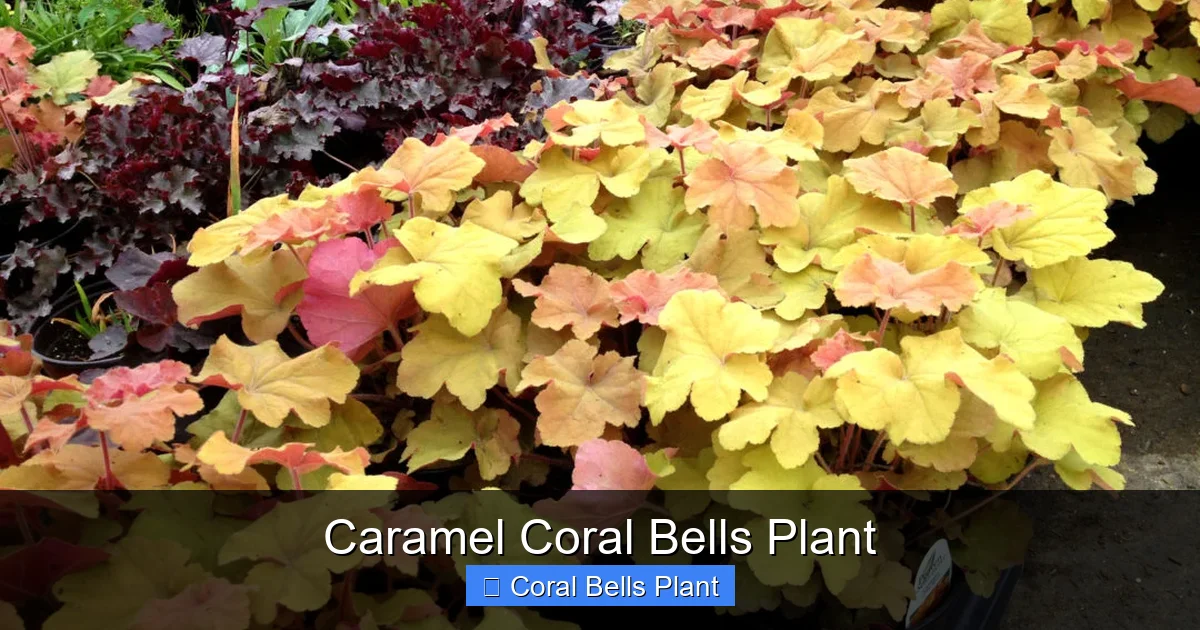
The caramel coral bells plant is a low‑maintenance perennial prized for its warm, caramel‑colored leaves and delicate bell‑shaped flowers. It thrives in partial shade, prefers well‑drained soil, and adds year‑round interest to borders and containers.
The caramel coral bells plant is a favorite among gardeners who want color without fuss. This perennial offers warm foliage that looks like melted caramel. The leaves stay attractive from early spring until frost. Small bell shaped flowers rise above the foliage in late spring. The plant fits many garden styles and works in containers too.
You will find the caramel coral bells plant easy to care for. It tolerates partial shade and even some sun. It prefers soil that drains well but holds a bit of moisture. Once established it needs little supplemental water. This makes it a great choice for busy gardeners.
In this guide you will learn everything you need to grow a healthy caramel coral bells plant. We cover planting, watering, feeding, and design ideas. You will also discover common problems and how to fix them. Let us dive in.
Key Takeaways
- Easy to grow: The caramel coral bells plant tolerates a range of light conditions and needs minimal care.
- Striking foliage: Its caramel‑toned leaves provide color from spring through fall.
- Long bloom period: Small bell‑shaped flowers appear in late spring and continue into summer.
- Versatile placement: Works well in borders, rock gardens, and containers.
- Deer resistant: Most herbivores avoid the slightly fuzzy leaves.
- Simple propagation: Divide clumps in early spring or sow seeds for new plants.
Quick Answers to Common Questions
What light does the caramel coral bells plant need?
The caramel coral bells plant prefers partial shade with morning sun and protection from harsh afternoon rays.
How often should I water the caramel coral bells plant?
Water regularly during the first season, then only during prolonged dry spells once established.
Can the caramel coral bells plant grow in containers?
Yes, the caramel coral bells plant grows well in containers with good drainage and a quality potting mix.
When is the best time to divide the caramel coral bells plant?
Divide the caramel coral bells plant in early spring before new growth begins.
Is the caramel coral bells plant deer resistant?
The caramel coral bells plant is generally deer resistant due to its slightly fuzzy leaves.
📑 Table of Contents
What Is the Caramel Coral Bells Plant
Origin and History
The caramel coral bells plant belongs to the Heuchera genus. It is a cultivar bred for its unique leaf color. The parent species are native to North America. Breeders selected plants with amber and copper tones. The result is a plant that glows in the garden.
Botanical Details
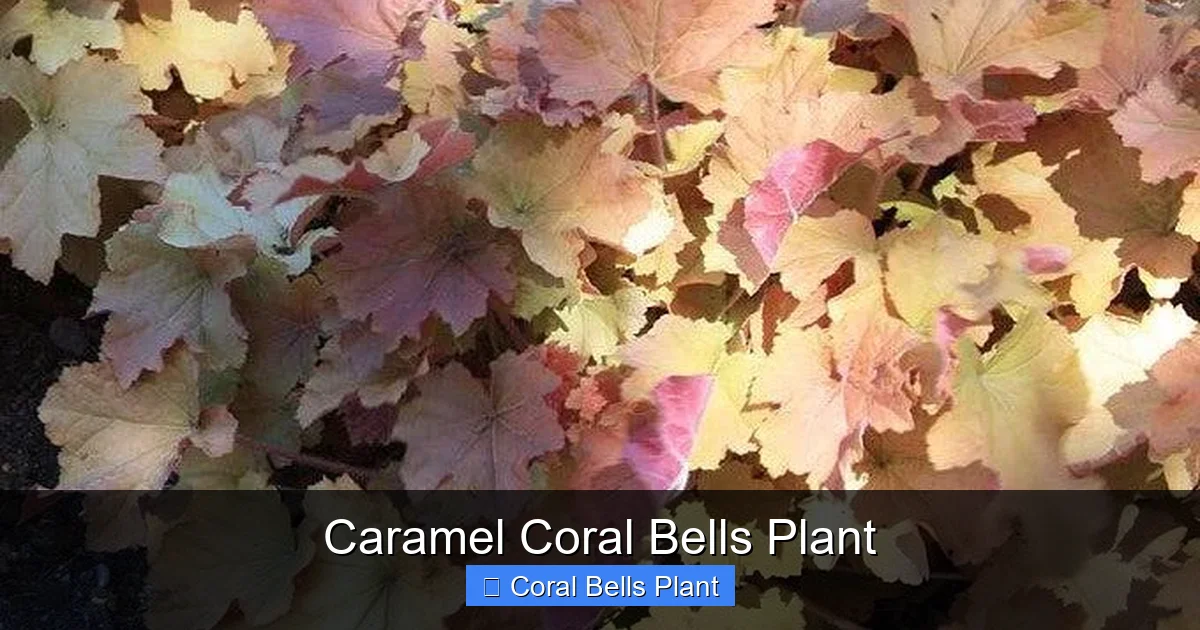
The caramel coral bells plant forms a low mound about twelve to eighteen inches tall. The leaves are rounded with a slight ruffle. Each leaf shows a blend of caramel, bronze, and green. The flower stalks rise up to twenty inches. Tiny pink or white bells appear in loose clusters.
Why Gardeners Love It
Gardeners love the caramel coral bells plant for its year round interest. The foliage provides color when many other plants are dormant. The flowers attract hummingbirds and bees. The plant is also deer resistant. It fits into shade gardens, rock gardens, and mixed borders.
Ideal Growing Conditions
Light Requirements
The caramel coral bells plant prefers partial shade. It can handle morning sun but avoids harsh afternoon rays. Too much sun can scorch the leaves. In deep shade the plant may become leggy. Aim for dappled light for the best foliage color.
Visual guide about Caramel Coral Bells Plant
Image source: gobuyplants.com
Soil Preferences
Well drained soil is essential for the caramel coral bells plant. A mix of loam, compost, and a bit of sand works well. The soil pH should be slightly acidic to neutral. Heavy clay can cause root rot. Amend clay with organic matter before planting.
Watering Needs
Water the caramel coral bells plant regularly during the first growing season. Keep the soil evenly moist but not soggy. Once established the plant tolerates short dry spells. Mulch helps retain moisture and keeps roots cool.
Temperature and Hardiness
The caramel coral bells plant is hardy in USDA zones four through nine. It survives winter cold with minimal protection. In colder zones add a layer of mulch in late fall. In hot climates provide afternoon shade and extra water.
Planting and Propagation
When to Plant
Plant the caramel coral bells plant in spring after the last frost. Fall planting works in mild climates. Avoid planting during extreme heat. Cool weather helps roots establish before summer stress.
How to Plant in Ground
Dig a hole twice as wide as the root ball. Place the caramel coral bells plant at the same depth it grew in the pot. Backfill with amended soil. Firm gently and water thoroughly. Space plants twelve to eighteen inches apart for good air flow.
Container Planting
Choose a pot with drainage holes. Use a high quality potting mix with perlite. Plant the caramel coral bells plant at the same depth as in the nursery pot. Water well and place in dappled shade. Containers dry faster so check moisture often.
Division and Seed Propagation
Divide mature clumps of the caramel coral bells plant in early spring. Lift the plant, separate sections with a sharp knife, and replant. Seeds can be sown indoors eight weeks before the last frost. Keep seedlings moist and transplant after danger of frost passes.
Ongoing Care and Maintenance
Fertilizing
Feed the caramel coral bells plant with a balanced slow release fertilizer in early spring. A second light feeding in midsummer supports bloom. Avoid high nitrogen formulas that promote leaf growth at the expense of flowers.
Pruning and Deadheading
Remove spent flower stalks of the caramel coral bells plant to encourage rebloom. Trim any damaged or yellowing leaves in early spring. Light pruning keeps the mound tidy and improves air circulation.
Mulching
Apply a two inch layer of shredded bark or leaf mold around the caramel coral bells plant. Mulch conserves moisture, suppresses weeds, and protects roots in winter. Keep mulch a few inches away from the crown to prevent rot.
Pest and Disease Management
The caramel coral bells plant is relatively pest free. Aphids may appear on new growth. Spray with insecticidal soap if needed. Slugs can chew leaves in damp conditions. Use beer traps or diatomaceous earth. Good air flow and proper watering prevent fungal leaf spots.
Design Ideas and Companion Plants
Border Plantings
Use the caramel coral bells plant as a front of border accent. Its low mound creates a soft edge. Pair with hostas, ferns, and astilbes for texture contrast. The warm foliage brightens shady corners.
Container Arrangements
Combine the caramel coral bells plant with trailing ivy and bright annuals. The foliage provides a constant backdrop. Change seasonal flowers for continuous color. Containers can be moved to follow light patterns.
Shade Garden Pairings
In a shade garden the caramel coral bells plant shines beside heucheras with purple leaves. Add Japanese forest grass for movement. The mix of leaf colors creates a tapestry effect.
Seasonal Interest
The caramel coral bells plant offers spring flowers, summer foliage, and autumn color. In winter the evergreen leaves persist in mild zones. This makes it a four season performer.
Common Problems and Solutions
Leaf Scorch
Leaf scorch on the caramel coral bells plant appears as brown edges. It is caused by too much sun or wind. Move the plant to a shadier spot or add a windbreak. Increase watering during hot spells.
Root Rot
Root rot occurs when the caramel coral bells plant sits in soggy soil. Ensure good drainage and avoid overwatering. If rot is detected, remove affected roots and replant in fresh soil.
Aphid Infestations
Aphids cluster on new shoots of the caramel coral bells plant. They suck sap and distort growth. Blast with a strong water jet or apply neem oil. Encourage ladybugs for natural control.
Fungal Issues
Powdery mildew and leaf spot can affect the caramel coral bells plant in humid weather. Space plants for air flow. Water at the base, not overhead. Apply a copper based fungicide if needed.
The caramel coral bells plant is a versatile, low maintenance perennial that brings warm color to any garden. With the right site, soil, and a little care it will thrive for years. Use the tips in this guide to enjoy beautiful foliage and delicate blooms season after season. Happy planting.
Frequently Asked Questions
What soil type is best for the caramel coral bells plant?
The caramel coral bells plant thrives in well‑drained, slightly acidic to neutral soil enriched with organic matter.
Does the caramel coral bells plant need fertilizer?
A balanced slow‑release fertilizer in early spring and a light feeding in midsummer keep the caramel coral bells plant vigorous.
How do I prevent leaf scorch on the caramel coral bells plant?
Provide dappled shade, avoid hot afternoon sun, and keep the soil consistently moist during heat waves.
What pests commonly affect the caramel coral bells plant?
Aphids and slugs are the most common pests on the caramel coral bells plant; both are manageable with simple controls.
Can the caramel coral bells plant survive winter in cold zones?
Yes, the caramel coral bells plant is hardy to USDA zone four; mulch heavily in late fall for extra protection.
How long does the caramel coral bells plant bloom?
The caramel coral bells plant produces bell‑shaped flowers from late spring through early summer, often reblooming if deadheaded.


