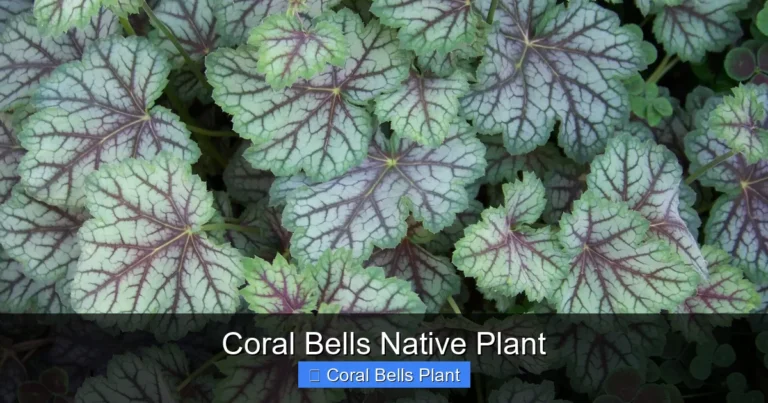
What to Plant with Heuchera Coral Bells
Heuchera coral bells thrive alongside shade-loving companions like hostas, ferns, and astilbes that share similar growing conditions. Choose plants with contrasting foliage textures and complementary bloom times to create a dynamic, low-maintenance garden display that shines from spring through fall.
If you have ever grown heuchera coral bells, you know these plants are absolute superstars in the shade garden. Their ruffled leaves come in colors that range from deepest purple to bright lime green, from caramel to near-black. They catch the light beautifully. They hold their color through winter in many zones. But here is the thing — they look even better when they have the right neighbors. Figuring out what to plant with heuchera coral bells can transform a nice planting into a showstopping garden vignette.
I have spent years moving plants around in my own shade borders, testing combinations, and watching what works and what flops. The good news? Coral bells are incredibly versatile. They play well with a huge range of perennials, bulbs, grasses, and even small shrubs. The trick is understanding their needs first. Then you pick partners that want the same things. In this guide, we will walk through everything you need to know about companion planting for coral bells. You will learn the best plant partners, design principles, seasonal combinations, and a few mistakes to avoid. Let us dig in.
Key Takeaways
- Match growing conditions: Select companions that prefer partial to full shade and well-draining, humus-rich soil just like heuchera coral bells.
- Contrast foliage textures: Pair the ruffled, colorful leaves of coral bells with broad-leaved hostas, feathery ferns, or grass-like sedges for visual interest.
- Stagger bloom times: Combine early-blooming spring bulbs, summer-flowering astilbes, and fall-blooming anemones for continuous seasonal color.
- Consider height layers: Plant low-growing coral bells (8-18 inches) in front of taller shade perennials like foxglove or bugbane for a layered effect.
- Watch for aggressive spreaders: Avoid planting coral bells near invasive species like bishop’s weed or lily of the valley that can crowd them out.
- Group by water needs: Choose companions with similar moisture requirements to simplify irrigation and prevent root rot or drought stress.
- Use repetition for cohesion: Repeat the same companion plant groupings throughout your shade border to create a unified, professionally designed look.
Quick Answers to Common Questions
What are the best hosta varieties to pair with heuchera coral bells?
Blue hostas like ‘Halcyon’ contrast beautifully with chartreuse heucheras, while gold hostas like ‘Sum and Substance’ complement purple varieties. Variegated hostas such as ‘Patriot’ pair elegantly with silver-leaved coral bells.
Can I plant coral bells with hydrangeas?
Yes, hydrangeas and coral bells are excellent companions. Both thrive in part shade with rich, moist soil. Plant coral bells as a colorful skirt around the base of hydrangeas for year-round foliage interest beneath the summer blooms.
Which ferns work best with heuchera coral bells?
Japanese painted fern offers silver-burgundy fronds that echo heuchera colors. Autumn fern emerges coppery-orange to complement caramel varieties. Christmas fern provides evergreen winter structure. Maidenhair fern adds delicate texture contrast.
What spring bulbs can I plant among coral bells?
Early bulbs like snowdrops, crocus, scilla, and chionodoxa bloom before heuchera foliage expands. Daffodils, species tulips, and alliums extend the show. The heuchera leaves naturally hide the yellowing bulb foliage afterward.
Are there any plants I should avoid planting near coral bells?
Avoid aggressive spreaders like bishop’s weed, lily of the valley, and English ivy. Also avoid plants with incompatible needs: Mediterranean herbs (lavender, rosemary) want sun and dry soil, while bog plants (ligularia) need constant moisture.
📑 Table of Contents
- Understanding Heuchera Coral Bells: What They Need to Thrive
- Design Principles for Companion Planting with Coral Bells
- Top Perennial Companions for Heuchera Coral Bells
- Grasses and Grass-Like Plants for Texture and Movement
- Bulbs and Ephemerals for Early Season Magic
- Shrubs and Small Trees: The Woody Framework
- Plants to Avoid: What Not to Plant with Coral Bells
- Sample Planting Recipes: Putting It All Together
- Maintenance Tips for Happy Companion Plantings
- Container Combinations: Coral Bells in Pots
- Conclusion: Your Shade Garden, Elevated
Understanding Heuchera Coral Bells: What They Need to Thrive
Before we talk about companions, we need to talk about the star of the show. Heuchera coral bells are native to North America. They grow naturally in woodlands, on rocky slopes, and along creek banks. This tells you a lot about what they like. They want dappled shade or morning sun with afternoon protection. They need soil that drains well but holds moisture. Think rich, humusy, slightly acidic to neutral soil. They hate wet feet, especially in winter. Crown rot is the number one killer.
Light Requirements for Healthy Growth
Most coral bells perform best in part shade. That means two to four hours of direct sun, ideally in the morning. Some newer cultivars tolerate more sun, especially in cooler climates. Dark-leaved varieties like ‘Palace Purple’ or ‘Obsidian’ handle sun better than light-leaved ones like ‘Lime Rickey’ or ‘Citronelle.’ If you plant in full shade, you will get fewer flowers but the foliage color stays intense. If you plant in too much sun, the leaves can scorch and bleach out. When choosing companions, match the light tolerance. A sun-loving lavender will not work next to a shade-loving heuchera.
Soil and Moisture Preferences
Well-draining soil is non-negotiable. Heavy clay spells trouble unless you amend it heavily with compost, leaf mold, or pine bark fines. Raised beds or mounded plantings help in wet areas. Coral bells like consistent moisture but not soggy conditions. A two-inch layer of shredded leaf mulch or pine straw keeps roots cool and moist. It also suppresses weeds. Your companion plants should share these preferences. Bog plants like ligularia want more water. Mediterranean herbs want less. Aim for that sweet spot of evenly moist, well-drained, organic-rich soil.
Hardiness and Seasonal Behavior
Most heucheras are hardy in USDA zones 4 through 9. Some go to zone 3. In cold climates, they are semi-evergreen. The foliage may look ratty by late winter. Do not cut it back until new growth emerges in spring. Those old leaves protect the crown. In mild climates, they stay handsome all year. This evergreen quality makes them valuable winter structure plants. Choose companions that either share this trait or provide interest at different times. A deciduous fern leaves a gap in winter. An evergreen hellebore fills it.
Design Principles for Companion Planting with Coral Bells
Great plant combinations are not accidental. They follow a few core design principles. Once you internalize these, deciding what to plant with heuchera coral bells becomes intuitive. You start seeing the garden in layers, textures, and color echoes.
Contrast Foliage Texture and Shape
This is the single most impactful thing you can do. Coral bells have rounded, lobed, often ruffled leaves. They are medium texture. Put them next to something bold and coarse like a hosta with huge, smooth leaves. The contrast pops. Put them next to something fine and feathery like a Japanese painted fern or a maidenhair fern. The contrast pops again. Put them next to something linear and grass-like like carex or hakonechloa. You guessed it — contrast. Avoid planting them beside other mounded, ruffled-leaf perennials like bergenia or tiarella unless you vary the leaf size dramatically. Too much similarity creates visual monotony.
Play with Color Echoes and Complements
Coral bells offer an incredible palette. Deep purple ‘Black Pearl.’ Bright chartreuse ‘Electric Lime.’ Warm caramel ‘Caramel.’ Silvery ‘Silver Scrolls.’ Use these colors to guide your companion choices. Echo the color. Plant a purple heuchera near a purple-leaved bugbane (Actaea) or a purple-flowered lungwort (Pulmonaria). Complement the color. Plant a chartreuse heuchera near blue hostas or blue-flowered brunnera. The color wheel is your friend. Opposites create energy. Analogs create harmony. Both work. Just be intentional.
Layer by Height and Form
Think in three layers. Ground layer (under 12 inches): coral bells, foamflower, wild ginger, epimedium. Mid layer (12 to 24 inches): hostas, ferns, astilbes, brunnera, hellebores. Back layer (24 inches plus): bugbane, foxglove, martagon lilies, Japanese anemones, hydrangeas. Coral bells usually sit in the ground to low-mid layer. Plant them in drifts of three, five, or seven at the front of the border. Let taller plants rise behind them. This creates depth. It also ensures the coral bells do not get shaded out by aggressive neighbors.
Stagger Bloom Times for Long-Season Interest
Coral bells bloom in late spring to early summer. Their flowers are airy wands of tiny bells — white, pink, red, or coral. They are lovely but not the main event. The foliage is the star. So you want companions that flower before, during, and after the heuchera show. Early spring: bulbs (snowdrops, scilla, chionodoxa), hellebores, pulmonaria, epimedium. Late spring: brunnera, dicentra, tiarella, early hostas. Summer: astilbe, hosta flowers, ligularia, goatsbeard. Fall: Japanese anemone, toad lily, actaea, autumn fern color. Winter: evergreen ferns, hellebores, carex, heuchera foliage itself. Plan for twelve months of interest.
Top Perennial Companions for Heuchera Coral Bells
Perennials are the backbone of the shade garden. These are the plants that come back year after year, growing larger and better. Here are the absolute best perennial partners when you are deciding what to plant with heuchera coral bells.
Hostas: The Classic Partnership
If you only plant one thing with your coral bells, make it hostas. The combination is iconic for a reason. Hostas bring bold, coarse texture. Coral bells bring ruffled, medium texture. Hostas come in blue, green, gold, and variegated forms. Coral bells bring purple, red, orange, silver, and chartreuse. The color combinations are endless. A blue hosta like ‘Halcyon’ next to a chartreuse heuchera like ‘Lime Rickey’ is electric. A gold hosta like ‘Sum and Substance’ next to a purple heuchera like ‘Palace Purple’ is rich and warm. A variegated hosta like ‘Patriot’ next to a silver heuchera like ‘Silver Scrolls’ is cool and sophisticated.
Practical tip: Match the mature sizes. A giant hosta will swallow a small heuchera. Plant the hosta behind or to the side, not on top. Divide hostas every few years to keep them in check. Watch for slugs — they love both plants. Use iron phosphate bait or beer traps early in the season.
Ferns: Feathery Texture Contrast
Ferns are the yin to coral bells’ yang. Where heuchera leaves are solid and lobed, fern fronds are divided and lacy. This texture contrast is visually satisfying. Japanese painted fern (Athyrium niponicum ‘Pictum’) is a top choice. Its silver, burgundy, and green fronds echo the colors in many heuchera cultivars. Lady fern (Athyrium filix-femina) is taller and softer. Autumn fern (Dryopteris erythrosora) emerges coppery-orange in spring, complementing caramel and amber heucheras. Christmas fern (Polystichum acrostichoides) is evergreen, providing winter structure. Maidenhair fern (Adiantum pedatum) has delicate black stems and fan-shaped leaflets — stunning beside dark purple heucheras.
Ferns generally like more consistent moisture than heucheras. Mulch heavily. Water during dry spells. Most are deciduous, so pair them with evergreen companions for winter interest.
Astilbes: Feathery Plumes for Summer Color
Astilbes bloom when coral bells are finishing their flower show. Their feathery plumes in white, pink, red, and lavender rise above fern-like foliage. They love the same conditions: part shade, rich soil, consistent moisture. ‘Fanal’ (deep red) looks incredible with purple heucheras. ‘Visions’ (raspberry-pink) pairs beautifully with silver or caramel heucheras. ‘Deutschland’ (pure white) brightens dark corners next to dark-leaved varieties. Astilbe foliage stays attractive after bloom if moisture is adequate. If it dries out, the leaves brown and crisp. This is your cue to water.
Brunnera: Silver Hearts for Spring Sparkle
Brunnera macrophylla, especially the silver-leaved cultivars like ‘Jack Frost,’ ‘Looking Glass,’ and ‘Sea Heart,’ are magical with coral bells. Their heart-shaped leaves are heavily overlaid with silver, revealing green veins. In spring, they produce clouds of tiny blue forget-me-not flowers. The silver foliage echoes silver heucheras like ‘Silver Scrolls’ or ‘Appletini.’ It contrasts dramatically with purple, red, or orange heucheras. Brunnera is tough, deer-resistant, and long-lived. It self-sows gently. The species can be aggressive; the named cultivars are better behaved.
Hellebores: Winter and Early Spring Stars
Hellebores (Lenten roses) bloom in late winter to early spring, often while snow is still on the ground. Their leathery, evergreen foliage looks good all year. The flowers range from white to pink to deep purple-black, many with speckles or picotee edges. Plant them behind or beside coral bells. The hellebore’s coarse, palmate leaves contrast with the heuchera’s ruffled mounds. When hellebores finish blooming, cut back the old flower stems and any tattered leaves. New growth emerges fresh. They are drought-tolerant once established but appreciate the same rich soil.
Epimedium: The Groundcover That Blooms
Epimediums (barrenwort, bishop’s hat) are low, spreading perennials with heart-shaped or arrow-shaped leaves, often with red edges or marbling in spring. They produce delicate, spidery flowers in yellow, white, pink, orange, or red in early spring. They are incredibly tough, handling dry shade better than almost anything. This makes them great under trees where coral bells might struggle with root competition. ‘Sulphureum’ (yellow), ‘Rubrum’ (red), ‘Lilafee’ (lilac), and ‘Domino’ (white with pink spurs) are excellent cultivars. The foliage stays attractive all season and often colors beautifully in fall. They spread slowly by rhizomes, forming a living mulch.
Pulmonaria: Spotted Foliage and Early Flowers
Lungworts bloom early, often alongside hellebores. Their flowers open pink and turn blue, so you get two colors on one plant. But the real show is the foliage. Many cultivars have silver-spotted or entirely silver leaves. ‘Diana Clare’ (long silver leaves, violet-blue flowers), ‘Trevi Fountain’ (silver-spotted, cobalt blue), and ‘Raspberry Splash’ (heavily silvered, raspberry-pink) are standouts. The silver foliage echoes silver heucheras. The blue flowers complement warm-toned heucheras. Pulmonaria goes semi-dormant in summer heat. Cut back ratty leaves; fresh ones will emerge in fall. They prefer more moisture than heucheras, so mulch well.
Tiarella: The Foamflower Cousin
Tiarella (foamflower) is a close relative of heuchera. They share the same family (Saxifragaceae) and similar cultural needs. Tiarella leaves are more deeply lobed, often with dramatic dark centers. They spread by runners, forming a loose groundcover. In spring, they produce foamy white or pink flower spikes. ‘Spring Symphony,’ ‘Sugar and Spice,’ and ‘Cutting Edge’ are excellent. Because they are so similar to heucheras, use them carefully. They work best as a groundcover layer underneath taller heuchera cultivars or as a transition to other plants. Avoid planting them right next to each other — the texture is too similar. Give them some breathing room.
Polygonatum: Arching Stems for Vertical Interest
Solomon’s seal (Polygonatum) brings a completely different form. Arching, unbranched stems with alternating oval leaves. In spring, dangling white bells hang from the leaf axils. ‘Variegatum’ has white-edged leaves that glow in shade. The species grows two to three feet tall. ‘Prince Charming’ is a dwarf at twelve inches. They spread slowly by rhizomes. The vertical architecture contrasts beautifully with the mounded coral bells. Plant them behind or interplanted. They go dormant in late summer, so mark their spot. The golden fall color is a bonus.
Grasses and Grass-Like Plants for Texture and Movement
Ornamental grasses and sedges add movement, sound, and a linear texture that perennials lack. They are essential when considering what to plant with heuchera coral bells for a dynamic design.
Hakonechloa: The Graceful Cascade
Japanese forest grass (Hakonechloa macra) is perhaps the single best grass for shade. It forms flowing mounds of arching, bamboo-like leaves. ‘Aureola’ (gold with green stripes) and ‘All Gold’ (solid gold) are luminous in shade. ‘Nicolas’ turns red in fall. The cascading habit is the perfect counterpoint to the upright mounds of coral bells. Plant them where they can spill over a wall or path edge. They are slow to establish but long-lived. Cut back in late winter before new growth starts. They pair exceptionally well with purple, silver, or blue-toned heucheras.
Carex: Evergreen Structure in Many Colors
Sedges (Carex) are not true grasses but they fill the same niche. Many are evergreen or semi-evergreen. Carex oshimensis ‘Evergold’ (gold center, green margins) and ‘Everillo’ (lime gold) are bright spotlights in shade. Carex morrowii ‘Ice Dance’ (white-edged) and ‘Silver Sceptre’ (white-striped) echo silver heucheras. Carex ‘Bunny Blue’ (blue-green) complements warm heucheras. Carex ‘Red Rooster’ (bronze-red) echoes caramel and red varieties. Most carex prefer moist soil but tolerate average conditions once established. They are clumpers, not runners. Tidy, reliable, year-round presence.
Luzula: The Woodrush Option
Woodrushes (Luzula) are less known but valuable. Luzula sylvatica ‘Marginata’ has broad, evergreen leaves with creamy margins. Luzula nivea (snowy woodrush) has narrow green leaves and white flower clusters in spring. They form slow, tidy clumps. They handle dry shade better than most grasses. The broad leaves of Luzula sylvatica contrast nicely with fine ferns and ruffled heucheras. Use them as a foil for more colorful companions.
Ophiopogon and Liriope: Grass-Like Evergreens
Mondo grass (Ophiopogon) and lilyturf (Liriope) are staples in southern shade gardens but many are hardy to zone 5 or 6. Ophiopogon planiscapus ‘Nigrescens’ (black mondo grass) is a stunner — jet black, strappy leaves, slow-spreading. It makes a dramatic edge beside lime green or silver heucheras. Liriope muscari ‘Variegata’ (striped) and ‘Big Blue’ (dark green, purple flowers) are tough as nails. They handle root competition, drought, and neglect. Just do not confuse Liriope spicata (running, aggressive) with L. muscari (clumping). The clumpers are garden-worthy. The runner is a thug.
Bulbs and Ephemerals for Early Season Magic
Spring bulbs and ephemerals bloom and fade before coral bells hit their stride. They fill the gap between winter and the main perennial show. This is a key strategy when planning what to plant with heuchera coral bells for year-round interest.
Early Bulbs: Snowdrops, Crocus, Scilla, Chionodoxa
Plant these in drifts among your coral bells in fall. They bloom in late winter to early spring. By the time the heuchera foliage is flushing fresh, the bulb foliage is yellowing. Do not cut bulb foliage until it withers — it feeds next year’s bloom. The heuchera’s expanding leaves will naturally cover the declining bulb foliage. Snowdrops (Galanthus) are the earliest. Crocus tommasinianus (‘tommies’) resist squirrels. Scilla siberica (Siberian squill) naturalizes into blue carpets. Chionodoxa (glory-of-the-snow) comes in blue, pink, and white. All are deer-resistant.
Mid-Season Bulbs: Daffodils, Tulips, Hyacinths, Alliums
Daffodils (Narcissus) are the workhorses. Deer-proof, long-lived, many fragrances. Choose early, mid, and late varieties for six weeks of bloom. ‘February Gold,’ ‘Ice Follies,’ ‘Thalia,’ ‘Pheasant’s Eye.’ Plant them behind or between heuchera clumps. Tulips are less perennial in shade but worth it for one spectacular spring. Species tulips (T. clusiana, T. bakeri, T. sylvestris) return better. Hyacinths bring intense fragrance. Alliums bloom late spring to early summer. ‘Purple Sensation,’ ‘Globemaster,’ ‘Schubertii’ — their architectural globes rise above heuchera foliage beautifully. Allium foliage yellows early; heucheras hide it.
Ephemerals: Trillium, Bloodroot, Virginia Bluebells, Mayapple
Native woodland ephemerals are treasures. They emerge, bloom, set seed, and vanish by summer. Trilliums (wake robins) have three-petaled flowers in white, red, or yellow. Bloodroot (Sanguinaria) has pure white, multi-petaled flowers and lobed leaves. ‘Multiplex’ is a double-flowered form that lasts longer. Virginia bluebells (Mertensia) produce pink buds opening to blue bells — a color echo for coral bells! Mayapple (Podophyllum) forms umbrella-like leaves; white flowers hide underneath. These plants need rich, moist, undisturbed soil. They are slow to establish but incredibly rewarding. Mark their spots so you do not accidentally dig them up.
Shrubs and Small Trees: The Woody Framework
Perennials and grasses provide the melody. Shrubs and small trees provide the bass line. They give structure, scale, and winter bones to the shade garden. When deciding what to plant with heuchera coral bells, do not forget the woody layer.
Hydrangeas: Summer Blooms on Woody Stems
Hydrangeas and coral bells are a match made in heaven. Both love part shade, rich soil, and consistent moisture. Bigleaf hydrangeas (H. macrophylla) offer mophead or lacecap flowers in blue, pink, or purple. Soil pH controls color. ‘Endless Summer,’ ‘BloomStruck,’ ‘Nikko Blue.’ Oakleaf hydrangea (H. quercifolia) has spectacular fall foliage and peeling bark. ‘Snow Queen,’ ‘Ruby Slippers,’ ‘Munchkin’ (dwarf). Panicle hydrangeas (H. paniculata) tolerate more sun. ‘Limelight,’ ‘Little Lime,’ ‘Bobo.’ Smooth hydrangeas (H. arborescens) are native and tough. ‘Annabelle,’ ‘Incrediball,’ ‘Invincibelle Spirit.’ Plant coral bells in a skirt around the base. The hydrangea provides summer flowers; the heuchera provides year-round foliage.
Japanese Maples: Elegant Canopy
A Japanese maple (Acer palmatum) casts the perfect dappled shade for coral bells. Its delicate, dissected leaves filter light beautifully. The maple’s architecture — twisting branches, layered canopy — is a four-season sculpture. Coral bells planted beneath echo the maple’s leaf colors. A red maple like ‘Bloodgood’ or ‘Emperor I’ with purple heucheras. A green maple like ‘Viridis’ or ‘Waterfall’ with chartreuse or caramel heucheras. A variegated maple like ‘Butterfly’ with silver heucheras. Keep the root zone mulched. Do not plant too close to the trunk. Give the maple room to breathe.
Rhododendrons and Azaleas: Spring Spectacle
Rhododendrons and azaleas share the same acid-loving, woodland preferences. Their spring flower display is unmatched. Large-leaved rhododendrons provide evergreen structure. ‘English Roseum,’ ‘Nova Zembla,’ ‘Yakushimanum’ hybrids. Deciduous azaleas (Rhododendron viscosum, R. calendulaceum, Exbury hybrids) offer fragrant flowers in yellow, orange, pink, white — and stunning fall color. Evergreen azaleas (Kurume, Girard, Satsuki hybrids) are lower and denser. Plant coral bells at the drip line, not under the dense center. The shallow roots of rhododendrons compete for moisture. Mulch heavily and water during drought.
Viburnums: Multi-Season Interest
Viburnums are underused shade shrubs. Viburnum dentatum (arrowwood) — white flowers, blue berries, red fall color. V. carlesii (Koreanspice) — intoxicatingly fragrant pink-white flowers. V. plicatum f. tomentosum (doublefile) — horizontal tiers of lacecap flowers, red-black berries. V. acerifolium (mapleleaf) — native, dry shade tolerant, great fall color. V. ‘Blue Muffin’ — compact, heavy berry set. The berries feed birds. The flowers feed pollinators. The fall color extends the season. Coral bells at their feet complete the picture.
Dwarf Conifers: Year-Round Texture and Color
Small conifers add a completely different texture — needles instead of leaves. They are evergreen, so they hold the garden in winter. Chamaecyparis obtusa ‘Nana Gracilis’ (hinoki cypress) — dark green, shell-like fans. Thuja occidentalis ‘Golden Globe’ — bright gold, round. Picea abies ‘Little Gem’ — tiny, dense, dark green. Pinus mugo ‘Mops’ — mounded, slow, dark green. Juniperus horizontalis ‘Blue Chip’ — ground-hugging, blue. Plant them as accents, not masses. One or three. They anchor the planting. Their permanence contrasts with the herbaceous ebb and flow.
Plants to Avoid: What Not to Plant with Coral Bells
Knowing what to plant with heuchera coral bells also means knowing what to avoid. Some plants are bullies. Some want different conditions. Some just look wrong together. Here are the main categories to skip.
Aggressive Spreaders and Thugs
Bishop’s weed (Aegopodium podagraria ‘Variegatum’) — beautiful but unstoppable. It will swallow your heucheras. Lily of the valley (Convallaria majalis) — sweet scent, toxic, runs underground aggressively. Ostrich fern (Matteuccia struthiopteris) — magnificent but colonizes large areas. Gooseneck loosestrife (Lysimachia clethroides) — pretty flowers, thuggish roots. Chameleon plant (Houttuynia cordata ‘Chameleon’) — colorful leaves, invasive in moist soil. Yellow archangel (Lamiastrum galeobdolon) — variegated, spreads fast. Vinca minor and major (periwinkle) — evergreen groundcover, smothers everything. English ivy (Hedera helix) — climbs, smothers, invasive. If you have these, contain them in pots or dedicated areas far from your coral bells.
Plants with Incompatible Cultural Needs
Lavender, rosemary, thyme, sage — Mediterranean herbs want full sun, lean soil, sharp drainage, dry conditions. Coral bells want shade, rich soil, moisture. They will not thrive together. Succulents and cacti — same issue. Sun-loving prairie plants (coneflower, black-eyed Susan, bee balm, ornamental grasses like miscanthus and panicum) — they need six-plus hours of sun. Bog plants (ligularia, rodgersia, gunnera, pitcher plants) — they want constantly wet soil. Coral bells will rot. Deep shade plants that need more darkness than coral bells tolerate (asarum, some trilliums) — possible but tricky. Match the conditions. It saves heartache.
Visual Clashes and Texture Confusion
This is subjective but real. Avoid planting coral bells next to other mounded, ruffled, medium-texture perennials unless there is a strong color contrast. Bergenia (pigsqueak) — similar habit, leathery leaves. Tiarella (foamflower) — too similar, as noted. Heucherella (foamy bells) — a heuchera-tiarella hybrid, same issue. Saxifraga (rockfoil) — similar rosette form. If you use these, separate them with a strong texture contrast — a fern, a grass, a bold hosta. The eye needs a place to rest. Too much similarity creates a busy, unresolved look.
Sample Planting Recipes: Putting It All Together
Sometimes you just want a recipe. Here are three complete shade garden combinations featuring coral bells. Each works in a roughly 6-by-6-foot area. Adjust quantities for your space.
Recipe 1: The Jewel Box (Cool Tones)
Back layer: Hydrangea macrophylla ‘Nikko Blue’ (1), Japanese painted fern (3), Helleborus ‘Winter Jewels’ series (3).
Mid layer: Hosta ‘Halcyon’ (3), Brunnera ‘Jack Frost’ (5), Astilbe ‘Visions’ (5), Heuchera ‘Silver Scrolls’ (5).
Ground layer: Heuchera ‘Plum Pudding’ (7), Epimedium ‘Sulphureum’ (7), Carex ‘Ice Dance’ (5).
Bulbs: Chionodoxa forbesii (50), Narcissus ‘Thalia’ (25), Allium ‘Purple Sensation’ (15).
Color palette: Silver, blue, purple, plum, white. Cool, sophisticated, luminous in shade. Peak interest: April through October. Winter structure from hellebores, carex, hydrangea stems.
Recipe 2: The Autumn Glow (Warm Tones)
Back layer: Acer palmatum ‘Bloodgood’ (1), Viburnum ‘Blue Muffin’ (1), Rhododendron ‘Nova Zembla’ (1).
Mid layer: Hosta ‘Sum and Substance’ (3), Heuchera ‘Caramel’ (5), Heuchera ‘Georgia Peach’ (5), Astilbe ‘Fanal’ (5), Polygonatum ‘Variegatum’ (5).
Ground layer: Heuchera ‘Citronelle’ (7), Hakonechloa ‘All Gold’ (5), Ophiopogon ‘Nigrescens’ (7).
Bulbs: Narcissus ‘February Gold’ (25), Tulipa clusiana ‘Lady Jane’ (25), Scilla siberica (50).
Color palette: Gold, chartreuse, caramel, peach, red, black. Warm, glowing, energetic. Peak interest: March through November. Winter structure from maple, viburnum, rhododendron, mondo grass.
Recipe 3: The Woodland Edge (Naturalistic)
Back layer: Amelanchier (serviceberry) (1), Cornus alternifolia (pagoda dogwood) (1), Hydrangea quercifolia ‘Snow Queen’ (1).
Mid layer: Matteuccia struthiopteris (ostrich fern) — contained area only (3), Aruncus dioicus (goatsbeard) (3), Heuchera ‘Palace Purple’ (7), Tiarella ‘Spring Symphony’ (7), Geranium maculatum (wild geranium) (5).
Ground layer: Asarum canadense (wild ginger) (10), Podophyllum peltatum (mayapple) (10), Trillium grandiflorum (10), Carex plantaginea (seersucker sedge) (7).
Bulbs: Erythronium ‘Pagoda’ (dogtooth violet) (25), Mertensia virginica (Virginia bluebells) (25).
Color palette: Green, purple, white, pink, yellow. Natural, relaxed, wildlife-friendly. Peak interest: April through October. Winter structure from trees, oakleaf hydrangea, carex.
Maintenance Tips for Happy Companion Plantings
You have chosen your plants. You have planted them. Now what? Maintenance is where good gardens become great gardens. Or where they fall apart. Here is how to keep your coral bells and their companions looking their best.
Watering: Consistency Is Key
New plantings need regular water for the first full season. One inch per week, from rain or hose. Water deeply, not frequently. Soak the root zone. Established plantings need supplemental water during drought. A soaker hose or drip irrigation under the mulch is ideal. It keeps foliage dry (less disease) and delivers water efficiently. Mulch maintains moisture. Two inches of shredded leaves, pine straw, or bark. Replenish annually. Do not pile mulch against crowns. Leave a little breathing room.
Fertilizing: Light Hand, Organic Matter
Coral bells and most shade perennials are not heavy feeders. A spring top-dressing of compost or leaf mold (one to two inches) is usually enough. If you must fertilize, use a slow-release organic granular fertilizer (like Espoma Plant-tone or Holly-tone) in early spring. Scratch it in lightly. Water. Avoid high-nitrogen synthetic fertilizers. They push soft, lush growth that is prone to disease and frost damage. They also shorten plant lifespan. Feed the soil, not the plant.
Dividing: Renewal and Multiplication
Heucheras benefit from division every three to four years. The center gets woody and dies out. The plant loses vigor. Spring or early fall is best. Dig the clump. Pull or cut apart into sections with roots and several growth points. Replant at the same depth. Water well. Hostas, astilbes, ferns, brunnera, epimedium, carex, hakonechloa — all benefit from occasional division. Grasses and sedges: spring only. Fall division risks winter heaving. Bulbs: divide when crowded, after foliage dies back. Shrubs: generally do not divide. Prune instead.
Pruning and Cleanup: Timing Matters
Heucheras: Remove tattered leaves in early spring before new growth. Do not cut back in fall — the leaves protect the crown. Hostas: Cut back after hard frost or leave for winter interest (some have nice seed heads). Slugs overwinter in the debris — your call. Ferns: Cut deciduous ferns back in late winter. Evergreen ferns: remove only damaged fronds in spring. Astilbes: Deadhead if you dislike the seed heads, or leave for winter texture. Hellebores: Cut old leaves in late winter before flowers emerge. Shows off the blooms. Reduces disease. Grasses and sedges: Cut back in late winter before new growth. Use hedge shears or a serrated knife. Shrubs: Prune according to type. Hydrangeas — know your species. Bigleaf and oakleaf bloom on old wood; prune after flowering. Panicle and smooth bloom on new wood; prune late winter.
Pest and Disease Management: Prevention First
Healthy plants in the right place resist problems. That said: Slugs and snails love hostas, heucheras, astilbes, brunnera. Iron phosphate bait (Sluggo) is safe and effective. Apply early, reapply after rain. Beer traps work. Copper tape on pot rims. Diatomaceous earth (reapply when wet). Vine weevils: Adults notch leaf edges. Larvae eat roots. Nematodes (Steinernema kraussei) control larvae. Apply in late summer. Powdery mildew: Improves air circulation. Avoid overhead watering. Resistant cultivars. Neem oil or potassium bicarbonate if needed. Crown rot: The killer of heucheras. Caused by wet, heavy soil. Prevention: excellent drainage, raised beds, proper planting depth (crown slightly high), no mulch against crown. Deer and rabbits: Fencing is the only 100% solution. Repellents (Plantskydd, Bobbex) help but need reapplication. Choose resistant plants (hellebores, epimedium, carex, hakonechloa, ferns, alliums, daffodils).
Container Combinations: Coral Bells in Pots
No garden bed? No problem. Coral bells are superb container plants. Their mounded habit, colorful foliage, and shallow roots make them perfect for pots. And the same companion principles apply. Here are a few container recipes.
Pot Recipe 1: Shade Porch Elegance (18-inch pot)
Thriller: Hakonechloa ‘Aureola’ (1)
Fillers: Heuchera ‘Obsidian’ (2), Brunnera ‘Sea Heart’ (2)
Spillers: Carex ‘Evergold’ (2), Lysimachia nummularia ‘Aurea’ (creeping Jenny, 2 — watch it, can escape)
Dark purple, silver, gold, chartreuse. Texture contrast: grass, ruffled, heart-shaped, linear. Evergreen in mild zones.
Pot Recipe 2: Warm Welcome (14-inch pot)
Thriller: Heuchera ‘Fire Alarm’ (1 — bright red)
Fillers: Heucherella ‘Sweet Tea’ (2 — cinnamon-orange), Tiarella ‘Cutting Edge’ (2)
Spillers: Vinca minor ‘Illumination’ (gold with green edge, 2 — contained in pot)
All warm tones. Long season. Heucherella and tiarella bloom in spring. Heuchera foliage all year.
Pot Recipe 3: Cool and Contemporary (12-inch pot)
Single genus, mass effect: Heuchera ‘Silver Scrolls’ (3) or ‘Forever Purple’ (3) or ‘Lime Rickey’ (3).
Underplant: Muscari armeniacum (grape hyacinth bulbs, 10) for spring flowers.
Simple, bold, modern. One color, massed. The bulbs provide a surprise in spring.
Container Care Essentials
Use high-quality potting mix, not garden soil. Add perlite or pine bark for drainage. Ensure drainage holes. Elevate pots on feet. Water when top inch is dry. Fertilize monthly with dilute liquid fertilizer (fish emulsion, seaweed) or use slow-release at planting. Overwinter: In zones 6 and colder, move pots to unheated garage or bury in ground. In zones 7+, they can stay out with mulch around pots. Repot every two to three years. Divide and refresh.
Conclusion: Your Shade Garden, Elevated
Figuring out what to plant with heuchera coral bells is one of the most enjoyable puzzles in gardening. These plants are so versatile, so colorful, so textural — they invite creativity. You can go cool and sophisticated with silvers and blues. Warm and glowing with caramels and golds. Natural and woodsy with natives and ephemerals. Structured and architectural with grasses and shrubs. The principles are simple. Match cultural needs. Contrast textures. Echo or complement colors. Layer heights. Stagger seasons. Avoid thugs. Maintain with care.
Start small. Try one new combination this season. Watch it. Learn from it. Move things if they are not happy. Gardening is not static. It is a conversation between you, the plants, and the site. Coral bells are wonderful conversationalists. They listen to their neighbors. They respond to good company. Give them the right friends, and they will reward you with a garden that looks better every year. A garden that has something to show in every season. A garden that makes you want to pull up a chair and just sit in the shade. That is the goal, is it not? Happy planting.
Frequently Asked Questions
How much sun can heuchera coral bells tolerate?
Most heucheras prefer part shade (2-4 hours of morning sun). Dark-leaved cultivars like ‘Palace Purple’ and ‘Obsidian’ tolerate more sun than light-leaved varieties. In hot climates, afternoon shade is essential to prevent leaf scorch.
Do coral bells spread aggressively?
No, heucheras are clump-forming perennials that stay in place. They slowly increase in size but do not run or self-sow aggressively. Divide clumps every 3-4 years to maintain vigor and prevent center die-out.
When is the best time to plant heuchera coral bells?
Spring and early fall are ideal planting times. Spring planting allows roots to establish before summer heat. Fall planting (at least 6 weeks before ground freeze) gives a head start for next season. Avoid planting in summer heat or winter freeze.
Why are my coral bells dying in the center?
Center die-out is natural as heucheras age — the woody crown stops producing foliage. This signals it is time to divide (every 3-4 years). Replant the vigorous outer sections and discard the woody center.
Can heuchera coral bells grow in full shade?
Yes, coral bells grow in full shade but may produce fewer flowers and looser foliage. Foliage color often intensifies in deeper shade. Choose cultivars bred for shade tolerance like ‘Autumn Bride’ or species like Heuchera villosa.
Are coral bells deer resistant?
Heucheras are moderately deer resistant. Deer may browse flowers or new growth but typically avoid the fuzzy, astringent foliage. In high-pressure areas, use repellents or interplant with highly resistant companions like hellebores, epimedium, and ferns.