Lungwort Plant with Coral Bells
Lungwort plant with coral bells forms a striking shade‑garden duo that blends silver‑spotted leaves with bright, ruffled foliage. The combination delivers early spring flowers, season‑long color, and easy care for busy gardeners.
A lungwort plant with coral bells thrives in shade and brings early color to any garden. This pairing is a favorite for gardeners who want low work and high impact. You will learn why they work together and how to grow them successfully.
A lungwort plant with coral bells offers two seasons of interest in one spot. Lungwort opens tiny bell shaped flowers in early spring while coral bells keep bright leaves all summer. Together they fill the garden with texture and hue from March to frost.
A lungwort plant with coral bells is forgiving for beginners and rewarding for experts. The plants need little fertilizer, tolerate a range of soils, and resist most pests. By the end of this guide you will know how to plant, care for, and design with a lungwort plant with coral bells.
Key Takeaways
- Complementary foliage textures: Lungwort’s spotted leaves contrast with coral bells’ ruffled colors.
- Extended bloom season: Early lungwort flowers followed by coral bells’ foliage keep interest all year.
- Low maintenance: Both plants tolerate shade, need little fertilizer, and resist most pests.
- Versatile design options: Use them in borders, containers, or woodland drifts.
- Wildlife attraction: Pollinators visit lungwort blooms; birds enjoy coral bells seeds.
- Easy propagation: Divide clumps every few years to expand your planting.
Quick Answers to Common Questions
What is a lungwort plant with coral bells?
A lungwort plant with coral bells is a garden pairing that combines the early blooming perennial lungwort with the colorful foliage of coral bells for season long interest.
Where should I plant a lungwort plant with coral bells?
Plant a lungwort plant with coral bells in a spot that gets morning sun and afternoon shade with moist, well drained soil.
How often do I water a lungwort plant with coral bells?
Water a lungwort plant with coral bells deeply after planting and then once a week during dry spells once established.
Can I grow a lungwort plant with coral bells in containers?
Yes, a lungwort plant with coral bells thrives in wide containers with quality potting mix and regular watering.
When should I divide a lungwort plant with coral bells?
Divide lungwort every three to four years in early spring and coral bells in fall or spring to keep the combo vigorous.
📑 Table of Contents
Understanding Lungwort: Basics and Benefits
A lungwort plant with coral bells starts with a solid base of healthy lungwort. Lungwort is a hardy perennial that loves shade and moist soil. Its leaves often show silver spots that glow on cloudy days.
What Is Lungwort?
A lungwort plant with coral bells includes lungwort from the genus Pulmonaria. The name comes from lung shaped spots on the leaves. Flowers appear in clusters and can be pink, blue, or white. This early bloom sets the stage for coral bells later.
A lungwort plant with coral bells benefits from lungwort’s reliable nature. The plant spreads slowly, forming a neat clump that never becomes invasive. It tolerates dry spells once established and resists most pests.
Why Gardeners Love Lungwort
A lungwort plant with coral bells shines because lungwort stays attractive all season. The foliage provides a backdrop for the bright leaves of coral bells. Gardeners love its low maintenance and dependable performance.
A lungwort plant with coral bells also offers medicinal history. Herbalists once used lungwort for respiratory ailments. Today we value it for beauty and ease of care.
Key Varieties for Shade
A lungwort plant with coral bells can feature varieties like Raspberry Splash, Blue Ensign, and Mrs Moon. Each variety brings a different flower color and leaf pattern. Mixing varieties extends the display when paired with coral bells.
A lungwort plant with coral bells looks best when you choose at least two lungwort types. This gives a longer bloom window and more visual interest throughout spring.
Coral Bells: Colorful Foliage for Shade
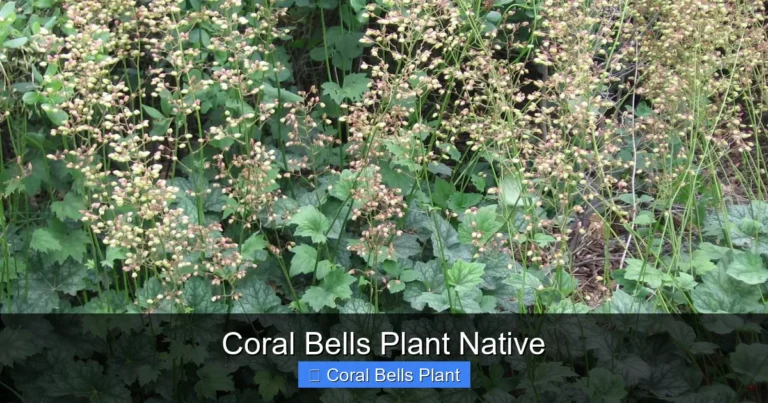
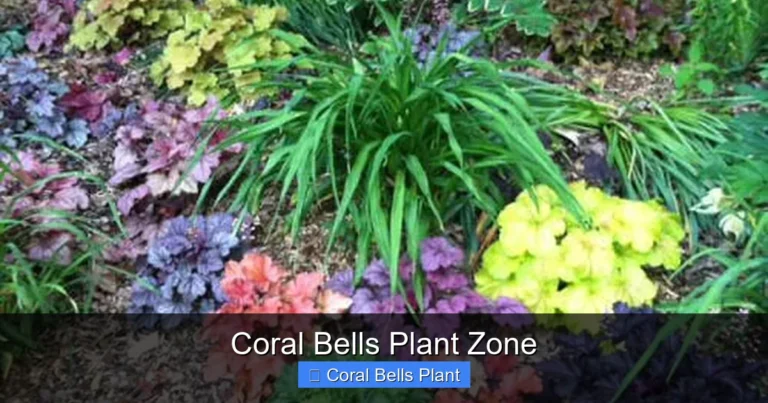
A lungwort plant with coral bells gains its wow factor from coral bells’ ruffled leaves. Coral bells, also called Heuchera, come in purple, amber, lime, and near black shades. They form tidy mounds that suit borders and containers.

Visual guide about Lungwort Plant with Coral Bells
Image source: epicgardening.com
What Are Coral Bells?
A lungwort plant with coral bells includes coral bells native to North America. They grow well in part shade to full shade. Their flowers are small and airy, rising on thin stems above the foliage. The foliage contrast becomes the main show when combined.
A lungwort plant with coral bells benefits from coral bells’ evergreen habit in mild zones. The leaves persist through winter, adding structure when other plants die back.
Top Cultivars for Contrast
A lungwort plant with coral bells looks stunning with cultivars like Palace Purple, Lime Rickey, and Caramel. Palace Purple offers deep burgundy leaves, Lime Rickey brings chartreuse brightness, and Caramel adds warm amber tones. Mixing these with silver spotted lungwort creates a living tapestry.
A lungwort plant with coral bells can also use newer hybrids such as Forever Purple or Electric Lime. These varieties hold color better in heat and provide consistent contrast all season.
Seasonal Color Shifts
A lungwort plant with coral bells shows dynamic color shifts as temperatures change. Cool nights deepen purple tones while warm days brighten lime varieties. This keeps the pairing looking fresh month after month.
A lungwort plant with coral bells also benefits from coral bells’ ability to flush new growth in spring. The fresh leaves add a bright edge to the older lungwort foliage.
Designing a Shade Garden with Lungwort Plant with Coral Bells
A lungwort plant with coral bells works best when you observe light patterns first. Place the duo where they receive morning light and afternoon shade. This mimics their natural woodland home and encourages strong growth.
Layout Principles
A lungwort plant with coral bells should have lungwort in the front of the bed so its low flowers are visible. Position coral bells slightly behind or to the side for a layered effect. Plant in drifts of three to five each for a natural look.
A lungwort plant with coral bells also benefits from spacing plants about twelve inches apart. This gives each clump room to expand and prevents overcrowding.
Companion Planting Ideas
A lungwort plant with coral bells pairs well with ferns, hostas, and astilbe. These companions share similar moisture needs and will not compete aggressively. The result is a cohesive shade garden that feels lush and natural.
A lungwort plant with coral bells can also include spring bulbs like snowdrops or crocus. They bloom before lungwort and extend the early season display.
Creating Visual Rhythm
A lungwort plant with coral bells creates rhythm when you repeat the grouping every few feet along a pathway. This guides the eye and makes the garden feel larger. Use a simple edging stone to define the planting area.
A lungwort plant with coral bells also looks great in a container grouping. Choose a wide pot, add a quality potting mix, and arrange the plants in a triangle for balance.
Planting and Care Tips for a Thriving Combo
A lungwort plant with coral bells thrives when you follow a few simple steps at planting time. Proper preparation sets the stage for years of beauty with minimal effort.
Soil Preparation
A lungwort plant with coral bells prefers loose soil enriched with compost or leaf mold. Loosen the soil to twelve inches deep and mix in organic matter. Both plants like a slightly acidic to neutral pH.
A lungwort plant with coral bells also benefits from a raised bed if your native soil is heavy clay. Improved drainage prevents root rot and keeps foliage healthy.
Watering Schedule
A lungwort plant with coral bells needs deep watering after planting. Keep the soil evenly moist for the first six weeks. After establishment, water once a week during dry periods. Mulch helps retain moisture and suppress weeds.
A lungwort plant with coral bells can tolerate brief drought once mature. However, consistent moisture produces the best foliage color and flower production.
Fertilizing and Mulching
A lungwort plant with coral bells responds well to a balanced slow release fertilizer in early spring. Avoid high nitrogen feeds that promote leaf growth at the expense of flowers. A two inch layer of shredded bark mulch works well.
A lungwort plant with coral bells also appreciates a light top dressing of compost in fall. This feeds the soil microbes and improves winter hardiness.
Division and Propagation
A lungwort plant with coral bells stays vigorous when you divide lungwort every three to four years in early spring. Coral bells can be divided in fall or spring. Replant divisions immediately and water well.
A lungwort plant with coral bells also spreads by seed, but division gives you true to type plants faster. Share extra divisions with friends to spread the beauty.
Seasonal Interest: From Spring Blooms to Winter Texture
A lungwort plant with coral bells delivers a year round show that changes with each season. Each phase brings a new highlight to the shade garden.
Spring Flower Show
A lungwort plant with coral bells bursts into bloom in March and April with clusters of pink, blue, or white bells. Coral bells may send up a few delicate flower spikes. The combined display signals the start of the gardening year.
A lungwort plant with coral bells also attracts early pollinators like bees and hoverflies. These visitors help the whole garden ecosystem.
Summer Foliage Drama
A lungwort plant with coral bells shines in summer when coral bells foliage deepens in color. The ruffled edges catch light and create movement. Lungwort leaves stay green and spotted, providing a steady backdrop.
A lungwort plant with coral bells benefits from occasional deadheading of spent lungwort flowers. This keeps the plant tidy and may encourage a second flush.
Autumn Color Transition
A lungwort plant with coral bells transitions to rich burgundy, gold, or amber tones as temperatures drop. Many coral bells cultivars intensify their hue in cool weather. Lungwort may produce a second flower flush in mild climates.
A lungwort plant with coral bells also pairs well with autumn blooming asters or sedums for extended color.
Winter Structure
A lungwort plant with coral bells retains evergreen coral bells leaves in mild zones. Lungwort foliage may die back but the crown remains alive. The structural mounds add interest to a dormant landscape.
A lungwort plant with coral bells can be protected with a light mulch layer in colder regions. This insulates the crowns and improves spring emergence.
Final Thoughts: Bringing It All Together
A lungwort plant with coral bells is a smart choice for any shade garden. The pair offers early flowers, colorful foliage, and easy care. By following the planting and design tips in this guide you can create a stunning low maintenance display that delights every season.
A lungwort plant with coral bells works well for gardeners of all skill levels. Start small with a few plants, observe how they interact, and expand as you gain confidence. Your garden will thank you with years of beauty and a haven for pollinators.
A lungwort plant with coral bells invites you to enjoy the simple pleasure of a thriving shade corner. Happy planting and enjoy the show!
Frequently Asked Questions
What soil pH does a lungwort plant with coral bells prefer?
A lungwort plant with coral bells prefers slightly acidic to neutral soil, around pH 6.0 to 7.0.
Do lungwort plant with coral bells attract pollinators?
Yes, the early lungwort flowers attract bees and hoverflies, while coral bells provide nectar later in the season.
Are lungwort plant with coral bells deer resistant?
Both plants are generally deer resistant, though hungry deer may sample them in severe winters.
Can I use fertilizer on a lungwort plant with coral bells?
Apply a balanced slow release fertilizer in early spring; avoid high nitrogen formulas.
How do I protect a lungwort plant with coral bells in winter?
Add a light mulch layer over the crowns in cold climates to insulate roots and improve spring emergence.
What companion plants work well with a lungwort plant with coral bells?
Ferns, hostas, astilbe, and spring bulbs like snowdrops make excellent companions for a lungwort plant with coral bells.