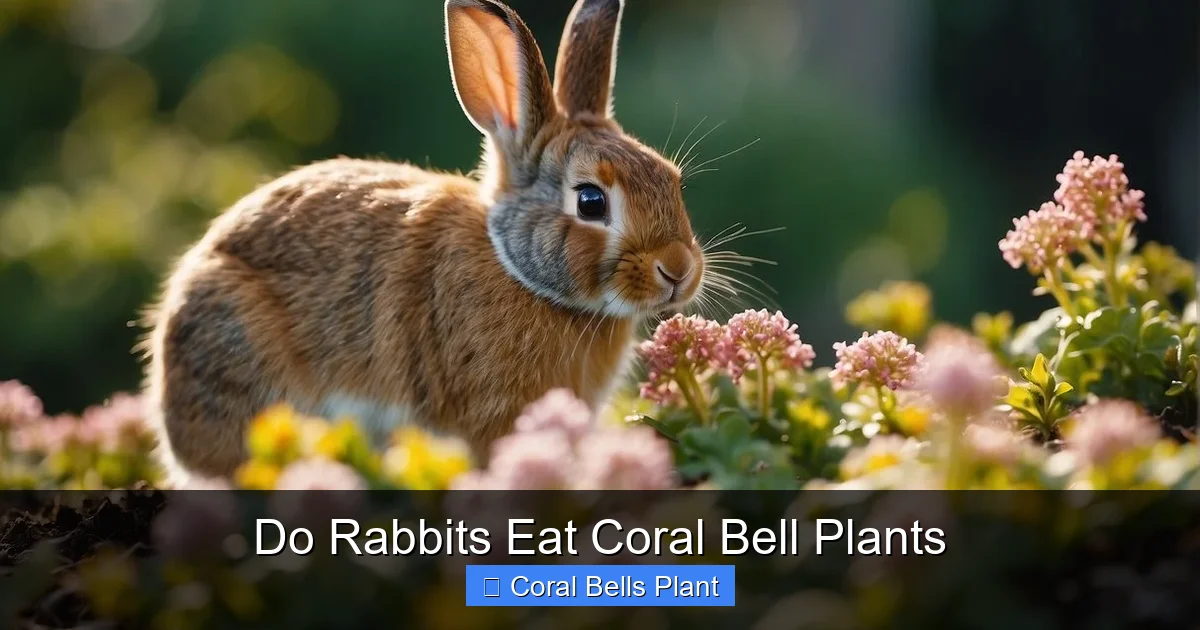
Do Rabbits Eat Coral Bell Plants
Rabbits rarely eat coral bell plants because the foliage tastes bitter and contains compounds that deter them. However, hungry bunnies may nibble young leaves if other food is scarce. Protect your coral bells with fencing, repellents, or companion planting.
Welcome to the guide about coral bell plants and rabbits.
Many gardeners ask if rabbits eat coral bell plants.
This article answers that question and gives practical tips.
Key Takeaways
- Rabbits usually avoid coral bell plants: The leaves have a bitter taste that most bunnies dislike.
- Young shoots are most at risk: Tender new growth can be sampled when food is limited.
- Signs of damage include chewed edges and missing shoots: Look for irregular holes and clipped stems.
- Physical barriers work best: A low fence or hardware cloth stops rabbits from reaching the plants.
- Natural repellents can help: Garlic spray, predator urine, or blood meal deter browsing.
- Companion planting adds protection: Planting lavender, salvia, or yarrow nearby confuses rabbits.
- Alternative rabbit‑resistant plants exist: Choose lavender, salvia, or yarrow for a safer garden.
Quick Answers to Common Questions
Do rabbits eat coral bell plants?
Rabbits rarely eat coral bell plants because the leaves taste bitter.
What part of the plant is most vulnerable?
Young shoots and new leaves are the most likely to be nibbled.
How can I tell if rabbits have been feeding?
Look for clean cut leaf edges missing shoots and rabbit droppings nearby.
What is the best barrier for rabbits?
A low hardware cloth fence buried a few inches works well.
Are there natural sprays that deter rabbits?
Garlic spray and predator urine are effective natural repellents.
📑 Table of Contents
What Are Coral Bell Plants?
Coral bell plants are perennial herbs that grow well in shade. They have colorful leaves that range from green to deep purple. The flowers are small and shaped like tiny bells. Gardeners love coral bell plants for their striking foliage. Coral bell plants thrive in moist soil and partial shade. They form low mounds that spread slowly over time. Mature clumps reach about twelve inches in height. Blooms appear in late spring and early summer. The plants attract hummingbirds and beneficial insects. Coral bell plants are easy to care for once established.
Origins and Varieties
Coral bell plants originate from North America and parts of Asia. There are many cultivars with unique leaf colors. Popular varieties include Palace Purple, Caramel, and Lime Rickey. Each variety offers a different hue for garden design. Choosing the right variety adds seasonal interest.
Growth Habits
Coral bell plants grow in clumps that expand by rhizomes. They prefer well‑drained soil rich in organic matter. Regular watering keeps the foliage vibrant. Mulching helps retain moisture and suppress weeds. Division every three years rejuvenates the plant. The plants tolerate light frost but not deep freezes.
Soil and Water Needs
Coral bell plants prefer rich loamy soil that drains well. They need consistent moisture but not soggy conditions. Water deeply once a week during dry spells. Mulch around the base to keep soil cool. Avoid overhead watering to prevent leaf spots. Fertilize lightly in early spring with a balanced feed. Too much nitrogen can reduce leaf color intensity. Divide clumps every three years to maintain vigor. Coral bell plants tolerate light frost but not hard freezes. Plant them in partial shade for best foliage color. They thrive under deciduous trees with dappled light. Regular soil testing helps keep pH near neutral. Healthy soil leads to vibrant coral bell plants all season.
Propagation Methods
Coral bell plants can be propagated by division or seed. Division is the fastest way to get new plants. Dig up a mature clump in early spring. Separate the rhizomes with a sharp knife. Replant each piece at the same depth. Water thoroughly after planting. Seed propagation takes longer but offers variety. Collect seeds after the flowers fade. Sow seeds in a moist seed tray. Keep the tray in bright indirect light. Transplant seedlings when they have two true leaves. Both methods produce healthy coral bell plants for the garden.
Common Pests and Diseases
Common pests include aphids and spider mites on coral bell plants. Fungal leaf spot can appear in humid weather. Good air flow reduces disease risk. Remove infected leaves promptly. Apply neem oil for soft bodied insects. Avoid overhead watering to keep foliage dry. Healthy soil boosts plant immunity. Regular inspection catches problems early. These steps keep coral bell plants vigorous. Monitor for slugs in damp conditions. Use copper tape as a barrier. This simple step makes a big difference.
Do Rabbits Like to Eat Coral Bell Plants?
Most rabbits do not prefer coral bell plants as a food source. The leaves have a bitter taste that rabbits tend to avoid. Hungry rabbits may sample young shoots when other forage is scarce. Field observations show limited feeding on mature foliage. Damage is usually minor and temporary. Gardeners rarely report severe loss of coral bell plants to rabbits.
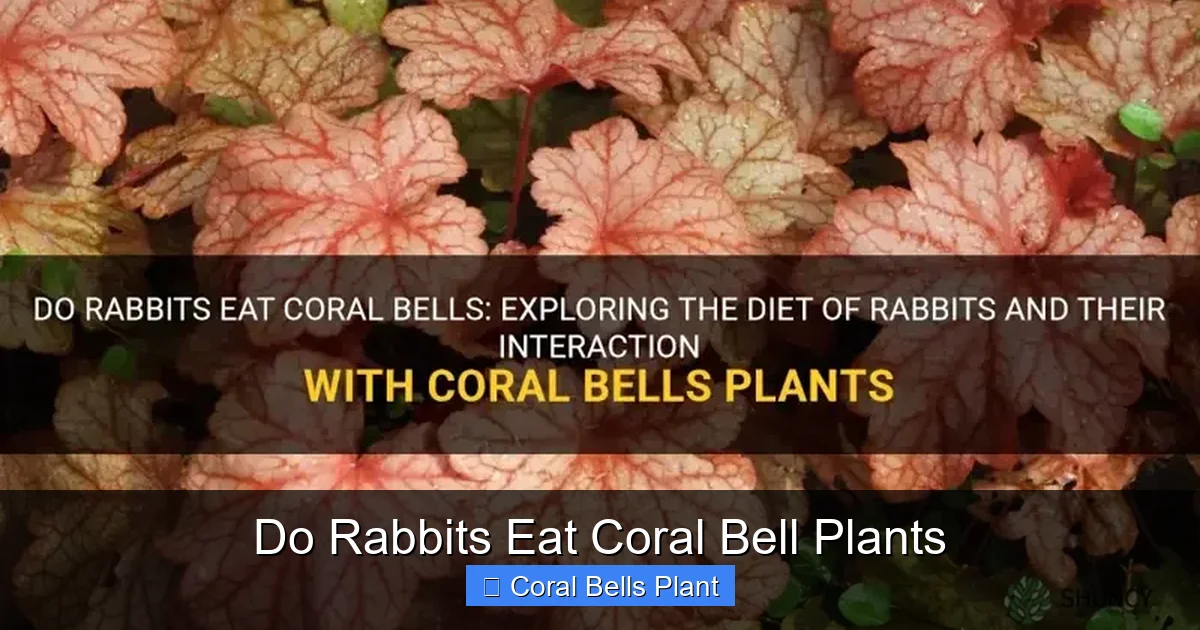
Visual guide about Do Rabbits Eat Coral Bell Plants
Image source: shuncy.com
Feeding Preferences
Rabbits choose tender grasses over coral bell plants. They eat clover and dandelion before turning to coral bell plants. In winter scarcity they may nibble new growth. The preference for sweet vegetation keeps coral bell plants low on the menu.
Observations in Gardens
Many gardeners report no bite marks on coral bell plants. Some note occasional nibbling on fresh shoots. The damage usually heals quickly as the plant regrows. Monitoring early spring helps catch any early browsing.
Seasonal Feeding Patterns
Rabbits feed heavily on fresh grass in spring. Summer brings abundant clover and weeds for them. In autumn they gather seeds and bark for winter stores. Winter scarcity forces rabbits to explore new plants. Coral bell plants may be sampled during deep snow cover. Young shoots are most attractive in early spring. Mature leaves are rarely eaten even in harsh winters. Observations show feeding spikes after snow melt. Gardeners should watch for tracks after thaw. Protect coral bell plants before the first hard frost. A temporary fence can be removed in summer. Seasonal awareness reduces surprise damage on coral bell plants.
Regional Differences
Rabbit pressure varies by region and climate. In warm southern areas rabbits are active year round. Northern gardens see a sharp drop in activity during deep freeze. Coastal zones have higher rabbit densities due to mild winters. Mountain gardens may have fewer rabbits but more deer. Local rabbit species also differ in taste preferences. Some species avoid bitter foliage more strongly. Gardeners should observe local wildlife before choosing controls. Adjust protection timing to match regional rabbit cycles. This knowledge helps keep coral bell plants safe across zones.
Behavioral Observations
Rabbits often test new plants by nibbling a single leaf. They quickly learn which foliage tastes bad. Coral bell plants trigger a rapid rejection response. Observers note rabbits pause then move away. This behavior limits damage to a few bites. Group feeding can increase sampling pressure. Solo rabbits are more cautious. Understanding this helps predict browsing patterns. Protect coral bell plants during peak curiosity periods. Nighttime activity spikes in early spring. This simple step makes a big difference.
Why Rabbits Might Avoid Coral Bell Plants
Coral bell plants contain natural compounds that create a bitter flavor. Alkaloids and tannins deter many herbivores including rabbits. The leaf texture is thick and leathery making chewing difficult. Rabbits prefer soft and sweet leaves for easy digestion. These traits make coral bell plants a low priority for rabbits.
Bitter Taste and Chemical Compounds
Alkaloids in coral bell plants produce a strong bitter taste. Rabbits detect bitterness quickly and stop eating. This chemical defense protects the plant from over‑browsing. The effect is strongest on young leaves.
Texture and Leaf Structure
Leaves of coral bell plants are thick and somewhat waxy. Thick leaves resist tearing by small rabbit teeth. Rabbits favor thin tender leaves that break easily. The structural defense adds to the chemical deterrent.
Research Insights
Studies show alkaloid levels rise in mature coral bell plants. Higher alkaloid content correlates with lower rabbit browsing. Laboratory tests confirm rabbits reject bitter extracts. Field trials compare coral bell plants with lettuce. Rabbits choose lettuce over coral bell plants every time. Chemical analysis reveals tannins also deter feeding. The combination of taste and texture creates a strong barrier. Researchers suggest breeding for higher alkaloid levels. This could make coral bell plants even more rabbit proof. Gardeners benefit from natural plant defenses. Understanding the science helps design better protection. Coral bell plants remain a low risk choice for rabbit prone areas.
Comparative Palatability
Comparing coral bell plants with common garden vegetables shows clear differences. Lettuce and spinach are highly preferred by rabbits. Carrots and beans rank moderate in appeal. Coral bell plants rank very low on the palatability scale. The bitter alkaloids act like a natural repellent. Even when hungry rabbits test many plants they skip coral bell plants. This pattern holds across multiple rabbit species. Gardeners can trust the low palatability of coral bell plants. Planting them near vulnerable crops adds a protective buffer. The comparative data supports using coral bell plants in rabbit heavy areas.
Ecological Role
Coral bell plants provide nectar for pollinators. Their dense foliage shelters beneficial insects. The bitter compounds deter herbivores but not pollinators. This creates a balanced microhabitat. Rabbits avoid the area, reducing grazing pressure. Other wildlife such as birds use the cover. The plant contributes to garden biodiversity. Maintaining coral bell plants supports a healthy ecosystem. Their ecological value extends beyond rabbit resistance. Gardeners benefit from increased pollination. This simple step makes a big difference.
Signs of Rabbit Damage on Coral Bells
Look for clean cut edges on leaves where rabbits have clipped. Missing young shoots are a clear indicator of browsing. Small round droppings near the base signal recent rabbit visits. Tracks in soft soil can confirm rabbit activity. Damage is usually limited to the lower foliage of the plant.
Chewed Leaf Edges
Edges appear scalloped or ragged after rabbit feeding. This pattern differs from insect damage which leaves holes. Observing the edge shape helps identify the culprit.
Missing Young Shoots
New growth may disappear overnight during peak rabbit activity. Check early morning for fresh cuts on stems. Prompt action can prevent further loss.
Distinguishing From Other Pests
Deer leave larger torn edges on leaves. Insects create small holes with frass around them. Rabbit cuts are clean and angled at forty five degrees. Droppings are round and about half an inch wide. Tracks show a distinctive hop pattern with four toes. Look for gnaw marks on woody stems near the base. Birds peck at flowers not foliage. Combining signs gives a clear picture of the culprit. Early identification saves coral bell plants from further loss. Use a trail camera to confirm night visitors. Record observations in a garden journal. Accurate diagnosis guides the right control method for coral bell plants.
Monitoring Techniques
Set up a simple camera near coral bell plants to capture night activity. Check the footage each morning for rabbit visits. Place a few sand traps around the base to reveal tracks. Count droppings weekly to gauge pressure levels. Note any new leaf damage during daily garden walks. Use a notebook to log date and severity of damage. Share findings with local extension service for advice. Consistent monitoring catches problems early. Early action keeps coral bell plants healthy and attractive. A proactive approach reduces the need for heavy controls.
Repair and Recovery
After rabbit browsing coral bell plants often regrow quickly. Trim damaged leaves to encourage fresh growth. Apply a light fertilizer to boost recovery. Water consistently to support new shoots. Mulch around the base to retain moisture. Monitor for secondary infections on wounded tissue. Most plants recover fully within a few weeks. Patience and care restore the ornamental value. Healthy coral bell plants bounce back stronger. Repeat protection measures to prevent repeat damage. This simple step makes a big difference.
Protecting Coral Bell Plants from Rabbits
Use a low fence around the planting area to exclude rabbits. Hardware cloth with one inch mesh works well for small gardens. Apply a garlic spray every two weeks during the growing season. Spread blood meal around the base of coral bell plants as a scent deterrent. Plant companion herbs like lavender nearby to mask the scent. Rotate repellents to avoid rabbit habituation.
Physical Barriers
A fence twelve inches high stops most rabbits from jumping. Bury the bottom edge six inches to prevent digging. Inspect the fence weekly for gaps or damage. Repair any holes immediately to maintain protection.
Natural Repellents
Garlic spray makes the foliage smell strong and unappealing. Predator urine creates a fear response that keeps rabbits away. Reapply after rain for continued effectiveness. Test a small area first to ensure plant tolerance.
Companion Planting
Lavender emits a fragrance that rabbits dislike. Salvia adds color and a bitter taste that deters browsing. Yarrow provides a strong scent barrier around coral bell plants. Mixing these companions creates a diverse and resilient garden bed.
Integrated Management Tips
Combine fencing with scent repellents for best results. Rotate garlic spray and predator urine monthly. Apply blood meal after rain for longer effect. Plant a border of lavender around coral bell plants. Use motion activated sprinklers as a surprise deterrent. Keep grass short to reduce rabbit hiding spots. Remove brush piles near the garden edge. Encourage natural predators like hawks and owls. Monitor rabbit population with weekly counts. Adjust defenses based on activity levels. An integrated approach protects coral bell plants year round. Consistency is key for long term success.
Seasonal Adjustment
In early spring reinforce fences before rabbits emerge. Apply fresh repellent after the first thaw. Summer heat reduces rabbit activity so lower spray frequency. Autumn calls for a second fence check before leaf fall. Winter snow can hide gaps so inspect after each storm. Rotate repellent types each season to prevent adaptation. Mulch heavily in winter to protect roots and deter digging. Spring division of coral bell plants also reduces browse pressure. Align protection tasks with the garden calendar. Seasonal tweaks keep coral bell plants safe all year.
Cost Effective Solutions
Simple wire mesh cages cost little and work well. Recycled plastic bottles can form mini fences. Homemade garlic spray uses kitchen ingredients. Blood meal is inexpensive and long lasting. Companion herbs require no extra expense. Rotate methods to keep costs low. DIY motion sprinklers use a timer and hose. Community sharing of repellent recipes saves money. These budget options protect coral bell plants effectively. Invest time rather than money for lasting results. This simple step makes a big difference.
Alternative Rabbit‑Resistant Plants for Your Garden
If rabbit pressure remains high consider planting rabbit‑resistant alternatives. Lavender thrives in full sun and well‑drained soil. Salvia offers long bloom periods and aromatic foliage. Yarrow tolerates drought and repels many herbivores. These alternatives keep the garden colorful and safe.
Lavender
Lavender has fragrant leaves that rabbits avoid. It grows well in sandy or loamy soil. Prune after flowering to maintain shape.
Salvia
Salvia produces spikes of blue red or purple flowers. Rabbits rarely eat its aromatic foliage. Deadhead spent blooms to encourage rebloom.
Yarrow
Yarrow forms flat clusters of tiny white or yellow flowers. Its bitter taste makes it rabbit proof. Divide clumps every few years for vigor.
Designing a Rabbit‑Resistant Border
Start with a backbone of lavender along the edge. Add salvia in groups of three for color bursts. Insert yarrow clusters for texture contrast. Space plants to allow air flow and easy maintenance. Mulch heavily to suppress weeds and retain moisture. Choose varieties with overlapping bloom times. This ensures continuous color from spring to fall. Rabbit resistant borders need minimal chemical input. Regular deadheading keeps plants tidy and vigorous. Observe the border each season for gaps. Fill gaps with additional rabbit proof perennials. A well planned border showcases coral bell plants safely. Enjoy a beautiful garden without rabbit worries.
Maintenance Schedule
Create a yearly calendar for each rabbit resistant plant. Prune lavender in late winter before new growth. Cut back salvia after the first flush of flowers. Divide yarrow in early spring or fall. Apply compost around all plants in early spring. Mulch again in mid summer to conserve moisture. Check fences and repellents monthly during peak rabbit season. Record bloom times to plan successive color. Replace any plants that fail to thrive. A consistent schedule keeps the border strong and attractive. This routine protects coral bell plants and their companions.
Design Tips for Small Spaces
In small gardens use containers for rabbit resistant plants. Choose dwarf lavender varieties for tight spots. Plant salvia in vertical towers to save space. Yarrow works well in narrow beds along fences. Group plants by height for visual depth. Use reflective mulch to deter rabbits in confined areas. Rotate containers each season to refresh soil. Compact designs still showcase coral bell plants beautifully. Smart layout maximizes protection and aesthetics. Even a balcony can host a rabbit proof display. This simple step makes a big difference.
In summary coral bell plants are generally safe from rabbit browsing.
Use fences repellents and companion plants for extra safety.
Enjoy the bright foliage of coral bell plants without worry.
Frequently Asked Questions
Can coral bell plants survive heavy rabbit pressure?
Yes, mature coral bell plants usually recover quickly from light browsing.
Do all rabbit species avoid coral bell plants?
Most common garden rabbits avoid them, but very hungry individuals may sample them.
Is it safe to use blood meal around coral bell plants?
Blood meal is safe when applied sparingly and watered in after application.
How often should I reapply garlic spray?
Reapply garlic spray every two weeks or after heavy rain.
Can I plant coral bell plants in full sun?
Coral bell plants prefer partial shade; full sun may scorch the leaves.
What companion plants work best with coral bell plants?
Lavender, salvia, and yarrow are excellent companions that deter rabbits.