Do Deer Eat Coral Bell Plants
Deer typically avoid coral bell plants due to their fuzzy texture and bitter taste, making Heuchera an excellent deer-resistant choice for gardens. However, hungry deer may occasionally nibble young growth or during harsh winters when food is scarce.
If you have ever walked through your garden at dawn and found your prized perennials nibbled down to nubs, you know the frustration of deer damage. These graceful creatures can devastate a carefully planned landscape in a single night. You might be wondering about your coral bells. Do deer eat coral bell plants? The short answer brings relief to most gardeners. Coral bells, also known as Heuchera, are widely considered deer-resistant. Their fuzzy leaves and bitter taste usually send deer looking for a tastier salad bar. But nature has a way of humbling us. A truly hungry deer will sample almost anything. Let us dig into the details so you can protect your shade garden with confidence.
Understanding deer behavior is the first step to a peaceful coexistence. Deer are browsers, not grazers like cows. They prefer tender shoots, buds, and leaves of woody plants and broadleaf perennials. Their preferences shift with the seasons. In spring, they crave nitrogen-rich new growth. In winter, they survive on woody browse and whatever greenery remains. Coral bells occupy a sweet spot. They are evergreen or semi-evergreen in many zones, providing winter interest. Yet their texture and chemistry generally land them on the “avoid” list. This article explores why coral bells resist deer, when they might fail, and exactly how to fortify your garden.
Key Takeaways
- Coral bells are naturally deer-resistant: Their fuzzy leaves and bitter compounds make them unappealing to deer under normal conditions.
- No plant is completely deer-proof: Desperate deer may eat coral bells during severe winters or drought periods.
- Young plants are most vulnerable: New growth and recently planted coral bells face higher browsing risk.
- Companion planting helps: Surrounding coral bells with strongly scented herbs enhances protection.
- Physical barriers work best: Fencing and netting provide the most reliable defense against deer damage.
- Repellents need rotation: Deer adapt to scents, so alternating repellent types maintains effectiveness.
- Damage is rarely fatal: Established coral bells typically recover from light browsing within a growing season.
Quick Answers to Common Questions
Are coral bells completely deer-proof?
No plant is completely deer-proof. Coral bells are highly deer-resistant due to fuzzy leaves and bitter taste, but desperate deer may eat them during harsh winters or droughts.
Which coral bell varieties are most deer-resistant?
Heuchera villosa hybrids like ‘Autumn Bride’, ‘Caramel’, and ‘Citronelle’ have the fuzziest leaves and best resistance. Native Heuchera americana types are also very tough.
When are coral bells most vulnerable to deer browsing?
Late winter when food is scarce, early spring when new growth is tender, and the first six weeks after planting when nursery-grown foliage is soft and succulent.
What is the single most effective way to protect coral bells from deer?
Physical barriers like fencing, netting, or wire cages provide 100% protection. Repellents and companion planting reduce damage but cannot guarantee exclusion.
Will coral bells grow back after deer eat them?
Yes, established coral bells typically recover well from browsing. The crown usually survives and pushes new growth in spring. Clean up torn stems, water consistently, and protect the regrowth.
📑 Table of Contents
- Why Coral Bells Naturally Resist Deer
- When Deer Might Eat Coral Bells
- Identifying Deer Damage on Coral Bells
- Proven Strategies to Protect Coral Bells from Deer
- Best Coral Bell Varieties for Deer Resistance
- What to Do If Deer Eat Your Coral Bells
- Seasonal Deer Defense Calendar for Coral Bells
- Common Myths About Deer and Coral Bells
- Integrating Coral Bells into a Deer-Resistant Garden Design
- Conclusion
Why Coral Bells Naturally Resist Deer
Nature equipped coral bells with a clever defense portfolio. It is not just one trait but a combination that makes Heuchera unpalatable. When a deer takes a test bite, the experience is unpleasant enough to discourage a second helping. Let us break down the specific mechanisms.
Fuzzy Leaf Texture Creates Tactile Discomfort
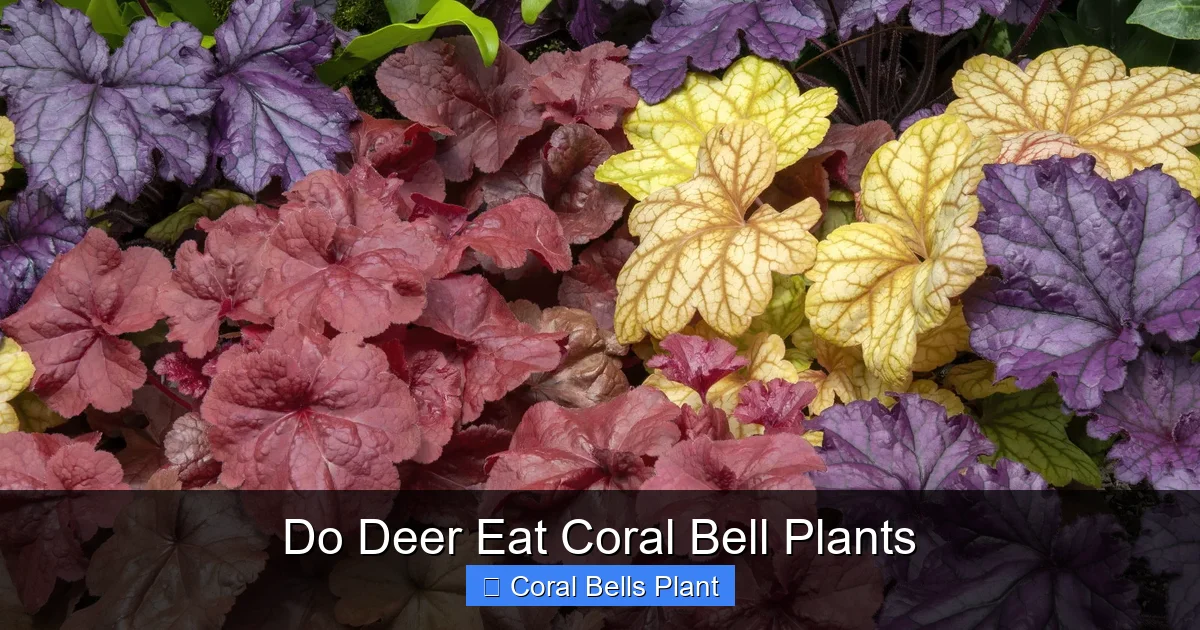
Run your fingers over a coral bell leaf. You feel a distinct fuzziness, a fine layer of trichomes. These tiny hairs serve the plant by reducing water loss and reflecting excess light. For a deer, they create a mouthfeel similar to eating a dry wool sweater. Deer have sensitive muzzles and tongues. They prefer smooth, succulent foliage. The pubescent leaves of most Heuchera varieties trigger an immediate rejection response. This is especially true for varieties like Heuchera villosa and its cultivars, which boast exceptionally hairy leaves. Even smoother-leaved varieties like Heuchera sanguinea retain enough texture to be off-putting compared to a hosta or daylily.
Bitter Tannins and Chemical Compounds
Beyond texture, coral bells pack a chemical punch. They contain tannins and other secondary metabolites that taste bitter and astringent. Tannins bind to proteins in the deer’s saliva and digestive tract, reducing nutrient absorption and causing digestive upset. Deer learn quickly. A few bites of high-tannin foliage teach them to associate that plant with discomfort. This learned aversion is powerful. It is why deer often walk right past a mature clump of coral bells to devour the neighboring astilbe. The concentration of these compounds can vary by cultivar and growing conditions. Plants grown in lean soil with slight stress often produce higher defensive chemicals than those pushed with heavy fertilizer.
Low Nutritional Payoff for High Effort
Deer operate on an energy budget. They need to maximize calories per bite. Coral bells grow in low, mounding clumps with relatively small leaves. Stripping enough foliage for a meal takes significant effort. The caloric return is low compared to chowing down on a young maple sapling or a patch of clover. When better options exist, deer simply skip the coral bells. This cost-benefit calculation shifts only when the “better options” vanish. That is when the trouble starts.
When Deer Might Eat Coral Bells
Let us be honest. “Deer-resistant” is not a force field. It is a probability. Under certain pressures, the probability drops. Knowing these scenarios helps you anticipate trouble before it starts.

Visual guide about Do Deer Eat Coral Bell Plants
Image source: thefunoutdoors.com
Severe Winter Conditions and Food Scarcity
This is the number one reason gardeners find damaged coral bells in March. A harsh winter with deep, persistent snow cover buries the deer’s preferred winter browse. Acorns, greenbrier, and evergreen seedlings become inaccessible. The deer yard up in sheltered areas, often near human habitation. Your garden becomes a lifeline. Evergreen coral bell foliage sticking above the snow is visible, accessible, and green. A starving deer does not care about tannins or fuzz. It cares about survival. In these conditions, they will eat the foliage down to the crown. The good news? The crown usually survives and pushes fresh growth in spring.
Drought Stress and Summer Desperation
Summer drought creates a different pressure. Native browse dries up and goes dormant. Irrigated gardens become oases. Your watered coral bells remain turgid and green while the surrounding woods turn crisp. Deer are drawn to the moisture content as much as the foliage. They may not eat the coral bells first, but they will include them in the nightly rounds. This is especially true in suburban fringes where deer populations exceed carrying capacity.
Young, Tender Growth in Spring
Spring brings a flush of new leaves on coral bells. This new growth is softer, less hairy, and lower in defensive compounds than mature foliage. It is also higher in protein and water. Deer key in on this “spring salad” instinctively. If your coral bells are the first thing greening up in a bed, they become a target. This vulnerability window lasts about three to four weeks until the leaves mature and toughen.
High Deer Population Density
In many regions, deer populations have exploded due to lack of predators, hunting restrictions, and ideal edge habitat created by suburbia. When you have thirty deer per square mile instead of five, the “resistant” plants get eaten simply because there are too many mouths. The competition forces deer to expand their palate. Coral bells go from “never touched” to “regularly browsed” not because the plant changed, but because the pressure intensified.
Newly Planted and Transplanted Specimens
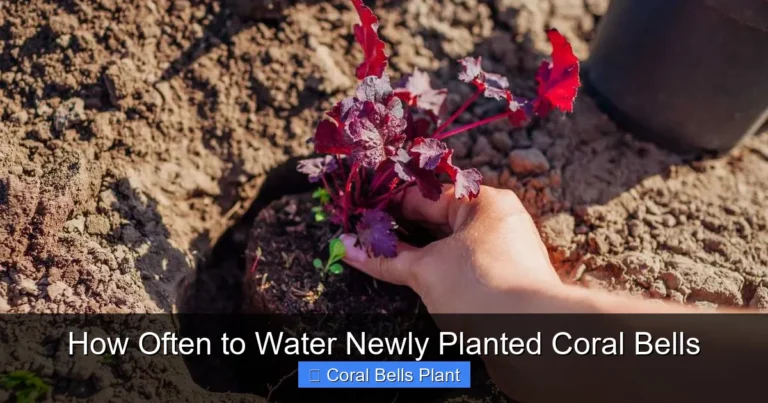
A coral bell fresh from the nursery pot is a different beast than an established clump. Nursery plants are grown with optimal water and fertilizer. They are lush, soft, and low in defensive chemicals. They have not yet developed the root mass to support rapid regrowth. Deer seem to sense this vulnerability. Newly planted perennials of all kinds suffer disproportionate damage. The first six to eight weeks after planting are the danger zone.
Identifying Deer Damage on Coral Bells
Before you blame deer, confirm the culprit. Rabbits, groundhogs, and even slugs can mimic deer damage. Correct identification saves you from installing the wrong defenses.
Torn vs. Clean-Cut Stems
Deer lack upper incisors. They bite and tear, leaving ragged, shredded stem ends. Look for a jagged, fibrous tear. Rabbits and rodents have sharp incisors that leave a clean, angled 45-degree cut, like pruning shears. If the coral bell stems look like they were ripped off, it is deer. If they look neatly clipped, suspect rabbits.
Browse Height Tells the Story
Deer browse from about eighteen inches up to five or six feet. Damage concentrated at ground level to twelve inches suggests rabbits or groundhogs. If the tops of your taller coral bell varieties are missing but the base remains, deer are the likely visitors. They often eat the flower stalks and upper leaves, leaving a “high-water mark” of untouched lower foliage.
Tracks and Droppings Nearby
Check the soil around the plants. Deer tracks are distinctive: two-toed, heart-shaped impressions. In soft soil or mulch, they are unmistakable. Deer droppings are small, oval pellets, usually in piles. Rabbit droppings are rounder and more scattered. Finding either near the damage confirms the suspect.
Pattern of Damage Across the Garden
Deer rarely eat just one thing. They sample along a trail. If your coral bells are hit, check the hostas, daylilies, roses, and arborvitae. A pattern of browsing on known deer favorites alongside the coral bells builds a strong case. If only the coral bells are touched in a bed of tasty plants, reconsider the diagnosis.
Proven Strategies to Protect Coral Bells from Deer
You have options ranging from free to investment-grade. Layering multiple strategies creates the most resilient defense. Think of it as the “Swiss cheese model.” Each layer has holes, but stacked together, they block the threat.
Physical Barriers: The Gold Standard
Nothing beats a fence. Period. If you have a severe deer problem, a proper fence is the only 100% solution.
Permanent Deer Fencing
An eight-foot woven wire or polypropylene fence excludes deer completely. It is a significant investment but pays off in peace of mind. For coral bells specifically, you can fence individual beds rather than the whole property. A four-foot fence around a raised bed often works because deer hesitate to jump into a confined space where they feel trapped. Add a top strand of wire or electric tape for insurance.
Temporary and Seasonal Netting
For winter protection, lightweight deer netting draped over stakes works well. Install it in late fall before the ground freezes. Secure the edges with landscape staples so deer cannot nose underneath. Remove it in early spring before new growth gets tangled. This is ideal for protecting that vulnerable evergreen foliage during the hungry months.
Individual Plant Cages
For a few specimen plants, wire cages are quick and cheap. Use four-foot welded wire fencing. Form a cylinder, stake it down, and leave the top open. The plant grows through the mesh. Deer cannot reach the crown. This is perfect for newly planted coral bells during their establishment year.
Repellents: Rotate for Results
Repellents work by fear, taste, or pain. The key is rotation. Deer habituate to any single smell or taste within two to three weeks. Keep a calendar and switch modes.
Fear-Based Repellents (Putrescent Egg, Blood Meal, Coyote Urine)
These trigger an instinctive “predator nearby” response. Products like Liquid Fence, Deer Out, or homemade egg sprays fall here. Apply to foliage and surrounding soil. Reapply after rain. Rotate brands because the specific scent signature differs.
Taste-Based Repellents (Capsaicin, Garlic, Bitterness)
These make the plant taste terrible. Hot pepper wax sprays are popular. They must contact the leaf surface the deer eats. Systemic options like Plantskydd are absorbed into the tissue. These last longer but take days to become effective. Apply before damage starts.
Pain/Irritation Repellents (Thiram, Denatonium Benzoate)
These cause mild oral irritation. They are often used on woody plants but work on perennials too. Follow label rates carefully. Some are not labeled for edibles, but coral bells are ornamental.
Application Timing Matters
Spray in the early morning or evening when deer are active and spray dries slowly for better absorption. Hit the new growth especially. In winter, apply on a mild day above freezing. Do not waste repellent on dormant plants; protect the evergreen basal foliage.
Companion Planting: The Aromatic Shield
Plant strong-smelling allies around your coral bells. Deer navigate by smell. A dense border of aromatics confuses their olfactory radar and masks the coral bells.
Herbs That Repel
Lavender, Russian sage, catmint, thyme, oregano, and mint (in containers!) release volatile oils deer dislike. Plant them in a ring or drift around the Heuchera bed. The visual texture contrast is beautiful too.
Alliums and Onions
Ornamental onions like Allium ‘Millenium’ or Allium schoenoprasum (chives) are strongly avoided. Their sulfur compounds are offensive to deer. They bloom when coral bells shine, creating a stunning combo.
Fuzzy and Prickly Neighbors
Lamb’s ear (Stachys byzantina), yarrow, and barrenwort (Epimedium) add textural defense. Deer avoid fuzzy leaves. A bed full of unpalatable textures becomes a “no-go zone” by reputation.
Strategic Garden Design
Layout influences deer movement. Use it to your advantage.
Place Vulnerable Plants Near the House
Deer are wary of human activity. Beds within twenty feet of doors, decks, or lit windows see less browsing. Put your prized coral bell collection there. Push the tough natives to the perimeter.
Use “Sacrificial” Buffer Zones
Plant a wide border of deer favorites—clover, chicory, or even a dedicated “deer food plot”—at the woods edge. The theory: they fill up there and never reach the garden. Risky if it attracts more deer, but some swear by it.
Reduce Edge Habitat
Deer love the transition zone between woods and lawn. Soften it. Remove invasive honeysuckle and multiflora rose that provide cover. A clear line of sight makes deer nervous.
Scare Tactics: Motion and Surprise
Deer are neophobic. New, unexpected stimuli scare them. The trick is preventing habituation.
Motion-Activated Sprinklers
Devices like the Orbit Yard Enforcer or Havahart Spray Away detect movement and blast water. They work day and night. Move them every week. Change the sensitivity. Deer learn patterns fast.
Solar Lights and Radios
Flashing predator-eye lights (Nite Guard) simulate eyes watching. A radio on a timer playing talk radio creates human presence. Combine with sprinklers for a multi-sensory ambush.
Dogs: The Ultimate Deterrent
A dog with yard access is the most effective biological control. Their scent, sound, and unpredictable movement keep deer away. Even a small dog marks territory effectively. If you have a fenced yard and a dog, you likely have minimal deer issues.
Best Coral Bell Varieties for Deer Resistance
Not all Heuchera are created equal. Breeding for wild foliage colors sometimes reduced the fuzzy texture that deters deer. Here are the toughest customers.
Heuchera villosa Hybrids: The Hairy Champions
This species is native to the eastern US and incredibly fuzzy. Cultivars like ‘Autumn Bride’, ‘Bronze Wave’, ‘Caramel’, ‘Citronelle’, and ‘Mocha’ inherit dense pubescence. They are large, vigorous, and highly deer-resistant. ‘Autumn Bride’ blooms white in late summer, feeding pollinators when little else does.
Heuchera americana Types: Native Toughness
Alumroot varieties like ‘Dale’s Strain’, ‘Green Spice’, and ‘Garnet’ have leathery, often marbled leaves with good texture. They handle dry shade beautifully. The species is a parent of many modern hybrids, passing on constitution.
Heuchera micrantha Selections
‘Palace Purple’ is the classic. Its ruffled, maple-like leaves have a matte finish and decent fuzz. ‘Raspberry Regal’ and ‘Molly Bush’ share the trait. They are older varieties, proven over decades.
Varieties to Watch Closely
Ultra-smooth, shiny cultivars like some in the “Primo” or “Dolce” series (e.g., ‘Black Pearl’, ‘Wild Rose’) have stunning color but less physical defense. In high-pressure areas, they show damage first. Plant them in the most protected spots.
What to Do If Deer Eat Your Coral Bells
Damage happens. Do not panic. Coral bells are resilient. Here is the triage plan.
Assess the Crown
Gently pull back the mulch. Look at the base where leaves emerge. Is the crown firm and green? Are there small buds? If yes, the plant will recover. If the crown is mushy, brown, or gouged by hooves, it may be lost.
Clean Up Ragged Tears
Use clean scissors to trim torn stems back to healthy tissue. Jagged tears invite disease. Make clean cuts. Remove any completely stripped flower stalks.
Apply a Light Feed
After browsing, the plant needs energy to push new leaves. A handful of compost or a light application of balanced organic fertilizer (like 5-5-5) around the drip line helps. Do not overdo nitrogen; you want steady growth, not lush salad.
Water Consistently
Stress compounds stress. Keep the soil evenly moist but not soggy. A soaker hose on a timer removes guesswork. Mulch with two inches of shredded leaves or bark to conserve moisture.
Protect Immediately
If they came once, they will return. Deploy a cage, netting, or repellent today. Do not wait for the weekend. The next few weeks are critical for regrowth.
Consider Transplanting in Fall
If a specific spot gets hit repeatedly, move the plant in early fall to a more protected location. Divide it while you are at it. One plant becomes three, and you spread the risk.
Seasonal Deer Defense Calendar for Coral Bells
Deer pressure changes monthly. Your defense should too. Here is a year-round plan.
January to March: Winter Survival Mode
This is peak browse time. Evergreen foliage is a target. Keep netting on. Reapply repellent on warm days. Check after snowstorms; snow weight can collapse netting onto foliage, making it accessible. Brush snow off cages. Do not fertilize.
April to May: Spring Flush Protection
New growth emerges. It is tender and delicious. Cage new plantings. Start repellent rotation early, before damage begins. Apply weekly. Plant companion aromatics now. Watch for rabbit damage low down; they are active too.
June to August: Summer Maintenance
Deer pressure often eases if wild food is abundant. But drought changes everything. Keep watering. Reapply repellent after heavy rain. Deadhead flower stalks if deer nip them. Enjoy the blooms. Divide overcrowded clumps in late August.
September to October: Fall Fortification
Deer shift to acorn foraging but still browse. Plant new coral bells now; they establish roots before winter. Apply a late-season repellent treatment. Install winter netting before ground freeze. Mulch heavily after dormancy.
November to December: Pre-Winter Prep
Final fence checks. Secure netting edges. Apply a long-lasting systemic repellent if used. Mark plant locations with stakes so you do not step on crowns in snow. Plan next year’s additions.
Common Myths About Deer and Coral Bells
Garden lore is full of half-truths. Let us bust a few.
Myth: “Deer Never Eat Coral Bells”
We have covered this. “Resistant” means “less preferred,” not “immune.” In a bad winter, they eat them. Accept this reality and plan accordingly.
Myth: “Human Hair and Soap Keep Deer Away”
Bars of Irish Spring or bags of hair from the salon work for about three days. Deer habituate incredibly fast. They are not stupid. If the scent does not predict danger, they ignore it. Save your soap for the shower.
Myth: “Planting Daffodils Around Them Protects Everything”
Daffodils are toxic. Deer avoid them. But the protection radius is inches, not feet. A ring of daffodils will not stop a deer from reaching over them to the coral bells in the center. Use daffodils as part of a diverse border, not a magic circle.
Myth: “Fertilizing Makes Plants More Deer-Resistant”
Opposite. Heavy nitrogen produces soft, succulent, low-tannin growth. Deer love it. Fertilize moderately with organic, slow-release sources. Lean, tough plants resist better.
Myth: “Once Established, They Are Safe Forever”
Established plants recover better, but they are not safe. A mature clump offers more biomass, making it a bigger target in winter. Age helps regrowth, not deterrence.
Integrating Coral Bells into a Deer-Resistant Garden Design
Do not just defend. Design a garden that naturally discourages deer while looking spectacular. Coral bells are stars in this show.
Shade Garden Combinations
Pair coral bells with other shade-tolerant deer resistors. Ferns (Christmas fern, autumn fern), hellebores, lungwort (Pulmonaria), barrenwort (Epimedium), Japanese forest grass (Hakonechloa), and Solomon’s seal create a tapestry deer ignore. The textures and bloom times layer beautifully.
Woodland Edge Transition
Use coral bells at the interface between lawn and woods. Mass them in drifts of thirty or fifty plants. The visual impact is stunning. The mass planting also creates a “texture wall” deer hesitate to penetrate. Mix three varieties for season-long foliage interest.
Container Culture for Total Control
Plant coral bells in large pots on a deck or patio. Deer rarely climb stairs or navigate tight spaces near humans. You control the soil, water, and exposure. Overwinter pots in an unheated garage. This is the ultimate “deer-proof” method for collectors.
Rock Garden and Slope Plantings
Coral bells love drainage. Plant them on slopes and in rock gardens. Deer dislike steep, unstable footing. A rocky slope planted with Heuchera, sedums, creeping phlox, and ornamental grasses is a low-maintenance, deer-resistant masterpiece.
Conclusion
So, do deer eat coral bell plants? Usually not. Their fuzzy leaves, bitter chemistry, and low browse profile make them one of the best perennials for deer-prone gardens. But a starving deer in February does not read gardening books. The savvy gardener accepts this nuance. You plant coral bells with confidence, knowing they are a strong bet. You reinforce that bet with smart companions, seasonal repellents, and physical barriers when the stakes are high. You observe your local deer herd. You learn their patterns. You adapt. The result? A garden where coral bells thrive, deer pass through without feasting, and you sip coffee on the patio instead of mourning munched plants. That is the gardening life we all want. Go plant some Heuchera. The fuzzy leaves are waiting.
Frequently Asked Questions
Do deer eat coral bell flowers?
Deer occasionally nip the delicate flower stalks of coral bells, especially in spring when the stems are tender. However, they generally prefer the foliage of other plants. The flowers are not a preferred food source.
Are there any coral bell varieties deer prefer?
Deer show more interest in smooth-leaved, shiny cultivars like some in the Primo or Dolce series. Varieties with less pubescence (fuzz) and lower tannin content are more vulnerable than hairy villosa hybrids.
How do I tell if deer or rabbits ate my coral bells?
Deer leave ragged, torn stems at heights of 18 inches to 6 feet. Rabbits make clean, 45-degree angled cuts near ground level. Look for tracks and droppings: deer tracks are two-toed hearts; rabbit tracks show four toes.
Can I use coffee grounds to deter deer from coral bells?
Coffee grounds may provide very short-term deterrence due to scent, but deer habituate within days. They are not a reliable standalone strategy. Use them as a soil amendment instead; coral bells appreciate the organic matter.
Should I cut back coral bells after deer damage?
Yes, trim ragged tears back to healthy tissue with clean scissors to prevent disease. Leave any undamaged basal foliage. The plant will push new growth from the crown when conditions are right.
Do deer eat coral bells in summer?
Summer browsing is less common unless drought eliminates native forage. Irrigated coral bells stay green and succulent, attracting deer to the moisture. Maintain repellent applications during dry spells.