Pictures of Coral Bells Plant
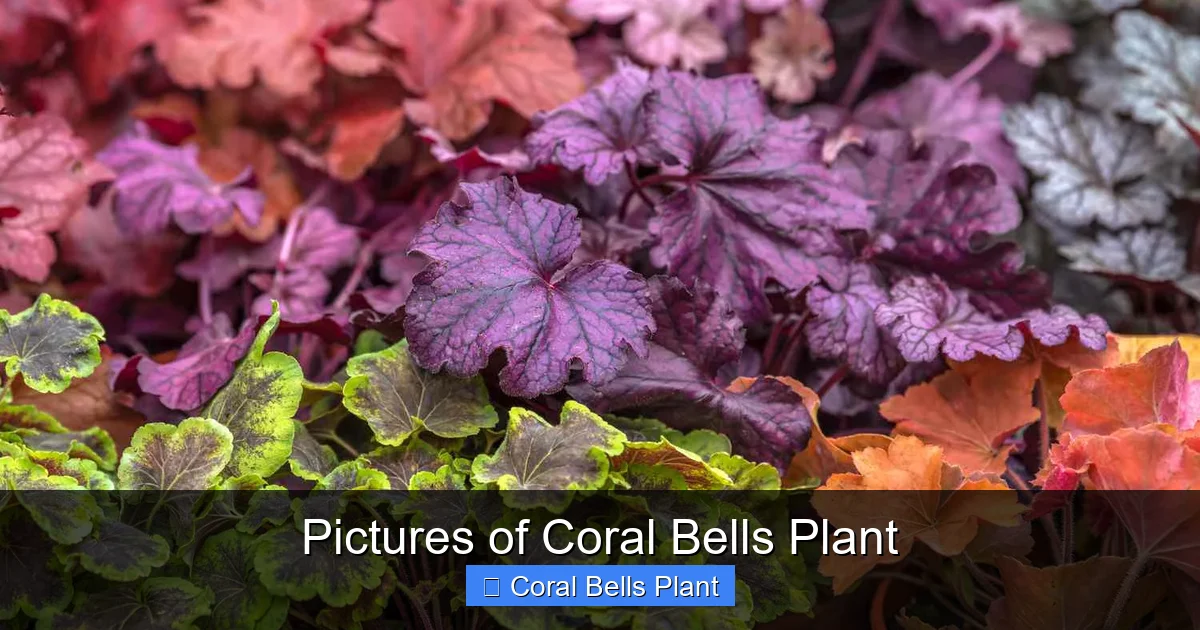
Coral bells (Heuchera) offer incredible foliage diversity with colors ranging from deep purple to bright lime green. Pictures of coral bells plant varieties reveal why these shade-loving perennials are garden favorites for year-round interest.
If you have ever wandered through a shade garden in late spring, you have likely spotted coral bells. These charming perennials catch the eye with ruffled leaves in colors that seem almost painted. Gardeners love them. Photographers love them too. Today we dive deep into the world of coral bells through the lens of photography and garden design.
Whether you are searching for pictures of coral bells plant varieties to identify a mystery plant in your yard, or you are planning a new shade border and need inspiration, this guide covers it all. We will explore the incredible range of foliage colors, discuss how to capture their beauty in photos, and share design ideas that make these plants shine. Let us get started.
Key Takeaways
- Foliage variety is unmatched: Coral bells come in nearly every color imaginable from near-black to caramel, silver, and electric lime
- Shade garden superstars: These perennials thrive in partial to full shade where many plants struggle
- Year-round interest: Evergreen in mild climates, coral bells provide winter color when gardens need it most
- Easy to photograph: Their low mounding habit and textured leaves make coral bells perfect subjects for garden photography
- Companion planting champions: Pair beautifully with hostas, ferns, and astilbe for layered shade garden designs
- Seasonal color shifts: Many varieties change color throughout the year, offering multiple looks from one plant
- Deer and rabbit resistant: The fuzzy, bitter-tasting foliage naturally deters common garden pests
Quick Answers to Common Questions
What are the best lighting conditions for photographing coral bells?
Overcast days provide ideal soft, diffused light that reveals true colors and texture without harsh shadows. Early morning and late afternoon light also work beautifully for catching the ruffled leaf edges.
Which coral bells varieties are easiest for beginners to grow?
‘Palace Purple’, ‘Caramel’, ‘Obsidian’, ‘Lime Rickey’, and ‘Berry Smoothie’ are reliable, widely available, and forgiving of imperfect conditions, making them perfect for new gardeners.
Can coral bells grow in full sun?
In cooler climates (zones 4-5), many varieties tolerate more sun, but most prefer morning sun with afternoon shade. Dark-leaved types generally handle sun better than chartreuse or gold varieties, which scorch easily.
How often should coral bells be divided?
Divide coral bells clumps every 3-4 years in spring to rejuvenate the plant and maintain vigor. This also gives you free plants to expand your collection or share with friends.
Are coral bells deer resistant?
Yes, coral bells are generally deer and rabbit resistant due to their fuzzy, bitter-tasting foliage. However, extremely hungry animals may still browse them, so repellents can help in high-pressure areas.
📑 Table of Contents
Understanding the Coral Bells Plant
What Are Coral Bells?
Coral bells belong to the genus Heuchera. They are native to North America. There are roughly 37 species. Most garden varieties are hybrids bred for spectacular foliage. The common name comes from the tiny bell-shaped flowers that rise on wiry stems above the leaf mound. Those flowers are usually coral pink, hence the name. But let us be honest. Nobody grows coral bells for the flowers. We grow them for the leaves.
The Foliage Show
The leaves are the main event. They form a neat mound, usually 8 to 18 inches tall and wide. The texture varies. Some leaves are smooth and glossy. Others are deeply ruffled or heavily veined. Many have a metallic sheen or a contrasting vein pattern. This diversity makes pictures of coral bells plant collections endlessly fascinating. You can find varieties with leaves in shades of purple, burgundy, chocolate, caramel, peach, gold, lime, silver, and near-black. Some even shift colors with the seasons.
Flowers and Pollinators
Do not ignore the flowers entirely. They appear in late spring to early summer. The wiry stems can reach two feet tall. The blooms are small but numerous. They attract hummingbirds and bees. The flower color ranges from white to pink to deep red. After blooming, you can cut the stems back to keep the focus on the foliage. Many gardeners do exactly that.
Exploring Coral Bells Varieties Through Photos
Dark and Dramatic Varieties
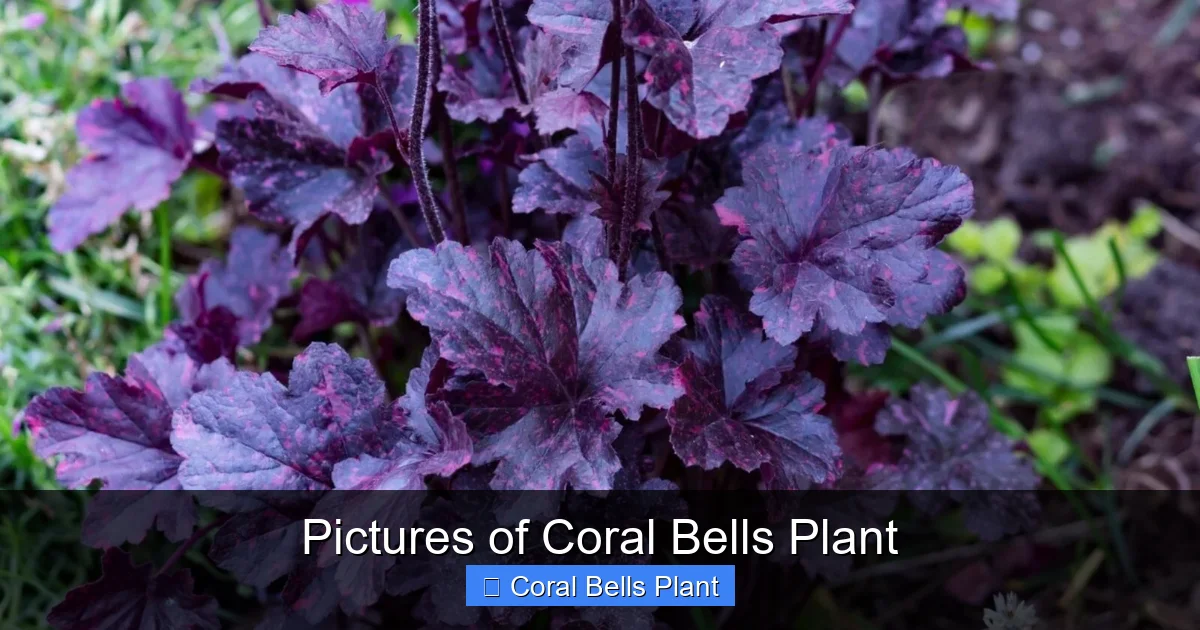
Dark-leaved coral bells create stunning contrast in the garden. Varieties like ‘Obsidian’ and ‘Black Pearl’ offer near-black foliage with a glossy finish. ‘Palace Purple’ is a classic with deep bronze-purple leaves. In photographs, these dark varieties pop against light-colored mulch or pale green companions. They also look incredible in containers where you can appreciate the texture up close. When browsing pictures of coral bells plant selections, notice how the dark varieties anchor a planting scheme.
Visual guide about Pictures of Coral Bells Plant
Image source: epicgardening.com
Bright and Bold Chartreuse Types
On the opposite end of the spectrum, lime green and gold varieties light up shady corners. ‘Lime Rickey’ and ‘Electra’ bring electric energy. ‘Citronelle’ offers a softer chartreuse that glows in low light. These bright varieties are photography gold. They almost seem to emit their own light. Pair them with blue hostas or purple heucheras for a color combination that sings. In photos, the chartreuse leaves often become the focal point immediately.
Caramel, Peach, and Amber Tones
The warm-toned varieties are perhaps the most versatile. ‘Caramel’ is a superstar with large, fuzzy leaves in a warm honey color. ‘Georgia Peach’ lives up to its name with peachy-orange foliage that deepens to rose in cooler weather. ‘Marmalade’ offers ruffled leaves in shades of amber and burnt umber. These varieties bridge the gap between dark and light. They harmonize with almost everything. In garden photos, they provide a warm glow that feels inviting.
Silver and Veined Wonders
Silver-leaved coral bells add sophistication. ‘Silver Scrolls’ has metallic silver leaves with dark purple veins. ‘Steel City’ offers a pewter tone. ‘Green Spice’ combines silver overlay with green veins and a dark center. The veining patterns are incredibly photogenic. Macro photography reveals details you might miss with the naked eye. The contrast between the silver overlay and the darker veins creates natural artwork on every leaf.
Seasonal Color Changers
Some of the most exciting varieties change color through the seasons. ‘Autumn Bride’ emerges green, turns gold, then finishes with red tones. ‘Midnight Rose’ starts nearly black with pink spots, then the spots expand and turn cream as the season progresses. ‘Delta Dawn’ shifts from gold with red centers to lime with darker centers. Capturing these changes in a photo series tells a beautiful story. A single plant offers multiple looks across the year.
Photographing Coral Bells Like a Pro
Best Lighting Conditions
Coral bells grow in shade, which is actually perfect for photography. Harsh midday sun creates blown-out highlights and deep shadows on the ruffled leaves. Overcast days are ideal. The soft, diffused light reveals texture and true color. Early morning and late afternoon also work well. The low angle of light catches the ruffles and veins beautifully. If you must shoot in bright sun, use a diffuser or wait for a cloud to pass. Your photos will thank you.
Composition Tips for Foliage Portraits
Get down low. Shoot at leaf level or slightly below. This perspective makes the plant look heroic and shows the mound shape. Fill the frame with a single variety for an abstract study of color and texture. Or pull back to show the plant in its garden context. Use the rule of thirds. Place the center of the mound off-center. Look for repeating patterns in the ruffles. A shallow depth of field (wide aperture like f/2.8 to f/4) isolates the subject and creates dreamy backgrounds. A deeper depth of field (f/8 to f/11) keeps the whole plant sharp for identification shots.
Macro Magic
The details on coral bells leaves are extraordinary. Macro photography reveals a world of texture. Tiny hairs on ‘Caramel’ leaves. The crystalline sparkle on ‘Silver Scrolls’. The intricate vein network on ‘Green Spice’. Water droplets after rain add another dimension. They act like tiny lenses, magnifying the leaf surface beneath. A dedicated macro lens (90mm to 105mm) is ideal. But extension tubes or close-up filters work too. Even many smartphones now have impressive macro modes. Experiment and see what you discover.
Seasonal Photo Series
Consider photographing the same plant throughout the year. Early spring emergence shows fresh, often differently colored new growth. Late spring brings flower spikes. Summer shows mature foliage at its peak. Fall often brings the most intense colors as temperatures drop. Winter reveals the evergreen structure, sometimes with frost or snow adding magic. A seasonal series of pictures of coral bells plant specimens makes a wonderful garden journal or wall art collection.
Companion Plant Compositions
Coral bells rarely grow alone. Photograph them with their neighbors. The broad, smooth leaves of hostas contrast beautifully with ruffled heuchera. Fern fronds add delicate texture. Astilbe plumes provide vertical interest. Japanese forest grass (Hakonechloa) cascades beside the mounded form. Look for color echoes. A purple heuchera next to a purple-leaved ajuga. A gold heuchera beside a gold-edged hosta. These partnerships tell the story of a well-designed garden.
Designing with Coral Bells in the Garden
Shade Border Stars
Coral bells are essential players in the shade border. Plant them in drifts of three, five, or seven for impact. Space them about 12 to 18 inches apart. They will knit together into a colorful carpet. Mix varieties with contrasting colors. A drift of ‘Obsidian’ next to ‘Citronelle’ creates high drama. A blend of ‘Caramel’, ‘Georgia Peach’, and ‘Marmalade’ offers a warm, harmonious tapestry. Use them at the front of the border where their low stature won’t be hidden. Their evergreen nature (in zones 6 and warmer) means the border never looks bare.
Container Combinations
Coral bells thrive in containers. Their shallow root systems adapt well to pot life. They are perfect for shaded porches and balconies. Choose a pot at least 12 inches wide. Use high-quality potting mix with good drainage. Combine a coral bells with a trailing plant like creeping jenny or ivy. Add something upright like a fern or carex grass. The thriller-filler-spiller formula works perfectly. In container photos, the coral bells usually plays the filler role, but with such showy foliage, it often steals the show.
Rock Garden and Edging Uses
Many coral bells species are native to rocky slopes. They feel right at home in a rock garden. Tuck them between stones where their roots stay cool and moist. The foliage softens hard edges. They also make fantastic edging plants along shaded paths. A row of ‘Palace Purple’ or ‘Plum Pudding’ defines a walkway beautifully. The low mounds stay neat without trimming. In photos of rock gardens, coral bells often provide the only spots of intense color among the stones and greens.
Woodland Garden Integration
In a woodland setting, coral bells look like they belong. Because many species are native woodland plants, they naturalize beautifully. Plant them under deciduous trees where they get spring sun and summer shade. Mix them with native ferns, wild ginger, and foamflower (Tiarella). Allow them to self-sow gently. They are not aggressive spreaders. Over time, they form colonies that look completely natural. Photos of woodland gardens with coral bells capture that elusive “wild but cultivated” aesthetic.
Caring for Your Coral Bells
Soil and Planting
Coral bells want well-drained soil rich in organic matter. They hate wet feet, especially in winter. Amend heavy clay with compost and coarse sand. Plant the crown slightly above soil level. This prevents crown rot. Mulch with shredded leaves or bark, but keep mulch away from the crown. Water well after planting. Once established, they are surprisingly drought tolerant. But they look best with consistent moisture. A happy coral bells rewards you with lush, colorful foliage all season.
Sun Tolerance
Most coral bells prefer partial shade. Morning sun with afternoon shade is ideal. In cooler climates (zones 4-5), they can handle more sun. In hot climates (zones 8-9), they need more shade. Dark-leaved varieties generally tolerate more sun than light-leaved ones. The chartreuse and gold varieties scorch easily in hot afternoon sun. If you see bleached or crispy leaf edges, move the plant to a shadier spot. When looking at pictures of coral bells plant tags at the nursery, check the sun recommendations for that specific variety.
Watering and Feeding
Water deeply but infrequently. This encourages deep roots. Aim for about an inch of water per week, including rainfall. Container plants need more frequent watering. Feed in spring with a balanced, slow-release fertilizer. Or top-dress with compost. Avoid high-nitrogen fertilizers. They promote soft growth that is more susceptible to disease and frost damage. A light hand with fertilizer produces the best foliage color. Too much nitrogen can actually dull the vibrant hues we love.
Maintenance Through the Seasons
Spring: Remove any winter-damaged leaves. Divide crowded clumps every 3-4 years. This rejuvenates the plant. Summer: Deadhead flower stems after blooming if desired. Watch for water stress. Fall: Apply a light mulch after the ground freezes in cold climates. Do not cut back foliage. The leaves protect the crown. Winter: In zones 4-5, a covering of evergreen boughs helps prevent freeze-thaw damage. In spring, gently pull away any matted leaves. New growth will emerge from the center.
Common Problems and Solutions
Crown rot is the biggest killer. It happens in poorly drained soil or when mulch buries the crown. Fix drainage. Pull mulch back. Heuchera rust appears as orange pustules on leaf undersides. Remove affected leaves. Improve air circulation. Avoid overhead watering. Vine weevil larvae eat roots. Adults notch leaf edges. Beneficial nematodes control larvae. Sticky traps catch adults. Deer and rabbits usually leave coral bells alone. But hungry animals eat anything. Repellents help in high-pressure areas.
Finding and Using Coral Bells Pictures
Where to Find Quality Images
When you need pictures of coral bells plant varieties for identification or inspiration, several sources excel. Nursery websites like Proven Winners, Terra Nova Nurseries, and Walters Gardens have extensive photo libraries. These are professionally shot and accurately labeled. University extension sites offer research-based images. Garden forums and social media groups show real-world garden photos. Pinterest and Instagram are goldmines for design ideas. Search hashtags like #heuchera, #coralbells, #shadegarden. Always verify variety names from multiple sources.
Using Photos for Plant Identification
Trying to name that mystery heuchera? Take clear photos. Shoot the whole plant habit. Get close-ups of leaf tops and undersides. Photograph the flower spikes if present. Note the leaf texture, vein pattern, and any color changes. Compare your photos to nursery catalogs. Pay attention to leaf shape. Some are rounded, others maple-like, some deeply lobed. Check the petiole (leaf stem) color. It often contrasts with the blade. Post your photos in gardening forums. The community loves a good plant ID challenge.
Creating Your Own Photo Library
Build a personal reference library of your garden. Photograph each variety at peak season. Label the image files with the variety name and date. Create folders. This helps you track performance over years. You will see which varieties thrive in your conditions. You will notice color shifts you might otherwise miss. Your own photos are the most accurate reference for your specific garden. Plus, looking back at spring photos in winter is a lovely gardening joy.
Sharing and Community
Share your best coral bells photos. Garden clubs love member photos for newsletters. Master gardener programs often need images for presentations. Social media connects you with fellow heuchera enthusiasts worldwide. You might discover a rare variety someone else is growing. You can trade divisions. The coral bells community is welcoming and passionate. Your photos contribute to collective knowledge. Tag the variety name. Note your growing zone. Mention sun exposure. This context makes your photos valuable to others.
Top Coral Bells Varieties for Every Garden
Best for Beginners
New to coral bells? Start with these reliable performers. ‘Palace Purple’ has been a staple since 1991. It is tough, widely available, and affordable. ‘Caramel’ handles heat and humidity better than most. ‘Obsidian’ keeps its dark color without fading. ‘Lime Rickey’ is vigorous and bright. ‘Berry Smoothie’ offers large, rose-pink leaves that mature to purple. These varieties are forgiving of less-than-perfect conditions. They build confidence for exploring more challenging types.
Best for Hot Climates
Gardeners in zones 8-9 need heat-tolerant varieties. The villosa species and its hybrids lead the pack. ‘Caramel’ (mentioned above) is a villosa hybrid. ‘Citronelle’ handles heat well. ‘Mocha’ offers dark chocolate foliage that stands up to summer. ‘Southern Comfort’ transitions from cinnamon to copper to amber. ‘Georgia Peach’ was bred for the Southeast. These varieties have thicker, hairier leaves that resist drying out. They also handle higher humidity without fungal issues.
Best for Cold Climates
Zone 4 and even zone 3 gardeners can grow coral bells. Look for varieties with sanguinea or americana parentage. ‘Palace Purple’ is very hardy. ‘Plum Pudding’ handles extreme cold. ‘Purple Palace’ (different from Palace Purple) is a tough sanguinea type. ‘Green Spice’ survives zone 3 reliably. Mulch heavily after ground freeze. Choose a protected site. The crown is the vulnerable part. Snow cover is the best insulation. In spring, be patient. They emerge late but catch up fast.
Best for Containers
Container life demands compact habits and showy foliage. ‘Delta Dawn’ stays neat and changes color. ‘Fire Alarm’ offers bright red spring leaves that mature to brownish-red. ‘Electric Lime’ glows in a pot. ‘Forever Purple’ keeps its color all season without fading. ‘Black Taffeta’ has incredibly ruffled, near-black leaves. Choose varieties under 12 inches tall for balanced proportions. Remember containers dry out faster. Group pots to create a microclimate with higher humidity.
Best for Cut Foliage
Coral bells leaves last surprisingly long in arrangements. Cut stems at the base. Plunge into cool water immediately. They last 7-10 days. Varieties with thick, leathery leaves hold up best. ‘Obsidian’, ‘Caramel’, ‘Silver Scrolls’, and ‘Marmalade’ are excellent choices. The flower stems also work in bouquets. They add airy height. Harvest flowers when half the bells are open. Change water every two days. Recut stems. No floral preservative needed.
Conclusion
We have journeyed through the colorful world of coral bells together. From the deepest near-black to the brightest lime, these plants offer a palette that rivals any artist’s collection. We have explored how to photograph their ruffled beauty, design with their versatile forms, and care for them through the seasons. Whether you are a seasoned collector or just discovering these shade garden gems, there is always a new variety to try.
Remember that pictures of coral bells plant varieties only tell part of the story. The real magic happens when you grow them yourself. You get to watch the seasonal color shifts. You see how morning light catches the silver veins. You notice the hummingbirds visiting the flower spikes. You feel the fuzzy texture of ‘Caramel’ leaves. No photograph captures the full sensory experience. So browse the pictures for inspiration. Then head to your local nursery. Pick up a few pots. Plant them in that shady spot that needs life. Your garden—and your camera—will thank you.
Happy gardening, and happy shooting. May your shade borders be ever colorful and your photos ever inspiring.
Frequently Asked Questions
What is the difference between coral bells and foamflower?
Coral bells (Heuchera) and foamflower (Tiarella) are close relatives in the Saxifragaceae family. Foamflower has more deeply lobed leaves, foamier flower spikes, and spreads by runners. Coral bells form tight clumps with more varied foliage colors and ruffled textures.
Why are my coral bells leaves turning brown and crispy?
Brown crispy edges usually indicate too much sun, insufficient water, or both. Move the plant to a shadier location, ensure consistent moisture, and mulch to retain soil moisture. Afternoon sun is especially damaging to light-colored varieties.
Do coral bells come back every year?
Yes, coral bells are herbaceous perennials that return reliably in zones 4-9. In mild climates (zones 6+), they remain evergreen through winter. In colder zones, foliage may die back but the crown survives to produce fresh growth in spring.
Can I grow coral bells indoors as houseplants?
Coral bells can grow indoors temporarily but prefer outdoor conditions. They need a cool dormant period, high humidity, and bright indirect light. They are better suited as seasonal container plants on shaded porches or patios where they get natural air circulation.
What causes coral bells to heave out of the ground in winter?
Frost heave occurs when freeze-thaw cycles push the shallow crown upward. Prevent this by planting the crown slightly high, applying winter mulch after the ground freezes, and using evergreen boughs for insulation in zones 4-5.
How do I propagate coral bells from my existing plants?
The easiest method is division in spring or early fall. Dig up the clump, pull apart sections with roots attached, and replant immediately. You can also take leaf cuttings with a portion of the petiole in summer, though this is slower and less reliable than division.