Plant Select Coral Bells
Plant Select Coral Bells are award-winning perennial varieties tested for toughness and beauty in challenging climates. These low-maintenance plants offer stunning foliage colors and delicate blooms that thrive in shade to partial sun.
If you have ever wandered through a garden center in late spring, you have probably seen them. Those mounds of ruffled leaves in shades of purple, caramel, lime, and near-black. They catch the light. They beg to be touched. They are coral bells, also known as heuchera. But not all coral bells are created equal. Some melt in summer heat. Some rot in wet winters. Some simply disappear after a year or two. That is where Plant Select Coral Bells change the game.
Plant Select is a nonprofit collaboration. It brings together Colorado State University, Denver Botanic Gardens, and professional horticulturists. Their mission is simple. They find and promote plants that thrive in the tough conditions of the high plains and intermountain regions. Think intense sun. Think drying winds. Think dramatic temperature swings. Think alkaline soils. When a plant earns the Plant Select label, it has proven itself. It has survived years of trials. It has earned your trust. Plant Select Coral Bells represent the best of the best for gardeners who want beauty without constant worry.
Key Takeaways
- Climate tested: Plant Select Coral Bells are trialed for years in harsh conditions before release
- Year-round interest: Foliage provides color from spring through winter in most zones
- Low maintenance: Once established, these plants need minimal watering and care
- Versatile placement: Perfect for borders, containers, rock gardens, and woodland settings
- Pollinator friendly: Delicate bell-shaped flowers attract hummingbirds and bees
- Deer resistant: Fuzzy leaves and bitter taste deter most browsing animals
- Easy propagation: Divide clumps every few years to expand your garden for free
Quick Answers to Common Questions
What makes Plant Select Coral Bells different from regular coral bells?
Plant Select Coral Bells undergo rigorous multi-year trials in harsh climates including intense sun, drying winds, temperature extremes, and alkaline soils. Only varieties that survive and thrive without coddling earn the Plant Select designation.
How much sun do Plant Select Coral Bells need?
Most prefer morning sun with afternoon shade. In cooler climates they tolerate full sun. In hot climates, afternoon shade is essential. Lighter foliage varieties tolerate more shade than dark varieties.
When is the best time to divide Plant Select Coral Bells?
Spring or fall are ideal for division. Divide every 3-4 years when the center of the clump becomes woody and dies out. Each division needs at least 3 growing points with healthy roots.
Are Plant Select Coral Bells deer resistant?
Yes, they are highly deer and rabbit resistant. The fuzzy leaves and bitter, astringent taste deter browsing animals. In extreme drought they may nibble new growth, but established plants are rarely damaged.
Do Plant Select Coral Bells need winter protection?
In zones 4-5 they are semi-evergreen and need minimal protection. A light covering of evergreen boughs after the ground freezes prevents frost heaving. Do not mulch heavily over the crown as this causes rot.
📑 Table of Contents
- What Makes Plant Select Coral Bells Different
- Top Plant Select Coral Bells Varieties
- Growing Conditions for Success
- Planting and Establishment
- Seasonal Care Calendar
- Design Ideas and Combinations
- Propagation and Division
- Troubleshooting Common Problems
- Buying Guide: What to Look For
- Environmental Benefits
- Frequently Asked Questions
- Conclusion
What Makes Plant Select Coral Bells Different
You might wonder. Why not just buy any heuchera at the big box store? The answer lies in the testing process. Most commercial varieties are bred in Oregon or the Netherlands. Those places have mild, moist climates. A plant that looks amazing in a greenhouse in Canby, Oregon might collapse in a Denver July. Or it might rot in a wet Kansas spring. Plant Select Coral Bells go through a rigorous multi-year trial program. They are planted in ground beds at multiple locations across Colorado. They face full sun. They face clay soil. They face winter temperature drops of fifty degrees in a single day. No coddling. No special soil amendments. No daily watering. Only the survivors make the cut.
The Trial Process Explained
The trial process takes three to five years. Plants are evaluated on several criteria. Vigor is number one. Does the plant grow well? Does it form a nice mound? Floriferousness matters too. Does it bloom reliably? Foliage quality is critical. Does the color hold through summer heat? Does it resist scorching? Disease resistance is tracked. Powdery mildew and rust are common heuchera problems. Winter survival is the ultimate test. Plants must come back strong after zone 4 or 5 winters. Plant Select Coral Bells that pass all these tests are truly garden worthy.
Breeding for Toughness
Many Plant Select Coral Bells come from the breeding work of Dan Heims at Terra Nova Nurseries. Heims is a legend in the heuchera world. He focuses on species native to harsh environments. Heuchera sanguinea comes from the Southwest deserts. It brings heat tolerance. Heuchera villosa comes from the humid Southeast. It brings humidity tolerance and large leaves. Heuchera micrantha comes from the Rocky Mountains. It brings cold hardiness. By crossing these species, breeders create plants with hybrid vigor. They get the best traits from each parent. The result is Plant Select Coral Bells that handle a wider range of conditions than any single species could.
Top Plant Select Coral Bells Varieties
Let us meet the stars. Each of these varieties has earned the Plant Select designation. Each brings something special to the garden. I will walk you through the standouts so you can choose the right ones for your space.
Heuchera ‘Carnival Rose Granita’
This variety stops people in their tracks. The leaves emerge a bright rose pink in spring. They mature to a deep burgundy with a heavy silver overlay. The effect is like frosted glass. In bright light, the leaves almost glow. ‘Carnival Rose Granita’ forms a tidy mound about twelve inches tall and eighteen inches wide. The flower spikes reach twenty inches. Tiny pink bells appear in late spring. They attract hummingbirds like magnets. This variety handles more sun than most dark-leaved heucheras. In my garden, it takes six hours of morning sun without scorching. It is a showstopper in containers paired with chartreuse creeping jenny.
Heuchera ‘Carnival Watermelon’
If you want a color that defies description, this is it. The leaves open a peachy pink. They shift to coppery rose. Then they develop a pewter sheen. The undersides are a vivid pink. When the wind blows, you get flashes of color. It is a party in a plant. ‘Carnival Watermelon’ stays compact at ten inches tall. It is perfect for the front of a border. It also shines in mixed containers. Pair it with purple fountain grass and white calibrachoa for a sophisticated look. This variety has excellent heat tolerance. It sailed through a week of one hundred degree days in my zone 5 garden without a crispy edge.
Heuchera ‘Carnival Peach Parfait’
Peach is a hard color to pull off in the garden. It can look muddy. Not this one. ‘Carnival Peach Parfait’ delivers clean, clear peach tones. The leaves have a ruffled edge that catches light. A silver veil overlays the peach base. The effect is soft and romantic. This variety forms a dense mound that suppresses weeds. It reaches about fourteen inches wide. The flowers are creamy white on dark stems. They appear in early summer. I love planting this near a path where you can brush against the foliage. The texture is incredible. It feels like velvet.
Heuchera ‘Carnival Cinnamon Stick’
Cinnamon. Nutmeg. Allspice. This plant smells like the spice aisle. Okay, it does not actually smell. But the color is pure warm spice. The leaves emerge reddish brown. They mature to a rich cinnamon with darker veins. A light silver frosting ties it all together. ‘Carnival Cinnamon Stick’ is a larger variety. It can reach eighteen inches across. It makes a bold statement in a shade garden. Pair it with golden Japanese forest grass for a knockout combination. This variety has exceptional winter presence. The leaves hold their color well into January in my garden.
Heuchera ‘Carnival Limeade’
Every garden needs a chartreuse accent. ‘Carnival Limeade’ delivers electric lime green foliage. The leaves are deeply lobed and heavily ruffled. They catch and reflect light in dark corners. This variety brightens shade like nothing else. It grows vigorously to eighteen inches wide. The flowers are white on green stems. They are subtle but charming. ‘Carnival Limeade’ tolerates more shade than most heucheras. I have it growing under a dense maple tree where little else survives. It is a problem solver plant.
Heuchera ‘Carnival Plum Crazy’
Deep purple. Almost black. With a metallic sheen. ‘Carnival Plum Crazy’ is drama defined. The leaves are large and glossy. They form a mound sixteen inches wide. In spring, the new growth is bright purple. It darkens as it ages. The contrast between old and new leaves is stunning. White flowers on dark stems appear in late spring. This variety needs some morning sun to develop the deepest color. In full shade, it stays more greenish. It is spectacular in a black glazed pot with silver dichondra spilling over the edges.
Growing Conditions for Success
Now that you know the varieties, let us talk about how to grow them. Plant Select Coral Bells are adaptable. But they have preferences. Meet those preferences and they will reward you for years.
Light Requirements
This is the most common question. How much sun? The answer depends on your climate. In cool summer areas like the Pacific Northwest or coastal California, full sun works fine. In hot summer areas like the Midwest, South, or high plains, afternoon shade is essential. Morning sun with afternoon shade is the sweet spot for most gardeners. Plant Select Coral Bells with lighter foliage like ‘Limeade’ tolerate more shade. Darker varieties like ‘Plum Crazy’ need more sun to maintain color. Watch your plants. If leaves scorch or bleach, they get too much sun. If stems stretch and color fades, they need more light.
Soil Preferences
Drainage is non-negotiable. Plant Select Coral Bells will rot in soggy soil. Heavy clay is a challenge. Amend it with compost and coarse sand. Or plant in raised beds. The ideal soil is rich, loose, and well-draining. A pH between 6.0 and 7.0 is perfect. These plants tolerate alkaline soils better than many perennials. That is a huge plus for western gardeners. If your soil is very acidic, add lime. If it is very sandy, add compost to hold moisture. A two-inch layer of compost worked into the top six inches of soil at planting time pays dividends for years.
Watering Needs
New plants need consistent moisture. Water deeply two to three times per week for the first month. Then reduce to once a week. Established Plant Select Coral Bells are surprisingly drought tolerant. Their thick roots store water. In my garden, established plants go two weeks without rain in summer and look fine. But they look better with occasional deep watering. Avoid overhead watering. Wet leaves invite fungal diseases. Use drip irrigation or a soaker hose. Water at the base of the plant. Mulch helps retain moisture and keeps roots cool.
Fertilizing Guidelines
Less is more. Plant Select Coral Bells are not heavy feeders. Too much nitrogen produces soft growth that burns in sun and freezes in winter. A light application of balanced slow-release fertilizer in spring is plenty. Or top dress with an inch of compost. That is it. No weekly liquid feeding. No special bloom boosters. These plants evolved in lean soils. They perform best with moderate nutrition.
Planting and Establishment
Proper planting sets the stage for years of success. Take your time. Do it right.
When to Plant
Spring and fall are both excellent. Spring planting gives roots time to establish before summer heat. Fall planting lets roots grow in cool soil before winter. Avoid planting in summer heat. If you must plant in summer, provide temporary shade and water daily for two weeks. In zones 3-4, spring planting is safer. In zones 6-7, fall planting works beautifully.
Spacing Guidelines
Check the mature width of your variety. Space plants at that distance. For most Plant Select Coral Bells, that means fourteen to eighteen inches apart. Closer spacing creates a faster groundcover. But it reduces air circulation. Poor air flow leads to foliar diseases. I space at the mature width. I mulch between plants while they fill in. Patience pays off.
Planting Depth Critical
This is where most people fail. Heucheras have a woody crown. That crown must sit at or slightly above soil level. Bury the crown and the plant will rot. Plant too high and roots dry out. Dig a hole twice as wide as the pot. Same depth. Gently loosen circling roots. Place the plant. Backfill with native soil mixed with compost. Firm gently. Water deeply. Check the crown after watering. It often settles. Adjust if needed.
Mulching Matters
Apply two inches of shredded bark, pine needles, or leaf mulch. Keep mulch away from the crown. A mulch volcano around the stem causes rot. A donut shape with a clear center is perfect. Mulch conserves moisture. It suppresses weeds. It moderates soil temperature. It slowly breaks down to feed the soil. Refresh mulch annually in spring.
Seasonal Care Calendar
Gardening is a year-round relationship. Here is what Plant Select Coral Bells need through the seasons.
Spring Awakening
As snow melts, check your plants. Gently remove any matted leaves from winter. Do not pull. Cut with scissors. Look for the crown. Is it pushing up out of the soil? Heucheras tend to heave in freeze-thaw cycles. If the crown is exposed, gently press it back down. Or mound a little soil around it. Apply slow-release fertilizer. Refresh mulch. Watch for slugs on new growth. Beer traps or diatomaceous earth work well.
Summer Glory
This is showtime. Plant Select Coral Bells bloom in late spring to early summer. Deadhead spent flower spikes to encourage rebloom. Cut the stem at the base. Keep watering during dry spells. Watch for powdery mildew in humid weather. It looks like white dust on leaves. Improve air circulation. Remove affected leaves. A spray of milk diluted 1:10 with water helps prevent spread. Enjoy the hummingbirds visiting the flowers.
Fall Transition
Stop fertilizing by late August. You want growth to harden off before winter. Continue watering until ground freezes. Dry roots freeze faster than moist roots. Remove any diseased foliage. Leave healthy leaves in place. They protect the crown. Some gardeners cut back all foliage in fall. I don’t. The leaves insulate the plant. They also look beautiful with frost on them.
Winter Rest
In zones 4-5, Plant Select Coral Bells are semi-evergreen. They hold leaves through winter. In zones 3-4, they may die back to the crown. Both are fine. Do not mulch heavily over the crown. A light covering of evergreen boughs after the ground freezes helps prevent heaving. Remove boughs in early spring. That is all winter care requires.
Design Ideas and Combinations
Great plants deserve great partners. Plant Select Coral Bells play well with others. Here are some winning combinations.
Shade Garden Tapestry
Create a living tapestry under trees. Combine ‘Carnival Limeade’ with Japanese painted fern. Add ‘Carnival Plum Crazy’ for depth. Include brunnera ‘Jack Frost’ for silver leaves. Plant epimedium for groundcover. Add spring bulbs like snowdrops and scilla. The result is a shade garden with four seasons of interest. Texture. Color. Movement. All low maintenance.
Container Recipes
Plant Select Coral Bells are container superstars. Their mounding habit fills a pot beautifully. Their foliage lasts all season. Recipe one: ‘Carnival Watermelon’ center. Surround with purple sweet potato vine. Add white bacopa trailing over the edge. Recipe two: ‘Carnival Cinnamon Stick’ center. Pair with golden creeping jenny. Add dark purple petunias. Recipe three: ‘Carnival Rose Granita’ center. Combine with silver helichrysum. Add pink calibrachoa. Use high-quality potting mix. Water when top inch is dry. Fertilize monthly with half-strength liquid feed.
Rock Garden Gems
The high desert heritage of Plant Select Coral Bells makes them perfect for rock gardens. Plant ‘Carnival Peach Parfait’ among sedums and sempervivums. Tuck ‘Carnival Limeade’ between ornamental grasses. The ruffled foliage softens hard stones. The colors echo mineral tones. Ensure sharp drainage. Add grit to planting holes. These plants will thrive in the lean, dry conditions that mimic their native habitat.
Border Front and Center
Line a path with ‘Carnival Rose Granita’. The foliage stays neat. It does not flop onto the walkway. The flowers are at nose level for fragrance. Alternate with ‘Carnival Cinnamon Stick’ for a warm-cool rhythm. Add low catmint behind for height and blue flowers. Edge with thyme or creeping phlox. The border looks full from day one. It only gets better.
Propagation and Division
One of the joys of Plant Select Coral Bells is sharing them. Division is easy. It rejuvenates older plants. It gives you free plants.
When to Divide
Spring or fall. Spring division lets roots establish before heat. Fall division works in mild climates. Divide every three to four years. Signs it is time: center of clump dies out. Flowering decreases. Plant looks tired. Or you just want more plants.
How to Divide
Dig up the entire clump. Shake off loose soil. Look at the crown. You will see multiple growing points. Each has its own roots. Gently pull apart with your hands. Or cut with a clean knife. Each division needs at least three growing points and a good root system. Replant immediately at correct depth. Water well. Shade for a week if dividing in warm weather.
Seed Propagation
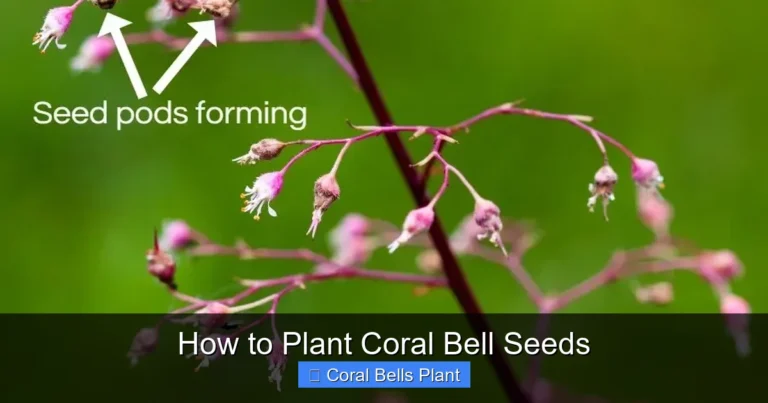
You can grow Plant Select Coral Bells from seed. But they will not come true to type. Heucheras hybridize freely. The seedlings will be a mix of traits. This is fun for experimenters. Collect seed when pods turn brown. Sow on moist seed starting mix. Do not cover. Light aids germination. Keep at seventy degrees. Germination takes two to four weeks. Transplant seedlings to individual pots. Grow on for a year before planting out. You might discover something amazing.
Troubleshooting Common Problems
Even tough plants have issues. Here is how to handle them.
Crown Rot
The number one killer. Caused by soilborne fungi. Favored by wet soil and buried crowns. Prevention is everything. Plant high. Ensure drainage. Do not overwater. Mulch away from crown. If you catch it early, dig up the plant. Cut away rotted tissue. Dust with sulfur. Replant in fresh, well-draining soil. Often the plant recovers.
Powdery Mildew
White powdery coating on leaves. Common in humid climates. Worse with poor air circulation. Resistant varieties help. ‘Carnival’ series has good resistance. Space plants properly. Water at soil level. Remove affected leaves. Spray with potassium bicarbonate or neem oil. A homemade spray of one tablespoon baking soda, one teaspoon horticultural oil, one gallon water works too.
Rust
Orange pustules on leaf undersides. Leaves yellow and drop. Remove infected leaves immediately. Do not compost. Improve air flow. Avoid overhead watering. Some varieties are more susceptible. ‘Carnival’ series shows good rust resistance in trials.
Heuchera Rust Mite
Microscopic mites cause distorted, bronzed new growth. Hard to see. Damage is obvious. Treat with insecticidal soap or horticultural oil. Spray thoroughly, especially leaf undersides. Repeat weekly for three weeks. Predatory mites provide biological control.
Deer and Rabbit Damage
Good news. Plant Select Coral Bells are rarely browsed. The fuzzy leaves and astringent taste deter deer and rabbits. In extreme drought, they might nibble new growth. A spray of repellent protects young plants. Once established, they are usually left alone.
Frost Heaving
Freeze-thaw cycles push crowns out of the ground. Exposed roots dry and die. Check plants in late winter. Gently press heaved crowns back into soil. Or cover with a light layer of compost. Evergreen boughs over plants after ground freezes prevent heaving.
Buying Guide: What to Look For
Smart shopping ensures healthy plants. Here is what to check.
At the Nursery
Look for vigorous growth. Leaves should be clean and colorful. No yellowing. No spots. Check the crown. It should be firm, not mushy. Gently lift the pot. Roots should be white and fill the pot. Not circling tightly. Not brown and mushy. Avoid plants with weeds growing in the pot. That indicates poor nursery care.
Reading Labels
Look for the Plant Select logo. It is a guarantee of performance. The label should list the variety name. ‘Carnival Rose Granita’ not just ‘Coral Bells’. Check the hardiness zone. Most Plant Select Coral Bells are zone 4-9. Some are zone 3. Check mature size. Match it to your space.
Online Ordering
Reputable online nurseries ship healthy plants. Order in spring or fall. Avoid summer shipping. Plants arrive bare root or in pots. Unpack immediately. Soak bare roots in water for an hour. Pot up or plant right away. Water well. Shade for a few days. Contact seller if plants arrive damaged. Good nurseries stand behind their plants.
Environmental Benefits
Plant Select Coral Bells give back to the planet. They are not just pretty faces.
Pollinator Support
The bell-shaped flowers produce nectar. Hummingbirds love them. Native bees visit them. Butterflies sip from them. Plant a drift of coral bells. You create a pollinator buffet. The bloom time fills a gap between spring bulbs and summer perennials. Every flower counts.
Water Conservation
Once established, these plants need minimal supplemental water. Their deep roots find moisture. Their thick leaves reduce transpiration. In a xeric garden, they provide lush looks with low water use. They are perfect for water-wise landscaping.
Soil Health
The fibrous root systems hold soil. They prevent erosion on slopes. They feed soil microbes with root exudates. As leaves decompose, they add organic matter. They improve soil structure over time. They are ecosystem engineers in miniature.
Reduced Chemical Use
Disease resistance means less fungicide. Pest resistance means less insecticide. Drought tolerance means less irrigation. These plants fit perfectly into integrated pest management. They support a healthier garden ecology.
Frequently Asked Questions
I get these questions all the time. Here are the answers.
Do Plant Select Coral Bells spread aggressively?
No. They form tight clumps. They do not run or seed aggressively. They stay where you put them. Division every few years controls size.
Can they grow in full shade?
Yes, especially lighter varieties like ‘Limeade’. But flowering decreases. Colors may be less intense. Growth is slower. Morning sun is ideal.
Are they evergreen?
In zones 6-9, mostly evergreen. In zones 4-5, semi-evergreen. Leaves may look tattered by late winter. New growth emerges fresh in spring.
Do they need deadheading?
Not required. But deadheading encourages rebloom. It keeps plants tidy. Cut flower spikes at the base when blooms fade.
Can I grow them indoors?
Not recommended. They need winter dormancy. They need seasonal light changes. They are outdoor plants.
Why is my plant dying in the center?
This is natural aging. The crown becomes woody. Outer roots are vigorous. Center dies out. Time to divide. Dig, separate, replant vigorous pieces.
Conclusion
We have covered a lot of ground. Plant Select Coral Bells are more than just another pretty perennial. They are the result of science meeting art. They represent years of testing in unforgiving conditions. They offer colors and forms that elevate any garden. They ask for little and give much. Whether you garden in the high plains, the humid Midwest, the rainy Northwest, or anywhere in between, there is a Plant Select Coral Bell for you.
Start with one. Plant it where you will see it daily. Watch it through the seasons. Notice how the leaves catch morning light. Watch hummingbirds dance at the flowers. Feel the velvet texture. Then you will understand. These plants earn their space. They earn your admiration. And they make you a more successful gardener. That is the Plant Select promise. Beauty that lasts. Plants that perform. Gardens that thrive.
Your garden deserves the best. Plant Select Coral Bells deliver. Happy planting.
Frequently Asked Questions
What soil conditions do Plant Select Coral Bells prefer?
Plant Select Coral Bells need well-draining soil above all else. They tolerate alkaline soils well, making them ideal for western gardens. Amend heavy clay with compost and coarse sand, or plant in raised beds. A pH of 6.0-7.0 is optimal.
How often should I water established Plant Select Coral Bells?
Established plants are surprisingly drought tolerant. Water deeply once every 1-2 weeks during dry spells. Avoid overhead watering to prevent fungal diseases. Use drip irrigation or soaker hoses at the base of plants.
Can Plant Select Coral Bells be grown in containers?
Absolutely. They are excellent container plants with their mounding habit and season-long foliage interest. Use high-quality potting mix, ensure drainage holes, and water when the top inch of soil feels dry. Fertilize monthly with half-strength liquid fertilizer.
Why are the leaves on my coral bells turning brown and crispy?
Brown crispy edges usually indicate too much sun, especially afternoon sun, or insufficient water. Move the plant to a shadier location or increase watering. Some varieties tolerate more sun than others; lighter foliage types generally need more shade.
Do Plant Select Coral Bells attract pollinators?
Yes, the delicate bell-shaped flowers produce nectar that attracts hummingbirds, native bees, and butterflies. They bloom in late spring to early summer, filling an important gap between spring bulbs and summer perennials for pollinator food sources.
How do I prevent crown rot in my coral bells?
Plant with the woody crown at or slightly above soil level—never buried. Ensure excellent drainage, avoid overwatering, and keep mulch pulled away from the crown. If rot occurs, dig up the plant, cut away rotted tissue, dust with sulfur, and replant in fresh well-draining soil.