Plants Like Coral Bells
Coral bells (Heuchera) are beloved for their vibrant foliage and shade tolerance, but many gardeners seek similar plants to expand their palette. This guide explores the best plants like coral bells — including foamflower, brunnera, and Japanese forest grass — with detailed growing tips, design combinations, and care advice for creating stunning shade gardens that thrive year-round.
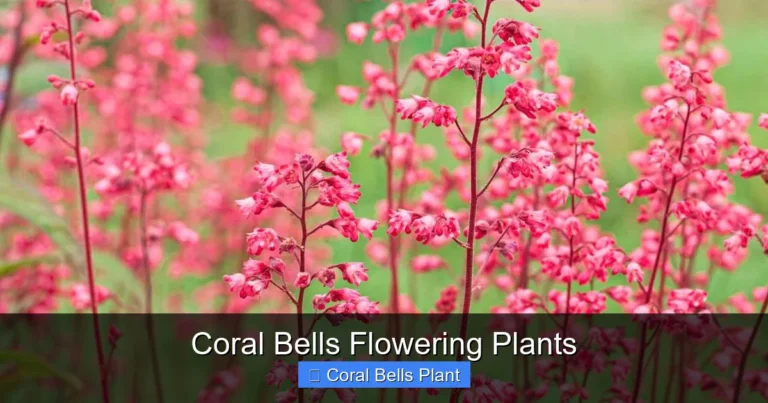
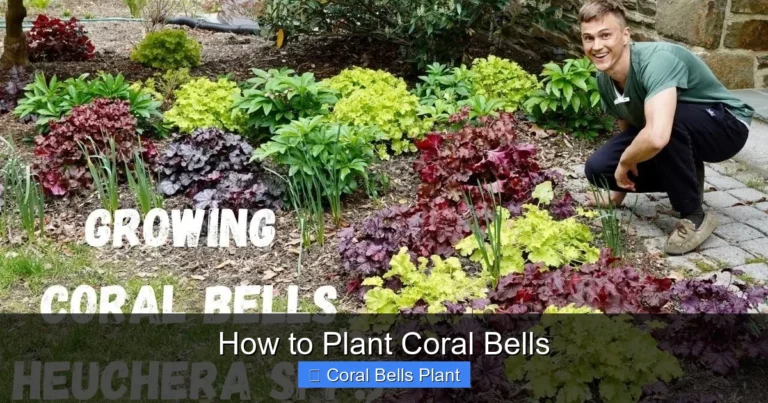
If you have ever grown coral bells, you know why gardeners fall in love with them. Those ruffled leaves come in colors that seem almost painted — caramel, plum, lime, silver, and near-black. They catch light in shade gardens like living stained glass. But here is the thing: a garden filled with only one plant gets boring fast. You want variety. You want texture. You want plants that play well together.
That is where this guide comes in. We are going to walk through the best plants like coral bells — companions that share similar growing needs but bring their own personality to the party. Whether you are designing a new shade border, filling gaps under trees, or just want more color without more work, you will find plenty of ideas here. Let us dig in.
Key Takeaways
- Foamflower (Tiarella) offers similar lobed foliage and delicate flower spikes: It thrives in the same shady conditions and spreads gently to form attractive groundcover.
- Brunnera provides heart-shaped leaves with silver markings: Its spring forget-me-not flowers add seasonal interest while tolerating deep shade beautifully.
- Japanese forest grass brings graceful movement and golden color: This ornamental grass thrives in shade where most grasses fail, adding texture contrast to coral bell companions.
- Hostas remain the classic shade partner for coral bells: Their broad leaves create bold texture contrast against the ruffled, colorful foliage of heuchera varieties.
- Lungwort (Pulmonaria) features spotted foliage and early spring blooms: It handles tough dry shade conditions where other plants struggle, making it a resilient companion.
- Combine plants with different leaf shapes, colors, and heights: This creates visual depth and year-round interest in shade garden designs using coral bells and alternatives.
- Most coral bell alternatives prefer moist, well-drained soil rich in organic matter: Amend planting areas with compost and mulch annually for best performance across all companion species.
Quick Answers to Common Questions
What is the closest plant to coral bells in appearance and care?
Foamflower (Tiarella) is the closest relative to coral bells, sharing the same family, similar lobed foliage with dark centers, and identical shade and soil preferences.
Which coral bell alternative handles dry shade best?
Epimedium (barrenwort) is the top performer for dry shade under mature trees, followed closely by wild ginger (Asarum) and established lungwort (Pulmonaria).
Can I plant Japanese forest grass with coral bells in the same bed?
Yes, Japanese forest grass (Hakonechloa) makes an excellent companion for coral bells, adding contrasting linear texture and movement while thriving in the same shady, moist, rich conditions.
Do hostas and coral bells compete for the same nutrients?
Both appreciate rich, organic soil but have different root depths — hostas root deeper while coral bells stay shallow — so they coexist well with adequate soil preparation and annual compost mulch.
When is the best time to divide and transplant shade perennials like coral bells and their companions?
Early spring (as growth emerges) or early fall (4-6 weeks before ground freezes) are ideal for dividing most shade perennials, giving roots time to establish before extreme temperatures.
📑 Table of Contents
- Why Look for Plants Like Coral Bells?
- Top Foliage-Focused Companions
- Flowering Shade Perennials That Complement Coral Bells
- Groundcovers and Spillers for Layering
- Designing with Plants Like Coral Bells
- Care Tips for Shade Perennial Communities
- Troubleshooting Common Issues
- Expanding Your Collection: Where to Find These Plants
- Conclusion
Why Look for Plants Like Coral Bells?
Coral bells (Heuchera) check a lot of boxes. They handle shade. They offer four-season foliage color. They stay relatively compact. They even attract hummingbirds with their airy flower wands. So why branch out?
First, diversity builds resilience. A garden with ten different species handles pests, diseases, and weird weather better than a monoculture. Second, coral bells have limits. They dislike wet feet. They can heave out of the ground in freeze-thaw cycles. Some varieties scorch in too much sun. Having backup plants with similar looks but different tolerances gives you insurance.
Third — and let us be honest — collecting plants is fun. Once you discover the world of shade perennials beyond heuchera, you start seeing possibilities everywhere. The plants we will cover share the same general wish list: partial to full shade, decent drainage, soil enriched with organic matter. But each brings a unique leaf shape, growth habit, or seasonal moment that coral bells simply cannot deliver alone.
Top Foliage-Focused Companions
Foamflower (Tiarella) — The Closest Cousin
If coral bells had a twin, it would be foamflower. They belong to the same family (Saxifragaceae). They share lobed, maple-like leaves often marked with dark center patterning. But foamflower runs lower and spreads by stolons, making it a natural groundcover where coral bells stay clump-forming.
In spring, foamflower sends up foamy white or pink flower spikes that hover above the foliage like a cloud. The bloom time overlaps with coral bells, creating a layered effect. Varieties like ‘Spring Symphony’ offer deeply cut leaves with dramatic burgundy centers. ‘Sugar and Spice’ brings lighter green foliage with chocolate veining. Both handle deep shade and compete well with tree roots once established.
Plant foamflower at the front of a shade border where its spreading habit can shine. Pair it with upright coral bells behind for a tiered look. Mulch with shredded leaves in fall to protect the shallow stolons over winter.
Brunnera (Siberian Bugloss) — Silver Hearts for Shade
Brunnera macrophylla stops people in their tracks. The heart-shaped leaves — often frosted in silver or white — glow in low light. ‘Jack Frost’ became famous for a reason: its leaves look like cracked porcelain with green veins tracing a silver surface. ‘Looking Glass’ goes even whiter. ‘Alexander’s Great’ supersizes the leaves to dinner-plate scale.
In early spring, brunnera produces sprays of tiny true-blue flowers that resemble forget-me-nots. They last for weeks. After flowering, the foliage carries the show all season. Unlike coral bells, brunnera tolerates heavier clay soils and more moisture. It even handles morning sun if the soil stays damp.
Use brunnera as a bold foliage anchor. Its large leaves contrast beautifully with the ruffled, smaller leaves of coral bells. Plant them where afternoon shade protects the silver from scorching. Divide clumps every few years in early spring to maintain vigor.
Japanese Forest Grass (Hakonechloa) — Movement and Gold
Most ornamental grasses demand full sun. Hakonechloa macra breaks that rule. This graceful, arching grass forms cascading mounds that move with the slightest breeze. The species is green, but the cultivar ‘Aureola’ — striped gold and green — is the star for shade gardens. ‘All Gold’ turns brilliant chartreuse in brighter shade.
Japanese forest grass emerges late in spring, so pair it with early bulbs or ephemerals. By early summer, it forms a luminous fountain. In fall, the blades take on pink and copper tones. Winter interest comes from the dried foliage holding its shape until you cut it back in late winter.
This grass adds something coral bells cannot: motion and linear texture. Plant it on a slope or raised bed where the cascading habit shines. It spreads slowly by rhizomes, never aggressively. Give it consistent moisture and rich soil. It dislikes drought more than coral bells do.
Hostas — The Bold and the Beautiful
You cannot talk shade plants without hostas. Their broad, substantial leaves create weight and presence that coral bells lack. The variety is staggering: tiny ‘Mouse Ears’ to giant ‘Empress Wu’, solid blue to wildly variegated, smooth to heavily corrugated.
Hostas and coral bells are classic partners for a reason. The hosta’s big leaves make the heuchera’s ruffles pop. The heuchera’s year-round color fills gaps when hostas go dormant. Choose hosta varieties with different leaf shapes and colors to avoid a “green blob” effect. ‘June’ (gold center, blue margin), ‘Guacamole’ (chartreuse with fragrant flowers), and ‘Praying Hands’ (folded leaves) each bring distinct personality.
Watch for slugs — hostas attract them more than coral bells. Use iron phosphate bait, diatomaceous earth, or beer traps. Plant hostas slightly deeper than coral bells; their crowns tolerate more soil coverage. Divide in spring or fall when clumps get crowded.
Flowering Shade Perennials That Complement Coral Bells
Lungwort (Pulmonaria) — Early Bloomer, Tough Survivor
Lungwort earns its spot in any shade garden. The speckled, silver-spotted foliage looks good all season. But the real show happens in early spring when clusters of pink buds open to blue flowers — often both colors on the same plant at once. ‘Raspberry Splash’ offers coral-pink blooms. ‘Silver Bouquet’ maximizes the foliage show with nearly all-silver leaves.
Pulmonaria handles dry shade better than almost any perennial. Once established, it shrugs off root competition from trees. It spreads slowly to form colonies. The rough, hairy leaves deter deer and rabbits. After flowering, shear the foliage back hard to encourage fresh, clean growth for summer.
Pair lungwort with coral bells along a woodland path. The lungwort blooms when coral bells are just waking up. Their spotted leaves echo the veining in many heuchera varieties. Both appreciate a compost-rich planting hole and annual leaf mulch.
Bleeding Heart (Dicentra) — Romantic Arching Stems
Old-fashioned bleeding heart (Dicentra spectabilis) brings drama. Its arching stems dangle pink-and-white lockets for weeks in spring. The ferny foliage looks great until summer heat sends it dormant. Fringed bleeding heart (Dicentra eximia) stays lower, blooms longer, and keeps its foliage all season.
Plant bleeding heart behind coral bells. The heuchera’s mounding foliage hides the bleeding heart’s yellowing leaves in early summer. ‘Gold Heart’ bleeding heart adds chartreuse foliage to the mix. ‘Valentine’ offers deeper red flowers on red stems.
Bleeding heart prefers consistent moisture. It will go dormant early if the soil dries out. Mark its location so you do not accidentally dig it up during summer dormancy. Divide only when necessary — it resents disturbance.
Columbine (Aquilegia) — Self-Sowing Charm
Columbine bridges the gap between cultivated and wild. Its spurred flowers dance above blue-green foliage in late spring. Colors range through red, yellow, blue, pink, white, and bicolors. Native species like Aquilegia canadensis (red and yellow) support hummingbirds and bees.
Columbine self-sows gently. You get surprise seedlings in cracks and crevices — usually a delight. The foliage stays attractive until late summer, then can look tired. Cut it back; fresh growth often appears for fall.
Let columbine naturalize among coral bells and foamflower. Its airy habit contrasts with the denser mounds. Deadhead if you want to control seeding, or let it wander. It handles more sun than most shade perennials, making it useful in transition zones.
Groundcovers and Spillers for Layering
Wild Ginger (Asarum) — Glossy Green Carpets
European wild ginger (Asarum europaeum) forms a slow, weed-suppressing mat of kidney-shaped, glossy leaves. The flowers hide at ground level — curious jug-shaped blooms pollinated by beetles. Canadian wild ginger (Asarum canadense) has larger, softer leaves and spreads faster.
Wild ginger thrives in deep, dry shade where little else grows. It makes a living mulch under shrubs and trees. Pair it with upright coral bells for height contrast. The glossy leaves reflect light in dark corners.
Plant wild ginger in spring. Water well the first season. After that, it largely fends for itself. Do not expect fast coverage — this is a long-term investment. But once established, it outcompetes weeds for decades.
Barrenwort (Epimedium) — The Dry Shade Champion
If you garden under mature trees, you know the struggle: dry shade. Epimedium laughs at dry shade. Its heart-shaped or arrowhead leaves — often tinged red in spring and fall — form dense clumps that block weeds. Delicate four-petaled flowers hover on wiry stems in early spring.
Varieties like ‘Sulphureum’ (yellow flowers, red-tinted new growth), ‘Rubrum’ (red flowers), and ‘Pink Champagne’ (pink flowers, heavily spotted leaves) offer options. The foliage stays evergreen in mild winters. Cut old leaves to the ground in late winter before new growth emerges.
Epimedium and coral bells are kindred spirits. Both offer four-season foliage interest. Both handle root competition. Both come in collect-worthy varieties. Plant them together in the toughest spots. Mulch with shredded leaves annually.
Creeping Jenny (Lysimachia nummularia ‘Aurea’) — Chartreuse River
Golden creeping Jenny flows like liquid gold through shade beds. Its round, coin-sized leaves on trailing stems root as they go. In sun, it can be aggressive. In shade, it behaves — mostly. Use it to spill over walls, edge paths, or weave between taller perennials.
The chartreuse color intensifies in brighter shade. In deep shade, it leans lime-green. It stays evergreen in zone 6 and warmer. Pair it with purple-leaved coral bells like ‘Palace Purple’ or ‘Black Pearl’ for high-contrast drama.
Keep an eye on its wandering ways. Pull stray stems before they root where you do not want them. It pulls easily. Do not plant it near wetlands or natural areas where it could escape.
Designing with Plants Like Coral Bells
Color Echoes and Contrasts
Great shade gardens use color deliberately. Coral bells give you a palette: amber, burgundy, silver, chartreuse, near-black. Repeat those colors in companion plants. Pair ‘Caramel’ heuchera with ‘Aureola’ hakonechloa for a warm gold theme. Contrast ‘Obsidian’ (black) with ‘Jack Frost’ brunnera (silver) for high drama.
Think about leaf finish, too. Glossy (wild ginger, bergenia) versus matte (coral bells, foamflower). Smooth (hosta) versus ruffled (heuchera). Hairy (lungwort) versus clean (Japanese forest grass). These tactile differences add depth even when colors are similar.
Do not forget flowers. Spring bulbs (snowdrops, scilla, wood anemone) bloom before perennials emerge. Summer bloomers (astilbe, goatsbeard, bugbane) take over later. Plan for sequential bloom so something flowers from March to October.
Texture and Form Layering
Visual texture comes from leaf size, shape, and arrangement. Big bold leaves (hosta, bergenia, rodgersia) anchor a composition. Medium mounds (coral bells, foamflower, epimedium) fill the middle. Fine texture (Japanese forest grass, columbine, ferns) softens edges. Groundcovers (wild ginger, creeping Jenny, barrenwort) knit it together.
Vertical accents break the mound monotony. Bugbane (Actaea) sends up fragrant white spires in late summer. Japanese anemone blooms fall on tall wiry stems. Even the flower wands of coral bells add temporary height. Use these punctuation marks sparingly — three to five per large bed.
Consider winter structure. Evergreen foliage (hellebores, epimedium, some heuchera, wild ginger) keeps the bed from looking dead. Dried seed heads (astilbe, bugbane, coneflower) catch frost. Ornamental grass foliage (hakonechloa, carex) holds shape until spring cleanup.
Practical Planting Combinations
Let us look at three ready-to-plant recipes for different situations.
Recipe 1: Deep Shade Under Maples (Dry, Root-Filled)
Back row: Epimedium ‘Sulphureum’, Hosta ‘June’
Middle: Heuchera ‘Palace Purple’, Tiarella ‘Spring Symphony’
Front: Asarum canadense, Pulmonaria ‘Raspberry Splash’
Accent: Hakonechloa ‘Aureola’ (if moisture allows)
Recipe 2: Bright Shade / Morning Sun (Moist, Rich Soil)
Back row: Actaea ‘Hillside Black Beauty’, Hosta ‘Guacamole’
Middle: Heuchera ‘Caramel’, Brunnera ‘Jack Frost’, Aquilegia ‘Origami Mix’
Front: Tiarella ‘Sugar and Spice’, Epimedium ‘Pink Champagne’
Spiller: Lysimachia ‘Aurea’ along edge
Recipe 3: Woodland Path Edge (Seasonal Interest Focus)
Early spring: Galanthus, Pulmonaria, Dicentra eximia
Late spring: Heuchera ‘Fire Alarm’, Tiarella, Aquilegia
Summer: Hakonechloa, Hosta ‘Praying Hands’, Epimedium foliage
Fall: Actaea, Japanese anemone, Heuchera color intensifies
Winter: Helleborus, Asarum, Hakonechloa dried foliage
Adjust spacing for mature sizes. Most of these plants need 12-18 inches between centers. Mulch with 2-3 inches of shredded leaves or bark. Water deeply weekly the first growing season.
Care Tips for Shade Perennial Communities
Soil Preparation That Lasts
Shade gardens often sit under trees where soil is compacted and nutrient-poor. Do not just dig individual holes. Prepare the whole bed. Remove grass and weeds. Loosen soil to 12 inches if possible — but avoid severing large tree roots. Work in 3-4 inches of compost, leaf mold, or aged manure. This creates a moisture-retentive, well-drained layer above the native soil.
If tree roots make digging impossible, build up. Create a raised bed or berm 6-8 inches deep with a 50/50 mix of topsoil and compost. Plant into this layer. The roots will eventually penetrate below, but the plants get a head start.
Test soil pH. Most shade perennials prefer slightly acidic to neutral (6.0-7.0). Coral bells, foamflower, and brunnera tolerate a wider range. Amend with lime or sulfur if needed based on test results.
Watering Wisdom
New plantings need consistent moisture. Water deeply twice a week for the first month, then weekly through the first growing season. Soak the root zone — sprinkling the surface encourages shallow roots.
Established shade gardens need less water than sunny ones, but “dry shade” is a myth — plants still need moisture. During drought, water deeply every 10-14 days. Soaker hoses or drip irrigation save water and keep foliage dry, reducing disease.
Mulch is non-negotiable. Two to three inches of shredded leaves, pine fines, or bark conserves moisture, suppresses weeds, and feeds soil life as it breaks down. Replenish annually in fall. Keep mulch away from crowns to prevent rot.
Seasonal Maintenance Calendar
Early Spring (March-April): Cut back epimedium, hakonechloa, and any tattered evergreen foliage before new growth emerges. Apply slow-release organic fertilizer (like 5-5-5) around plants. Divide summer-blooming perennials if crowded.
Late Spring (May-June): Deadhead spring bloomers (pulmonaria, dicentra, tiarella) to encourage fresh foliage. Watch for slugs on hostas — bait early. Stake tall later bloomers (actaea, thalictrum) before they flop.
Summer (July-August): Water during dry spells. Remove any diseased foliage promptly. Cut back columbine and other tired foliage to basal growth. Enjoy the garden — this is peak foliage season.
Fall (September-November): Plant new additions — roots establish before winter. Mulch with shredded leaves. Leave seed heads and grass foliage for winter interest and wildlife. Mark dormant plants (dicentra, some heuchera) so you do not disturb them.
Winter (December-February): Plan next year’s additions. Order bare-root plants for early spring. Brush heavy snow off evergreen foliage gently. Dream.
Troubleshooting Common Issues
Coral Bells Heaving Out of Ground
Freeze-thaw cycles push shallow-rooted heuchera upward, exposing roots. You will see the crown sitting above soil level by late winter. Fix it by gently pressing the plant back down when soil is thawed, or mound compost around the exposed crown. Mulch heavily in fall to moderate soil temperature swings. Planting slightly deeper initially helps too.
Slug and Snail Damage
Hostas, brunnera, and lungwort get hit hardest. Coral bells are less palatable but not immune. Use iron phosphate bait (safe for pets/wildlife) early and often. Beer traps work for monitoring. Copper tape around raised beds deters them. Encourage predators: toads, ground beetles, birds. Remove hiding spots — boards, dense mulch piles, weeds.
Fungal Leaf Spots
Wet foliage + poor air circulation = leaf spots. Space plants for maturity, not planting day. Water at soil level, not overhead. Remove affected leaves promptly — do not compost diseased material. Thin dense clumps. Choose resistant varieties when available (many modern heuchera and hosta cultivars have good resistance).
Deer and Rabbit Browsing
No plant is truly deer-proof, but some are deer-resistant. Epimedium, hakonechloa, wild ginger, hellebores, and most ferns are rarely browsed. Coral bells, hostas, and brunnera get eaten. Use repellent sprays (rotate brands), fencing, or plant sacrificial favorites in protected spots. Dogs help.
Root Competition from Trees
Mature trees steal water and nutrients. The toughest survivors: epimedium, wild ginger, foamflower, brunnera, hakonechloa (with moisture), and established hostas. Plant in pockets between large roots. Use the raised-bed method described earlier. Water and fertilize more frequently in root zones.
Expanding Your Collection: Where to Find These Plants
Local Nurseries vs. Mail Order
Independent garden centers let you see foliage color in person — crucial for heuchera, where catalog photos can mislead. Staff often know what performs locally. Selection may be limited to proven sellers.
Mail-order specialists offer staggering variety. Companies like Plant Delights, Terra Nova (heuchera breeders), Walters Gardens, and Bluestone Perennials ship healthy plants at proper planting times. Read reviews. Order early spring for best selection. Bare-root plants establish fast and cost less.
Plant Societies and Sales
Join a local horticultural society, native plant society, or rock garden club. Their plant sales offer divisions from members’ gardens — often unusual varieties at low prices. You meet gardeners who share cuttings and advice. The North American Rock Garden Society and Hardy Plant Society have chapters nationwide.
Dividing and Sharing
Most plants in this article divide easily. Spring or fall, dig the clump, pull or cut into sections with roots and shoots, replant immediately. Water well. Share extras with neighbors. Host a plant swap. This is how garden communities grow — literally and socially.
Conclusion
Coral bells opened the door. Now you have a whole hallway of plants like coral bells to explore. Foamflower for groundcover. Brunnera for silver drama. Japanese forest grass for movement. Hostas for bold texture. Lungwort for early flowers and dry-shade toughness. Epimedium for the toughest spots. Wild ginger for glossy carpets. Bleeding heart for romance. Columbine for wild charm. Creeping Jenny for golden rivers.
Each plant brings something coral bells cannot. Together, they create shade gardens that look good every week of the year — not just in June. They support pollinators. They suppress weeds. They make gardening under trees feel like a privilege, not a battle.
Start small. Pick three new companions this season. Plant them near your existing coral bells. Watch how they interact. Take notes. Move things next spring if the combination feels off. Gardening is editing. The best gardens are never finished — they are conversations between plants, place, and gardener.
Your shade garden is waiting. Go plant something beautiful.
Frequently Asked Questions
What are the best plants like coral bells for deep shade?
For deep shade, the best coral bell alternatives include foamflower (Tiarella), wild ginger (Asarum), barrenwort (Epimedium), and brunnera (Brunnera macrophylla). These plants thrive in low-light conditions where many other perennials struggle, offering attractive foliage and seasonal flowers.
Can plants like coral bells grow in full sun?
Most coral bell companions prefer partial to full shade. However, some varieties of heuchera, hakonechloa, and columbine tolerate morning sun or dappled light if soil moisture is consistent. Afternoon sun in hot climates will scorch most shade perennials.
How do I prevent coral bells and similar plants from heaving in winter?
Apply a 2-3 inch layer of shredded leaf mulch after the ground freezes in late fall. This insulates soil against freeze-thaw cycles. Planting crowns slightly deeper and choosing well-drained sites also reduces heaving risk.
Are plants like coral bells deer resistant?
Deer resistance varies. Epimedium, hakonechloa, wild ginger, hellebores, and most ferns are rarely browsed. Coral bells, hostas, brunnera, and lungwort are frequently damaged. Use repellents or fencing in high-deer areas.
What soil amendments do shade perennials like coral bells need?
Incorporate 3-4 inches of compost, leaf mold, or aged manure into the top 12 inches of soil before planting. Most shade perennials prefer slightly acidic to neutral pH (6.0-7.0). Annual fall mulching with shredded leaves maintains organic matter.
How often should I water plants like coral bells once established?
Established shade perennials typically need deep watering every 10-14 days during dry periods. Soak the root zone thoroughly rather than frequent light watering. Mulch heavily to reduce evaporation. Plants under trees need more frequent watering due to root competition.