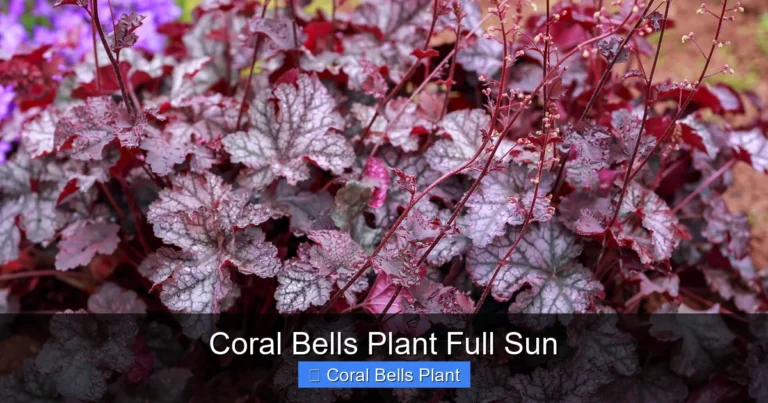
Coral Bells Plant – Heuchera ‘timeless Glow’
Heuchera ‘Timeless Glow’ is a stunning coral bells variety prized for its luminous chartreuse-to-gold foliage that brightens shady gardens all season. This low-maintenance perennial thrives in partial shade, attracts pollinators with delicate summer blooms, and provides exceptional color contrast in borders, containers, and woodland settings.
If you’ve ever wandered through a shade garden and spotted a plant that seems to glow from within, chances are you’ve met a coral bells plant – heuchera ‘timeless glow’. This remarkable perennial has been turning heads in gardens across the country, and for good reason. Its foliage doesn’t just sit there looking pretty – it practically radiates light, turning dim corners into focal points that draw the eye and lift the spirit.
I first discovered this variety at a local nursery three years ago, tucked between hostas and ferns like a secret waiting to be told. The tag promised “exceptional color retention” and “superior vigor,” but tags promise a lot of things. What won me over was the way the leaves caught the filtered afternoon light, each one glowing like a tiny lantern. Since then, it’s become one of my go-to recommendations for gardeners struggling with shady spots that need a serious dose of personality.
Key Takeaways
- Brilliant Foliage: Chartreuse to golden leaves maintain vibrant color from spring through fall, outperforming many other heuchera varieties in color retention.
- Shade Tolerant: Thrives in partial to full shade, making it perfect for difficult garden spots under trees or on north-facing borders.
- Low Maintenance: Requires minimal care once established – just occasional watering, annual cleanup, and division every few years.
- Pollinator Friendly: Delicate cream-colored flower spikes attract hummingbirds and beneficial insects throughout summer.
- Versatile Design: Works beautifully in containers, rock gardens, woodland borders, and as groundcover beneath deciduous trees.
- Deer Resistant: Generally avoided by deer and rabbits, making it reliable for rural and suburban gardens alike.
- Year-Round Interest: Evergreen to semi-evergreen foliage provides winter structure in mild climates.
Quick Answers to Common Questions
How much sun can Heuchera ‘Timeless Glow’ tolerate?
In cooler climates (zones 4-5), it handles morning sun well. In warmer zones (7-9), it needs afternoon shade to prevent leaf scorch. Bright dappled shade is ideal everywhere.
Does this coral bells variety stay evergreen in winter?
In zones 6 and warmer, it remains largely evergreen. In colder zones, foliage dies back but the crown survives and regrows vigorously in spring.
How often should I divide Heuchera ‘Timeless Glow’?
Every 3-4 years, when the center becomes woody and less productive. Early spring is the best time to divide and replant.
Can I grow this in containers permanently?
Yes, it thrives in containers with good drainage and quality potting mix. Water more frequently than in-ground plants and fertilize lightly monthly during growing season.
Why are the leaves on my plant turning green instead of gold?
Too much shade causes greener foliage. Some green-up in deep shade is normal. For maximum gold color, provide bright indirect light or morning sun.
📑 Table of Contents
- Getting to Know Heuchera ‘Timeless Glow’
- Ideal Growing Conditions for Maximum Impact
- Planting and Establishment Success Strategies
- Ongoing Care and Maintenance
- Design Ideas and Companion Planting
- Propagation Methods for Home Gardeners
- Troubleshooting Common Issues
- Seasonal Highlights and Year-Round Value
- Comparing ‘Timeless Glow’ to Other Popular Varieties
- Buying Guide: Selecting Healthy Plants
- Conclusion
Getting to Know Heuchera ‘Timeless Glow’
Origins and Breeding History
The coral bells plant – heuchera ‘timeless glow’ emerged from the innovative breeding program of Terra Nova Nurseries, a company renowned for pushing the boundaries of heuchera development. This cultivar represents years of careful selection, crossing species native to North American woodlands with goals of improved heat tolerance, stronger growth habits, and foliage that refuses to fade when summer turns up the heat.
Unlike older varieties that might bleach to pale green by July, ‘Timeless Glow’ was bred specifically to hold its chartreuse-to-gold coloration through the toughest parts of the growing season. The breeding team focused on leaf substance too – thicker leaves mean better slug resistance, less wind damage, and a presence that holds up in arrangements if you’re the type to bring garden beauty indoors.
Botanical Profile and Growth Habit
At maturity, this coral bells plant forms a tidy mound roughly 10 to 12 inches tall and 14 to 16 inches wide. The leaves emerge in spring with a fresh, almost electric chartreuse hue that deepens to rich gold as they mature. Each leaf carries subtle veining that adds texture without competing with the overall color impact.
The growth habit is notably uniform – a trait not all heucheras share. Some varieties sprawl or develop bare centers over time, but ‘Timeless Glow’ maintains its dense, mounded form with minimal intervention. The crown sits slightly above soil level, which is actually ideal for preventing the crown rot that can plague heucheras planted too deeply.
Seasonal Performance Throughout the Year
Spring brings the most dramatic color show as new leaves unfurl in that signature luminous chartreuse. By early summer, delicate flower spikes rise 18 to 24 inches above the foliage, bearing clusters of tiny cream-colored bells that sway in the slightest breeze. These blooms last for weeks and make charming cut flowers for small arrangements.
Fall often triggers a subtle shift toward warmer gold tones, especially in cooler climates. In zones 6 and warmer, the foliage remains largely evergreen through winter, providing structure when the garden needs it most. In colder zones, the leaves may die back but return reliably each spring from the woody crown.
Ideal Growing Conditions for Maximum Impact
Light Requirements: Finding the Sweet Spot
Here’s where many gardeners get tripped up. The coral bells plant – heuchera ‘timeless glow’ is marketed as shade-tolerant, but “shade” covers a lot of ground. This variety performs best in what I call “bright shade” – dappled light under deciduous trees, morning sun with afternoon protection, or the north side of a structure where it receives reflected light but no direct afternoon rays.
In cooler northern climates (zones 4-5), it can handle more sun – even half a day of direct morning light. But in zones 7 and warmer, afternoon sun will scorch those beautiful leaves faster than you can say “oops.” I learned this the hard way with my first planting, which crisped at the edges during a July heatwave before I transplanted it to a kinder spot.
The color intensity actually shifts with light exposure. More light (within reason) intensifies the gold tones. Deep shade produces greener, larger leaves but less of that signature glow. It’s a trade-off worth considering based on your design goals.
Soil Preferences and Preparation
Heucheras have opinions about soil, and ‘Timeless Glow’ is no exception. They want three things: excellent drainage, organic richness, and a slightly acidic to neutral pH (6.0 to 7.0). Heavy clay is the enemy – it holds water around the crown and invites rot. Sandy soil drains too fast and lacks nutrients.
My recipe for happy heucheras: amend native soil with compost and a handful of coarse sand or fine gravel at planting time. If your soil is truly terrible, consider raised beds or containers where you control the mix entirely. A quality potting blend with added perlite works beautifully for container specimens.
One trick I’ve picked up: plant the crown slightly high, maybe half an inch above the surrounding soil level. Mulch around but not over the crown. This mimics their natural habitat on rocky slopes where water runs off rather than pooling.
Watering Wisdom: Consistency Over Quantity
New plantings need regular water to establish – think deep soaking two to three times per week for the first month, then weekly through the first growing season. Established plants are surprisingly drought-tolerant once their root systems develop, but they’ll look their best with consistent moisture.
The key is watering at soil level, not overhead. Wet foliage invites fungal issues, especially in humid climates. Drip irrigation or a soaker hose is ideal. If you must hand-water, aim for the base of the plant and water early enough that any splashed leaves dry before evening.
Container-grown specimens need more frequent attention. Check daily in summer – the limited soil volume dries fast. A moisture meter takes the guesswork out of it.
Temperature and Hardiness Considerations
Hardy in USDA zones 4 through 9, this coral bells plant handles a remarkable range. In zone 4, provide winter mulch after the ground freezes – straw or shredded leaves work well. Remove it gradually in spring as new growth emerges.
Heat tolerance is where ‘Timeless Glow’ truly shines compared to older varieties. Bred for improved performance in southern gardens, it resists the summer melt that turns some heucheras into sad, crispy mounds by August. That said, zone 9 gardeners should site it in the shadiest possible location and provide reliable irrigation.
Planting and Establishment Success Strategies
Timing Your Planting for Best Results
Spring and fall are both excellent planting windows, each with advantages. Spring planting gives the longest establishment period before winter, but you’ll need to be diligent about summer watering. Fall planting (aim for 6 weeks before your average first frost) lets roots develop in cool, moist conditions with less watering demand.
I prefer early fall planting in my zone 6 garden. The soil is still warm, rainfall usually cooperates, and the plants hit spring running. If you find a must-have plant at a spring sale, go for it – just commit to the watering schedule.
Step-by-Step Planting Process
Start by watering the plant thoroughly in its pot an hour before planting. Dig a hole twice as wide as the root ball but no deeper – you want that crown sitting high. Loosen the hole’s bottom and sides with your fork to prevent the “bathtub effect” where water pools in smooth-sided clay holes.
Gently remove the plant. If roots are circling, tease them outward with your fingers. Place it in the hole, checking the crown level. Backfill with your amended soil, firming gently to eliminate air pockets. Water deeply to settle everything. Apply 2 inches of shredded bark or leaf mulch, keeping it away from the crown.
Space plants 14 to 18 inches apart for mass plantings, or give them 24 inches if you want each specimen’s form to remain distinct. They’ll fill in within two seasons either way.
First Season Care: The Critical Establishment Period
The first growing season is all about roots. Don’t expect dramatic top growth – the plant is investing underground. Water deeply and consistently. Skip fertilizer entirely the first year; the compost in your planting hole provides plenty.
Remove any flower spikes that appear the first summer. It feels wrong to cut off blooms, but directing energy to root development pays dividends in year two and beyond. By the second season, you’ll have a robust plant that flowers heavily without sacrificing foliage quality.
Common Planting Mistakes to Avoid
Planting too deep tops the list. Crown rot is the number one killer of heucheras, and it’s almost always caused by buried crowns. Mulch volcanoes – piling mulch against the stem – create the same problem. Keep mulch pulled back an inch from the crown year-round.
Another mistake: planting in pure clay or pure sand without amendment. Neither works long-term. And don’t crowd them. Good air circulation prevents fungal issues and lets each plant develop its natural graceful form.
Ongoing Care and Maintenance
Seasonal Maintenance Calendar
Early Spring: Remove any winter-damaged leaves. Apply a light top-dressing of compost around (not on) the crown. This is also prime division time if needed.
Late Spring: Watch for flower spikes. Decide whether to keep them for pollinators and subtle charm, or remove them to direct energy to foliage. There’s no wrong answer here.
Summer: Monitor moisture during dry spells. Deadhead spent flower stems to the base. Scout for pests – more on that shortly.
Fall: In cold zones, apply winter mulch after ground freezes. In mild zones, enjoy the evergreen presence. Clean up any diseased foliage.
Winter: Minimal care needed. Brush heavy snow off gently if it’s weighing down foliage. Avoid walking on frozen plants.
Fertilizing: Less Is More
Heucheras are light feeders. An annual spring application of balanced, slow-release organic fertilizer (something like 5-5-5) at half the recommended rate is plenty. Alternatively, a 1-inch compost top-dressing each spring feeds the soil, which feeds the plant.
Avoid high-nitrogen fertilizers. They produce lush, soft growth that’s more susceptible to disease, pests, and winter damage. The goal is steady, substantial growth – not a sprint.
Division: Renewing Vigor Every Few Years
Around year three or four, you might notice the center of the plant becoming woody and less productive, with new growth forming a ring around the edges. This is normal and signals it’s time to divide.
Early spring is ideal. Dig the entire clump, shake off soil, and pull or cut apart into sections, each with healthy roots and several growth points. Discard the woody center. Replant divisions at the same depth, water well, and treat like new plantings.
Division does three things: rejuvenates the parent plant, gives you free plants for elsewhere (or friends), and prevents the crown from lifting itself out of the soil – a common heuchera habit as woody stems elongate over time.
Managing Pests and Diseases
Good news: the coral bells plant – heuchera ‘timeless glow’ is remarkably trouble-free. But a few issues can arise.
Vine weevils are the most serious pest. Adults notch leaf edges at night; larvae eat roots underground. If you see notched leaves, check roots. Beneficial nematodes applied in spring and fall control larvae effectively.
Foliar nematodes cause angular brown patches between leaf veins. Remove affected leaves promptly. Avoid overhead watering.
Powdery mildew appears as white dusty coating in humid conditions with poor air flow. Space plants properly, water at soil level, and remove affected foliage.
Crown rot – the big one – shows as wilting despite moist soil, blackened crown tissue, and easy separation of leaves from crown. Prevention (proper planting depth, drainage, air flow) is the only real cure. Infected plants should be removed and destroyed, not composted.
Design Ideas and Companion Planting
Container Combinations That Shine
This is where ‘Timeless Glow’ earns its keep as a design superstar. That glowing foliage plays beautifully against dark containers – charcoal, black, deep blue glazed pots make the color pop. For a sophisticated shade container, try this recipe:
- Centerpiece: Heuchera ‘Timeless Glow’ (1 plant)
- Spiller: Golden creeping Jenny (Lysimachia nummularia ‘Aurea’) – 3 plants around edges
- Filler: Japanese painted fern (Athyrium niponicum ‘Pictum’) – 2 plants
- Accent: Black mondo grass (Ophiopogon planiscapus ‘Nigrescens’) – 3 plants for dramatic contrast
The chartreuse heuchera bridges the gold creeping Jenny and silver-purple fern, while the black mondo grass provides punctuation. All share similar moisture and light needs. Water when the top inch of soil feels dry. Fertilize monthly at quarter strength during growing season.
For a simpler duo, pair one ‘Timeless Glow’ with a dark-leaved coral bells like ‘Obsidian’ or ‘Black Pearl’ in a 14-inch pot. The gold-and-black combination is timeless (pun intended) and sophisticated.
Border and Bed Design Strategies
In the landscape, use this coral bells plant as a “light source” in shady borders. Plant in drifts of 5, 7, or 9 along a woodland path where they’ll catch filtered light and guide the eye. Their uniform height makes them perfect for the front of a shade border, backed by taller ferns, hostas, or hydrangeas.
They’re also exceptional edging plants. A ribbon of ‘Timeless Glow’ along a shaded sidewalk or driveway edge transforms a utilitarian space into a garden moment. Space 12 inches apart for a continuous line, 18 inches for individual mounds.
Consider the “river of gold” technique: plant a flowing, curved band through a shade garden, weaving between trees and shrubs. The effect mimics a stream of light through the understory. This works especially well on slopes where the plants can be viewed from above.
Perfect Plant Partners
The best companions share cultural needs (shade, moisture, drainage) while offering contrasting form, texture, or color. Top picks:
- Hostas: Broad, substantial leaves contrast beautifully with heuchera’s ruffled mounds. Blue hostas like ‘Halcyon’ or ‘Blue Angel’ are particularly striking against gold.
- Ferns: Japanese painted fern, autumn fern, or maidenhair fern add feathery texture and movement.
- Astilbe: Feathery plumes in pink, red, or white rise above heuchera mounds in early summer.
- Hellebores: Early spring bloomers with leathery evergreen foliage – they bookend the season with heucheras.
- Brunnera ‘Jack Frost’: Silver-frosted leaves with blue spring flowers – a classic shade duo.
- Hakonechloa macra ‘Aureola’: Golden variegated grass that echoes the heuchera’s color with completely different form.
- Pulmonaria: Spotted foliage and early blue-pink flowers – tough as nails in dry shade.
Avoid pairing with aggressive spreaders like goutweed, lamium, or certain vinca varieties that will swallow your heucheras whole.
Woodland and Naturalistic Plantings
Because heucheras are native to North American woodlands (though ‘Timeless Glow’ is a cultivated variety), they look completely at home in naturalistic plantings. Scatter them along a woodland path edge, tucked between native ferns and spring ephemerals like trillium, bloodroot, and Virginia bluebells.
They’re also valuable under deciduous trees where spring sun feeds spring bulbs, then summer shade protects the heucheras. Plant daffodils or species tulips among them – the heuchera foliage emerges as bulb foliage fades, covering the dying leaves elegantly.
Propagation Methods for Home Gardeners
Division: The Reliable Standard
As covered in the maintenance section, division is the easiest, most reliable propagation method. Every division is genetically identical to the parent – you know exactly what you’re getting. Plus, it’s necessary maintenance anyway, so propagation is essentially a byproduct.
Leaf Cuttings: For the Patient Gardener
Heucheras can be propagated from leaf cuttings, though success rates vary. In late spring, select healthy mature leaves with a small portion of the petiole (leaf stem) attached. Dip the cut end in rooting hormone, insert into moist perlite-vermiculite mix, cover with a humidity dome or plastic bag, and place in bright indirect light.
Roots and a tiny plantlet may form at the base in 6 to 10 weeks. It’s slow, and not every leaf takes, but it’s a fun experiment that costs nothing. I’ve had about 40% success rate – worth trying if you want many plants and don’t mind the wait.
Seed: Not True to Type
Heucheras hybridize readily. Seed from ‘Timeless Glow’ will produce variable offspring, most reverting to species traits (green leaves, less vigor). If you want this exact variety, stick with division. Seed propagation is for breeders and experimenters.
Tissue Culture: How Nurseries Do It
Commercial production uses tissue culture – tiny plant pieces grown in sterile lab conditions. This produces thousands of identical, disease-free plants quickly. It’s not feasible for home gardeners, but it’s why you can find this variety at garden centers nationwide.
Troubleshooting Common Issues
Foliage Problems and Solutions
Bleached or scorched leaves: Too much sun, especially afternoon sun. Transplant to shadier spot or provide temporary shade cloth during hottest weeks.
Green leaves instead of gold: Too much shade, or the plant is reverting (rare in this variety). Some green-up in deep shade is normal. If only part of the plant is green, check for sport mutation – you might have a new variety!
Brown crispy edges: Usually underwatering, low humidity, or fertilizer burn. Increase water frequency, ensure mulch layer, stop fertilizing if you’ve been heavy-handed.
Holes in leaves: Slugs, snails, or vine weevil adults. Beer traps, diatomaceous earth, or copper tape for slugs. Nematodes for vine weevil larvae.
Growth and Vigor Issues
Plant heaving out of ground: Freeze-thaw cycles push the woody crown upward. This is why division every few years helps – it resets the crown at proper depth. In the meantime, gently press the plant back down and mulch.
Center dying out: Classic sign it’s time to divide. The woody center no longer produces leaves. Dig, divide, discard center.
Slow growth, pale leaves: Could be nutrient deficiency, poor drainage, or root competition from nearby trees. Top-dress with compost, check drainage, consider root barrier if tree roots are the issue.
Flowering Concerns
No flowers: Too much shade, plant too young, or excessive nitrogen. Some gardeners remove flower spikes annually and eventually the plant stops producing them. Let it flower one year to reset.
Flowers but no rebloom: Most heucheras bloom once in early summer. Deadheading won’t produce a second flush like some perennials. Enjoy the show, then cut stems to base.
Seasonal Highlights and Year-Round Value
Spring Awakening
There’s something magical about the first heuchera leaves of spring. They emerge like clenched fists, then unfurl into that electric chartreuse that seems impossible in nature. In my garden, ‘Timeless Glow’ is consistently among the first perennials to show life – often while snow still patches the ground nearby. This early emergence makes it valuable for early pollinators and for gardeners desperate for color after winter.
The spring color is at its most intense, almost glowing in the low-angle light. This is the season to photograph it, to place it where morning backlighting sets it aflame, to pair it with early bulbs in complementary blues and purples.
Summer Performance
Summer is the test for any shade plant, and this coral bells plant passes with honors. While hostas may flag in heat and ferns crisp at the edges, ‘Timeless Glow’ holds its color and substance. The flower spikes add a vertical element that catches breezes and adds movement to static shade plantings.
Hummingbirds visit the flowers regularly in my garden. The blooms aren’t showy individually, but en masse they create a delicate haze above the foliage. If you’re a cut flower gardener, snip a few stems for miniature arrangements – they last a week in a bud vase.
Fall Transition
As temperatures cool, the foliage often deepens to richer gold, sometimes with amber undertones. This is a subtle shift, not a dramatic color change like some perennials, but it adds warmth to the autumn shade garden when many plants are shutting down.
Fall is also planting and division season. The soil is warm, roots establish quickly, and you get a head start on next spring. I do most of my heuchera moving in October.
Winter Presence
In zones 6 and warmer, ‘Timeless Glow’ remains substantially evergreen. The leaves may look a bit weathered by February, but they provide structure and color when the garden is largely brown and gray. In colder zones, the foliage dies back but the crown persists, often with a few stubborn leaves hanging on at the base.
Winter is the time to appreciate the plant’s form – the mounded habit, the way frost outlines each ruffled leaf. It’s also when you notice which plants need division come spring (the ones with hollow centers).
Comparing ‘Timeless Glow’ to Other Popular Varieties
vs. ‘Lime Rickey’
‘Lime Rickey’ was the chartreuse standard for years – ruffled, vigorous, reliable. ‘Timeless Glow’ improves on it with better color retention in heat, stronger leaf substance (less slug damage), and a more uniform habit. ‘Lime Rickey’ can get a bit wild and open-centered; ‘Timeless Glow’ stays tight.
vs. ‘Citronelle’
‘Citronelle’ is another excellent gold variety, slightly larger and more vigorous. It handles more sun but can bleach in intense heat. ‘Timeless Glow’ is more compact, better for containers and small spaces, and holds color slightly better in southern summers.
vs. ‘Electric Lime’
‘Electric Lime’ leans more lime-green than gold, with incredible ruffling. It’s stunning but less heat-tolerant. ‘Timeless Glow’ is the better choice for gardeners in zones 7-9 or those wanting truer gold tones.
vs. Species Heuchera villosa
The species H. villosa (hairy alumroot) is one parent of many modern hybrids. It’s tough as nails, heat-tolerant, but green-leaved. ‘Timeless Glow’ inherits the villosa toughness but adds the color breakthrough. If you want indestructible and don’t care about gold foliage, the species is cheaper and easier to find.
Buying Guide: Selecting Healthy Plants
What to Look for at the Nursery
Choose plants with multiple crowns emerging – this indicates a well-established root system. Avoid plants with only a single growth point unless they’re very young liners. Leaves should be clean, unblemished, and fully colored for the variety. Check the crown: it should be firm, not mushy, with no dark rot at the base.
Gently lift the pot (ask first). Roots should be white or light tan, filling the pot but not severely circled. A few roots exiting drainage holes is good; a solid mat means it’s pot-bound and may struggle to establish.
Check for pests: flip leaves for vine weevil notches, look for aphids on new growth, check soil surface for fungus gnats. A few minor imperfections are normal; widespread issues mean pass.
Mail Order vs. Local Nursery
Local nurseries let you inspect before buying and often carry regionally appropriate stock. Mail order offers wider selection and often better prices for multiples. Reputable online nurseries ship bare-root or in pots with careful packaging. Spring and fall shipping windows align with planting times.
If ordering mail-order, open immediately upon arrival. Water if dry. Plant within 24 hours if possible, or heel in (temporarily plant in a sheltered spot) until you’re ready.
Size Options and Value
Quart pots (4-inch) are the most common and best value – established enough to transplant easily, affordable enough to buy in groups. Gallon pots give instant impact but cost 2-3x more. Plugs/liners (2-inch) are cheapest but need a season in a nursery bed before garden planting.
For a drift of 7 plants, quarts make sense. For a single container specimen, a gallon might be worth it for immediate presence.
Conclusion
The coral bells plant – heuchera ‘timeless glow’ has earned its place in my garden and in countless others for a simple reason: it delivers on its promises. The glow is real. The vigor is real. The ease of care is real. In a gardening world full of overhyped introductions, this one quietly exceeds expectations season after season.
Whether you’re illuminating a dark corner, designing a sophisticated container, edging a woodland path, or simply adding a reliable splash of chartreuse to your shade border, this plant performs. It asks for so little – decent soil, reasonable moisture, a shady spot – and gives so much in return: twelve months of presence, pollinator support, deer resistance, and that singular quality of making shade feel like an opportunity rather than a limitation.
If you haven’t grown it yet, tuck one into your garden this season. Watch how it catches light. Notice how it plays with neighbors. See how it persists when other plants falter. I think you’ll understand why, years after planting my first one, I still stop to admire it every time I pass – and why I always make room for a few more.
Your shade garden is waiting for its glow. Go give it one.
Frequently Asked Questions
Is Heuchera ‘Timeless Glow’ deer resistant?
Yes, this variety is generally deer and rabbit resistant due to its slightly fuzzy, substantial foliage. However, no plant is completely deer-proof in times of extreme hunger or high population pressure.
What is the mature size of Heuchera ‘Timeless Glow’?
This coral bells plant forms a mound 10-12 inches tall and 14-16 inches wide at maturity. Flower spikes add another 8-12 inches of height in early summer.
When does Heuchera ‘Timeless Glow’ bloom?
Cream-colored flower spikes appear in early to mid-summer, typically June through July, lasting 3-4 weeks. The blooms attract hummingbirds and beneficial pollinators.
Can Heuchera ‘Timeless Glow’ grow in full shade?
It tolerates full shade but produces greener, larger leaves with less intense gold coloration. For the brightest foliage, provide bright indirect light or morning sun with afternoon shade.
How do I prevent crown rot in my coral bells?
Plant with the crown slightly above soil level, ensure excellent drainage, avoid mulch against the crown, water at soil level not overhead, and provide good air circulation between plants.
What are the best companion plants for Heuchera ‘Timeless Glow’?
Excellent companions include blue hostas, Japanese painted ferns, astilbes, hellebores, Brunnera ‘Jack Frost’, golden hakone grass, and pulmonarias – all sharing similar shade and moisture preferences.