Coral Bells Plant Native
Coral bells plant native to North America offers stunning foliage colors and delicate bell-shaped flowers that attract pollinators. These low-maintenance perennials thrive in shade gardens and provide year-round interest with their evergreen leaves.
Have you ever walked through a woodland garden and noticed those gorgeous mounds of colorful leaves with delicate flower spikes dancing above? Chances are you were admiring coral bells plant native to our continent. These charming perennials have been brightening North American landscapes for centuries, long before European settlers arrived.
Today, I want to share everything I know about these amazing plants. Whether you are a seasoned gardener or just starting out, coral bells deserve a spot in your garden. They are tough, beautiful, and incredibly versatile. Let me walk you through why these native treasures should be on your planting list.
Key Takeaways
- Native Range: Coral bells plant native species grow naturally across North America from Canada to Mexico
- Foliage Variety: Leaves come in purple, silver, green, amber, and near-black shades
- Shade Tolerance: Most varieties prefer partial to full shade conditions
- Pollinator Friendly: Bell-shaped flowers attract hummingbirds and bees
- Low Maintenance: Once established, these plants need minimal care
- Year-Round Interest: Evergreen foliage provides winter color in most zones
- Versatile Uses: Perfect for borders, containers, rock gardens, and woodland settings
Quick Answers to Common Questions
What does “coral bells plant native” mean?
It refers to Heuchera species that originated naturally in North America before European settlement, adapted to local climates and ecosystems.
Which coral bells plant native species is best for hot climates?
Heuchera villosa and its hybrids offer the best heat and humidity tolerance for southern gardens.
Do coral bells plant native varieties need winter protection?
In zones 4-6, apply winter mulch after the ground freezes to prevent frost heaving of the shallow crowns.
Can I grow coral bells plant native plants in containers?
Yes, they excel in containers with well-draining potting mix, regular water, and protection from extreme temperatures.
How often should I divide coral bells plant native clumps?
Divide every 3-4 years in spring or fall to maintain vigor and prevent woody centers.
📑 Table of Contents
- Understanding Coral Bells Plant Native Origins
- Why Choose Coral Bells Plant Native Varieties for Your Garden
- Popular Coral Bells Plant Native Species and Cultivars
- Growing Conditions for Healthy Coral Bells
- Planting and Care Guide
- Designing with Coral Bells Plant Native Varieties
- Common Problems and Solutions
- Ecological Benefits of Planting Native Coral Bells
- Buying Guide: Choosing Healthy Plants
- Frequently Asked Questions About Coral Bells
- Conclusion
Understanding Coral Bells Plant Native Origins
The Heuchera Genus
Coral bells belong to the genus Heuchera, named after Johann Heinrich von Heucher, an 18th-century German physician and botanist. The coral bells plant native family includes about 50 species, all originating in North America. These plants belong to the Saxifragaceae family, which also includes foamflowers and alumroot.
What makes coral bells plant native species so special? They evolved right here on this continent. That means they are perfectly adapted to our climates, soils, and weather patterns. They have survived ice ages, droughts, and everything in between. When you plant them, you are planting a piece of natural history.
Natural Habitat and Distribution
You can find coral bells plant native populations from the cool forests of Alaska all the way down to the mountains of Mexico. They grow in diverse habitats. Some species prefer rocky cliffs. Others thrive in moist woodlands. A few even handle desert conditions in the Southwest.
This wide distribution tells you something important. There is a coral bells variety for almost any garden situation. The key is matching the right species to your conditions. We will talk more about that later.
Historical Uses by Indigenous Peoples
Long before gardeners prized them for beauty, Native American tribes valued coral bells plant native species for medicine. The roots contain tannins that make them astringent. Tribes used root decoctions to treat sore throats, stop bleeding, and reduce inflammation. Some groups also used the leaves as a poultice for wounds.
The common name “alumroot” comes from this medicinal use. Alum is an astringent compound. Early settlers learned these uses from indigenous healers. They carried the knowledge forward. Today, we mostly grow them for ornament, but their healing history adds depth to their story.
Why Choose Coral Bells Plant Native Varieties for Your Garden
Incredible Foliage Diversity
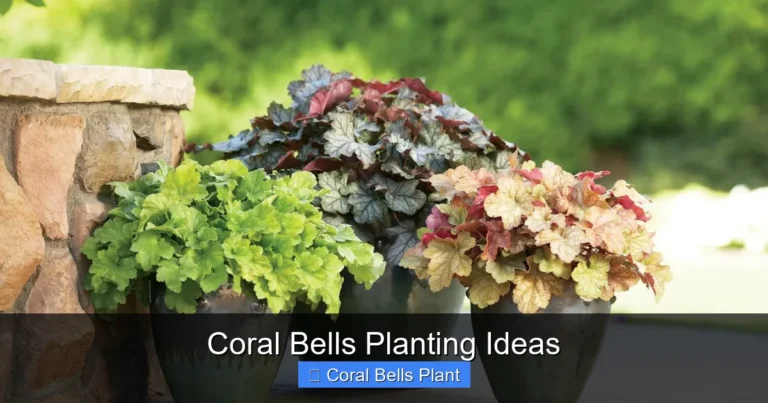
Here is the real showstopper. Coral bells plant native cultivars offer foliage colors that seem almost painted. You will find deep purple that looks nearly black. Bright lime green that glows in shade. Silver leaves with dark veins. Amber and peach tones. Some varieties even change color through the seasons.
The leaves form neat mounds, typically 12 to 18 inches tall and wide. The texture varies too. Some are smooth and glossy. Others are ruffled or heavily veined. This foliage stays attractive from spring through fall. In mild climates, it persists all winter.
Delicate But Durable Flowers
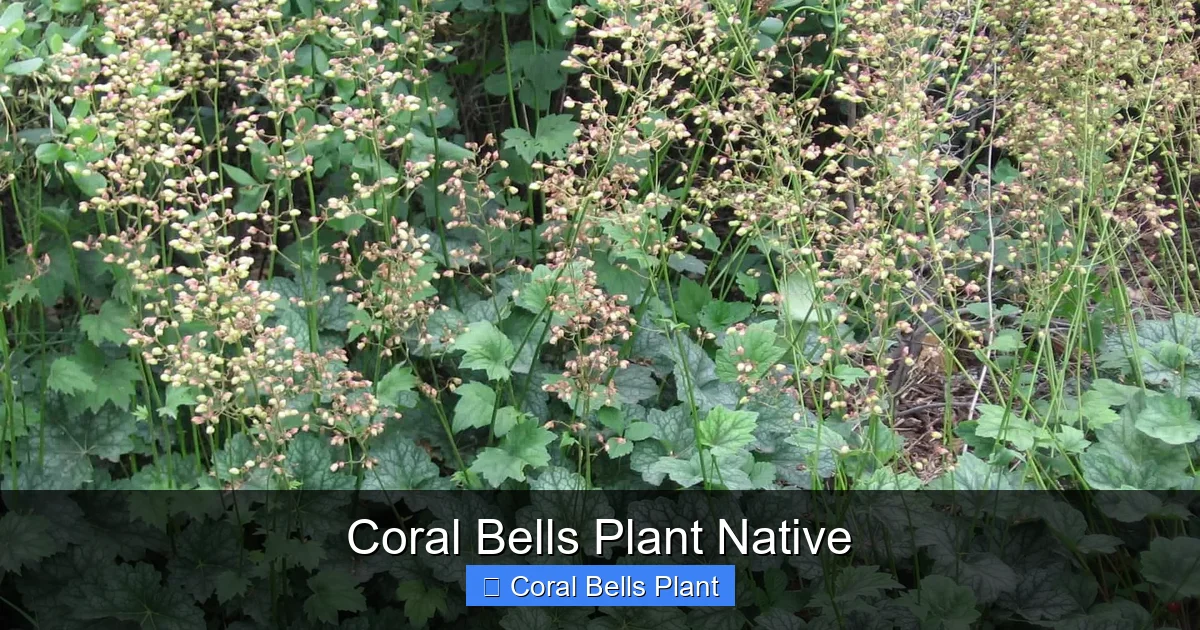
Do not let the dainty flowers fool you. Those airy spikes of tiny bells are tough. They rise 18 to 30 inches above the foliage in late spring to early summer. Colors range from white to pink to coral red. Some newer hybrids bloom repeatedly.
The flowers last for weeks in the garden. They also make charming cut flowers for small arrangements. Hummingbirds love them. Bees visit frequently. Even butterflies stop by. Yet deer and rabbits usually leave coral bells plant native plants alone.
Shade Garden Superstars
If you struggle with shady spots, coral bells are your answer. Most varieties prefer partial shade. Many tolerate full shade. A few handle morning sun, especially in cooler regions. This makes them perfect under trees, on north-facing walls, or in woodland gardens.
They pair beautifully with hostas, ferns, and astilbes. Their mounded habit creates lovely drifts when planted in groups. The foliage contrasts nicely with strappy leaves and feathery textures.
Low Maintenance Once Established
Busy gardener? Coral bells plant native varieties ask little of you. After the first year, they are quite drought tolerant. They do not need frequent dividing. Deadheading is optional. A spring cleanup of old leaves is about all they require.
They rarely suffer from serious pests or diseases. Occasionally you might see leaf scorch in too much sun. Or root rot in soggy soil. Both are easily prevented with proper siting.
Popular Coral Bells Plant Native Species and Cultivars
Heuchera Americana – American Alumroot
This is one of the most widespread coral bells plant native species. It grows naturally from Ontario to Georgia, west to Nebraska. The species has green leaves with subtle silver veining. Flowers are greenish-white to pink.
Many popular cultivars come from this species. ‘Dale’s Strain’ offers beautiful silver-marked leaves. ‘Garnet’ has reddish new growth. These are tough, reliable plants for difficult shade.
Heuchera Sanguinea – Coral Bells
The species that gave the group its common name. Native to Arizona, New Mexico, and Mexico. It has the showiest flowers – bright coral red bells on wiry stems. The leaves are green, sometimes with light mottling.
This species handles more heat and sun than others. It is the parent of many flowering-focused hybrids. ‘Firefly’ and ‘Snow Angel’ are popular selections.
Heuchera Villosa – Hairy Alumroot
Native to the southeastern United States. This species brings heat and humidity tolerance. The leaves are larger and hairy, hence the name. It forms bigger mounds, up to 2 feet across.
‘Autumn Bride’ is a famous cultivar with large green leaves and white flowers in late summer. ‘Purpurea’ has purple-tinted foliage. These are excellent for southern gardens.
Heuchera Micrantha – Small-Flowered Alumroot
Found along the Pacific Coast from Alaska to California. This species prefers cool, moist conditions. It has small white or pink flowers. The leaves are often ruffled and beautifully veined.
‘Palace Purple’ changed the coral bells world in the 1980s. Its deep purple leaves started the foliage revolution. ‘Raspberry Regal’ offers large pink flowers.
Modern Hybrids – The Best of All Worlds
Plant breeders have been busy. Modern coral bells plant native hybrids combine traits from multiple species. You get heat tolerance from villosa. Cold hardiness from americana. Flower power from sanguinea. Foliage drama from micrantha.
Series like ‘City Lights,’ ‘Primo,’ and ‘Dolce’ offer dozens of colors. ‘Caramel’ has amber leaves that turn peach. ‘Obsidian’ is nearly black. ‘Lime Rickey’ glows electric green. ‘Midnight Rose’ has pink-spotted dark leaves.
Growing Conditions for Healthy Coral Bells
Light Requirements
Most coral bells plant native varieties prefer partial shade. This means 4 to 6 hours of morning sun or dappled light all day. In cooler northern zones, they handle more sun. In hot southern areas, they need more shade.
Dark-leaved varieties generally tolerate more sun than light-leaved ones. The pigment protects them. But even dark types can scorch in intense afternoon sun. Watch for bleached or crispy leaf edges.
Soil Preferences
Well-drained soil is non-negotiable. Coral bells plant native species hate wet feet. They evolved on slopes, cliffs, and woodland edges where water moves through quickly. Heavy clay spells trouble unless amended.
Ideal soil is rich in organic matter. Think forest floor – loose, humusy, slightly acidic. pH between 6.0 and 7.0 works well. Add compost when planting. Mulch annually with leaf mold or shredded bark.
Water Needs
New plants need consistent moisture for the first season. Water deeply once or twice a week depending on rain. Established plants are surprisingly drought tolerant. Their thick roots store water.
But do not push it. Consistent moisture produces the best foliage. In containers, they dry out faster. Check daily in hot weather. A drip irrigation system works beautifully.
Temperature and Hardiness
Most coral bells plant native cultivars are hardy in USDA zones 4 through 9. Some extend to zone 3 with protection. Heat tolerance varies by parentage. Villosa hybrids handle zone 10 in some cases.
In cold zones, winter mulch helps prevent heaving. The crowns sit near the surface. Freeze-thaw cycles can push them up. A light cover of evergreen boughs or straw after the ground freezes prevents this.
Planting and Care Guide
When to Plant
Spring and fall are ideal. Spring planting gives roots time to establish before summer heat. Fall planting lets roots grow in cool soil before winter. Avoid planting in summer heat or winter freeze.
If you must plant in summer, choose a cloudy day. Provide extra water and temporary shade. Fall planting should happen at least 6 weeks before ground freeze.
How to Plant
Dig a hole twice as wide as the pot. Same depth. Amend the soil with compost if needed. Gently loosen circling roots. Place the plant so the crown sits at soil level. Not deeper. Not shallower.
Backfill and firm gently. Water thoroughly. Mulch around but not over the crown. Space plants 12 to 18 inches apart for groups. Closer for groundcover effect.
Seasonal Care Calendar
Spring: Remove any winter-damaged leaves. Apply a light balanced fertilizer or compost top-dressing. Divide crowded clumps every 3 to 4 years. Watch for heaving – gently press plants back down.
Summer: Water during dry spells. Deadhead spent flower stems if desired. Remove any scorched leaves. Check for pests occasionally.
Fall: Plant new divisions. Clean up debris. Apply winter mulch in cold zones after ground freezes. Do not cut back foliage – it protects the crown.
Winter: Minimal care. Check for heaving during thaws. Brush heavy snow off if it bends flower stems. Plan next year’s additions.
Dividing and Propagation
Division is the easiest propagation method. Do it in spring or fall. Dig the whole clump. Pull or cut apart into sections with roots and several growth buds. Replant immediately.
Seed propagation works but varieties will not come true. Species types grow well from seed. Sow fresh seed on the surface. Needs light to germinate. Keep moist. Transplant seedlings when they have true leaves.
Leaf cuttings can work for some cultivars. Take a leaf with a bit of stem. Dip in rooting hormone. Place in moist perlite. Cover with plastic. Roots in 4 to 6 weeks.
Designing with Coral Bells Plant Native Varieties
Shade Garden Combinations
Create a tapestry of texture and color. Pair purple coral bells with golden Japanese forest grass. Add silver-leaved brunnera. Include white-flowered astilbe for summer blooms. The combinations are endless.
Try a monochromatic scheme. All purple foliage – coral bells, heucherella, purple-leaved sedum. Or go for contrast. Lime green coral bells next to dark purple ones. The eye dances between them.
Container Gardens
Coral bells plant native varieties shine in pots. Their mounded habit fills containers beautifully. They play well with others. Try them as the “filler” in thriller-filler-spiller designs.
Use a quality potting mix with good drainage. Add slow-release fertilizer. Water more frequently than in-ground plants. In cold zones, move pots to a protected spot or bury them for winter.
Rock Gardens and Slopes
Remember their native habitat. Many coral bells plant native species grow on rocky slopes. They are perfect for rock gardens. Tuck them between stones. Let them cascade over walls.
On slopes, their fibrous roots help prevent erosion. Plant in drifts for a natural look. Mix with other native rock garden plants like penstemon and sedum.
Woodland and Naturalistic Plantings
For a natural look, plant in irregular groups. Not rows. Not perfect circles. Mimic how they spread in nature. Combine with native ferns, wild ginger, and foamflower.
Let them self-sow gently. The seedlings may not match the parent but often create lovely surprises. This approach supports local ecology too.
Border Edging and Pathways
The neat mounds make excellent edging. Plant along a shaded path. The foliage stays tidy all season. Flowers add a bonus display. Visitors can appreciate the details up close.
Space them so they will just touch at maturity. This creates a continuous line. It also suppresses weeds.
Common Problems and Solutions
Leaf Scorch
Brown, crispy leaf edges usually mean too much sun or not enough water. Move the plant to a shadier spot. Or increase watering. Mulch helps retain moisture. Afternoon shade is critical in hot climates.
Crown Rot
Plants collapsing at the base with mushy crowns indicate rot. Usually from poor drainage or planting too deep. Improve drainage. Replant higher. Remove mulch from crown area. Fungicide rarely helps once rot starts.
Frost Heaving
Plants pushed out of the ground by freeze-thaw cycles. The crown and roots get exposed. Press gently back down during a thaw. Apply winter mulch after ground freezes. Plant deeper initially in cold zones.
Pests
Deer and rabbits usually avoid coral bells. But they may nibble flowers. Voles sometimes eat roots. Use hardware cloth barriers if voles are a problem. Slugs may damage new leaves in spring. Beer traps or diatomaceous earth help.
Diseases
Powdery mildew appears as white dust on leaves. Improve air circulation. Avoid overhead watering. Remove affected leaves. Rust shows as orange spots. Same treatment. Both are cosmetic, rarely fatal.
Ecological Benefits of Planting Native Coral Bells
Supporting Pollinators
The bell-shaped flowers are perfectly designed for hummingbirds. The long tubes match their beaks. Bees crawl inside for nectar. Small native bees especially benefit. Butterflies visit too.
By planting coral bells plant native varieties, you provide food when other sources are scarce. Early summer blooms fill a gap between spring ephemerals and summer perennials.
Host Plant Potential
Some native insects use Heuchera as larval hosts. While not as famous as milkweed for monarchs, they still contribute to the food web. Every native plant adds to the ecological puzzle.
Genetic Diversity Preservation
Growing straight species (not just cultivars) maintains genetic diversity. This helps the species adapt to changing conditions. Consider adding a few wild-type plants alongside your fancy cultivars.
Reduced Resource Needs
Native plants generally need less water, fertilizer, and pesticides. They evolved here. They know how to survive. This means less work for you and less impact on the planet.
Buying Guide: Choosing Healthy Plants
What to Look For
Choose plants with firm, colorful leaves. No yellowing or brown edges. Check the crown – it should be firm, not mushy. Gently slip the pot off. Roots should be white or light tan, not brown and circling.
Avoid plants with weeds growing in the pot. This suggests poor nursery care. Look for multiple growth points. A single crown takes longer to fill out.
Where to Buy
Local nurseries often carry regionally appropriate varieties. Staff can advise on what works in your area. Native plant sales by conservation groups are excellent sources. They often sell straight species.
Online specialists offer the widest selection. Read reviews. Check guarantees. Order early in spring for best availability. Bare-root plants ship well and establish quickly.
Reading Plant Labels
Labels should show the cultivar name, hardiness zone, light needs, and mature size. “PP” followed by numbers means patented – you cannot legally propagate it. “PPAF” means patent applied for.
Some labels list parentage. This helps predict performance. Villosa parentage means heat tolerance. Americana means cold hardiness.
Frequently Asked Questions About Coral Bells
Do coral bells spread aggressively?
No, coral bells plant native varieties are well-behaved clump-formers. They slowly widen over years but do not run or seed aggressively. Division every few years keeps them vigorous.
Can coral bells grow in full sun?
Some varieties tolerate full sun in cool climates with ample moisture. Dark-leaved types handle more sun. But most prefer at least afternoon shade. Check the specific cultivar’s rating.
Why are my coral bells losing color?
Too much shade can make dark leaves turn green. Too much sun can bleach colors. Some varieties naturally change through seasons. Ensure proper light for your variety.
Should I cut back coral bells in fall?
No, leave the foliage. It protects the crown through winter. Remove only dead or damaged leaves in spring. The old leaves also provide habitat for beneficial insects.
How long do coral bells live?
With division every 3 to 4 years, they can live indefinitely. Undivided clumps may decline after 5 to 7 years as the center becomes woody. Division rejuvenates them.
Can I grow coral bells indoors?
They make poor houseplants. They need a winter dormancy period. Cool temperatures and short days trigger this. Without it, they weaken and die. Enjoy them outdoors.
Conclusion
Coral bells plant native to North America offer something rare – plants that are both stunningly beautiful and ecologically valuable. From the deepest purple to the brightest lime, their foliage paints the shade garden with living color. Their delicate flowers feed hummingbirds and bees. Their tough nature asks little from us.
Whether you choose a flashy modern hybrid or a humble wild species, you are planting a piece of this continent’s botanical heritage. You are creating habitat. You are solving that difficult shady spot. You are adding year-round interest with minimal effort.
Start with one. Find a shady corner. Plant it well. Watch it thrive. Then you will understand why gardeners become coral bells collectors. There is always room for one more variety. One more color. One more mound of beautiful leaves catching the dappled light.
Your garden deserves these native treasures. The pollinators will thank you. Your eyes will thank you. And somewhere, the spirit of those ancient woodlands smiles, seeing its children welcomed home.
Frequently Asked Questions
Are coral bells plant native to all of North America?
Coral bells plant native species are found across North America from Alaska to Mexico, but individual species have specific regional ranges. Some are widespread while others are endemic to small areas.
What is the difference between coral bells and heuchera?
Coral bells and heuchera are the same plant. Heuchera is the botanical genus name, while coral bells is the common name, originally referring to Heuchera sanguinea’s coral-red flowers.
Do coral bells plant native varieties attract hummingbirds?
Yes, the tubular bell-shaped flowers are perfectly adapted for hummingbird pollination and provide an excellent nectar source in late spring to early summer.
Can coral bells plant native species grow in deep shade?
Most varieties tolerate full shade but flower production and foliage color intensity may be reduced. They perform best with dappled light or morning sun.
Are coral bells plant native plants deer resistant?
Generally yes, deer and rabbits tend to avoid coral bells due to their astringent compounds, though they may occasionally browse flowers in high-pressure areas.
How do I propagate coral bells plant native varieties?
Division is the most reliable method for cultivars. Species types grow well from fresh seed sown on the surface. Leaf cuttings work for some varieties but have lower success rates.