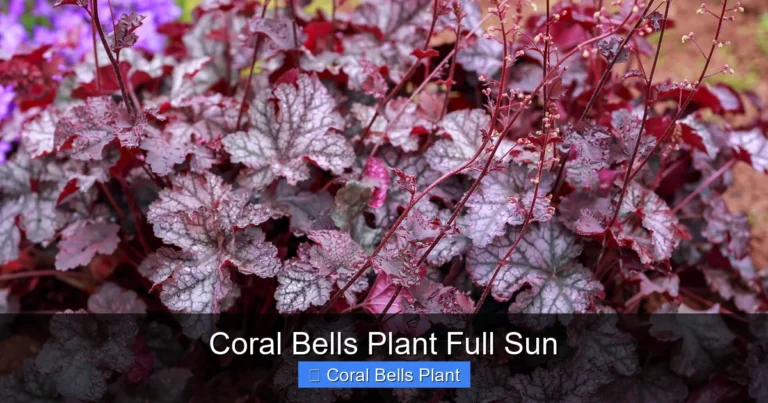
Coral Bells Plant for Sale Near Me
Looking for coral bells plant for sale near me? This comprehensive guide covers everything you need to know about buying, planting, and caring for Heuchera. From choosing the right variety for your zone to finding reputable local nurseries and online retailers, we’ll help you add stunning foliage color to your garden.
If you have ever wandered through a garden center in spring, you have probably seen them. Those mounds of ruffled leaves in shades you did not know leaves could be. Deep plum. Bright chartreuse. Warm caramel. Silvery frost. They catch the light differently than any other plant. They are coral bells. Botanically known as Heuchera, these North American natives have become shade garden royalty. And for good reason.
Finding coral bells plant for sale near me used to mean settling for whatever the big box store had left on the clearance rack. Usually a sad green variety past its prime. Today the market has exploded. Breeders introduce dozens of new cultivars every year. Local nurseries carry curated selections. Specialty growers ship nationwide. The challenge now is not finding them. It is choosing. This guide walks through everything. Varieties. Sources. Planting. Care. Design. By the end you will know exactly which coral bells belong in your garden and where to get them.
Key Takeaways
- Coral bells thrive in partial shade: Most varieties prefer morning sun with afternoon shade, making them perfect for woodland gardens and shaded borders.
- Foliage color varies dramatically: From deep purple and caramel to lime green and silver, coral bells offer year-round visual interest beyond their delicate flowers.
- Local nurseries offer climate-adapted plants: Buying coral bells plant for sale near me from nearby growers ensures varieties suited to your specific growing conditions.
- Well-draining soil is essential: These plants hate wet feet. Amend heavy clay with compost and plant slightly high to prevent crown rot.
- Divide every 3-4 years: Regular division keeps plants vigorous and prevents the woody center that develops as coral bells age.
- Deer and rabbit resistant: The fuzzy leaves deter most browsing animals, making coral bells a reliable choice for wildlife-prone gardens.
- Companion plant superstars: Pair with hostas, ferns, astilbe, and Japanese forest grass for stunning shade garden combinations.
Quick Answers to Common Questions
What is the best time of year to buy coral bells?
Spring offers the widest selection and a full growing season for establishment. Fall planting works well in zones 6 and warmer, giving roots time to settle before winter.
Can coral bells grow in full sun?
Most varieties prefer partial shade with morning sun only. Some newer cultivars tolerate more sun, but in hot climates afternoon shade is essential to prevent leaf scorch.
How often should I water newly planted coral bells?
Water deeply every 2-3 days for the first few weeks, then gradually reduce frequency. Check soil moisture by feeling the top inch – water when dry.
Do coral bells spread aggressively?
No, coral bells form well-behaved clumps that slowly expand. They do not run or self-seed aggressively. Division every 3-4 years maintains vigor and controls size.
Why are my coral bells turning green instead of staying purple?
Many purple varieties green up in summer heat or too much shade. This is normal. Some morning sun and cooler temperatures help maintain intense color.
📑 Table of Contents
- Understanding Coral Bells: The Basics Every Gardener Should Know
- Exploring the Incredible Variety of Coral Bells
- Where to Find Coral Bells Plant for Sale Near Me
- Selecting Healthy Plants: What to Look For and Avoid
- Planting Coral Bells for Long-Term Success
- Ongoing Care: Keeping Coral Bells Looking Their Best
- Designing With Coral Bells: Creating Garden Magic
- Regional Considerations: Adapting to Your Climate
- Troubleshooting Common Coral Bells Problems
- Advanced Coral Bells Topics for Enthusiasts
- Conclusion: Your Coral Bells Journey Starts Now
Understanding Coral Bells: The Basics Every Gardener Should Know
What Exactly Are Coral Bells?
Coral bells belong to the genus Heuchera. They are perennial plants native to North America. There are roughly 37 species. Most garden varieties are complex hybrids. The common name comes from the tiny bell-shaped flowers. They nod on wiry stems above the foliage. Colors range from white to pink to coral red. But let us be honest. Nobody grows coral bells primarily for flowers. The foliage is the show. Leaves form basal mounds. They stay attractive from spring through fall. In mild climates they remain evergreen. In cold zones they may die back but return reliably.
Why Gardeners Love Them
The popularity surge makes sense. Coral bells solve problems. They thrive in shade where flowering plants struggle. They offer color without relying on blooms. They are low maintenance once established. They resist deer and rabbits. They play well with others. And the variety means there is a coral bells for almost every garden situation. When you search coral bells plant for sale near me, you are tapping into one of horticulture’s biggest success stories.
Hardiness and Growing Zones
Most coral bells are hardy in USDA zones 4 through 9. Some varieties push zone 3. Others handle zone 10 heat. The key is matching variety to climate. Northern gardeners need cold-hardy selections. Southern gardeners need heat and humidity tolerance. Always check the plant tag. Or ask the nursery staff. They know which varieties perform in your area. This local knowledge is a major advantage of buying coral bells plant for sale near me from a neighborhood nursery.
Exploring the Incredible Variety of Coral Bells
Color Categories That Transform Gardens
Modern breeding has produced a staggering color palette. Understanding the main groups helps narrow choices.
Purple and Black Varieties create drama. ‘Palace Purple’ started the revolution decades ago. It remains reliable. Newer introductions like ‘Black Pearl’ offer near-black leaves with ruffled edges. ‘Forever Purple’ maintains saturated color all season. These dark varieties pop against chartreuse or silver companions. They also stand out in containers.
Caramel and Amber Tones bring warmth. ‘Caramel’ is the classic. Large fuzzy leaves shift from peach to amber to gold. ‘Georgia Peach’ offers similar tones with better heat tolerance. ‘Crème Brûlée’ adds a creamy overlay. These varieties glow in low light. They pair beautifully with blue hostas and Japanese painted ferns.
Chartreuse and Lime Green brighten dark corners. ‘Lime Rickey’ and ‘Electra’ practically glow. ‘Citronelle’ forms a tight mound of clean yellow-green. These are workhorses for deep shade. They reflect light. They make neighboring colors appear richer. A mass planting creates a luminous groundcover.
Silver and Pewter Varieties add sophistication. ‘Silver Scrolls’ shows metallic overlay on purple base. ‘Steel City’ offers cool pewter tones. ‘Appletini’ combines lime veins with silver overlay. These shimmer in evening light. They bridge warm and cool color schemes effortlessly.
Red and Orange Selections deliver unexpected foliage color. ‘Fire Alarm’ holds true red all season. ‘Paprika’ offers spicy orange-red. ‘Cherry Cola’ blends red with chocolate undertones. These make stunning focal points. Use sparingly for maximum impact.
Flower Power: When Blooms Matter
While foliage leads, some varieties offer noteworthy flowers. ‘Paris’ reblooms continuously with large pink bells. ‘Coral Cloud’ produces masses of coral-pink flowers. ‘Green Spice’ has green leaves with silver overlay and pink flowers. If you want floral display alongside foliage, ask for reblooming varieties when searching coral bells plant for sale near me.
Size Matters: From Miniature to Massive
Coral bells range from tiny to substantial. Miniature varieties like ‘Little Cutie’ series stay under six inches. Perfect for fairy gardens and trough containers. Standard varieties form mounds twelve to eighteen inches wide. Large cultivars like ‘Big Top’ series can reach twenty-four inches across. Consider mature size when planning spacing. Crowding leads to poor air circulation and disease.
Where to Find Coral Bells Plant for Sale Near Me
Local Independent Nurseries: The Gold Standard
Nothing beats a good local nursery. Staff know your microclimate. They carry varieties proven in your area. Plants are acclimated to local conditions. You can inspect before buying. Look for healthy crowns. No soft spots. No insects. Roots should fill the pot but not circle excessively. Leaves should be clean and vibrant. Many nurseries offer guarantees. Ask about their policy. Building a relationship with local nursery staff pays dividends. They will alert you to new arrivals. They will hold plants. They will offer honest advice.
Botanical Garden Plant Sales: Hidden Gems
Most botanical gardens host annual plant sales. Often spring and fall. These feature unusual varieties. Sometimes divisions from their own collections. Prices are reasonable. Proceeds support the garden. Volunteers and staff offer expert guidance. Arrive early for best selection. Bring a wagon. These events are fantastic sources for coral bells plant for sale near me that you simply cannot find elsewhere.
Garden Centers and Big Box Stores: Convenience with Caveats
Home improvement stores and garden centers offer convenience. Extended hours. Easy parking. Competitive pricing. But selection skews toward mass-market varieties. Plants may have traveled far. They may be stressed. Shop early in the season. Inspect carefully. Avoid plants with yellowing leaves or weeds in the pot. Water thoroughly after purchase. These plants often need extra TLC to recover from retail conditions.
Farmers Markets and Plant Swaps: Community Connections
Local growers often sell at farmers markets. These are typically small-scale propagators. They know their plants intimately. You can ask detailed questions. Plant swaps and garden club sales offer divisions from members’ gardens. These plants are proven in your exact climate. The social aspect is bonus. You meet fellow gardeners. You learn local tips. Check community calendars for events.
Online Retailers: Expanding Your Horizons
Sometimes the variety you want is not local. Reputable online nurseries fill the gap. Look for companies with strong guarantees. Read recent reviews. Check shipping policies. Plants should ship in pots, not bare root. Spring and fall are best shipping windows. Avoid summer heat and winter cold. Some excellent online sources include Plant Delights Nursery, Walters Gardens Proven Winners, and Bluestone Perennials. They offer varieties you will never find searching coral bells plant for sale near me locally.
Specialty Heuchera Growers: For the Collector
Dedicated Heuchera breeders and collectors exist. They offer the newest introductions. Often before they reach mainstream channels. Terra Nova Nurseries in Oregon is the heavyweight. They breed many popular varieties. Their website lists retail partners. Some sell direct. Following breeders on social media alerts you to releases. This is the deep end of the coral bells pool. Exciting but potentially expensive.
Selecting Healthy Plants: What to Look For and Avoid
Reading the Plant Like a Book
Shopping for coral bells plant for sale near me means evaluating each plant. Start at the crown. This is where leaves emerge. It should feel firm. Not mushy. Not hollow. Gently brush away soil at the base. Look for new growth emerging. This signals vitality. Check leaf undersides for pests. Aphids and spider mites hide there. Look for fungal spots. Small brown circles with yellow halos suggest leaf spot disease. Avoid plants with significant damage.
Root System Evaluation
Roots tell the truth. Gently tip the pot. Slide the root ball out partially. Healthy roots are white or light tan. They should hold soil together. But not be a solid mass of circling roots. That indicates root-bound plants. They struggle to establish. Some circling is normal in containers. Excessive circling is a red flag. If roots are dark brown or black and mushy, that is root rot. Put it back.
Size Considerations: Bigger Is Not Always Better
Larger pots cost more. But they are not always the best value. A one-gallon plant often establishes faster than a three-gallon. Less transplant shock. Quicker root expansion. However, tiny plugs require more coddling. For most gardeners, quart or one-gallon sizes hit the sweet spot. They are affordable. They establish well. They show impact within the first season.
Timing Your Purchase
Spring offers the widest selection. Plants are fresh. Full season ahead to establish. Fall planting works well in zones 6 and warmer. Roots grow in cool soil. Plants emerge strong next spring. Avoid summer planting in hot climates. Stress is high. Water demands are intense. If you must plant summer, provide temporary shade. Water daily for weeks. Winter purchases in cold zones mean overwintering indoors. Not worth it for most.
Planting Coral Bells for Long-Term Success
Site Selection: The Foundation of Everything
Coral bells want partial shade. Morning sun with afternoon shade is ideal. Full shade works but reduces color intensity. Full sun burns leaves in hot climates. Some newer varieties tolerate more sun. Check the label. Observe your site through the day. Note sun patterns. Consider seasonal changes. A spot shaded in spring may bake in August when trees leaf out differently. When you bring home coral bells plant for sale near me, give them the right start.
Soil Preparation: The Secret to Vigor
Well-draining soil is non-negotiable. Coral bells rot in wet clay. Amend heavy soil heavily. Mix in compost. Add coarse sand or fine gravel. Create raised beds if drainage is poor. Plant slightly high. The crown should sit just above soil level. Mulch around but not over the crown. This prevents the number one killer: crown rot. Test drainage. Dig a hole. Fill with water. It should drain within an hour. If not, amend more or choose a different spot.
Spacing for Air and Growth
Space plants according to mature width. Plus a few inches for air circulation. Typical spacing is twelve to eighteen inches. Dwarf varieties can go closer. Large varieties need more room. Good air flow prevents fungal diseases. It also lets each plant show its form. Crowded coral bells become leggy. They lose lower leaves. They decline faster.
Planting Technique Step by Step
Water the plant thoroughly before planting. Dig a hole twice the pot width. Same depth. Loosen the hole bottom and sides. Remove plant from pot. Gently tease circling roots. Place in hole. Crown slightly above grade. Backfill with amended soil. Firm gently. Water deeply. Apply two inches of mulch. Keep mulch away from crown. Label the variety. You will forget. Trust me.
Container Planting for Flexibility
Coral bells excel in containers. Use quality potting mix. Not garden soil. Ensure drainage holes. Add a layer of gravel at bottom. Plant at same depth as nursery pot. Water well. Containers need more frequent watering. Fertilize lightly. Overwinter containers in protected spot in cold zones. Or plant in ground for winter. Container culture lets you move plants for optimal light. It showcases foliage at eye level. It solves poor soil problems.
Ongoing Care: Keeping Coral Bells Looking Their Best
Watering Wisdom
Established coral bells are moderately drought tolerant. But they perform best with consistent moisture. Water deeply when top inch of soil feels dry. Avoid overhead watering. Wet leaves invite disease. Soaker hoses or drip irrigation are ideal. Mulch conserves moisture. Reduces watering frequency. New plantings need more attention. Check daily for first few weeks. Gradually extend intervals as roots establish.
Fertilizing: Less Is More
Coral bells are light feeders. Too much fertilizer produces lush foliage but weak plants. Apply slow-release balanced fertilizer in spring. Or top-dress with compost. That is usually enough. Container plants need more frequent feeding. Use half-strength liquid fertilizer monthly during growing season. Stop fertilizing by late summer. Plants need to harden off for winter.
Seasonal Maintenance Calendar
Spring: Remove winter-damaged leaves. Apply compost top-dressing. Divide if needed. Watch for new growth. Summer: Deadhead flower stems if desired. Monitor water during heat. Scout for pests. Fall: Stop fertilizing. Reduce watering as temperatures drop. Apply winter mulch after ground freezes in cold zones. Winter: Leave foliage in place. It protects the crown. In mild climates, plants stay evergreen. In cold zones, they may flatten but recover.
Division: The Rejuvenation Ritual
Every three to four years, coral bells develop woody centers. Growth slows. Color fades. Division fixes this. Spring or early fall. Dig the whole clump. Wash soil off roots. Pull or cut into sections. Each needs healthy roots and several growth points. Replant immediately. Water well. Discard woody centers. Division also multiplies your plants. Free coral bells plant for sale near me from your own garden.
Pest and Disease Management
Coral bells are remarkably trouble-free. But issues occur. Vine weevils notch leaf edges. Larvae eat roots. Nematodes control larvae. Foliar nematodes cause angular brown spots between veins. Remove affected leaves. Improve air flow. Powdery mildew appears in humid conditions. White powdery coating. Space plants. Water at base. Crown rot from poor drainage. Prevent with proper planting. Deer and rabbits rarely bother them. But desperate animals eat anything.
Designing With Coral Bells: Creating Garden Magic
Shade Garden Combinations That Sing
Coral bells are team players. Their mounded form and colorful foliage bridge plants beautifully. Hostas provide bold texture contrast. Blue hostas with purple coral bells. Gold hostas with silver coral bells. Ferns add delicate verticality. Japanese painted fern echoes silver tones. Maidenhair fern adds airy movement. Astilbe contributes feathery plumes. Pink astilbe with caramel coral bells. White astilbe with dark purple varieties. Japanese forest grass (Hakonechloa) cascades beside mounded coral bells. Gold grass with purple bells. Green grass with chartreuse bells.
Container Recipes for Patio Drama
Coral bells anchor container designs. They provide year-round structure. Recipe One: ‘Obsidian’ coral bells. Black mondo grass. Silver dichondra spilling over edges. White violas for spring. Recipe Two: ‘Caramel’ coral bells. Copper carex. Deep purple heucherella. Trailing lime sweet potato vine. Recipe Three: ‘Lime Rickey’ coral bells. Blue hosta ‘Blue Mouse Ears’. White caladium. Silver wire vine. Containers let you control soil. Move for seasons. Showcase at eye level.
Border and Edging Strategies
Plant coral bells along paths. Their low mounds define edges without blocking views. Repeat the same variety for rhythm. Or alternate two complementary colors. Space so mounds touch at maturity. This creates a continuous foliage carpet. It suppresses weeds. It looks intentional. Edge a woodland path with ‘Palace Purple’. Line a shade border with ‘Citronelle’. The effect is professional and polished.
Rock Garden and Sloped Solutions
Coral bells handle slopes well. Their fibrous roots hold soil. They thrive in the sharp drainage of rock gardens. Tuck them between stones. Let them spill over edges. ‘Petite Pearl Fairy’ and other miniatures fit tiny crevices. On slopes, plant in staggered rows. Not straight lines. This looks natural. It slows runoff. It creates planting pockets.
Four-Season Interest Planning
Coral bells shine in shoulder seasons. Spring brings fresh growth. Summer offers flowers. Fall intensifies foliage color. Winter provides structure. In mild climates, they are evergreen anchors. In cold zones, they disappear but return reliably. Pair with early bulbs. Snowdrops and crocus bloom before coral bells emerge. Late perennials like Japanese anemone take over after coral bells fade. Plan for succession.
Regional Considerations: Adapting to Your Climate
Northern Gardens: Zones 3-5
Cold climates need tough varieties. Look for selections from ‘Northern Exposure’ series. ‘Berry Smoothie’ handles zone 3. ‘Forever Red’ survives zone 4. Mulch heavily after ground freezes. Pine boughs or straw. Remove gradually in spring. Plant in spring only. Fall planting risks heaving. Choose sheltered sites. Avoid wind tunnels. Snow cover is actually protective. Reliable snow zones can grow more varieties.
Midwest and Northeast: Zones 5-6
Classic coral bells territory. Most varieties thrive. Humid summers challenge some. Avoid overhead watering. Space for air flow. ‘Caramel’ and ‘Citronelle’ handle humidity well. Watch for foliar nematodes in wet springs. Divide in spring. Winter mulch after freeze. This region has excellent local nurseries. Search coral bells plant for sale near me in spring for best selection.
Southern Gardens: Zones 7-9
Heat and humidity are the enemies. Choose heat-tolerant varieties. ‘Georgia Peach’ was bred for the South. ‘Southern Comfort’ handles zone 9. ‘Fire Alarm’ keeps color in heat. Afternoon shade is mandatory. Irrigation essential. Mulch thickly. Fungal diseases proliferate. Space widely. Consider containers for better control. Some southern gardeners treat coral bells as cool-season annuals. They replace each fall.
Western Gardens: Zones 5-10
Diverse climates. Coastal cool. Inland heat. Desert dry. Mountain cold. Coastal gardeners grow almost anything. Inland needs heat-tolerant varieties. Desert requires regular water and shade. Mountain gardens follow northern guidelines. Alkaline soil challenges some varieties. Amend with organic matter. Use acidifying fertilizer if needed. Local botanic gardens offer region-specific advice.
Troubleshooting Common Coral Bells Problems
Why Are My Leaves Turning Brown?
Brown leaf edges usually mean water stress. Too dry or too wet. Check soil moisture. Adjust watering. Brown spots with yellow halos suggest fungal leaf spot. Remove affected leaves. Improve air circulation. Avoid overhead watering. Entire leaves browning from base up indicates crown rot. Dig plant. Check crown. If mushy, discard. Improve drainage before replanting.
Why Is My Plant Not Growing?
Stunted growth has several causes. Planted too deep. Crown buried. Roots suffocate. Replant higher. Root-bound at purchase. Roots never expanded. Tease roots at planting. Poor soil. Heavy clay. No amendments. Nutrient deficiency. Pale leaves suggest nitrogen need. Light feed. Competition from tree roots. Move plant. Container culture. Wrong variety for zone. Research and replace.
Why Did My Plant Disappear?
Coral bells sometimes vanish. Winter heaving pushes plants out. Freeze-thaw cycles. Mulch prevents this. Voles eat crowns. Hardware cloth barriers help. Crown rot kills quickly. Drainage is key. Accidental removal. Weeding too aggressively. Label plants. Mark locations. Some varieties are short-lived. Three to five years. Division extends life.
Color Fading or Changing
Many varieties change color through seasons. This is normal. ‘Caramel’ shifts peach to gold. ‘Palace Purple’ greens in heat. Too much sun bleaches color. Move to shadier spot. Too much shade dulls color. Some morning sun intensifies pigment. Nutrient imbalance affects color. Soil test. Adjust pH. Coral bells prefer slightly acidic soil. 6.0 to 6.5 pH.
Advanced Coral Bells Topics for Enthusiasts
Heucherella and Heucheravillosa: The Relatives
Breeders cross Heuchera with Tiarella (foamflower). The hybrids are Heucherella. They combine coral bells foliage with foamflower flowers. ‘Sweet Tea’ and ‘Alabama Sunrise’ are popular. Heuchera villosa species brings heat tolerance. Its hybrids like ‘Caramel’ and ‘Citronelle’ handle southern summers. These relatives expand options. They often outperform straight species in difficult climates.
Collecting and Breeding: The Deep Dive
Some gardeners become collectors. They track down every Terra Nova introduction. They join Heuchera societies. They attend specialty plant sales. They hybridize their own. Seedlings vary wildly. Most are mediocre. Occasionally a gem appears. Naming and introducing takes years. Tissue culture propagates selections. This hobby connects you globally. But it requires space. And patience. And acceptance of failure.
Using Coral Bells in Floral Design
Foliage lasts weeks in arrangements. Stems need conditioning. Cut early morning. Plunge in deep water. Recut underwater. Remove lower leaves. Foliage adds texture and color to bouquets. Dark varieties provide drama. Chartreuse adds pop. Silver cools hot colors. Flowers are delicate but usable. Harvest when half open. They dry well for everlasting arrangements.
Conclusion: Your Coral Bells Journey Starts Now
Finding coral bells plant for sale near me opens a world of garden possibilities. These remarkable plants offer something rare. Foliage color that persists for months. Not days. Not weeks. Months. They ask for little. Shade. Drainage. Occasional division. In return they transform difficult spots. They elevate containers. They play supporting roles or star turns. The variety means you can curate a collection. One of each color. Or mass one variety for impact.
Start small. Buy three varieties that catch your eye. Plant them well. Watch them through seasons. Learn their rhythms. Visit nurseries in different seasons. See how plants look in July heat. In October frost. In March emergence. Talk to nursery staff. Join a garden club. Share divisions. The coral bells community is generous. Knowledge spreads freely.
Remember that every expert started as a beginner. Every stunning garden began with one plant. Your search for coral bells plant for sale near me is the first step. The next step is planting. The step after that is waiting. And watching. And wondering how you ever gardened without them. Welcome to the addiction. It is a beautiful one.
Frequently Asked Questions
Are coral bells deer resistant?
Yes, coral bells are highly deer and rabbit resistant due to their fuzzy, astringent foliage. However, no plant is completely deer-proof during severe food shortages.
Can I grow coral bells indoors as houseplants?
Coral bells can grow indoors temporarily but prefer outdoor conditions. They need a winter dormancy period and higher humidity than most homes provide for long-term success.
How deep should I plant coral bells?
Plant coral bells with the crown (where leaves emerge) slightly above soil level. Planting too deep causes crown rot, which is the most common cause of failure.
Do coral bells need to be cut back in fall?
Leave foliage in place through winter as it protects the crown. Remove damaged leaves in early spring before new growth emerges. This mimics their natural cycle.
What is the difference between coral bells and heucherella?
Heucherella is a hybrid between Heuchera (coral bells) and Tiarella (foamflower). Heucherella typically has more lobed leaves and showier flower spikes than coral bells.
Can I divide coral bells in summer?
Spring or early fall are ideal for division. Summer division is possible but stressful – provide shade, consistent moisture, and expect slower recovery.