Coral Bells Plant Height
Coral bells typically reach 12 to 18 inches tall, though some cultivars can grow up to 24 inches. Knowing the coral bells plant height helps you plan spacing, choose containers, and design eye‑catching borders.
Welcome to the complete guide on coral bells plant height. If you love the ruffled foliage and delicate flowers of Heuchera, you have probably wondered just how tall these perennials get. This article breaks down the typical size, the factors that change it, and practical tips for managing growth in any garden setting.
Understanding coral bells plant height is more than a numbers game. It helps you space plants correctly, pick the right container, and create layered designs that look balanced all season. Let’s dive in.
Key Takeaways
- Typical range: Most coral bells sit between 12 and 18 inches tall.
- Cultivar matters: Varieties like ‘Palace Purple’ stay compact while ‘Obsidian’ can stretch taller.
- Light influences height: More sun often produces shorter, sturdier plants.
- Soil and nutrition: Rich, well‑drained soil encourages full size without legginess.
- Pruning controls size: Light trimming after bloom keeps the coral bells plant height in check.
- Divide every few years: Division refreshes vigor and prevents overcrowding.
- Container growing: Pots limit root space, naturally reducing final height.
Quick Answers to Common Questions
What is the average coral bells plant height?
The average foliage height ranges from 12 to 18 inches, with flower spikes adding up to 12 more inches.
Which cultivar stays the shortest?
‘Palace Purple’ and ‘Peach Flambé’ are among the most compact, often under 12 inches of foliage.
Can I grow coral bells in full sun?
Full sun can scorch leaves; part shade or filtered light yields the best coral bells plant height and color.
How often should I divide coral bells?
Divide every three to four years in early spring or fall to maintain vigor and control size.
Does container growing limit coral bells plant height?
Yes, restricted root space in pots naturally reduces the final height compared to in‑ground planting.
📑 Table of Contents
Understanding Coral Bells Plant Height
What Are Coral Bells?
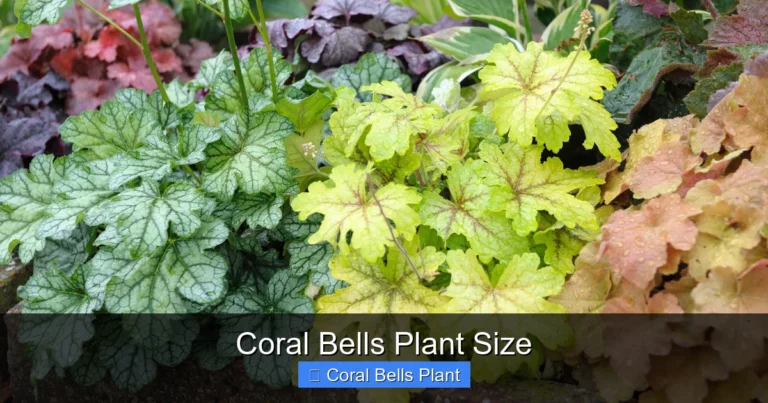
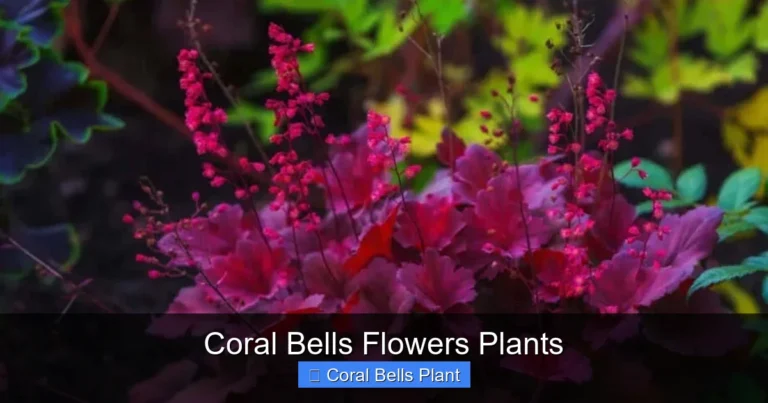
Coral bells, known botanically as Heuchera, are shade‑tolerant perennials prized for colorful foliage. They form low mounds of lobed leaves that range from lime green to deep burgundy. In late spring they send up airy flower spikes that attract pollinators. The overall coral bells plant height includes both the foliage mound and the flower stems.
Why Height Matters
Height determines how coral bells fit into a border, a rock garden, or a mixed container. A plant that grows too tall can shade neighbors, while one that stays too short may get lost among taller companions. Knowing the expected coral bells plant height lets you plan for visual harmony and healthy air flow.
Typical Height Ranges
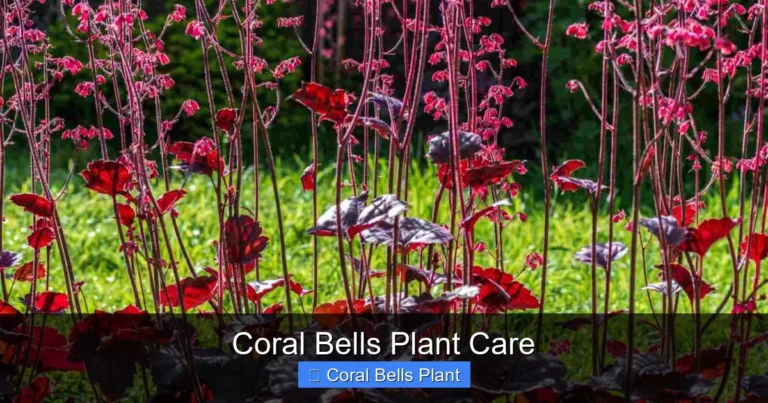
Most garden varieties reach a foliage height of 12 to 18 inches. Flower spikes can add another 6 to 12 inches, pushing the total coral bells plant height to around 24 inches at peak bloom. Dwarf cultivars stay near 8 inches, while a few vigorous types can exceed 20 inches of foliage alone.
Tip: Write down the expected coral bells plant height for each cultivar you buy. This simple record makes future garden planning much easier.
Factors Influencing Coral Bells Plant Height
Genetics and Cultivar Choice
Each cultivar carries a genetic blueprint for size. ‘Palace Purple’ and ‘Caramel’ are naturally compact, often staying under 12 inches of foliage. ‘Obsidian’ and ‘Midnight Rose’ are bred for larger leaves and can reach 18 inches or more. When you select a variety, you are essentially choosing a target coral bells plant height.
Soil Quality and Nutrition
Rich, humus‑laden soil fuels vigorous growth. Ample organic matter holds moisture and delivers steady nutrients, allowing the plant to achieve its maximum coral bells plant height. Conversely, lean or compacted soil stunts development, producing shorter, tighter mounds.
Light Exposure
Coral bells thrive in part shade, but the amount of light shifts their stature. In deep shade they stretch toward the light, becoming leggy and taller. In brighter, filtered sun they stay more compact and sturdy. Managing light is a simple way to influence coral bells plant height without pruning.
Watering Practices
Consistent moisture supports steady growth. Drought stress forces the plant to conserve energy, often resulting in a reduced coral bells plant height. Overwatering, however, can cause root rot and weak, floppy stems that appear taller but are structurally unsound.
Climate and Hardiness Zone
Cooler climates with mild summers encourage larger leaf expansion, pushing the coral bells plant height upward. Hot, humid regions may limit size because the plant enters a semi‑dormant state to survive heat. Knowing your zone helps set realistic height expectations.
Tip: Test your soil pH and amend with compost each spring. Healthy soil is the foundation for achieving the coral bells plant height you desire.
Measuring and Managing Coral Bells Plant Height
How to Measure Accurately
Measure from the soil line to the top of the highest leaf. For total coral bells plant height including flowers, extend the tape to the tip of the tallest bloom spike. Record measurements in early summer and again at peak bloom to track seasonal changes.
Pruning for Size Control
After the first flush of flowers fades, snip the spent stems back to the foliage mound. This tidy‑up prevents the plant from putting energy into seed production and keeps the coral bells plant height neat. Lightly shear the outer leaves in early spring if the mound looks overgrown.
Dividing to Refresh Growth
Every three to four years, lift the clump in early spring or fall. Separate healthy sections with a sharp spade, ensuring each division has roots and several leaves. Replant at the same depth. Division rejuvenates vigor and often reduces excessive coral bells plant height caused by crowded roots.
Container Growing Tips
Choose a pot at least 12 inches wide and deep. Use a high‑quality potting mix with added perlite for drainage. Containers restrict root run, naturally limiting coral bells plant height. Water more frequently than in‑ground plants, and feed with a balanced liquid fertilizer monthly during the growing season.
Tip: Rotate containers each season to give each side even light. Even exposure helps maintain a uniform coral bells plant height.
Popular Cultivars and Their Height Profiles
‘Palace Purple’
This classic variety forms a tight mound about 10 inches tall. Its deep purple leaves hold color all season. The flower spikes add roughly 8 inches, giving a total coral bells plant height near 18 inches at bloom.
‘Caramel’
‘Caramel’ offers warm amber foliage that stays around 12 inches high. It is prized for heat tolerance. Expect a total coral bells plant height of 20 inches when flowers appear.
‘Lime Rickey’
Bright chartreuse leaves make ‘Lime Rickey’ a standout. The foliage reaches 14 inches, and the airy spikes bring the coral bells plant height to about 22 inches.
‘Obsidian’
Nearly black leaves create dramatic contrast. This vigorous cultivar can produce a foliage mound of 18 inches, with flower stems pushing the coral bells plant height close to 30 inches.
‘Midnight Rose’
Dark pink‑veined leaves grow to 16 inches. The plant’s overall coral bells plant height peaks near 26 inches during flowering.
‘Peach Flambé’
Soft peach‑orange foliage stays compact at 11 inches. With blooms, the coral bells plant height reaches about 19 inches, making it ideal for front‑of‑border placement.
Tip: Mix a short cultivar with a tall one in the same bed. The contrast in coral bells plant height adds instant visual interest.
Designing with Coral Bells Plant Height in Mind
Border Planting
Place shorter cultivars like ‘Palace Purple’ at the front edge of a shade border. Taller types such as ‘Obsidian’ work well in the middle or back, where their height adds depth. Staggering coral bells plant height creates a layered look that remains interesting after flowers fade.
Mixed Containers
Combine a compact coral bells with trailing ivy and a tall fern for a three‑tier container. The coral bells plant height anchors the composition, while the other plants fill vertical space. Use a wide pot to accommodate root spread.
Shade Gardens
In a woodland setting, interplant coral bells with hostas and astilbes. The varying coral bells plant height adds texture without overwhelming the subtle light. Choose cultivars that complement the surrounding foliage colors.
Companion Plants
Good partners include Japanese painted fern, lungwort, and foamflower. These companions share similar moisture and light needs, and their heights harmonize with the coral bells plant height for a cohesive design.
Tip: Sketch your bed on paper first. Mark the expected coral bells plant height for each plant to avoid surprises later.
Troubleshooting Common Height Issues
Leggy Growth
If stems become long and thin, the plant is likely reaching for light. Move it to a brighter spot or thin nearby foliage. A light shear in early spring encourages bushier growth and reduces unwanted coral bells plant height.
Stunted Plants
Small, tight mounds often signal poor soil or insufficient water. Amend the planting area with compost, and establish a regular watering schedule. Feeding with a slow‑release fertilizer in spring can restore normal coral bells plant height.
Overcrowding
Dense clumps compete for nutrients, leading to uneven height across the plant. Divide the clump as described earlier. After division, each section will develop a balanced coral bells plant height.
Disease Impact
Fungal leaf spots or crown rot can cause dieback, making the plant appear shorter. Remove affected leaves promptly, improve air circulation, and avoid overhead watering. Healthy plants recover and return to their expected coral bells plant height.
Tip: Inspect foliage weekly during the growing season. Early detection keeps coral bells plant height on track.
Conclusion
Coral bells plant height is a flexible trait shaped by genetics, environment, and care. By choosing the right cultivar, providing optimal soil, light, and moisture, and using simple pruning or division, you can keep your Heuchera at the perfect size for any garden design. Remember to measure each season, adjust as needed, and enjoy the colorful foliage that makes coral bells a perennial favorite.
Frequently Asked Questions
What factors most affect coral bells plant height?
Genetics, light exposure, soil fertility, water consistency, and climate zone are the primary drivers of coral bells plant height.
Can I prune coral bells to keep them short?
Light pruning after flowering and early‑spring leaf shearing effectively manage coral bells plant height without harming the plant.
Why are my coral bells leggy and tall?
Leggy growth usually means the plant is stretching for more light; relocate to a brighter spot or thin surrounding plants.
Is coral bells plant height different in containers versus ground?
Containers restrict root expansion, typically resulting in a shorter coral bells plant height than plants grown in the ground.
When is the best time to measure coral bells plant height?
Measure in early summer for foliage height and again at peak bloom for total height including flower spikes.
Do all coral bells cultivars have the same height range?
No, cultivars vary widely; some dwarf types stay under 8 inches while vigorous selections can exceed 20 inches of foliage.