Coral Bells Plant Zone
Coral bells (Heuchera) thrive in USDA zones 4-9, making them versatile perennials for most gardens. These shade-loving plants offer stunning foliage colors from deep purple to bright lime green, with delicate bell-shaped flowers that attract hummingbirds.
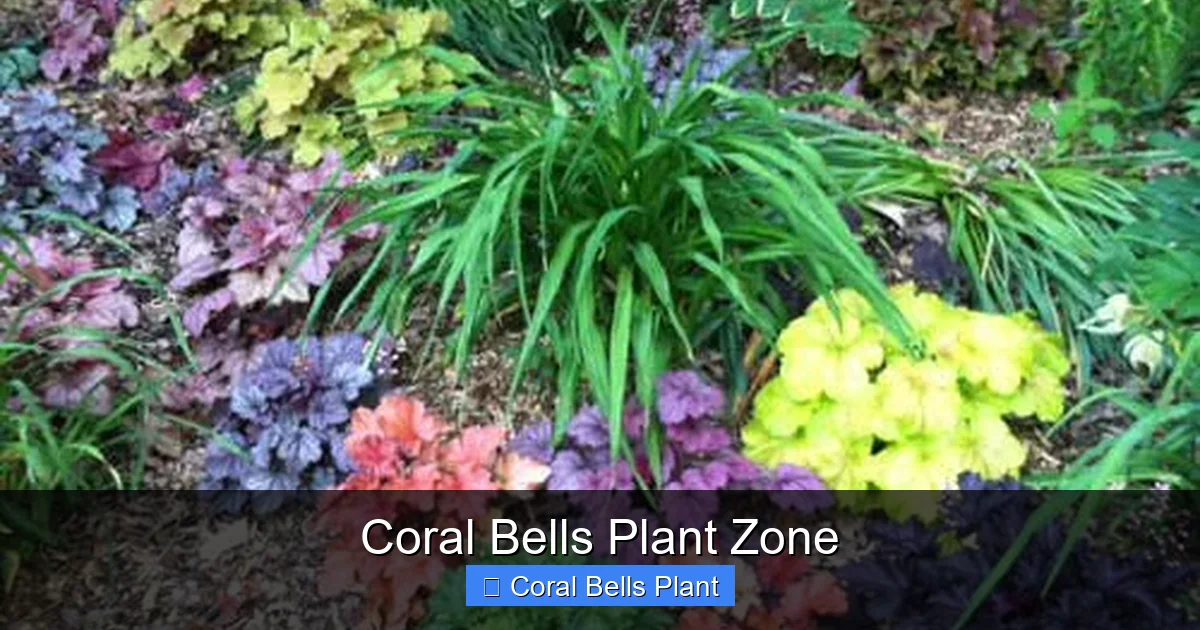
If you’ve ever wandered through a shade garden and spotted those gorgeous mounds of ruffled leaves in shades of caramel, purple, silver, or electric lime—you’ve met coral bells. These perennial superstars have exploded in popularity over the last two decades, and for good reason. They’re tough, beautiful, and ask for very little in return. But here’s the thing: success with coral bells starts with understanding your coral bells plant zone. Get that right, and everything else falls into place.
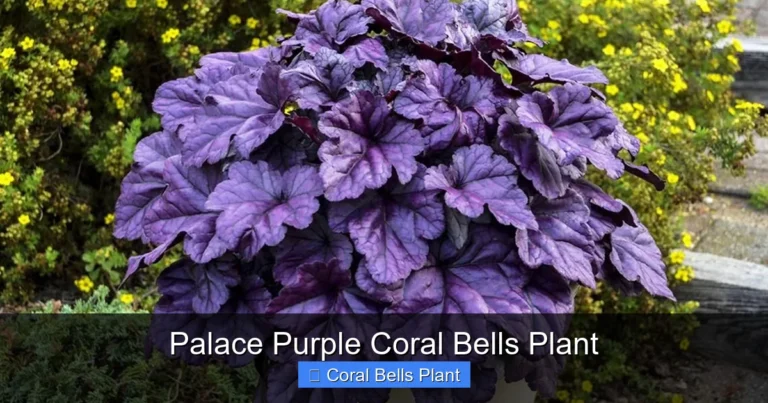
I remember planting my first ‘Palace Purple’ coral bells back when that was basically the only variety you could find. I stuck it in a sunny spot because the tag said “full sun to part shade.” Big mistake. By July, those gorgeous purple leaves were crispy and sad. That’s when I learned that coral bells plant zone guidelines aren’t just about winter survival—they’re about summer happiness too. Let me share everything I’ve learned so you can skip the trial and error.
Key Takeaways
- Ideal growing zones: Coral bells perform best in USDA hardiness zones 4 through 9, with some varieties tolerating zone 3 with protection.
- Shade preference: Most varieties prefer partial to full shade, though some newer cultivars handle more sun in cooler climates.
- Soil requirements: Well-draining, humus-rich soil with neutral to slightly acidic pH (6.0-7.0) produces the healthiest plants.
- Year-round interest: Evergreen to semi-evergreen foliage provides winter color in milder zones, while flowers bloom late spring to early summer.
- Low maintenance: Once established, coral bells need minimal care—occasional watering, annual dividing, and removing spent flower stalks.
- Versatile uses: Perfect for borders, containers, rock gardens, woodland settings, and as ground cover under trees.
- Deer resistant: Fuzzy leaves and bitter taste make them unappealing to deer and rabbits in most areas.
Quick Answers to Common Questions
What is the best planting time for coral bells in my zone?
Zones 3-5: Spring only (after last frost). Zones 6-7: Spring or fall. Zones 8-9: Fall strongly preferred (October-December).
Can coral bells grow in full sun?
Only in cool zones (3-6) with consistent moisture. In zones 7+, they need afternoon shade at minimum. Most varieties prefer part to full shade everywhere.
Why are my coral bells dying in winter?
Usually frost heaving (freeze-thaw pushes plants out) or crown rot (wet soil), not cold itself. Mulch after ground freezes in zones 3-6. Ensure sharp drainage everywhere.
Do coral bells come back every year?
Yes, they’re perennials in zones 4-9. In zone 3 they may need heavy mulch. In zones 10+ they’re often grown as cool-season annuals.
How often should I divide coral bells?
Every 3-4 years in spring. Centers get woody and die out. Division rejuvenates plants and gives you free plants.
📑 Table of Contents
- Understanding USDA Hardiness Zones for Coral Bells
- Regional Growing Guides for Coral Bells
- Choosing the Right Variety for Your Zone
- Planting and Establishment by Zone
- Seasonal Care Through the Zones
- Container Growing: Expanding Your Zone Options
- Troubleshooting Common Zone-Related Issues
- Designing with Coral Bells Across Zones
- Conclusion
Understanding USDA Hardiness Zones for Coral Bells
What the Zone Numbers Really Mean
The USDA Plant Hardiness Zone Map divides North America into 13 zones based on average annual minimum winter temperatures. Each zone represents a 10-degree Fahrenheit range. Zone 4 hits -30 to -20°F. Zone 9 only drops to 20-30°F. When you see a plant labeled “zones 4-9,” it means the plant should survive winters in all those zones.
But—and this is crucial—a coral bells plant zone rating tells you about cold tolerance, not heat tolerance. A plant rated to zone 9 might technically survive the winter there, but it could absolutely melt in a humid Florida summer. Coral bells evolved in woodland settings across North America. They like cool roots, good air circulation, and protection from harsh afternoon sun.
The Sweet Spot: Zones 5-8
If you garden in zones 5 through 8, consider yourself lucky. This is the coral bells plant zone sweet spot. Winters are cold enough to satisfy dormancy requirements but not so brutal that you lose plants. Summers are warm but rarely oppressive. In these zones, you can grow virtually any coral bells variety with basic care.
Zone 5 gardeners in places like Chicago, Denver, or southern Maine should mulch heavily after the ground freezes. Zone 8 gardeners in Dallas, Atlanta, or the Pacific Northwest need to prioritize afternoon shade and consistent moisture. But the variety selection? Wide open.
Pushing the Limits: Zone 4 and Zone 9
Zone 4 gardeners (think Minneapolis, northern Vermont, parts of Montana) can absolutely grow coral bells. Stick with the toughest varieties—’Palace Purple,’ ‘Dale’s Strain,’ and the villosa hybrids like ‘Caramel’ and ‘Autumn Bride.’ Plant in spring so roots establish before winter. Mulch with 3-4 inches of shredded leaves after the ground freezes. Don’t cut back foliage until spring.
Zone 9 gardeners (Houston, Phoenix, central Florida) face a different challenge: heat and humidity. Choose heat-tolerant varieties like ‘Southern Comfort,’ ‘Georgia Peach,’ or ‘Peach Flambe.’ Plant in full shade with excellent drainage. Consider treating them as cool-season annuals in the hottest areas—they’ll look amazing October through May, then struggle in July and August.
Regional Growing Guides for Coral Bells
Northeast and Midwest: The Classic Coral Bells Territory
This region spans zones 4-7 and represents the native range for many Heuchera species. The climate here—cold winters, moderate summers, decent rainfall—is practically custom-made for coral bells. You’ll see them thriving in woodland gardens from Pennsylvania to Minnesota.
Spring planting works best here. The soil warms gradually, giving roots time to establish before summer heat. Fall planting works too, but get plants in the ground by early October so they anchor before freeze-up. Winter mulch is non-negotiable in zones 4 and 5. Use shredded leaves, pine needles, or straw after the ground freezes solid.
Watch for frost heaving—the freeze-thaw cycle that pushes plants out of the ground. If you see crowns exposed in late winter, gently press them back and add more mulch. This is the number one killer of coral bells in cold climates, not the cold itself.
Pacific Northwest: Coral Bells Paradise
Zones 7-9 west of the Cascades offer what might be the world’s best coral bells climate. Cool, wet winters. Mild, dry summers. High humidity. Acidic soils. It’s like the plants died and went to heaven. Varieties that struggle elsewhere—delicate ruffled types, the most colorful villosa hybrids—reach their full potential here.
The main challenge? Drainage. Our heavy winter rains can rot crowns if soil doesn’t drain sharply. Plant on mounds or in raised beds. Amend heavily with compost and coarse sand. Slugs and snails love the tender new growth—use organic bait or copper tape around valuable specimens.
One bonus: many coral bells stay evergreen year-round here. You get 12 months of foliage color instead of 6-8. The flowers also last longer in the cool spring weather.
South and Southeast: Heat and Humidity Strategies
Gardening in zones 7-9 from Texas to the Carolinas means rethinking everything you know about coral bells plant zone guidelines. The tags say “part shade.” In Atlanta in July, that means full, deep shade with zero direct sun after 11 AM. The tags say “average water.” In Houston, that means daily watering during drought spells.
Focus on Heuchera villosa hybrids. This species hails from the southern Appalachians and brings serious heat and humidity tolerance to the table. Varieties like ‘Caramel,’ ‘Citronelle,’ ‘Mocha,’ and ‘Brownies’ have villosa blood and handle southern summers beautifully.
Plant in fall here—October through December. The cool, wet winter lets roots establish before the summer onslaught. Spring-planted coral bells often cook before they root. Mulch with pine bark or straw to keep soil cool and moist. Consider drip irrigation to keep foliage dry and prevent fungal issues.
Mountain West and High Desert: Intense Sun, Dry Air
Zones 4-7 at elevation (Denver, Salt Lake City, Albuquerque, Flagstaff) present a unique coral bells plant zone puzzle. Winters are brutally cold. Summers bring intense UV radiation and bone-dry air. The sun here burns foliage that would be fine in Ohio.
North or east exposures only. Morning sun until 10 AM, then solid shade. The villosa hybrids again shine here—’Caramel’ and ‘Autumn Bride’ take more sun than most. But even they need protection from that 11 AM to 4 PM death ray.
Soil prep is everything. Our alkaline, mineral soils need serious amendment. Work in 3-4 inches of compost, peat moss, and sulfur to lower pH. Mulch with 3 inches of wood chips or shredded bark to retain moisture. Winter watering is critical—if the ground isn’t frozen and we haven’t had snow for 3 weeks, drag out the hose. Desiccation kills more plants than cold.
Choosing the Right Variety for Your Zone
Cold Climate Champions (Zones 3-5)
If you garden where winter means business, these varieties have proven their mettle:
- ‘Palace Purple’ – The classic. Deep purple leaves with pink undersides. Tough as nails. Zone 4 hardy, often survives zone 3 with snow cover.
- ‘Dale’s Strain’ – Silver-veined green leaves, incredible vigor. One of the most cold-tolerant selections.
- ‘Autumn Bride’ (villosa hybrid) – Large fuzzy green leaves, white flowers in late summer. Handles zone 4 winters and zone 8 summers.
- ‘Berry Smoothie’ – Rose-pink leaves that darken to purple. Remarkably hardy for such a colorful variety.
- ‘Northern Exposure’ series – Bred specifically for zone 4. Includes ‘Amber,’ ‘Black,’ ‘Lime,’ ‘Purple,’ and ‘Silver.’ Tested in Minnesota.
Heat and Humidity Heroes (Zones 7-9)
These varieties laugh at southern summers:
- ‘Caramel’ (villosa hybrid) – The gold standard for the South. Apricot-gold foliage that doesn’t burn. Zone 4-9 range is almost unheard of.
- ‘Citronelle’ (villosa hybrid) – Electric lime green. Brightens deep shade. Handles heat and humidity like a champ.
- ‘Southern Comfort’ – Cinnamon-peach leaves with silver overlay. Bred for the Southeast.
- ‘Georgia Peach’ – Peachy-orange with silver veil. Another southeastern native selection.
- ‘Peach Flambe’ – Bright peach spring foliage turns plum-purple in summer. Stunning color shifts.
- ‘Fire Alarm’ – True red leaves all season. Rare for a heat-tolerant variety.
All-Around All-Stars (Zones 4-8/9)
These work almost everywhere:
- ‘Obsidian’ – Jet black, shiny leaves. Holds color in sun or shade. Incredible vigor.
- ‘Lime Rickey’ – Ruffled lime green. Sport of ‘Palace Purple’ with better heat tolerance.
- ‘Marmalade’ – Amber to burnt orange with pink undersides. Consistent performer.
- ‘Delta Dawn’ – Gold leaves with red centers. Villosa parentage for toughness.
- ‘Forever Purple’ – Ultra-purple, ultra-ruffled, ultra-tough. Newer introduction, very promising.
Planting and Establishment by Zone
Spring vs. Fall Planting: Zone by Zone
Timing matters enormously for coral bells plant zone success. Here’s the breakdown:
Zones 3-5: Spring Only
Plant after last frost, typically May. Roots need the full growing season to establish before winter. Fall planting in these zones is gambling—plants often heave out or desiccate before rooting. If you must plant in fall, do it by September 15 and mulch heavily.
Zones 6-7: Spring or Fall
Both work. Spring gives a full season. Fall (September-October) lets roots grow in cool soil without top growth stress. Fall-planted coral bells often outperform spring-planted ones the following year.
Zones 8-9: Fall Strongly Preferred
Plant October through December. Winter rains establish roots. Plants hit spring ready to explode. Spring planting works but requires diligent watering through the first summer. Many southern nurseries only sell coral bells in fall for this reason.
Soil Preparation for Every Zone
Coral bells hate wet feet. In any coral bells plant zone, drainage is king. Here’s the universal recipe:
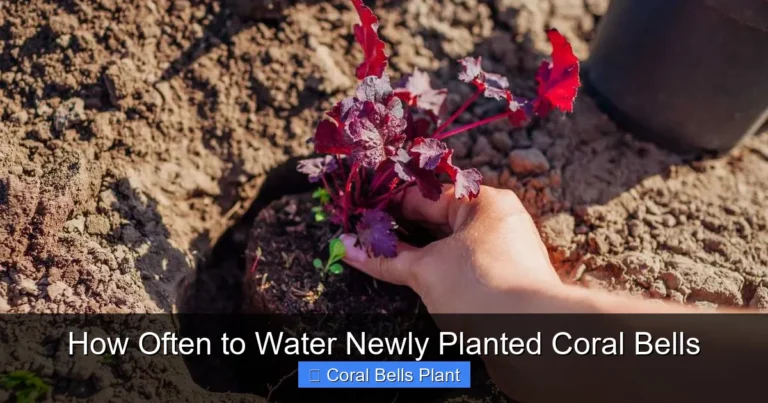
- Dig a hole twice as wide as the pot, same depth.
- Mix native soil 50/50 with compost.
- Add coarse sand or perlite if your soil is heavy clay (1 part sand to 3 parts soil mix).
- For alkaline soils (Mountain West, parts of Midwest), add elemental sulfur per package directions to lower pH.
- Plant slightly high—crown 1/2 inch above soil level—to prevent crown rot.
- Water thoroughly. Mulch 2-3 inches, keeping mulch away from crown.
Watering Establishment: The First Year
New coral bells need consistent moisture—never soggy, never bone dry. Think “wrung-out sponge.” In zones 4-6, water deeply once a week if no rain. In zones 7-9, water 2-3 times weekly during heat. Reduce frequency after 6-8 weeks as roots expand.
Pro tip: stick your finger 2 inches into soil near the plant. If it’s dry at your fingertip, water. If it’s moist, wait. This beats any schedule.
Seasonal Care Through the Zones
Spring: The Wake-Up Call
As soon as snow melts (zones 3-6) or February (zones 7-9), remove winter mulch gradually. Don’t yank it all off at once—plants need time to acclimate. Cut back any tattered winter foliage to the crown. You’ll see fresh leaves emerging from the center.
Apply a light feeding of balanced organic fertilizer (5-5-5 or similar) or top-dress with 1 inch of compost. This is also prime dividing time—every 3-4 years, dig the clump, pull apart into sections with 3-5 shoots each, and replant. Spring divisions establish fast.
Summer: The Stress Test
This is where your coral bells plant zone knowledge pays off. In cool zones, summer is easy—water during dry spells, deadhead spent flower stalks to redirect energy to foliage. In hot zones, it’s triage time.
Mulch is your best friend. Keep 2-3 inches of organic mulch year-round in zones 7-9. It keeps soil 10-15 degrees cooler. Water deeply at soil level—wet leaves invite fungal diseases in humidity. If leaves scorch despite shade, consider a temporary shade cloth during heat waves.
Watch for heuchera rust—orange pustules on leaf undersides. It loves humidity. Remove affected leaves immediately. Improve air circulation. Avoid overhead watering. Some varieties (‘Caramel,’ ‘Citronelle’) show good resistance.
Fall: Preparation and Planting
Stop fertilizing by August (zones 3-6) or September (zones 7-9). You don’t want tender new growth heading into winter. Keep watering until ground freezes—hydrated plants survive cold better.
Fall is planting time in zones 6-9. It’s also a good time to move established plants if needed. They’ll root over winter and take off in spring.
Winter: Protection Strategies
Zones 3-5: After ground freezes hard (usually December), apply 3-4 inches of shredded leaves, straw, or pine boughs. Don’t use whole leaves—they mat and smother. Snow is the best mulch—if you get reliable snow cover, you may not need extra.
Zones 6-7: Light mulch (2 inches) after a few hard freezes. Mainly prevents heaving.
Zones 8-9: No winter mulch needed. But don’t cut back foliage—it protects the crown from occasional freezes. Remove only dead leaves in spring.
Container Growing: Expanding Your Zone Options
Why Containers Change the Game
Growing coral bells in pots lets you cheat your coral bells plant zone rating. You can move them to ideal conditions seasonally—shade in summer, protected spot in winter. Plus, you control the soil perfectly.
Use a high-quality potting mix (not garden soil) with added perlite. Choose pots at least 12 inches wide and deep—coral bells have surprisingly extensive root systems. Ensure drainage holes. Elevate pots on feet or bricks so water exits freely.
Overwintering Containers by Zone
Zones 3-5: Containers freeze solid, killing roots. Options: sink pots in ground up to rim and mulch heavily. Move to unheated garage (30-40°F ideal). Or treat as annuals and replace each spring.
Zones 6-7: Group pots against a protected wall. Mulch around and over them. Or move to unheated garage.
Zones 8-9: Containers usually fine outdoors. Cluster together for mutual insulation during rare freezes.
Container-Specific Varieties
Compact varieties shine in pots:
- ‘Petite Pearl Fairy’ – Tiny, 6 inches tall. Perfect for troughs.
- ‘Little Cutie’ series – ‘Blondie,’ ‘Coco,’ ‘Frost,’ ‘Ginger,’ ‘Peppermint.’ All under 10 inches.
- ‘Sweet Tea’ – Larger but stunning in big containers. Orange-cinnamon foliage.
- ‘Electric Lime’ – Bright chartreuse pops in shade containers.
Troubleshooting Common Zone-Related Issues
Problem: Leaves Scorch in Summer
Cause: Too much sun for your zone. Even “sun-tolerant” varieties fry in zone 9 August sun.
Fix: Move to deeper shade. Increase watering. Accept some summer dormancy—plants often bounce back in fall. Consider shade cloth.
Problem: Plants Heave Out of Ground
Cause: Freeze-thaw cycles in zones 3-6. Roots push crown up.
Fix: Mulch AFTER ground freezes. If you see exposed crowns in winter, gently press back and mulch. Plant deeper initially (crown at soil level, not above).
Problem: Crown Rot
Cause: Wet soil, especially winter wet in zones 6-9, or heavy clay anywhere.
Fix: Improve drainage before planting. Plant high. Use gritty soil mix. Don’t mulch over crown.
Problem: Foliage Looks Tired by Late Summer
Cause: Natural semi-dormancy in heat, or nutrient depletion.
Fix: Shear back to 2 inches in late summer (zones 6-9). Fresh growth emerges in cooler weather. Top-dress with compost.
Problem: Colors Don’t Match Catalog Photos
Cause: Light levels and temperature affect pigmentation. Deep shade = greener leaves. Cool temps = more intense color.
Fix: Accept regional variation. Some varieties color best in spring/fall. ‘Obsidian’ stays black everywhere. ‘Caramel’ is consistent.
Designing with Coral Bells Across Zones
Shade Garden Combinations
Coral bells play well with others. In any coral bells plant zone, try these combos:
- Hostas (bold leaves contrast with ruffled heuchera)
- Ferns (texture contrast—fine fern fronds vs. broad heuchera leaves)
- Japanese forest grass (Hakonechloa) – cascading gold or green
- Lungwort (Pulmonaria) – silver-spotted leaves, early flowers
- Bleeding heart (Dicentra) – spring drama, then heuchera carries summer
- Hellebores – winter/early spring flowers, evergreen foliage
Sun-Tolerant Combos (Cool Zones Only)
In zones 4-6 with adequate moisture, pair with:
- Lady’s mantle (Alchemilla) – chartreuse flowers, scalloped leaves
- Catmint (Nepeta) – blue flowers, gray-green foliage
- Salvia – vertical spikes contrast with mounding heuchera
- Ornamental grasses – movement and structure
Container Recipes
Three foolproof container combos:
- Shade Jewel Box: ‘Obsidian’ heuchera + ‘Jack Frost’ brunnera + ‘Aureola’ hakonechloa + white impatiens
- Warm Glow: ‘Caramel’ heuchera + ‘Autumn Fern’ + ‘Sweet Kate’ spiderwort + golden creeping jenny
- Cool Elegance: ‘Citronelle’ heuchera + ‘Patriot’ hosta + Japanese painted fern + white caladium
Conclusion
Understanding your coral bells plant zone isn’t about memorizing a number—it’s about reading your garden’s personality. The zone tells you what winter throws at you. Your microclimate—shade patterns, soil type, humidity, wind—tells you what summer brings. Match the variety to both, and coral bells become one of the most rewarding perennials you’ll ever grow.
I’ve killed my share of coral bells learning these lessons. The ‘Palace Purple’ that crisped in full sun. The ‘Obsidian’ that rotted in heavy clay. The unnamed variety that heaved out of the ground in a Minnesota January. Each failure taught me something that a zone map alone never could.
Start with the right variety for your zone. Plant at the right time. Give them the soil they crave. Mulch like you mean it. And then—this is the hard part—step back and let them do their thing. Coral bells don’t need coddling. They need the right foundation.
Whether you’re in zone 4 watching ‘Northern Exposure Amber’ emerge through late snow, or zone 9 admiring ‘Caramel’ glowing in December shade, the magic is the same. Those ruffled leaves catching light. The hummingbirds dancing on wiry flower stems. The knowledge that you’ve created a little piece of woodland magic, right in your own yard, perfectly tuned to your corner of the world.
That’s the real coral bells plant zone secret. It’s not a limitation. It’s an invitation.
Frequently Asked Questions
What is the coldest zone for coral bells?
Most coral bells are hardy to USDA zone 4 (-30°F). A few varieties like ‘Palace Purple’ and ‘Northern Exposure’ series can survive zone 3 (-40°F) with reliable snow cover and heavy winter mulch. Always check the specific variety tag.
Can coral bells grow in zone 9b?
Yes, but choose heat-tolerant varieties like ‘Caramel,’ ‘Citronelle,’ ‘Southern Comfort,’ or ‘Georgia Peach.’ Plant in full shade with excellent drainage. Provide consistent moisture. They may go semi-dormant in peak summer heat but recover in fall.
Do coral bells need different care in different zones?
Absolutely. Cold zones need winter mulch and spring planting. Hot zones need fall planting, deeper shade, and summer watering. Soil prep varies too—alkaline soils need sulfur, heavy clay needs grit. The zone dictates the calendar and intensity of care.
Why do my coral bells look different than the catalog photo?
Light levels, temperature, and soil chemistry all affect leaf color. Deep shade produces greener leaves. Cool temperatures intensify purple/red pigments. Some varieties color best in spring and fall, fading in summer heat. This is normal regional variation.
Can I grow coral bells in containers in zone 5?
Yes, but containers freeze harder than ground soil. Either sink pots in the ground up to the rim and mulch heavily, move to an unheated garage (30-40°F), or treat as annuals. Choose compact varieties like the ‘Little Cutie’ series for best container performance.
Are coral bells deer resistant in all zones?
Generally yes—the fuzzy leaves and bitter taste deter deer and rabbits across all growing zones. However, starving animals may nibble anything. In high-pressure areas, use repellent spray on new growth in spring when it’s most tender.