Coral Bells to Plant
Coral bells are low‑maintenance perennials that add bright foliage to any garden. Choose the right variety, plant at the proper time, and follow simple care steps for success.
Welcome to the guide on coral bells to plant. This article shares simple tips for success. You will learn how to choose, plant, and care for these colorful perennials.
Coral bells to plant are loved for their bright leaves and delicate flowers. They grow well in shade and partial sun. Gardeners of all levels enjoy them.
Read on to discover the best varieties, planting times, and care routines. Each section gives clear steps and real examples. You will feel ready to add coral bells to plant to your garden.
Key Takeaways
- Easy to grow: Coral bells thrive in shade and need little water once established.
- Varieties for every zone: Pick cold‑hardy or heat‑tolerant types for your climate.
- Plant in spring or fall: These seasons give roots time to settle before extreme weather.
- Use well‑drained soil: Amend heavy clay with compost to avoid rot.
- Divide every 3‑4 years: Division keeps plants vigorous and prevents crowding.
- Great for containers: Compact cultivars look stunning in pots on patios.
Quick Answers to Common Questions
What are coral bells to plant?
They are perennial plants known for colorful foliage and delicate bell‑shaped flowers.
When is the best time to plant coral bells to plant?
Spring or fall gives roots time to establish before extreme temperatures.
How much sun do coral bells to plant need?
They prefer shade to partial sun; morning light is ideal.
How often should I water coral bells to plant?
Water weekly during dry spells; reduce in rainy periods.
Can coral bells to plant grow in containers?
Yes, compact varieties thrive in pots with good drainage.
📑 Table of Contents
Why Choose Coral Bells
Colorful Foliage All Season
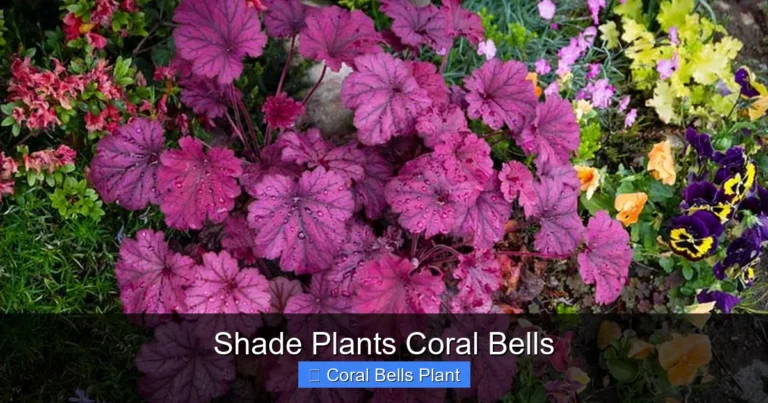
Coral bells to plant bring vivid color from spring to fall. Their leaves come in red, purple, lime, and silver. The foliage stays bright even in hot weather.
These plants add texture to shady beds. They pair well with hostas and ferns. A mix of hues creates a living tapestry.
Low Maintenance Needs
Coral bells to plant need little water once established. They tolerate drought better than many shade plants. A yearly mulch keeps roots cool.
They resist most pests and diseases. Deer usually avoid them. This makes them a worry free choice for busy gardeners.
Versatile Garden Uses
You can use coral bells to plant in borders, containers, or rock gardens. Compact types fit small spaces. Tall varieties make a striking backdrop.
They also work well as ground cover under trees. Their spreading habit fills gaps quickly.
Seasonal Interest
In spring coral bells to plant produce delicate bell shaped flowers. The blooms attract hummingbirds. Summer foliage remains vibrant. Fall color deepens before winter dormancy.
Companion Planting Tips
Pair coral bells to plant with shade loving perennials like astilbe and bleeding heart. The contrast of leaf shape adds depth. Choose companions with similar water needs.
Group plants in odd numbers for a natural look. This simple rule works for any garden style.
Seasonal Color Changes
Watch coral bells to plant shift hue as temperatures change. Cool nights deepen red tones. Warm days brighten lime varieties. This dynamic display keeps the garden fresh.
Top Varieties of Coral Bells to Plant
Heuchera ‘Palace Purple’
‘Palace Purple’ offers deep burgundy leaves that hold color all year. It thrives in zones 4 to 9. This variety is a classic for coral bells to plant collections.
Plant it in morning sun for the richest hue. It pairs nicely with chartreuse companions.
Heuchera ‘Lime Rickey’
‘Lime Rickey’ shows bright lime green foliage that glows in shade. It tolerates more sun than many dark types. This makes it a flexible coral bells to plant option.
Use it to light up a dark corner. It also works well in mixed containers.
Heuchera ‘Caramel’
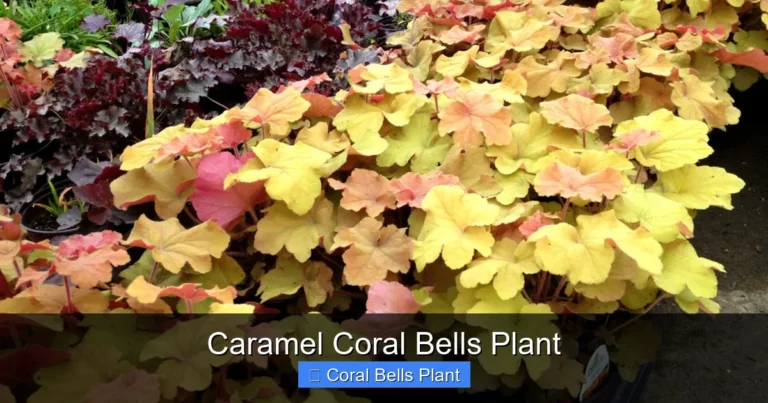
‘Caramel’ features warm amber leaves with a subtle sheen. It performs well in heat and humidity. Gardeners in southern zones love this coral bells to plant choice.
Combine it with purple varieties for contrast. It also attracts pollinators with its tiny flowers.
Heuchera ‘Obsidian’
‘Obsidian’ has near black leaves that add drama. It keeps its color in full sun. This variety is a bold coral bells to plant pick for modern designs.
Plant it beside silver foliage for a striking effect.
Heuchera ‘Berry Smoothie’
‘Berry Smoothie’ displays pinkish red leaves that brighten shade. It stays compact and tidy. This coral bells to plant selection works well in small beds.
Pair it with white flowering perennials for a soft look.
Choosing the Right Variety for Your Zone
Match coral bells to plant hardiness to your USDA zone. Cold climates need varieties rated to zone 4. Warm areas can use heat tolerant types rated to zone 9.
Check local nursery tags for zone information. This step avoids winter loss.
Mixing Varieties for Continuous Color
Combine early, mid, and late season coral bells to plant for a rolling display. Stagger bloom times by selecting diverse cultivars. The result is color from March to October.
When to Plant Coral Bells
Spring Planting Advantages
Spring gives coral bells to plant time to establish before summer heat. Cool soil encourages root growth. Aim for early April in most regions.
Water regularly during the first month. Mulch helps retain moisture.
Fall Planting Benefits
Fall planting works well in zones 6 to 9. Roots grow during mild autumn weeks. The plant enters winter with a strong base.
Plant at least six weeks before the first hard frost. This timing ensures survival.
Avoid Summer Planting
Summer heat stresses new coral bells to plant. High temperatures can cause leaf scorch. If you must plant in summer, provide shade cloth and extra water.
Regional Timing Tips
In cooler zones plant in early spring. In warm zones plant in late fall. Adjust timing to your local climate for best results.
Using a Soil Thermometer
Check soil temperature before planting coral bells to plant. Ideal range is 55 to 65 degrees Fahrenheit. This simple tool prevents premature planting.
Planting Calendar Example
For zone 6, mark March 15 for spring planting and October 1 for fall planting. Write dates on a garden calendar. Consistency leads to healthy stands.
How to Plant Coral Bells
Prepare the Site
Choose a spot with dappled light or morning sun. Amend heavy clay with compost. Good drainage is essential for coral bells to plant health.
Test soil pH; aim for 6.0 to 7.0. Adjust with lime or sulfur if needed.
Dig the Hole
Dig a hole twice as wide as the root ball. Keep the depth equal to the container. This gives roots room to spread.
Loosen the bottom soil gently. Avoid compacting the sides.
Place and Backfill
Set the plant so the crown sits at soil level. Backfill with amended soil. Firm lightly to remove air pockets.
Water deeply after planting. This settles soil around roots.
Mulch and Label
Apply a two inch layer of shredded bark. Mulch conserves moisture and suppresses weeds. Label each variety for future reference.
Container Planting Steps
Use a pot with drainage holes. Fill with a light potting mix. Plant coral bells to plant at the same depth as in the nursery pot.
Water thoroughly and place in filtered light.
Spacing Guidelines
Space coral bells to plant 12 to 18 inches apart. Proper spacing improves air flow. It also reduces competition for nutrients.
Watering In After Planting
Give each new coral bells to plant a deep soak. Repeat after two days if soil feels dry. Consistent moisture helps roots settle quickly.
Ongoing Care for Coral Bells
Watering Schedule
Water coral bells to plant once a week during dry spells. Deep soak encourages deep roots. Reduce frequency in rainy periods.
Check soil moisture two inches down. Water only when dry.
Fertilizing Tips
Apply a balanced slow release fertilizer in early spring. One application per year is enough. Overfeeding leads to weak growth.
Organic compost tea works as a gentle boost.
Dividing Every Few Years
Divide clumps every three to four years. Early spring is the best time. This rejuvenates coral bells to plant and prevents center die out.
Replant divisions at the same depth. Water well after dividing.
Pruning and Cleanup
Remove spent flower stalks in late summer. Cut back any damaged leaves in early spring. Clean foliage improves air flow.
Pest and Disease Watch
Inspect leaves for aphids or slugs. Treat with insecticidal soap if needed. Good air circulation reduces fungal issues.
Mulch Refresh
Refresh mulch around coral bells to plant each spring. A fresh layer locks in moisture. It also suppresses weed seeds.
Winter Protection in Cold Zones
In zones 4 and 5 add a thick straw blanket over coral bells to plant. Remove cover early spring. This extra insulation prevents crown freeze.
Design Ideas with Coral Bells
Shade Border Combination
Pair coral bells to plant with hostas, astilbes, and ferns. Vary leaf colors for depth. This creates a lush, layered look.
Use taller varieties at the back. Shorter types fill the front.
Container Arrangements
Choose compact cultivars for pots. Mix ‘Lime Rickey’ with trailing ivy. Add a slow release fertilizer pellet.
Place containers on a shaded patio. Rotate for even light.
Rock Garden Accents
Tuck coral bells to plant into crevices between stones. Their low profile suits rocky terrain. The foliage softens hard edges.
Select heat tolerant varieties for sunny rock gardens.
Woodland Path Edging
Line a woodland path with alternating colors. The bright leaves guide visitors. This low maintenance edge stays tidy all season.
Mixed Perennial Bed
Combine coral bells to plant with daylilies, coneflowers, and ornamental grasses. The contrast of foliage and flower forms adds drama.
Plan for succession bloom to keep color all year.
Vertical Garden Accents
Mount small coral bells to plant in wall pockets. The cascading foliage creates a living tapestry. Use a drip irrigation system for easy watering.
Seasonal Focal Points
Place a bright coral bells to plant specimen near a garden bench. The foliage draws the eye in every season. Add a subtle garden light for evening glow.
In summary, coral bells to plant offer vibrant foliage, easy care, and endless design possibilities. Pick the right variety for your zone, plant at the proper time, and follow the simple care steps outlined here. Your garden will reward you with color and texture for years to come.
Frequently Asked Questions
What soil is best for coral bells to plant?
Well‑drained, slightly acidic to neutral soil enriched with compost works best. Avoid heavy clay that stays soggy.
Do coral bells to plant attract pollinators?
Their tiny bell‑shaped flowers attract hummingbirds and bees throughout the growing season.
How do I divide coral bells to plant?
Dig up the clump in early spring, separate the crowns with a sharp knife, and replant each division at the same depth.
Are coral bells to plant deer resistant?
Yes, deer usually avoid them because the foliage has a bitter taste.
Can I grow coral bells to plant indoors?
They can survive in bright indirect light but perform best outdoors where they receive natural seasonal cues.
What common pests affect coral bells to plant?
Aphids and slugs are the most frequent; treat with insecticidal soap or hand‑pick slugs at night.