Coral Bells Planter
A coral bells planter adds year‑round color and texture to any patio or garden. With the right container, soil mix, and care routine, these hardy perennials thrive in sun or shade. Follow our simple steps to create a stunning, low‑maintenance display.
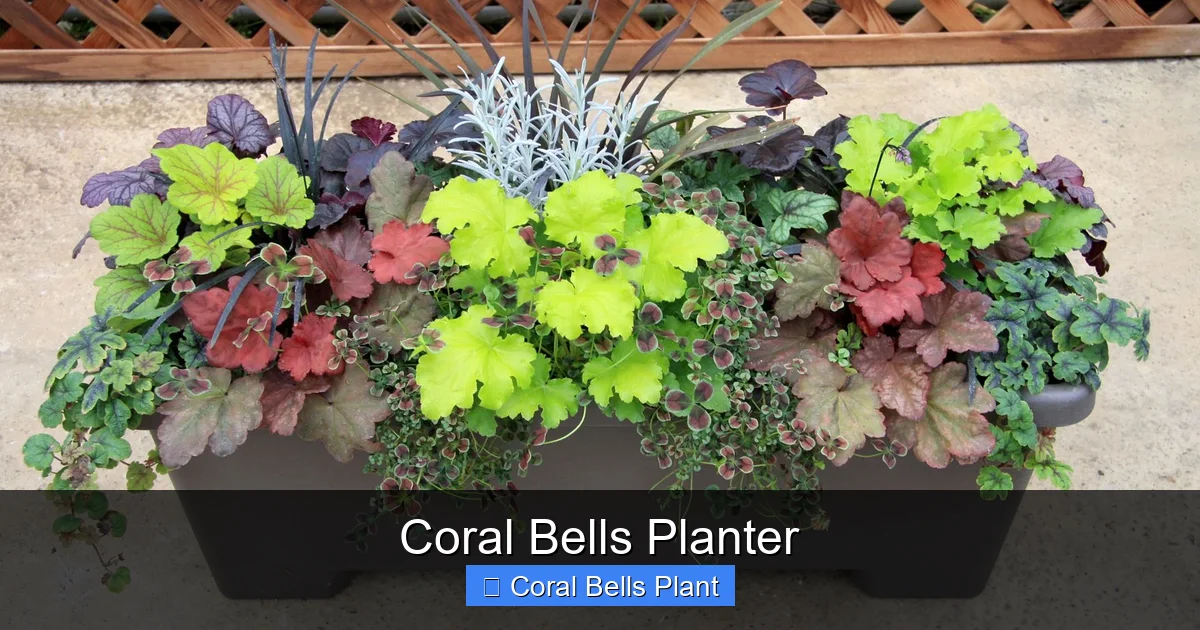
If you love bold foliage and easy care, a coral bells planter might become your new favorite garden project. These perennials, known botanically as Heuchera, offer ruffled leaves in shades of lime, burgundy, caramel, and near‑black. When planted in a container, they bring that color right to your doorstep, balcony, or patio. The best part? They ask for very little in return.
A coral bells planter works well in both sun and shade, making it a versatile choice for almost any exposure. The plants stay compact, usually reaching 12 to 18 inches tall, so they fit nicely in medium‑sized pots. Their evergreen habit in milder climates means you enjoy foliage interest even in winter. Plus, the delicate flower spikes that rise in late spring attract hummingbirds and pollinators.
In this guide we walk through every step of creating a thriving coral bells planter. You will learn how to pick the perfect container, mix a soil that drains well, plant at the right depth, and keep the plants healthy all season. We also share design ideas that turn a simple pot into a focal point. Let’s get started.
Key Takeaways
- Choose the right pot: A coral bells planter needs a container at least 12 inches wide with good drainage.
- Use a well‑draining soil mix: Combine potting soil, compost, and perlite for optimal root health.
- Plant at the correct depth: Set the crown just above the soil line to prevent rot.
- Water consistently but avoid soggy soil: Check the top inch of soil before watering.
- Feed lightly in spring: A balanced slow‑release fertilizer supports vibrant foliage.
- Design with companions: Pair with trailing annuals or ornamental grasses for a dynamic look.
- Refresh seasonally: Swap out spent blooms and add fresh mulch to keep the display tidy.
Quick Answers to Common Questions
What size pot is best for a coral bells planter?
Choose a container at least 12 inches wide and 10 inches deep for a single plant; larger pots are better for groups.
How often should I water a coral bells planter?
Water when the top inch of soil feels dry; this may be daily in summer and every few days in cooler weather.
Can a coral bells planter tolerate full sun?
Most varieties prefer morning sun and afternoon shade; full afternoon sun can scorch lighter leaves.
When should I fertilize a coral bells planter?
Apply a balanced slow‑release fertilizer in early spring and optionally a light feeding in midsummer.
What companion plants work well with a coral bells planter?
Trailing annuals like sweet potato vine, upright grasses such as blue fescue, and seasonal annuals like petunias or pansies pair beautifully.
📑 Table of Contents
Why Choose a Coral Bells Planter?
Colorful Foliage All Season
A coral bells planter delivers a palette that changes with the light. In morning sun the leaves may glow chartreuse, while afternoon shade deepens the burgundy tones. This dynamic color shift keeps the container looking fresh from early spring through late fall. Even in winter, many varieties retain their leaves, providing structure when other plants have died back.
Low Maintenance Perennial
Once established, a coral bells planter asks for minimal attention. The plants are drought tolerant once their roots settle, and they rarely suffer from serious pests. A quick check of soil moisture and an occasional feeding are usually all that’s needed. This makes them ideal for busy gardeners or anyone new to container gardening.
Versatile Design Options
Because a coral bells planter stays relatively compact, you can use it as a standalone specimen or combine several pots for a grouped display. They pair beautifully with trailing plants like sweet potato vine, or with upright grasses such as blue fescue. The foliage texture adds contrast to smooth-leaved annuals, creating visual depth in any arrangement.
Selecting the Right Container
Size Matters
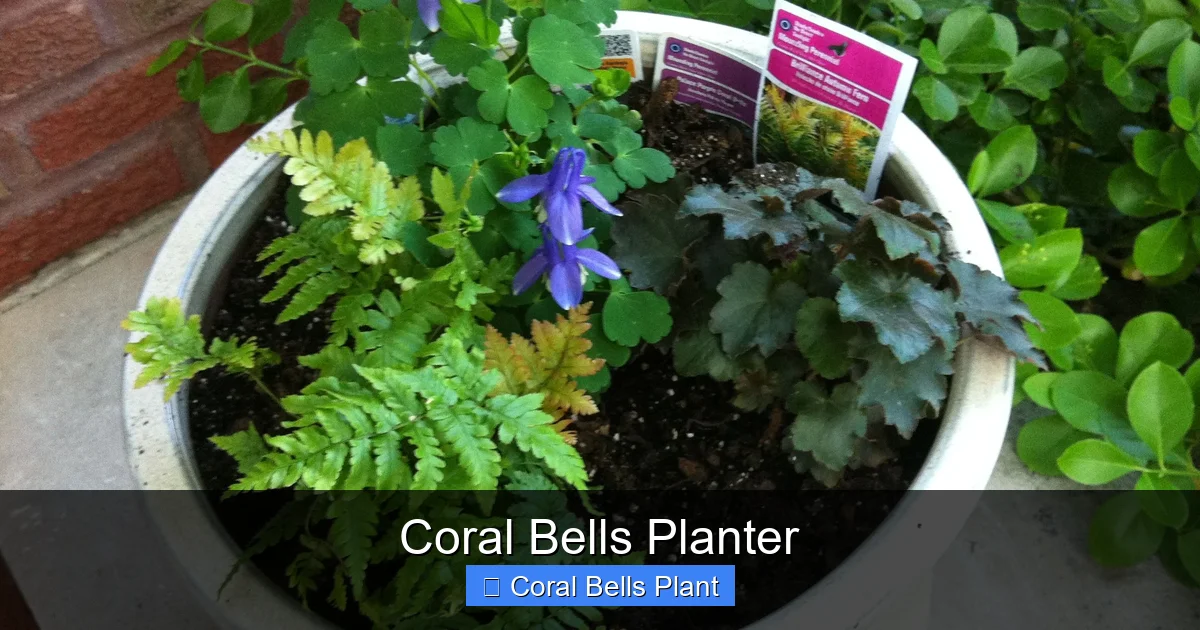
Choose a pot that is at least 12 inches in diameter and 10 inches deep for a single coral bells planter. A larger container holds more soil, which buffers temperature swings and reduces watering frequency. If you plan to group three or more plants together, go for a 18‑inch wide pot or a rectangular trough that gives each root ball room to expand.
Visual guide about Coral Bells Planter
Image source: i.pinimg.com
Material Choices
Terracotta, glazed ceramic, fiberglass, and high‑quality plastic all work well. Terracotta breathes, helping excess moisture evaporate, but it can crack in freeze‑thaw cycles. Glazed ceramic retains moisture longer, which can be helpful in hot climates. Fiberglass and resin pots are lightweight, durable, and often come with built‑in drainage reservoirs.
Drainage Holes Are Essential
Every coral bells planter must have at least one drainage hole. Without it, water pools at the bottom and leads to root rot. If your decorative pot lacks holes, drill a few yourself or use it as a cachepot with a plastic liner that has drainage. Add a layer of coarse gravel or broken pottery shards over the holes to keep soil from washing out.
Soil Mix and Drainage Essentials
Ideal Soil Recipe
A good mix for a coral bells planter is two parts high‑quality potting soil, one part compost, and one part perlite or coarse sand. The potting soil provides structure, compost adds nutrients and beneficial microbes, and perlite creates air pockets for root oxygen. Avoid garden soil; it compacts in containers and holds too much water.
Adding Organic Matter
Work in a handful of well‑rotted leaf mold or worm castings when you first fill the pot. This slow‑release organic matter feeds the plants over several months and improves soil texture. You can also top‑dress with a thin layer of compost each spring to refresh nutrients without disturbing the roots.
Testing Drainage
After filling the container, water thoroughly until water runs out of the drainage holes. Wait ten minutes, then check the soil surface. It should feel moist but not soggy. If water sits on top for more than a minute, increase the perlite ratio or add more drainage material at the bottom.
Planting and Spacing Tips
When to Plant
The best time to set up a coral bells planter is early spring after the last frost, or early fall in mild zones. Planting in cool weather gives roots a chance to establish before summer heat or winter cold. If you buy plants in summer, keep them shaded and water daily until you can transplant.
Proper Depth and Spacing
Remove the plant from its nursery pot and gently loosen the root ball. Place it in the new container so the crown — where stems meet roots — sits just above the soil line. Backfill with your prepared mix, firming lightly. Space multiple plants 10 to 12 inches apart to allow air flow and future growth.
Grouping for Impact
For a bold statement, plant three different cultivars in one large coral bells planter. Choose contrasting leaf colors, such as ‘Palace Purple’, ‘Lime Rickey’, and ‘Caramel’. The varied hues create a living mosaic that draws the eye. Keep the same spacing rules, and water the whole group evenly after planting.
Ongoing Care: Water, Light, Fertilizer
Watering Schedule
Check the top inch of soil every few days. When it feels dry, water deeply until excess drains out. In hot weather a coral bells planter may need water every day; in cooler periods, every three to four days is enough. Avoid letting the pot sit in a saucer of standing water.
Light Requirements
Most varieties prefer morning sun and afternoon shade. Too much direct afternoon sun can scorch the leaves, especially the lighter cultivars. If your site gets full sun all day, choose heat‑tolerant selections like ‘Fire Alarm’ or provide a sheer curtain during peak hours.
Feeding for Vigorous Growth
Apply a balanced, slow‑release fertilizer (10‑10‑10) in early spring when new growth appears. Follow the package rate for container plants. A second light feeding in midsummer can boost foliage color, but stop fertilizing by late August to let the plants harden off before winter.
Design Ideas and Companion Plants
Container Groupings
Arrange three coral bells planter pots of varying heights on a stair‑step plant stand. The tiered look showcases each cultivar’s foliage at eye level. Add a trailing ivy or creeping thyme at the base of the tallest pot to soften the edges.
Pairing with Annuals
Plant bright annuals such as petunias, calibrachoa, or zinnias around the perimeter of a large coral bells planter. The annuals provide seasonal flower power while the heuchera anchors the design with year‑round foliage. Choose annual colors that echo or contrast the heuchera leaves for a cohesive palette.
Seasonal Refresh
In early fall, replace spent annuals with ornamental kale, pansies, or dwarf chrysanthemums. This extends the container’s interest into the cooler months. Come spring, swap the cool‑season plants for fresh annuals and add a thin layer of mulch to conserve moisture and suppress weeds.
Creating a thriving coral bells planter is a rewarding project that pays off with color, texture, and low upkeep. By selecting the right pot, using a well‑draining soil mix, planting at the proper depth, and following a simple care routine, you’ll enjoy a stunning container that looks great from spring through winter. Experiment with different cultivar combinations and companion plants to make each pot uniquely yours. Happy planting!
Frequently Asked Questions
How do I prevent root rot in a coral bells planter?
Ensure the container has drainage holes, use a well‑draining soil mix with perlite, and avoid letting the pot sit in standing water.
Can I overwinter a coral bells planter outdoors?
In USDA zones 4‑9 the plants are hardy; in colder zones move the pot to a protected spot or insulate with burlap and mulch.
What is the best time to divide a coral bells planter?
Divide in early spring or early fall when the plant is not in active bloom; replant divisions in fresh soil.
Do coral bells planters attract pests?
They are generally pest‑resistant, but watch for aphids or slugs; treat with insecticidal soap or hand‑pick as needed.
How can I enhance leaf color in a coral bells planter?
Provide morning sun, keep soil evenly moist, and feed with a balanced fertilizer; some cultivars deepen color with slight stress.
Is it necessary to deadhead a coral bells planter?
Deadheading spent flower spikes keeps the plant tidy and may encourage a second flush of blooms, but it is not required for foliage health.