Coral Bells Plant Near Me
Coral bells (Heuchera) are versatile perennials prized for their colorful foliage and delicate flowers. This guide helps you locate healthy plants locally, choose the best varieties for your zone, and master planting and care techniques for year-round garden beauty.
If you have ever wandered through a garden center in spring, you have likely seen coral bells. Their ruffled leaves catch the light in shades of amber, plum, chartreuse, and silver. The botanical name is Heuchera, but most gardeners simply call them coral bells. These North American natives have exploded in popularity over the last two decades. Breeders have introduced hundreds of new cultivars. The result is a staggering palette of foliage colors and patterns.
Finding a quality coral bells plant near me used to mean settling for whatever the big box store carried. Today, independent nurseries, specialty growers, and even online retailers with local pickup options make it easy to source exactly what you want. The trick is knowing what to look for, when to shop, and how to match the right variety to your garden conditions. This guide walks through every step. You will learn where to buy, how to choose, and the care practices that keep these perennials looking fresh for years.
Key Takeaways
- Local nurseries offer the best selection: Visit independent garden centers in spring for the widest variety of healthy, regionally adapted coral bells plant near me.
- Foliage color drives design impact: Choose from purple, caramel, lime, silver, and near-black leaves to create stunning contrast in shade gardens.
- Well-draining soil prevents crown rot: Amend heavy clay with compost and plant slightly high to keep the crown above soil level.
- Morning sun enhances leaf color: Most varieties perform best with 4-6 hours of morning light and afternoon shade protection.
- Divide every 3-4 years to maintain vigor: Lift and separate clumps in early spring or fall to prevent woody centers and declining blooms.
- Deer and rabbit resistant: Coral bells plant near me selections typically avoid browsing pressure, making them reliable for unfenced gardens.
- Companion plant with ferns and hostas: Pair with shade-loving perennials for layered texture and season-long interest in woodland settings.
Quick Answers to Common Questions
When is the best time to plant coral bells?
Spring after the last frost and early fall (six weeks before ground freeze) are ideal. Spring gives roots time to establish before summer heat. Fall planting allows root growth in cool, moist conditions.
How much sun do coral bells need?
Most varieties prefer morning sun with afternoon shade (4-6 hours). Lighter foliage tolerates more sun. Dark purple types scorch easily. In cooler northern zones, many handle full sun with adequate moisture.
Why are my coral bells dying in the center?
Center die-out is natural aging. The woody crown stops producing leaves. Dig and divide the clump every 3-4 years in spring or fall. Discard the woody center and replant vigorous outer sections.
Do coral bells come back every year?
Yes, coral bells are hardy perennials in USDA zones 4-9. They are evergreen to semi-evergreen in mild winters. In cold zones, foliage may die back but crowns survive with proper mulch and drainage.
Can I grow coral bells in containers?
Absolutely. They excel in pots with good drainage. Use quality potting mix with perlite. Water when the top inch dries. Fertilize monthly with dilute balanced fertilizer. Overwinter in an unheated garage in zones 5 and below.
📑 Table of Contents
What Are Coral Bells?
Botanical Background
Coral bells belong to the Saxifragaceae family. The genus Heuchera contains roughly 50 species native to North America. Most garden varieties derive from Heuchera sanguinea, Heuchera americana, Heuchera villosa, and Heuchera micrantha. Species hail from diverse habitats. Some grow on rocky cliffs in the Southwest. Others thrive in moist woodlands of the East Coast. This genetic diversity explains why modern cultivars handle such a wide range of conditions.
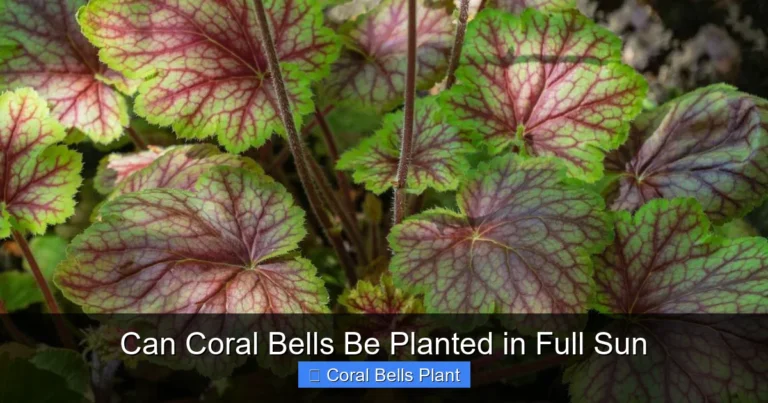
The common name comes from the bell-shaped flowers that dangle on wiry stems above the foliage mound. Blooms appear in late spring to early summer. Colors range from white and pink to coral red. Hummingbirds love them. However, most gardeners grow coral bells for the leaves. The foliage forms a low, rounded mound typically 12 to 18 inches tall and wide. Leaves are lobed, often with ruffled or curled edges. Veining and overlay colors create intricate patterns that shift with the seasons.
Why Gardeners Love Them
Few perennials offer as much versatility. Coral bells plant near me selections work in containers, rock gardens, woodland borders, and edging. They tolerate shade better than most flowering perennials. Many cultivars handle full sun in cooler climates. The evergreen to semi-evergreen habit provides winter interest in mild zones. Deer and rabbits rarely browse them. Maintenance needs are low once established. Simply remove spent flower stems and tattered leaves in spring.
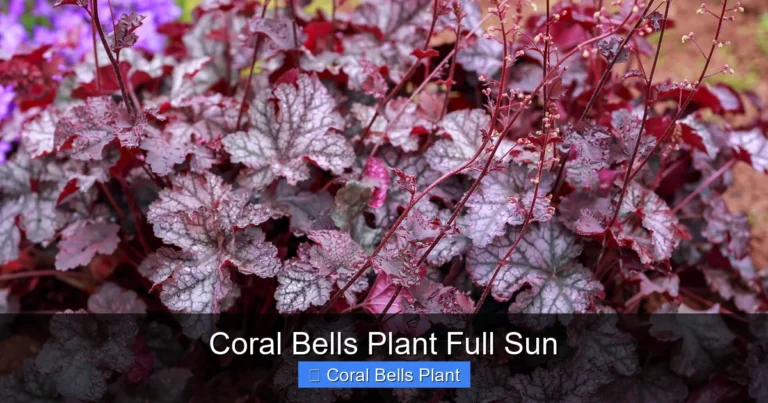
Breeding breakthroughs have expanded the color range dramatically. You can now find near-black foliage like ‘Obsidian’, bright lime ‘Lime Rickey’, caramel ‘Caramel’, and silver-veined ‘Silver Scrolls’. Some varieties change color through the season. ‘Peach Flambe’ emerges peach, deepens to plum, then turns fiery red in fall. This chameleon quality adds dynamic interest without any extra effort.
Finding Coral Bells Plant Near Me
Local Nurseries and Garden Centers
Start your search at independent nurseries. These businesses typically carry regionally appropriate varieties. Staff often have firsthand experience growing what they sell. Visit in April or May for the best selection. Spring shipments arrive weekly. Ask about upcoming deliveries if you do not see what you want. Many nurseries will special order specific cultivars for loyal customers.
Call ahead to confirm availability. Use search terms like “coral bells plant near me” or “Heuchera nursery [your city]” to locate options. Check websites and social media for plant lists. Some nurseries post real-time inventory updates. Look for businesses that grow their own stock or source from regional wholesale growers. Plants acclimated to your area establish faster and suffer less transplant shock.
Online Options with Local Pickup
Several reputable online retailers partner with local garden centers for pickup. This combines the vast selection of mail order with the convenience of nearby collection. Proven Winners, Monrovia, and Great Garden Plants offer this service. You browse cultivars online, place an order, and collect at a designated partner nursery. The plants are often larger and better rooted than what ships in boxes.
When ordering, verify the pickup location is truly local. Some services use “local” loosely. Read reviews about plant quality at pickup. Ensure the nursery holds plants in proper conditions until you arrive. Avoid retailers that ship bare-root coral bells in summer heat. Container-grown plants establish more reliably. If you must order shipped plants, choose spring or fall delivery windows.
Plant Sales and Garden Clubs
Botanical gardens, master gardener groups, and horticultural societies host annual plant sales. These events often feature unusual Heuchera varieties not found in commerce. Members divide plants from their own gardens. Prices are usually below retail. Arrive early for the best selection. Bring cash and boxes for transport. Ask sellers about the parent plant’s performance in your specific microclimate.
Garden club meetings sometimes include plant swaps. Members trade divisions of proven performers. This is an excellent way to acquire cultivars adapted to your exact conditions. You also gain a mentor who can advise on care. Search for “garden club plant sale [your county]” or check your local cooperative extension calendar.
Big Box Store Considerations
Home improvement centers carry coral bells plant near me in spring. Selection is limited to a few mass-market varieties. ‘Palace Purple’, ‘Plum Pudding’, and ‘Caramel’ are common. Plants may be root-bound or stressed from inconsistent watering. Inspect carefully before buying. Look for firm, white roots visible at drainage holes. Avoid plants with yellowing lower leaves or mushy crowns. If you buy here, plant immediately and water well.
Choosing the Right Variety for Your Garden
Popular Heuchera Cultivars
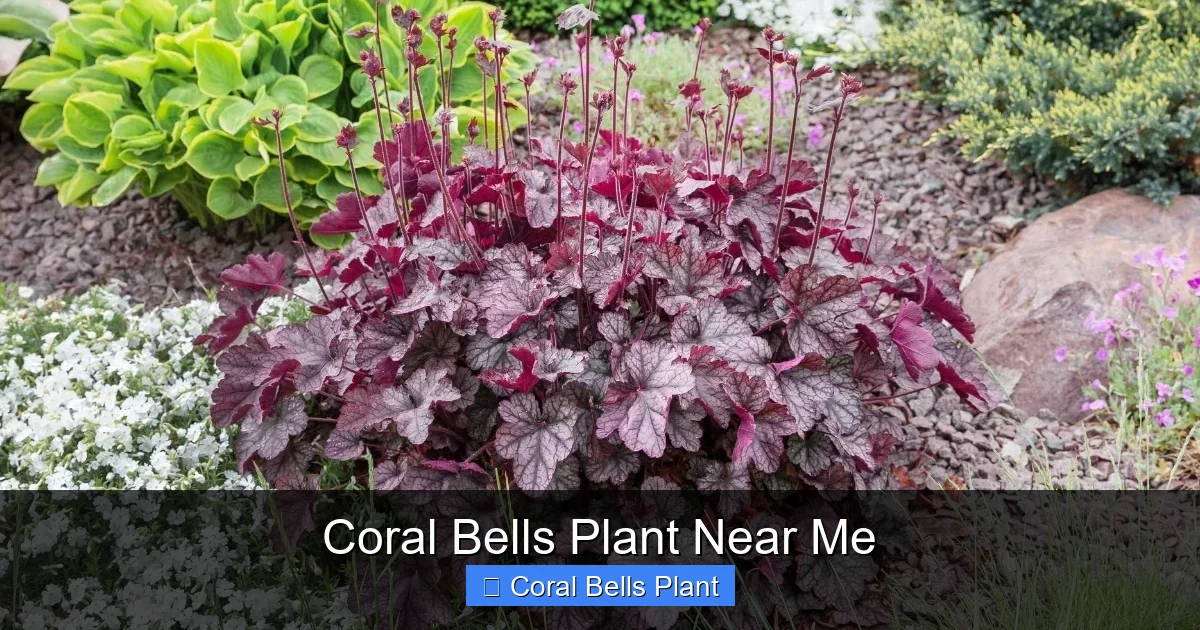
The sheer number of cultivars can overwhelm. Focus on a few proven performers matched to your needs. For deep purple foliage, ‘Obsidian’ and ‘Black Pearl’ hold color all season. ‘Palace Purple’ is the classic seed-grown option, but tissue-cultured clones are more uniform. For chartreuse impact, ‘Lime Rickey’ and ‘Electra’ brighten shady corners. ‘Caramel’ offers warm amber tones that intensify with sun exposure.
Silver-leaved varieties like ‘Silver Scrolls’, ‘Looking Glass’, and ‘Appletini’ illuminate dark areas. Their metallic sheen reflects light beautifully. For red tones, ‘Fire Alarm’, ‘Red Lightning’, and ‘Cherry Cola’ deliver vibrant color. ‘Peach Flambe’ and ‘Georgia Peach’ provide multi-season change. Large-leaved villosa hybrids like ‘Brownies’, ‘Mocha’, and ‘Cajun Fire’ handle heat and humidity better than older types.
Color Considerations
Think about how foliage color interacts with surrounding plants. Dark purple leaves create depth and make nearby chartreuse or silver pop. Amber and caramel tones bridge warm and cool palettes. Silver varieties tone down harsh contrasts. Green-leaved types with dramatic veining, like ‘Green Spice’, blend naturally into woodland schemes.
Consider seasonal changes. Some cultivars emerge one color, mature to another, and shift again in fall. ‘Midnight Rose’ starts near-black with pink spots that fade to cream. ‘Delta Dawn’ emerges gold with red centers, maturing to lime with darker veining. This evolution keeps the garden interesting without replanting. When searching coral bells plant near me, ask nursery staff which varieties show the most dramatic seasonal shifts in your area.
Sun and Shade Tolerance
General rule: lighter foliage tolerates more sun. Dark purple and black varieties often scorch in afternoon sun. Chartreuse, gold, and silver types handle four to six hours of direct morning light. In northern zones (USDA 4-6), many coral bells accept full sun with adequate moisture. In southern zones (7-9), afternoon shade is essential for all but the toughest villosa hybrids.
Observe your planting site through the day. Note when sun hits and for how long. Dappled shade under high-canopy trees is ideal. Dense shade reduces flowering and can lead to leggy growth. If your site gets blasted by afternoon sun, choose heat-tolerant cultivars. ‘Southern Comfort’, ‘Georgia Peach’, and the villosa hybrids perform well in challenging southern exposures.
Hardiness Zone Matching
Most coral bells are hardy in USDA zones 4 through 9. Some extend to zone 3 with winter protection. Villosa hybrids handle zone 9 heat better. Check the specific cultivar tag for zone rating. Microclimates matter. A protected courtyard may support zone 6 plants in zone 5. Exposed hilltops may require zone 4 hardiness in zone 5. When in doubt, choose the hardier option.
Winter wet kills more coral bells than cold. Ensure excellent drainage in cold climates. Heavy clay soils that stay soggy through freeze-thaw cycles cause crown rot. Amend generously with compost and coarse sand. Plant on a slight mound. Mulch after the ground freezes to prevent heaving. Remove mulch from crowns in early spring.
Planting and Care Guide
When to Plant
Spring and fall are optimal planting windows. Spring planting gives roots time to establish before summer heat. Aim for after the last frost date when soil is workable. Fall planting allows root growth in cool, moist conditions. Plant at least six weeks before the ground freezes. Summer planting is possible with diligent watering and temporary shade cloth. Avoid planting during heat waves.
If you find a great coral bells plant near me in July, go ahead and buy it. Pot it up into a slightly larger container. Keep it in bright shade. Water daily. Plant in the ground in early September. This approach lets you snag unusual varieties at mid-season sales without risking transplant stress.
Soil Preparation
Coral bells demand well-draining soil rich in organic matter. They tolerate a range of pH from slightly acidic to neutral (6.0 to 7.0). Heavy clay is the enemy. It holds water around the crown, inviting rot. Sandy soil drains too fast and lacks nutrients. The solution for both is compost. Incorporate two to three inches of compost into the top eight inches of soil. Add coarse builder’s sand or fine gravel to clay. This creates air pockets and improves drainage structure.
Test drainage before planting. Dig a hole 12 inches deep and wide. Fill with water. Let it drain. Fill again. If water remains after two hours, drainage is poor. Consider a raised bed or berm. Alternatively, plant in containers where you control the soil mix. A blend of equal parts quality potting soil, compost, and perlite works beautifully.
Planting Technique
Space plants 12 to 18 inches apart depending on mature size. Dig a hole twice as wide as the root ball but no deeper. The crown, where leaves emerge, must sit at or slightly above soil level. Planting too deep is the number one cause of failure. Gently loosen circling roots. Place the plant. Backfill with amended soil. Firm gently to eliminate air pockets. Water thoroughly to settle soil around roots.
Apply a thin layer of shredded bark or leaf mulch. Keep mulch away from the crown. A two-inch gap prevents moisture buildup and fungal issues. Label each variety. Coral bells plant near me labels often blow away or fade. Use metal markers with engraved names or write on the pot with permanent marker and bury it behind the plant.
Watering and Mulching
New plantings need consistent moisture for the first growing season. Water deeply twice a week unless rain provides an inch. Check soil with your finger. The top inch should dry between waterings. Established plants tolerate moderate drought. However, they look best with regular water during dry spells. Drip irrigation or soaker hoses keep foliage dry, reducing disease risk.
Mulch annually with one to two inches of organic material. Shredded leaves, pine fines, or aged bark work well. Avoid thick mulch volcanoes. They trap moisture against the crown. Refresh mulch in spring after cleaning up winter debris. In humid climates, consider gravel mulch. It improves air circulation at the soil surface and deters slugs.
Fertilizing
Coral bells are light feeders. Excess nitrogen produces lush foliage at the expense of flowers and winter hardiness. Apply a balanced slow-release fertilizer (10-10-10 or similar) in early spring at half the recommended rate. Alternatively, top-dress with an inch of compost. This feeds slowly and improves soil structure. Container plants need more frequent feeding. Use a dilute liquid fertilizer monthly during the growing season.
Stop fertilizing by late July. Late-season growth is tender and prone to winter damage. If leaves yellow in summer, the plant may need iron. Apply chelated iron per package directions. This often happens in alkaline soils. A soil test every few years guides precise amendments.
Seasonal Maintenance
Spring cleanup is the main task. Remove any winter-damaged leaves. Cut back flower stems from the previous year. They pull away easily. Check for heaved plants. Gently press crowns back into soil if frost has pushed them up. Do not bury the crown. Apply fresh mulch. Divide congested clumps every three to four years.
Summer care involves deadheading spent flower stalks. This redirects energy to foliage. Some gardeners remove flower stems before they bloom to maximize leaf display. This is a personal choice. Hummingbirds appreciate the blooms. Watch for pests during hot, dry periods. Water deeply during drought.
Fall tasks are minimal. Leave foliage in place for winter protection. In cold zones, add a light layer of evergreen boughs or straw after the ground freezes. This prevents heaving. Do not cut back in fall. The leaves insulate the crown. Remove the winter mulch in early spring as new growth emerges.
Common Problems and Solutions
Pests
Coral bells have few serious pests. Black vine weevil larvae feed on roots. Adults notch leaf edges at night. Beneficial nematodes applied to soil in spring control larvae. Sticky traps catch adults. Slugs and snails hole leaves in damp conditions. Beer traps, copper tape, or iron phosphate baits reduce damage. Diatomaceous earth around plants deters soft-bodied pests.
Foliar nematodes cause angular brown spots between leaf veins. They spread via water splash. Remove affected leaves. Avoid overhead watering. There is no chemical cure. Infected plants should be discarded, not composted. Deer and rabbits rarely bother coral bells. If browsing occurs, it is usually young, tender growth in spring. Repellent sprays help during this vulnerable period.
Diseases
Crown rot is the primary disease. It strikes in poorly drained soil or when crowns are buried. Symptoms include wilting despite moist soil, blackened crown tissue, and foul odor. Prevention is the only cure. Ensure drainage. Plant high. Mulch correctly. If caught very early, you can dig the plant, cut away rotted tissue, dust with fungicide, and replant in a better spot. Success is not guaranteed.
Powdery mildew appears as white dust on leaves in humid, crowded conditions. Improve air circulation by spacing properly. Water at soil level. Remove severely affected leaves. Fungicides containing potassium bicarbonate or neem oil help if applied early. Rust shows as orange pustules on leaf undersides. It is more common on species types than modern hybrids. Remove infected leaves. Avoid wetting foliage.
Environmental Stress
Leaf scorch appears as brown, crispy edges. It results from too much sun, insufficient water, or both. Move the plant to a shadier spot in fall. Increase watering. Reflective heat from walls or pavement intensifies stress. Frost heaving lifts crowns above soil. Exposed roots dry and die. Mulch after freeze-up. Press plants back in spring.
Center die-out occurs when clumps age. The woody center stops producing leaves. Division solves this. Dig the entire clump in spring or fall. Pull or cut apart into sections with healthy roots and crowns. Discard the woody center. Replant divisions promptly. Water well. They establish quickly and resume vigorous growth.
Design Ideas with Coral Bells
Container Gardens
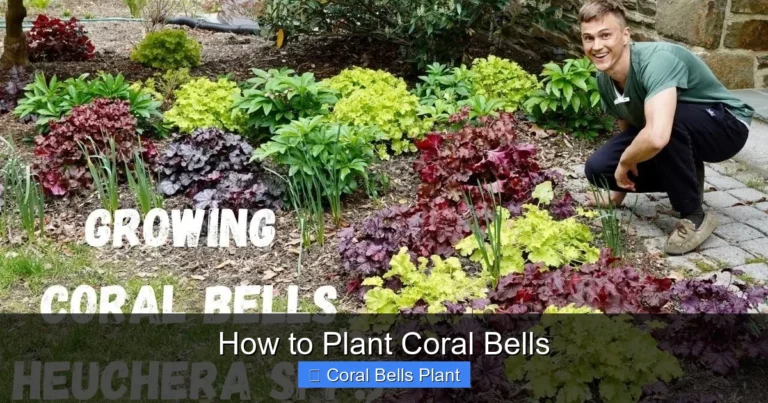
Coral bells shine in pots. Their mounding habit fills containers beautifully. Use a single variety for a bold color statement. Or mix three complementary shades in a large pot. ‘Obsidian’, ‘Caramel’, and ‘Lime Rickey’ create a stunning trio. Ensure the container has drainage holes. Use high-quality potting mix with added perlite. Water when the top inch feels dry. Fertilize monthly with dilute balanced fertilizer.
Overwinter containers in an unheated garage in zones 5 and below. Water sparingly, just enough to prevent desiccation. In zones 6 and up, pots can stay outdoors if grouped against a protected wall. Mulch the soil surface. Elevate pots on feet to ensure drainage. Repot every two years in fresh mix.
Border Plantings
Line a shady path with a drift of coral bells. Space 12 inches apart for a continuous edge. Choose one cultivar for uniformity. Or alternate two colors for rhythm. ‘Silver Scrolls’ and ‘Plum Pudding’ pair elegantly. The silver highlights the purple. Plant in front of taller shade perennials like astilbe, ferns, or Japanese forest grass. The low mounds hide bare legs of larger plants.
For a sunny border edge, select sun-tolerant varieties. ‘Citronelle’, ‘Paris’, and ‘Fire Alarm’ handle more light. Plant in a gentle curve rather than a straight line. This looks more natural. Interplant with spring bulbs. The coral bells foliage emerges as bulb foliage fades, hiding the yellowing leaves.
Companion Plants
Ferns are classic partners. Their fine texture contrasts with coral bells’ bold leaves. Japanese painted fern echoes silver varieties. Autumn fern’s copper new growth complements amber types. Hostas provide broad-leaved backdrop. Choose slug-resistant hosta varieties like ‘Sum and Substance’ or ‘June’.
Heucherella (foamy bells) and Tiarella (foamflower) are close relatives with similar needs. They intermingle beautifully. Brunnera ‘Jack Frost’ adds silver foliage and blue spring flowers. Pulmonaria offers spotted leaves and early blooms. Hellebores provide winter flowers and evergreen structure. Epimedium forms a slow-spreading groundcover beneath.
For seasonal color, add shade annuals. Impatiens, begonias, and coleus fill gaps while perennials establish. In sun, pair with sedum, ornamental grasses, and dwarf conifers. The key is matching cultural requirements. All companions should share the same light, water, and soil preferences.
Rock Gardens and Slopes
Coral bells’ native habitat includes rocky outcrops. They excel in rock gardens and on slopes. Excellent drainage is inherent. Plant in crevices between stones. The roots follow cool, moist fissures. Choose compact varieties like ‘Petite Pearl Fairy’ or ‘Little Cutie’ series. Their smaller scale suits intimate spaces.
On slopes, plant in staggered rows. This slows runoff and reduces erosion. Mulch with gravel or small stone. It stays in place better than bark on inclines. The stone mulch also reflects heat, which many varieties appreciate in cooler climates. Avoid planting at the very top of a south-facing slope where winter sun causes extreme freeze-thaw cycles.
Woodland Gardens
In a woodland setting, let coral bells naturalize. Plant in loose drifts beneath deciduous trees. They receive spring sun before leaf-out, then dappled shade all summer. This mimics their native ecology. Allow leaf litter to accumulate as natural mulch. It breaks down into rich humus. Do not remove fallen leaves unless they smother crowns.
Combine with native woodlanders. Trillium, bloodroot, Virginia bluebells, and wild ginger create a succession of spring interest. Coral bells carry the show through summer with foliage. Add native ferns like maidenhair and Christmas fern. The result is a low-maintenance, ecologically valuable garden that looks better each year.
Propagating Coral Bells
Division
Division is the easiest propagation method. It rejuvenates old plants and yields identical clones. Do it in early spring as new growth emerges. Or in early fall, at least six weeks before frost. Water the plant well the day before. Dig the entire clump. Shake off excess soil. Pull apart with your hands. Each division needs several healthy leaves and a good root system.
Cut away any woody, leafless center sections. Replant divisions at the same depth. Water thoroughly. Mulch lightly. Keep evenly moist for the first month. Spring divisions may bloom the same year. Fall divisions focus on root growth and bloom the following spring. Divide every three to four years to maintain vigor.
Seed
Species coral bells come true from seed. Hybrids do not. Seedlings vary widely. This can be fun for experimentation. Collect seed when capsules turn brown and split. Sow fresh seed on the surface of moist seed-starting mix. Do not cover. Light aids germination. Keep at 65 to 70 degrees Fahrenheit. Germination takes two to eight weeks.
Transplant seedlings to individual pots when they have two true leaves. Grow under lights or in a bright window. Harden off in spring. Plant out after frost. Seed-grown plants take two years to reach flowering size. Label carefully. You may discover a unique seedling worth naming.
Leaf Cuttings
Leaf cuttings work for some cultivars but success rates vary. Take a healthy leaf with a short petiole in spring. Dip the cut end in rooting hormone. Insert into moist perlite or sand. Cover with a plastic bag to maintain humidity. Place in bright indirect light. Roots may form in four to eight weeks. Pot up once rooted. This method produces fewer plants than division but can rescue a prized variety that is failing.
Buying Tips for Healthy Plants
What to Look For
When shopping coral bells plant near me, inspect the crown first. It should be firm, not mushy. Leaves should be turgid, not wilted. Check for pests on leaf undersides. Aphids, spider mites, and whiteflies hide there. Look at the roots. Gently tip the pot. Roots should be white or light tan, filling the pot but not circling tightly. Avoid plants with roots growing out the bottom drainage holes into the ground. They are root-bound and stressed.
Foliage color should match the label. Some varieties emerge green and color up later. Ask staff if unsure. Avoid plants with significant leaf damage, spots, or yellowing lower leaves. A few imperfect leaves are normal. Extensive damage indicates neglect or disease. Choose compact, well-branched plants over tall, leggy ones. Leggy growth suggests insufficient light at the nursery.
Pot Size Considerations
Quart pots (4-inch) are economical but take longer to fill in. Gallon pots provide instant impact. For mass plantings, quarts make sense. For specimen containers or focal points, gallons are worth the extra cost. Some nurseries offer two-gallon specimens for immediate maturity. These are ideal for filling gaps in established beds.
Bare-root divisions are sometimes sold at plant sales. They establish well if planted promptly. Keep roots moist until planting. Soak in water for an hour before planting. Trim any broken roots. Plant at the correct depth. Water well. Expect slower first-year growth compared to container plants.
Timing Your Purchase
Early spring offers the best selection. Nurseries receive fresh stock weekly. Popular varieties sell out fast. If you want specific cultivars, shop in April. Late spring brings sales but limited choices. Fall is the second-best planting time. Many nurseries discount perennials in September. Plants have time to root before winter. Avoid summer purchases unless you can provide ideal holding conditions.
Sign up for nursery email lists. They announce new arrivals and sales. Some offer pre-orders for rare varieties. This guarantees you get the plants you want. When searching coral bells plant near me online, check if local nurseries have websites with inventory search. This saves driving time.
Regional Growing Advice
Northeast and Midwest (Zones 4-6)
Cold winters and humid summers define this region. Choose cultivars with proven cold hardiness. Villosa hybrids excel here. ‘Caramel’, ‘Citronelle’, ‘Mocha’, and ‘Brownies’ handle both extremes. Plant in spring after soil warms. Mulch well for winter. Site in morning sun, afternoon shade. Improve clay soils aggressively with compost and grit.
Watch for frost heaving. Check plants in late winter. Press crowns back gently. Spring cleanup is critical. Remove all dead foliage before new growth emerges. This reduces disease carryover. Divide in early spring. Fall division works but gives less time to establish before freeze.
Southeast (Zones 7-9)
Heat and humidity challenge many coral bells. Villosa species and hybrids are essential. ‘Southern Comfort’, ‘Georgia Peach’, ‘Cajun Fire’, and ‘Delta Dawn’ thrive. Avoid dark purple types that melt in summer. Provide afternoon shade. Ensure excellent air circulation. Space plants widely.
Root rot is the main killer. Plant in raised beds or berms. Use pine bark fines as mulch. It resists compaction and promotes drainage. Water at soil level only. Morning watering allows foliage to dry. Fungal diseases spread fast in humidity. Remove affected leaves promptly. Consider preventive copper fungicide in wet springs.
Pacific Northwest (Zones 7-9)
Mild, wet winters and dry summers characterize this region. Most coral bells perform beautifully. Drainage is the primary concern. Winter rain rots crowns in heavy soil. Amend with coarse sand and compost. Plant on mounds. Mulch with gravel or coarse bark. Slugs are a major pest. Use iron phosphate bait regularly.
Summer drought stresses plants. Water deeply but infrequently. Encourage deep roots. Many varieties stay evergreen. Clean up only damaged leaves in spring. Divide in fall. The mild autumn allows root growth well into winter. Fall-planted divisions establish superbly.
Southwest and Mountain West (Zones 4-8)
Intense sun, low humidity, and alkaline soils require adaptations. Choose heat-tolerant varieties. ‘Fire Alarm’, ‘Paris’, ‘Kassandra’, and villosa hybrids handle sun. Provide afternoon shade. Amend alkaline soil with sulfur and organic matter. Mulch with gravel to reflect heat and conserve moisture.
Water deeply to leach salts. Drip irrigation is ideal. Winter cold can be extreme. Mulch heavily after freeze. Choose the hardiest cultivars for high elevations. Native Heuchera species like Heuchera sanguinea and Heuchera parvifolia are naturally adapted. Seek them at native plant nurseries.
Conclusion
Finding the perfect coral bells plant near me transforms a garden. These remarkable perennials offer year-round foliage color, delicate flowers, and adaptability that few plants match. Whether you tuck a single ‘Obsidian’ into a container or drift ‘Caramel’ through a woodland border, the impact is immediate and lasting. The key is matching the right variety to your conditions and giving it a strong start.
Start your search at local independent nurseries. Talk to the staff. They know what thrives in your area. Inspect plants carefully. Prepare your soil with compost and ensure drainage. Plant at the correct depth. Water consistently the first year. Mulch properly. Divide every few years. These simple steps yield decades of beauty.
The world of Heuchera keeps expanding. Breeders introduce new colors and patterns annually. Visit nurseries each spring to discover the latest. Join a garden club to swap divisions and experiences. Experiment with combinations. Your garden will thank you with texture, color, and life through every season. Happy planting.
Frequently Asked Questions
Where can I buy coral bells plant near me?
Independent nurseries and garden centers offer the best selection of regionally adapted varieties in spring. Online retailers like Proven Winners and Monrovia partner with local nurseries for pickup. Botanical garden plant sales and garden club swaps provide unique cultivars at lower prices.
What is the difference between Heuchera and coral bells?
Heuchera is the botanical genus name. Coral bells is the common name for Heuchera sanguinea and its hybrids. The terms are used interchangeably in horticulture. Heucherella (foamy bells) is a related hybrid genus between Heuchera and Tiarella.
How do I prevent crown rot on coral bells?
Plant in well-draining soil amended with compost and coarse sand. Set the crown at or slightly above soil level. Never bury the crown. Mulch with a two-inch gap around the crown. Avoid overhead watering. In heavy clay, plant on a mound or in raised beds.
Which coral bells varieties tolerate full sun?
Chartreuse, gold, and silver varieties like ‘Citronelle’, ‘Lime Rickey’, ‘Electra’, and ‘Silver Scrolls’ handle more sun. Villosa hybrids such as ‘Caramel’, ‘Southern Comfort’, ‘Georgia Peach’, and ‘Brownies’ tolerate heat and sun better than older cultivars. In zones 4-6, many varieties accept full sun with consistent moisture.
How often should I divide coral bells?
Divide every 3-4 years in early spring or early fall. Signs it is time: woody center with reduced foliage, declining flower production, or the clump outgrowing its space. Division rejuvenates the plant and provides free plants for expanding your garden.
Are coral bells deer resistant?
Yes, coral bells are highly deer and rabbit resistant. Their fuzzy leaves and astringent taste deter browsing. In extreme hunger, deer may sample young spring growth, but they rarely cause significant damage. This makes them excellent choices for unfenced gardens in high-deer areas.