Flower That Go in Front of Coral Bell Plant
Choosing the right flowers that go in front of coral bell plant creates beautiful layered borders with contrasting foliage and blooms. This guide covers top companion plants, design principles, and care tips for a thriving garden.
When you plant coral bells, you add a splash of colorful foliage that lasts all season. But the real magic happens when you add a flower that go in front of coral bell plant. These front-row companions frame the mounded leaves, add seasonal blooms, and create depth in your garden beds. In this guide, we’ll walk through the best choices, design ideas, and practical tips to make your borders shine.
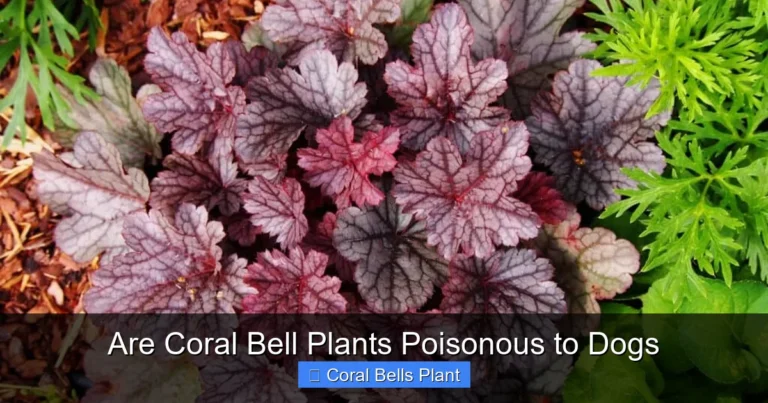
Coral bells (Heuchera) are beloved for their ruffled leaves in shades of purple, lime, caramel, and near-black. They form neat clumps that stay attractive from spring through frost. Yet, without something in front, the base can look bare. A well-chosen flower that go in front of coral bell plant fills that gap, softens edges, and extends the color palette. Let’s explore how to pick and place these partners for maximum impact.
Key Takeaways
- Height matters: Select low-growing flowers that stay shorter than coral bells to maintain visibility.
- Color harmony: Pair warm coral bell foliage with cool-toned blooms for striking contrast.
- Seasonal interest: Mix spring bulbs, summer annuals, and fall perennials for year-round appeal.
- Soil compatibility: Choose companions that thrive in the same well-drained, slightly acidic soil.
- Light needs: Match shade-tolerant flowers with coral bells in partial shade locations.
- Spacing is key: Allow enough room for air circulation to prevent disease.
- Maintenance ease: Opt for low-maintenance flowers that require similar watering and fertilizing schedules.
Quick Answers to Common Questions
What are the best low-growing annuals to plant in front of coral bells?
Sweet alyssum, dwarf marigold, and lobelia are excellent low-growing annuals that bloom all season and stay under 10 inches tall.
Can I plant spring bulbs in front of coral bells?
Yes, dwarf daffodils, species tulips, snowdrops, and crocuses bloom early and go dormant before coral bells fill out, making them perfect partners.
How far apart should I space front-row plants from coral bells?
Leave at least 6 to 12 inches between the front-row plants and the base of coral bells to allow air circulation and room for growth.
Do coral bells and their companions need the same soil pH?
Most recommended companions prefer slightly acidic soil (pH 6.0–6.5), which matches coral bells’ preference, simplifying soil management.
What is a good perennial ground cover for shade with coral bells?
Foamflower (Tiarella) and creeping phlox are shade-tolerant perennials that stay low and complement coral bell foliage beautifully.
📑 Table of Contents
Understanding Coral Bells and Their Garden Role
What Are Coral Bells?
Coral bells are perennial plants native to North America. They grow in tidy mounds, typically 12 to 18 inches tall and wide. Their leaves are the main attraction, offering color long after flowers fade. In late spring, slender stems rise above the foliage, bearing tiny bell-shaped blooms that attract hummingbirds. Because they prefer partial shade and well-drained soil, they fit nicely under trees, along pathways, or in mixed borders.
Why Companion Planting Matters
Companion planting isn’t just about looks. It helps create a healthier ecosystem. The right flower that go in front of coral bell plant can suppress weeds, conserve moisture, and attract beneficial insects. Plus, layering plants of different heights adds visual interest. When you choose companions with similar cultural needs, maintenance becomes simpler. You water, mulch, and fertilize once for the whole grouping.
Best Flowers That Go in Front of Coral Bell Plant
Low-Growing Annuals for Seasonal Color
Annuals give you instant color and flexibility. Try sweet alyssum (Lobularia maritima) for a carpet of white, pink, or purple flowers that bloom all summer. Its honey scent draws pollinators. Another great option is dwarf marigold (Tagetes patula ‘Petite’ series). These stay under 10 inches, offer bright orange or yellow blooms, and deter nematodes. For a cooler palette, plant lobelia (Lobelia erinus) in shades of blue or white. It thrives in the same partial shade as coral bells.
Perennial Ground Covers That Complement Foliage
Perennials return each year, reducing replanting effort. Creeping phlox (Phlox subulata) forms a dense mat of needle-like leaves and spring flowers in pink, purple, or white. It stays low, around 4 to 6 inches, perfect for the front edge. Another stellar choice is foamflower (Tiarella cordifolia). Its maple-shaped leaves and airy white or pink spikes echo the texture of coral bells while tolerating shade. For a golden glow, use creeping Jenny (Lysimachia nummularia ‘Aurea’). Its chartreuse leaves contrast beautifully with dark coral bell varieties.
Bulbs and Early Bloomers for Spring Interest
Spring bulbs pop up before coral bells reach full size, giving early color. Plant dwarf daffodils (Narcissus ‘Tête-à-Tête’) or species tulips (Tulipa kaufmanniana) in clusters. They bloom in March or April, then foliage dies back as coral bells expand. Snowdrops (Galanthus nivalis) and crocuses (Crocus spp.) are even earlier, often flowering through late snow. Because bulbs go dormant, they won’t compete for space later in the season.
Design Principles for Front-of-Border Planting
Height and Layering Considerations
The golden rule: keep front plants shorter than the coral bells behind them. Aim for a maximum height of 8 to 10 inches for the front row. This ensures the coral bell foliage remains visible. If you use a slightly taller annual, like dwarf snapdragon (Antirrhinum majus ‘Dwarf’), place it at the very front so it doesn’t block the view. Stagger planting in a gentle curve rather than a straight line for a natural look.
Color Harmony and Contrast
Coral bell leaves come in many hues. For purple-leaved varieties like ‘Palace Purple’, pair with chartreuse or yellow flowers such as creeping Jenny or yellow alyssum. For lime-green coral bells like ‘Lime Rickey’, choose deep blue lobelia or purple creeping phlox. If you have caramel-colored leaves, soft pink foamflower or white snowdrops create a gentle, sophisticated combo. Always step back and view the pairing from a distance to check balance.
Texture and Form
Mix leaf shapes for added intrigue. Coral bells have rounded, lobed leaves. Contrast them with fine, needle-like foliage of creeping phlox or the heart-shaped leaves of foamflower. Flowers with different forms — spikes, mounds, carpets — keep the eye moving. A carpet of alyssum, a mound of dwarf marigold, and a spike of foamflower together create a dynamic trio.
Practical Planting Tips and Maintenance
Soil Preparation and Spacing
Before planting, loosen the soil to 12 inches deep. Mix in compost to improve drainage and fertility. Coral bells prefer slightly acidic soil (pH 6.0–6.5). Most recommended companions share this preference. Space plants according to their mature spread. For example, plant creeping phlox 12 inches apart, alyssum 6 inches apart, and foamflower 10 inches apart. This prevents overcrowding and promotes air flow.
Watering and Mulching Strategies
Water deeply after planting, then maintain consistent moisture. A 2-inch layer of shredded bark mulch helps retain water and suppress weeds. Keep mulch a few inches away from crowns to prevent rot. During hot spells, check the front-row plants daily; they may dry out faster because they’re closer to the edge of the bed. A soaker hose or drip irrigation delivers water efficiently to the root zone.
Seasonal Care and Division
Deadhead spent flowers on annuals to encourage rebloom. In early spring, cut back any tattered coral bell leaves. Divide coral bells every 3 to 4 years in spring or fall to maintain vigor. Most ground cover companions can be divided at the same time. Bulbs need little care; simply allow foliage to yellow naturally before removing it. Fertilize lightly in spring with a balanced slow-release fertilizer.
Creative Combination Ideas for Different Garden Styles
Cottage Garden Charm
For a romantic cottage feel, plant a flower that go in front of coral bell plant mix of sweet alyssum, dwarf snapdragons, and creeping phlox. Add a few self-seeding annuals like nigella (Nigella damascena) for a relaxed, meadow-like effect. Let some blooms go to seed; they’ll pop up next year in delightful surprises. Edge the bed with a low boxwood hedge for structure.
Modern Minimalist Beds
Modern designs favor clean lines and limited palettes. Choose one coral bell variety, such as ‘Obsidian’ with near-black leaves. Pair it with a single ground cover: either creeping Jenny for chartreuse contrast or black mondo grass (Ophiopogon planiscapus ‘Nigrescens’) for a monochromatic look. Keep spacing precise. Mulch with dark gravel instead of bark for a sleek finish.
Woodland and Shade Gardens
In dappled shade, coral bells thrive alongside native woodlanders. Plant foamflower, wild ginger (Asarum canadense), and Virginia bluebells (Mertensia virginica) as a flower that go in front of coral bell plant. These natives bloom in sequence, providing nectar for early pollinators. Add a layer of leaf mulch to mimic forest floor conditions. The result is a serene, low-maintenance tapestry.
Common Mistakes to Avoid
Overcrowding and Competition
It’s tempting to pack many plants for instant fullness. But crowded roots compete for water and nutrients. This leads to weak growth and disease. Follow spacing guidelines. If you want a fuller look faster, use larger starter pots rather than more plants. Patience pays off with healthier, longer-lived borders.
Ignoring Light Requirements
Coral bells tolerate a range of light, but most prefer morning sun and afternoon shade. Planting sun-loving annuals like petunias in front will cause them to stretch and bloom poorly. Conversely, deep-shade plants may scorch if the front row gets too much sun. Observe your site for a full day before choosing companions.
Neglecting Soil pH and Drainage
Heavy clay or very alkaline soil spells trouble for coral bells and many companions. Test your soil before planting. Amend clay with coarse sand and organic matter. If pH is above 7.0, add elemental sulfur or peat moss to lower it. Good drainage prevents crown rot, a common killer of coral bells.
Creating a stunning border with a flower that go in front of coral bell plant is both an art and a science. By understanding the needs of your coral bells and selecting companions that share those needs, you build a garden that looks great garden that thrives with minimal fuss. Experiment with color, texture, and height. Observe how the combinations change through the seasons. Most importantly, enjoy the process. Your garden will reward you with layers of beauty that invite you to linger a little longer each day.
Frequently Asked Questions
What flowers go well in front of coral bells in full sun?
In full sun, choose heat-tolerant annuals like dwarf zinnias, portulaca, or verbena. Ensure coral bells get afternoon shade to prevent leaf scorch.
Can I use ornamental grasses as a front border for coral bells?
Low ornamental grasses like blue fescue (Festuca glauca) or Japanese forest grass (Hakonechloa macra ‘Aureola’) work well, adding texture and movement.
How do I prevent weeds in a coral bell border with front plants?
Apply a 2-inch mulch layer, plant densely to shade soil, and hand-pull weeds early. Ground covers like creeping phlox naturally suppress weeds.
When is the best time to plant companions for coral bells?
Spring and early fall are ideal. Planting in cool, moist conditions helps roots establish before summer heat or winter cold.
Do coral bells need fertilizer if I plant companions around them?
A light application of balanced slow-release fertilizer in spring benefits both coral bells and companions. Avoid over-fertilizing, which can cause weak growth.
Can I grow coral bells and front-row flowers in containers?
Yes, use a large pot with good drainage. Choose compact varieties for both coral bells and companions. Water more frequently than in-ground plantings.