What Are the Needs of a Coral Bell Plant
Coral bell plants (Heuchera) thrive in partial shade with well-draining, humus-rich soil and consistent moisture. These low-maintenance perennials reward gardeners with stunning foliage colors from lime green to deep purple when their basic needs for light, water, and nutrients are met.
Key Takeaways
- Light requirements: Coral bells prefer partial shade, especially in hot climates, though some varieties tolerate full sun with adequate moisture.
- Soil preferences: Well-draining, organic-rich soil with a slightly acidic to neutral pH (6.0-7.0) is ideal for healthy root development.
- Watering needs: Keep soil consistently moist but not soggy; water deeply once or twice weekly depending on weather conditions.
- Fertilizing schedule: Apply a balanced, slow-release fertilizer in early spring; avoid over-fertilizing which can reduce foliage color intensity.
- Division timing: Divide mature clumps every 3-4 years in spring or fall to maintain vigor and prevent center die-out.
- Winter care: Mulch around the base in late fall to protect crowns from freeze-thaw cycles in colder zones.
- Pest resistance: Generally deer and rabbit resistant, but watch for vine weevils, foliar nematodes, and fungal issues in overly wet conditions.
Quick Answers to Common Questions
How much sun does a coral bell plant need?
Most coral bell plants prefer partial shade with 4-6 hours of morning sun. Some darker-leaved varieties tolerate more sun if kept consistently moist.
What type of soil is best for coral bells?
Well-draining, humus-rich soil with a pH of 6.0-7.0 is ideal. Amend heavy clay with compost and coarse sand to improve drainage.
How often should I water my coral bell plant?
Water deeply when the top 2 inches of soil feel dry. Typically once or twice weekly, more often in containers or during hot weather.
When should I divide my coral bell plant?
Divide every 3-4 years in early spring or early fall when the center becomes woody or growth declines.
Are coral bell plants deer resistant?
Yes, coral bells are generally deer and rabbit resistant due to their astringent foliage, though hungry animals may sample new plantings.
📑 Table of Contents
- Introduction
- Understanding the Coral Bell Plant
- Light Requirements for Coral Bell Plants
- Soil Needs for Healthy Growth
- Watering Your Coral Bell Plant
- Fertilizing for Vibrant Foliage
- Planting and Spacing Guidelines
- Seasonal Care and Maintenance
- Dividing and Propagating Coral Bells
- Common Problems and Solutions
- Choosing the Right Variety for Your Garden
- Designing with Coral Bell Plants
- Conclusion
Introduction
If you have ever walked through a shade garden and spotted ruffled leaves in shades of caramel, burgundy, lime, or silver, you have likely met the coral bell plant. Known botanically as Heuchera, these North American natives have become garden superstars. Their foliage steals the show long after their delicate bell-shaped flowers fade. But what does a coral bell plant actually need to look its best? The answer is simpler than you might think.
I have grown coral bells for years in my own garden beds and containers. Through trial, error, and plenty of research, I have learned that these plants are surprisingly adaptable. They ask for a few basics: the right light, decent soil, consistent moisture, and a little seasonal attention. Give them that, and they will reward you with color from early spring until hard frost. In this guide, I will walk you through every need of a coral bell plant so you can grow them with confidence.
Understanding the Coral Bell Plant
What Is a Coral Bell Plant?
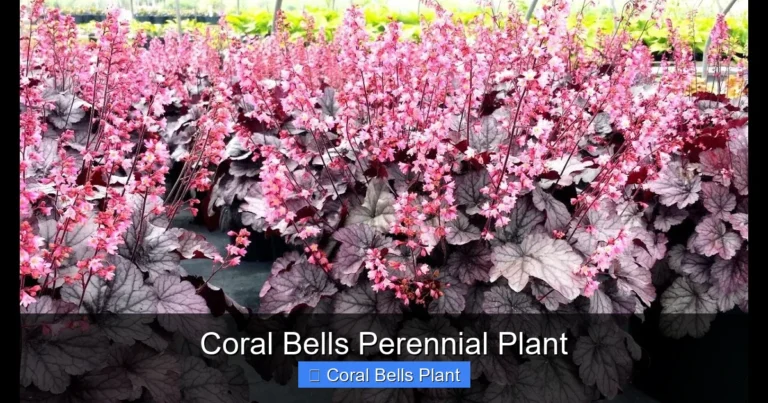
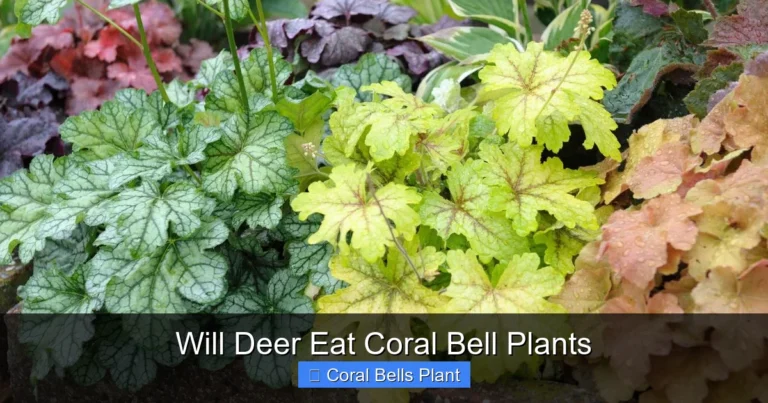
The coral bell plant belongs to the genus Heuchera, part of the Saxifragaceae family. There are roughly 50 species native to North America, ranging from woodland floors to rocky cliffs. Plant breeders have created hundreds of cultivars. They focus on leaf color, texture, and form rather than the tiny flowers. You will find leaves in chocolate, peach, chartreuse, purple, silver, and near-black. Some have ruffled edges. Others have dramatic veining. The flowers appear on wiry stems in late spring to early summer. They attract hummingbirds and pollinators.
Why Gardeners Love Them
Coral bells are versatile. They work in borders, rock gardens, woodland settings, and containers. They play well with hostas, ferns, astilbes, and Japanese forest grass. Their mounding habit stays neat. Most varieties reach 12 to 18 inches tall and wide. They are evergreen or semi-evergreen in mild climates. In cold zones, they die back but return reliably. They are also low-maintenance once established. That makes them perfect for busy gardeners who want high impact with low fuss.
Light Requirements for Coral Bell Plants
Partial Shade Is the Sweet Spot
Most coral bell plants thrive in partial shade. That means four to six hours of morning sun or dappled light throughout the day. Morning sun intensifies leaf color. Afternoon shade protects leaves from scorching. In northern climates (zones 3-5), many varieties handle more sun. In southern zones (7-9), afternoon shade is non-negotiable. If you are unsure, start with partial shade. You can always move a plant later.
Sun-Tolerant Varieties
Some cultivars have been bred for greater sun tolerance. Look for varieties like ‘Palace Purple,’ ‘Obsidian,’ ‘Midnight Rose,’ and ‘Caramel.’ These have thicker leaves or darker pigments that resist burning. Even sun-tolerant types need consistent moisture. Dry soil plus hot sun equals crispy edges. If you plant in full sun, mulch well and water deeply.
Deep Shade Considerations
Coral bells survive in deep shade, but they may become leggy. Leaf color often fades to green. Flower production drops. If your only spot is deep shade, choose green-leaved species like Heuchera villosa or H. americana. They perform better in low light than the fancy hybrids.
Signs of Light Stress
Watch your plants. Bleached, white patches on leaves mean too much sun. Stretched stems and dull color mean too little. Adjust by moving containers or transplanting in early spring or fall. A coral bell plant tells you what it needs if you pay attention.
Soil Needs for Healthy Growth
Drainage Is Critical
The number one killer of coral bell plants is wet feet. They hate standing water. Their crowns rot quickly in heavy clay or poorly drained sites. Before planting, test your drainage. Dig a hole 12 inches deep. Fill with water. If it drains in under an hour, you are good. If it sits for hours, amend heavily or choose a raised bed or container.
Ideal Soil Composition
A coral bell plant wants loamy, humus-rich soil. Think forest floor. Mix your native soil with compost, leaf mold, or well-rotted manure at a 1:1 ratio. Add coarse sand or fine bark if your soil is heavy. The goal is a light, crumbly texture that holds moisture but lets excess drain away.
pH Preferences
Slightly acidic to neutral pH (6.0 to 7.0) is ideal. Most garden soils fall in this range. If you are unsure, a simple soil test kit costs under $20. Acidic soil enhances red and purple pigments. Alkaline soil may cause chlorosis (yellowing between veins). If needed, amend with elemental sulfur to lower pH or lime to raise it.
Container Soil Mix
For pots, use a high-quality potting mix designed for perennials. Avoid garden soil. It compacts in containers. Mix in perlite or pumice for extra drainage. A good recipe: two parts potting mix, one part compost, one part perlite. Top with a thin layer of fine bark mulch to retain moisture.
Watering Your Coral Bell Plant
Consistent Moisture Is Key
A coral bell plant likes soil that feels like a wrung-out sponge. Not bone dry. Not sopping wet. Check by sticking your finger two inches into the soil. If it feels dry at that depth, water. In spring and fall, once a week may suffice. In summer heat, you might water every two to three days. Containers dry faster. Check daily in July and August.
How to Water Properly
Water at the base of the plant. Avoid wetting the foliage. Wet leaves invite fungal diseases like powdery mildew and rust. Use a soaker hose, drip irrigation, or a watering can with a long spout. Water deeply so moisture reaches the root zone. Shallow watering encourages shallow roots.
Mulching to Retain Moisture
Apply a two-inch layer of organic mulch around your coral bell plant. Shredded bark, leaf mold, pine straw, or compost all work. Keep mulch away from the crown. A mulch volcano against the stem causes rot. Mulch also suppresses weeds and moderates soil temperature.
Seasonal Watering Adjustments
Reduce watering in late fall as plants enter dormancy. In winter, water only during prolonged dry spells when the ground isn’t frozen. Resume regular watering in early spring when new growth appears. Newly planted coral bells need more frequent watering for the first six to eight weeks while roots establish.
Fertilizing for Vibrant Foliage
Less Is More
Coral bells are light feeders. Too much fertilizer, especially nitrogen, produces lush green growth at the expense of color. It also makes plants more susceptible to pests and disease. A single application of balanced, slow-release fertilizer in early spring is usually enough.
Choosing the Right Fertilizer
Look for a granular fertilizer with an NPK ratio near 10-10-10 or 14-14-14. Organic options like composted manure, worm castings, or fish meal work beautifully. They release nutrients slowly and improve soil structure. Scatter granules around the drip line, not against the crown. Water in well.
Foliar Feeding Option
For a mid-season boost, you can apply a diluted liquid seaweed or fish emulsion spray to the leaves. Do this in early morning or on a cloudy day. Monthly applications from May through July can enhance color and vigor. Stop fertilizing by August. You want plants to harden off before winter.
Signs of Nutrient Issues
Pale leaves with dark veins suggest iron deficiency, often from high pH. Yellowing older leaves may indicate nitrogen shortage. Stunted growth with purple tints can mean phosphorus lack. But before you fertilize, check soil moisture and pH. Many “nutrient” problems are actually root environment issues.
Planting and Spacing Guidelines
When to Plant
Spring and fall are the best times to plant a coral bell plant. Spring planting gives roots a full season to establish before winter. Fall planting works well in zones 6 and warmer. Plant at least six weeks before your average first frost date. Summer planting is possible but requires diligent watering.
Spacing for Air Flow
Space plants 12 to 18 inches apart depending on mature size. Good air circulation prevents fungal diseases. Crowded plants stay damp longer after rain. If you are planting a drift, stagger them in a triangle pattern rather than straight rows. It looks more natural and improves airflow.
Planting Depth Matters
This is crucial. Plant the crown (where stems meet roots) at or slightly above soil level. Burying the crown leads to rot. If the plant sits too high, roots dry out. Gently firm soil around roots. Water thoroughly to settle soil and eliminate air pockets. Mulch after planting.
Companion Planting Ideas
Coral bells shine alongside shade lovers with contrasting textures. Pair purple-leaved ‘Obsidian’ with chartreuse Japanese forest grass. Plant silver ‘Citronelle’ next to blue hostas. Use ‘Caramel’ to warm up a bed of ferns. They also work under deciduous trees where they get spring sun and summer shade.
Seasonal Care and Maintenance
Spring Cleanup
In early spring, remove any winter-damaged leaves. Cut them at the base with clean scissors. Be gentle. New growth emerges from the crown. Apply your slow-release fertilizer now. Refresh mulch if it has broken down. Check for heaved plants. Freeze-thaw cycles can push crowns up. Gently press them back down.
Summer Grooming
Deadhead spent flower stalks to tidy the plant and redirect energy to foliage. Cut stems to the base. Remove any yellow or damaged leaves throughout the season. In hot, humid weather, thin dense centers to improve airflow. This prevents crown rot and foliar diseases.
Fall Preparation
Stop fertilizing by late summer. Let growth slow naturally. After a few hard frosts, cut back flower stems. Leave the basal foliage. It protects the crown over winter. Apply a fresh layer of mulch (two to three inches) after the ground freezes. This prevents heaving. In zones 3-4, add evergreen boughs for extra insulation.
Winter Protection
Most coral bells are hardy to zone 4, some to zone 3. In containers, they need extra protection. Move pots to an unheated garage or sink them in the ground. Water monthly if soil thaws and is dry. Avoid salt spray from roads. It burns foliage. In spring, pull back mulch gradually as temperatures rise.
Dividing and Propagating Coral Bells
When to Divide
Divide a coral bell plant every three to four years. Signs it’s time: center die-out, reduced vigor, smaller leaves, fewer flowers. Spring (just as growth starts) and early fall are ideal. Avoid dividing in summer heat or winter dormancy.
How to Divide
Dig up the entire clump. Shake off excess soil. You will see a woody crown with multiple growing points. Use a sharp knife or spade to cut the crown into sections. Each division needs healthy roots and at least two to three shoots. Replant immediately at the same depth. Water well. Keep shaded and moist for two weeks.
Growing from Seed
Species coral bells grow true from seed. Hybrids do not. If you want to experiment, collect seed pods when they turn brown. Sow fresh seed on the surface of moist seed-starting mix. Do not cover. Light aids germination. Keep at 65-70°F. Germination takes two to eight weeks. Transplant seedlings when they have true leaves.
Leaf Cuttings
Some gardeners propagate from leaf cuttings. Cut a healthy leaf with a short petiole. Dip in rooting hormone. Insert into moist perlite or sand. Cover with a plastic bag. Place in bright, indirect light. Roots form in four to six weeks. This works best with species types. Hybrids are hit or miss.
Common Problems and Solutions
Fungal Diseases
Powdery mildew appears as white dust on leaves. It thrives in humid, stagnant air. Improve spacing. Water at soil level. Apply neem oil or potassium bicarbonate spray at first sign. Rust shows as orange pustules on leaf undersides. Remove affected leaves. Avoid overhead watering. Crown rot causes sudden wilting. It’s usually fatal. Prevention through drainage is your only real defense.
Insect Pests
Vine weevil adults notch leaf edges at night. Larvae eat roots. Apply beneficial nematodes to soil in spring and fall. Foliar nematodes cause angular brown patches between veins. They spread via water splash. Remove infected leaves. Avoid overhead irrigation. Aphids cluster on new growth. Blast with water or use insecticidal soap. Slugs and snails love tender new leaves. Use beer traps, copper tape, or iron phosphate bait.
Environmental Stress
Leaf scorch (brown, crispy edges) means too much sun or not enough water. Move or water more. Frost heaving exposes roots. Mulch heavily in fall. Salt damage causes marginal browning. Flush soil with water in spring. Deer and rabbits rarely browse coral bells, but they may sample new plantings. Use repellent spray for the first few weeks.
Choosing the Right Variety for Your Garden
Top Picks for Color
For deep purple: ‘Obsidian,’ ‘Palace Purple,’ ‘Forever Purple.’ For chartreuse: ‘Lime Rickey,’ ‘Electra,’ ‘Citronelle.’ For caramel and peach: ‘Caramel,’ ‘Peach Flambe,’ ‘Georgia Peach.’ For silver: ‘Silver Scrolls,’ ‘Appletini,’ ‘Berry Smoothie.’ For near-black: ‘Black Pearl,’ ‘Onyx,’ ‘Midnight Rose.’ Visit a local nursery in spring to see colors in person. Photos can be deceiving.
Best for Heat and Humidity
Heuchera villosa hybrids handle southern summers best. Look for ‘Autumn Bride,’ ‘Mocha,’ ‘Caramel,’ ‘Citronelle,’ and the Primo series. They have thicker, hairier leaves that resist fungal issues. If you garden in the Deep South, prioritize these genetics.
Best for Cold Climates
Heuchera sanguinea and H. americana species types are toughest. ‘Palace Purple’ (a sanguinea hybrid) is a classic cold-climate performer. The Northern Exposure series was bred for zone 3 hardiness. In zones 3-4, mulch heavily and site in protected spots.
Container Superstars
Compact varieties shine in pots. ‘Delta Dawn,’ ‘Fire Alarm,’ ‘Guacamole,’ and ‘Zipper’ stay under 12 inches. Pair with trailing plants like creeping jenny or ivy. Use a 12-inch pot minimum. Larger pots dry slower and insulate roots better.
Designing with Coral Bell Plants
Foliage-Focused Borders
Design a border using coral bells as the backbone. Repeat three to five varieties in drifts. Mix leaf shapes and colors. Anchor with evergreen shrubs or ornamental grasses. Add seasonal bulbs for spring pop. The foliage carries the bed all season.
Rock Garden Gems
Species types like Heuchera sanguinea and H. cylindrica thrive in rocky, well-drained sites. Tuck them between stones. Their roots follow crevices. They naturalize beautifully. Combine with sedums, thymes, and dwarf conifers.
Woodland Garden Layers
In a shade garden, layer coral bells under small trees and shrubs. Plant in groups of odd numbers (3, 5, 7). Mix with native wildflowers like foamflower, wild ginger, and trillium. Let them self-sow gently. They create a living mulch that suppresses weeds.
Container Combinations
Use the thriller-filler-spiller formula. Coral bell plant as filler. Add a tall grass or fern as thriller. Trail sweet potato vine or lobelia as spiller. Choose pot colors that echo leaf tones. A copper pot with ‘Caramel’ is stunning. A glazed blue pot with ‘Silver Scrolls’ pops.
Conclusion
Growing a coral bell plant is one of the most satisfying things you can do in a shade garden. They ask for so little: decent soil, consistent moisture, a bit of shade, and an annual haircut. In return, they give you months of foliage color that most flowers can’t match. They are tough, adaptable, and endlessly varied. Whether you tuck one into a container or mass fifty in a woodland drift, they deliver.
Start with one variety that catches your eye. Plant it well. Watch it through the seasons. You will learn its rhythms. Before long, you will be the neighbor with the “amazing purple plant” everyone asks about. And you will know the secret. It’s not magic. It’s just meeting the needs of a coral bell plant. Happy gardening.
Frequently Asked Questions
Can coral bells grow in full shade?
Coral bells survive in full shade but may become leggy and lose vibrant leaf color. Green-leaved species like Heuchera villosa perform better in deep shade than colorful hybrids.
Why are my coral bell leaves turning brown and crispy?
Brown crispy edges usually indicate too much sun, insufficient water, or both. Move to a shadier spot or increase watering frequency. Mulch well to retain soil moisture.
Do coral bells need to be cut back in fall?
Leave basal foliage over winter to protect the crown. Remove only spent flower stalks. In spring, trim away any winter-damaged leaves as new growth emerges.
Can I grow coral bells in containers?
Yes, coral bells thrive in containers. Use a well-draining potting mix, a pot at least 12 inches wide, and water more frequently than in-ground plants. Protect pots in winter in cold zones.
What causes the center of my coral bell plant to die out?
Center die-out is natural as plants age, usually after 3-4 years. It signals time to divide. Dig up the clump, discard the woody center, and replant the vigorous outer sections.
Are coral bell flowers worth keeping?
The delicate bell-shaped flowers attract hummingbirds and pollinators. Many gardeners enjoy them, but deadheading redirects energy to foliage growth. Cut stems at the base after blooming if you prefer a tidy look.