Coral Bells Planting Ideas
Coral bells (Heuchera) offer year-round foliage color and delicate blooms perfect for shade gardens. This guide covers creative planting ideas, companion combinations, design layouts, and essential care tips to help you create stunning displays in borders, containers, and woodland settings.
If you have ever walked through a shade garden and spotted those gorgeous mounds of ruffled leaves in shades of purple, caramel, lime, or near-black, you have likely met coral bells. These perennial superstars, botanically known as Heuchera, have become absolute favorites for gardeners dealing with shady spots. They bring color when flowers are scarce. They offer texture when everything else looks flat. And they ask for very little in return.
Today we are diving deep into coral bells planting ideas that will transform your shaded beds, borders, and containers. Whether you are a beginner looking for easy wins or a seasoned gardener wanting fresh design inspiration, this guide has you covered. We will explore creative combinations, practical placement strategies, seasonal care, and design principles that make these plants shine. Grab a cup of tea. Let us get started.
Key Takeaways
- Versatile shade performers: Coral bells thrive in partial to full shade with well-draining soil, making them ideal for difficult garden spots.
- Year-round foliage interest: With colors ranging from lime green to deep purple, black, caramel, and silver, Heuchera provides consistent visual appeal.
- Perfect container candidates: Their compact mounding habit makes coral bells excellent for pots, window boxes, and mixed planters.
- Excellent companion plants: Pair with hostas, ferns, astilbe, and Japanese forest grass for textural contrast in shade gardens.
- Low maintenance once established: Minimal pruning, moderate watering, and occasional division keep plants healthy for years.
- Deer and rabbit resistant: The slightly fuzzy, bitter-tasting foliage deters common garden pests naturally.
- Attract pollinators: Delicate bell-shaped flowers on tall stems draw hummingbirds and bees in late spring to early summer.
Quick Answers to Common Questions
Can coral bells grow in full sun?
Some newer varieties tolerate full sun in cooler climates with consistent moisture, but most prefer partial shade. Morning sun with afternoon shade is ideal for the best foliage color and plant health.
How often should I water coral bells?
Water newly planted coral bells regularly to establish roots. Once established, water deeply once a week during dry spells. Avoid overhead watering to prevent fungal diseases on the foliage.
When is the best time to divide coral bells?
Early spring as new growth emerges or early fall (September) are the best times to divide coral bells. This gives divisions time to establish roots before extreme temperatures.
Why are my coral bells leaves turning brown and crispy?
Brown crispy leaves usually indicate too much sun, insufficient water, or vine weevil damage. Check soil moisture, assess sun exposure, and inspect roots for white C-shaped grubs.
Do coral bells come back every year?
Yes, coral bells are hardy perennials that return reliably in USDA zones 4-9. They are evergreen to semi-evergreen in mild winters and herbaceous in colder zones, regrowing from the crown each spring.
📑 Table of Contents
- Understanding Coral Bells: The Basics Every Gardener Should Know
- Choosing the Right Location for Your Coral Bells
- Creative Coral Bells Planting Ideas for Every Garden Style
- Companion Planting with Coral Bells
- Seasonal Care and Maintenance Tips
- Designing with Coral Bells: Color Combinations and Layouts
- Conclusion: Your Coral Bells Journey Starts Now
Understanding Coral Bells: The Basics Every Gardener Should Know
Before we jump into specific coral bells planting ideas, let us cover the fundamentals. Knowing what these plants need helps you site them correctly from day one. That saves time, money, and frustration.
What Are Coral Bells?
Coral bells belong to the genus Heuchera, native to North America. They are herbaceous perennials grown primarily for their spectacular foliage. The leaves form neat mounds, typically 12 to 18 inches tall and wide. In late spring to early summer, wiry stems rise above the foliage carrying tiny bell-shaped flowers. Those flowers give the plant its common name. They are usually pink, red, white, or cream. Hummingbirds love them.
Foliage: The Real Showstopper
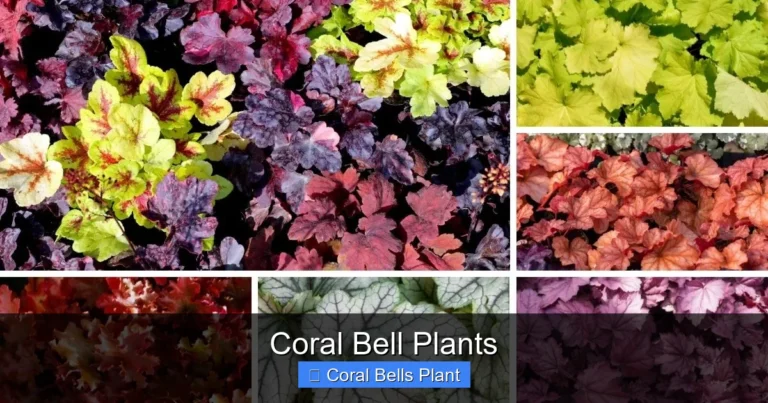
Modern breeding has exploded the color palette. You can find coral bells in deep purple (‘Palace Purple’, ‘Black Pearl’), bright chartreuse (‘Lime Rickey’, ‘Electra’), warm caramel (‘Caramel’, ‘Peach Flambe’), silvery pewter (‘Silver Scrolls’), and even variegated forms. Many varieties change color with the seasons. New spring growth often differs from mature summer leaves. Fall brings another shift. This chameleon quality makes coral bells planting ideas endlessly versatile.
Growing Requirements at a Glance
- Light: Partial shade is ideal. Morning sun with afternoon shade works beautifully. Some newer varieties tolerate more sun if kept moist. Deep shade reduces flowering but foliage remains attractive.
- Soil: Well-draining, humus-rich soil. They hate wet crowns. Heavy clay needs amendment with compost or planting in raised beds.
- Water: Consistent moisture during establishment. Once established, moderate drought tolerance. Avoid overhead watering to prevent foliar diseases.
- Hardiness: Most varieties thrive in USDA zones 4 through 9. Check specific cultivar tags.
- Spacing: Plant 12 to 18 inches apart for mass plantings. Give specimen plants 24 inches for full maturity.
Common Mistakes to Avoid
Planting too deep is the number one killer. The crown — where stems meet roots — must sit at or slightly above soil level. Burying it causes crown rot. Another mistake is planting in soggy low spots. Improve drainage or choose a different location. Finally, do not panic if leaves look tattered after winter. Fresh growth emerges quickly in spring. Simply trim away the old foliage.
Choosing the Right Location for Your Coral Bells
Successful coral bells planting ideas start with smart site selection. These plants are adaptable, but they have preferences. Match the variety to the spot for best results.
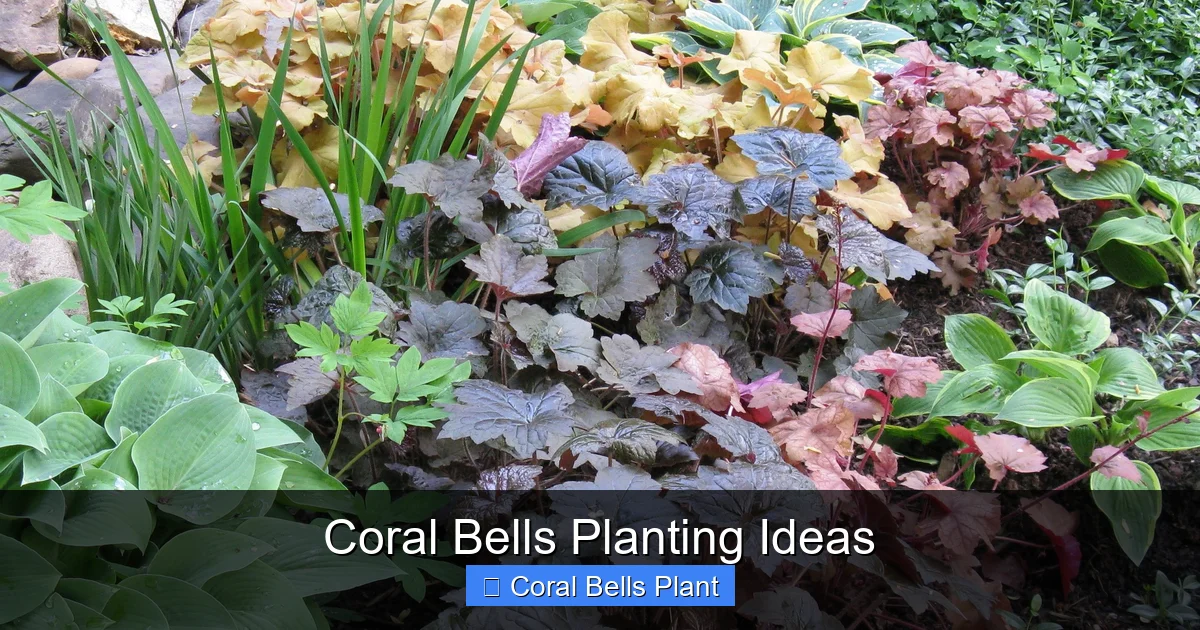
Visual guide about Coral Bells Planting Ideas
Image source: i.pinimg.com
Assessing Your Shade Conditions
Not all shade is equal. Dappled shade under deciduous trees provides bright light in spring before leaves emerge, then gentle filtered light in summer. This is the sweet spot for most Heuchera. North-facing foundations offer consistent shade but can be dark. East-facing beds catch morning sun — perfect for colorful varieties. West-facing afternoon sun is harsh; only sun-tolerant cultivars like ‘Southern Comfort’ or ‘Fire Alarm’ should go there.
Soil Preparation Techniques
Dig a hole twice as wide as the root ball but no deeper. Mix the excavated soil with equal parts compost. This improves drainage and adds nutrients. If your soil is heavy clay, add coarse sand or fine gravel to the mix. For sandy soils, extra compost helps retain moisture. A handful of slow-release balanced fertilizer in the planting hole gives a gentle start.
Microclimates Matter
Walls, fences, large shrubs, and pavement create microclimates. A spot near a stone wall stays warmer in winter and may push early growth that gets nipped by late frost. Low areas collect cold air and moisture. Raised beds and slopes improve drainage. Observe your garden through the seasons before committing to a planting plan.
Container Placement Strategies
Containers let you cheat the conditions. Place pots where in-ground planting fails — under dense evergreens, on shaded patios, beside north-facing entries. Use high-quality potting mix with perlite. Ensure drainage holes are clear. Elevate pots on feet or bricks. Group containers for visual impact and easier watering. Remember pots dry faster and freeze harder. Choose varieties rated one zone hardier than your area for container culture.
Creative Coral Bells Planting Ideas for Every Garden Style
Now for the fun part. Let us explore specific coral bells planting ideas organized by garden style. You will find inspiration whether your taste runs formal, wild, modern, or cottage.
Woodland Garden Drifts
In a woodland setting, mimic nature. Plant coral bells in loose drifts of odd numbers — three, five, seven — along paths or beneath canopy trees. Mix two or three varieties with contrasting foliage. Try ‘Caramel’ (warm amber) with ‘Plum Pudding’ (deep purple) and ‘Citronelle’ (electric lime). The color play shifts through seasons. Intersperse with native ferns, foamflower (Tiarella), and wild ginger (Asarum). Let them self-sow gently. The effect is effortless and magical.
Formal Shade Borders
For structured gardens, use coral bells as edging plants. Space them evenly along a shaded walkway or at the front of a border backed by boxwood or yew hedges. Choose a single variety for uniformity. ‘Obsidian’ with its glossy near-black leaves creates a crisp, modern line. ‘Snow Angel’ with white-frosted green foliage brightens dark edges. Clip the hedge neatly. Mulch with dark compost. The contrast is sophisticated and low maintenance.
Cottage Garden Charm
Cottage gardens embrace abundance and romance. Tuck coral bells among old-fashioned favorites. Pair ‘Georgia Peach’ (peachy-orange with silver overlay) with pink astilbe, blue campanula, and white bleeding heart. Add lady’s mantle (Alchemilla) for chartreuse froth. Let plants mingle and self-seed. The ruffled Heuchera leaves echo the texture of nearby roses and peonies. Deadhead spent flowers to encourage rebloom. The result feels collected over time.
Modern Minimalist Designs
Contemporary gardens favor bold foliage, clean lines, and limited palettes. Mass a single dramatic variety in geometric blocks. ‘Black Pearl’ forms dense, jet-black mounds with ruffled edges. Plant in a grid pattern with 18-inch spacing. Mulch with black lava rock or dark gravel. Surround with architectural plants like Japanese forest grass (Hakonechloa macra ‘All Gold’) or upright sedges. The simplicity is striking. Lighting uplights the foliage at night.
Rock Garden and Alpine Accents
Smaller Heuchera species and cultivars thrive in rock gardens. Heuchera sanguinea (the true coral bells with showy red flowers) and compact hybrids like ‘Petite Pearl Fairy’ fit perfectly between stones. Plant in gritty, fast-draining soil. Position where you can appreciate the flowers up close — along a stepping stone path or at the edge of a raised trough. Combine with sedums, sempervivums, and dwarf conifers. The evergreen foliage provides winter structure when alpines go dormant.
Container Combinations That Wow
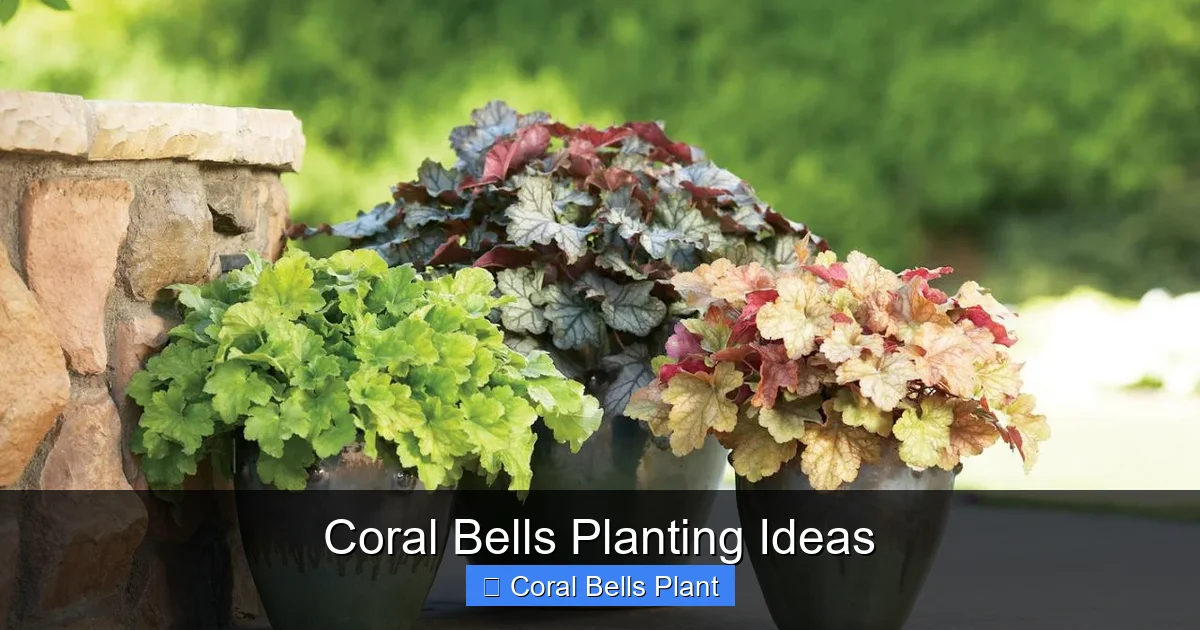
Coral bells are container superstars. Their mounding habit fills a pot beautifully without overwhelming companions. For a shade container, use the thriller-filler-spiller formula. Thriller: Japanese painted fern or upright carex. Filler: two coral bells varieties — ‘Electric Lime’ and ‘Midnight Rose’ (black leaves with pink spots). Spiller: creeping jenny (Lysimachia nummularia ‘Aurea’) or variegated ivy. Water consistently. Feed monthly with diluted liquid fertilizer. Refresh the planting annually or divide and repot in spring.
Companion Planting with Coral Bells
Great coral bells planting ideas rely on thoughtful companions. The right neighbors enhance foliage color, extend seasonal interest, and create ecological benefits. Let us explore winning combinations.
Texture Contrasts: Ferns and Grasses
Coral bells have broad, rounded, often ruffled leaves. Fine-textured plants highlight this form. Japanese painted fern (Athyrium niponicum ‘Pictum’) offers silver, burgundy, and green fronds that echo Heuchera colors. Maidenhair fern (Adiantum) adds delicate lace. For grassy texture, Japanese forest grass (Hakonechloa macra) cascades like a golden waterfall. ‘All Gold’ is brilliant. ‘Aureola’ has green and gold stripes. Carex ‘Ice Dance’ (white-edged sedge) provides upright structure. These combos stay attractive all season.
Bloom Sequence Partners
Coral bells flower in late spring to early summer. Bridge the gaps with companions that bloom before, during, and after. Early spring: hellebores (Lenten rose), pulmonaria (lungwort), and epimedium (barrenwort). Mid-spring: bleeding heart (Dicentra), brunnera (Siberian bugloss), and columbine (Aquilegia). Summer: astilbe (feathery plumes), hosta (lavender or white spikes), and ligularia (yellow daisies). Fall: Japanese anemone, toad lily (Tricyrtis), and autumn fern new growth. This relay ensures continuous flowers.
Color Echoes and Harmonies
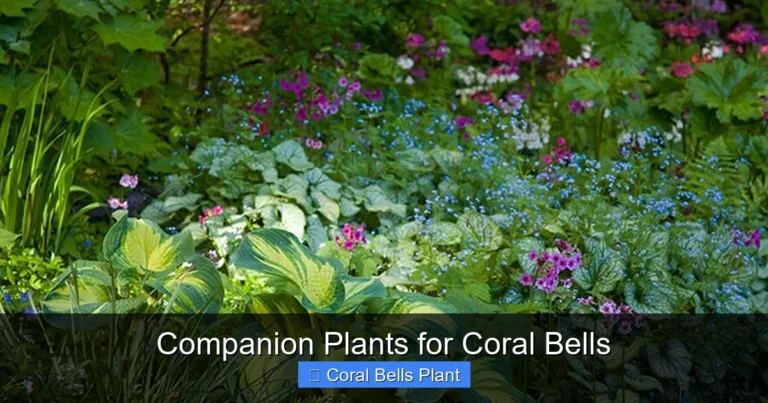
Use color theory to create cohesion. For a cool palette, pair purple-black Heuchera (‘Obsidian’, ‘Blackout’) with blue hostas (‘Halcyon’, ‘Blue Angel’), silver brunnera (‘Jack Frost’), and white-flowered astilbe (‘Bridal Veil’). For warm tones, combine caramel and peach varieties (‘Caramel’, ‘Georgia Peach’, ‘Peach Flambe’) with golden hostas (‘Sum and Substance’), yellow corydalis, and orange daylilies. Monochromatic schemes using shades of green — chartreuse, jade, forest — are surprisingly dynamic.
Ground Cover Layering
Coral bells work as the middle layer in a three-tier shade planting. Tall layer: hydrangeas, rhododendrons, or Japanese maples. Middle layer: Heuchera, heucherella (foamy bells), and tiarella (foamflower). Ground layer: creeping phlox, ajuga, sweet woodruff (Galium), or European ginger (Asarum europaeum). This layering suppresses weeds, conserves moisture, and creates a lush, complete look. Choose ground covers that are not overly aggressive.
Pollinator and Wildlife Support
While coral bells attract hummingbirds, their flowers are small. Add nectar-rich companions to build a pollinator buffet. Columbine (Aquilegia) for early hummingbirds. Bee balm (Monarda) for summer bees and butterflies — choose mildew-resistant varieties for shade. Turtlehead (Chelone) for late-season bumblebees. Native woodland phlox (Phlox divaricata) for spring moths. Leave some leaf litter for overwintering beneficial insects. A diverse planting supports a healthy garden ecosystem.
Seasonal Care and Maintenance Tips
Even the best coral bells planting ideas need proper care to thrive long-term. These plants are low maintenance, not no maintenance. A little attention at the right times pays off.
Spring Wake-Up Routine
As soon as snow melts and ground thaws, assess your plants. Remove winter mulch gradually. Trim away any tattered, brown, or damaged leaves at the base. Be gentle — new growth emerges from the crown center. Apply a thin layer of compost around plants, keeping it off the crown. This feeds slowly and improves soil structure. If plants have heaved out of the ground from freeze-thaw cycles, gently firm them back in or replant at correct depth. Water if spring is dry.
Summer Vigilance
Monitor moisture during hot spells. Water deeply at the base, not overhead. Wet foliage invites fungal issues like powdery mildew and rust. Deadhead spent flower stems to the base to tidy appearance and sometimes encourage a light rebloom. Watch for foliar nematodes — they cause angular brown patches between leaf veins. Remove and destroy affected leaves. Do not compost them. Scout for vine weevil adults (notched leaf edges) and treat with nematodes if needed.
Fall Preparation
Stop fertilizing by late summer to harden growth. Leave foliage intact through winter — it protects the crown. In very cold zones (4-5), apply a light mulch of shredded leaves or straw after ground freezes. This prevents heaving. Do not use heavy bark mulch that holds moisture against the crown. Mark plant locations if they die back completely, so you do not accidentally disturb them during spring cleanup.
Division: When and How
Coral bells benefit from division every 3 to 4 years. Signs: center dies out, flowering declines, plant looks woody. Best time: early spring as new growth emerges, or early fall (September) so roots establish before winter. Dig the entire clump. Wash or shake off soil. Pull or cut apart into sections, each with healthy roots and several growth points. Discard woody centers. Replant immediately at correct depth. Water well. Divisions often bloom the same year.
Pest and Disease Management
Healthy plants in good conditions rarely have serious problems. Prevention is key. Provide air circulation — do not overcrowd. Water at soil level. Mulch to prevent soil splash. Rotate planting areas if disease builds up. Common issues: powdery mildew (white coating) in humid, stagnant air; rust (orange pustules) on leaf undersides; crown rot from deep planting or poor drainage; vine weevil larvae eating roots. Treat organically first. Neem oil, copper fungicide, beneficial nematodes. Remove severely affected plants to protect neighbors.
Designing with Coral Bells: Color Combinations and Layouts
Let us get practical with design principles. These coral bells planting ideas focus on layout strategies, color theory, and real-world examples you can adapt.
The Rule of Three (Or Five, Or Seven)
Odd numbers look natural. Even numbers look formal. For drifts and masses, plant in groups of three, five, seven, or nine. Space plants so mature foliage touches or slightly overlaps — usually 12 to 15 inches apart for most varieties. This creates a continuous carpet that suppresses weeds. For specimen plants, give them room to be seen as individuals — 24 to 30 inches from neighbors. Use odd-numbered groups of specimens too: three special varieties placed at intervals along a border.
Creating Focal Points
Use the most dramatic varieties as focal points. ‘Fire Alarm’ (bright red spring foliage), ‘Electra’ (gold with red veins), ‘Midnight Rose’ (black with hot pink spots) — these demand attention. Place them where the eye naturally lands: at a path junction, beside a bench, near a water feature, at the end of a sight line. Surround with quieter plants — solid green ferns, simple hostas — so the star performs solo. One focal point per view is enough. Too many creates visual chaos.
Color Blocking for Impact
Mass a single color for bold effect. A river of chartreuse ‘Lime Rickey’ flowing under a dark-leaved Japanese maple is unforgettable. A block of deep purple ‘Palace Purple’ edging a white gravel path defines the line crisply. Color blocking works best with varieties that hold their color reliably. Some change dramatically — check nursery tags and reviews. Plant in curves, not straight lines, for natural flow. Repeat the color block elsewhere in the garden for rhythm.
Vertical Layering in Shade
Shade gardens often lack vertical interest. Coral bells are low. Add height behind them. Tall: bugbane (Actaea) with fragrant white spires in fall, goatsbeard (Aruncus) with creamy plumes in early summer, martagon lilies with whorled leaves and Turk’s cap flowers. Medium: astilbe, hosta, Solomon’s seal (Polygonatum), foxglove (Digitalis) for biennial spikes. Low: coral bells, tiarella, epimedium, wild ginger. This layering creates depth and makes small spaces feel larger.
Seasonal Transition Planning
Design for the “shoulder seasons” — early spring and late fall — when gardens often look bare. Coral bells are evergreen to semi-evergreen in many zones. Their foliage carries the show when perennials are dormant. Pair with other evergreen shade plants: hellebores (bloom late winter), Christmas fern (Polystichum), European ginger, pachysandra (use clumping types, not aggressive runners). Early bulbs — snowdrops, crocus, scilla — pop up through Heuchera foliage. The Heuchera hides dying bulb leaves later. Perfect partnership.
Real-World Design Example: The North-Facing Foundation Bed
Let us design a 12-foot by 4-foot bed against a north-facing wall. Back row (tall): three ‘Annabelle’ hydrangeas spaced 4 feet apart. Middle row (medium): five ‘Jack Frost’ brunnera, three ‘Halcyon’ hostas, three ‘Othello’ ligularia. Front row (low): seven ‘Caramel’ coral bells, five ‘Citronelle’ coral bells, edged with ‘Ice Dance’ carex. Ground cover: sweet woodruff between clumps. Spring bulbs: 50 white ‘Thalia’ daffodils planted throughout. This bed offers structure, sequential bloom, foliage contrast, and winter presence. Adjust plant counts for your bed size.
Conclusion: Your Coral Bells Journey Starts Now
We have covered a lot of ground. From understanding basic needs to exploring creative coral bells planting ideas for every style, choosing companions, mastering seasonal care, and designing with intention. The versatility of Heuchera is truly remarkable. Few perennials offer this much foliage color, this long a season, with this little fuss.
Start small if you are new. Pick three varieties you love. Plant them in a visible spot where you will enjoy them daily — by the front door, outside the kitchen window, along the path to the compost bin. Watch them through the seasons. Notice how the colors shift. Observe which pollinators visit. Learn their rhythms. Then expand. Add a drift here. A container there. A new variety that catches your eye at the nursery.
Remember the key principles: crown high, soil draining, shade dappled, mulch light. Divide every few years. Share divisions with friends. That is how gardening communities grow. Coral bells are generous plants. They give back far more than they ask.
Your shade garden is waiting. Those dark corners under the maple. The narrow bed beside the garage. The pots on the covered porch. They are all opportunities. Opportunities for color. For texture. For life. Go plant some coral bells. You will not regret it.
Frequently Asked Questions
What are the best companion plants for coral bells in shade?
Excellent shade companions for coral bells include Japanese painted ferns, hostas, astilbe, Japanese forest grass, brunnera, hellebores, tiarella, and epimedium. These plants share similar growing conditions and provide contrasting textures and sequential bloom times.
How do I prevent crown rot in coral bells?
Plant coral bells with the crown at or slightly above soil level, never buried. Ensure excellent drainage by amending heavy clay with compost and grit. Avoid mulch against the crown and water at the base rather than overhead.
Can coral bells be grown in containers permanently?
Yes, coral bells thrive in containers long-term. Use well-draining potting mix, ensure drainage holes, and choose a pot at least 12 inches wide. In cold zones, select varieties rated one zone hardier and insulate pots or move to a protected location for winter.
Why is my coral bells plant not flowering?
Insufficient light is the most common reason for poor flowering. While foliage looks good in deep shade, flower production needs some direct morning sun or bright dappled light. Also avoid high-nitrogen fertilizers which promote leaves over flowers.
How do I protect coral bells in winter?
In zones 4-5, apply a light mulch of shredded leaves or straw after the ground freezes to prevent frost heaving. Do not cut back foliage until spring — it protects the crown. Container plants need extra insulation or a sheltered location.
What causes holes in coral bells leaves?
Irregular holes with notched edges are typically from vine weevil adults feeding at night. Slugs and snails also chew holes, leaving slime trails. Deer and rabbits rarely bother coral bells due to their bitter, fuzzy foliage.