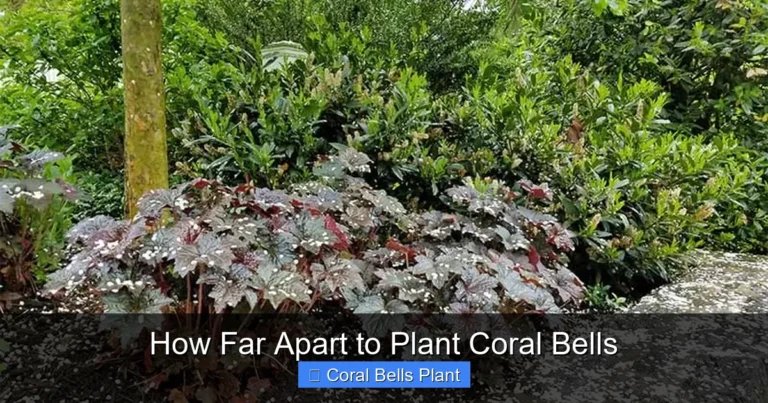
Heuchera Plant Coral Bells
Heuchera plant coral bells are versatile perennials prized for their colorful foliage and delicate bell-shaped flowers. These shade-tolerant plants offer year-round interest with minimal maintenance, making them perfect for beginners and experienced gardeners alike.
If you want a plant that delivers big impact with little fuss, meet the heuchera plant coral bells. These perennials have taken the gardening world by storm. And for good reason. Their ruffled leaves come in a rainbow of colors. Deep plum. Bright lime. Warm caramel. Silvery frost. Some even shift shades with the seasons.
I first discovered heuchera plant coral bells when I moved into a house with a shady side yard. Nothing wanted to grow there. Hostas got slugs. Ferns looked tired by August. Then I planted a few coral bells. They thrived. They looked good in January. They bloomed in June. I was hooked. Now I have them tucked into containers, edging pathways, and massed under trees. Let me share everything I have learned so you can grow them with confidence.
Key Takeaways
- Foliage First: Heuchera plant coral bells are grown primarily for their stunning leaves, which come in shades of purple, silver, chartreuse, caramel, and near-black.
- Shade Tolerant: Most varieties thrive in partial to full shade, though some newer cultivars handle more sun with adequate moisture.
- Low Maintenance: Once established, these perennials need little care beyond occasional watering and division every few years.
- Year-Round Interest: Evergreen or semi-evergreen foliage provides color through winter in many climates.
- Pollinator Friendly: The airy flower spikes attract hummingbirds, bees, and butterflies from late spring through summer.
- Versatile Design: Use heuchera plant coral bells in borders, containers, rock gardens, or as ground cover for texture and color contrast.
- Easy Propagation: Divide mature clumps in spring or fall to create new plants for free.
Quick Answers to Common Questions
How much sun can heuchera plant coral bells tolerate?
Dark-leaved varieties handle more sun, up to six hours in cool climates. Light-leaved types need afternoon shade. All varieties need more shade in hot climates.
When is the best time to divide heuchera plant coral bells?
Early spring is ideal. The plant is actively growing but not yet stressed by heat. Fall division works too, but do it six weeks before the ground freezes.
Why are my heuchera plant coral bells dying in the center?
This is natural aging. The woody crown dies out after three to four years. Dig and divide the plant, replanting the vigorous outer sections.
Can heuchera plant coral bells grow in containers?
Yes, they excel in containers. Use well-draining potting mix, ensure drainage holes, and water more frequently than in-ground plants. They overwinter in pots in zones 6 and warmer.
Do heuchera plant coral bells attract pollinators?
Absolutely. The bell-shaped flowers attract hummingbirds, bees, and butterflies from late spring through summer. They are a valuable nectar source.
📑 Table of Contents
- What Are Heuchera Coral Bells
- Popular Varieties And Colors
- Ideal Growing Conditions
- Planting And Care Guide
- Common Problems And Solutions
- Design Ideas For Your Garden
- Propagation Methods
- Heuchera Through The Seasons
- Buying And Selecting Healthy Plants
- Companion Plants For Heuchera
- Troubleshooting Quick Reference
- Conclusion
What Are Heuchera Coral Bells
Botanical Background
Heuchera plant coral bells belong to the Saxifragaceae family. They are native to North America. You will find them growing wild on rocky cliffs, in woodlands, and along mountain slopes from Canada to Mexico. The genus name honors Johann Heinrich von Heucher, an 18th-century German physician and botanist. Common names include coral bells and alumroot. The name alumroot comes from the astringent roots once used in folk medicine.
Foliage The Real Star
Most people grow heuchera plant coral bells for the leaves. The flowers are pretty. But the foliage puts on a show all season. Leaves form a basal mound. They are lobed or scalloped. Many have ruffled edges. Veins often contrast with the leaf surface. This creates a stained-glass effect. Colors range from chartreuse to deep purple. Some are nearly black. Others shimmer with silver overlay. New growth often emerges a different color than mature leaves. This gives the plant depth and movement.
Flowers A Delicate Bonus
In late spring to early summer, wiry stems rise above the foliage. They carry loose panicles of tiny bell-shaped blooms. Colors include white, pink, coral, and red. The flowers last for weeks. They make excellent cut flowers. Hummingbirds love them. Bees visit too. After blooming, you can cut the stems back. Or leave them for seed heads. Birds sometimes eat the seeds.
Popular Varieties And Colors
Purple And Red Foliage Types
Palace Purple started the modern heuchera craze. It has maple-like leaves in deep bronze-purple. It handles more sun than many. Obsidian offers nearly black, glossy leaves. It keeps its color all season. Fire Alarm emerges bright red in spring. It matures to deep mahogany. Forever Red holds true red foliage from spring to frost. These dark varieties create drama. They pair beautifully with chartreuse or silver plants.
Chartreuse And Lime Varieties
Lime Rickey brings electric chartreuse to shady spots. The leaves are heavily ruffled. It brightens dark corners like a spotlight. Citronelle has larger, more rounded leaves in soft yellow-green. It forms a substantial mound. Electra shocks with blood-red veins on gold leaves. The contrast is stunning. These light-colored varieties glow in low light. They make neighboring plants pop.
Caramel And Amber Tones
Caramel is a breakthrough variety. Its leaves shift from peach to amber to copper through the seasons. It tolerates heat and humidity better than most. Georgia Peach offers large, peachy-pink leaves with a silver overlay. It handles Southern heat well. Ginger Ale has soft ginger-gold leaves with a metallic sheen. These warm tones bridge the gap between hot and cool colors. They work in almost any color scheme.
Silver And Pewter Selections
Silver Scrolls features pewter leaves with dark purple veins. The undersides are deep purple. It shimmers in moonlight. Looking Glass has mirror-bright silver foliage. The veins are barely visible. It is one of the most reflective varieties. Steel City offers blue-green leaves with heavy silver overlay. It is exceptionally vigorous. Silver varieties cool down hot color schemes. They shine in evening gardens.
New And Notable Introductions
Breeders release new heuchera plant coral bells every year. The Primo series offers extra-large leaves and vigorous growth. Black Pearl has huge, jet-black leaves with ruffled edges. Wild Rose sports purple leaves with charcoal veins and pink flowers. The Dolce series focuses on compact habits and intense color. Apple Twist has chartreuse leaves with red undersides. Cherry Truffles offers deep red leaves with a glossy finish. Try a few new ones each year. You will find favorites.
Ideal Growing Conditions
Light Requirements
Most heuchera plant coral bells prefer partial shade. Morning sun with afternoon shade is ideal. Dark-leaved varieties tolerate more sun. Light-leaved varieties need more shade. In cool climates, full sun works with consistent moisture. In hot climates, full shade may be necessary. Watch your plants. Bleached or crispy leaves mean too much sun. Leggy growth with poor color means too little. Adjust as needed.
Soil Preferences
Well-drained soil is non-negotiable. Heuchera plant coral bells hate wet feet. Crown rot kills them fast in soggy soil. Amend heavy clay with compost and coarse sand. Raised beds work well. The ideal pH is slightly acidic to neutral. 6.0 to 7.0 is perfect. Add organic matter yearly. A top-dressing of compost in spring feeds the plant and improves soil structure.
Water Needs
Consistent moisture keeps heuchera plant coral bells happy. Water deeply when the top inch of soil feels dry. Mulch helps retain moisture. Shredded leaves or bark work well. Keep mulch away from the crown. Wet mulch against the crown invites rot. Established plants tolerate brief dry spells. But they look best with regular water. Container plants need more frequent watering.
Temperature And Hardiness
Most heuchera plant coral bells are hardy in USDA zones 4 through 9. Some varieties push to zone 3 with mulch. In zone 9, provide afternoon shade and ample water. Winter wet is more dangerous than winter cold. Ensure excellent drainage. In very cold areas, apply a light mulch after the ground freezes. This prevents frost heaving. Frost heaving pushes plants out of the ground. Exposed roots die.
Humidity Considerations
High humidity combined with heat stresses some varieties. Southern gardeners should choose heat-tolerant selections. Caramel, Georgia Peach, and the Dolce series perform well in the Southeast. Good air circulation helps. Space plants properly. Avoid overhead watering in the evening. Wet leaves overnight invite fungal diseases.
Planting And Care Guide
When To Plant
Spring and fall are the best planting times. Spring planting gives roots time to establish before summer heat. Fall planting allows root growth before winter dormancy. Avoid planting in summer heat. If you must plant in summer, provide shade and extra water. Container-grown plants can go in the ground any time the soil is workable.
How To Plant
Dig a hole twice as wide as the root ball. The depth should match the container. Heuchera plant coral bells have a woody crown. This crown must sit at or slightly above soil level. Planting too deep causes crown rot. Backfill with amended soil. Firm gently. Water thoroughly. Apply a thin layer of mulch. Keep mulch an inch away from the crown.
Spacing Guidelines
Space plants 12 to 18 inches apart. Check the mature width on the label. Some varieties spread wider. Others stay compact. Proper spacing ensures good air flow. This reduces disease pressure. It also lets each plant show its form. For ground cover, plant closer. For specimen plants, give more room.
Fertilizing Routine
Heuchera plant coral bells are light feeders. Too much fertilizer produces weak, floppy growth. Apply a balanced slow-release fertilizer in early spring. Or top-dress with compost. That is usually enough. Container plants benefit from a diluted liquid fertilizer monthly during the growing season. Stop fertilizing by late summer. This helps plants harden off for winter.
Mulching Practices
Mulch is your friend. It conserves moisture. It suppresses weeds. It moderates soil temperature. It adds organic matter as it breaks down. Use shredded bark, leaf mold, or pine straw. Apply a two-inch layer. Keep it away from the crown. Refresh mulch annually. Do not pile it up year after year. This buries the crown.
Division And Rejuvenation
Divide heuchera plant coral bells every three to four years. The center of the clump becomes woody and dies out. Spring is the best time. Dig the whole plant. Pull or cut apart into sections. Each division needs roots and several growth buds. Replant immediately. Water well. Discard the woody center. Division keeps plants vigorous. It also gives you free plants.
Seasonal Maintenance
In spring, remove any winter-damaged leaves. Cut back old flower stems. Apply fertilizer or compost. Check for crown exposure. If the plant has heaved, gently firm it back. In summer, deadhead spent flowers if desired. Water during dry spells. Watch for pests. In fall, stop fertilizing. Cut back flower stems. Leave foliage for winter protection. In winter, apply light mulch after ground freezes in cold zones.
Common Problems And Solutions
Crown Rot The Number One Killer
Crown rot is the most common problem. It happens when the crown stays wet. Symptoms include wilting, yellowing leaves, and a mushy crown. The plant collapses. Prevention is everything. Plant high. Ensure excellent drainage. Do not overwater. Keep mulch off the crown. If you catch it early, dig the plant. Cut away rotted tissue. Dust with fungicide. Replant in a better spot. Often it is too late.
Heuchera Rust
Rust appears as orange-brown pustules on leaf undersides. The tops of leaves show yellow spots. It thrives in humid, crowded conditions. Remove affected leaves immediately. Do not compost them. Improve air circulation. Water at the base, not overhead. Fungicides labeled for rust can help. Choose resistant varieties. Many newer introductions show good resistance.
Leaf Scorch
Brown, crispy leaf edges indicate scorch. Causes include too much sun, not enough water, or salt buildup. Move the plant to a shadier spot. Water deeply and consistently. Flush soil with water if salt is the issue. Container plants are prone to salt buildup from fertilizer. Repot with fresh soil if needed.
Frost Heaving
Freeze-thaw cycles push plants out of the ground. Exposed roots dry out and die. You will see the crown sitting above soil level. Prevention: apply winter mulch after the ground freezes. Pine boughs or straw work well. If heaving occurs, gently press the plant back in spring. Water well. Add soil around exposed roots.
Pest Issues
Heuchera plant coral bells have few serious pests. Vine weevil larvae eat roots. Adults notch leaf edges. Nematodes control larvae. Black vine weevil traps catch adults. Deer and rabbits sometimes browse foliage. Repellents help. Slugs and snails may damage new growth. Use slug bait or beer traps. Foliar nematodes cause angular brown spots between veins. Remove affected leaves. There is no cure.
Nutrient Deficiencies
Yellowing leaves with green veins suggest iron deficiency. This happens in alkaline soil. Apply chelated iron. Lower soil pH with sulfur. Purple-tinged leaves may indicate phosphorus deficiency. Cold soil can cause temporary purple coloring. It usually resolves as soil warms. A soil test tells you exactly what is needed.
Design Ideas For Your Garden
Shade Garden Combinations
Heuchera plant coral bells are shade garden anchors. Pair dark varieties with Japanese forest grass. The gold grass glows against purple leaves. Add hostas for bold texture contrast. Ferns add delicate fronds. Bleeding heart brings spring romance. Foamflower offers similar foliage with different texture. Plant in drifts of three or five. Odd numbers look natural. Repeat colors through the bed for cohesion.
Container Recipes
Containers show off heuchera plant coral bells beautifully. Use a high-quality potting mix. Ensure drainage holes. Try a thriller-filler-spiller combo. Heuchera makes a great filler. Pair Caramel with a purple fountain grass thriller. Add creeping jenny as a spiller. Or use Looking Glass as the star. Surround it with dark sweet potato vine. Add white calibrachoa for brightness. Containers let you move plants for optimal light.
Rock Garden And Slope Plantings
Heuchera plant coral bells thrive in rocky, well-drained spots. Their native habitat is cliffs and slopes. Tuck them between stones. Let them spill over edges. Mix with sedums and sempervivums make great companions. They share the same drainage needs. Creeping phlox carpets the ground below. Dwarf conifers provide year-round structure. The ruffled leaves soften hard edges.
Woodland Edge And Naturalistic Plantings
At the woodland edge, heuchera plant coral bells bridge sun and shade. Plant them where light filters through trees. Combine with native wildflowers. Trillium, bloodroot, and Virginia bluebells bloom early. Heuchera foliage carries the show after they fade. Add Solomon’s seal for arching stems. Wild ginger covers the ground. This mimics nature. It supports pollinators. It looks better each year.
Border Edging And Pathway Plantings
Low-growing varieties make tidy edging. Plant them along a path. You will enjoy the foliage up close. Choose varieties under 12 inches tall. Dolce series works well. Space them to touch at maturity. This creates a continuous ribbon of color. They hide the bare legs of taller plants behind them. They soften hard hardscape lines.
Color Echo Strategies
Color echoing ties a garden together. Pick a color from your heuchera plant coral bells. Repeat it in nearby plants. If you have Obsidian with purple leaves, plant purple salvia nearby. If you have Caramel with amber tones, add orange geum or yellow coreopsis. Echo the silver of Looking Glass with artemisia or lamb’s ear. Your eye moves smoothly through the space. The design feels intentional.
Propagation Methods
Division Step By Step
Division is the easiest propagation method. Do it in early spring. Water the plant the day before. Dig around the clump. Lift it carefully. Shake off excess soil. You will see the woody crown with multiple growth points. Pull apart with your hands. Or use a sharp knife. Each piece needs roots and at least two buds. Trim long roots to six inches. Replant immediately. Water well. Mulch lightly.
Leaf Cuttings
Leaf cuttings work but take longer. Choose a healthy leaf with a short petiole. Cut the leaf stem. Dip in rooting hormone. Stick in moist perlite or sand. Cover with a plastic bag. Place in bright, indirect light. Roots form in four to six weeks. Pot up when roots are an inch long. This method produces exact clones. It is useful for rare varieties.
Seed Growing
Heuchera plant coral bells grow easily from seed. But seedlings vary from the parent. This is how new varieties arise. Collect seed when pods turn brown. Sow fresh or store cool and dry. Surface sow on moist seed mix. Do not cover. Light aids germination. Keep at 65 to 70 degrees. Germination takes two to four weeks. Transplant seedlings when they have true leaves. Grow on for a year before planting out.
Tissue Culture
Commercial growers use tissue culture. This produces thousands of identical plants. It requires a sterile lab. Not practical for home gardeners. But it is why you see so many new varieties. Tissue culture eliminates viruses. It ensures uniform plants. If you buy a named variety, it likely started in a lab.
Heuchera Through The Seasons
Spring Awakening
Spring is showtime. New leaves emerge in intense colors. The foliage is clean and crisp. Flower spikes begin to rise. This is the best time to divide. It is also the best time to plant new additions. Watch for slugs on tender new growth. Apply organic slug control if needed. Enjoy the fresh energy.
Summer Bloom
Early summer brings flowers. Wiry stems dance above the mound. Hummingbirds visit daily. The blooms last for weeks. Deadhead to encourage rebloom. Or leave for seeds. Foliage remains attractive. Water during dry spells. Watch for rust in humid weather. Remove affected leaves promptly.
Fall Transition
Fall brings a second flush of color. Many varieties intensify as temperatures drop. Caramel turns deep copper. Obsidian gleams like polished stone. Flowering ends. Cut back spent stems. Stop fertilizing. Let the plant prepare for winter. This is a good time to plant. Roots establish before freezing.
Winter Structure
In mild climates, heuchera plant coral bells stay evergreen. They provide rare winter color. In cold climates, they may die back. But the crown survives. Snow cover is the best insulation. Do not cut back foliage in fall. It protects the crown. In spring, remove only dead leaves. The plant will thank you.
Buying And Selecting Healthy Plants
What To Look For At The Nursery
Choose plants with full, symmetrical growth. Avoid lopsided specimens. Check the crown. It should be firm, not mushy. Leaves should be clean. No spots, holes, or yellowing. Gently lift the pot. Roots should be white and healthy. Not circling tightly. Not brown and mushy. Smell the soil. Sour smell means rot. Pass on those plants.
Reading Plant Labels
Labels tell you the variety name. They list mature size. They give hardiness zone. They indicate light preference. Some list special features. Heat tolerance. Rust resistance. Large flowers. Compact habit. Take a photo of the label. You will forget the name. Trust me.
Mail Order Tips
Mail order offers the widest selection. Order from reputable nurseries. Spring shipping is standard. Plants arrive bare-root or in small pots. Open the box immediately. Water if dry. Pot up or plant within a day. Keep shaded for a week. Then transition to final location. Report problems immediately. Good nurseries guarantee their plants.
Price Considerations
New introductions cost more. Patent fees add to the price. Older varieties are affordable. They are often just as beautiful. A three-dollar Palace Purple outperforms a thirty-dollar novelty sometimes. Buy one special plant. Fill in with reliable classics. Divide them in a few years. Your investment multiplies.
Companion Plants For Heuchera
Best Perennial Partners
Hostas are classic companions. Their bold leaves contrast with ruffled heuchera. Ferns add airy texture. Japanese painted fern echoes silver varieties. Astilbe brings feathery plumes in shade. Hellebores bloom early. Their evergreen leaves persist. Brunnera offers forget-me-not flowers and heart-shaped leaves. Lungwort has silver-spotted foliage. All share similar cultural needs.
Bulb Combinations
Spring bulbs shine before heuchera peaks. Plant daffodils, tulips, or alliums among them. Heuchera foliage hides dying bulb leaves. This is a pro trick. Snowdrops and crocus bloom earliest. They finish before heuchera needs the space. Summer bulbs like lilies rise through the mound. The heuchera shades their feet.
Shrub Underplantings
Heuchera plant coral bells thrive under deciduous shrubs. They get spring sun before leaves emerge. Then they enjoy summer shade. Hydrangeas, viburnums, and dogwoods work well. Evergreen shrubs provide winter backdrop. Boxwood, yew, and holly frame the colorful foliage. Keep shrubs limbed up for air flow.
Annual Accents
Annuals fill gaps while heuchera establishes. Impatiens bloom all summer in shade. Begonias offer flowers and foliage. Coleus brings wild leaf patterns. Torenia trails with snapdragon-like flowers. Caladiums add huge colorful leaves. In sun, try petunias or verbena. Annuals let you change the look yearly.
Troubleshooting Quick Reference
Plant Looks Weak And Floppy
Too much fertilizer. Too much shade. Or root competition from trees. Cut back on feeding. Move to brighter light. Or root prune around the plant. Drive a spade into the soil at the drip line. This severs tree roots temporarily.
Leaves Are Small And Pale
Nutrient deficiency. Or too much sun bleaching the color. Feed with balanced fertilizer. Or move to shadier spot. Check soil pH. Alkaline soil locks up iron. Acidify if needed.
Center Of Plant Is Dead
Time to divide. The woody center dies out naturally. Dig and divide in spring. Replant vigorous outer sections. Discard the dead center. The plant will bounce back quickly.
Flowers Are Few Or Absent
Too much shade. Or plant is too young. Some varieties flower sparsely. Move to brighter light. Wait another year. Or choose a floriferous variety like the Dolce series.
Plant Disappeared Over Winter
Crown rot from wet soil. Or frost heaving exposed roots. Or voles ate the crown. Check drainage. Mulch after freeze. Use hardware cloth if voles are active. Replant in a better spot.
Conclusion
Heuchera plant coral bells have earned their place in gardens everywhere. They offer something rare. Year-round foliage color. Shade tolerance. Low maintenance. Pollinator support. Design versatility. Whether you have a sprawling woodland or a single pot on a balcony, there is a coral bell for you.
Start with a few reliable varieties. Palace Purple. Caramel. Lime Rickey. Obsidian. Watch them through the seasons. Learn their rhythms. Then expand your collection. Try new introductions. Mix colors boldly. Plant in drifts. Tuck them into containers. Share divisions with friends.
The best gardens reflect the gardener. Heuchera plant coral bells give you a palette of incredible colors. Your garden becomes your canvas. Paint with purple. Splash with chartreuse. Warm with caramel. Cool with silver. There are no mistakes. Only happy accidents and lessons learned.
Now get out there. Dig a hole. Plant a coral bell. Watch it thrive. That simple act connects you to generations of gardeners. To the native landscapes where these plants evolved. To the breeders who saw potential in a wildflower. And to the simple joy of watching something beautiful grow.
Frequently Asked Questions
Are heuchera plant coral bells deer resistant?
Heuchera plant coral bells are generally deer resistant due to their astringent foliage. However, hungry deer may browse them in winter or early spring when food is scarce. Repellents provide extra protection.
How often should I water heuchera plant coral bells?
Water deeply when the top inch of soil feels dry. This usually means once or twice a week in summer, less in spring and fall. Container plants need more frequent watering. Consistent moisture prevents stress.
Can heuchera plant coral bells grow in full shade?
Yes, most varieties tolerate full shade, though flowering may be reduced and colors less intense. Chartreuse and gold varieties actually prefer more shade to prevent leaf scorch. They brighten dark corners beautifully.
Should I cut back heuchera plant coral bells in fall?
No, leave the foliage in place over winter. It protects the crown from freeze-thaw cycles and provides winter interest. Remove only dead or damaged leaves in early spring before new growth emerges.
What causes brown crispy edges on heuchera leaves?
Leaf scorch from too much sun, insufficient water, or salt buildup in containers. Move to a shadier location, water deeply and consistently, and flush container soil occasionally to remove excess salts.
How long do heuchera plant coral bells live?
Individual plants live five to ten years or more with proper care. Regular division every three to four years rejuvenates the plant and extends its life indefinitely. Divided sections become new, vigorous plants.