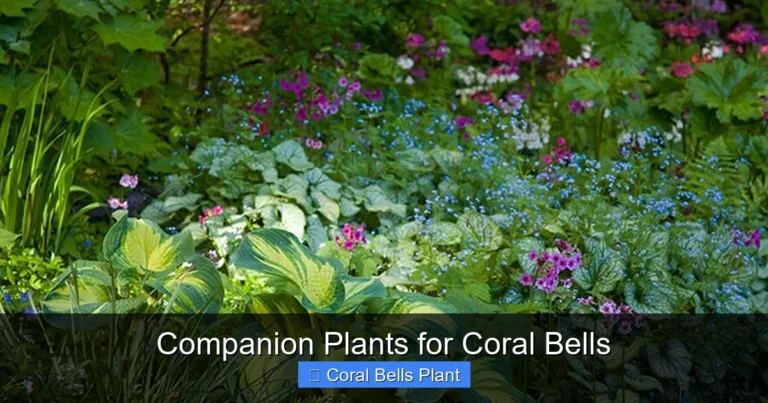
Perennial Plants Coral Bells
Perennial plants coral bells (Heuchera) are versatile, low-maintenance perennials prized for their colorful foliage and delicate bell-shaped flowers. These shade-loving plants offer year-round interest with leaves in shades of purple, silver, gold, and green, making them perfect for borders, containers, and woodland gardens.
If you have ever walked through a shade garden and spotted mounds of ruffled leaves in shocking purple, metallic silver, or electric lime, you have met perennial plants coral bells. These remarkable perennials have undergone a renaissance in recent decades. Plant breeders have transformed a humble North American native into one of the most versatile and colorful foliage plants available to gardeners today.
Whether you are a seasoned gardener looking to add sophistication to a woodland border or a beginner seeking foolproof plants for a shady patio, coral bells deliver. Their compact habit, incredible color range, and adaptability make them a staple in gardens across the country. Let us dig into everything you need to know to grow these shade-loving superstars successfully.
Key Takeaways
- Foliage is the star: Coral bells are grown primarily for their stunning, colorful leaves that provide interest from spring through fall and often into winter.
- Shade tolerant superstars: These plants thrive in partial to full shade, making them ideal for difficult garden spots where other perennials struggle.
- Low maintenance once established: After the first growing season, coral bells require minimal care beyond occasional watering and division every few years.
- Incredible variety selection: With hundreds of cultivars available, you can find coral bells in nearly every leaf color imaginable, from deep purple to bright lime green.
- Great for containers: Their compact size and shallow roots make coral bells excellent candidates for mixed container plantings and window boxes.
- Attract pollinators: The delicate flower spikes draw hummingbirds, bees, and butterflies to your garden throughout the blooming season.
- Deer and rabbit resistant: The slightly fuzzy, bitter-tasting foliage makes these plants unappealing to common garden pests.
Quick Answers to Common Questions
How much sun can coral bells tolerate?
Most coral bells prefer morning sun with afternoon shade. In cooler climates (zones 3-5), they can handle more sun, even full sun with consistent moisture. In hot climates (zones 7-9), they need protection from intense afternoon sun to prevent leaf scorch. Villosa hybrids are the most sun-tolerant varieties.
When is the best time to divide coral bells?
Divide coral bells in early spring as new growth emerges, or in early fall at least 6 weeks before the ground freezes. Spring division allows plants to establish before summer heat. Fall division gives roots time to settle before winter. Divide every 3-4 years when the crown becomes woody and rises above soil level.
Why are my coral bells dying in the center?
This is usually crown rot caused by poor drainage or planting too deep. Coral bells have shallow crowns that rot when they stay wet. Plant with the crown slightly above soil level. Ensure excellent drainage. Mulch properly, keeping material away from the crown. Heavy clay soil must be amended before planting.
Do coral bells come back every year?
Yes, coral bells are herbaceous perennials that return reliably in zones 4-9. Some varieties are hardy to zone 3 with winter protection. The foliage is often evergreen or semi-evergreen in mild winters. In cold climates, leaves may die back but the crown survives underground and resprouts in spring.
Can I grow coral bells in containers?
Absolutely! Coral bells are excellent container plants due to their compact size and shallow roots. Use a pot at least 12 inches wide with drainage holes and quality potting mix. Water and fertilize more frequently than in-ground plants. In cold climates, protect containers from freezing solid in winter by moving to an unheated garage or insulating the pot.
📑 Table of Contents
- Understanding Perennial Plants Coral Bells
- Choosing the Right Variety for Your Garden
- Planting Perennial Plants Coral Bells Successfully
- Essential Care for Thriving Coral Bells
- Designing with Coral Bells
- Troubleshooting Common Problems
- Seasonal Care Calendar
- Propagating Your Own Plants
- Companion Plants for Coral Bells
- Growing Coral Bells in Challenging Conditions
- Overwintering Container Plants
- The Future of Coral Bells
- Conclusion
Understanding Perennial Plants Coral Bells
What Are Coral Bells?
Coral bells belong to the genus Heuchera, a group of about 50 species native to North America. The common name comes from the tiny, bell-shaped flowers that dangle from slender stems above the foliage in late spring to early summer. While the flowers are charming and attract hummingbirds, modern gardeners grow these plants primarily for their spectacular foliage.
The species Heuchera sanguinea, with its coral-red flowers, gave the group its common name. Today, most garden varieties are complex hybrids involving several species, including Heuchera americana, Heuchera micrantha, and Heuchera villosa. This hybrid heritage gives modern coral bells their incredible vigor, heat tolerance, and color range.
Why Gardeners Love Them
Perennial plants coral bells check almost every box on a gardener’s wish list. They thrive in shade where colorful options are limited. Their mounding habit stays neat without pruning. The foliage persists through winter in many climates, providing year-round structure. They play well with others, mixing beautifully with hostas, ferns, astilbes, and shade-loving annuals.
Perhaps most importantly, breeders have developed varieties for nearly every climate challenge. Heat-tolerant villosa hybrids flourish in the Deep South. Cold-hardy americana selections survive zone 3 winters. There is truly a coral bell for every garden.
Choosing the Right Variety for Your Garden
Classic Purple and Red Varieties
The purple-leaved coral bells started the modern craze, and they remain among the most popular. ‘Palace Purple’ was the breakthrough variety, winning Perennial Plant of the Year in 1991. Its glossy, maple-shaped leaves emerge bronze-purple and deepen to rich mahogany. ‘Obsidian’ takes darkness further with nearly black, shiny leaves that hold color all season.
‘Fire Alarm’ offers brilliant red new growth that matures to deep burgundy. ‘Berry Smoothie’ displays large, rose-pink leaves with a metallic sheen. These varieties create dramatic contrast when paired with golden or chartreuse foliage plants.
Silver and Pewter Selections
Silver-leaved coral bells bring light to dark corners. ‘Silver Scrolls’ features pewter leaves with dark veins and purple undersides. ‘Looking Glass’ lives up to its name with mirror-bright silver foliage. ‘Steel City’ offers blue-green leaves with a heavy silver overlay.
These varieties pair beautifully with blue hostas, Japanese painted ferns, and white-flowering shade plants. They also shine in moon gardens where their reflective foliage glows at dusk.
Gold, Lime, and Chartreuse Stars
If you want to brighten a shady spot, reach for the gold and lime varieties. ‘Lime Rickey’ produces ruffled, lime-green leaves that hold their color without scorching. ‘Citronelle’ offers large, electric-yellow leaves that practically glow in shade. ‘Caramel’ displays unique amber-gold foliage with pink undersides.
‘Electric Lime’ lives up to its name with vibrant chartreuse leaves. ‘Southern Comfort’ shows cinnamon-peach leaves that shift through amber to coral. These warm-toned varieties create stunning combinations with purple-leaved coral bells and blue-green hostas.
Variegated and Patterned Foliage
For maximum visual interest, consider varieties with patterned leaves. ‘Marmalade’ displays undulating leaves in shades of amber, peach, and bronze. ‘Peach Flambe’ offers bright peach leaves with red highlights. ‘Delta Dawn’ features gold leaves with red centers that follow the leaf veins.
‘Midnight Rose’ shows deep purple leaves speckled with pink spots that fade to cream. ‘Green Spice’ has green leaves with dramatic silver veins and purple undersides. These complex patterns add sophistication to container plantings and close-up viewing areas.
Heat and Humidity Tolerant Varieties
Gardeners in the Southeast and Midwest should look for villosa hybrids. These varieties handle heat, humidity, and drought better than other types. The ‘Villosa’ series includes ‘Mocha’, ‘Bronze Wave’, and ‘Autumn Bride’. ‘Cajun Fire’ offers deep red leaves that resist fading in southern sun.
‘Georgia Peach’ displays large, peach-colored leaves with a silver overlay. ‘Southern Comfort’ thrives in zone 9 heat. These varieties also tend to have larger, more substantial leaves and stronger root systems.
Cold Climate Champions
Northern gardeners should seek americana and sanguinea hybrids. ‘Northern Exposure’ series varieties like ‘Amber’, ‘Silver’, and ‘Purple’ are bred for zone 3 hardiness. ‘Palace Purple’ remains reliable to zone 4. ‘Dale’s Strain’ offers silver-veined green leaves with exceptional cold tolerance.
Look for varieties labeled with your USDA zone or colder. Remember that snow cover provides insulation, so plants often survive colder zones than their rating suggests if they have consistent snow.
Planting Perennial Plants Coral Bells Successfully
When to Plant
Spring and fall are the ideal planting times for coral bells. Spring planting gives roots time to establish before summer heat. Fall planting allows root growth during cool, moist conditions before winter dormancy. Avoid planting during summer heat waves or when the ground is frozen.
If you must plant in summer, choose a cloudy day, provide temporary shade, and water diligently. Container-grown plants can be planted any time the ground is workable, but they will need extra attention during extreme weather.
Selecting the Perfect Site
Most perennial plants coral bells prefer morning sun with afternoon shade, or dappled shade throughout the day. In cooler climates (zones 3-5), they tolerate more sun, even full sun with adequate moisture. In hot climates (zones 7-9), they need protection from intense afternoon sun to prevent leaf scorch.
Observe your proposed planting site throughout the day. Note how many hours of direct sun it receives and when. A spot with four hours of morning sun and afternoon shade is ideal for most varieties. Deep shade under dense evergreens may result in leggy growth and reduced foliage color.
Soil Preparation
Coral bells demand well-drained soil. They will not tolerate wet feet, especially in winter. Heavy clay soil should be amended with compost, aged manure, or leaf mold to improve drainage. Sandy soil benefits from organic matter to increase moisture retention.
Work amendments into the top 12 inches of soil. Aim for a slightly acidic to neutral pH (6.0-7.0). Most garden soils fall in this range naturally. If you are unsure, a simple soil test from your extension service provides precise guidance.
Planting Technique
Dig a hole twice as wide as the root ball but no deeper. Coral bells have shallow, fibrous root systems that spread horizontally. Planting too deep leads to crown rot, the number one killer of these plants.
Remove the plant from its pot and gently loosen any circling roots. Place the plant so the crown (where stems meet roots) sits slightly above soil level. Backfill with amended soil, firming gently around roots. Water thoroughly to settle soil and eliminate air pockets.
Space plants 12-18 inches apart depending on the mature size of your variety. Closer spacing creates a faster groundcover effect but may require earlier division.
Container Planting
Perennial plants coral bells excel in containers. Choose a pot at least 12 inches wide with drainage holes. Use a high-quality potting mix, not garden soil. Mix in some slow-release fertilizer at planting time.
Position the crown slightly above the potting mix surface. Water well after planting. Container plants need more frequent watering and fertilizing than in-ground plants. They also need winter protection in cold climates (see overwintering section).
Essential Care for Thriving Coral Bells
Watering Wisdom
Newly planted coral bells need consistent moisture for the first growing season. Water deeply once or twice a week, more during heat waves. Established plants are surprisingly drought tolerant but perform best with regular moisture.
The key is drainage. Water should never pool around the crown. Mulch with shredded leaves, pine bark, or straw to conserve moisture and keep roots cool. Keep mulch pulled back slightly from the crown to prevent rot.
In containers, check soil moisture daily during summer. Water when the top inch feels dry. Reduce watering in fall as growth slows.
Fertilizing for Fabulous Foliage
Coral bells are light feeders. Too much nitrogen produces lush green growth at the expense of colorful foliage. Apply a balanced, slow-release fertilizer (10-10-10 or similar) in early spring as new growth emerges. A light application of compost around the base also works well.
Container plants benefit from a diluted liquid fertilizer monthly during the growing season. Stop fertilizing by late July to allow plants to harden off before winter.
Mulching Matters
A two-inch layer of organic mulch benefits coral bells in multiple ways. It conserves moisture, suppresses weeds, moderates soil temperature, and slowly improves soil as it breaks down. Shredded leaves, pine needles, and bark mulch are all excellent choices.
Apply mulch in spring after soil warms. Replenish as needed. In winter, a slightly thicker layer (3-4 inches) provides extra crown protection in cold climates. Remove excess mulch from the crown in early spring to prevent rot.
Deadheading and Grooming
Remove spent flower stalks after blooming to redirect energy to foliage production. Cut stems back to the base of the plant. This also improves appearance and prevents unwanted self-seeding (though seedlings rarely come true to type).
In late winter or early spring, remove any tattered or damaged leaves. Gently pull them away from the crown. This reveals fresh new growth and improves air circulation. Avoid cutting into the woody crown.
Division: The Secret to Longevity
Perennial plants coral bells benefit from division every 3-4 years. Over time, the crown becomes woody and rises above the soil line, leading to reduced vigor and winter injury. Division rejuvenates plants and gives you more plants for free.
Divide in early spring as new growth emerges, or in early fall (at least 6 weeks before ground freeze). Dig the entire clump. Gently pull or cut apart into sections, each with several shoots and healthy roots. Discard the woody center. Replant divisions at the proper depth, water well, and mulch.
Designing with Coral Bells
Shade Garden Combinations
Coral bells are the ultimate team players in shade gardens. Their mounding habit and colorful foliage bridge the gap between bold hostas and delicate ferns. Plant them in drifts of 3-5 for impact, or use them as edging along pathways where their details can be appreciated up close.
Classic combinations include purple coral bells with golden Japanese forest grass (Hakonechloa ‘Aureola’), silver coral bells with blue hostas, and chartreuse coral bells with purple-leaved bugbane (Actaea). The texture contrast between ruffled coral bell leaves and smooth hosta leaves creates sophisticated interest.
Container Recipes
Perennial plants coral bells shine in mixed containers. Their compact size and year-round foliage make them perfect “filler” plants in the thriller-filler-spiller design formula. For a spring container, pair ‘Caramel’ coral bells with pink tulips, white pansies, and trailing ivy.
Summer containers might feature ‘Lime Rickey’ with purple petunias, silver dichondra, and blue salvia. Fall containers glow with ‘Fire Alarm’ coral bells, ornamental kale, and bronze carex. Winter containers in mild climates can showcase evergreen coral bells with red-twig dogwood branches and hellebores.
Woodland and Naturalistic Plantings
In woodland gardens, coral bells naturalize beautifully among native ferns, wild ginger, and foamflower (Tiarella). Their North American heritage makes them ecologically appropriate for native plant gardens. Plant them in irregular groups along paths or at the edges of wooded areas.
Species types like Heuchera americana ‘Dale’s Strain’ and Heuchera villosa ‘Autumn Bride’ have a more relaxed, natural habit than highly bred cultivars. They self-sow modestly, creating charming colonies over time.
Rock Gardens and Slopes
The excellent drainage of rock gardens suits coral bells perfectly. Tuck them between rocks where their crowns stay dry but roots access moisture. Their shallow roots stabilize soil on gentle slopes. Varieties with smaller leaves like ‘Petite Pearl Fairy’ or ‘Little Cutie’ series fit proportionally in rock garden settings.
Border Edging and Pathway Plantings
Line a shady path with coral bells for a colorful border that invites exploration. Their low profile (typically 12-18 inches tall in foliage, 24-30 inches with flowers) keeps sightlines open. Choose varieties with contrasting colors for a tapestry effect, or repeat one variety for a cohesive look.
Plant them where you can appreciate the leaf details: ruffled edges, contrasting veins, and colorful undersides. Morning light backlighting the foliage creates a stained-glass effect that stops visitors in their tracks.
Troubleshooting Common Problems
Crown Rot: The Silent Killer
Crown rot is the most serious threat to perennial plants coral bells. It occurs when the crown stays wet, especially during winter dormancy. Symptoms include wilting despite moist soil, blackened crown tissue, and plant collapse.
Prevention is everything. Plant high with the crown slightly above soil level. Ensure excellent drainage. Mulch properly, keeping material away from the crown. Avoid heavy clay soils without amendment. In wet climates, consider planting in raised beds or mounds.
If caught early, you can sometimes save a plant by digging it up, cutting away rotted tissue, dusting with fungicide, and replanting in fresh, well-drained soil. But prevention is far more effective than cure.
Leaf Scorch and Sunburn
Brown, crispy leaf edges indicate too much sun or insufficient moisture. This is most common on light-colored varieties (gold, silver, chartreuse) planted in afternoon sun. Relocate to a shadier spot or provide afternoon shade with a strategically placed taller plant or shade cloth.
Increase watering during heat waves. Mulch heavily to keep roots cool. Some varieties simply cannot tolerate your climate’s sun intensity. Choose villosa hybrids for hot, sunny sites.
Frost Heaving
In cold climates with freeze-thaw cycles, shallow-rooted coral bells can be pushed out of the ground, exposing roots to drying winds and cold. This is frost heaving. The solution is proper planting depth and winter mulch.
Apply 3-4 inches of loose mulch (straw, pine needles, shredded leaves) after the ground freezes. This keeps the soil frozen consistently, preventing the freeze-thaw cycle. Check plants in late winter and gently press any heaved plants back into the soil.
Pest Issues
Coral bells are remarkably pest-resistant. Deer and rabbits typically avoid them due to bitter-tasting compounds in the leaves. However, a few pests occasionally appear:
- Black vine weevils: Adults notch leaf edges at night; larvae feed on roots. Control with beneficial nematodes applied to soil in spring or fall.
- Foliar nematodes: Microscopic worms cause angular brown spots between leaf veins. Remove affected leaves. Avoid overhead watering.
- Mealybugs: Cottony insects at leaf bases. Treat with insecticidal soap or horticultural oil.
- Slugs and snails: Chew holes in leaves, especially in damp conditions. Use iron phosphate bait or copper barriers.
Disease Concerns
Fungal diseases occasionally affect coral bells, usually in humid conditions with poor air circulation:
- Powdery mildew: White powdery coating on leaves. Improve air circulation. Avoid overhead watering. Choose resistant varieties.
- Rust: Orange pustules on leaf undersides. Remove affected leaves. Water at soil level.
- Botrytis: Gray fuzzy mold on dead tissue. Clean up debris. Improve air flow.
Good cultural practices prevent most diseases: proper spacing, morning watering, good drainage, and fall cleanup.
Seasonal Care Calendar
Spring Awakening
As snow melts and soil warms, remove winter mulch from crowns. Gently clean away dead leaves. Apply slow-release fertilizer. Divide overcrowded clumps. Plant new additions. Water new plantings regularly. Watch for slug damage on emerging leaves.
Summer Glory
Enjoy the peak foliage show. Deadhead flower stalks after bloom. Water during dry spells. Monitor for pests. Container plants need daily attention. Mulch to keep roots cool. Take photos for winter dreaming.
Fall Preparation
Early fall is ideal for planting and dividing. Stop fertilizing. Reduce watering as temperatures cool. Apply fresh mulch after first frost. Remove any diseased foliage. Mark plant locations for spring reference.
Winter Protection
In zones 5 and colder, apply winter mulch after ground freezes. In zones 6-7, a light mulch suffices. Zone 8+ generally needs no extra protection. Container plants need special care: move to unheated garage, bury pots in ground, or insulate with bubble wrap.
Propagating Your Own Plants
Division: The Reliable Method
As described earlier, division is the easiest and most reliable propagation method for perennial plants coral bells. It produces mature plants quickly and maintains the exact characteristics of the parent. Every 3-4 years, you get free plants to expand your garden or share with friends.
Seed Starting: The Adventure Method
Growing coral bells from seed is rewarding but unpredictable. Hybrid varieties do not come true from seed. Seedlings will vary widely in leaf color, shape, and vigor. However, this variation can produce unique new plants.
Collect seeds from dried flower stalks in late summer. Sow fresh or store cool and dry. Surface-sow on moist seed-starting mix. Light aids germination. Keep at 65-70°F. Germination takes 2-8 weeks. Transplant seedlings to individual pots when they have true leaves. Grow on for a year before planting out.
Leaf Cuttings: The Experimental Method
Some gardeners propagate coral bells from leaf cuttings. Remove a healthy leaf with a short petiole (leaf stem). Dip in rooting hormone. Insert into moist perlite or sand. Cover with a plastic bag. Keep in bright, indirect light. Roots may form in 4-8 weeks. Success rates vary by variety.
Companion Plants for Coral Bells
Perfect Partners
Perennial plants coral bells play well with many shade lovers. Here are tried-and-true combinations:
- Hostas: Bold hosta leaves contrast beautifully with ruffled coral bell foliage. Blue hostas with silver coral bells. Gold hostas with purple coral bells.
- Ferns: Fine-textured ferns (Japanese painted fern, lady fern, autumn fern) soften coral bell mounds.
- Astilbes: Feathery plumes rise above coral bell foliage in early summer. Pink, red, or white flowers complement any coral bell color.
- Hellebores: Early spring bloomers with leathery evergreen leaves. Plant coral bells in front for sequential interest.
- Japanese forest grass (Hakonechloa): Cascading gold or variegated blades echo coral bell mounding habit.
- Foamflower (Tiarella): Close relative with similar needs. Foamy white or pink flowers in spring.
- Lungwort (Pulmonaria): Silver-spotted leaves and early blue-pink flowers.
- Bleeding heart (Dicentra): Arching stems of heart-shaped flowers in spring. Goes dormant in summer, letting coral bells fill the space.
Bulb Companions
Plant spring bulbs among coral bells for early color. The coral bell foliage emerges as bulb foliage fades, hiding the yellowing leaves. Excellent choices include:
- Snowdrops (Galanthus)
- Crocus
- Species tulips
- Miniature daffodils
- Glory-of-the-snow (Chionodoxa)
- Siberian squill (Scilla)
Annual Accents
Tuck shade-tolerant annuals between coral bells for seasonal color bursts:
- Impatiens (classic or New Guinea)
- Begonias (wax, tuberous, or rex)
- Coleus (for foliage echo)
- Fuchsia (in hanging baskets above)
- Torenia (wishbone flower)
- Caladium (for tropical flair)
Growing Coral Bells in Challenging Conditions
Deep Shade Solutions
In very low light, coral bells survive but may become leggy and lose intense color. Choose green-leaved varieties with silver veining like ‘Green Spice’ or ‘Rave On’. These maintain better form in deep shade. Accept slower growth and fewer flowers. Ensure excellent drainage, as deep shade stays wet longer.
Dry Shade Strategies
Dry shade under mature trees is one of gardening’s toughest challenges. Coral bells handle it better than most perennials once established. Villosa hybrids are your best bet. Amend planting holes generously with organic matter. Water deeply but infrequently to encourage deep roots. Mulch heavily. Consider installing drip irrigation.
Wet Climate Adaptations
In rainy climates, focus on drainage. Plant in raised beds or mounds. Add coarse sand or fine gravel to planting holes. Space plants wider for air circulation. Choose varieties with good disease resistance. Clean up foliage meticulously in fall.
High Altitude Considerations
At high elevations, intense UV light can bleach foliage. Provide afternoon shade. Choose varieties with thicker, more substantial leaves (often villosa hybrids). Snow cover provides winter protection, but late spring frosts can damage new growth. Be ready with frost cloth.
Overwintering Container Plants
Cold Climate Strategies (Zones 3-6)
Container-grown perennial plants coral bells need protection because their roots are exposed to freezing temperatures from all sides. The soil in a pot can freeze solid, killing roots that would survive in the ground.
Option 1: Move pots to an unheated garage, shed, or cold frame after plants go dormant. Water monthly to prevent desiccation. Move back outside in early spring.
Option 2: Bury pots in the ground up to their rims. Mulch heavily. This insulates roots with earth warmth.
Option 3: Insulate pots in place. Wrap with bubble wrap, burlap, or frost blanket. Surround with straw bales or bags of leaves. Place on soil, not pavement.
Mild Climate Care (Zones 7+)
In warmer zones, container coral bells often remain evergreen. Reduce watering but do not let pots dry out completely. Protect from hard freezes by moving against a house wall or covering temporarily. Resume normal care in spring.
The Future of Coral Bells
Breeding Breakthroughs
The world of perennial plants coral bells continues to evolve rapidly. Breeders are focusing on several exciting directions: improved heat and humidity tolerance for southern gardens, larger and more ruffled leaves, stronger flower displays, better disease resistance, and novel color combinations.
Recent introductions feature leaves with multiple color zones, dramatic ruffling, and improved sun tolerance. The ‘Primo’ series offers extra-large leaves on vigorous plants. The ‘Dolce’ series emphasizes compact habits for containers. New villosa hybrids push the boundaries of southern adaptability.
Native Species Conservation
As gardeners embrace cultivated varieties, interest in preserving wild Heuchera species grows. Several species are rare or threatened in their native habitats. Botanical gardens and native plant societies work to conserve genetic diversity. Gardeners can support these efforts by purchasing nursery-propagated plants, never wild-collected ones.
Ecological Value Recognition
Research increasingly documents the ecological benefits of coral bells. Their flowers provide nectar for native bees, hummingbirds, and butterflies. Their dense foliage offers shelter for beneficial insects. As native plant hybrids, they bridge the gap between ornamental gardening and ecological landscaping.
Conclusion
Perennial plants coral bells have earned their place as shade garden royalty. Few plants offer such a winning combination of stunning foliage, adaptability, low maintenance, and design versatility. From the deepest shade to morning sun, from Minnesota to Georgia, there is a coral bell ready to transform your garden.
Start with a few varieties that catch your eye. Plant them in well-drained soil with the crown high. Water them well their first year. Then step back and watch them thrive with minimal fuss. Divide them every few years to keep them vigorous and multiply your investment.
Whether you create a tapestry of color along a woodland path, design a sophisticated container for your shaded patio, or simply tuck a few into a difficult spot under a maple tree, coral bells will reward you with year-round beauty. Their ruffled leaves catch the light, their delicate flowers dance in the breeze, and their colors shift through the seasons like living jewelry.
So go ahead. Pick your purples, choose your chartreuses, select your silvers. Plant them with confidence. And prepare to fall in love with the incredible world of perennial plants coral bells. Your shade garden will never be the same.
Frequently Asked Questions
What is the difference between Heuchera and coral bells?
Heuchera is the botanical genus name, while coral bells is the common name. They refer to the same plants. The name “coral bells” originally described Heuchera sanguinea with its coral-red flowers, but now applies to all Heuchera species and hybrids grown for their ornamental foliage.
How often should I water newly planted coral bells?
Water newly planted coral bells deeply 2-3 times per week for the first month, then weekly for the rest of the first growing season. Adjust for rainfall and temperature. The goal is consistently moist but not soggy soil. Established plants need watering only during extended dry periods.
Why are my coral bells turning green?
Colorful coral bell varieties may revert to green in too much shade, from excess nitrogen fertilizer, or as they age. Ensure they receive adequate light (morning sun is ideal). Avoid high-nitrogen fertilizers. Divide old, woody plants to rejuvenate them. Some varieties naturally green up in summer heat.
Are coral bells deer resistant?
Yes, coral bells are generally deer and rabbit resistant. The leaves contain bitter-tasting compounds and have a slightly fuzzy texture that browsing animals dislike. However, no plant is completely deer-proof. In times of extreme hunger, deer may sample them, but they rarely cause significant damage.
Can coral bells grow in full shade?
Coral bells tolerate full shade but perform best with some morning light or dappled shade. In deep shade, growth slows, foliage color dulls (especially on gold and red varieties), and flowering decreases. Green-leaved varieties with silver veining handle deep shade better than intensely colored types.
How do I prepare coral bells for winter?
In late fall, remove any diseased foliage. Apply 2-3 inches of mulch around (not over) the crown after the ground freezes in cold climates. In zones 5 and colder, use 3-4 inches of loose mulch like straw or pine needles. Container plants need extra protection: move to an unheated garage or insulate pots. Do not cut back healthy foliage until spring.