Can You Plant Coral Bells in the Sun
Yes, you can plant coral bells in the sun if you choose sun‑tolerant varieties and provide consistent moisture. Proper soil preparation and afternoon shade help prevent leaf scorch.
When gardeners ask, “can you plant coral bells in the sun,” the answer is a qualified yes. Coral bells, also known as Heuchera, are famous for their colorful foliage and delicate flowers. Most varieties prefer dappled shade, but breeders have developed several sun‑tolerant types. Understanding the light needs of each cultivar is the first step to success.
In this guide we walk through everything you need to know. We cover the best varieties, soil preparation, watering techniques, and ways to protect plants from intense heat. By the end you will feel confident placing coral bells in a bright border or a sunny container.
Key Takeaways
- Choose sun‑tolerant cultivars: Varieties like ‘Palace Purple’ and ‘Caramel’ handle more light.
- Amend soil for drainage: Add compost and coarse sand to avoid water‑logged roots.
- Water deeply and regularly: Consistent moisture reduces heat stress.
- Provide afternoon shade: A nearby taller plant or shade cloth protects foliage.
- Mulch to conserve moisture: A 2‑inch layer of shredded bark keeps roots cool.
- Monitor for leaf scorch: Brown edges signal too much sun or not enough water.
- Fertilize lightly in spring: A balanced slow‑release feed supports vibrant color.
Quick Answers to Common Questions
Can coral bells survive full sun all day?
Only sun‑tolerant cultivars can handle full sun, and they still need consistent moisture and some afternoon shade in hot climates.
What is the best soil mix for sunny coral bells?
A blend of native soil, compost, and coarse sand provides drainage and nutrients.
How often should I water coral bells in full sun?
Water deeply once or twice a week, adjusting for rainfall and temperature.
Do I need to fertilize coral bells in sunny spots?
A light application of balanced slow‑release fertilizer in early spring is sufficient.
Can I grow coral bells in containers in full sun?
Yes, use a large pot with good drainage, quality potting mix, and provide afternoon shade.
📑 Table of Contents
Understanding Coral Bells Light Needs
Natural Habitat and Light Preferences
Heuchera originates from woodland edges and rocky slopes across North America. In the wild they receive filtered light through tree canopies. This background explains why many cultivars thrive in partial shade. However, some species naturally grow on open ridges where sun is stronger. Those species are the genetic base for modern sun‑tolerant hybrids.
How Much Sun Is Too Much?
Full sun means six or more hours of direct light each day. In hot climates that intensity can scorch tender leaves. In cooler regions the same amount of light may be perfectly fine. A good rule is to watch the foliage. If edges turn brown or crisp, the plant is getting more light than it can handle.
Signs of Light Stress
Look for bleached centers, curled margins, or a washed‑out color. These symptoms appear quickly after a heat wave. Early detection lets you adjust shading or watering before permanent damage occurs.
Sun‑Tolerant Varieties to Try
Top Cultivars for Bright Gardens
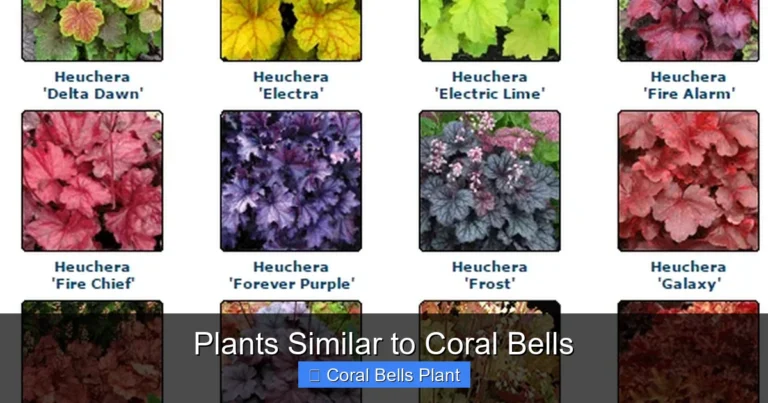
‘Palace Purple’ is a classic deep‑purple leaf that holds color in full sun. ‘Caramel’ offers warm amber tones and resists fading. ‘Lime Rickey’ brings chartreuse brightness that actually deepens with more light. ‘Fire Alarm’ shows vivid red veins that stay striking under strong rays. ‘Obsidian’ provides near‑black foliage that tolerates afternoon sun better than many green forms.
Choosing Based on Climate
In the Pacific Northwest, most of these varieties perform well with six hours of sun. In the Southwest, you may need to limit exposure to four hours and add afternoon shade. Always check the plant tag or nursery description for the specific sun rating.
Mixing Varieties for Continuous Color
Plant a combination of early‑season and late‑season bloomers. ‘Palace Purple’ peaks in spring, while ‘Caramel’ shines through summer. This strategy keeps the border lively even if one cultivar slows down during extreme heat.
Preparing Soil for Sunny Spots
Drainage Is Critical
Heuchera roots rot quickly in soggy soil. In sunny beds the soil dries faster, but heavy rain can still create puddles. Amend the planting hole with equal parts compost, coarse sand, and native soil. This mix improves aeration and lets excess water escape.
Adding Organic Matter
Compost supplies nutrients and improves moisture retention without waterlogging. Work a two‑inch layer into the top six inches of soil before planting. Over time the organic matter breaks down, feeding the plant slowly.
Testing pH and Adjusting
Heuchera prefers slightly acidic to neutral pH, around 6.0 to 7.0. A simple soil test kit tells you where you stand. If the soil is too alkaline, incorporate elemental sulfur or pine bark fines. If it is too acidic, add garden lime sparingly.
Watering Strategies for Full Sun
Deep Soak Versus Frequent Light Watering
Deep watering encourages roots to grow downward where soil stays cooler. Apply enough water to wet the root zone to a depth of eight inches. Do this once or twice a week depending on temperature and rainfall. Light daily sprinkling only wets the surface and promotes shallow roots.
Using Drip Irrigation or Soaker Hoses
Drip lines deliver water directly to the base of each plant, reducing evaporation. Set a timer for early morning runs. This timing lets foliage dry before evening, lowering disease risk.
Mulching to Conserve Moisture
Spread a two‑inch layer of shredded bark, straw, or pine needles around each plant. Keep mulch a few inches away from the crown to prevent rot. Mulch also moderates soil temperature, protecting roots from midday heat spikes.
Managing Heat Stress and Leaf Scorch
Providing Afternoon Shade
Even sun‑tolerant varieties benefit from a break during the hottest part of the day. Plant taller companions like ornamental grasses or small shrubs on the west side. Alternatively, install a lightweight shade cloth that blocks 30‑40 percent of light.
Recognizing Early Scorch Symptoms
Brown, crispy leaf margins are the first warning. If you see them, increase watering frequency and add temporary shade. Remove severely damaged leaves to redirect energy to healthy growth.
Using Anti‑Transpirant Sprays
Products that form a thin film on leaves can reduce water loss during extreme heat. Apply according to label directions, usually early morning. These sprays are a short‑term aid, not a substitute for proper watering.
Designing a Sunny Coral Bells Garden
Creating Color Blocks
Group three to five plants of the same cultivar for a bold color block. Space them twelve to eighteen inches apart to allow air flow. Repeating blocks of different hues creates a tapestry effect that looks intentional.
Combining With Companion Plants
Pair coral bells with drought‑tolerant perennials such as sedum, lavender, or yarrow. These companions share similar water needs and add texture. Low‑growing groundcovers like creeping thyme fill gaps and suppress weeds.
Container Gardening in Full Sun
Choose a pot at least twelve inches wide with drainage holes. Use a high‑quality potting mix amended with perlite. Water containers more often than in‑ground beds because they dry faster. Position pots where they receive morning sun and afternoon shade for best results.
Conclusion
So, can you plant coral bells in the sun? Absolutely, when you pick the right varieties, prepare the soil, water deeply, and give a little afternoon relief. With these steps your Heuchera will reward you with vibrant foliage and delicate blooms all season long. Experiment with a few cultivars, observe how they respond, and adjust care as needed. Happy gardening!
Frequently Asked Questions
Which coral bells varieties are most sun‑tolerant?
‘Palace Purple’, ‘Caramel’, ‘Lime Rickey’, ‘Fire Alarm’, and ‘Obsidian’ are known for handling more direct light than traditional shade types.
How do I prevent leaf scorch on coral bells in sunny locations?
Provide afternoon shade, water deeply, mulch well, and choose sun‑tolerant cultivars.
What soil pH do coral bells prefer?
They thrive in slightly acidic to neutral soil, ideally between 6.0 and 7.0.
Can I plant coral bells under a tree that gets filtered sun?
Yes, dappled shade mimics their natural habitat and often produces the healthiest foliage.
How far apart should I space coral bells in a sunny border?
Space plants 12 to 18 inches apart to allow air circulation and room for mature growth.
Is it necessary to deadhead coral bells?
Deadheading spent flower stalks encourages a tidy appearance and may promote a second flush of blooms.