Plant Combinations with Coral Bells
Coral bells (Heuchera) shine brightest when paired with the right companions. This guide reveals the best plant combinations with coral bells for texture, color contrast, and season-long interest in shade gardens. Learn design principles, top companion picks, and care tips to create breathtaking garden beds.
If you have ever grown coral bells, you know they are garden superstars. Their ruffled leaves come in colors that seem impossible. Deep purple. Bright lime. Caramel. Silver. Near-black. But here is the secret. Coral bells truly sing when they have the right neighbors. The right plant combinations with coral bells turn a pretty plant into a garden masterpiece.
I have spent years testing different pairings in my own shade borders. Some combinations fizzle. Others create magic that lasts from early spring through winter. Today I am sharing everything I have learned about designing with Heuchera. You will discover the best companions for every coral bell color. You will learn design tricks that professionals use. And you will get practical tips to keep your combinations looking fresh for years.
Key Takeaways
- Contrast foliage textures: Pair ruffled coral bells with broad-leafed hostas or fine-textured ferns for visual depth.
- Play with color echoes: Match coral bell vein colors to companion flowers or foliage for cohesive design.
- Layer by height: Use low-growing Heuchera as groundcover beneath taller shade perennials like astilbe or Japanese forest grass.
- Extend seasonal interest: Combine early-blooming bulbs, summer perennials, and evergreen coral bells for year-round appeal.
- Match growing conditions: Choose companions that share coral bells’ preference for well-drained soil and partial shade.
- Consider container combos: Coral bells thrive in pots with trailing plants like creeping jenny and upright accents like carex.
- Divide and refresh: Rejuvenate coral bells every 3-4 years to maintain vigor in mixed plantings.
Quick Answers to Common Questions
What are the best companion plants for coral bells in shade?
Top shade companions include hostas, ferns, astilbe, Japanese forest grass, brunnera, pulmonaria, hellebores, epimedium, and carex. These share similar light and moisture needs while providing contrasting textures.
Can coral bells grow in full sun?
Dark-leaved varieties like ‘Obsidian’ and ‘Palace Purple’ tolerate more sun (4-6 hours) with adequate moisture. Light-colored varieties need afternoon shade to prevent scorching. All prefer partial shade for best performance.
How far apart should I space coral bells when planting combinations?
Space coral bells 12-18 inches apart based on mature width. Allow 18-24 inches between coral bells and larger companions like hostas. Check plant tags for specific cultivar sizes.
Why are my coral bells dying in the center?
This is natural aging. Coral bells become woody and die out in the center after 3-4 years. Divide in spring or fall, replanting vigorous outer sections. Discard the woody center.
Do coral bells spread aggressively?
No, coral bells are clump-forming perennials that stay put. They slowly widen but do not run or self-seed aggressively. Some species like Heuchera villosa may self-sow lightly, but cultivars rarely come true from seed.
📑 Table of Contents
- Understanding Coral Bells: The Foundation of Great Combinations
- Design Principles for Stunning Coral Bell Combinations
- Top Plant Combinations with Coral Bells by Color Theme
- Plant Combinations with Coral Bells for Specific Situations
- Seasonal Care for Plant Combinations with Coral Bells
- Common Mistakes to Avoid
- Advanced Design: Creating Garden Vignettes
- Propagation: Multiply Your Combinations
- Where to Buy and What to Look For
- Conclusion: Your Garden, Your Masterpiece
Understanding Coral Bells: The Foundation of Great Combinations
Before we dive into specific plant combinations with coral bells, let us talk about the star of the show. Coral bells (Heuchera) are North American natives. They belong to the saxifrage family. Modern breeding has given us hundreds of cultivars. Each one offers something unique.
Foliage Forms and Colors
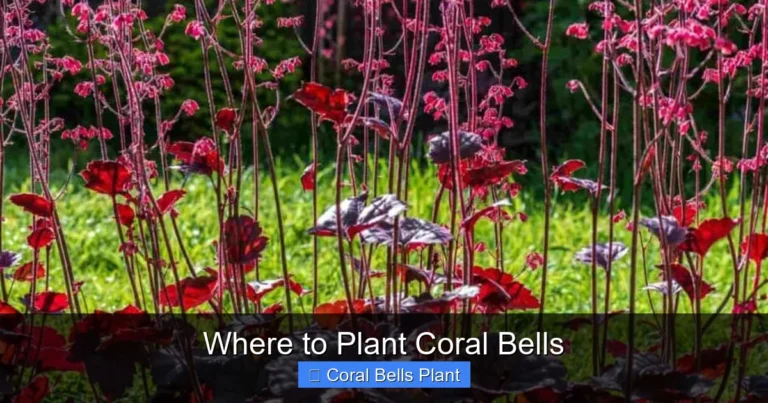
Coral bells are grown primarily for foliage. The leaves form neat mounds. Most reach 12 to 18 inches tall and wide. Leaf shapes vary. Some are rounded. Others are deeply lobed or ruffled. The color range is staggering.
- Purple to near-black: ‘Palace Purple,’ ‘Obsidian,’ ‘Black Pearl’
- Silver and pewter: ‘Silver Scrolls,’ ‘Appletini,’ ‘Forever Purple’
- Caramel and amber: ‘Caramel,’ ‘Georgia Peach,’ ‘Peach Flambe’
- Chartreuse and lime: ‘Lime Rickey,’ ‘Electra,’ ‘Lemon Love’
- Red and rose: ‘Fire Alarm,’ ‘Cherry Cola,’ ‘Red Lightning’
- Green with dramatic veins: ‘Green Spice,’ ‘Marmalade,’ ‘Cajun Fire’
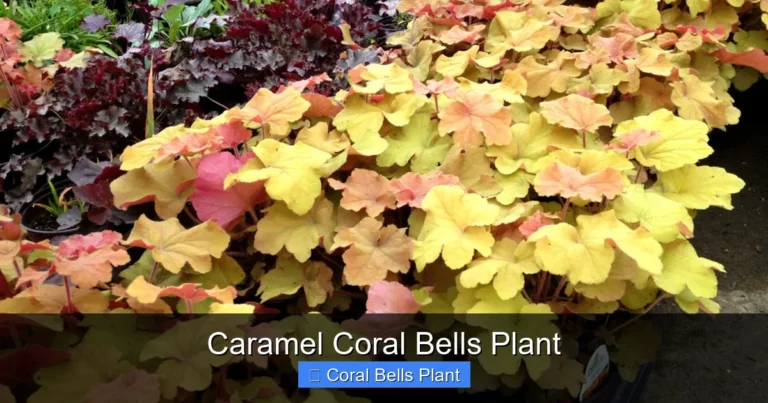
Many varieties change color through the seasons. ‘Caramel’ emerges gold in spring, turns peach in summer, and deepens to salmon in fall. This chameleon quality makes plant combinations with coral bells dynamic.
Flowers: The Bonus Feature
Do not forget the flowers. In late spring to early summer, wiry stems rise above the foliage. They carry clouds of tiny bells. Colors range from white to pink to coral red. The blooms attract hummingbirds and bees. They also make charming cut flowers. When planning plant combinations with coral bells, consider bloom time. Choose companions that flower before, during, or after for continuous color.
Growing Requirements
Successful plant combinations with coral bells start with shared cultural needs. Coral bells prefer:
- Light: Partial shade is ideal. Morning sun with afternoon shade brings out the best color. Dark varieties tolerate more sun. Light varieties need more shade.
- Soil: Well-drained, humus-rich soil. They hate wet feet. Heavy clay leads to crown rot.
- Moisture: Consistent moisture. Not soggy. Not bone dry.
- Hardiness: Most are hardy in zones 4-9. Some handle zone 3 with mulch.
- pH: Slightly acidic to neutral (6.0-7.0).
Keep these needs in mind when selecting companions. The best plant combinations with coral bells pair plants that thrive in the same conditions.
Design Principles for Stunning Coral Bell Combinations
Great plant combinations with coral bells do not happen by accident. They follow design principles. Once you understand these, you can create endless beautiful pairings.
Principle 1: Contrast Texture
Texture contrast is the number one secret. Coral bells have rounded, often ruffled leaves. They look best next to completely different textures.
- Broad and bold: Hostas, bergenia, rodgersia
- Fine and feathery: Ferns, astilbe, thalictrum
- Grassy and linear: Japanese forest grass, carex, hakonechloa
- Glossy and smooth: Epimedium, asarum, hellebore
Imagine a planting of ‘Obsidian’ coral bells. The nearly black, shiny, ruffled leaves. Now add ‘Sum and Substance’ hosta beside it. Huge, matte, chartreuse leaves. The contrast stops people in their tracks. That is the power of texture in plant combinations with coral bells.
Principle 2: Echo Colors
Color echoing creates harmony. Look at your coral bell variety. What colors appear in the veins? The undersides? The new growth? Pick companions that repeat those colors.
Take ‘Green Spice’ coral bells. Silver leaves with dark purple veins. Pair it with purple-leafed heuchera like ‘Plum Pudding.’ Add white-flowering astilbe ‘Bridal Veil.’ The silver echoes the astilbe flowers. The purple veins echo the heuchera. The combination feels intentional and sophisticated.
Principle 3: Vary Heights
Flat gardens are boring. Plant combinations with coral bells should have layers.
- Ground layer (under 12 inches): Coral bells, tiarella, asarum, small carex
- Mid layer (12-24 inches): Astilbe, epimedium, pulmonaria, brunnera
- Tall layer (2-4 feet): Rodgersia, aruncus, cimicifuga, tall ferns
- Vertical accents: Digitalis, thalictrum, actaea
Coral bells make perfect edging plants. Their neat mounds define the front of a border. Taller plants behind them create depth.
Principle 4: Plan for Seasons
The best plant combinations with coral bells look good in every season.
- Spring: Bulbs (daffodils, scilla, chionodoxa) bloom before coral bells fill in. Hellebores provide early flowers.
- Summer: Astilbe, hosta, Japanese forest grass hit their stride. Coral bell flowers appear.
- Fall: Coral bell foliage often intensifies. Add fall-blooming anemones or toad lilies.
- Winter: Evergreen coral bells persist. Pair with evergreen ferns, hellebores, and carex for winter structure.
Top Plant Combinations with Coral Bells by Color Theme
Now let us get specific. Here are my favorite plant combinations with coral bells organized by the coral bell color. These are tested, proven pairings.
Dark Purple and Black Coral Bells
Varieties: ‘Obsidian,’ ‘Black Pearl,’ ‘Palace Purple,’ ‘Forever Purple,’ ‘Plum Pudding’
Dark coral bells are drama queens. They need bright partners to avoid disappearing into shadows.
Combination 1: The Classic Contrast
- Coral bells: ‘Obsidian’ or ‘Black Pearl’
- Partner 1: Hosta ‘Sum and Substance’ (huge chartreuse leaves)
- Partner 2: Japanese forest grass ‘All Gold’ (cascading gold blades)
- Partner 3: White-flowering astilbe ‘Deutschland’
Why it works: The gold and chartreuse make the black foliage pop. White flowers float above like clouds. This combination glows in shade.
Combination 2: The Jewel Box
- Coral bells: ‘Forever Purple’
- Partner 1: Brunnera ‘Jack Frost’ (silver leaves with green veins)
- Partner 2: Pulmonaria ‘Trevi Fountain’ (silver-spotted leaves, cobalt flowers)
- Partner 3: Epimedium ‘Sulphureum’ (yellow flowers, semi-evergreen)
Why it works: Silver and purple are elegant together. Blue and yellow flowers add spring sparkle. All plants are low-maintenance.
Silver and Pewter Coral Bells
Varieties: ‘Silver Scrolls,’ ‘Appletini,’ ‘Steel City,’ ‘Silver Gumdrop’
Silver coral bells act as mirrors in the garden. They reflect light and brighten dark corners.
Combination 3: Moonlight Garden
- Coral bells: ‘Silver Scrolls’
- Partner 1: Hosta ‘Blue Angel’ (huge blue-green leaves)
- Partner 2: Fern ‘Ghost’ (silvery fronds with burgundy stems)
- Partner 3: White bleeding heart (Dicentra spectabilis ‘Alba’)
Why it works: A monochromatic scheme in silver, blue, and white. Calming and luminous in evening light. Perfect for a shade garden viewed from a patio.
Combination 4: Silver with a Pop
- Coral bells: ‘Appletini’ (silver with red veins)
- Partner 1: Astilbe ‘Rheinland’ (pink plumes)
- Partner 2: Carex ‘EverColor Everillo’ (lime green grass)
- Partner 3: Hellebore ‘Ivory Prince’ (cream flowers, evergreen)
Why it works: The red veins in ‘Appletini’ echo the pink astilbe. Lime grass adds energy. Hellebores extend the season.
Caramel, Peach, and Amber Coral Bells
Varieties: ‘Caramel,’ ‘Georgia Peach,’ ‘Peach Flambe,’ ‘Marmalade,’ ‘Cajun Fire’
Warm-toned coral bells are the chameleons. They shift through gold, orange, pink, and copper. They play well with almost everything.
Combination 5: Autumn Glow
- Coral bells: ‘Caramel’
- Partner 1: Hakonechloa ‘All Gold’ (golden cascading grass)
- Partner 2: Sedum ‘Autumn Joy’ (pink to copper flowers)
- Partner 3: Aster ‘Wood’s Purple’ (fall purple daisies)
Why it works: This combination peaks in fall. The grass, sedum, and coral bells all turn richer colors. Purple asters provide complementary contrast.
Combination 6: Spring Freshness
- Coral bells: ‘Georgia Peach’
- Partner 1: Brunnera ‘Alexander’s Great’ (large silver leaves)
- Partner 2: Tulipa ‘Angelique’ (peony-flowered pink tulips)
- Partner 3: Fern ‘Japanese Painted’ (silver, burgundy, green fronds)
Why it works: Tulips provide early color before perennials emerge. The painted fern picks up the coral bell’s pink tones. Brunnera’s forget-me-not flowers charm in spring.
Chartreuse and Lime Coral Bells
Varieties: ‘Lime Rickey,’ ‘Electra,’ ‘Lemon Love,’ ‘Key Lime Pie,’ ‘Citronelle’
Lime coral bells are highlighters. They draw the eye instantly. Use them to illuminate dark areas.
Combination 7: Electric Shade
- Coral bells: ‘Electra’ (lime with red veins)
- Partner 1: Hosta ‘June’ (blue-green with gold centers)
- Partner 2: Astilbe ‘Fanal’ (deep red plumes)
- Partner 3: Carex ‘Bowles Golden’ (bright gold sedge)
Why it works: Red veins echo red astilbe. Gold hosta centers echo gold carex. Lime coral bells tie it all together. High voltage color.
Combination 8: Cool Contrast
- Coral bells: ‘Lime Rickey’
- Partner 1: Hosta ‘Halcyon’ (blue leaves)
- Partner 2: Fern ‘Lady in Red’ (red stems, green fronds)
- Partner 3: Geranium ‘Rozanne’ (blue flowers all summer)
Why it works: Blue and lime are complementary. Red fern stems add a surprise detail. ‘Rozanne’ blooms for months. Long-lasting, low-care combination.
Red and Rose Coral Bells
Varieties: ‘Fire Alarm,’ ‘Cherry Cola,’ ‘Red Lightning,’ ‘Berry Smoothie,’ ‘Wild Rose’
Red coral bells bring warmth to cool shade gardens. They pair beautifully with purple, silver, and chartreuse.
Combination 9: Berry Patch
- Coral bells: ‘Berry Smoothie’ (rose-pink with silver overlay)
- Partner 1: Actaea ‘Hillside Black Beauty’ (dark purple foliage, white bottlebrush flowers)
- Partner 2: Hosta ‘Guacamole’ (chartreuse with green margins, fragrant flowers)
- Partner 3: Thalictrum ‘Black Stockings’ (purple stems, lavender clouds)
Why it works: A sophisticated palette of berry tones. Tall actaea and thalictrum create vertical interest. ‘Guacamole’ lightens the base.
Combination 10: Fire and Ice
- Coral bells: ‘Fire Alarm’ (bright red)
- Partner 1: Hosta ‘Patriot’ (dark green with wide white margins)
- Partner 2: Fern ‘Silver Falls’ (Japanese painted fern, very silver)
- Partner 3: Heucherella ‘Sweet Tea’ (cinnamon with orange veins)
Why it works: White hosta margins cool down the red. Silver fern adds shimmer. Heucherella extends the coral bell family with different texture.
Plant Combinations with Coral Bells for Specific Situations
Not every garden is the same. Here are plant combinations with coral bells tailored to common challenges.
Dry Shade Solutions
Dry shade is the toughest condition. Tree roots steal moisture. These combinations tolerate it once established.
- Coral bells: ‘Caramel’ or ‘Autumn Bride’ (more drought-tolerant)
- Partner 1: Epimedium x versicolor ‘Sulphureum’ (the ultimate dry shade plant)
- Partner 2: Carex oshimensis ‘Evergold’ (tough variegated sedge)
- Partner 3: Helleborus x hybridus (extremely drought-tolerant once established)
- Partner 4: Polygonatum odoratum ‘Variegatum’ (variegated Solomon’s seal)
Tip: Add compost yearly. Mulch well. Water deeply but infrequently to encourage deep roots.
Wet Clay Adaptations
Coral bells hate wet clay. But you can grow them in raised mounds or amended soil. These companions handle heavier soil better.
- Coral bells: Plant on 6-inch mounds of amended soil
- Partner 1: Astilbe chinensis varieties (more clay-tolerant)
- Partner 2: Lobelia cardinalis (cardinal flower loves moisture)
- Partner 3: Iris versicolor (blue flag iris handles wet clay)
- Partner 4: Chelone glabra (turtlehead, native to wet areas)
Tip: Mix coarse sand and compost into clay. Create berms. Ensure crowns sit high.
Container Combinations
Coral bells are container superstars. Their neat habit and evergreen foliage look great all season.
Recipe 1: Thriller, Filler, Spiller for Shade Pots
- Thriller (center/back): Carex ‘Feather Falls’ or small Japanese maple
- Filler (middle): Coral bells ‘Forever Red’ or ‘Wildberry’
- Spiller (edge): Creeping jenny ‘Aurea’ or lamium ‘White Nancy’
- Bonus: Tuck in early bulbs (muscari, crocus) for spring surprise
Recipe 2: Foliage-Only Container
- Coral bells: ‘Lime Rickey’ (3 plants)
- Partner 1: Heucherella ‘Solar Eclipse’ (3 plants)
- Partner 2: Carex ‘EverColor Everest’ (2 plants)
- Partner 3: Asarum europaeum (2 plants, glossy evergreen)
Why it works: No flowers needed. Texture and color carry the show. Evergreen through winter in zones 6+.
Under Trees: Root Competition
Planting under mature trees is tricky. Tree roots win. Use tough, shallow-rooted companions.
- Coral bells: Plant in pockets between roots, not on top of big roots
- Partner 1: Tiarella cordifolia (foamflower, native, spreads gently)
- Partner 2: Phlox divaricata (woodland phlox, spring flowers)
- Partner 3: Asarum canadense (wild ginger, groundcover)
- Partner 4: Mertensia virginica (Virginia bluebells, spring ephemeral)
Tip: Use a hand trowel, not a shovel. Minimize root disturbance. Water well the first year.
Seasonal Care for Plant Combinations with Coral Bells
Great plant combinations with coral bells need maintenance. Here is your seasonal checklist.
Spring: Wake Up and Clean Up
- Remove winter-damaged coral bell leaves. Cut to the crown.
- Apply slow-release organic fertilizer around all plants.
- Top-dress with 1 inch of compost.
- Divide overcrowded coral bells (every 3-4 years).
- Watch for heaving. Gently press crowns back into soil.
- Enjoy spring bulbs and early flowers.
Summer: Maintain and Enjoy
- Deadhead coral bell flower stems after bloom. Or leave for seed.
- Water deeply during dry spells. Soak the root zone.
- Mulch to conserve moisture. Keep mulch off crowns.
- Watch for foliar nematodes (brown wedges between veins). Remove affected leaves.
- Stake tall companions like actaea if needed.
- Take photos. Note what works for next year.
Fall: Prepare for Winter
- Stop fertilizing by early September.
- Leave coral bell foliage. It protects the crown.
- Cut back spent astilbe, hosta, ferns after frost.
- Apply winter mulch after ground freezes (pine straw, shredded leaves).
- Plant spring bulbs among the combinations.
- Mark locations of slow-emerging plants.
Winter: Protect and Plan
- Check for heaving during freeze-thaw cycles.
- Brush heavy snow off evergreen coral bells gently.
- Plan next year’s additions. Order early for best selection.
- Read garden books. Dream.
Common Mistakes to Avoid
Even experienced gardeners make these errors with plant combinations with coral bells.
Mistake 1: Planting Too Deep
Coral bell crowns must sit at or slightly above soil level. Buried crowns rot. This is the number one killer. When planting combinations, ensure all plants sit at their correct depths. Hostas can go deeper. Coral bells cannot.
Mistake 2: Ignoring Mature Sizes
That cute 4-inch pot becomes a 18-inch mound. Space plants for their mature width. Overcrowding leads to disease, competition, and lost beauty. Read labels. Plan for three years out.
Mistake 3: All One Texture
A bed of only mounded perennials looks flat. You need spiky, cascading, and vertical elements. Always include at least three texture types in your plant combinations with coral bells.
Mistake 4: Forgetting Foliage
Flowers are fleeting. Foliage lasts months. Choose companions for their leaves first, flowers second. The best plant combinations with coral bells look great even when nothing is blooming.
Mistake 5: Wrong Light Assessment
“Shade” varies. Deep shade under evergreens differs from dappled shade under deciduous trees. Morning sun differs from afternoon sun. Observe your site for a full day before planting. Match plants to the actual light.
Advanced Design: Creating Garden Vignettes
Take plant combinations with coral bells to the next level. Create vignettes. Small scenes that tell a story.
The Woodland Edge Vignette
Mimic a natural forest transition.
- Backdrop: Serviceberry (Amelanchier) or redbud (Cercis)
- Middle: Oakleaf hydrangea, fothergilla
- Front: Coral bells ‘Caramel,’ foamflower, wild ginger, Virginia bluebells
- Ground: Shredded leaf mulch, moss patches
This vignette changes through seasons. Spring ephemerals. Summer foliage. Fall color. Winter structure.
The Modern Minimalist Vignette
Clean lines. Limited palette. High impact.
- Coral bells: ‘Obsidian’ (mass of 7-9 plants)
- Grass: Hakonechloa ‘All Gold’ (mass of 5-7)
- Stone: Large flat rocks placed artistically
- Mulch: Black mx or dark gravel
Only two plants. Massed. The contrast is bold. Maintenance is low. Very contemporary.
The Collector’s Corner
For plant lovers who want one of everything.
- Arrange 5-7 different coral bell varieties in a gentle curve
- Interplant with miniature hostas (‘Mouse Ears’ series)
- Add tiny bulbs: species tulips, dwarf iris, chionodoxa
- Edge with small carex or mondo grass
This is a tapestry. Best viewed up close. Perfect near a path or bench.
Propagation: Multiply Your Combinations
Love a combination? Make more. Coral bells are easy to propagate.
Division
Best done in spring or early fall.
- Dig the entire clump.
- Shake off soil.
- Pull apart into sections with roots and 3-5 shoots each.
- Replant immediately at same depth.
- Water well. Mulch.
Divide every 3-4 years to maintain vigor. The center of old clumps dies out.
Leaf Cuttings
Works for many varieties. Summer is best.
- Cut healthy leaf with 1 inch of petiole.
- Dip in rooting hormone.
- Insert into moist perlite/peat mix.
- Cover with humidity dome.
- Roots form in 4-6 weeks.
Great for multiplying expensive new cultivars.
Seed
Species coral bells come true from seed. Hybrids do not. But seedlings are fun surprises.
- Collect seed when pods split.
- Sow fresh on moist seed mix.
- Do not cover. Light aids germination.
- Keep at 65-70°F.
- Transplant seedlings when they have true leaves.
Where to Buy and What to Look For
Quality plants make better plant combinations with coral bells.
Local Nurseries
Best for seeing true colors. Tags can be wrong. Leaves in person reveal the truth. Support local growers. They know what works in your area.
Mail Order Specialists
Wider selection. Look for:
- Shipment in spring or fall (not summer heat)
- Plants in 3.5-inch or quart pots (not plugs)
- Guarantees
- Detailed cultural info
What to Avoid
- Plants with brown, mushy crowns
- Yellowing lower leaves (could be nematodes)
- Weed-infested pots
- Root-bound plants with circling roots
- Mislabeled varieties (common with coral bells)
Conclusion: Your Garden, Your Masterpiece
Plant combinations with coral bells are limited only by your imagination. These versatile perennials play well with hundreds of shade-loving partners. They bring color when flowers are scarce. They provide texture that catches light. They persist through winter when the garden sleeps.
Start small. Pick one coral bell variety you love. Choose three companions from this guide. Plant them. Watch them. Learn. Next year, expand. Try a new color theme. Create a container. Design a vignette.
Remember the principles. Contrast texture. Echo color. Vary height. Plan for seasons. Match cultural needs. Follow these, and your plant combinations with coral bells will look like they were designed by a professional. Because they were. By you.
Your shade garden is waiting. Those dark corners are opportunities. The space under the maple tree is a canvas. Coral bells are your paint. Their companions are your brushstrokes. Go create something beautiful.
And when someone asks how you did it, you can just smile. Say it was easy. Because with the right plant combinations with coral bells, it really is.
Frequently Asked Questions
What is the best time to plant coral bells and their companions?
Spring and early fall are ideal planting times. Spring allows roots to establish before summer heat. Fall planting gives a head start for next season. Avoid planting during summer heat or winter freeze.
How do I prevent crown rot in coral bells?
Plant crowns at or slightly above soil level. Ensure excellent drainage with compost-amended soil. Mulch with pine straw or shredded leaves, keeping mulch away from crowns. Water at soil level, not overhead.
Can I grow coral bells in containers with other plants?
Yes, coral bells thrive in containers. Use quality potting mix with perlite. Combine with carex, creeping jenny, hellebores, or miniature hostas. Ensure pots have drainage holes. Water consistently. Protect containers in zone 5 and colder.
Which coral bell varieties are most heat and humidity tolerant?
Heuchera villosa hybrids like ‘Caramel,’ ‘Citronelle,’ ‘Mocha,’ and ‘Brownies’ handle Southern heat and humidity best. ‘Autumn Bride’ is another tough villosa selection. Avoid micrantha types in hot humid climates.
How do I design a four-season garden with coral bells?
Layer spring bulbs, summer perennials (astilbe, hosta), fall interest (sedum, anemones), and winter evergreens (hellebores, carex, ferns). Choose coral bells with winter-persistent foliage. Include plants with interesting bark or berries for winter.
Are coral bells deer and rabbit resistant?
Coral bells are generally deer and rabbit resistant due to their astringent foliage. However, hungry animals may sample them, especially new growth. Use repellents in high-pressure areas. Companions like ferns, hellebores, and epimedium are also resistant.