Do Deer Eat Coral Bells Plants
Coral bells (Heuchera) are generally considered deer-resistant due to their fuzzy leaves and bitter taste, but hungry deer may still nibble them in tough conditions. This guide covers why deer usually avoid them, when they might eat them anyway, and proven strategies to keep your coral bells safe all season long.
Key Takeaways
- Coral bells are deer-resistant, not deer-proof: Their fuzzy texture and bitter compounds deter most browsing, but desperate deer will eat almost anything.
- Deer pressure varies by region and season: High deer populations, harsh winters, and drought increase the likelihood of damage to typically resistant plants.
- Young plants are most vulnerable: Tender new growth on recently planted coral bells attracts more deer attention than established, tougher foliage.
- Companion planting boosts protection: Surrounding coral bells with strongly scented herbs like lavender, sage, or rosemary creates a natural barrier.
- Physical barriers work best for high-pressure areas: Fencing, netting, or cages provide reliable protection when deer populations are dense.
- Repellents need rotation and consistency: Alternating between scent-based and taste-based repellents prevents deer from becoming accustomed to any single product.
- Healthy plants recover faster: Proper watering, mulching, and fertilizing help coral bells bounce back quickly if they do get browsed.
Quick Answers to Common Questions
Are coral bells completely deer-proof?
No plant is completely deer-proof. Coral bells are deer-resistant due to fuzzy leaves and bitter taste, but hungry deer will eat them during food shortages or high pressure periods.
Which coral bells varieties are most deer-resistant?
Varieties with the thickest, fuzziest leaves like ‘Palace Purple,’ ‘Obsidian,’ ‘Caramel,’ and villosa hybrids offer the best natural resistance against deer browsing.
When are coral bells most vulnerable to deer damage?
Early spring emergence, late spring when fawns sample plants, late summer drought, fall fattening period, and winter when evergreen foliage is exposed above snow.
Do coffee grounds repel deer from coral bells?
Coffee grounds may provide minor deterrence due to scent, but they are not reliable as a standalone deer repellent. Commercial rotating repellents or physical barriers work far better.
Will coral bells grow back after deer eat them?
Yes, if the crown (growing point at soil level) is undamaged. Clean up torn stems, water well, apply light fertilizer, and protect new growth immediately with cages or repellent.
📑 Table of Contents
- Understanding the Deer and Coral Bells Relationship
- Why Deer Usually Avoid Coral Bells
- When Deer Might Eat Coral Bells Anyway
- Assessing Your Deer Pressure Level
- Protecting Your Coral Bells: A Multi-Layered Approach
- What to Do If Deer Eat Your Coral Bells
- Designing a Deer-Resistant Shade Garden with Coral Bells
- Regional Considerations for Deer and Coral Bells
- Long-Term Success: Building a Resilient Garden
- Conclusion
Understanding the Deer and Coral Bells Relationship
If you have spent any time gardening in areas with deer, you know the frustration of waking up to find your prized plants reduced to stubs overnight. Coral bells, known botanically as Heuchera, have gained a reputation as a deer-resistant perennial. But what does that really mean for your garden? Let us dig into the details so you can plan your shade garden with confidence.
The short answer is that deer typically avoid coral bells. The plants have characteristics that make them unappealing to browsers. However, “deer-resistant” is not the same as “deer-proof.” Understanding the nuances can save you heartache and help you protect your investment in these beautiful foliage plants.
Why Deer Usually Avoid Coral Bells
Texture Matters: Fuzzy and Leathery Leaves
One of the main reasons deer pass up coral bells is the texture of the foliage. Many Heuchera varieties have leaves covered in fine hairs that give them a fuzzy or velvety feel. Deer prefer smooth, tender leaves that are easy to chew and digest. The hairy surface irritates their mouths and makes the plant less palatable.
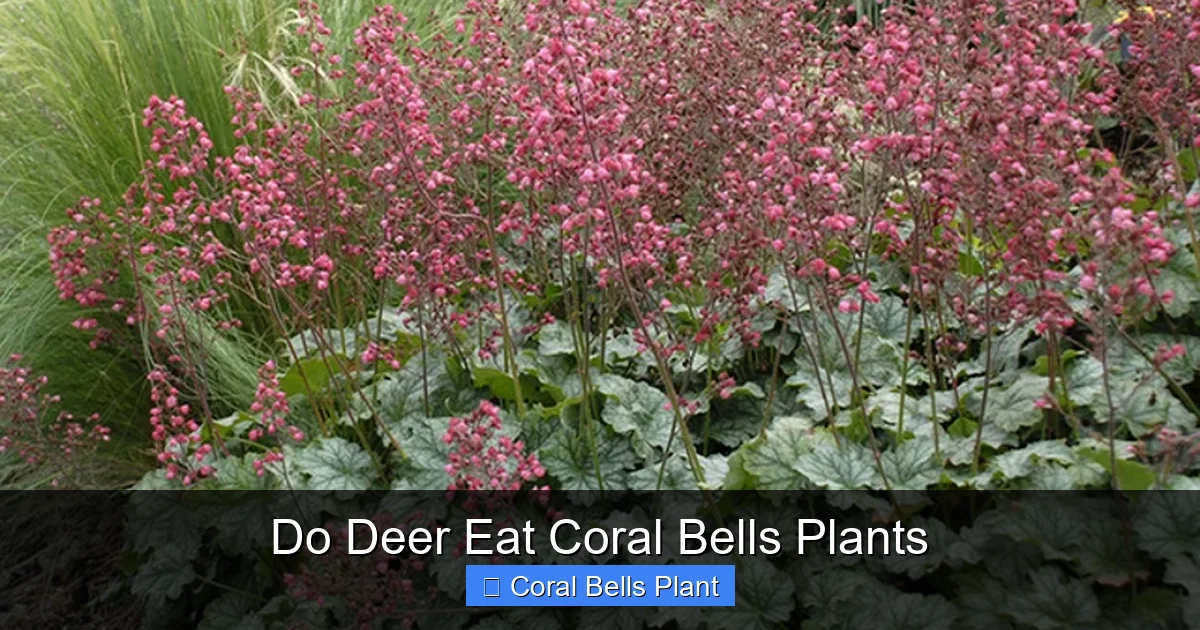
Visual guide about Do Deer Eat Coral Bells Plants
Image source: cdn11.bigcommerce.com
Some cultivars have thicker, almost leathery leaves as they mature. This toughness adds another layer of deterrence. A deer walking through your shade garden is looking for an easy salad, not a workout for its jaw muscles.
Bitter Compounds and Chemical Defenses
Beyond texture, coral bells contain chemical compounds that taste bitter to deer. Plants in the Saxifragaceae family, which includes Heuchera, produce secondary metabolites that act as natural deterrents. These compounds evolved to protect the plant from herbivores, and they work reasonably well against deer.
Think of it like this: if you were offered a choice between a sweet, crisp apple and a bitter, fuzzy leaf, you would pick the apple every time. Deer make the same calculation. They will browse the tastiest, easiest options first and only turn to less desirable plants when hunger forces their hand.
Aromatic Foliage in Some Varieties
Certain coral bells cultivars release a subtle fragrance when their leaves are crushed or brushed against. While not as strongly scented as herbs like lavender or mint, this aromatic quality adds to the overall unappealing package. Deer rely heavily on their sense of smell to evaluate food sources. A plant that smells unfamiliar or medicinal often gets a pass.
When Deer Might Eat Coral Bells Anyway
High Deer Pressure and Limited Food
In areas with dense deer populations, the competition for food is fierce. When the preferred browse—hostas, daylilies, roses, and young tree shoots—is depleted, deer expand their menu. A garden full of “deer-resistant” plants becomes a buffet when the alternative is starvation.
Winter is the most dangerous time. With snow covering ground-level forage and deciduous plants bare, evergreen and semi-evergreen perennials like coral bells stand out. Their persistent foliage makes them visible and accessible when little else is green.
Drought Conditions Increase Browsing
During dry spells, wild plants become tough and less nutritious. Your irrigated garden plants, including coral bells, remain succulent and appealing. Deer are drawn to the moisture content in well-watered foliage. If you are watering during a drought, you are essentially ringing the dinner bell.
Young Plants Are Prime Targets
Newly planted coral bells are at the highest risk. Their leaves are tender, not yet fully developed with the tough texture and chemical defenses of mature plants. The root systems are also shallow, making the entire plant easy to yank out of the ground. Deer often pull young perennials up by the roots, killing them outright.
Curious Fawns and Sampling Behavior
Young deer, like human toddlers, explore the world by putting things in their mouths. Fawns will sample almost any plant as they learn what is edible. Even if they spit out the coral bells, the damage is done. This sampling behavior peaks in late spring and early summer when fawns are mobile but inexperienced.
Assessing Your Deer Pressure Level
Low Pressure: Occasional Visitors
If you see deer tracks occasionally but rarely spot the animals themselves, and your neighbors report minimal damage, you likely have low pressure. In these gardens, coral bells planted without protection usually thrive. The deer have plenty of wild forage and no need to test your landscaping.
Moderate Pressure: Regular but Not Constant
You see deer weekly, maybe daily at dawn and dusk. Neighbors complain about hostas and tulips disappearing. Some “resistant” plants get nibbled but not destroyed. This is the zone where coral bells might survive unprotected but benefit from occasional repellent applications.
High Pressure: Daily Herds and Heavy Damage
Deer are a constant presence. They bed down in your yard. Even plants labeled highly resistant get eaten. Fencing is the only reliable solution at this level. If you garden in high-pressure areas, assume coral bells will be browsed unless physically excluded.
Protecting Your Coral Bells: A Multi-Layered Approach
Start with Smart Plant Selection
Not all coral bells are created equal when it comes to deer resistance. Varieties with the fuzziest leaves and thickest texture tend to be the most deterrent. Look for cultivars like ‘Palace Purple,’ ‘Obsidian,’ ‘Midnight Rose,’ and ‘Caramel’ which have notably substantial foliage. The villosa species and its hybrids are particularly known for their hairy, rugged leaves.
Avoid the thinnest-leaved, smoothest varieties if deer are a concern. The ruffled, heavily textured leaves of many modern hybrids offer better protection than the species types.
Companion Planting for Natural Defense
Surround your coral bells with plants deer genuinely hate. This creates a protective ring that deer must cross to reach your Heuchera. Excellent companions include:
- Lavender: Strong scent, woody stems, essential oils deer despise
- Russian Sage: Aromatic foliage, airy texture, long bloom season
- Catmint: Minty fragrance, fuzzy leaves, deer avoid it consistently
- Salvia: Many species have square stems and pungent foliage
- Yarrow: Ferny, aromatic leaves and bitter taste
- Alliums: Onion scent repels deer and many other pests
- Boxwood: Evergreen structure with alkaloids that deter browsing
Plant these in a border around your coral bells bed, or interplant them throughout. The mixed textures and scents confuse deer and make the area less inviting.
Repellents: Scent-Based vs. Taste-Based
Commercial repellents fall into two main categories. Scent-based products mimic predator urine or use strong odors like garlic, rotten eggs, or blood meal to trigger fear. Taste-based products make plants bitter or spicy using capsaicin, putrescent egg solids, or denatonium benzoate (the same bittering agent used in antifreeze to prevent poisoning).
For coral bells, taste-based repellents often work better because the leaves are already unpalatable. Adding a bitter coating reinforces the natural deterrence. However, scent repellents can keep deer from entering the bed in the first place.
Rotation is critical. Deer habituate to any single repellent within two to three weeks. Alternate between a scent product and a taste product every two weeks. Apply after rain and on new growth. Follow label rates—more is not better and can damage foliage.
Homemade Repellent Recipes
If you prefer DIY solutions, these recipes have anecdotal support from gardeners:
- Egg Spray: Blend 3 raw eggs with 3 cups water. Strain and spray. The sulfur compounds mimic rotting meat.
- Hot Pepper Spray: Simmer 1 tablespoon cayenne or 2 chopped habaneros in 1 quart water for 20 minutes. Strain, add a few drops dish soap, dilute to 1 gallon.
- Garlic Oil Spray: Soak 4 ounces minced garlic in 2 teaspoons mineral oil for 24 hours. Add 1 pint water and 1 teaspoon dish soap. Strain and dilute 1:10.
Test any spray on a few leaves first. Some coral bells cultivars are sensitive to oil-based sprays in hot sun.
Physical Barriers: The Gold Standard
When deer pressure is moderate to high, nothing beats a physical barrier. Options range from temporary to permanent:
- Individual Plant Cages: Wire cylinders 3 feet tall, staked around each plant. Ideal for new plantings.
- Bed Netting: Black deer netting draped over hoops or stakes. Nearly invisible from a distance.
- Electric Fencing: Single strand 30 inches high, baited with peanut butter to train deer. Very effective for vegetable gardens and perennial beds.
- Permanent Deer Fence: 7.5 to 8 feet tall woven wire or poly fence. The only 100% solution for high-pressure areas.
For coral bells specifically, individual cages during the first year give plants time to establish tough foliage. After that, many gardeners remove cages and rely on the plants’ natural resistance plus occasional repellent.
Timing Your Protective Measures
Deer browsing follows seasonal patterns. Ramp up protection during these high-risk windows:
- Early Spring: New growth emerges, wild forage scarce
- Late Spring: Fawns sampling, does nursing (high nutritional needs)
- Late Summer: Drought stress on wild plants
- Fall: Deer building fat reserves, acorn crop failure years
- Winter: Snow cover, evergreen foliage targeted
In low-pressure areas, you might only need repellent during these peaks. In moderate areas, maintain a rotation through the growing season. In high-pressure areas, barriers stay up year-round.
What to Do If Deer Eat Your Coral Bells
Assess the Damage
First, don’t panic. Coral bells are remarkably resilient. Check whether the crown—the growing point at soil level—is intact. If the leaves are gone but the crown is firm and undamaged, the plant will likely regrow. If the crown is crushed or eaten, the plant may not recover.
Clean Up and Stimulate Growth
Remove any ragged, torn leaf stems cleanly at the base. This prevents disease entry and looks tidier. Apply a light feeding of balanced, slow-release fertilizer or a top-dressing of compost. Water deeply if soil is dry. The goal is to push new foliage quickly.
Protect the Regrowth
New leaves emerging after browsing are the most tender and desirable to deer. Immediately cage the plant or apply repellent. This second round of growth is critical for the plant to rebuild energy reserves for winter.
Evaluate and Adjust
If a specific plant gets hit repeatedly while others nearby are untouched, that individual may be more palatable due to genetics, microclimate, or soil conditions. Consider moving it to a more protected spot or replacing it with a tougher cultivar.
Designing a Deer-Resistant Shade Garden with Coral Bells
Layer for Beauty and Defense
Coral bells shine in shade gardens. Use their mounding habit and colorful foliage as the middle layer in a three-tier design:
- Tall Backdrop: Deer-resistant shrubs like boxwood, Japanese pieris, or leatherleaf viburnum
- Middle Layer: Coral bells mixed with ferns, hellebores, and brunnera
- Ground Cover: Epimedium, wild ginger, or foamflower
This layered approach creates a dense planting that deer find difficult to navigate. They prefer open areas where they can see predators. A full, multi-level bed feels risky to them.
Color Combinations That Work
Modern coral bells offer foliage in purple, silver, caramel, lime, red, and near-black. Pair dark varieties with chartreuse hakone grass or golden Japanese forest grass. Silver-leaved types glow next to deep green ferns. The color play distracts the eye from any minor deer damage.
Container Strategy for High-Risk Spots
If you have a porch, deck, or patio area deer cannot reach (or rarely visit), grow coral bells in containers there. Elevated pots on a second-story deck are essentially deer-proof. You get the beauty up close, and the plants stay safe. Use quality potting mix, ensure drainage, and water consistently—containers dry faster than ground beds.
Regional Considerations for Deer and Coral Bells
Northeast and Midwest: White-Tailed Deer Dominance
White-tailed deer are browsers that prefer forbs and young woody growth. They adapt quickly to suburban landscapes. In these regions, coral bells perform well in low to moderate pressure areas but need help in suburbs bordering woodlands. Winter browsing is the biggest threat.
West Coast: Black-Tailed and Mule Deer
These species are more selective browsers but can be persistent once they develop a taste for a plant. Coastal gardens with summer drought see increased pressure on irrigated beds. The villosa-type coral bells with thick, hairy leaves perform best here.
South: Year-Round Pressure
In the Southeast, deer do not have a true winter dormancy period. Browsing pressure is constant. Coral bells may stay evergreen, making them visible targets 12 months a year. Fencing or consistent repellent programs are usually necessary.
Mountain West: Mule Deer and Elk
Elk will eat almost anything, including mature coral bells. If elk are present, only 8-foot fencing works. Mule deer are similar to white-tails but often in larger herds. High elevation gardens face intense pressure during migration seasons.
Long-Term Success: Building a Resilient Garden
Soil Health Equals Plant Health
Plants growing in rich, well-drained soil with appropriate pH (coral bells prefer slightly acidic, 5.5 to 6.5) develop stronger cell walls and higher concentrations of defensive compounds. Amend planting holes with compost. Mulch annually with shredded leaves or bark. Avoid synthetic fertilizers that push soft, succulent growth—deer love that.
Water Wisely
Deep, infrequent watering encourages deep roots and tougher foliage. Frequent shallow watering creates lush, tender leaves that deer prefer. Water coral bells at the base, not overhead, to keep foliage dry and reduce fungal issues.
Accept Some Damage
Perfect gardens exist only in magazines. In deer country, a few nibbled leaves are the cost of doing business. Focus on the overall health and beauty of the planting. A coral bells plant that loses 10% of its foliage to deer but grows vigorously otherwise is a success.
Keep Learning and Adapting
Deer behavior changes. New plants arrive at nurseries. Repellent formulations improve. Talk to local gardeners, join garden clubs, follow university extension updates. What works this year might need tweaking next year. The gardener who observes and adapts wins.
Conclusion
So, do deer eat coral bells plants? The honest answer is: usually not, but sometimes yes. Coral bells possess natural defenses—fuzzy leaves, bitter compounds, and tough texture—that make them a low-priority food source. In many gardens, they grow untouched for years. But in high-pressure areas, during harsh winters, or when plants are young and tender, deer will browse them.
The key to success is knowing your local deer pressure and matching your protection strategy to it. Low pressure? Plant and enjoy. Moderate pressure? Use companion planting and rotating repellents. High pressure? Install fencing or accept that some plants will need cages.
Coral bells are too beautiful—with their ruffled leaves in shades from lime to near-black, their delicate flower spikes, their ability to brighten shade—to give up on because of deer. With the right approach, you can have thriving Heuchera and deer in the same neighborhood. They just need to dine elsewhere.
Start by assessing your pressure level honestly. Choose the toughest cultivars. Plant them in healthy soil with deer-repelling companions. Protect new plantings for their first year. And remember: a garden that supports wildlife, even the frustrating kind, is a living, dynamic place. That is something to celebrate, nibbled leaves and all.
Frequently Asked Questions
Do deer eat coral bells in winter?
Yes, deer may eat coral bells in winter when snow covers other food sources. The evergreen or semi-evergreen foliage remains visible and accessible, making it a target during harsh conditions.
Are Heuchera and coral bells the same plant?
Yes, Heuchera is the botanical genus name for coral bells. They are also called alumroot. All refer to the same group of perennial plants native to North America.
What companion plants best protect coral bells from deer?
Strongly scented plants like lavender, Russian sage, catmint, salvia, yarrow, alliums, and boxwood create a sensory barrier that discourages deer from entering the planting area.
How tall should a fence be to keep deer away from coral bells?
For white-tailed deer, a 7.5 to 8-foot fence is needed for complete exclusion. Electric fencing at 30 inches can work if baited and maintained. Individual plant cages should be 3 feet tall.
Can I use human hair or soap to repel deer from coral bells?
Human hair and strongly scented soap bars (like Irish Spring) may provide temporary, minor deterrence in low-pressure areas. They are not reliable for moderate to high deer pressure and wash away quickly.
Do rabbits eat coral bells if deer don’t?
Rabbits may nibble young coral bells, especially in spring. They prefer tender new growth. Chicken wire cages 18-24 inches tall protect against both rabbits and deer during establishment.