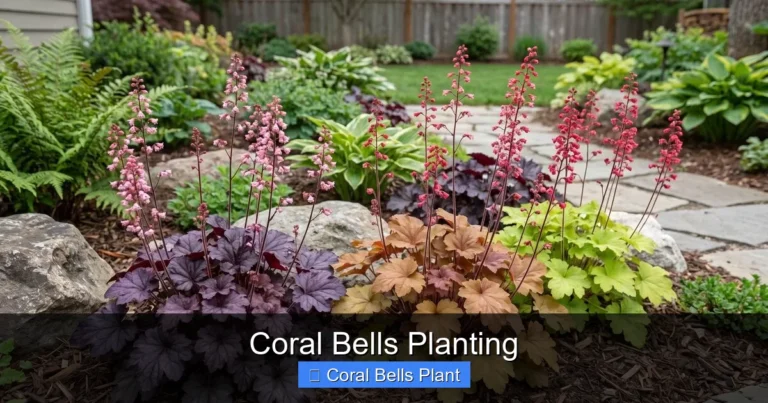
Coral Bells Plant Images
Coral bells plant images help gardeners identify varieties, plan color schemes, and showcase the plant’s unique foliage. High‑quality photos reveal leaf texture, flower spikes, and seasonal changes.
When you search for coral bells plant images you see a rainbow of foliage colors. The leaves can be lime green, deep purple, or bright silver. Each variety shows a unique pattern. Gardeners love these plants for shade gardens. They are low maintenance and long lived. The flowers are small but add a delicate touch. I often use photos to pick the best cultivar for my beds.
Good photos help you plan before you buy. You can compare leaf texture and color side by side. Coral bells plant images also show how the plant looks in different light. This saves time and money. You avoid buying a variety that does not fit your design. I keep a folder of favorite shots on my phone. It makes garden visits easier.
In this article I share where to find the best coral bells plant images. I also give tips for taking your own pictures. You will learn how to use those photos in design projects. Let’s dive in.
Key Takeaways
- Variety Identification: Clear photos let you match leaf color and shape to the right cultivar.
- Color Planning: Images show how different hues look together in a bed.
- Seasonal Interest: Pictures capture spring blooms, summer foliage, and fall color shifts.
- Image Sources: Trusted sites and nurseries offer reliable coral bells plant images.
- Photography Tips: Simple techniques improve your own garden photos.
- Design Applications: Designers use these images in presentations, catalogs, and online stores.
Quick Answers to Common Questions
What are coral bells plant images used for?
They help with variety identification, color planning, and design presentations.
Where can I find free coral bells plant images?
Unsplash, Pixabay, and university extension sites offer free high‑quality photos.
How do I take better coral bells plant images?
Use soft morning light, a macro lens, and simple composition rules.
Can I use coral bells plant images commercially?
Only if the license permits commercial use; always check the source terms.
What editing steps improve coral bells plant images?
Adjust white balance, boost contrast slightly, sharpen leaf edges, and crop distractions.
📑 Table of Contents
What Are Coral Bells
Basic Description
Coral bells are perennial herbs known as Heuchera. They form tidy mounds of colorful leaves. The foliage stays attractive all season. Small bell shaped flowers rise on thin stems in late spring. The plant prefers partial shade and well drained soil. It tolerates a range of pH levels. Many gardeners value the foliage more than the bloom. When you look at coral bells plant images you notice the leaf veins and edges.
Popular Varieties
There are dozens of cultivars on the market. ‘Palace Purple’ shows deep burgundy leaves. ‘Lime Rickey’ offers bright chartreuse foliage. ‘Caramel’ displays warm amber tones. ‘Obsidian’ looks almost black in low light. Each variety has a distinct leaf shape. Coral bells plant images make it easy to spot the differences. I recommend browsing a few galleries before you decide.
Growing Conditions
Coral bells thrive in part shade to full shade. They like moist but well drained soil. Mulch helps keep roots cool. Water regularly during dry spells. Fertilize lightly in early spring. Good air flow prevents fungal issues. When you study coral bells plant images you can see healthy versus stressed plants. This visual cue guides your care routine.
Historical Background
Heuchera species originate from North America. Early settlers used the roots for medicinal tea. The name coral bells comes from the bell shaped flowers. Hybridizers began crossing species in the 19th century. Modern cultivars now number in the hundreds. Coral bells plant images from historic catalogs show the evolution of leaf color. Understanding this history helps you appreciate the diversity.
Companion Plants
Good companions include hostas, ferns, and astilbes. These plants share similar shade and moisture needs. Contrasting textures create visual interest. Coral bells plant images paired with companion shots illustrate design combos. I often plant coral bells beside Japanese painted fern for a striking contrast. The combination thrives in dappled light.
Why Images Matter for Garden Planning
Visual Reference
A picture gives you an instant visual reference. You can see the exact hue of a leaf. You can compare two cultivars side by side. Coral bells plant images remove guesswork from plant selection. This is especially helpful for beginners. I always print a few favorites and bring them to the nursery.
Color Matching
Color matching is easier with photos. You can place a coral bells plant image next to a hosta picture. You see how the tones blend or clash. This helps you design a harmonious bed. Designers often build mood boards using these shots. I use a simple app to drag and drop images. The result is a cohesive palette.
Seasonal Planning
Seasonal planning benefits from images taken at different times. Spring photos show fresh growth and flower spikes. Summer shots reveal mature foliage color. Autumn pictures capture the shift to deeper tones. Coral bells plant images taken across the year guide planting schedules. You know when the plant looks its best. This timing improves garden appeal.
Budget Planning
Budget planning becomes clearer with accurate photos. You can estimate how many plants fill a space. Coral bells plant images with scale references show mature size. This prevents over‑buying or under‑planting. I calculate plant counts by measuring the spread in photos. The method saves money on large projects.
Client Communication
Client communication improves when you share visual references. Clients can approve designs before planting begins. Coral bells plant images act as a common language. Misunderstandings about color or form drop dramatically. I send a PDF gallery before each site visit. Feedback arrives faster and revisions shrink.
Types of Coral Bells Captured in Photos
Foliage Focus
Most coral bells plant images highlight the leaves. Close ups show texture, veining, and edge detail. Light angle changes the apparent color. A macro lens reveals tiny hairs on the leaf surface. These details help you identify a cultivar. I zoom in on the leaf margin when I compare varieties. The foliage focus is the most common shot type.
Flower Spikes
Flower spikes add a vertical element to the plant. Photos of blooms show the delicate bell shape. Colors range from white to pink to coral. The spikes rise above the mound in late spring. Coral bells plant images of flowers are useful for cut flower arrangements. They also indicate plant health. A strong spike signals good vigor.
Seasonal Changes
Seasonal change photos track the plant through the year. Early spring shows fresh lime growth. Mid summer displays deep saturated hues. Fall brings bronze or purple undertones. Winter images reveal the plant’s evergreen habit in mild climates. Coral bells plant images taken each season create a visual calendar. This helps you plan for year round interest.
Macro Details
Macro details capture the microscopic world of the leaf. Stomata, trichomes, and vein patterns become visible. Coral bells plant images at 1:1 magnification aid scientific study. They also make stunning artistic prints. I use a 100mm macro lens for these shots. The results reveal hidden beauty.
Habit Shots
Habit shots show the whole plant in its garden setting. They illustrate mound shape, spread, and height. Coral bells plant images taken from a distance help with spacing decisions. You can see how the plant interacts with neighbors. I photograph the same clump each month to document growth. The series guides future planting layouts.
How to Find High‑Quality Coral Bells Plant Images
Trusted Websites
Start with reputable horticulture sites. The Missouri Botanical Garden database offers vetted photos. The Royal Horticultural Society provides high resolution files. University extension pages often include coral bells plant images with cultivar names. These sources guarantee accurate color representation. I bookmark a few for quick access.
Nursery Catalogs
Nursery catalogs are gold mines for coral bells plant images. Printed catalogs show professionally staged shots. Online catalogs let you zoom and download. Many nurseries label each photo with the cultivar name. This makes identification straightforward. I request a digital copy when I visit a local grower.
Social Media Galleries
Instagram and Pinterest host countless coral bells plant images. Search hashtags like #heuchera or #coralbells. Follow reputable garden photographers for consistent quality. Save posts to a private board for later reference. Be mindful of color filters that alter true tones. I cross‑check social shots with official sources.
Image Licensing
Licensing matters when you use photos commercially. Royalty free sites like Unsplash offer free coral bells plant images with attribution. Paid stock libraries provide higher resolution and exclusive rights. Always read the license before publishing. I keep a spreadsheet of source, license, and usage rights. This avoids legal surprises.
Organizing Your Library
Organizing your library saves time later. Create folders by cultivar, season, and purpose. Rename files with descriptive tags like “Palace_Purple_spring_foliage”. Coral bells plant images sorted this way are easy to retrieve. I use a cloud backup for redundancy. A tidy library speeds up design workflows.
Tips for Taking Your Own Coral Bells Plant Images
Lighting Basics
Soft natural light works best for coral bells plant images. Early morning or late afternoon avoids harsh shadows. Overcast days give even illumination. A diffuser can soften direct sun. Avoid flash which washes out leaf color. I use a simple white sheet as a reflector. Good light reveals true foliage hue.
Composition Ideas
Composition adds interest to coral bells plant images. Try a low angle to emphasize the mound shape. Include a neighboring plant for scale. Use the rule of thirds to place the focal leaf off center. Negative space highlights leaf texture. I often frame a single leaf against a blurred background. Simple compositions make the subject pop.
Editing Quick Fixes
Light editing polishes coral bells plant images. Adjust white balance to match real life color. Increase contrast slightly to define veins. Sharpen the leaf edges for clarity. Crop out distractions like garden tools. Keep edits subtle to stay true to the plant. I use a free mobile app for quick tweaks.
Gear Recommendations
Gear recommendations keep the kit light and effective. A 50mm prime lens gives sharp close ups. A 100mm macro lens captures vein detail. A sturdy tripod stabilizes low light shots. A circular polarizer reduces glare on wet leaves. Coral bells plant images benefit from a modest investment. I carry a small camera bag for garden walks.
Post‑Processing Workflow
Post‑processing workflow ensures consistency. Import RAW files into Lightroom. Apply a preset for color balance. Batch edit exposure and contrast. Export JPEGs at 300 dpi for print. Coral bells plant images processed this way look professional. I archive the original RAW files for future re‑edits.
Using Coral Bells Plant Images in Design Projects
Presentation Boards
Designers build presentation boards with coral bells plant images. Boards show plant combos, color stories, and layout concepts. Clients can visualize the final garden. High resolution files print crisp at large sizes. I arrange images in a grid for easy comparison. This method speeds up client approvals.
Online Shop Listings
Online nurseries rely on coral bells plant images for product pages. Clear photos reduce returns and increase sales. Multiple angles show foliage, flower, and habit. Zoom features let buyers inspect texture. Consistent lighting across listings builds trust. I advise sellers to invest in professional photography.
Landscape Plans
Landscape architects embed coral bells plant images into CAD plans. The images act as visual legends for plant symbols. They help contractors identify the correct cultivar on site. Seasonal renderings use different photos for each month. This practice improves communication. I have seen fewer errors when the plan includes real photos.
Marketing Materials
Marketing materials shine with vibrant coral bells plant images. Brochures, flyers, and social ads attract garden enthusiasts. Before‑and‑after photos demonstrate design impact. Testimonials paired with images boost credibility. I design a one‑page flyer for each new cultivar launch. The visual focus drives inquiries.
Educational Outreach
Educational outreach benefits from clear coral bells plant images. Workshops use slides to teach identification. School garden programs print handouts with labeled photos. Community garden newsletters feature seasonal galleries. I volunteer to create a photo guide for local master gardeners. The guide becomes a trusted reference.
Final thoughts: Coral bells plant images are more than pretty pictures. They are tools for identification, planning, and selling. Good photos save time, money, and frustration. Start a personal library of coral bells plant images today. Share your best shots with fellow gardeners. The community grows stronger when we exchange visual knowledge.
Frequently Asked Questions
What is the best time of year to photograph coral bells?
Spring and early summer show fresh foliage and flower spikes. Autumn captures color shifts.
Do coral bells plant images need a macro lens?
A macro lens reveals vein detail but a standard 50mm lens works for general shots.
How do I organize a large collection of coral bells plant images?
Create folders by cultivar, season, and project; rename files with descriptive tags.
Are there copyright restrictions on nursery catalog photos?
Yes, most nursery catalogs retain copyright; request permission before reuse.
What lighting avoids leaf glare in coral bells plant images?
Overcast daylight or a diffuser eliminates harsh reflections on wet leaves.
Can I use smartphone photos for professional design work?
Modern smartphones produce high‑resolution images suitable for web and small print projects.