Coral Bells Planted with Pennisetum Setaceum Rubrum
Coral bells planted with Pennisetum setaceum rubrum create a breathtaking garden duo that combines colorful foliage with graceful movement. This low-maintenance pairing thrives in similar conditions and delivers year-round visual interest with minimal effort.
There’s something magical about watching ornamental grass sway in the breeze while colorful coral bells hold their ground below. I remember the first time I saw this combination in a friend’s garden. The purple fountain grass caught the late afternoon light, its feathery plumes glowing like amethyst against the deep burgundy coral bells beneath. It stopped me in my tracks. That moment changed how I think about garden design forever.
If you’re looking for a plant pairing that delivers maximum impact with minimum fuss, coral bells planted with Pennisetum setaceum rubrum might be your perfect match. These two plants share similar growing needs but bring completely different textures and forms to the garden. The result is a dynamic duo that looks professionally designed without requiring a landscape architecture degree.
In this guide, I’ll walk you through everything you need to know about growing these beauties together. From site selection and planting techniques to seasonal care and design ideas, you’ll have all the tools to create your own stunning display. Let’s dig in.
Key Takeaways
- Perfect growing match: Both plants prefer well-draining soil and similar light conditions, making them ideal companions.
- Stunning contrast: Coral bells’ mounded foliage contrasts beautifully with the arching plumes of purple fountain grass.
- Four-season appeal: This combination provides color, texture, and movement from spring through winter.
- Low maintenance: Once established, both plants are drought-tolerant and require minimal care.
- Wildlife friendly: The pairing attracts pollinators while resisting deer and rabbit damage.
- Versatile design: Works in borders, containers, mass plantings, and as focal points in mixed beds.
- Easy propagation: Both plants can be divided to expand your garden or share with friends.
Quick Answers to Common Questions
Can coral bells and purple fountain grass grow in the same container?
Yes, they make excellent container partners. Use a large pot (18+ inches) with excellent drainage. Plant the grass in the center or back, coral bells around the edges. Water and fertilize regularly since containers dry faster.
Will purple fountain grass survive winter in zone 6?
No, purple fountain grass is only hardy in zones 9-11. In zone 6, treat it as an annual or dig it up in fall to overwinter indoors in a cool, bright location.
How much sun do coral bells need when planted with purple fountain grass?
Coral bells prefer 4-6 hours of morning sun with afternoon shade. Purple fountain grass wants full sun. Choose a site with morning sun and light afternoon shade to satisfy both.
Do I need to cut back purple fountain grass every year?
In warm zones where it’s perennial, cut back to 6 inches in late winter before new growth emerges. In cold zones where it’s grown as an annual, remove the entire plant after frost.
What coral bells varieties pair best with purple fountain grass?
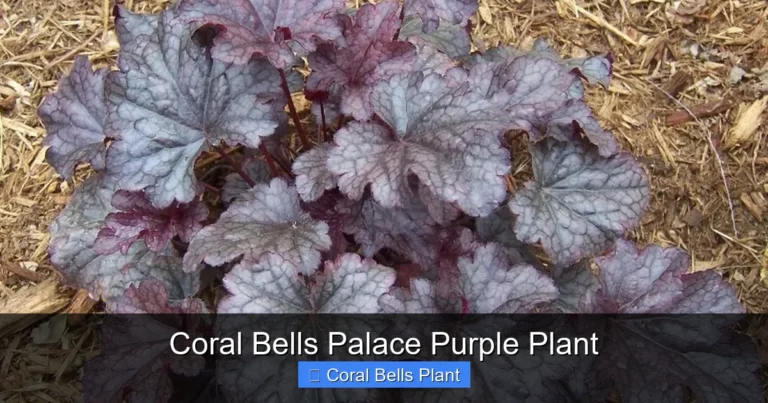
Dark varieties like ‘Obsidian’, ‘Palace Purple’, and ‘Black Pearl’ echo the grass color. Chartreuse types like ‘Lime Rickey’ create high contrast. Warm tones like ‘Caramel’ complement the grass’s burgundy hues.
📑 Table of Contents
- Understanding Your Plant Partners
- Choosing the Right Varieties
- Site Selection and Preparation
- Planting Techniques for Success
- Seasonal Care Calendar
- Design Ideas and Companion Plants
- Troubleshooting Common Issues
- Propagation: Multiply Your Investment
- Environmental Benefits and Wildlife Value
- Budget-Friendly Tips
- Conclusion
Understanding Your Plant Partners
Meet Coral Bells (Heuchera)
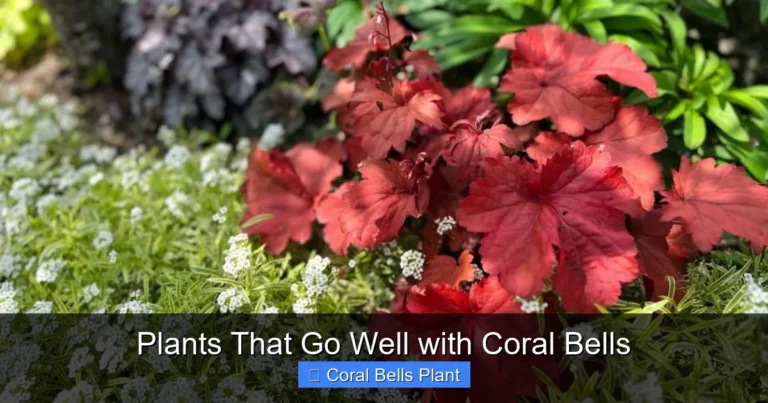
Coral bells, botanically known as Heuchera, are North American natives that have taken the gardening world by storm. These perennial superstars are grown primarily for their incredible foliage. The leaves come in a mind-boggling array of colors. Think deep purple, caramel, lime green, silver, peach, and near-black. Some varieties even change color with the seasons.
The plants form neat mounds typically 12 to 18 inches tall and wide. In late spring to early summer, they send up delicate flower spikes with tiny bell-shaped blooms. These flowers attract hummingbirds and pollinators. But let’s be honest. Most gardeners grow coral bells for the leaves. The flowers are just a bonus.
Coral bells are hardy in USDA zones 4 through 9. They prefer partial shade but many modern varieties tolerate more sun. The key is consistent moisture and excellent drainage. Wet crowns lead to rot, which is the number one killer of these otherwise tough plants.
Meet Purple Fountain Grass (Pennisetum setaceum ‘Rubrum’)
Purple fountain grass is a showstopper. This warm-season ornamental grass forms graceful, arching clumps 3 to 5 feet tall and 2 to 4 feet wide. The foliage emerges deep burgundy-red in spring. By summer, it produces those iconic bottlebrush plumes that start purple-pink and age to a soft tan.
Here’s the catch. Unlike coral bells, purple fountain grass is only perennial in zones 9 through 11. In cooler zones, it’s grown as an annual. But don’t let that discourage you. Its fast growth rate means it reaches impressive size in a single season. Many gardeners treat it as a “tender perennial” and overwinter it in containers indoors.
This grass loves full sun and heat. It’s drought-tolerant once established and handles humidity like a champ. The only thing it hates is wet feet. Sharp drainage is non-negotiable.
Why They Work Together
At first glance, these plants seem like an odd couple. One’s a shade-loving perennial. The other’s a sun-worshipping annual grass. But look closer. They share the most important requirement: excellent drainage. Both will rot in soggy soil.
The magic happens in the overlap zone. Coral bells handle morning sun with afternoon shade beautifully. Purple fountain grass thrives in full sun but tolerates light afternoon shade in hot climates. Plant them where coral bells get 4 to 6 hours of morning light and the grass gets plenty of sun. Everyone’s happy.
Visually, they’re complementary opposites. Coral bells provide low, mounded structure with ruffled, colorful leaves. Purple fountain grass adds height, movement, and vertical drama. The grass’s burgundy foliage echoes the darker coral bells varieties. The plumes catch light and breeze, adding animation that static plants can’t provide.
Choosing the Right Varieties
Top Coral Bells for This Pairing
Not all coral bells are created equal when pairing with purple fountain grass. You want varieties that can handle a bit more sun and hold their color. Here are my favorites.

Visual guide about Coral Bells Planted with Pennisetum Setaceum Rubrum
Image source: plantmaster.com
‘Palace Purple’ is the classic choice. Its large, maple-shaped leaves stay deep bronze-purple all season. It’s one of the most sun-tolerant varieties. The color perfectly mirrors the grass foliage.
‘Obsidian’ offers the darkest, shiniest near-black leaves you’ll find. It creates dramatic contrast against the grass’s reddish tones. This variety handles heat and humidity exceptionally well.
‘Caramel’ brings warm amber-gold foliage that glows in backlight. Pair it with purple fountain grass for a stunning warm-cool color play. The leaves are thick and substance, resisting sun scorch.
‘Lime Rickey’ or ‘Electra’ provide electric chartreuse foliage. This high-contrast combo makes both plants pop. The bright coral bells become beacons against the dark grass.
‘Berry Smoothie’ offers large, rose-pink leaves with a metallic sheen. It’s a softer, more romantic take on the pairing. The pink tones pick up the grass’s plume color beautifully.
Understanding Purple Fountain Grass
There’s really just one main cultivar: Pennisetum setaceum ‘Rubrum’. Sometimes sold as ‘Purpureum’ or simply “purple fountain grass.” They’re the same plant. Don’t confuse it with the species Pennisetum setaceum, which is green and invasive in some areas. The ‘Rubrum’ cultivar is sterile and non-invasive.
You might also encounter ‘Fireworks’, a variegated sport with pink, white, and burgundy stripes. It’s stunning but less vigorous. ‘Sky Rocket’ is another variegated form with green and white stripes. Both are fun but the classic ‘Rubrum’ remains the most reliable for this pairing.
Site Selection and Preparation
Finding the Sweet Spot
Location makes or breaks this combination. You need a site that satisfies both plants. Let’s break it down.
Light requirements: Aim for a spot with full morning sun and dappled or light afternoon shade. In cooler climates (zones 5-6), full sun works for both. In hot climates (zones 8-9), afternoon shade is essential for coral bells. The grass will be slightly shorter in shade but still gorgeous.
Soil conditions: This is non-negotiable. Both plants demand sharp drainage. Heavy clay? Amend heavily. Sandy soil? Perfect. Loam? Ideal. The soil pH should be slightly acidic to neutral (6.0-7.0). Test your soil if you’re unsure.
Air circulation: Good airflow prevents fungal issues on coral bells. Don’t crowd them against walls or dense shrubs. Space plants according to their mature widths.
Water access: While both are drought-tolerant once established, they need consistent moisture during the first growing season. Plant near a water source or plan for irrigation.
Preparing the Planting Area
Don’t skimp on prep. This investment pays dividends for years.
Start by removing all weeds and grass. Dig the area to a depth of 12-18 inches. This is your one chance to deeply amend the soil. Mix in 2-3 inches of compost or well-rotted manure. Add coarse sand or fine gravel if your soil is heavy. Perlite works too. The goal is soil that holds moisture but drains freely.
If planting in a new bed, consider creating a slight berm or raised area. This further improves drainage. A 6-8 inch mound works beautifully and adds visual interest.
For container planting, use a high-quality potting mix with added perlite or pumice. Ensure the pot has multiple drainage holes. A 18-24 inch diameter pot works well for a small grouping.
Planting Techniques for Success
Timing Is Everything
Spring planting is ideal for both plants. Wait until soil temperatures reach 50°F and frost danger has passed. This gives coral bells time to establish roots before summer heat. Purple fountain grass hits its stride in warm weather, so spring planting maximizes its growing season.
Fall planting works for coral bells in zones 6-9. Plant 6 weeks before your first frost. The grass won’t survive winter in cold zones, so fall planting only makes sense in frost-free areas.
Avoid summer planting unless you’re committed to daily watering. The stress isn’t worth it.
Spacing and Layout
Proper spacing prevents future headaches. Coral bells need 12-18 inches between plants. Purple fountain grass needs 24-36 inches. Plan your layout before digging.
For a border planting: Place purple fountain grass toward the back or center (if island bed). Space grasses 3 feet apart. Plant coral bells in a sweeping drift 18 inches in front of the grass. Stagger them in a loose zigzag pattern. This creates a natural, flowing look.
For a focal point grouping: Plant 3 purple fountain grasses in a triangle, 2.5 feet apart. Surround the base with 5-7 coral bells in a loose circle. This creates a “bouquet” effect.
For containers: One purple fountain grass in the center or back. Three to five coral bells around the edges. Use odd numbers for the most natural look.
Step-by-Step Planting
Water both plants thoroughly while still in their pots. This reduces transplant shock.
Dig holes twice as wide as the root balls but no deeper. The crown of coral bells should sit slightly above soil level. The grass should sit at the same level it was in the pot.
Gently loosen circling roots. Place plants in holes. Backfill with amended soil. Firm gently to eliminate air pockets. Don’t compact heavily.
Water deeply until soil is saturated. Apply 2 inches of shredded bark mulch or pine straw. Keep mulch away from coral bells crowns. This prevents rot.
Label your plants. Trust me, you’ll forget which coral bells variety is which by next spring.
Seasonal Care Calendar
Spring: The Awakening
March-April: Remove winter mulch gradually as temperatures rise. Cut back any dead coral bells foliage to the crown. Don’t cut into the crown itself. For purple fountain grass in warm zones, cut back to 6 inches before new growth emerges.
May: Apply a balanced, slow-release fertilizer (10-10-10 or similar) around both plants. Water in well. Divide coral bells if centers are woody or flowering has declined. This is also prime planting time for new additions.
Watch for crown rot as temperatures warm. Ensure mulch isn’t touching coral bells crowns. Adjust irrigation as rainfall increases.
Summer: Peak Performance
June-July: Coral bells bloom. Deadhead spent flower spikes to redirect energy to foliage. Or leave them for pollinators. Your call. Purple fountain grass plumes emerge. This is the showstopper moment.
Water deeply once weekly during dry spells. Avoid overhead watering on coral bells. Wet leaves invite fungal disease. Soaker hoses or drip irrigation are ideal.
August: Heat stress may appear. Coral bells in too much sun may scorch. Provide temporary shade cloth if needed. The grass loves this weather. No action needed unless drought occurs.
Fall: Transition Time
September-October: Stop fertilizing. Let plants harden off. Reduce watering as temperatures cool. Purple fountain grass plumes turn tan. They’re beautiful in fall light. Leave them.
Plant spring bulbs between coral bells for early color. Daffodils, species tulips, and crocus work well. They’ll bloom before coral bells fully leaf out.
November: In cold zones, decide your grass strategy. Dig and pot for indoor overwintering? Treat as annual? Compost? In warm zones, leave grass standing for winter interest.
Winter: Rest and Protect
December-February: Coral bells are evergreen in mild winters. In cold zones, they may look rough. Don’t clean up yet. The damaged foliage protects the crown.
Apply winter mulch after ground freezes. Pine boughs or straw work well. Don’t use leaves. They mat down and smother.
Container plants need protection. Move to unheated garage or bury pots in ground. Water monthly if dry.
Design Ideas and Companion Plants
Garden Styles That Shine
Modern Minimalist: Mass a single coral bells variety (like ‘Obsidian’) in geometric blocks. Plant purple fountain grass in precise rows behind. Mulch with black lava rock. The effect is architectural and striking.
Cottage Garden: Mix coral bells varieties in a loose drift. Let purple fountain grass self-sow (in warm zones) or replant annually for a relaxed feel. Add cosmos, salvia, and catmint for a pollinator paradise.
Mediterranean: Pair with lavender, rosemary, and sedum. Use gravel mulch. The silver foliage of Mediterranean herbs bridge the gap between burgundy grass and colorful coral bells.
Woodland Edge: Use shade-tolerant coral bells (‘Green Spice’, ‘Citronelle’) with purple fountain grass at the sunny edge. Add ferns, hostas, and heucherella for layered texture.
Extending the Season
This duo shines spring through fall. But you can stretch the interest.
Early spring: Plant snowdrops, winter aconite, and early crocus among coral bells. They bloom before grass emerges.
Late spring: Add alliums. Their purple globes echo the grass color. ‘Globemaster’ or ‘Purple Sensation’ rise above coral bells beautifully.
Summer: Thread annual vines through grass clumps. Morning glory or black-eyed Susan vine add vertical interest. Plant zinnias or cosmos in front for cut flowers.
Fall: The grass plumes are at their best. Add fall-blooming sedum (‘Autumn Joy’), Japanese anemone, or asters behind the grass. Chrysanthemums in front extend color to frost.
Winter: In mild climates, grass stays upright. Coral bells hold foliage. Add evergreen structure with dwarf conifers or boxwood. Red-twig dogwood stems provide vertical contrast.
Container Combinations
This pairing excels in pots. Use large containers (18+ inches). Ensure excellent drainage.
Thriller, filler, spiller recipe: Purple fountain grass = thriller. Coral bells = filler. Add a spiller like creeping jenny (chartreuse), sweet potato vine (purple or lime), or trailing lobelia.
Monochromatic magic: ‘Obsidian’ coral bells + purple fountain grass + black mondo grass + purple violas. All dark, all dramatic.
Sunset palette: ‘Caramel’ coral bells + purple fountain grass + ‘Apricot’ lantana + ‘Lemon Coral’ sedum. Warm, glowing, irresistible.
Troubleshooting Common Issues
Coral Bells Problems
Crown rot: The number one killer. Symptoms: mushy crown, yellowing leaves, plant collapse. Cause: poor drainage, deep planting, mulch against crown. Solution: Improve drainage. Replant higher. Pull mulch back. Fungicide drench may help early cases.
Sun scorch: Bleached, crispy leaf edges. Cause: too much afternoon sun, inadequate water. Solution: Move to shadier spot. Increase water. Use shade cloth temporarily.
Heaving: Plants push out of ground in freeze-thaw cycles. Exposed roots dry out and die. Solution: Mulch heavily after ground freezes. Replant at proper depth in spring.
Foliar nematodes: Angular brown spots between leaf veins. Hard to control. Remove affected leaves. Avoid overhead watering. Destroy severely infected plants.
Purple Fountain Grass Problems
Rust: Orange pustules on leaves. Common in humid weather. Solution: Improve air circulation. Avoid overhead water. Remove affected foliage. Fungicide if severe.
No plumes: Grass grows but doesn’t flower. Cause: too much shade, excess nitrogen, too young. Solution: More sun. Stop fertilizing. Wait – first-year plants may not bloom heavily.
Flopping: Clumps fall open in center. Cause: too much shade, excess water/fertilizer, age. Solution: Divide in spring. Reduce inputs. Stake discreetly if needed.
Winter death (cold zones): Expected! This grass isn’t hardy below zone 9. Plan to replace annually or overwinter indoors.
Pest Issues
Good news: both plants are relatively pest-resistant. Deer and rabbits usually avoid them. Slugs may nibble coral bells in wet springs. Use iron phosphate bait or beer traps.
Aphids occasionally cluster on grass plumes. Blast with water or use insecticidal soap. Spider mites may appear on coral bells in hot, dry conditions. Increase humidity. Spray with neem oil if needed.
Propagation: Multiply Your Investment
Dividing Coral Bells
Divide every 3-4 years in early spring or fall. Signs it’s time: woody center, reduced flowering, smaller leaves.
Dig the entire clump. Wash soil off roots. Pull or cut apart into sections with 3-5 shoots each. Discard woody centers. Replant immediately at same depth. Water well. Keep shaded for a week.
Fall divisions need 6 weeks before frost to establish. Spring divisions have the whole growing season.
Overwintering Purple Fountain Grass
In zones 8 and below, you have options.
Option 1: Treat as annual. Compost in fall. Buy new in spring. Easiest. Supports nurseries.
Option 2: Container overwintering. Before frost, dig clump. Pot in slightly larger container. Cut foliage to 6 inches. Store in cool (40-50°F), bright location. Water sparingly – just enough to keep roots alive. Harden off in spring.
Option 3: Division for indoor growing. Divide clump into small sections. Pot individually. Grow as houseplants in sunny window. They’ll be smaller but alive.
Option 4: Seed (not recommended). ‘Rubrum’ is sterile. Won’t produce viable seed. Species Pennisetum setaceum seeds but is invasive. Don’t do it.
Environmental Benefits and Wildlife Value
Pollinator Paradise
Coral bells flowers are hummingbird magnets. The tubular blooms perfectly fit their beaks. Bees and butterflies visit too. Plant in groups for maximum impact.
Purple fountain grass provides shelter. Birds perch on plumes. Beneficial insects overwinter in the clump base. Leave standing through winter for maximum wildlife value.
Erosion Control
Both plants have fibrous root systems that hold soil. On slopes, plant in staggered rows. The grass roots go deep. Coral bells spread laterally. Together, they stabilize banks beautifully.
Water-Wise Gardening
Once established, this duo is remarkably drought-tolerant. They’re perfect for xeriscaping or water-restricted areas. Deep, infrequent watering encourages deep roots. Mulch conserves moisture.
Carbon Sequestration
Ornamental grasses are carbon-sequestration powerhouses. Their extensive root systems store carbon underground. Coral bells contribute too. Every garden helps.
Budget-Friendly Tips
Start Small, Think Big
Buy one gallon coral bells and one quart grass. In two years, you’ll have divisions to expand. Patience saves hundreds.
Shop Sales Strategically
Nurseries discount perennials in July-August. Coral bells planted then establish before winter. Grass may be discounted late summer. It’s annual anyway in cold zones.
Join Plant Swaps
Garden clubs and online groups host swaps. Coral bells divisions are common. You’ll get named varieties free.
Grow from Plugs
Online retailers sell coral bells plugs (small plants) in bulk. Much cheaper than gallons. Pot up and grow one season before planting out.
Conclusion
Coral bells planted with Pennisetum setaceum rubrum represent garden design at its finest. Two plants. Similar needs. Complementary forms. Year-round interest. What’s not to love?
Whether you’re creating a focal point, edging a border, or filling a container, this combination delivers. The key is understanding their shared need for drainage and finding that light sweet spot. Get those right, and the rest is easy.
I’ve watched this pairing transform dull corners into magazine-worthy vignettes. I’ve seen it stop visitors mid-conversation. I’ve enjoyed it with morning coffee, the grass plumes catching sunrise while coral bells glow like jewels below.
Your garden deserves this kind of magic. Start with one grass and three coral bells. Plant them this spring. Take photos. Next year, divide and expand. Before you know it, you’ll be the one inspiring neighbors.
Gardening is about joy. This combination brings it in spades. So grab your trowel. Pick your colors. Create something beautiful. The coral bells and purple fountain grass are ready when you are.
Frequently Asked Questions
How far apart should I space coral bells and purple fountain grass?
Space coral bells 12-18 inches apart and purple fountain grass 24-36 inches apart. When planting together, position coral bells 18-24 inches in front of the grass to create a layered effect without crowding.
Can I grow this combination in full shade?
No, purple fountain grass requires at least 6 hours of direct sun to thrive and produce plumes. Coral bells tolerate shade but the grass will be weak and floppy without sufficient light. Choose a part-sun location instead.
Why are my coral bells dying when planted near purple fountain grass?
Common causes include crown rot from poor drainage or mulch against the crown, sun scorch from too much afternoon sun, or competition for water. Ensure excellent drainage, keep mulch away from crowns, and water deeply but infrequently.
Does purple fountain grass spread aggressively?
The ‘Rubrum’ cultivar is sterile and does not produce viable seed, so it won’t self-sow or become invasive. It expands slowly by clumping at the base. The straight species Pennisetum setaceum can be invasive in warm climates, but ‘Rubrum’ is safe.
When is the best time to divide coral bells?
Early spring (as new growth emerges) or early fall (6 weeks before frost) are ideal. Spring divisions have the full growing season to establish. Fall divisions need time to root before winter. Divide every 3-4 years when centers become woody.
Can I fertilize both plants with the same fertilizer?
Yes, a balanced slow-release fertilizer (10-10-10 or 14-14-14) applied in spring works for both. Avoid high-nitrogen fertilizers which promote floppy grass growth and reduce coral bells color intensity. One application annually is sufficient.