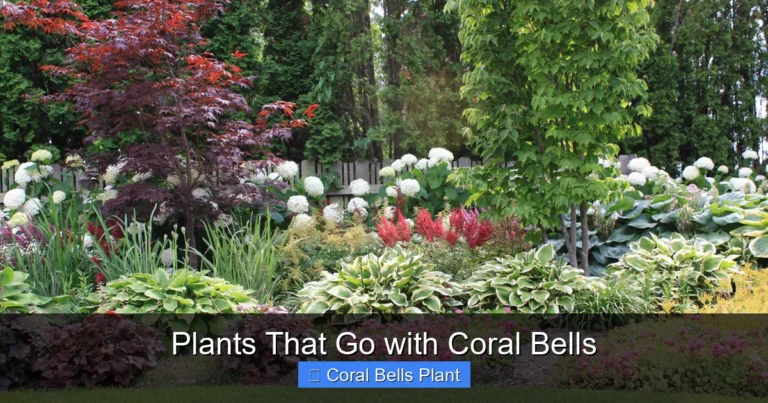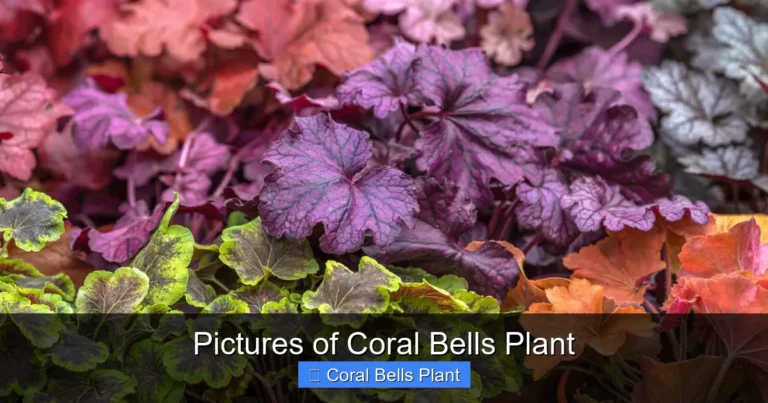
Plants That Look Like Coral Bells
Coral bells (Heuchera) are beloved for their ruffled foliage and delicate blooms, but several other plants offer similar charm. This guide explores the best look-alikes — from foamflower and alumroot to bergenia and hostas — helping you choose perfect alternatives for shade gardens, containers, and woodland borders.
If you’ve ever fallen for the ruffled, colorful foliage of coral bells (Heuchera), you know exactly why these perennials have become garden superstars. Their mounding habit, incredible leaf colors — from deepest purple to bright lime, caramel to near-black — and delicate bell-shaped flowers on wiry stems make them indispensable in shade gardens. But what happens when you want that same look in a spot where coral bells struggle? Or when you simply want more variety without losing that signature aesthetic?
Good news: the plant world is full of coral bell look-alikes. Some are close relatives sharing the same family tree. Others are clever mimics that evolved similar forms to thrive in comparable conditions. Whether you’re dealing with heavy clay, deep shade, scorching southern heat, or just want to expand your palette, there’s a coral bell alternative waiting for your garden. Let’s explore the best options, how to tell them apart, and where each one shines.
Key Takeaways
- Foamflower (Tiarella) is the closest cousin: Shares the same family (Saxifragaceae) and nearly identical growing needs with similar lobed leaves and airy flower spikes.
- Alumroot (Heuchera villosa) offers native resilience: A wild-type coral bell with larger, hairier leaves and superior heat tolerance for southern gardens.
- Bergenia provides bold texture: Features thick, leathery evergreen leaves that mimic coral bells’ mounding habit but with winter interest and pink spring blooms.
- Hostas deliver endless variety: While leaf shape differs, their shade tolerance, mounding form, and vast cultivar selection make them ideal companions or substitutes.
- Astilbe adds feathery plumes: Fern-like foliage resembles coral bells early in the season, then erupts into colorful flower spikes that extend seasonal interest.
- Lungwort (Pulmonaria) brings silver-spotted leaves: Early spring bloomer with similarly textured foliage and the bonus of changing flower colors from pink to blue.
- Mix look-alikes for layered design: Combine plants with different bloom times, leaf textures, and heights to create dynamic shade gardens that echo coral bells’ appeal all season.
Quick Answers to Common Questions
What plant looks most like coral bells?
Foamflower (Tiarella) is the closest look-alike, sharing the same family, lobed foliage, mounding habit, and airy flower spikes. Heucherella (foamy bells), a hybrid between coral bells and foamflower, is equally similar.
Which coral bell alternative handles heat and humidity best?
Heuchera villosa (hairy alumroot) and its cultivars like ‘Autumn Bride’ and ‘Bronze Wave’ offer superior heat and humidity tolerance compared to most hybrid coral bells.
Are there coral bell look-alikes for deep dry shade?
Yes — Epimedium (bishop’s hat) is the best choice for deep dry shade, followed by Tellima grandiflora (fringe cups) and Heuchera villosa types.
Which alternatives stay evergreen in winter?
Bergenia, many Epimedium species, some Heuchera villosa cultivars, and certain foamflowers (Tiarella) remain evergreen or semi-evergreen in mild to moderate winters.
Can I grow coral bell look-alikes in containers?
Absolutely. Heucherella, coral bells, bergenia, epimedium, mukdenia, and foamflower all perform well in containers with good drainage and quality potting mix.
📑 Table of Contents
- Why Gardeners Love Coral Bells — And Seek Alternatives
- Close Relatives: The Saxifrage Family Look-Alikes
- Bold Texture Alternatives: Big Leaves, Big Impact
- Fern-Like and Feathery Textured Alternatives
- Early Bloomers and Specialty Foliage Plants
- Unexpected Look-Alikes: Surprising Substitutes
- Designing with Coral Bell Look-Alikes
- Growing Tips for Success
- Choosing the Right Look-Alike for Your Situation
- Conclusion
Why Gardeners Love Coral Bells — And Seek Alternatives
The Coral Bell Appeal
Coral bells earn their popularity honestly. Few perennials offer such a complete package: evergreen or semi-evergreen foliage in nearly every color imaginable, a tidy mounding habit that rarely needs division, tolerance for a wide range of light conditions (though they prefer part shade), and those charming flower spikes that attract hummingbirds and pollinators. Modern breeding has produced hundreds of cultivars with improved vigor, sun tolerance, and disease resistance.
They’re also versatile. Use them as edging along woodland paths, mass them under trees, tuck them into containers, or combine them with ferns and hostas for classic shade combinations. Their shallow root systems make them easy to transplant and divide. For many gardeners, a collection of coral bells becomes a lifelong obsession — there’s always a new color to try.
When You Need a Stand-In
Despite their adaptability, coral bells have limits. They dislike wet feet and can rot in poorly drained clay. In hot, humid climates, many cultivars suffer from crown rot or simply melt away by midsummer. Deer and rabbits sometimes browse the foliage. Heavy shade can reduce foliage color intensity and flower production. And if you’re gardening in zones 3-4, some of the showiest varieties lack winter hardiness.
Sometimes the issue isn’t growing conditions — it’s design. You might want a taller presence, earlier bloom time, different leaf texture, or a plant that stays evergreen in zone 5. That’s where look-alikes come in. The best alternatives capture the essence of coral bells — mounding form, textural foliage, shade tolerance — while bringing their own strengths to the garden.
Close Relatives: The Saxifrage Family Look-Alikes
Foamflower (Tiarella) — The Near-Twin
If coral bells have a twin, it’s foamflower. Both belong to the Saxifragaceae family. Both form tidy mounds of lobed, often patterned leaves. Both send up airy flower spikes in spring. The resemblance is so strong that early botanists classified them together, and the hybrid genus × Heucherella (foamy bells) exists precisely because they cross so readily.
Foamflower leaves tend to be more deeply cut, often with dramatic central blotching in burgundy or black. The flowers are foamier — hence the name — with dense, bottlebrush spikes in white or pale pink rather than the loose bells of Heuchera. Tiarella cordifolia, the native running foamflower, spreads by stolons to form a gentle ground cover, while clumping varieties like ‘Sugar and Spice’ or ‘Cutting Edge’ stay put like coral bells.
Best for: Deep shade, woodland gardens, areas where you want a spreading carpet. Zones: 4-9. Key difference: Foamflower prefers consistently moist soil and deeper shade than most coral bells.
Alumroot (Heuchera villosa and kin) — The Wild Types
Before breeders got their hands on them, coral bells were wild alumroots. Heuchera villosa, the hairy alumroot, is native to the southeastern U.S. and brings something many fancy hybrids lack: serious heat and humidity tolerance. Its leaves are larger, softer, and distinctly fuzzy — an adaptation that reduces water loss and deters pests.
Cultivars like ‘Autumn Bride’ (white flowers, chartreuse foliage), ‘Bronze Wave’ (ruffled bronze leaves), and ‘Purpurea’ (deep purple) keep the wild toughness while adding garden polish. Heuchera americana, the American alumroot, offers similar resilience with beautiful silver-veined green leaves. These species handle clay, drought, and southern summers better than most hybrids.
Best for: Hot humid climates, heavy soils, native plant gardens. Zones: 4-9 (villosa to zone 3). Key difference: Larger, hairier leaves; later bloom time (late summer); generally taller flower spikes.
Mitrewort (Mitella) — The Delicate Woodlander
Also called bishop’s cap, mitrewort is a charming native that’s often overlooked. Its maple-shaped leaves form low mounds remarkably similar to small coral bells, especially in spring. The flowers are the giveaway: tiny, fringed, snowflake-like blooms on slender stems that look like miniature chandeliers.
Mitella diphylla (two-leaf mitrewort) and M. breweri (Brewer’s mitrewort) are the most garden-worthy species. They’re true woodlanders, demanding rich, moist, well-drained soil and deep shade. They won’t tolerate the sun or drought that many coral bells handle. But in the right spot, they create a magical carpet of texture.
Best for: Rich woodland soils, deep shade, native shade gardens. Zones: 3-7. Key difference: Much smaller flowers; requires consistent moisture; less colorful foliage.
Bold Texture Alternatives: Big Leaves, Big Impact
Bergenia — The Elephant Ears of Shade
Bergenia (pigsqueak, elephant ears) takes the mounding habit of coral bells and supersizes it. Thick, leathery, rounded leaves form substantial clumps that stay evergreen in all but the coldest zones. The foliage often turns gorgeous burgundy-bronze in winter, providing color when coral bells might look ratty.
In early spring, thick stems rise above the foliage bearing clusters of pink, magenta, or white flowers — showier than most coral bell blooms. Bergenia cordifolia and B. crassifolia are the classic species; modern cultivars like ‘Bressingham Ruby,’ ‘Winter Glow,’ and ‘Pink Dragonfly’ offer improved flower color and winter foliage.
Best for: Winter interest, edging, containers, dry shade once established. Zones: 3-8. Key difference: Much larger, thicker leaves; earlier bloom; tolerates more sun and drought; squeaks when you rub the leaves (hence “pigsqueak”).
Hostas — The Shade Garden Staples
Hostas don’t look like coral bells at first glance — their leaves are broader, smoother, and lack the ruffled edges. But they share the same design role: mounding foliage plants for shade that provide texture, color, and form. With thousands of cultivars ranging from miniature (‘Blue Mouse Ears’) to mammoth (‘Empress Wu’), hostas offer unmatched variety.
Blue hostas bring cool tones that echo purple coral bells. Gold and chartreuse varieties (‘Sum and Substance,’ ‘August Moon’) mirror the bright Heuchera cultivars. Variegated types add pattern play. And hostas handle deep shade, root competition, and neglect better than almost anything.
Best for: Deep shade, under trees, large massings, collectors. Zones: 3-9. Key difference: Herbaceous (dies back completely in winter); broader leaves; different texture; susceptible to slugs and deer.
Rodgersia — The Architectural Statement
If you want coral bells on steroids, meet Rodgersia. These imposing perennials form massive clumps of compound, horse-chestnut-like leaves that can reach 3-4 feet tall and wide. The foliage emerges bronze in spring, matures to deep green, and often colors up again in fall.
In early summer, feathery plumes of white or pink flowers rise above the foliage like astilbe on a grand scale. Rodgersia aesculifolia (chestnut-leaf rodgersia) and R. pinnata (featherleaf rodgersia) are the most common species. They need rich, consistently moist soil and shelter from wind — think streamside or bog garden edges.
Best for: Damp shade, waterside, dramatic focal points. Zones: 5-8. Key difference: Massive scale; compound leaves; requires constant moisture; herbaceous.
Fern-Like and Feathery Textured Alternatives
Astilbe — The Plume Partner
Astilbe and coral bells are classic companions, but astilbe can also stand in when you want similar foliage with a different flower show. The deeply cut, fern-like leaves form mounds that resemble coral bells in spring and early summer. Then come the plumes: dense, feathery spikes in white, pink, red, or lavender that last for weeks.
Astilbe chinensis varieties (like ‘Pumila,’ ‘Visions’) tolerate more sun and drought than the classic A. × arendsii hybrids. ‘Delft Lace’ offers blue-green foliage with red stems and pink plumes. ‘Chocolate Shogun’ has dark chocolate leaves that rival the blackest coral bells. All astilbes need consistent moisture — they’ll crisp up fast in dry shade.
Best for: Moist shade, long bloom season, cut flowers, pollinator gardens. Zones: 4-8. Key difference: Fern-like compound leaves; showy plume flowers; herbaceous; moisture-demanding.
Goat’s Beard (Aruncus) — The Gentle Giant
Aruncus dioicus (goat’s beard) looks like a super-sized astilbe with coral bell-like foliage. The compound leaves form a broad mound 4-6 feet tall and wide. In early summer, creamy white plumes tower above, creating a cloud-like effect. It’s a stunning specimen for the back of a shade border.
The dwarf Korean goat’s beard (Aruncus aethusifolius) stays under 12 inches — much closer to coral bell scale — with finer foliage and proportionate creamy plumes. Both species prefer moist, rich soil but tolerate more sun than astilbe in northern zones.
Best for: Large shade gardens, waterside, background plantings (species); rock gardens, front of border (dwarf). Zones: 3-7. Key difference: Much larger (species); compound leaves; single early summer bloom; herbaceous.
Mukdenia — The Fall Color Star
Mukdenia rossii (also sold as Aceriphyllum rossii) is a hidden gem. Its fan-shaped, shallowly lobed leaves form tight mounds that look remarkably like coral bells in spring and summer — glossy green with a slight sheen. Then autumn arrives, and the foliage transforms into brilliant crimson and orange, outshining almost any Heuchera.
White flowers appear in early spring before the leaves fully expand, held on short stems. ‘Karasuba’ (also called ‘Crimson Fans’) is the most common cultivar, selected for especially vivid fall color. Mukdenia spreads slowly by rhizomes to form a ground cover. It wants moist, well-drained soil and part to full shade.
Best for: Fall foliage color, ground cover, woodland edges. Zones: 4-8. Key difference: Fan-shaped leaves; spectacular fall color; spring-only flowers; spreads slowly.
Early Bloomers and Specialty Foliage Plants
Lungwort (Pulmonaria) — The Spotted Charmer
Lungwort emerges early, often blooming alongside snowdrops. Its lance-shaped leaves are rough-textured and famously spotted or splashed with silver — a different pattern than coral bells but equally eye-catching. The flowers are a delight: clusters of tubular blooms that open pink and mature to blue, often showing both colors at once.
Modern cultivars like ‘Silver Bouquet,’ ‘Majesté,’ and ‘Trevi Fountain’ offer leaves that are nearly solid silver, rivaling the brightest Heuchera. Pulmonaria longifolia types have narrower leaves and better heat tolerance. All lungworts prefer moist, rich soil and part to full shade. They’re deer-resistant and pollinator-friendly.
Best for: Early spring color, silver foliage, pollinators, deer resistance. Zones: 3-8. Key difference: Earlier bloom; changing flower colors; rougher leaf texture; spreads slowly; can go dormant in summer heat.
Brunnera — The False Forget-Me-Not
Brunnera macrophylla (Siberian bugloss) forms heart-shaped leaves that, in silver cultivars like ‘Jack Frost,’ ‘Looking Glass,’ and ‘Sea Heart,’ create a shimmering mound very much in the coral bells spirit. The true species has solid green leaves, but the silvered varieties are what gardeners covet.
In mid-spring, airy sprays of tiny true-blue flowers hover above the foliage — exactly like forget-me-nots but on a perennial that doesn’t self-sow aggressively. Brunnera wants consistent moisture and shade; in dry conditions, the leaves scorch and the plant may go dormant. But in summer.
Best for: Silver foliage, spring flowers, moist shade, woodland gardens. Zones: 3-8. Key difference: Heart-shaped leaves; true blue flowers; moisture-critical; may go summer dormant.
Epimedium — The Bishop’s Hat
Epimedium (barrenwort, fairy wings) brings a completely different leaf shape — compound, often spiny-edged leaflets held on wiry stems — but the same mounding, ground-covering habit. The leaves emerge with beautiful bronze, red, or copper tones in spring, mature to green, and often color up again in fall. Many are evergreen in mild winters.
The flowers are unique: delicate, four-spurred blooms that hover like tiny columbines in shades of yellow, white, pink, orange, and red. Epimedium × rubrum, E. × versicolor ‘Sulphureum,’ and E. grandiflorum cultivars are garden classics. New Chinese species (E. wushanense, E. franchetii) offer larger leaves and flowers.
Best for: Dry shade, ground cover, year-round interest, deer resistance. Zones: 4-9 (varies by species). Key difference: Compound leaves; unique spurred flowers; exceptional dry shade tolerance; slow to establish.
Heucherella — The Best of Both Worlds
We mentioned foamy bells earlier, but they deserve their own spotlight. × Heucherella is an intergeneric hybrid between Heuchera and Tiarella, combining coral bells’ colorful foliage with foamflower’s deeply cut leaves, spreading habit, and profuse flowering. The result is a plant that often outperforms both parents.
‘Sweet Tea’ (cinnamon leaves with orange centers), ‘Solar Eclipse’ (burgundy with lime margins), ‘Red Rover’ (deep red), and ‘Buttered Rum’ (caramel with red veins) showcase the incredible range. They bloom heavily in late spring with foamflower-like spikes, often rebloom sporadically, and many stay evergreen. They tolerate more sun than foamflower and more moisture than coral bells.
Best for: Containers, edging, ground cover, four-season interest. Zones: 4-9. Key difference: Hybrid vigor; combines traits of both parents; often more adaptable than either.
Unexpected Look-Alikes: Surprising Substitutes
Saxifraga — The Rock Garden Cousins
Saxifraga (saxifrage, rockfoil) shares the family name (Saxifragaceae) and the mounding, rosette-forming habit. Many species form tight cushions of small, often succulent leaves that resemble miniature coral bells. Saxifraga × urbium (London pride) creates mats of spoon-shaped leaves with pink-flushed white flowers on 12-inch stems.
The “kabschia” saxifrages (S. × arendsii hybrids) are prized by rock gardeners for their tight, evergreen rosettes and disproportionately large flowers in pink, red, yellow, and white. They need sharp drainage and cool conditions — not for every garden, but perfect for troughs, crevices, and alpine collections.
Best for: Rock gardens, troughs, alpine collections, sharp drainage. Zones: 4-8 (varies). Key difference: Much smaller; succulent-like leaves; rock garden specialists; need perfect drainage.
Tellima — The Fringe Cups
Tellima grandiflora (fringe cups) is a Pacific Northwest native that forms basal rosettes of softly hairy, lobed leaves — very coral bell-like. In late spring, tall stems (up to 3 feet) bear rows of greenish-white flowers with deeply fringed petals that age to pink. It’s a wonderful plant for naturalizing in woodland gardens.
Tellima spreads slowly by rhizomes and self-sows gently. It tolerates dry shade once established, a rare and valuable trait. The foliage stays attractive through summer and often persists into winter. ‘Purpurea’ is a cultivar with purple-tinted leaves.
Best for: Dry shade, woodland naturalizing, native gardens, pollinators. Zones: 4-9. Key difference: Taller flower stems; fringed flowers; better dry shade tolerance; less colorful foliage.
Mukdenia and Friends: The Darmera Connection
Darmera peltata (Indian rhubarb, umbrella plant) is Rodgersia’s dramatic cousin. The leaves are enormous — up to 2 feet across — peltate (stem attached in the center), and held on tall petioles. It’s a bold architectural plant for waterside and bog gardens. In early spring, before the leaves, rounded clusters of pink flowers appear on bare stems.
While the scale is completely different from coral bells, the leaf texture and mounding habit (albeit giant) share DNA. For gardeners with space and moisture, it’s an unforgettable presence. ‘Nana’ is a dwarf form reaching only 18 inches tall.
Best for: Pond margins, bog gardens, dramatic foliage, early flowers. Zones: 5-9. Key difference: Massive peltate leaves; spring flowers before leaves; requires wet soil; herbaceous.
Designing with Coral Bell Look-Alikes
Creating Succession of Interest
One of the smartest ways to use these plants is to stagger their peak seasons. Start with lungwort and mukdenia in early spring. Follow with foamflower, brunnera, and epimedium in mid-spring. Let coral bells, heucherella, and alumroot carry late spring into summer with foliage and flowers. Bring in astilbe and goat’s beard for early summer plumes. Finish with bergenia’s fall color and winter presence.
This approach ensures your shade garden never has a dull moment. It also reduces pressure on any single plant to perform all season. When one fades, another steps up.
Texture Play
Coral bells bring ruffled, lobed leaves. Pair them with contrasting textures: the bold leathery rounds of bergenia, the feathery cuts of astilbe, the smooth hearts of brunnera, the compound architecture of rodgersia. Even within the coral bell family, you can mix smooth-leaved villosa types with heavily ruffled hybrids.
Texture reads as strongly as color in shade gardens, where light is limited. A combination of fine, medium, and bold textures creates depth and sophistication that a single leaf type cannot.
Color Echoes
Use the foliage colors of your look-alikes to echo and amplify each other. The burgundy centers of foamflower ‘Cutting Edge’ pick up the purple of Heuchera ‘Palace Purple.’ The silver of brunnera ‘Jack Frost’ mirrors the pewter tones of Heuchera ‘Silver Scrolls.’ The lime gold of hosta ‘Sum and Substance’ repeats the chartreuse of Heuchera ‘Lime Rickey.’
These echoes unify the planting without monotony. They’re especially effective when you repeat a color in three or more plants throughout a bed.
Container Combinations
Many coral bell look-alikes thrive in containers, where you can control soil and moisture. Heucherella is a container superstar — compact, colorful, long-blooming. Pair it with trailing ivy or creeping jenny. Bergenia’s evergreen structure anchors winter pots. Epimedium’s dry tolerance makes it perfect for forgotten containers. Mukdenia’s fall fireworks extend the container season.
Use a high-quality potting mix with added compost. Ensure drainage holes. Water consistently but don’t let pots sit in water. Fertilize lightly in spring. Most of these plants will overwinter in containers in zones 6+ with minimal protection.
Growing Tips for Success
Soil Preparation
Most coral bell look-alikes prefer rich, well-drained soil with good organic matter. Amend planting holes generously with compost or leaf mold. For clay soils, add coarse sand or fine grit along with organic matter. For sandy soils, extra compost helps retain moisture. The exception: saxifrages and some alumroots want leaner, grittier soil.
Test drainage by filling the planting hole with water. If it doesn’t drain in an hour, improve drainage or choose wet-tolerant plants (astilbe, rodgersia, darmera).
Light Requirements
“Shade” covers a spectrum. Morning sun / afternoon shade is ideal for most. Deep shade (north side of buildings, dense evergreen canopy) suits hostas, foamflower, epimedium, and mukdenia. Dappled shade under deciduous trees works for almost all. Some (berberia, villosa alumroots, heucherella) tolerate more sun with adequate moisture. In hot climates, afternoon shade is non-negotiable for most.
Watering Wisdom
New plants need consistent moisture for their first full season. After establishment, group plants by water needs: moisture-lovers (astilbe, rodgersia, brunnera, darmera) together; drought-tolerant (epimedium, tellima, villosa alumroots, bergenia) together. Mulch with 2-3 inches of shredded leaves or bark to conserve moisture and suppress weeds.
Division and Maintenance
Most mounding perennials benefit from division every 3-5 years to maintain vigor. Spring is best for most; fall works for spring bloomers. Coral bells, heucherella, foamflower, and alumroots have shallow crowns — plant at the same depth, never buried. Bergenia, hostas, and astilbe have deeper crowns and tolerate deeper planting.
Remove tattered foliage in early spring before new growth emerges. Deadhead spent flowers to encourage rebloom (especially on heucherella, foamflower, astilbe). Leave seed heads on plants where you want self-sowing (tellima, some epimediums).
Pest and Disease Management
Good news: most of these plants are relatively trouble-free. Slugs and snails love hostas, brunnera, and young astilbe — use iron phosphate bait or copper barriers. Vine weevil larvae attack coral bells and heucherella roots — beneficial nematodes help. Crown rot hits in wet, heavy soils — improve drainage. Powdery mildew affects some astilbes and heucheras in humid conditions — ensure air circulation.
Deer resistance varies: epimedium, brunnera, lungwort, and tellima are rarely browsed. Hostas, astilbe, and coral bells are favorites. Bergenia and rodgersia are sometimes browsed. Use repellents or fencing where pressure is high.
Choosing the Right Look-Alike for Your Situation
For Deep, Dry Shade
Epimedium is the undisputed champion. Tellima grandiflora runs a close second. Heuchera villosa cultivars handle it better than most coral bells. Bergenia manages once established. Add a thick layer of leaf mulch annually to build soil moisture retention.
For Wet or Boggy Areas
Rodgersia, darmera, and astilbe (especially chinensis types) thrive. Mukdenia tolerates damp conditions. Foamflower prefers consistent moisture. Avoid coral bells, heucherella, and epimedium — they’ll rot.
For Hot, Humid Climates (Zones 8-9)
Heuchera villosa and its cultivars (‘Autumn Bride,’ ‘Bronze Wave’). Bergenia. Some hostas (especially fragrant hybrids like ‘Guacamole’). Epimedium (southern species like E. grandiflorum). Avoid cool-climate specialists like rodgersia, darmera, and many astilbes.
For Cold Climates (Zones 3-4)
Bergenia (evergreen to zone 3). Hostas (super hardy). Heuchera americana and H. villosa (surprisingly tough). Foamflower (native types). Astilbe. Mukdenia. Epimedium (hardy species). Many fancy coral bell hybrids are marginal here — stick to species and proven cultivars.
For Containers
Heucherella (compact, colorful, long season). Coral bells (classic choice). Bergenia (winter structure). Epimedium (drought forgiving). Mukdenia (fall color). Foamflower (trailing types). Use large pots (12+ inches) for best overwintering.
For Ground Cover
Tiarella cordifolia (running foamflower). Epimedium (slow but steady). Tellima grandiflora. Mukdenia. Saxifraga × urbium. Heucherella (some spread). Space 12-18 inches apart and mulch well until they fill in.
Conclusion
Coral bells may be the stars of the shade garden, but they don’t have to carry the show alone. The plants we’ve explored — foamflower’s airy grace, alumroot’s wild toughness, bergenia’s bold evergreen presence, hostas’ infinite variety, astilbe’s feathery plumes, lungwort’s silver spots, brunnera’s shimmering hearts, epimedium’s dry-shade defiance, heucherella’s hybrid vigor, and so many more — each bring something unique while echoing the coral bell aesthetic we love.
The real magic happens when you combine them. A planting of Heuchera ‘Caramel’ beside Tiarella ‘Sugar and Spice,’ backed by Astilbe ‘Chocolate Shogun,’ underplanted with Epimedium × rubrum, and edged with Bergenia ‘Winter Glow’ creates a tapestry of texture, color, and seasonal interest that no single plant could achieve. Each plant covers for the others’ quiet periods. Each contributes its special strength.
So next time you’re at the nursery eyeing another coral bell, pause. Look at the neighbors on the bench. That foamflower with the dramatic leaf blotching. The brunnera flashing silver. The epimedium with copper new growth. The heucherella combining the best of both worlds. Your shade garden — and your designer’s eye — will thank you for the diversity.
Happy planting!
Frequently Asked Questions
What is the difference between coral bells and foamflower?
Coral bells (Heuchera) have rounded, ruffled leaves and loose bell-shaped flowers on wiry stems. Foamflower (Tiarella) has more deeply lobed leaves with dramatic center markings and dense, foamy bottlebrush flower spikes. Foamflower prefers deeper shade and more consistent moisture.
Are heucherellas better than coral bells?
Heucherellas combine coral bells’ colorful foliage with foamflower’s deeply cut leaves, spreading habit, and heavier flowering. They often show hybrid vigor — better adaptability, longer bloom, and more sun tolerance than either parent. Many gardeners find them easier to grow.
Which coral bell look-alikes are deer resistant?
Epimedium, Brunnera, Pulmonaria (lungwort), and Tellima are rarely browsed by deer. Bergenia and Rodgersia are sometimes damaged. Hostas, Astilbe, and coral bells are frequently eaten. Deer preferences vary by region and pressure.
Can I plant coral bells and their look-alikes together?
Yes! They make excellent companions. Their similar cultural needs (part shade, rich well-drained soil) and complementary textures create beautiful combinations. Mix different leaf shapes, colors, and bloom times for season-long interest.
What’s the best coral bell alternative for zone 3?
Bergenia (evergreen to zone 3), Hostas (extremely hardy), Heuchera americana and H. villosa species types, native Tiarella cordifolia, and Astilbe are all reliable in zone 3. Many fancy hybrid coral bells are marginal in zone 3.
Do any coral bell look-alikes bloom in fall?
Most bloom in spring to early summer. Heucherella often reblooms sporadically into fall. Some Heuchera villosa cultivars bloom in late summer. Bergenia’s value is winter foliage color, not fall flowers. For fall flowers in shade, consider Japanese anemones or toad lilies (Tricyrtis) as companions.