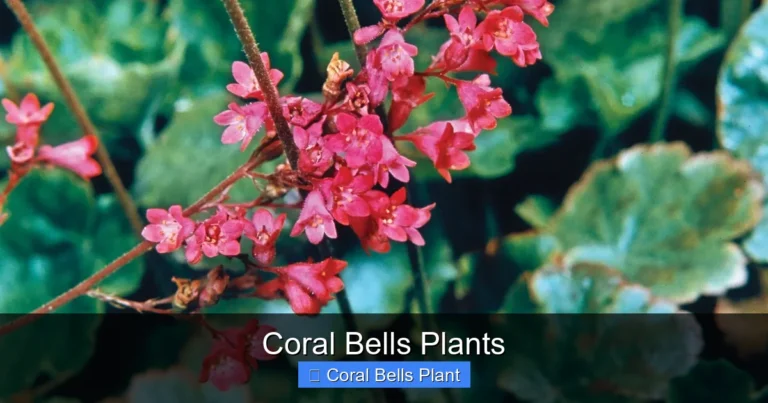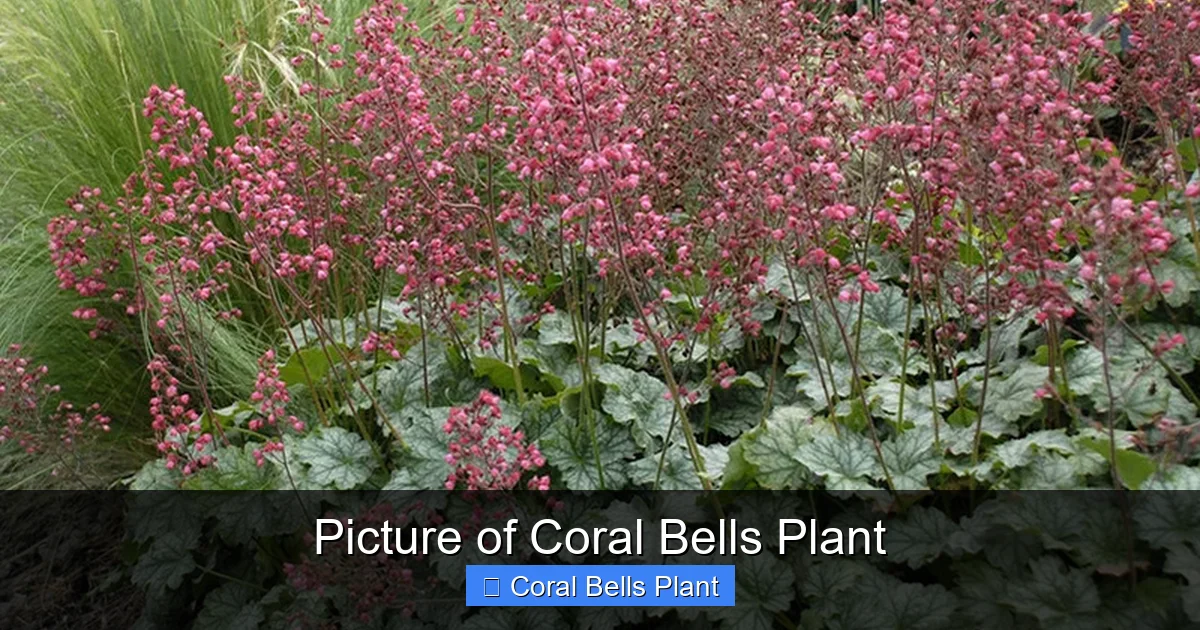
Picture of Coral Bells Plant
A picture of coral bells plant showcases the vibrant foliage and delicate flowers that make this perennial a garden favorite. Learn how to identify varieties, capture beautiful photos, and use images for garden planning.
When you first see a picture of coral bells plant, the bright leaves and tiny bell‑shaped flowers instantly catch the eye. This perennial, known botanically as Heuchera, has become a staple in shade gardens across many climates. Gardeners love it for its low maintenance needs and year‑round foliage interest.
In this article we explore everything you need to know about coral bells. We cover the plant’s background, why a good picture of coral bells plant is useful, how to take your own stunning shots, and ways to use those images in garden planning. You will also find care tips that keep the plant looking photo‑ready all season long.
Whether you are a seasoned horticulturist or a weekend gardener, the information here will help you appreciate coral bells more deeply. Let’s dive into the world of this versatile perennial and discover how a simple picture of coral bells plant can inspire your next garden project.
Key Takeaways
- Variety matters: Different coral bells cultivars offer unique leaf colors and flower shapes.
- Light is key: Soft morning light brings out the best texture in a picture of coral bells plant.
- Composition counts: Use the rule of thirds to highlight the plant’s rosette form.
- Care improves appearance: Proper watering and pruning keep foliage bright for photos.
- Images aid design: A good picture of coral bells plant helps you plan color combos and spacing.
- Share with experts: Nursery staff can recommend companions when they see a clear photo.
- Avoid common errors: Over‑exposure and cluttered backgrounds reduce photo quality.
Quick Answers to Common Questions
What is the best time of day to photograph coral bells?
Early morning or late afternoon provides soft, diffused light that enhances leaf color and texture.
Which camera setting creates a blurred background for a picture of coral bells plant?
Use a wide aperture such as f/2.8‑f/4 to achieve a shallow depth of field.
Can I use a smartphone to get a high‑quality picture of coral bells plant?
Yes, modern smartphones with HDR and manual focus can produce excellent results.
How do I prevent fungal spots on coral bells leaves?
Water at the soil level, avoid overhead watering, and ensure good air circulation.
What companion plants look good with coral bells in a garden design?
Hostas, ferns, astilbes, and Japanese forest grass complement the foliage colors well.
📑 Table of Contents
What Are Coral Bells?
History and Origin
Coral bells originated in North America, where they thrive in woodland settings. Native tribes used the roots for medicinal purposes long before gardeners adopted them for ornamental value. The genus Heuchera was named after Johann Heinrich von Heucher, an 18th‑century German botanist. Over the centuries breeders have created hundreds of cultivars, each with distinct leaf colors ranging from deep burgundy to lime green.
Popular Varieties
Some of the most sought‑after varieties include ‘Palace Purple’, ‘Caramel’, ‘Lime Rickey’, and ‘Obsidian’. ‘Palace Purple’ offers dark, almost black foliage that contrasts beautifully with lighter plants. ‘Caramel’ displays warm amber leaves that glow in sunlight. ‘Lime Rickey’ brings a fresh chartreuse hue, while ‘Obsidian’ features near‑black leaves with a subtle metallic sheen. A picture of coral bells plant showing these varieties side by side makes it easy to compare color palettes for your garden design.
Why a Picture of Coral Bells Plant Helps Gardeners
Visual Identification
Identifying a specific cultivar can be tricky when you only read descriptions. A clear picture of coral bells plant shows leaf texture, veining, and flower spike height at a glance. This visual cue saves time when you shop at a nursery or browse online catalogs. You can match the image to the label and be confident you are buying the exact plant you want.
Design Inspiration
Garden design relies heavily on color harmony and foliage contrast. A picture of coral bells plant placed next to images of hostas, ferns, or astilbes lets you see how the colors interact before you plant. Many gardeners create mood boards using printed or digital photos. This practice reduces trial‑and‑error and helps you achieve a cohesive look from the start.
How to Capture a Great Picture of Coral Bells Plant
Lighting Tips
Soft, diffused light works best for foliage. Early morning or late afternoon sun provides a gentle glow that highlights leaf veins without harsh shadows. If you must shoot at midday, use a sheer curtain or a reflector to soften the light. Avoid direct flash; it washes out the subtle colors that make a picture of coral bells plant so appealing.
Composition Ideas
Apply the rule of thirds: place the rosette off‑center to create visual interest. Include a hint of the surrounding garden bed to give context. A low angle looking up at the plant emphasizes its mound shape. Try a top‑down shot to showcase the symmetrical leaf arrangement. Experiment with both orientations; each reveals a different personality of the plant.
Camera Settings
For a DSLR or mirrorless camera, set aperture to f/5.6‑f/8 for a shallow depth of field that keeps the plant sharp while blurring the background. Use ISO 100‑200 to minimize noise. A shutter speed of 1/125 s or faster prevents motion blur from breezy leaves. Smartphone users can tap the screen to focus on the foliage and enable HDR for balanced exposure.
Using Pictures of Coral Bells Plant in Garden Planning
Creating Mood Boards
Gather several images of coral bells plant in different cultivars. Arrange them alongside photos of companion plants, hardscape materials, and garden furniture. Digital tools like Canva or Pinterest make this easy. A mood board lets you test color schemes, texture contrasts, and seasonal interest before you commit to planting.
Sharing with Nursery Staff
When you visit a local nursery, bring a printed picture of coral bells plant or show it on your phone. Staff can instantly point you to the exact cultivar or suggest alternatives that match your design goals. This conversation often uncovers new varieties you might not have considered.
Common Mistakes When Photographing Coral Bells
Over‑exposure
Bright sunlight can bleach the rich pigments of the leaves. The result is a washed‑out picture of coral bells plant that loses its charm. Use a diffuser or shoot in open shade to keep colors true. Check the histogram on your camera; aim for a balanced exposure without clipped highlights.
Cluttered Background
Busy backgrounds distract from the plant’s form. Remove garden tools, hoses, or unrelated foliage from the frame. A simple mulch bed or a plain fence works well as a neutral backdrop. If you cannot clear the area, use a wider aperture to blur the background while keeping the coral bells sharp.
Caring for Coral Bells So They Look Their Best in Photos
Watering and Soil
Coral bells prefer consistently moist, well‑drained soil rich in organic matter. Water at the base of the plant to avoid wetting the leaves, which can cause fungal spots. Mulch with shredded bark to retain moisture and keep roots cool. Healthy, hydrated foliage stays vibrant and makes every picture of coral bells plant look fresh.
Pruning and Deadheading
Remove spent flower stalks after blooming to encourage a tidy rosette. In early spring, trim any damaged or brown leaves. Light pruning improves air circulation and reduces disease pressure. A well‑groomed plant presents a clean silhouette that photographs beautifully.
Conclusion
A picture of coral bells plant is more than a pretty image; it is a practical tool for identification, design, and communication. By understanding the plant’s history, mastering photography basics, and applying proper care, you can capture and use these images to create stunning shade gardens. Take your camera or phone into the garden this season, experiment with light and composition, and let the vibrant world of coral bells inspire your next planting project.
Frequently Asked Questions
How often should I water coral bells?
Water coral bells when the top inch of soil feels dry, typically once or twice a week depending on climate.
Do coral bells need full sun or shade?
They thrive in partial to full shade; too much direct sun can scorch the leaves.
When is the best time to divide coral bells?
Early spring or early fall are ideal for division, giving roots time to establish before extreme temperatures.
Are coral bells deer resistant?
Yes, most cultivars are considered deer resistant due to their bitter foliage.
Can coral bells be grown in containers?
Absolutely, choose a pot with good drainage and use a high‑quality potting mix for best results.
What fertilizer works best for coral bells?
A balanced, slow‑release fertilizer applied in early spring supports healthy growth and vibrant foliage.