Coral Bells Plants Shade
Coral bells plants shade thrive in low light and bring bright color to shady beds. They need well‑drained soil, regular water, and a light mulch layer. With basic care they bloom from spring to fall.
Key Takeaways
- Choose the right variety: Pick a cultivar bred for low light.
- Prepare rich soil: Mix compost into the planting hole for drainage.
- Water consistently: Keep soil moist but not soggy.
- Mulch for moisture: Apply a thin layer of shredded bark.
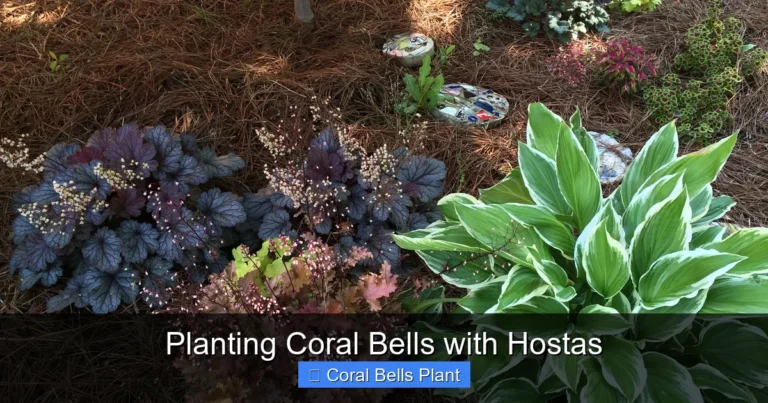
- Pair with companions: Use ferns or hostas for texture contrast.
- Watch for pests: Check leaves for slugs and fungal spots.
Quick Answers to Common Questions
What light do these plants need?
They prefer morning sun and afternoon shade.
How often should I water them?
Water when the top inch of soil feels dry.
Can they grow in containers?
Yes, use a well‑draining pot and quality mix.
When is the best time to fertilize?
Early spring with a slow‑release formula.
How do I prevent slugs?
Use beer traps, copper tape, or diatomaceous earth.
📑 Table of Contents
Why Coral Bells Love Shade
Coral bells plants shade thrive in filtered light. They prefer cool roots. The leaves stay bright when sun is low. Too much sun can scorch foliage. Shade protects the plant from heat stress. Gardeners see better color in dappled light. This plant is a top pick for shady borders.
Light Needs
These plants need about four hours of morning sun. Afternoon shade is best. Deep shade works but may reduce bloom. Observe the site before planting. Adjust nearby trees if needed.
Temperature Tolerance
These plants tolerate cold down to zone four. They handle heat if soil stays moist. Mulch helps keep roots cool. Avoid planting near hot walls.
Seasonal Behavior
New growth appears in early spring. Foliage color deepens as days lengthen. Flowers rise on thin stems in late spring. Color holds through summer into fall. Light frost may brown tips but plants recover.
Choosing the Right Variety for Shade
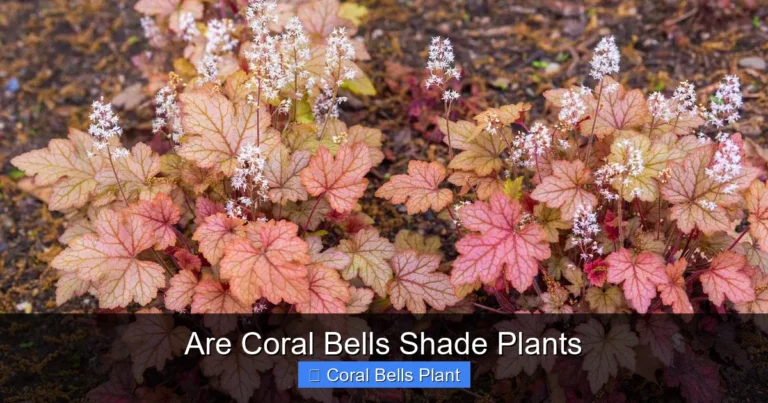
Coral bells plants shade offer many cultivars. Some are bred for deep shade. Look for names like ‘Palace Purple’ or ‘Obsidian’. These hold color in low light. Others like ‘Caramel’ need a bit more sun. Read labels before buying. Match variety to your light level.
Color Options
These plants offer purple, bronze, lime, and silver foliage. Flower spikes appear in late spring. Colors stay vivid in shade. Choose a hue that fits your design.
Size Considerations
These plants range from twelve inches to twenty‑four inches tall. Compact types fit small beds. Larger types make a statement. Space plants twelve inches apart for airflow.
Growth Rate
Most varieties grow at a moderate pace. They fill in within two seasons. Fast growers may need division sooner. Slow growers stay tidy longer.
Preparing Soil for Coral Bells in Shade
Coral bells plants shade like loose, rich earth. Good soil is key. Add compost to improve texture. Test pH; aim for six to seven. Avoid heavy clay that stays wet. Raised beds work well in shady spots.
Amending the Bed
Spread two inches of compost over the area. Work it into the top six inches. Add a handful of peat moss for moisture retention. Mix in coarse sand if drainage is poor. Water the bed after amending.
Planting Depth
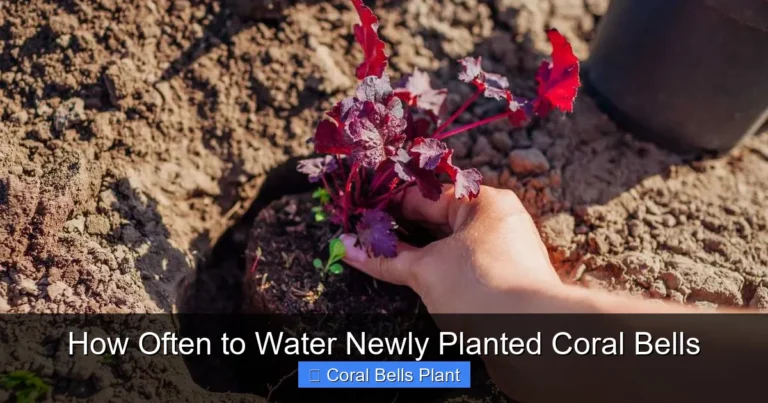
Set the crown at soil level. Do not bury the crown. Firm soil gently around roots. Water thoroughly after planting. Mulch lightly to settle soil.
Ongoing Soil Care
Top‑dress with compost each spring. Refresh mulch after heavy rain. Check for compaction each fall. Loosen surface gently if needed. Healthy soil supports strong foliage.
Watering and Feeding Coral Bells in Shade
Coral bells plants shade need consistent moisture. Consistent moisture keeps foliage bright. These plants dislike dry spells. Water at the base, not the leaves. Early morning is best. Reduce watering in winter.
Fertilizer Schedule
Apply a balanced slow‑release fertilizer in early spring. Use a formula like ten‑ten‑ten. Avoid high nitrogen late in the season. Too much nitrogen causes weak stems. A light feeding in midsummer supports bloom.
Mulch Benefits
Mulch conserves water and suppresses weeds. Use shredded bark or leaf mold. Keep mulch two inches away from the crown. Refresh mulch each spring. This protects roots from temperature swings.
Signs of Overwatering
Yellow leaves and mushy crowns indicate excess water. Reduce frequency immediately. Improve drainage if soil stays soggy. Check pots for standing water. Healthy roots are firm and white.
Design Ideas Using Coral Bells in Shade
Coral bells plants shade add texture to shade gardens. These plants add texture to shade gardens. Pair them with ferns for a soft look. Combine with hostas for bold foliage contrast. Use them along pathways for edge definition. Plant in groups of three for impact.
Container Planting
Choose a pot with drainage holes. Use a high‑quality potting mix. Place the container in dappled light. Water regularly; pots dry faster. Fertilize monthly with liquid feed.
Border and Edging
Line a shady border with these plants. Alternate colors for a ripple effect. Keep spacing even for a tidy line. Trim spent flower spikes to encourage rebloom.
Mass Planting
Create a carpet of color by planting many together. Mix leaf shades for depth. Add a few taller companions for height. Mulch the whole area for a clean look. Enjoy a living tapestry all season.
Common Problems and Solutions for Coral Bells in Shade
Coral bells plants shade are generally tough. Watch for slugs, aphids, and powdery mildew. Good airflow reduces disease. Remove infected leaves promptly.
Slug Control
Set beer traps near plants. Hand‑pick slugs at night. Use copper tape around pots. Diatomaceous earth works as a barrier.
Fungal Issues
Water at soil level to keep foliage dry. Space plants for air flow. Apply a fungicide labeled for ornamental foliage if needed. Rotate crops each year to break disease cycles.
Nutrient Deficiency
Yellow leaves may signal low nitrogen. Feed with a balanced fertilizer. Test soil if problem persists. Adjust pH if it falls outside the ideal range.
Winter Care
Cut back dead foliage after hard frost. Apply a thick mulch layer for insulation. Keep soil slightly moist during dry winters. Protect crowns from freeze‑thaw cycles. Plants emerge strong in spring.
Frequently Asked Questions
Do these plants tolerate full shade?
They grow in deep shade but may flower less. Light shade gives the best color.
What soil pH is ideal?
A pH between six and seven works well.
How tall do they get?
Most varieties reach twelve to twenty‑four inches.
Are they deer resistant?
They are generally deer resistant but not immune.
Can I divide them?
Yes, divide in early spring or fall for new plants.
What companion plants pair well?
Ferns, hostas, and astilbes make great partners.