Can You Plant Coral Bells Close to the House
Yes, you can plant coral bells close to the house with proper spacing of 12-18 inches from the foundation. These shade-loving perennials thrive near homes when given well-draining soil, adequate air circulation, and protection from harsh afternoon sun.
Key Takeaways
- Safe planting distance: Keep coral bells 12-18 inches from your foundation to prevent moisture issues and allow air flow.
- Shade tolerance makes them ideal: Coral bells thrive in the dappled shade often found near house walls, especially north and east exposures.
- Foundation protection matters: Avoid planting directly against siding or brick where trapped moisture can cause damage over time.
- Soil drainage is critical: Amend heavy clay soil near foundations with compost to prevent root rot in your heuchera.
- Air circulation prevents disease: Proper spacing reduces humidity around foliage, preventing fungal problems like powdery mildew.
- Seasonal interest year-round: Evergreen varieties provide winter color near entryways when other plants go dormant.
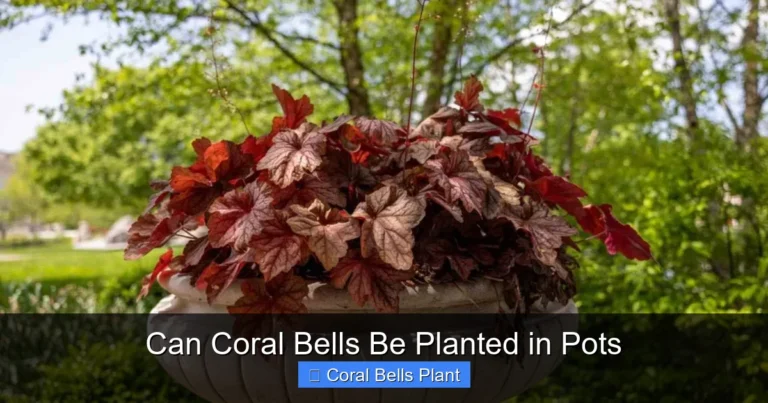
- Container option for tight spaces: If foundation planting feels risky, coral bells thrive in pots placed near the house.
Quick Answers to Common Questions
How close can I plant coral bells to my house foundation?
Plant coral bells 12-18 inches from your foundation wall. This spacing prevents moisture buildup on siding, allows air circulation, and gives room for proper mulching.
Will coral bells roots damage my foundation?
No, coral bells have shallow fibrous roots that stay in the top 6-12 inches of soil. They lack aggressive taproots and will not crack foundations or invade pipes.
Can coral bells grow on the north side of the house?
Yes, the north side is ideal. Coral bells thrive in shade to part shade, and north-facing walls provide consistent low-light conditions they love.
Do I need to worry about roof runoff damaging coral bells?
Yes, heavy roof runoff can damage plants and cause waterlogging. Plant outside the drip line or install gutter extensions to direct water away from planting areas.
Should I plant coral bells in the ground or in containers near the house?
Both work well. In-ground planting is lower maintenance long-term. Containers offer better drainage control and are ideal for poor foundation soil or rental properties.
📑 Table of Contents
- Why Gardeners Love Coral Bells Near the House
- Understanding Coral Bells Growth Habits
- Ideal Distance From the Foundation
- Soil Preparation for Foundation Beds
- Water Management Near the House
- Design Ideas for Foundation Plantings
- Common Problems and Solutions
- Maintenance for Long-Term Success
- Container Growing as an Alternative
- Best Varieties for Foundation Plantings
- Conclusion
Why Gardeners Love Coral Bells Near the House
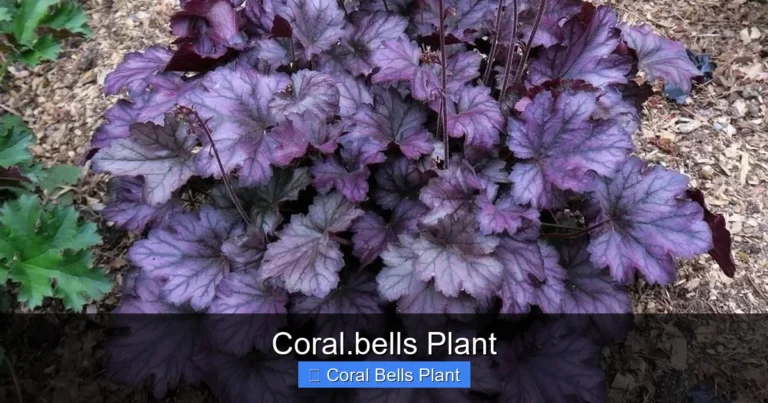
You have probably seen those gorgeous ruffled leaves in shades of purple, caramel, lime green, and silver decorating front porches and foundation beds. Coral bells, also known as heuchera or alumroot, have become a staple in residential landscaping. Their compact size and incredible foliage colors make them perfect for tight spaces near the house. But many homeowners pause and wonder if planting them right up against the foundation is actually a good idea.
The short answer is yes, you absolutely can plant coral bells close to the house. In fact, they are one of the best perennials for foundation plantings. Their shallow root systems will not damage your foundation or plumbing. Their love for shade matches the conditions often found along north and east facing walls. And their year-round foliage provides curb appeal even in the dead of winter. But success depends on following a few key guidelines about spacing, soil preparation, and maintenance.
Understanding Coral Bells Growth Habits
Root System Characteristics
Let us start with what happens underground. Coral bells have a fibrous root system that spreads horizontally rather than diving deep. The roots typically stay within the top 6-12 inches of soil. This is excellent news for foundation plantings. Unlike trees or large shrubs with aggressive taproots, heuchera roots will not crack your foundation, invade sewer lines, or lift sidewalk pavers.
The crown of the plant sits at or just above soil level. From this crown, leaves emerge in a tidy mound. Most varieties reach 12-18 inches tall and wide. Some larger cultivars can spread to 24 inches. This predictable size makes spacing easy to plan. You will not wake up one spring to find your coral bells have swallowed your front walkway.
Light Requirements Near Structures
Here is where planting near the house becomes a strategic advantage. Most coral bells prefer part shade to full shade. They thrive with 4-6 hours of morning sun or dappled light throughout the day. The north side of your house provides consistent shade. The east side offers gentle morning sun. Both are ideal.
Be careful with south and west exposures. Afternoon sun reflecting off siding or brick can scorch the leaves. Dark colored varieties like ‘Palace Purple’ or ‘Obsidian’ handle more sun than light colored ones like ‘Lime Rickey’ or ‘Citronelle.’ If you must plant on a hot side, choose sun-tolerant varieties and provide extra water.
Seasonal Behavior
In mild climates, coral bells stay evergreen all year. In colder zones (USDA 4-6), they may die back partially but the crown survives. New growth emerges early in spring. This means you get foliage interest when most perennials are still dormant. Near entryways, this early color is a welcome sight after winter.
Ideal Distance From the Foundation
The 12-18 Inch Rule
Plant your coral bells at least 12 inches from the foundation wall. Eighteen inches is even better. This distance serves several purposes. First, it keeps the foliage off the siding. Wet leaves against wood, vinyl, or brick create a highway for moisture problems, mold, and insects. Second, it allows air to circulate around the plant. Good airflow prevents fungal diseases like powdery mildew and crown rot.
Third, this spacing gives you room to mulch properly. You want 2-3 inches of mulch around the plant but pulled back from the crown. You also need mulch against the foundation to protect the soil. If the plant is too close, you cannot mulch both areas correctly.
Measuring From Different Foundation Types
Measure from the actual wall surface, not from the edge of the roof overhang. If you have deep eaves, the drip line may be 2-3 feet out. Plant at the drip line or slightly inside it. This ensures the plant gets rainfall. Under deep eaves, you will need to water manually since rain will not reach.
For homes with brick or stone veneer, the same 12-18 inch rule applies. These materials can wick moisture. Wet foliage pressing against them transfers that moisture. For homes with stucco, be extra careful. Stucco is porous and holds moisture against the substrate. Keep plants 18-24 inches away.
Spacing Between Multiple Plants
If you are planting a row of coral bells along the foundation, space them 14-18 inches apart on center. This means measuring from the center of one plant to the center of the next. Closer spacing creates a faster fill but reduces air flow. Wider spacing takes longer to look full but promotes healthier plants. For a quick show, you can plant 12 inches apart but plan to divide them in 2-3 years.
Soil Preparation for Foundation Beds
Assessing Your Existing Soil
Foundation soil is often poor quality. During construction, subsoil gets compacted by heavy equipment. Debris like concrete chunks, drywall scraps, and wood get buried. The soil pH may be alkaline from concrete leaching. Before planting, dig a test hole. Check for compaction, drainage, and debris.
Fill the hole with water. If it drains in under an hour, drainage is good. If it takes several hours, you have clay or compaction issues. Coral bells hate wet feet. They need oxygen at the roots. Standing water leads to crown rot, the number one killer of heuchera.
Amending for Success
Create a planting mix of 50% native soil, 30% compost, and 20% coarse sand or fine pine bark. This improves drainage while retaining moisture. Work this mix into an area 2-3 times wider than the root ball. Do not just amend the planting hole. This creates a “bathtub effect” where water collects in the amended zone.
If your soil is extremely heavy clay, consider raising the bed 6-8 inches. Build a low berm with your amended soil. This guarantees drainage. Coral bells actually prefer slightly elevated planting. The crown should sit slightly above the surrounding soil level, not in a depression.
pH Considerations
Coral bells prefer slightly acidic to neutral soil, pH 6.0-7.0. Foundation soil often tests alkaline (7.5+) due to concrete and mortar. If a soil test shows high pH, incorporate elemental sulfur or peat moss into your planting mix. Acid-loving plant fertilizers can help maintain lower pH over time. But do not overdo it. Heuchera are adaptable if drainage is good.
Water Management Near the House
Roof Runoff Concerns
One of the biggest risks to foundation plants is roof runoff. During heavy rain, water pours off the roof in sheets. If your coral bells sit in this deluge, they can be physically damaged or waterlogged. Observe your roof lines during a rainstorm. Note where water falls. Plant outside the heavy splash zone.
If gutters overflow or downspouts discharge near your planting area, fix the drainage first. Extend downspouts at least 4-6 feet from the foundation. Use splash blocks or underground piping. Your coral bells will thank you. And so will your foundation.
Irrigation Strategy
Foundation beds often stay drier than the rest of the yard. Roof overhangs block rain. Foundation walls radiate heat, drying the soil faster. Check soil moisture weekly by sticking your finger 2 inches deep. Water when the top inch feels dry. Deep, infrequent watering beats daily sprinkles.
Drip irrigation or soaker hoses work best. They keep water off the foliage. Wet leaves in the evening invite disease. If you must use overhead sprinklers, water early morning so leaves dry quickly. Mulch heavily (2-3 inches) to retain moisture and moderate soil temperature.
Winter Watering
In cold climates, evergreen coral bells lose moisture through their leaves all winter. Frozen soil prevents root uptake. This causes winter burn, brown crispy leaf edges. Water deeply before the ground freezes. During winter thaws, water if the soil is not frozen. A layer of pine boughs or straw over the crowns helps reduce moisture loss.
Design Ideas for Foundation Plantings
Creating Layered Beds
Coral bells work beautifully as the middle layer in a three-tier foundation planting. Tall shrubs like boxwood, hydrangea, or dwarf conifers go against the house (24-36 inches out). Coral bells fill the middle ground (18-24 inches out). Low groundcovers like creeping phlox, sedum, or thyme edge the bed (6-12 inches out).
This layering creates depth and hides the “legs” of larger shrubs. The coral bells’ mounded form contrasts nicely with vertical shrubs and spreading groundcovers. Choose foliage colors that complement your house color and the shrubs behind them.
Color Combinations That Pop
For a modern look, plant a single variety in a drift. ‘Caramel’ with its amber-orange leaves looks stunning against gray or blue siding. ‘Palace Purple’ creates drama against light brick. ‘Lime Rickey’ brightens dark foundations.
For a tapestry effect, mix 3-5 varieties. Combine purple, silver, chartreuse, and peach tones. ‘Silver Scrolls,’ ‘Georgia Peach,’ ‘Electra,’ and ‘Midnight Rose’ play well together. Repeat each variety 3-5 times for rhythm. Odd numbers look more natural.
Seasonal Interest Planning
Coral bells shine in spring and fall. In summer, they produce delicate flower spikes that attract hummingbirds. The flowers are nice but the foliage is the star. Pair them with spring bulbs (daffodils, tulips) that bloom before heuchera leaf out fully. Add summer annuals like impatiens or begonias in front for continuous color.
In winter, the evergreen foliage provides structure. In zones 6 and warmer, they stay gorgeous all winter. In colder zones, the leaves may look tattered by March. Simply trim off damaged leaves in early spring. New growth appears quickly.
Common Problems and Solutions
Crown Rot Prevention
Crown rot is the silent killer of coral bells. It happens when the crown (where leaves meet roots) stays wet. Symptoms include yellowing leaves, mushy crown, and plant collapse. Prevention is everything. Plant high. Mulch away from the crown. Water at the base, not over the top. Ensure excellent drainage.
If you catch it early, you can sometimes save the plant. Dig it up. Cut away all rotted tissue. Dust with fungicide. Replant in fresh, well-draining soil. But honestly, prevention is far easier than cure.
Powdery Mildew Management
Powdery mildew appears as white dusty coating on leaves. It thrives in humid, stagnant air. Foundation plantings with poor circulation are prone. Space plants properly. Prune nearby shrubs to open airflow. Water in morning only. Remove badly affected leaves.
Some varieties resist mildew better. ‘Caramel,’ ‘Citronelle,’ and the villosa hybrids show good resistance. If mildew is a recurring problem, spray preventatively with neem oil or potassium bicarbonate starting in early summer.
Heaving in Freeze-Thaw Cycles
In zones 4-6, shallow-rooted coral bells can heave out of the ground during freeze-thaw cycles. The roots get exposed and dry out. Heavy mulch (3-4 inches) after the ground freezes prevents this. Pine straw, shredded leaves, or straw work well. Remove excess mulch in early spring so the crown can breathe.
Pest Issues
Coral bells are relatively pest-free. Deer and rabbits usually ignore them due to fuzzy leaves. Slugs and snails may nibble in wet springs. Beer traps or diatomaceous earth help. Vine weevil larvae can eat roots. Beneficial nematodes applied in spring control them. Foliar nematodes cause angular brown spots between leaf veins. Remove affected leaves and avoid overhead watering.
Maintenance for Long-Term Success
Spring Cleanup
In early spring, remove any winter-damaged leaves. Cut them at the base. Do not pull, as this can damage the crown. Apply a light layer of compost around the plant (not on the crown). This feeds slowly all season. If the plant looks crowded or the center is dying out, it is time to divide.
Division Every 3-4 Years
Coral bells benefit from division every 3-4 years. The center gets woody and stops producing leaves. Spring or early fall are best. Dig the whole clump. Pull or cut apart into sections, each with roots and several leaves. Replant the healthiest pieces. Discard woody centers. Water well. They establish quickly.
Deadheading and Summer Care
Flower spikes can be left for hummingbirds or cut for bouquets. Once flowers fade, cut the spike at the base. This redirects energy to foliage. In hot summers, leaves may scorch on the edges. Trim crispy edges with scissors. The plant will push fresh growth when temperatures cool.
Fertilizing Guidelines
Coral bells are light feeders. Too much nitrogen produces lush leaves that are prone to disease and winter damage. One application of slow-release balanced fertilizer (10-10-10 or similar) in spring is plenty. Or top-dress with compost. Avoid fertilizing after July. You want the plant to harden off before winter.
Container Growing as an Alternative
When to Choose Pots
If your foundation conditions are truly terrible (terrible drainage, extreme alkalinity, constant roof runoff), containers are a fantastic option. Place decorative pots along the foundation. You control the soil, drainage, and watering perfectly. Plus, you can move them if needed.
Containers also work well for renters. You can take your coral bells with you when you move. And they elevate the plants, improving air circulation and reducing splash-back on the house.
Container Success Tips
Choose pots at least 12 inches wide and deep. Ensure drainage holes. Use high-quality potting mix with added perlite or bark. Do not use garden soil. Water when the top inch feels dry. Containers dry faster than ground beds. Fertilize monthly with half-strength liquid fertilizer during growing season.
In winter, containers need protection. The roots are above ground and freeze faster. In zones 6 and colder, move pots to an unheated garage or bury them in mulch. Or treat them as annuals and replace each spring. Many gardeners do this with the most colorful varieties.
Best Varieties for Foundation Plantings
Top Performers for Shade
‘Palace Purple’ – The classic. Deep purple leaves with silver overlay. Vigorous and reliable. Handles more sun than most.
‘Silver Scrolls’ – Metallic silver leaves with purple veins. Stunning in shade. Mildew resistant.
‘Caramel’ – Amber to peach foliage. Villosa hybrid, so heat and humidity tolerant. Great for southern foundations.
‘Citronelle’ – Bright chartreuse. Lights up dark corners. Needs shade to prevent scorching.
‘Obsidian’ – Near-black shiny leaves. Holds color all season. Sun tolerant.
New Introductions Worth Trying
‘Forever Purple’ – Ultra-compact, intense purple, never fades.
‘Wild Rose’ – Rosy purple with charcoal veins. Vigorous.
‘Plum Pudding’ – Plum purple with silver frosting. A longtime favorite.
‘Electric Lime’ – Neon green. Glows in shade.
‘Berry Smoothie’ – Rose pink to burgundy. Large leaves.
Matching Varieties to Exposure
North side (full shade): ‘Citronelle,’ ‘Electric Lime,’ ‘Silver Scrolls,’ ‘Green Spice’
East side (morning sun): ‘Caramel,’ ‘Georgia Peach,’ ‘Peach Flambe,’ ‘Midnight Rose’
South/West side (afternoon sun – use caution): ‘Palace Purple,’ ‘Obsidian,’ ‘Berry Smoothie,’ ‘Forever Red’
Always provide extra water on hot exposures. Mulch heavily. Consider afternoon shade from a nearby tree or structure.
Conclusion
Planting coral bells close to the house is not just possible, it is one of the smartest landscaping moves you can make. These versatile perennials check every box for foundation plantings. Shallow roots protect your foundation. Shade tolerance matches the microclimate near walls. Compact size fits tight spaces. Year-round foliage delivers curb appeal in every season. And the variety of colors lets you customize the look to your home’s style.
The keys to success are simple. Give them 12-18 inches of breathing room from the wall. Prepare the soil for excellent drainage. Water thoughtfully, keeping foliage dry. Mulch properly. Divide every few years to keep them vigorous. Follow these guidelines and your coral bells will thrive for years, making your foundation beds the envy of the neighborhood.
Whether you choose a sophisticated drift of ‘Silver Scrolls’ against gray siding, a warm tapestry of ‘Caramel’ and ‘Georgia Peach’ by the front door, or a modern lineup of ‘Obsidian’ in sleek containers, coral bells deliver. They are the reliable, beautiful, problem-solving perennial every foundation bed deserves. So go ahead. Plant them close. Just not too close. Your house and your heuchera will both thank you.
Frequently Asked Questions
What is the best time of year to plant coral bells near the house?
Spring and early fall are ideal planting times. Spring gives roots time to establish before summer heat. Fall planting works well in zones 6-9 where winters are mild. Avoid planting during summer heat or when the ground is frozen.
How often should I water coral bells planted near the foundation?
Water deeply once or twice a week during the first growing season. After establishment, water when the top inch of soil feels dry. Foundation beds near roof overhangs need more frequent watering since they receive less rainfall.
Why are my coral bells dying in the middle after a few years?
This is natural aging. The center becomes woody and stops producing leaves. Divide the plant every 3-4 years in spring or fall. Replant the healthy outer sections and discard the woody center.
Can I plant coral bells under my roof overhang where it stays dry?
Yes, but you must water them manually since rain will not reach. They actually prefer the dry foliage conditions under overhangs, which reduces fungal disease. Just monitor soil moisture closely.
Which coral bells varieties handle the most sun near a house?
Dark-leaved varieties like ‘Palace Purple,’ ‘Obsidian,’ ‘Forever Red,’ and ‘Berry Smoothie’ tolerate more sun than light-colored varieties. Villosa hybrids like ‘Caramel’ and ‘Georgia Peach’ also handle heat and sun better.
Do I need to cut back coral bells for winter?
No, do not cut them back in fall. The evergreen foliage protects the crown through winter. In early spring, remove only damaged or tattered leaves. The plant needs its leaves for photosynthesis during warm winter days.