How to Prevent Beetles on Plants
Beetles can damage leaves, flowers, and fruit quickly. Use a mix of cultural habits, barriers, and organic sprays to keep them away. Regular scouting and early action are the keys to a healthy garden.
Beetles are a common garden pest. They chew holes in leaves and ruin fruit. If you want to learn how to prevent beetles on plants, you are in the right place. This guide shares simple steps that anyone can follow.
You do not need harsh chemicals. Most beetle problems can be solved with good habits and natural tools. The key is to act early and stay consistent. Let us walk through the process together.
Key Takeaways
- Know your enemy: Identify the beetle species that visit your garden.
- Keep plants healthy: Strong plants resist beetle attacks better.
- Use barriers: Row covers and sticky traps stop beetles before they land.
- Apply organic controls: Neem oil, diatomaceous earth, and beneficial insects work well.
- Scout often: Early detection lets you act before damage spreads.
- Rotate crops: Changing plant families each year breaks beetle life cycles.
- Combine methods: Integrated tactics give the best long‑term results.
Quick Answers to Common Questions
What is the first step to stop beetles?
Identify the beetle species and assess the level of damage.
Can I use only organic methods?
Yes, many gardeners control beetles successfully with cultural practices, barriers, and organic sprays.
When should I apply row covers?
Install covers right after planting and keep them on until flowering begins.
Do beneficial insects really help?
Absolutely. Lady beetles, ground beetles, and parasitic wasps reduce beetle eggs and larvae naturally.
How often should I scout my garden?
A quick walk‑through once a week is enough to catch problems early.
📑 Table of Contents
Understanding Beetle Behavior
Beetles go through four life stages: egg, larva, pupa, and adult. Adults feed on foliage and lay eggs on the underside of leaves. Larvae often feed on roots or stems. Knowing this cycle helps you target the right stage. When you understand how to prevent beetles on plants, you can interrupt the cycle at its weakest point.
Feeding Habits
Most beetles chew. They leave irregular holes. Some species skeletonize leaves, eating the tissue between veins. Others bore into fruit. Watch for these signs during daily garden walks. Recognizing feeding patterns is a core part of how to prevent beetles on plants.
Seasonal Activity
Beetles appear in spring when temperatures rise. They peak in early summer. In fall they seek shelter for winter. Timing your controls to these windows makes them more effective. A seasonal calendar is a practical tool for how to prevent beetles on plants.
Movement and Dispersal
Adult beetles fly short distances. They are attracted to bright colors and sweet scents. Wind can carry them between beds. Knowing how they move helps you place barriers where they matter most. This insight supports how to prevent beetles on plants.
Temperature Triggers
Warm days speed up beetle development. Cool nights slow them down. Monitoring soil temperature helps you predict emergence. This knowledge sharpens how to prevent beetles on plants.
Host Plant Preferences
Each beetle species favors certain plants. Learning these preferences lets you protect the most vulnerable crops. Targeted protection is a smart way to practice how to prevent beetles on plants.
Life‑Cycle Interruption
Removing eggs before they hatch stops the next generation. Hand‑picking adults reduces egg laying. Interrupting the cycle early is a proven method for how to prevent beetles on plants.
Identify Common Garden Beetles
Not all beetles cause the same damage. Identifying the species lets you choose the right control. Here are the most frequent visitors. Accurate identification is the first step in how to prevent beetles on plants.
Visual guide about How to Prevent Beetles on Plants
Image source: cdn.shopify.com
Japanese Beetle
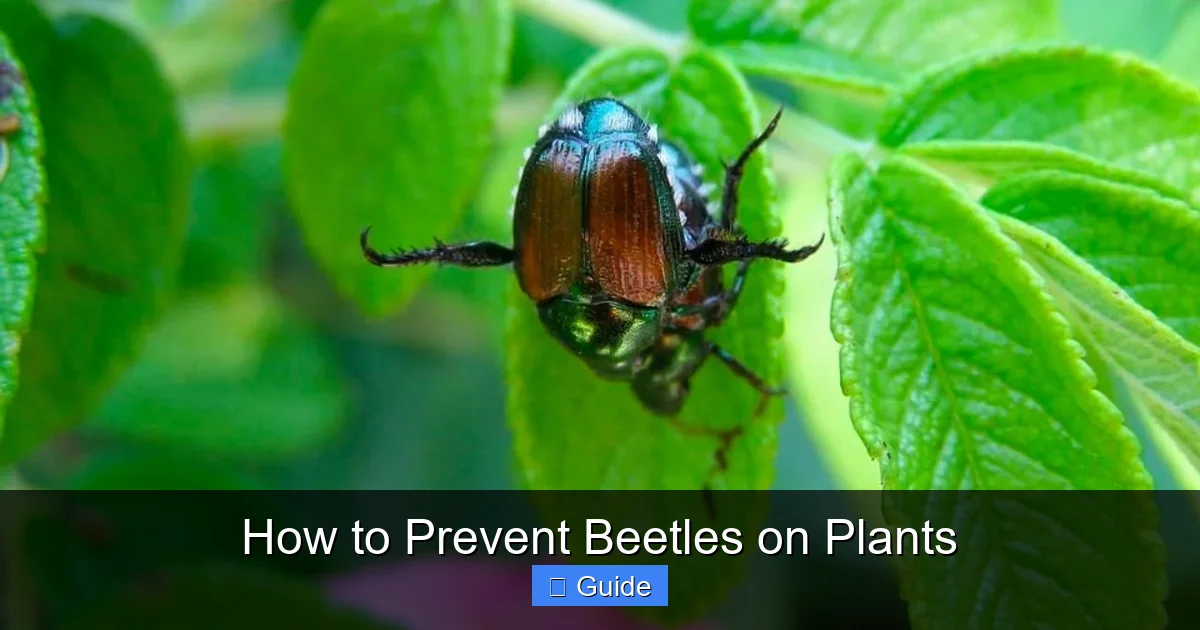
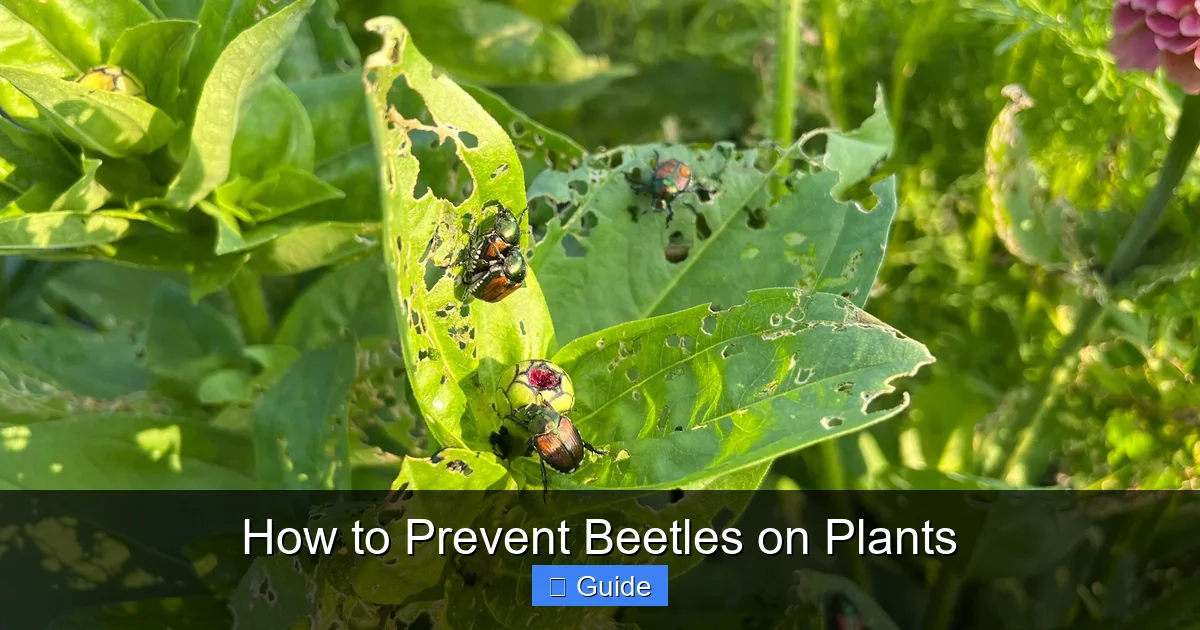
Shiny green‑copper body with white tufts. They love roses, grapes, and beans. Hand‑pick them early in the morning when they are sluggish. Removing adults reduces egg laying. This tactic is a direct method for how to prevent beetles on plants.
Colorado Potato Beetle
Yellow‑orange with black stripes. They attack potatoes, tomatoes, and eggplants. Rotate crops and use row covers to reduce numbers. Crop rotation breaks their life cycle. This practice is essential for how to prevent beetles on plants.
Cucumber Beetle
Striped or spotted yellow‑green. They spread bacterial wilt on cucumbers and melons. Sticky traps and neem oil work well. Early trapping cuts the population before it explodes. Trapping is a proven piece of how to prevent beetles on plants.
Flea Beetle
Tiny, jumping beetles that chew tiny pits in seedlings. Use fine mesh covers and diatomaceous earth around young plants. Protecting seedlings early saves the whole crop. Seedling protection is a key element of how to prevent beetles on plants.
Other Beetles
There are many more, such as the asparagus beetle and the bean leaf beetle. A quick internet search with a photo can confirm the species. Knowing the full roster helps you plan a complete strategy for how to prevent beetles on plants.
Beetle Identification Tips
Carry a pocket guide or phone app for quick reference. Note color, size, and pattern. Accurate ID speeds up the right response. Fast identification improves how to prevent beetles on plants.
Seasonal Species Shifts
Different beetles dominate in spring versus summer. Adjust your scouting focus accordingly. Seasonal awareness refines how to prevent beetles on plants.
Using Traps for ID
Sticky traps capture adults for later examination. Identify trapped beetles to confirm species. Trap‑based ID is a low‑effort way to support how to prevent beetles on plants.
Cultural Practices to Deter Beetles
Healthy plants resist pests. Good garden hygiene is the first line of defense. These habits show how to prevent beetles on plants without any sprays. Consistent culture builds a resilient garden.
Soil Health
Add compost each season. Balanced nutrients make plants strong. Strong plants produce thicker leaves that beetles find less tasty. Soil testing guides amendment choices. Healthy soil is the foundation of how to prevent beetles on plants.
Water Management
Water at the base of plants. Wet foliage attracts beetles and encourages fungal diseases. Drip irrigation keeps leaves dry. Mulching conserves moisture and reduces splash. Proper watering is a simple habit for how to prevent beetles on plants.
Crop Rotation
Move plant families each year. Beetles that specialize on one crop cannot find their host easily. This simple step breaks their life cycle. Plan a three‑year rotation for best results. Rotation is a cornerstone of how to prevent beetles on plants.
Companion Planting
Plant herbs like basil, mint, or catnip near vulnerable crops. Their strong scent confuses beetles. Marigolds also repel many beetle species. Interplanting creates a diverse barrier. Companion planting is a natural tactic for how to prevent beetles on plants.
Sanitation
Remove plant debris at season’s end. Beetles overwinter in dead leaves and stems. Clean beds reduce the next year’s population. Burn or compost debris away from the garden. Sanitation closes the loop on how to prevent beetles on plants.
Mulching for Defense
Apply straw or wood chips around plants. Mulch hides beetle eggs from predators. It also keeps soil temperature stable. Mulching adds a protective layer to how to prevent beetles on plants.
Timing Planting Dates
Plant early or late to avoid peak beetle activity. Shifting dates can miss the main flight period. Timing is a subtle but powerful part of how to prevent beetles on plants.
Soil Solarization
Cover beds with clear plastic in hot weeks. Heat kills beetle larvae in the top soil. Solarization is a non‑chemical boost for how to prevent beetles on plants.
Physical Barriers and Traps
Barriers stop beetles before they reach plants. Traps catch adults and lower breeding numbers. These tools are a core part of how to prevent beetles on plants. Combine barriers with monitoring for best effect.
Row Covers
Lightweight fabric lets light and water through but blocks insects. Secure edges with soil or clips. Remove covers during flowering for pollination. Row covers are reusable each season. They are a low‑cost method for how to prevent beetles on plants.
Fine Mesh Netting
Use mesh with holes smaller than 1 mm. It keeps out flea beetles and cucumber beetles. Support with hoops to avoid touching foliage. Netting can stay on all season for high‑value crops. Netting is a reliable piece of how to prevent beetles on plants.
Sticky Traps
Yellow cards coated with adhesive attract flying beetles. Place a few per bed. Replace when covered. They also help monitor population trends. Monitoring with traps informs when to act. Traps are a practical tool for how to prevent beetles on plants.
Pheromone Traps
Species‑specific lures draw male beetles. Use them for Japanese beetles and cucumber beetles. Place traps away from crops to lure pests away. Pheromone traps reduce mating success. This technique is an advanced part of how to prevent beetles on plants.
Hand‑Picking
Early morning is best. Drop beetles into soapy water. It is labor‑intensive but very effective for small gardens. Daily hand‑picking can keep numbers near zero. Hand‑picking is a hands‑on way to practice how to prevent beetles on plants.
Barrier Timing
Install covers before beetles emerge in spring. Remove them only for pollination windows. Proper timing maximizes barrier efficiency. Timing is a crucial factor in how to prevent beetles on plants.
Combining Barriers
Use row covers plus sticky traps for double protection. Layered defenses reduce breakthrough risk. Integrated barriers strengthen how to prevent beetles on plants.
DIY Trap Recipes
Mix water, sugar, and dish soap in a shallow dish. Place near affected plants at dusk. Simple homemade traps catch many adults. DIY traps are a low‑cost addition to how to prevent beetles on plants.
Natural and Organic Controls
When cultural and physical methods need a boost, organic sprays and beneficial insects step in. They fit well into a plan for how to prevent beetles on plants. Choose products that target beetles but spare pollinators.
Neem Oil
Neem disrupts feeding and reproduction. Mix according to label. Spray in early morning or late evening to protect pollinators. Repeat every seven to ten days during peak activity. Neem oil is a versatile spray for how to prevent beetles on plants.
Insecticidal Soap
Soap kills soft‑bodied larvae on contact. Thorough coverage is essential. Reapply after rain. Soap is safe for most beneficial insects when used correctly. It is a gentle option for how to prevent beetles on plants.
Diatomaceous Earth
Fine powder damages beetle exoskeletons. Dust around plant bases. Reapply after watering or rain. Use food‑grade product for safety. Diatomaceous earth is a dry barrier for how to prevent beetles on plants.
Beneficial Nematodes
Microscopic worms attack beetle larvae in soil. Apply to moist soil in spring. They are safe for people and pets. Nematodes work best when soil temperature is above 10 °C. They are a biological ally for how to prevent beetles on plants.
Predatory Insects
Lady beetles, ground beetles, and parasitic wasps eat beetle eggs and larvae. Plant flowering herbs to attract them. Avoid broad‑spectrum sprays that kill helpers. Encouraging predators is a long‑term strategy for how to prevent beetles on plants.
Botanical Sprays
Pyrethrin derived from chrysanthemums knocks down adults quickly. Use sparingly to avoid harming beneficials. Rotate with other controls to prevent resistance. Botanical sprays are a fast‑acting tool for how to prevent beetles on plants.
Essential Oil Blends
Mix peppermint, rosemary, and clove oils with water. Spray on foliage weekly. Strong scents repel many beetle species. Essential oil blends add a fragrant layer to how to prevent beetles on plants.
Compost Tea Sprays
Brew compost tea and apply as a foliar spray. Beneficial microbes boost plant immunity. Healthier plants resist beetle feeding. Compost tea is a living boost for how to prevent beetles on plants.
Rotating Organic Products
Switch between neem, soap, and botanical sprays each season. Rotation prevents beetles from adapting. Product rotation is a smart tactic for how to prevent beetles on plants.
Monitoring and Ongoing Prevention
Prevention does not end after one treatment. Ongoing scouting keeps beetle numbers low year after year. This final section ties everything together for how to prevent beetles on plants. Consistency turns a garden into a beetle‑free zone.
Weekly Walk‑Through
Spend ten minutes each week checking leaves, stems, and soil. Note any new damage. Early action stops outbreaks. Carry a notebook or phone app to log findings. Regular scouting is the heartbeat of how to prevent beetles on plants.
Record Keeping
Write down dates, species seen, and controls used. Over time you will see patterns. This data guides future decisions. A simple spreadsheet works well. Records turn experience into knowledge for how to prevent beetles on plants.
Adjust Tactics Seasonally
Spring calls for barriers and nematodes. Summer may need neem oil sprays. Fall focuses on sanitation and soil prep. Match your actions to the beetle calendar. Seasonal adjustment is a smart layer of how to prevent beetles on plants.
Community Resources
Local extension offices offer pest alerts. Join gardening groups to share observations. Collective knowledge improves everyone’s success. A regional alert can give you a head start. Community input enriches how to prevent beetles on plants.
Stay Patient
Beetle management is a marathon, not a sprint. Consistent effort yields a healthier garden and fewer surprises. Celebrate small wins each season. Patience and persistence complete the cycle of how to prevent beetles on plants.
Using Technology
Set phone reminders for scouting days. Use apps that identify beetles from photos. Technology makes monitoring easier. Digital tools support how to prevent beetles on plants.
Evaluating Effectiveness
Compare damage levels before and after each control. Adjust methods that show low impact. Continuous evaluation refines how to prevent beetles on plants.
Planning Next Season
Review records in winter. Choose resistant varieties for the coming year. Pre‑order row covers and nematodes early. Forward planning secures how to prevent beetles on plants.
By combining identification, cultural care, barriers, organic sprays, and regular scouting you create a resilient garden. You now have a clear roadmap for how to prevent beetles on plants. Start with one step today and build from there. Your plants will thank you.
Frequently Asked Questions
What attracts beetles to my garden?
Beetles are drawn to stressed plants, sweet sap, and certain flower scents. Healthy, well‑watered plants are less appealing.
Are chemical insecticides ever necessary?
In severe infestations, targeted chemical use may be a last resort. Always follow label instructions and protect pollinators.
Can beetles spread plant diseases?
Yes, some beetles transmit bacterial wilt and viruses. Controlling beetles also reduces disease risk.
How do I make a homemade beetle trap?
Mix a cup of water, a tablespoon of sugar, and a few drops of dish soap in a shallow dish. Place near affected plants.
Is diatomaceous earth safe for pets?
Food‑grade diatomaceous earth is non‑toxic to mammals. Avoid inhaling the dust during application.
What is the best time of day to spray neem oil?
Early morning or late evening when bees are less active. This reduces harm to pollinators.