Adjustable Buying Guide for Kentia Palm
The kentia palm is a timeless, low-maintenance houseplant that brings tropical elegance to any space. This adjustable buying guide for kentia palm covers everything from selecting healthy specimens to mastering long-term care. Whether you’re a beginner or seasoned plant parent, you’ll find practical tips to help your kentia thrive for decades.
Walking into a room with a mature kentia palm feels like stepping into a Victorian conservatory. Those graceful arching fronds. That statuesque presence. It’s no wonder this palm has been a favorite since the 1800s. But buying one isn’t as simple as grabbing the prettiest pot at the garden center. This adjustable buying guide for kentia palm will walk you through every decision. From choosing the right size to spotting hidden problems. From understanding light needs to mastering the art of watering. By the end, you’ll feel confident bringing home a kentia that thrives for generations.
I’ve helped dozens of friends select their first kentia palm. The mistakes are always the same. Buying a plant too large for the space. Ignoring drainage needs. Placing it in direct sun. Overwatering out of love. This guide exists to save you from those pitfalls. Think of it as your knowledgeable friend who’s made all the errors so you don’t have to. Let’s dive in.
Key Takeaways
- Choose the right size: Match the palm’s height and spread to your available space and light conditions
- Inspect for health: Look for vibrant green fronds, firm stems, and no signs of pests or disease
- Prioritize drainage: Well-draining soil and pots with drainage holes prevent root rot
- Provide bright indirect light: Kentia palms tolerate lower light but grow best in filtered sunlight
- Water mindfully: Allow the top inch of soil to dry between waterings to avoid overwatering
- Maintain humidity: Mist regularly or use a pebble tray to mimic tropical conditions
- Plan for longevity: With proper care, kentia palms can live 50+ years as cherished heirloom plants
Quick Answers to Common Questions
How fast does a kentia palm grow indoors?
Kentia palms grow slowly, typically 6-12 inches per year in ideal conditions. In lower light, growth may be only a few inches annually. A 3-foot plant takes 5-7 years to reach 6 feet.
Can kentia palms tolerate low light?
Yes, kentia palms tolerate lower light better than most palms. They survive in north-facing windows or several feet from bright windows. However, they grow sparsely and slowly in low light. Bright indirect light produces the fullest, healthiest growth.
Why are my kentia palm’s leaf tips turning brown?
Brown tips usually indicate low humidity, fluoride in tap water, over-fertilizing, or inconsistent watering. Increase humidity, use filtered water, flush soil occasionally, and water when the top inch of soil feels dry.
How often should I repot my kentia palm?
Repot every 2-3 years in spring. Increase pot size by only 2 inches in diameter. Kentias prefer being slightly rootbound. Use well-draining palm mix and a pot with drainage holes.
Are kentia palms safe for pets?
Yes, kentia palms are non-toxic to cats, dogs, and humans. They’re one of the few large statement plants that are completely pet-safe. However, discourage chewing as any plant material can cause mild digestive upset in sensitive animals.
📑 Table of Contents
- Understanding the Kentia Palm Before You Buy
- Where to Buy Your Kentia Palm
- Evaluating Plant Health and Quality
- Choosing the Right Size for Your Space
- Pot and Soil Considerations
- Light, Water, and Humidity Requirements
- Ongoing Care and Troubleshooting
- Styling Your Kentia Palm
- Budgeting and Long-Term Value
- Seasonal Care Adjustments
- Conclusion
Understanding the Kentia Palm Before You Buy
What Makes This Palm Special
The kentia palm, scientifically known as Howea forsteriana, hails from Lord Howe Island off Australia’s coast. In its natural habitat, it grows up to 30 feet tall. Indoors, it typically reaches 6 to 10 feet over many years. Slow growth is actually a feature, not a flaw. It means your palm won’t outgrow its space quickly. The fronds are pinnate, meaning feather-like, with deep green leaflets arranged along a central stem. Each frond can span 3 to 5 feet wide on mature plants. The trunk develops a distinctive bamboo-like appearance with age, showing rings where old fronds attached.
Unlike many tropical palms, the kentia tolerates lower light, cooler temperatures, and drier air. This adaptability made it the parlor palm of choice in Victorian England. Queen Victoria herself cultivated them. Today, they remain symbols of understated elegance. They work in modern minimalist spaces, traditional interiors, and everything between. Their non-toxic nature makes them safe for homes with curious pets and children. That’s a rare bonus among large statement plants.
Kentia vs. Other Popular Palms
Before committing, compare the kentia to its common cousins. The areca palm (Dypsis lutescens) grows faster and needs more light and humidity. Its fronds are softer and more feathery. The parlor palm (Chamaedorea elegans) stays much smaller, rarely exceeding 4 feet. It’s better for tabletops than floor displays. The majesty palm (Ravenea rivularis) looks similar but demands high humidity and bright light. It often struggles indoors. The cat palm (Chamaedorea cataractarum) forms dense clumps and needs consistent moisture.
The kentia wins for durability and longevity. It handles neglect better than any palm mentioned. A kentia can survive weeks of forgotten watering. It tolerates air conditioning and heating vents. It adapts to lower light corners where other palms yellow and decline. If you want a palm that forgives mistakes and lives for decades, the kentia is your plant. This adjustable buying guide for kentia palm emphasizes that resilience as its superpower.
Growth Rate and Long-Term Planning
Set realistic expectations. A kentia palm grows roughly 6 to 12 inches per year in ideal conditions. In lower light, growth slows to a few inches annually. A 3-foot nursery plant might take 5 to 7 years to reach 6 feet. This slow pace means you buy the size you want now, not a small plant hoping it fills a corner quickly. Budget accordingly. Larger specimens cost significantly more because growers invested years of care.
Consider the palm’s eventual spread. Mature fronds arch outward 3 to 5 feet from the trunk. You need clearance around the plant. Don’t tuck it against a wall or furniture. The fronds need air circulation to stay healthy. Plan for at least 2 feet of open space on all sides. If space is tight, choose a younger, narrower plant. You can always upgrade later. But moving a 7-foot kentia through doorways is a two-person job. Measure your doorways and hallways before buying large specimens.
Where to Buy Your Kentia Palm
Local Nurseries and Garden Centers
Buying locally lets you inspect the plant personally. You see the exact specimen coming home. Check for pests on leaf undersides. Feel the soil moisture. Assess the overall vigor. Staff at independent nurseries often know each plant’s history. They can tell you how long it’s been in stock, recent care routines, and any quirks. Prices may be higher than big-box stores, but the quality and support often justify it.
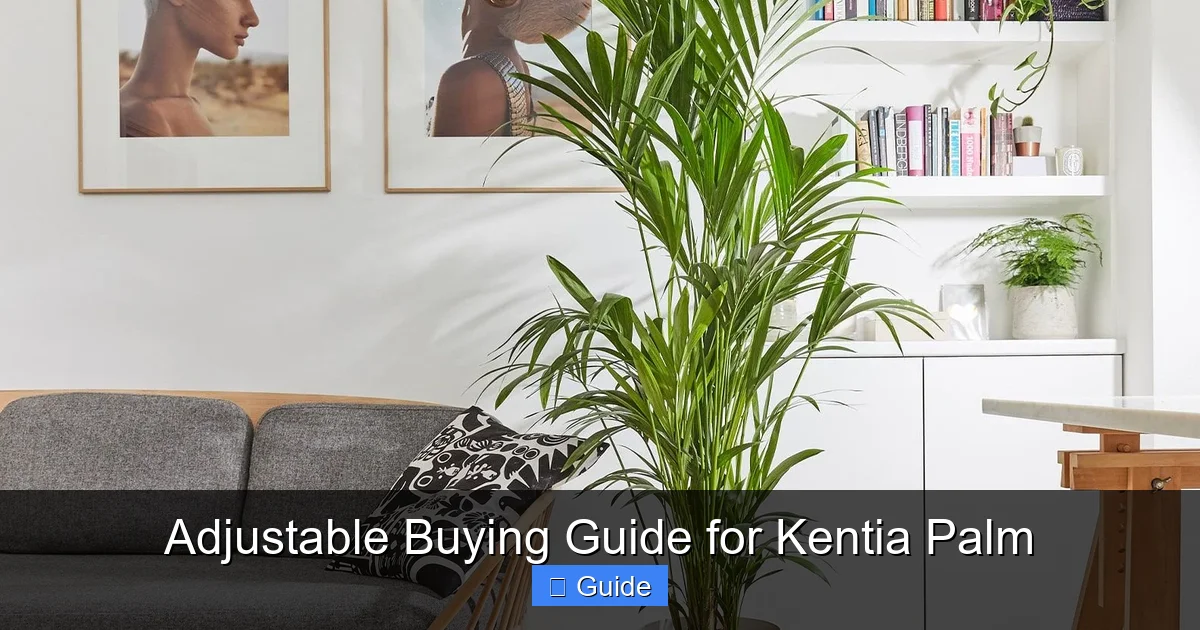
Visual guide about Adjustable Buying Guide for Kentia Palm
Image source: cdn.patchplants.com
Visit during weekday mornings for the best selection. Weekend crowds pick over the stock. Ask when new shipments arrive. Most nurseries receive tropical plants weekly or biweekly. Building a relationship with staff pays off. They’ll call you when exceptional specimens arrive. They’ll hold plants for short periods. They’ll offer care advice specific to your local climate. This personal touch is invaluable for first-time palm owners.
Online Retailers and Specialty Shops
Online shopping opens access to premium growers and rare sizes. Reputable sellers like Bloomscape, The Sill, and Plant Proper ship healthy, well-packaged plants. They often provide detailed care guides and customer support. Read reviews carefully. Look for photos from actual customers, not just professional product shots. Check shipping policies. Plants should ship early in the week to avoid weekend warehouse delays. Heat packs or cold packs should be used seasonally.
Specialty palm growers sometimes sell directly. These plants often have superior root systems and structure. Prices reflect the expertise. Shipping large kentias gets expensive fast. A 6-foot plant in a 14-inch pot weighs 50+ pounds. Freight shipping may be required. Factor this into your budget. Some online sellers offer white-glove delivery inside your home. Worth every penny for large specimens. This adjustable buying guide for kentia palm recommends researching seller reputations thoroughly before ordering.
Big-Box Home Improvement Stores
Stores like Home Depot and Lowe’s carry kentia palms seasonally, usually spring through fall. Prices are competitive. The convenience is undeniable. But quality varies wildly. Plants may sit in low light for weeks. Watering is often inconsistent. Pests spread quickly in crowded conditions. If you buy here, be extra selective. Choose plants from the newest shipment. Ask staff when the next delivery arrives. Inspect every frond thoroughly.
Avoid plants sitting directly on concrete floors. Cold damages roots. Avoid plants near drafty entrances or heating vents. Avoid any with yellowing lower fronds beyond normal aging. The savings aren’t worth bringing home problems. If you must buy from a big box, quarantine the plant for two weeks. Monitor for pests. Treat preventatively with neem oil. Repot into fresh soil if the mix looks depleted. These extra steps protect your other houseplants.
Evaluating Plant Health and Quality
Frond Condition Tells the Story
Healthy kentia fronds are deep, rich green. They arch gracefully without drooping. The leaflets (pinnae) should be flat, not folded or curled. Some browning at the very tips of older fronds is normal. But widespread yellowing, browning, or crispy edges signal trouble. Check both sides of every frond. Spider mites love kentia palms. They leave tiny white stippling on the upper surface and fine webbing underneath. Scale insects appear as small brown bumps on stems and leaf midribs. Mealybugs look like tiny cotton tufts in leaf axils.
New growth emerges as a spear from the center. It should be vibrant green and firm. A brown or mushy spear means crown rot. That plant is likely doomed. The spear is the palm’s only growing point. If it dies, the plant cannot produce new fronds. Gently tug the spear. It should resist firmly. If it pulls out easily, rot has set in. Walk away. No amount of care saves a palm with crown rot. This adjustable buying guide for kentia palm cannot stress this enough. The spear is life.
Root Health Without Unpotting
You can’t pull the plant out at the store. But you can gather clues. The soil should be moist but not soggy. Bone-dry soil means chronic underwatering. Soupy soil means overwatering or poor drainage. Lift the pot slightly. It should feel substantial for its size. Very light pots indicate root loss or extremely dry mix. Look at the drainage holes. Roots poking through aren’t necessarily bad. But thick mats of roots circling the bottom mean the plant is severely rootbound.
Gently wiggle the trunk at soil level. The plant should feel stable. Excessive wobbling suggests poor root anchorage. Smell the soil. It should smell earthy, not sour or fermented. A sour smell indicates anaerobic conditions from overwatering. If the pot has a saucer attached, check for standing water. That’s a red flag for root rot. Some stores use cachepots without drainage. Avoid these unless you plan immediate repotting. This adjustable buying guide for kentia palm recommends always choosing pots with drainage holes.
Trunk and Base Inspection
The trunk should be firm and upright. Soft spots, cracks, or oozing sap indicate disease or physical damage. The base where trunk meets soil should be clean. No mushrooms, mold, or algae growth. These signal excessive moisture. The trunk color ranges from green on young plants to brown and ringed on mature ones. Both are normal. What’s not normal: black lesions, sunken areas, or peeling bark.
Multi-trunk specimens are common. They’re actually several seedlings grown together for fuller appearance. Check that all trunks look healthy. One declining trunk can spread problems to others. Ensure the trunks aren’t buried too deep. The soil line should match the original nursery level. Buried trunks rot. Exposed roots dry out. If the planting depth looks off, factor repotting into your plan immediately after purchase.
Choosing the Right Size for Your Space
Tabletop and Small Specimens (1-3 Feet)
Young kentias in 6 to 8-inch pots make charming tabletop plants. They fit on plant stands, side tables, or grouped with smaller plants. At this size, they’re affordable, often $25 to $60. They adapt quickly to new environments. Their smaller root systems establish faster after repotting. They’re easier to move for light rotation or seasonal adjustments. Perfect for apartments or first-time palm owners.
The trade-off is patience. You’re years away from that dramatic architectural presence. Lower fronds will naturally yellow and drop as the plant matures. This can look sparse on a small plant. You’ll need to trim spent fronds regularly. The trunk won’t develop its characteristic rings for several years. But watching a kentia grow from juvenile to specimen is deeply rewarding. You learn its rhythms. You catch problems early. You develop an intuitive care routine.
Medium Floor Plants (3-5 Feet)
This is the sweet spot for many homes. A 3 to 5-foot kentia in a 10 to 12-inch pot makes an immediate statement. Prices range $80 to $200 depending on fullness and trunk development. The plant has enough mass to anchor a room corner. Fronds arch beautifully without overwhelming furniture. The trunk shows early ring formation. Root systems are established but not yet pot-bound.
These plants transition well to larger decorative pots. They’re light enough for one strong person to move. Two people can navigate doorways and stairs easily. They tolerate repotting stress better than larger specimens. Growth is visible year to year. You’ll see new spears emerge each growing season. This size balances instant impact with manageable maintenance. This adjustable buying guide for kentia palm often recommends this range for first serious palm purchases.
Large Specimens (6+ Feet)
Mature kentias 6 feet and taller are investment pieces. Prices start around $300 and climb steeply with height and trunk character. A 10-foot specimen with multiple trunks can exceed $1,000. These plants have decades of grower care behind them. They’re often field-grown then containerized. Their root balls are massive. Moving them requires equipment or several strong people. Doorways, hallways, and stairwells must accommodate the spread.
Large kentias command attention. They become living sculptures. The trunks tell stories through their rings and scars. Frond canopies span 6 to 8 feet. They create microclimates beneath them, raising humidity for understory plants. But they’re unforgiving of care mistakes. Root systems are less adaptable to repotting. Transplant shock is a real risk. They need consistent conditions. If you travel frequently or have erratic schedules, a large kentia may suffer. Consider your lifestyle honestly before investing.
Pot and Soil Considerations
Drainage Is Non-Negotiable
Every kentia palm needs a pot with drainage holes. No exceptions. No “I’ll be careful with watering.” No “I’ll add gravel at the bottom.” Gravel creates a perched water table that actually worsens drainage. The pot must let excess water escape freely. Cachepots (decorative outer pots without holes) are fine if you use a nursery pot inside. But never plant directly in a holeless container. Root rot kills more kentias than any other cause.
Pot material matters less than drainage. Terracotta wicks moisture, helping prevent overwatering. It’s heavy, stabilizing tall plants. But it dries fast, requiring more frequent watering. Glazed ceramic retains moisture longer. It’s also heavy and stable. Plastic is lightweight and retains moisture well. It’s easy to drill extra holes if needed. Fabric pots provide excellent aeration but dry very fast. Choose based on your watering habits. If you overwater, terracotta helps. If you underwater, plastic or glazed ceramic buys time.
Soil Mix for Long-Term Health
Kentia palms need well-draining, slightly acidic soil (pH 6.0-6.5). A quality palm or citrus mix works well. Or make your own: 2 parts peat moss or coco coir, 1 part perlite, 1 part coarse sand or pine bark fines. Add a handful of horticultural charcoal per gallon of mix. It absorbs impurities and prevents sour soil. Avoid garden soil. It compacts, suffocates roots, and introduces pests. Avoid mixes with moisture-retentive crystals. They hold too much water for palms.
Repot every 2 to 3 years in spring. Increase pot size by only 2 inches diameter. Kentias prefer being slightly rootbound. Too much soil stays wet too long. When repotting, gently loosen the root ball. Trim any circling or dead roots. Place at the same depth as before. Water thoroughly after repotting. Don’t fertilize for 4 to 6 weeks. Fresh mix contains nutrients. This adjustable buying guide for kentia palm emphasizes that proper soil prevents 80% of common problems.
Pot Size Relative to Plant
The pot should look proportional. A 3-foot palm in a 14-inch pot looks lost. A 6-foot palm in a 10-inch pot looks top-heavy and unstable. General rule: pot diameter should be roughly 1/3 to 1/2 the plant height for floor specimens. For a 4-foot palm, choose a 12 to 16-inch pot. For a 7-foot palm, choose a 18 to 24-inch pot. The pot depth should accommodate the root ball with 2 inches of fresh mix below.
Stability is crucial for tall palms. Narrow, tall pots tip easily. Wide, squat pots resist tipping. If you love a narrow decorative pot, place the nursery pot inside and weight the bottom with bricks or stones. Ensure the nursery pot doesn’t sit in drainage water. Use pot feet or a layer of pebbles in the cachepot. Rotate the plant monthly for even growth. A leaning kentia is hard to correct once established.
Light, Water, and Humidity Requirements
Finding the Perfect Light Spot
Kentia palms thrive in bright indirect light. Think near an east-facing window. Or a few feet back from south or west windows. Sheer curtains filter harsh direct sun. Direct sun scorches fronds, leaving permanent brown patches. The damage doesn’t reverse. New growth replaces it slowly. Too little light causes leggy growth, wide spacing between leaflets, and pale color. The plant survives but doesn’t thrive.
North-facing windows work in bright climates. In darker regions, supplement with grow lights. LED grow lights 12 to 18 inches above the canopy for 12 hours daily mimic ideal conditions. Rotate the plant quarterly for even light exposure. Fronds lean toward light sources. Rotation keeps the canopy balanced. This adjustable buying guide for kentia palm recommends investing in a light meter. Phone apps work surprisingly well. Aim for 400 to 800 foot-candles for optimal growth.
Mastering the Watering Rhythm
Water when the top 1 to 2 inches of soil feel dry. Stick your finger in. Don’t guess. Don’t schedule. The finger test never lies. Frequency varies wildly. Summer: maybe weekly. Winter: maybe every 3 weeks. Small pots dry faster. Large pots hold moisture longer. Terracotta dries faster. Plastic retains moisture. Air conditioning and heating accelerate drying. Humidity slows it. Learn your plant’s rhythm in your specific conditions.
When watering, water thoroughly. Pour slowly until water flows from drainage holes. This flushes accumulated salts. It ensures the entire root ball hydrates. Empty the saucer after 15 minutes. Never let the pot sit in water. Use room temperature water. Cold water shocks tropical roots. If your tap water is heavily chlorinated or softened, use filtered or rainwater. Kentias are sensitive to fluoride and sodium. Brown leaf tips often signal water quality issues.
Humidity: The Secret to Lush Fronds
Kentias tolerate average home humidity (30-40%). But they flourish at 50-60%. Higher humidity prevents brown tips. It discourages spider mites. It keeps fronds supple and glossy. Group plants together to create a humidity microclimate. Place a humidifier nearby. Run it daily in winter. Pebble trays help modestly. Fill a tray with pebbles, add water to just below the pebble tops, set the pot on top. As water evaporates, humidity rises around the plant.
Misting provides temporary relief but doesn’t significantly raise ambient humidity. It can encourage fungal issues if fronds stay wet overnight. If you mist, do it in morning so leaves dry by evening. Better: wipe fronds monthly with a damp cloth. Removes dust. Allows better photosynthesis. Lets you inspect for pests up close. This adjustable buying guide for kentia palm considers humidity management the mark of a skilled palm parent.
Ongoing Care and Troubleshooting
Fertilizing for Steady Growth
Feed monthly during growing season (spring through early fall). Use a balanced liquid fertilizer diluted to half strength. Or a slow-release palm fertilizer applied in spring and mid-summer. Look for formulas with micronutrients: magnesium, manganese, iron. Palms show deficiencies dramatically. Magnesium deficiency: yellow bands on older fronds with green centers. Manganese deficiency: frizzled, stunted new growth. Iron deficiency: yellow new leaves with green veins.
Stop fertilizing in late fall and winter. The plant rests. Excess salts accumulate without active growth. Flush the soil annually. Water heavily 3 to 4 times in succession, letting it drain fully each time. This removes fertilizer buildup. White crust on soil surface or pot rim signals salt accumulation. Repot with fresh mix if flushing doesn’t resolve it. This adjustable buying guide for kentia palm warns that over-fertilizing damages roots faster than under-fertilizing.
Pruning and Grooming
Remove only completely dead fronds. Cut at the base where they meet the trunk. Use clean, sharp pruners. Don’t pull. Pulling damages the trunk. Partially yellow fronds still photosynthesize. Let them finish. The plant reclaims nutrients. Removing green fronds weakens the palm. Never trim leaf tips. It looks unnatural and invites infection. Brown tips are cosmetic. They don’t harm the plant.
Clean fronds monthly. Dust blocks light. Use a soft damp cloth. Support each leaflet from underneath while wiping. Check for pests while cleaning. Early detection saves plants. Remove any flower stalks that appear. They’re rare indoors but drain energy. The small orange fruits that follow are non-toxic but messy. This adjustable buying guide for kentia palm recommends a quarterly “spa day” for your palm. Clean, inspect, rotate, assess.
Common Problems and Solutions
Spider mites: Tiny red or brown dots on leaf undersides. Fine webbing. Fronds look stippled, grayish. Solution: Increase humidity. Spray with insecticidal soap weekly for 3 weeks. Wipe fronds between treatments. Isolate from other plants.
Scale insects: Brown bumps on stems and midribs. Sticky honeydew residue. Solution: Scrape off with fingernail or soft brush. Swab with rubbing alcohol. Follow with neem oil spray. Repeat weekly until clear.
Root rot: Yellowing lower fronds. Mushy black roots. Sour soil smell. Solution: Unpot. Trim all rotten roots. Repot in fresh mix. Reduce watering. Improve drainage. May not recover if advanced.
Brown leaf tips: Usually low humidity, fluoride in water, or fertilizer burn. Solution: Increase humidity. Use filtered water. Flush soil. Trim tips at an angle for appearance.
Yellowing fronds: Normal aging if only oldest fronds. Widespread yellowing means overwatering, underwatering, nutrient deficiency, or root issues. Solution: Check soil moisture. Check roots. Adjust care. Fertilize if deficient.
Styling Your Kentia Palm
Choosing the Right Decorative Pot
The pot frames your palm. It should complement your decor without competing. Neutral tones (white, gray, terracotta, black) work universally. Textured finishes add interest. Glazed ceramics bring color. Woven baskets add warmth. Ensure the decorative pot is wide enough for the nursery pot plus 1 inch clearance on sides. Tall enough to hide the nursery pot rim. Add a saucer inside if the decorative pot lacks drainage.
Consider pot feet or casters for large pots. They protect floors. They make rotation easy. They improve air circulation under the pot. Match pot style to room style. Mid-century modern: tapered ceramic. Bohemian: woven seagrass. Traditional: urn-shaped glazed. Industrial: concrete or metal. Minimalist: simple cylinder. The pot is part of the composition. This adjustable buying guide for kentia palm suggests investing in a quality pot. It’s furniture for your plant.
Placement for Maximum Impact
Corners are classic. The arching fronds soften hard angles. Flank a fireplace or large window with a pair. Frame a seating area. Place near (not under) a ceiling fan for air movement. Avoid high-traffic paths where fronds get brushed. Avoid heating vents, AC returns, radiators. Avoid cold drafts from frequently opened doors. The palm wants stability.
Lighting enhances evening presence. Uplight from floor level casts dramatic frond shadows on walls. A picture light aimed at the canopy highlights texture. Keep lights LED. Incandescent and halogen produce heat that damages fronds. This adjustable buying guide for kentia palm loves the idea of a kentia as living art. Proper lighting makes it a 24-hour feature.
Companion Planting
Underplant with shade-tolerant companions. Peace lilies, pothos, philodendrons, ferns, calatheas. They share similar light and humidity needs. Their varied textures contrast beautifully with the palm’s linear fronds. Ensure companions don’t compete for root space. Use separate pots sunk into a larger planter. Or plant companions around the palm’s base in a very wide container. Monitor watering needs. Companions may need more frequent water than the palm.
Create a palm collection. Group kentia with lady palm (Rhapis excelsa), parlor palm, and bamboo palm (Chamaedorea seifrizii). Vary heights and textures. Use consistent pot style for cohesion. This creates a indoor palm grove effect. Stunning in sunrooms or large living areas. This adjustable buying guide for kentia palm envisions your kentia as the anchor of a thriving indoor jungle.
Budgeting and Long-Term Value
Initial Cost Breakdown
Plant cost varies by size and source. Small (1-2 ft): $25-50. Medium (3-4 ft): $80-150. Large (5-6 ft): $200-400. Specimen (7+ ft): $500-1500+. Decorative pot: $50-300+. Quality soil: $15-30 per bag. Saucer: $10-25. Humidifier: $40-100. Moisture meter: $10-20. Pruners: $15-30. Fertilizer: $10-20 per year. First-year total for medium plant: roughly $250-400. Large specimen setup: $800-2000+.
Online shipping adds $50-200 for large plants. White-glove delivery: $100-300. Local delivery: $25-75. Consider these hidden costs. A “cheap” online plant may cost more delivered than a local nursery plant. This adjustable buying guide for kentia palm recommends calculating total delivered cost before comparing prices.
Cost Per Year of Enjoyment
A kentia palm lives 50+ years with good care. That $300 medium plant costs $6 per year. The $1000 specimen costs $20 per year. Compare to cut flowers: $50 weekly = $2600 yearly. Or furniture that wears out in a decade. The palm appreciates in beauty and value. Mature specimens become family heirlooms. They propagate by seed (slow) or division (difficult). But their presence grows more impressive each decade.
Maintenance costs are minimal. Soil refresh every 2-3 years: $20. Fertilizer: $15 annually. Occasional pest treatment: $10. Water and electricity for humidifier: negligible. The return on investment is extraordinary. Few home purchases deliver daily joy for half a century. This adjustable buying guide for kentia palm frames the purchase as a legacy investment, not an expense.
When to Splurge vs. Save
Splurge on: Plant health and quality. A vigorous, pest-free specimen from a reputable grower. Proper pot with drainage. Quality soil mix. Humidifier if your home is dry. Save on: Decorative pot (thrift stores, sales, DIY paint). Saucer (repurpose large platters). Moisture meter (finger test works). Pruners (kitchen shears sanitized work). Fertilizer (generic balanced formula fine).
Never compromise on plant health. A stressed plant costs more in treatments, replacement, and heartache. This adjustable buying guide for kentia palm exists because healthy plants from good sources succeed. Struggling plants from discount sources usually fail. Spend the extra $20-50 for a plant that arrives thriving. Your future self will thank you.
Seasonal Care Adjustments
Spring: The Growth Awakening
Spring triggers active growth. Increase watering frequency as days lengthen. Resume monthly fertilizing. Repot if needed (every 2-3 years). Move to brighter spot if winter location was dim. Inspect thoroughly for pests that may have emerged. Clean all fronds. Check for winter damage. Trim any dead material. This is the year’s most important care window. Strong spring growth supports the entire year.
Summer: Vigilance in Heat
Summer brings rapid drying. Check soil every 3-4 days. Increase humidity with humidifier or pebble trays. Watch for spider mites; they explode in hot dry conditions. Move away from intense south/west windows. Sheer curtains essential. Air conditioning creates dry air; compensate with humidity. Fertilize monthly. Enjoy the flush of new fronds. The spear unfurls dramatically. It’s the palm’s showiest moment.
Fall: Preparing for Rest
Gradually reduce fertilizing. Stop by late fall. Water less frequently as growth slows. Move to best winter light location before sun angles shift. Clean fronds thoroughly. Inspect for pests before bringing outdoor plants in (if you summer yours outside). Check drainage. Ensure no roots block holes. This adjustable buying guide for kentia palm treats fall as the setup for winter success.
Winter: The Resting Period
Water minimally. Maybe every 3-4 weeks. Soil should dry deeper. No fertilizer. Maximize light. Clean windows. Supplement with grow lights if needed. Maintain humidity; heating systems dry air drastically. Keep away from cold drafts and heat vents. Don’t repot. Don’t prune green fronds. Just monitor. The palm rests. You watch. Spring returns. The cycle continues.
Conclusion
You now hold a comprehensive adjustable buying guide for kentia palm. From selecting a healthy specimen to mastering decades of care. The kentia palm rewards patience with unmatched elegance. It asks little: decent light, thoughtful watering, occasional feeding, and respect for its tropical nature. In return, it offers architectural beauty that improves with age. A living sculpture that softens corners, filters air, and connects you to the slow rhythms of nature.
Remember the core principles. Choose health over size. Prioritize drainage always. Water by touch, not schedule. Humidity is your ally. Light directs growth. Pests yield to vigilance. Time is your collaborator. Every kentia palm in a Victorian parlor started as a small plant in a nursery pot. The difference between a struggling specimen and a majestic giant is simply consistent, informed care. You now have that knowledge.
Go find your kentia. Inspect it with confidence. Pot it with care. Place it with intention. Water it with attention. And then watch. Year after year, frond after frond, it will transform your space. It will witness your life. It may outlive your furniture, your decor trends, perhaps even your residence. But wherever it goes, it brings that quiet, enduring grace. That’s the kentia promise. Welcome to the club of palm people. We’re a patient bunch. And we have the most beautiful corners.
Frequently Asked Questions
What size kentia palm should I buy for my living room?
For most living rooms, a 3-5 foot floor specimen in a 10-12 inch pot provides immediate impact while remaining manageable. Measure your ceiling height and allow 2 feet of clearance around the plant for frond spread.
Can I put my kentia palm outside in summer?
Yes, kentias enjoy summer outdoors in shaded locations. Acclimate gradually over 2 weeks. Bring inside before temperatures drop below 50°F. Check thoroughly for pests before bringing indoors.
How do I know if I’m overwatering my kentia palm?
Signs of overwatering include yellowing lower fronds, mushy black roots, sour soil smell, and soil that stays wet for weeks. Let the top 1-2 inches dry completely between waterings and ensure excellent drainage.
What’s the best fertilizer for kentia palms?
Use a balanced liquid fertilizer (10-10-10 or 20-20-20) at half strength monthly during spring through early fall. Alternatively, apply slow-release palm fertilizer with micronutrients in spring and mid-summer.
How do I clean kentia palm fronds?
Wipe fronds monthly with a soft damp cloth, supporting each leaflet from underneath. This removes dust, improves photosynthesis, and lets you inspect for pests. Avoid commercial leaf shine products.
Can I propagate my kentia palm?
Kentia palms are difficult to propagate at home. They grow from fresh seeds (which take months to germinate) or by dividing multi-trunk specimens (which often damages roots). Most owners purchase new plants rather than propagate.