Premium Coir-based for Orchid
Premium coir-based for orchid growing media offers superior aeration, moisture retention, and root health compared to traditional bark mixes. This sustainable coconut fiber alternative resists decomposition, prevents root rot, and creates the perfect environment for orchids to flourish year after year.
If you have ever lost an orchid to root rot, you know the heartbreak. One day the leaves are firm and green. The next they are yellow and mushy. The culprit is usually the potting mix. Traditional bark breaks down fast. It compacts. It holds too much water. It suffocates the roots. That is where a premium coir-based for orchid mix changes everything.
Coconut coir comes from the fibrous husk of coconuts. For years it was considered waste. Now it is a gold standard for orchid growers. A premium coir-based for orchid medium gives you the best of both worlds. It drains like bark but holds moisture like moss. It stays open and airy for years. Your orchid roots get oxygen. They get water. They get stability. And you get fewer repotting headaches.
Key Takeaways
- Superior aeration: Premium coir-based for orchid mixes create air pockets that prevent suffocation and promote healthy root respiration.
- Excellent moisture control: Coconut coir holds water evenly without becoming soggy, reducing the risk of root rot significantly.
- Long-lasting structure: Unlike bark, premium coir resists breakdown for two to three years, meaning less frequent repotting.
- Eco-friendly choice: Coir is a renewable byproduct of coconut processing, making it a sustainable alternative to peat moss.
- Neutral pH balance: Quality coir maintains a pH between 5.5 and 6.5, ideal for most orchid varieties without constant adjustment.
- Pest and disease resistance: Properly processed coir naturally resists fungal growth and common orchid pests.
- Versatile blending: Premium coir-based for orchid media blends well with perlite, charcoal, and bark for custom mixes.
Quick Answers to Common Questions
How often should I water orchids in premium coir-based mix?
Water when the top inch feels dry, typically every 7-10 days in summer and every 14 days in winter. Always check with your finger rather than following a rigid schedule.
Do I need to fertilize differently with coir than with bark?
Yes, coir is completely inert so you must fertilize every watering at quarter strength. Bark provides some nutrients as it decomposes, but coir provides none.
Can I reuse premium coir-based for orchid mix when repotting?
It is not recommended. Old coir loses structure and may harbor salts or pathogens. Fresh mix ensures optimal aeration and root health for the next two to three years.
Why does my coir mix have white mold on the surface?
Surface mold indicates excessive moisture and poor air circulation. Scrape it off, top dress with dry coir chips, increase airflow, and let the top layer dry between waterings.
Is premium coir-based for orchid mix suitable for all orchid types?
Yes, by adjusting the blend ratios. Use chunkier chips for Vandas, finer fiber for Paphiopedilums, and standard blend for Phalaenopsis and Cattleyas.
📑 Table of Contents
- What Makes Coir Premium for Orchids
- Benefits of Switching to Coir-Based Media
- Choosing the Right Premium Coir Product
- Creating Custom Orchid Mixes with Coir
- Repotting Techniques for Coir Success
- Maintaining Your Coir-Based Orchids Long Term
- Troubleshooting Common Coir Issues
- Advanced Tips from Expert Growers
- Comparing Coir to Other Media
- Environmental Impact and Ethical Sourcing
- Conclusion
What Makes Coir Premium for Orchids
Understanding the Source Material
Not all coir is created equal. The word premium matters. Cheap coir often comes from immature coconuts. It contains high salts. It has fine dust that clogs air spaces. It breaks down in months. A premium coir-based for orchid product starts with mature coconuts. The fibers are long. The lignin content is high. Lignin is the natural polymer that makes wood rigid. High lignin means slow decomposition. Your mix stays structured for two to three years.
Premium coir also undergoes rigorous washing. Fresh coconut husks contain sodium, potassium, and chloride. These salts burn orchid roots. Quality manufacturers wash the coir multiple times. They buffer it with calcium nitrate. This displaces harmful sodium. The result is a clean, safe medium. Always look for labels that say washed, buffered, or low EC. EC stands for electrical conductivity. It measures salt levels. A premium coir-based for orchid mix should have an EC below 0.5 mS/cm.
The Physical Structure Advantage
Orchid roots are unique. They are thick. They are fleshy. They photosynthesize. They need air as much as water. Bark nuggets create large air gaps. But they dry out fast. Sphagnum moss holds water well. But it compacts and suffocates roots. A premium coir-based for orchid medium hits the sweet spot. The fibers create a matrix of tiny capillaries. Water moves by capillary action. Air fills the spaces between fibers. Roots grow through the matrix easily. They attach to the rough fiber surface. This mimics their natural epiphytic habitat on tree bark.
The fiber length matters too. Short fibers pack tight. Long fibers stay open. Premium grades use fibers over ten centimeters. Some brands even sort by length. They remove the dust. They remove the short chips. What remains is a uniform, springy texture. Squeeze a handful. It should bounce back. It should not form a solid ball. That springiness is what keeps your orchid roots happy month after month.
Benefits of Switching to Coir-Based Media
Water Management Made Simple
Watering orchids is an art. Too much causes rot. Too little causes dehydration. A premium coir-based for orchid mix forgives mistakes. The coir fibers hold water against gravity. But they release it slowly to roots. The top layer dries first. The bottom stays moist. This gradient lets roots choose their comfort zone. You water less often. Once a week often becomes once every ten days. In winter you might stretch to two weeks. The coir buffer protects roots from drying out completely.
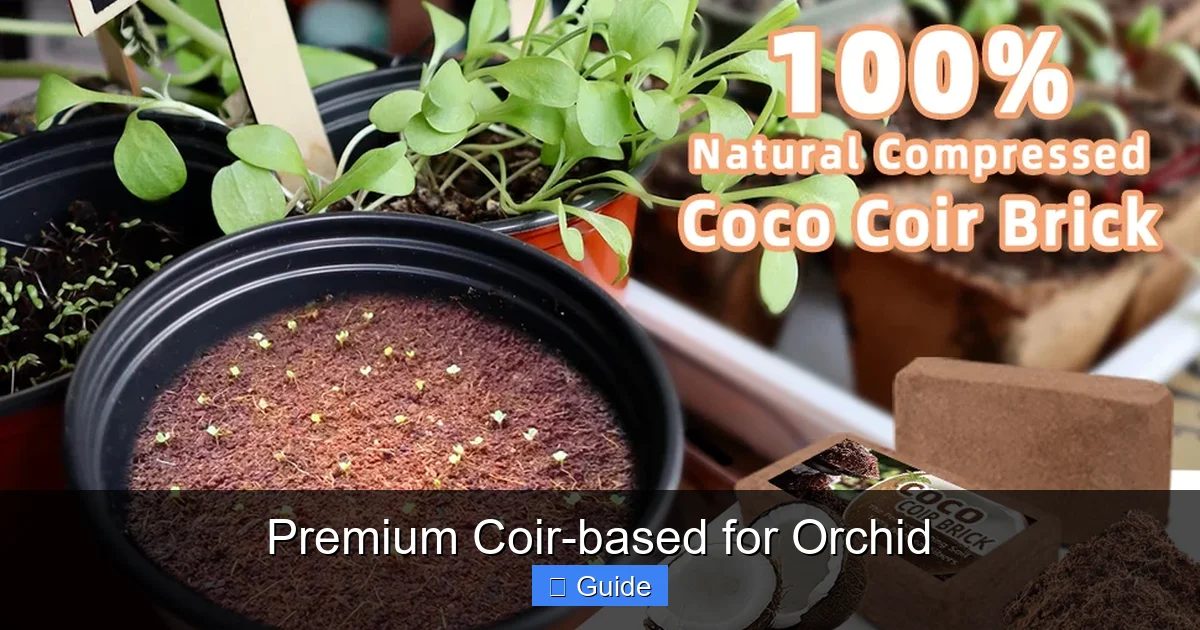
Visual guide about Premium Coir-based for Orchid
Image source: m.media-amazon.com
Rehydration is easy too. Dry bark becomes hydrophobic. Water runs straight through. Dry coir accepts water instantly. A quick soak restores full moisture capacity. This is huge for vacation care. Soak the pot before you leave. Your orchid stays hydrated for weeks. No need for complicated wicking systems or plant sitters.
Root Health and Disease Prevention
Root rot is the number one orchid killer. Fungi love stagnant, anaerobic conditions. Bark creates these pockets as it decomposes. A premium coir-based for orchid medium resists compaction. The lignin-rich fibers maintain pore space. Oxygen reaches the root zone. Beneficial microbes thrive. Harmful fungi struggle. Many growers report zero root loss after switching.
Coir also contains natural lignins and phenolics. These compounds have mild antifungal properties. They are not a fungicide. But they create an environment where pathogens struggle to establish. Combined with good airflow and proper watering, a premium coir-based for orchid mix is your best defense against root diseases.
Sustainability You Can Feel Good About
Peat moss takes thousands of years to form. Harvesting destroys wetlands. Bark is a byproduct of logging. But old-growth bark is increasingly scarce. Coconut coir is different. Coconuts are harvested every few months. The husks were traditionally burned or dumped. Turning them into growing media creates value from waste. A premium coir-based for orchid product supports tropical economies. It reduces landfill waste. It sequesters carbon in your pot. Every repot is a small win for the planet.
Look for certifications. RHP certification ensures quality and sustainability. OMRI listing means it is approved for organic growing. Some brands partner directly with coconut farmers. They ensure fair wages and safe conditions. Your orchid hobby can have a positive ripple effect.
Choosing the Right Premium Coir Product
Forms of Coir Available
You will see three main forms. Coir bricks are compressed blocks. You soak them to expand. They are cheap to ship. But quality varies. Loose coir comes in bags ready to use. It is convenient. But you pay for water weight. Coir chips are cubed husk pieces. They mimic bark texture. They last longest. A premium coir-based for orchid mix often blends all three. Long fibers for structure. Chips for drainage. A touch of pith for water holding.
Bricks need careful handling. Cheap bricks expand into dust. Premium bricks expand into distinct fibers. Soak in a large container. Use warm water. Fluff with your hands. Break up any hard spots. Rinse until water runs clear. This removes any remaining salts. A premium coir-based for orchid brick should expand eight to ten times its volume. One kilogram yields ninety liters of media.
Reading Labels and Specifications
Ignore marketing fluff. Look for numbers. EC below 0.5. pH between 5.5 and 6.5. Lignin content above forty percent. Fiber length over ten centimeters. Dust content under five percent. Expansion ratio for bricks. A premium coir-based for orchid product will publish these specs. If they do not, keep looking.
Check the origin. Sri Lanka and India produce the best coir. Their coconuts grow in coastal soils. The fibers are naturally strong. Their processing facilities are modern. They have decades of experience. Some Dutch and Canadian companies import raw fiber and process locally. This adds quality control. But it increases cost. Both can be excellent.
Avoiding Common Pitfalls
Beware of garden center coir sold for seed starting. It is often fine, dusty, and high in salts. It compacts instantly. It is not a premium coir-based for orchid medium. Also avoid coir mixed with fertilizer. Orchids need specific nutrition. Pre-fertilized media burns roots. You cannot control the feed. Buy plain coir. Add your own fertilizer at quarter strength.
Watch for mold in bags. White fuzzy growth means the bag was sealed wet. This happens with cheap brands. A premium coir-based for orchid product is dried to eighteen percent moisture before bagging. It should smell earthy, not sour. If a bag smells like ammonia, return it. That indicates anaerobic decomposition.
Creating Custom Orchid Mixes with Coir
The Classic Coir-Perlite Blend
Start simple. Seventy percent premium coir. Thirty percent coarse perlite. This works for ninety percent of orchids. The perlite adds rigidity. It prevents the coir from packing down over time. It creates extra drainage paths. Use horticultural perlite. Not construction perlite. The dust on construction grade contains alkaline residues. Rinse perlite before mixing. It reduces dust and pre-wets the particles.
Mix in a clean tub. Wear a mask. Perlite dust is irritating. Dampen the coir slightly. It mixes easier. It reduces airborne fibers. Combine thoroughly. The mix should feel springy. Not soggy. Not dusty. This premium coir-based for orchid blend lasts two years minimum. Phalaenopsis love it. Cattleyas thrive in it. Dendrobiums grow strong.
Adding Charcoal for Sweetness
Horticultural charcoal is a game changer. Add ten percent to your blend. Charcoal absorbs impurities. It neutralizes acids from decomposing matter. It keeps the mix sweet. It also adds trace minerals. Roots love growing against charcoal pieces. The porous surface hosts beneficial bacteria. A premium coir-based for orchid mix with charcoal stays fresh longer. It prevents that sour smell old bark gets.
Use hardwood charcoal. Not briquettes. Not activated carbon. Horticultural charcoal chunks are roughly one centimeter. They blend perfectly with coir fibers. The combination creates a living soil ecosystem in your pot. You will see white root tips exploring every crevice.
Specialty Blends for Specific Genera
Vandas and Ascocendas want maximum air. Use fifty percent coir chips. Thirty percent large perlite. Twenty percent charcoal. No fine fibers. This mimics their bare-root preference. They can even grow in pure coir chips in slatted baskets. A premium coir-based for orchid chip grade is perfect.
Paphiopedilums and Phragmipediums want more moisture. Use eighty percent fine coir fiber. Ten percent perlite. Ten percent fine charcoal. Add a pinch of sphagnum moss. This holds water longer. But the coir structure prevents rot. These slipper orchids grow amazing root systems in this mix.
Cymbidiums are terrestrial. They want heavier mix. Fifty percent coir. Twenty percent fine bark. Twenty percent perlite. Ten percent composted leaf mold. The coir provides structure. The bark adds weight. The leaf mold feeds slowly. A premium coir-based for orchid base adapts to any need.
Repotting Techniques for Coir Success
When to Repot
Timing matters. Repot when new roots emerge. This is usually after flowering. Spring is ideal for most. The plant is in active growth. It recovers fast. Never repot a blooming orchid unless emergency. The stress drops flowers. A premium coir-based for orchid mix is gentle. But any repot is stress. Wait for the green root tips.
Check your current mix. Bark looks like dark mush? Time to repot. Roots are circling the pot? Time to repot. Mix smells sour? Past time. Coir lasts longer. You might go three years. But check annually. Gently lift the plant. Look at the root ball. Healthy roots are white or green. Firm. Plump. Brown mushy roots mean trouble. A premium coir-based for orchid medium prevents this. But neglect kills anything.
Step-by-Step Repotting Guide
Gather supplies. New pot. Clean scissors. Cinnamon powder. Your premium coir-based for orchid mix. Bucket of tepid water. Soak the mix twenty minutes. Drain well. It should be moist, not dripping.
Remove the orchid. Squeeze the pot sides. Tip upside down. Support the plant. Shake off old mix. Do not force. Soak roots ten minutes if stuck. Old bark comes off easier wet. Trim dead roots. Cut to firm white tissue. Dust cuts with cinnamon. It is a natural fungicide.
Choose pot size. Orchids like tight quarters. One inch larger than root mass. Clear plastic lets you see roots. Clay breathes but dries fast. Net pots maximize air. All work with a premium coir-based for orchid mix. Adjust watering to pot type.
Place a coir layer at bottom. Center the plant. Fill around roots. Tap pot to settle. Do not pack. Coir settles on its own. Leave one inch below rim for watering. Stake if wobbly. Label with date and mix. Water lightly. Place in shade one week. Resume normal care.
Post-Repot Care
The first month is critical. Roots are exploring. They need humidity. Mist leaves daily. Do not water the pot heavily. The coir holds moisture. Overwatering now causes rot. Wait until the top inch feels dry. Then water thoroughly. Fertilize at quarter strength after two weeks. Use a balanced formula. A premium coir-based for orchid mix has no nutrients. You provide everything.
Watch for new root tips. They are bright green or reddish. They grow fast in coir. You will see them at the pot sides. This is success. The plant is anchoring. In six weeks it is fully established. Then treat normally.
Maintaining Your Coir-Based Orchids Long Term
Watering Schedule Adjustments
Coir changes your rhythm. The finger test works best. Insert finger to second knuckle. Feel for moisture. Cool and damp means wait. Dry means water. In summer this might be every five days. Winter every fourteen. Humidity matters. High humidity slows drying. Air movement speeds it. A premium coir-based for orchid mix is consistent. But your environment varies. Learn your plants.
Water quality counts. Rainwater is best. RO water is great. Tap water varies. Hard water leaves mineral buildup. Coir holds minerals. Flush monthly. Run water through pot five minutes. This prevents salt accumulation. A premium coir-based for orchid medium flushes clean. Bark traps salts. Coir releases them.
Fertilizing in Coir Media
Coir is inert. No nutrients. You feed every watering. Weakly weekly is the rule. Quarter strength balanced fertilizer. 20-20-20 or orchid specific. Switch to bloom booster in fall. Higher phosphorus. Lower nitrogen. Flush with plain water every fourth watering. This prevents burn.
Organic fertilizers work differently. They need microbes to break down. Coir hosts microbes well. But release is slow. Use liquid organics. Fish emulsion. Kelp extract. Worm tea. Dilute heavily. Smell is minimal indoors. A premium coir-based for orchid mix supports a healthy microbe population. This creates a living pot.
Monitoring pH Stability
Coir buffers pH beautifully. It resists drift. But fertilizer changes pH. Urea-based fertilizers acidify. Nitrate-based alkalize. Test runoff monthly. Catch water draining out. Target 5.5 to 6.5. Adjust fertilizer type if drifting. A premium coir-based for orchid medium stays stable longer than bark. But do not ignore it.
Dolomite lime can correct acidity. Top dress one teaspoon per six-inch pot. Water in. It lasts months. Gypsum adds calcium without pH change. Good for preventing tip burn. Coir holds calcium well. Your orchids get steady nutrition.
When to Refresh the Mix
Two to three years. That is the coir advantage. But watch for signs. Water runs straight through? Mix is hydrophobic. Rehydrate by soaking. Still drains fast? Time to repot. Roots only at bottom? Top mix is spent. White crust on surface? Salt buildup. Flush first. If crust returns fast, repot.
Old coir does not turn to mush. It just loses structure. Fibers collapse. Air space drops. Roots suffer silently. Growth slows. Flowers shrink. A premium coir-based for orchid mix gives you clear signals. Learn to read them. Proactive repotting beats emergency rescue.
Troubleshooting Common Coir Issues
Dealing with Fungus Gnats
Fungus gnats love moist organic matter. Coir is organic. But it is not their favorite. They prefer peat and compost. Still, they appear. Yellow sticky traps catch adults. Mosquito bits (BTi) in water kills larvae. Let top layer dry between waterings. Gnats need constant moisture. A premium coir-based for orchid mix dries on top. This breaks their cycle naturally.
Beneficial nematodes work too. Steinernema feltiae. Apply as a drench. They hunt larvae. Safe for orchids. Safe for you. One treatment lasts months. Combine with sticky traps. Problem solved.
Preventing Algae Growth
Green algae on surface means too wet, too much light. Clear pots show algae inside. It is mostly cosmetic. But thick mats block air. Scrape off surface algae. Top dress with fresh coir chips. Reduce watering frequency. Increase air flow. A premium coir-based for orchid mix in clear pots lets you monitor. Opaque pots hide it. Choose based on your preference.
Fixing Hydrophobic Coir
Sometimes coir repels water. Usually from complete drying. Or mineral buildup. Submerge pot twenty minutes. Add a drop of dish soap to break surface tension. Yucca extract works better. It is a natural wetting agent. One drop per gallon. After soaking, drainage improves. A premium coir-based for orchid mix rarely goes hydrophobic. But it happens. Fix it fast.
Addressing Slow Growth
Orchid not growing? Check roots first. Gently lift. Are they white and firm? Good. Check light. Most need bright indirect. Check temperature. Day night differential triggers growth. Check fertilizer. Are you feeding? A premium coir-based for orchid mix provides perfect conditions. But it cannot fix low light or skipped feeding. Be honest about care.
Advanced Tips from Expert Growers
Layering for Maximum Performance
Pro growers layer. Bottom inch: large coir chips. Maximum drainage. Middle: premium coir-based for orchid fiber blend. Root zone perfection. Top: dry coir chips. Evaporation barrier. Fungus gnat deterrent. Aesthetic finish. This mimics nature. Tree bark is rough outside. Spongy inside. Your pot becomes a mini ecosystem.
Semi-Hydroponic with Coir
Semi-hydro uses LECA clay pebbles. Reservoir at bottom. Wicking action. Coir works too. Use pure coir chips. Pot in net pot. Sit in cache pot with half-inch nutrient solution. Roots grow into reservoir. They choose moisture level. A premium coir-based for orchid chip grade wicks perfectly. No salt buildup. Easy flushing. Great for Phalaenopsis and Oncidiums.
Mounting with Coir Pads
Mounted orchids need moisture at roots. Sphagnum dries fast. Coir pads stay moist longer. Wrap roots in coir fiber sheet. Tie to cork or tree fern. Mist daily. Soak weekly. Vandas and Tolumnias love this. A premium coir-based for orchid fiber sheet is lightweight. It holds ten times its weight in water. It lasts years outdoors.
Comparing Coir to Other Media
Coir vs. Bark
Bark is traditional. Cheap. Available everywhere. But it rots. It compacts. It acidifies. It hosts fungus. You repot yearly. A premium coir-based for orchid mix costs more upfront. But three years per repot. Less labor. Less waste. Healthier roots. The math favors coir.
Coir vs. Sphagnum Moss
Moss holds water incredibly. Great for seedlings. Great for sick plants. But it breaks down fast. It compacts. It strangles roots. It is hard to gauge moisture. Coir gives similar water hold. With structure. With air. With longevity. A premium coir-based for orchid medium is moss evolved.
Coir vs. LECA and Inorganics
LECA is forever. Inert. Clean. But zero buffer. Miss one watering, roots fry. Fertilizer burn is instant. pH swings wild. Coir buffers everything. It forgives mistakes. It feeds microbes. It feels alive. A premium coir-based for orchid mix is the best of organic and inorganic worlds.
Environmental Impact and Ethical Sourcing
The Coconut Industry Connection
Every coir purchase connects you to coconut farmers. Most are smallholders. Two to five hectares. They sell coconuts for water, oil, flesh. Husks were waste. Now they are income. A premium coir-based for orchid product should trace to farms. Fair trade certification matters. It ensures living wages. It funds schools and clinics. Your orchid hobby supports communities.
Carbon Footprint Considerations
Coir ships compressed. Bricks are light. One container holds thousands of liters expanded. Peat ships wet and heavy. Bark ships bulky. Coir wins on transport emissions. Processing uses water. But modern plants recycle ninety percent. Solar drying reduces energy. A premium coir-based for orchid brand will share their sustainability report. Read it. Choose wisely.
Biodegradability and End of Life
Old coir goes to garden beds. It improves soil structure. It feeds worms. It sequesters carbon. Bark does too. But coir lasts longer in the pot. Less frequent replacement. Less total material used. A premium coir-based for orchid mix is a circular product. From farm to pot to garden. Zero waste.
Conclusion
Switching to a premium coir-based for orchid mix is one of the best decisions you can make for your orchids. The benefits are clear. Superior aeration keeps roots breathing. Excellent moisture control prevents both drought and rot. Long-lasting structure means less frequent repotting. Sustainable sourcing lets you grow with a clear conscience. And the versatility lets you customize for every genus in your collection.
Start with a simple blend. Seventy percent coir. Thirty percent perlite. Watch your orchids respond. New roots will explore confidently. Leaves will stiffen and shine. Flowers will last longer. You will water less often. You will worry less. The premium coir-based for orchid difference is real. It is measurable. And it is lasting.
Your orchids deserve the best foundation. Coconut coir provides it. Nature designed the coconut husk to protect seeds in harsh conditions. That same protection now nurtures your orchids. Embrace the fiber. Trust the process. And enjoy the most beautiful blooms of your growing life.
Frequently Asked Questions
What is the difference between cheap coir and premium coir-based for orchid products?
Premium coir is washed multiple times to remove salts, buffered with calcium, made from mature coconut fibers with high lignin content, and screened to remove dust. Cheap coir often has high salt levels, fine particles that compact, and breaks down within months.
How do I prepare a compressed coir brick for orchid use?
Soak the brick in warm water for 20-30 minutes until fully expanded. Fluff it by hand, breaking up any hard clumps. Rinse thoroughly in a colander until water runs clear to remove any remaining salts before mixing with perlite or other amendments.
Can I mix premium coir-based for orchid media with regular potting soil?
No, never mix coir with regular potting soil for orchids. Potting soil retains too much water, lacks aeration, and will cause root rot. Orchids require a specialized epiphytic mix with excellent drainage and air flow.
How long does premium coir-based for orchid mix last before breaking down?
Quality coir maintains its structure for 2-3 years depending on your watering frequency, fertilizer regimen, and environmental conditions. It lasts significantly longer than bark, which typically breaks down in 12-18 months.
What pH should my premium coir-based for orchid mix maintain?
Premium coir naturally maintains a pH between 5.5 and 6.5, which is ideal for most orchids. It has excellent buffering capacity, but you should still test runoff monthly and adjust fertilizer type if pH drifts outside this range.
Are there any orchids that should not be grown in coir-based media?
Almost all orchids adapt well to coir, but some terrestrial orchids like Cymbidiums may prefer a heavier mix with added fine bark or leaf mold. Extremely drought-tolerant orchids like some Vandas may do better in pure chunky coir chips or mounted with minimal media.