How to Care for Begonia Indoors
Master how to care for begonia indoors with proper light, consistent moisture, and high humidity. These colorful plants reward attention with stunning blooms and foliage year-round. Follow our simple steps for healthy, happy begonias.
Bringing a begonia into your home adds instant color and texture. These plants come in so many varieties. Some show off spectacular flowers. Others wow with patterned leaves that look like painted art. No matter which type you choose, learning how to care for begonia indoors makes all the difference. These plants have a reputation for being fussy. But they are actually quite reasonable once you understand their needs. Think of them as guests who appreciate a comfortable room, a regular drink, and a bit of humidity. Give them that, and they will thrive.
I have grown begonias on windowsills, under grow lights, and in terrariums. Each setting taught me something new. The key is observation. Your plant will tell you what it needs through its leaves. Crispy edges mean dry air. Yellow leaves often mean too much water. Leggy stems mean not enough light. Once you learn to read these signals, caring for begonias becomes second nature. This guide covers everything from choosing the right spot to solving common problems. Let us dive in and help your begonias flourish.
Key Takeaways
- Bright indirect light is essential: Place begonias near east or north windows for best growth without leaf burn.
- Water when the top inch of soil feels dry: Avoid soggy soil to prevent root rot and fungal issues.
- High humidity keeps leaves lush: Use pebble trays, humidifiers, or group plants to maintain 50%+ humidity.
- Feed lightly during growing season: Apply balanced liquid fertilizer every two to four weeks in spring and summer.
- Watch for powdery mildew and pests: Good air circulation and regular inspection prevent most common problems.
- Repot annually in spring: Fresh soil and slightly larger pots encourage vigorous new growth.
- Propagate easily from leaf or stem cuttings: Expand your collection or share with friends using simple methods.
Quick Answers to Common Questions
How often should I water my indoor begonia?
Water when the top inch of soil feels dry to the touch. This usually means every 5 to 7 days in summer and every 10 to 14 days in winter, but always check the soil first rather than following a strict schedule.
What is the best light for indoor begonias?
Bright, indirect light is ideal. An east-facing window provides perfect morning sun. North windows work for foliage types. Avoid direct afternoon sun which scorches leaves.
Why are my begonia leaves turning brown and crispy at the edges?
Brown crispy edges usually indicate low humidity. Increase humidity with a pebble tray, humidifier, or by grouping plants. Inconsistent watering and fertilizer salt buildup can also cause this.
Can I propagate begonia from a single leaf?
Yes, rhizomatous begonias like rex types propagate easily from leaf cuttings. Cut the leaf veins, lay it on moist soil, keep humid, and plantlets will form at the cut veins within a few months.
When should I repot my begonia?
Repot in spring when new growth begins. Move up only one pot size. Use fresh, well-draining mix. Begonias prefer being slightly root-bound, so avoid oversized pots.
📑 Table of Contents
Getting to Know Your Begonia
Before we talk about care, let us identify what you are growing. Begonias fall into three main groups based on their root structure. Knowing your type helps you provide the right care. The care basics overlap, but each group has quirks.
Fibrous-Rooted Begonias
This group includes wax begonias and cane-like begonias. Wax begonias have shiny, round leaves and small flowers. They are often sold as bedding plants but do well indoors. Cane-like begonias, often called angel wing begonias, have tall stems with joints like bamboo. Their leaves are often spotted or silver-marked. These types handle average home humidity better than others. They also tolerate brighter light. They are great choices for beginners learning how to care for begonia indoors.
Rhizomatous Begonias
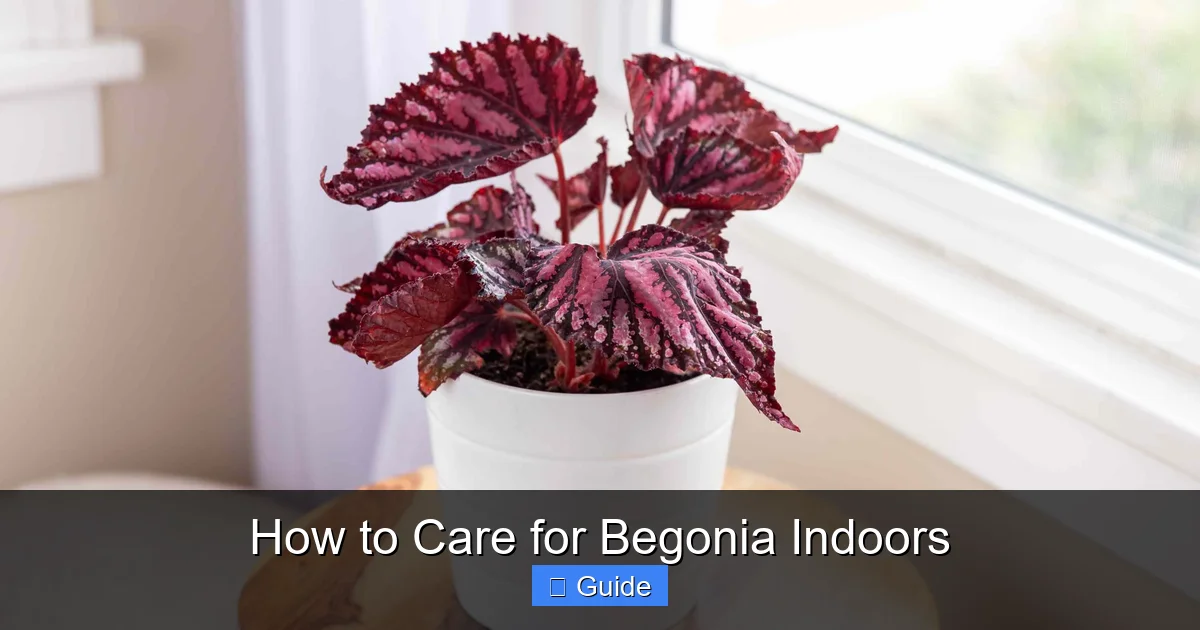
These grow from thick, creeping stems called rhizomes that sit on the soil surface. Rex begonias are the stars here. Their leaves are incredible swirls of silver, purple, red, and green. They are grown for foliage, not flowers. These need high humidity and hate wet feet. They prefer lower light than cane types. A north window or a spot a few feet back from an east window works well. They are stunning but demand more attention to humidity.
Tuberous Begonias
These grow from a round, flat tuber. They are famous for huge, rose-like flowers in bright shades. They are often grown outdoors in shade gardens. Indoors, they need a winter dormancy period. The foliage dies back, and the tuber rests. This makes them trickier as year-round houseplants. If you want continuous growth, fibrous or rhizomatous types are easier. But the flowers are spectacular if you can manage the cycle.
Popular Indoor Varieties
Some favorites for indoor growing include Begonia maculata with its polka-dot leaves. Begonia rex cultivars offer endless leaf patterns. Begonia ‘Dragon Wing’ blooms heavily with red or pink flowers. Rieger begonias (hiemalis) bloom in winter with tight clusters of color. Each has the same core needs. Light, water, humidity, and gentle feeding. Adjust slightly for your specific plant.
Light Requirements for Indoor Begonias
Light is the engine of growth. Get this right, and everything else gets easier. Most begonias want bright, indirect light. Direct sun, especially hot afternoon sun, scorches their leaves. Think of the dappled light on a forest floor. That is their happy place.
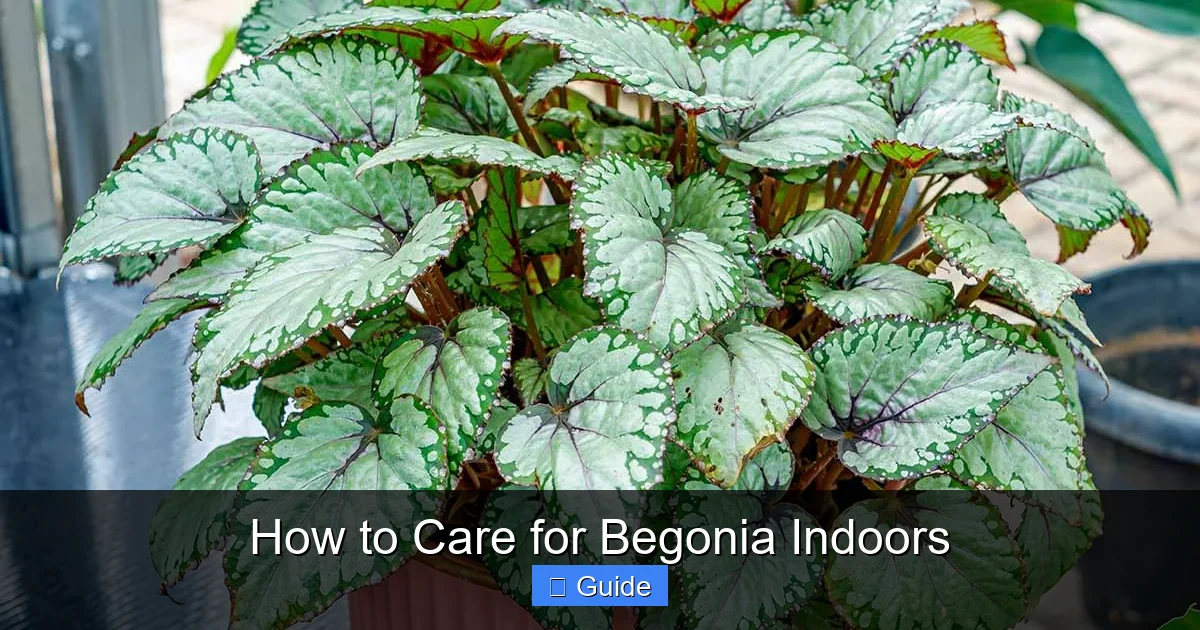
Visual guide about How to Care for Begonia Indoors
Image source: gardenerspath.com
Best Window Exposures
An east-facing window is ideal. It gives gentle morning sun and bright indirect light all day. North windows work too, especially for rex begonias. They provide steady, soft light without burn risk. South and west windows can work if you diffuse the light. Use a sheer curtain. Or pull the plant back a few feet. Watch for signs of too much light. Leaves may look bleached, develop brown crispy patches, or curl inward.
Signs of Too Little Light
If your begonia stretches toward the window with long gaps between leaves, it needs more light. This is called etiolation. The stems get weak and floppy. Flowering types stop blooming. Variegated leaves lose their pattern and turn solid green. Move the plant closer to the light source. Or add a grow light. A simple LED grow bulb in a desk lamp works wonders. Run it for 12 to 14 hours a day.
Using Grow Lights
Grow lights let you grow begonias anywhere. Full-spectrum LED lights are cool, efficient, and effective. Hang them 12 to 18 inches above the plant. Use a timer for consistency. This is great for rhizomatous begonias that need high humidity. You can keep them in a glass cabinet or terrarium with a light on top. The controlled environment makes how to care for begonia indoors much simpler.
Rotating for Even Growth
Plants lean toward the light. Rotate your pot a quarter turn each week. This keeps the growth balanced and the plant full on all sides. It also helps you spot problems early. You see all angles of the foliage. A lopsided plant is just asking for a turn.
Watering Your Indoor Begonia
Watering is where most people struggle. Begonias hate soggy soil. Their roots need air. Wet soil pushes air out and invites rot. But they also hate bone-dry soil. The sweet spot is evenly moist. Not wet. Not dry. Just moist.
The Finger Test
Forget schedules. Use your finger. Push it into the soil up to the first knuckle. If it feels dry at your fingertip, water. If it feels cool and damp, wait. Check every few days. In summer, you might water twice a week. In winter, maybe every ten days. The plant tells you. This is the single best tip for how to care for begonia indoors.
How to Water Properly
Water at the base of the plant. Avoid wetting the leaves, especially on rex begonias. Wet leaves invite powdery mildew and botrytis. Use room-temperature water. Cold water shocks the roots. Water until it runs out the drainage holes. This ensures the whole root ball gets moist. It also flushes out fertilizer salts. Empty the saucer after 15 minutes. Never let the pot sit in water.
Bottom Watering Method
Some growers prefer bottom watering. Set the pot in a bowl of water. Let the soil drink from the bottom up. This keeps leaves perfectly dry. It also encourages roots to grow downward. After 20 minutes, remove the pot and let it drain. This method works well for rhizomatous types. Try both methods and see what you prefer.
Water Quality Matters
Begonias can be sensitive to chemicals in tap water. Chlorine and fluoride may cause leaf tip burn. If your tap water is heavily treated, use filtered water. Rainwater is excellent. Distilled water works but lacks minerals. If you use distilled, fertilize regularly. Let tap water sit overnight before using. This lets chlorine dissipate. Your plants will thank you with cleaner leaf edges.
Seasonal Watering Adjustments
Growth slows in winter. Light levels drop. The plant uses less water. Cut back on frequency. But do not let the soil go completely dry for long. In spring, as new growth appears, increase watering. Summer heat and active growth mean more frequent checks. Always adjust to your conditions, not the calendar.
Humidity and Temperature Needs
This is the secret sauce for gorgeous begonias. Most homes are too dry, especially in winter with heating on. Begonias come from tropical and subtropical regions. They want 50% humidity or higher. Rex begonias prefer 60% to 70%. Low humidity shows as crispy leaf edges, brown tips, and bud drop.
Easy Ways to Boost Humidity
A pebble tray is simple. Fill a saucer with pebbles. Add water to just below the top of the pebbles. Set the pot on top. As water evaporates, it humidifies the air around the plant. Group plants together. They create a microclimate through transpiration. A small humidifier nearby is the most effective solution. Run it for a few hours daily. Misting helps briefly but does not raise ambient humidity much. It can also encourage fungal spots on leaves. Focus on ambient humidity instead.
Temperature Range
Begonias like it warm. Ideal range is 65°F to 75°F (18°C to 24°C). They dislike cold drafts from doors or windows. Keep them away from heating vents and radiators. Hot, dry air from vents is a double threat. Temperatures below 55°F (13°C) can damage tropical types. Tuberous begonias need cooler temps (50°F to 55°F) during winter dormancy. But active growers want consistent warmth.
Terrariums and Glass Cabinets
If you struggle with humidity, try a glass cabinet or terrarium. Ikea greenhouse cabinets are popular for this. Add a small fan for air circulation. A grow light on top completes the setup. This creates a mini rainforest. Rhizomatous begonias especially thrive here. You can see the difference in leaf size and color within weeks. It makes how to care for begonia indoors almost effortless.
Air Circulation
High humidity without airflow breeds fungus. A gentle breeze strengthens stems and dries leaf surfaces. A small clip-on fan on low setting works well. Run it for a few hours a day. Point it near the plants, not directly at them. Good airflow prevents powdery mildew, the number one begonia enemy.
Soil and Fertilizer Requirements
The right soil mix supports healthy roots. It must drain fast but hold some moisture. Heavy garden soil or pure peat moss stays too wet. A good mix balances drainage and retention.
Ideal Potting Mix
A simple recipe: two parts peat moss or coco coir, one part perlite, one part orchid bark or coarse sand. This drains instantly but stays moist. You can buy African violet mix and add extra perlite. Or use a quality houseplant mix with 30% perlite added. The rhizome of rex begonias should sit on top of the soil, not buried. Planting too deep causes rot.
Choosing the Right Pot
Always use pots with drainage holes. No exceptions. Terra cotta pots are great. They breathe and wick moisture. Plastic pots hold water longer. Choose based on your watering habits. If you overwater, use terra cotta. If you underwater, plastic helps. Shallow pots work best for rhizomatous types. Their roots spread horizontally. Deep pots hold too much wet soil at the bottom.
Fertilizing Schedule
Feed weakly, weekly. Or feed at half strength every two weeks. Use a balanced liquid fertilizer like 10-10-10 or 20-20-20. Fertilize only during active growth (spring through early fall). Stop in winter. Too much fertilizer burns roots and causes salt buildup. You will see white crust on the soil or pot rim. Flush the soil with plain water monthly to prevent this.
Special Notes for Blooming Types
Flowering begonias like Rieger or tuberous types appreciate a bloom booster. Switch to a higher phosphorus formula (like 10-30-20) when buds form. This encourages more flowers. But do not overdo it. Foliage types like rex begonias need balanced feeding. Too much nitrogen makes large, soft leaves that attract pests.
Repotting Basics
Repot in spring when new growth starts. Go up only one pot size. Begonias like to be slightly root-bound. A huge pot holds too much water. Gently loosen the root ball. Place in fresh mix. Water well. Keep out of direct sun for a week. The plant may sulk a bit. That is normal. It will bounce back.
Common Problems and Solutions
Even with great care, issues pop up. Catching them early saves the plant. Here are the most common problems and how to fix them.
Powdery Mildew
This looks like white powder on leaves. It thrives in high humidity with poor airflow. It is the most common fungal issue. Remove affected leaves. Improve air circulation with a fan. Avoid wetting leaves when watering. A homemade spray of one teaspoon baking soda per quart of water with a drop of dish soap helps. Spray weekly. Neem oil also works. Prevention is easier than cure.
Root Rot
Yellowing lower leaves, mushy stems, and a foul smell mean root rot. The roots are drowning. Unpot the plant. Cut away black, mushy roots with clean scissors. Repot in fresh, dry mix in a clean pot. Water sparingly until new growth appears. If the rot reached the main stem, the plant may not survive. Take healthy cuttings as backup.
Leaf Drop
Sudden leaf drop usually means shock. A move, a cold draft, or letting, draft, or severe dryness. The plant sacrifices leaves to survive. Stabilize conditions. Do not fertilize. Water carefully. New leaves will grow when the plant recovers. Gradual changes prevent this.
Pests: Mealybugs, Spider Mites, Thrips
Mealybugs look like white cotton in leaf joints. Spider mites cause fine webbing and stippled leaves. Thrips leave silvery trails and black dots. Check plants weekly. Wipe leaves with a damp cloth. For infestations, use insecticidal soap or neem oil. Spray every five to seven days for three weeks. Isolate affected plants. Systemic granules in the soil work for persistent problems.
Brown Leaf Edges and Tips
This is almost always low humidity or inconsistent watering. Salt buildup from fertilizer can also cause it. Flush the soil. Increase humidity. Trim brown tips with clean scissors. Cut at an angle to mimic natural leaf shape. The plant looks better instantly.
Leggy Growth
Long stems with few leaves mean insufficient light. Move to a brighter spot. Prune back leggy stems in spring. Cut just above a leaf node. The plant will branch out. Use the cuttings to propagate. This rejuvenates the plant.
Propagation and Repotting
Begonias are incredibly easy to propagate. It is a great way to expand your collection or save a struggling plant. Spring and early summer are best. The plant is in active growth mode.
Stem Cuttings
This works for cane-like and fibrous types. Cut a 3 to 4 inch stem tip just below a node. Remove lower leaves. Dip the cut end in rooting hormone (optional but helpful). Plant in moist perlite or a peat-perlite mix. Cover with a clear plastic bag or dome. Keep in bright indirect light. Roots form in two to four weeks. You will feel resistance when you tug gently.
Leaf Cuttings
Rex begonias propagate beautifully from leaves. Cut a healthy leaf with its stem. Make a few slashes across the main veins on the underside. Lay the leaf flat on moist mix. Pin it down with pebbles or wire. Cover with a dome. Plantlets form at the vein cuts. In a few months, you have baby plants. Separate and pot them up.
Rhizome Cuttings
For rhizomatous types, cut a 2 inch piece of rhizome. Press it half-buried into moist mix. Keep humid. New leaves sprout from the rhizome. This is the fastest way to bulk up a plant.
Water Propagation
Stem cuttings root well in water. Place in a clear jar. Change water weekly. When roots are an inch long, pot in soil. Transition gradually. Keep very humid for the first week. Water roots are different from soil roots. The plant needs time to adapt.
Seed Propagation
Begonias grow from tiny seeds. It is slow but rewarding. Sow on the surface of moist mix. Do not cover. They need light to germinate. Keep warm (70°F to 75°F) and humid. Germination takes two to three weeks. Seedlings are tiny. Handle with tweezers. This is for patient growers.
Seasonal Care Calendar
Understanding the yearly cycle helps you anticipate needs. Here is a quick reference for how to care for begonia indoors through the seasons.
Spring: Wake Up and Grow
Days lengthen. New growth emerges. Start fertilizing at half strength. Repot if needed. Prune leggy growth. Take cuttings. Increase watering frequency. Watch for pests on tender new leaves. This is the best time for major changes.
Summer: Peak Performance
Plants grow fast. Water and fertilize regularly. Provide shade from intense midday sun if near south or west windows. Maintain high humidity. Check daily in heat waves. Enjoy the flowers and foliage. This is the payoff season.
Fall: Slow Down
Growth slows. Reduce fertilizing by half. Stop by late fall. Water less frequently. Bring plants in from summer outdoor spots. Inspect thoroughly for pests. Clean leaves. Prepare for lower light.
Winter: Rest and Maintain
No fertilizer. Water sparingly. Maximize light. Use grow lights if needed. Combat dry air with humidifiers. Keep away from cold windows and hot vents. Remove dead leaves. Do not repot. Do not prune heavily. Just maintain. Tuberous types go dormant. Store tubers cool and dry.
Designing with Begonias
Beyond care, begonias are design stars. Their variety lets you create stunning displays. Mix leaf shapes, colors, and textures. Here are ideas to inspire you.
Terrarium Gardens
Rex begonias, miniature rhizomatous types, and small cane begonias thrive in terrariums. Add moss, driftwood, and stones. The high humidity is automatic. A geometric glass vessel on a shelf becomes living art. Just ensure some airflow.
Windowsill Collections
Line up different varieties on a wide sill. Group by height. Tall cane types in back. Bushy wax types in middle. Low rhizomatous types in front. The leaf patterns play off each other. Rotate the whole arrangement weekly.
Hanging Baskets
Trailing varieties like Begonia boliviensis or ‘Dragon Wing’ cascade beautifully. Hang in bright indirect light. They bloom heavily. Water more often as hanging pots dry faster. A row of hanging begonias transforms a porch or sunroom.
Mixed Containers
Combine begonias with ferns, peperomias, and fittonias. They share similar needs. Choose a shallow, wide pot. Plant rhizomatous types at the edges to creep. Upright types in center. The result is a lush, textural planter.
Troubleshooting Quick Reference
When something looks wrong, use this quick guide to diagnose.
Symptom: Yellow Leaves
- Bottom leaves only: Natural aging or slight underwatering.
- Many leaves, mushy stems: Overwatering, root rot.
- Yellow with green veins: Nutrient deficiency (iron/nitrogen). Fertilize.
- Yellow after move: Shock. Stabilize conditions.
Symptom: Brown Crispy Edges
- Low humidity: Increase humidity.
- Fertilizer burn: Flush soil, reduce feeding.
- Too much sun: Move to shadier spot.
- Underwatering: Water more consistently.
Symptom: No Flowers
- Not enough light: Move to brighter spot or add grow light.
- Too much nitrogen: Switch to bloom booster fertilizer.
- Wrong season: Some types bloom only in certain seasons.
- Plant too young: May need maturity.
Symptom: Drooping Leaves
- Soil dry: Water thoroughly.
- Soil wet: Root rot. Check roots.
- Hot afternoon sun: Move plant.
- Cold draft: Move away from door/window.
Conclusion
Learning how to care for begonia indoors is a journey of observation and adjustment. These plants communicate clearly if you pay attention. Bright indirect light. Consistent moisture. Good humidity. Gentle feeding. That is the formula. Start with an easy type like a cane begonia or wax begonia. Build confidence. Then try a stunning rex. Each success teaches you more. Each challenge makes you a better grower.
Remember that every home is different. Your light, humidity, and habits are unique. Adapt these guidelines to your reality. A begonia in a bright bathroom loves the shower steam. One in a dry living room needs a humidifier. There is no single perfect way. There is only what works for you and your plant. Keep notes. Take photos. Celebrate new leaves and first blooms.
Begonias reward patience with incredible beauty. Their leaves are living paintings. Their flowers are cheerful bursts of color. They turn a house into a home. So pick up a begonia this week. Find it a good spot. Water it when it asks. Watch it grow. You will soon wonder how you ever lived without them. Happy growing.
Frequently Asked Questions
Do begonias need direct sunlight indoors?
No, most begonias prefer bright indirect light. Direct sun, especially hot afternoon sun, will scorch their leaves. An east or north window is ideal. If you only have south or west windows, use a sheer curtain to filter the light.
How do I increase humidity for my indoor begonia?
Use a pebble tray filled with water beneath the pot, run a humidifier nearby, group plants together, or grow them in a glass cabinet or terrarium. Misting provides only temporary relief and can encourage fungal diseases on the leaves.
Why is my begonia dropping leaves suddenly?
Sudden leaf drop is usually a stress response to a sudden change: a move to a new location, a cold draft, severe underwatering, or overwatering. Stabilize the environment, check soil moisture, and avoid fertilizing until the plant recovers.
What kind of fertilizer is best for begonias?
Use a balanced liquid fertilizer (10-10-10 or 20-20-20) at half strength every two weeks during spring and summer. Stop fertilizing in fall and winter. For flowering types, switch to a high-phosphorus formula when buds appear.
How do I treat powdery mildew on begonia leaves?
Remove badly affected leaves. Improve air circulation with a fan. Avoid wetting foliage when watering. Spray with a solution of 1 teaspoon baking soda per quart of water plus a drop of dish soap, or use neem oil, repeating weekly until resolved.
Can begonias live indoors year-round?
Yes, fibrous and rhizomatous begonias thrive indoors year-round with proper care. Tuberous begonias require a winter dormancy period where foliage dies back and tubers rest in cool, dry conditions before regrowing in spring.