How to Clean Strawberry Leaves
Cleaning strawberry leaves is essential for removing dirt, pesticides, and tiny insects before eating or cooking. This guide covers multiple washing methods, from simple rinsing to vinegar soaks, plus tips for storing cleaned leaves to keep them fresh longer.
If you grow strawberries or buy them fresh from the market, you know those vibrant green leaves often come with a little extra baggage. Dirt, tiny bugs, and sometimes pesticide residue cling to the leaf surfaces. Learning how to clean strawberry leaves properly makes a big difference in both safety and taste. Whether you plan to toss them in a salad, brew them into tea, or use them as a garnish, clean leaves give you peace of mind and better flavor.
Many people skip washing the leaves entirely, focusing only on the berries. But the leaves are edible and nutritious, packed with vitamin C, antioxidants, and tannins. They deserve the same care. In this guide, we walk through every method from a quick rinse to a deep clean. You will also learn how to dry and store them so they stay crisp and fresh for days.
Key Takeaways
- Always wash strawberry leaves before use: Even organic leaves can harbor dirt, bacteria, and small insects that rinsing removes.
- Cold water rinse is the basic method: Gently swish leaves in a bowl of cold water, then pat dry with a clean towel or salad spinner.
- Vinegar soak removes more contaminants: A 3:1 water-to-vinegar solution helps eliminate pesticides and bacteria more effectively than water alone.
- Baking soda bath works for deep cleaning: Soaking leaves in baking soda solution for 12-15 minutes breaks down pesticide residues on leaf surfaces.
- Dry thoroughly before storage: Excess moisture causes wilting and mold; use a salad spinner or pat gently with paper towels.
- Store cleaned leaves properly: Keep in an airtight container lined with paper towels in the refrigerator crisper drawer for up to 5 days.
- Inspect each leaf while cleaning: Remove any yellowed, damaged, or insect-eaten leaves during the washing process for best quality.
Quick Answers to Common Questions
What is the fastest way to clean strawberry leaves?
A cold water rinse in a large bowl takes under a minute. Swish gently, lift out, and spin dry.
Does vinegar change the taste of strawberry leaves?
Not if you rinse thoroughly after a 5 to 10 minute soak. Rinse under cold water for at least 30 seconds.
Can you use apple cider vinegar instead of white vinegar?
White distilled vinegar is best. Apple cider vinegar can leave a fruity taste and may stain delicate leaves.
How do you dry strawberry leaves without a salad spinner?
Lay leaves between clean kitchen towels and press gently. Do not rub. Repeat with dry towels until moisture is gone.
Are strawberry leaves safe for pets?
Strawberry leaves are non-toxic to dogs and cats in small amounts, but large quantities may cause stomach upset. Consult your vet.
📑 Table of Contents
- Why Cleaning Strawberry Leaves Matters
- Basic Rinse Method for Lightly Soiled Leaves
- Vinegar Soak for Pesticide and Bacteria Removal
- Baking Soda Bath for Deep Pesticide Cleaning
- Salt Water Soak for Insect Removal
- Drying Techniques for Crisp, Long-Lasting Leaves
- Storing Cleaned Strawberry Leaves
- Using Clean Strawberry Leaves in the Kitchen
- Common Mistakes to Avoid
- Special Considerations for Different Sources
- Tools That Make Cleaning Easier
- Frequently Asked Questions About Cleaning Strawberry Leaves
- Conclusion
Why Cleaning Strawberry Leaves Matters
Hidden Contaminants on Leaf Surfaces
Strawberry leaves grow close to the ground. Soil splashes up during rain or watering. This means dirt, bacteria, and even tiny slugs or aphids can hide in the leaf folds. Commercial growers may also apply fungicides or insecticides that leave residue on the foliage. Even organic farms use approved sprays that you probably do not want to eat.
Health Benefits of Clean Leaves
Clean leaves let you enjoy the full nutritional profile without unwanted extras. Strawberry leaves contain ellagic acid, quercetin, and other compounds studied for anti-inflammatory effects. They also add a mild, slightly fruity flavor to teas and salads. When you remove the grit and chemicals, those benefits shine through.
Better Texture and Taste
Gritty leaves ruin a dish. A sandy bite in your strawberry leaf salad or tea is unpleasant. Proper cleaning ensures a smooth texture. It also prevents dirt from muddying the flavor of delicate preparations like infused water or light broths.
Basic Rinse Method for Lightly Soiled Leaves
When to Use a Simple Rinse
If your leaves look clean with no visible dirt or bugs, a basic rinse works fine. This method suits homegrown strawberries from raised beds or containers where soil contact is minimal. It also works for pre-washed store-bought leaves that just need a refresh.
Visual guide about How to Clean Strawberry Leaves
Image source: chowhound.com
Step-by-Step Basic Rinse
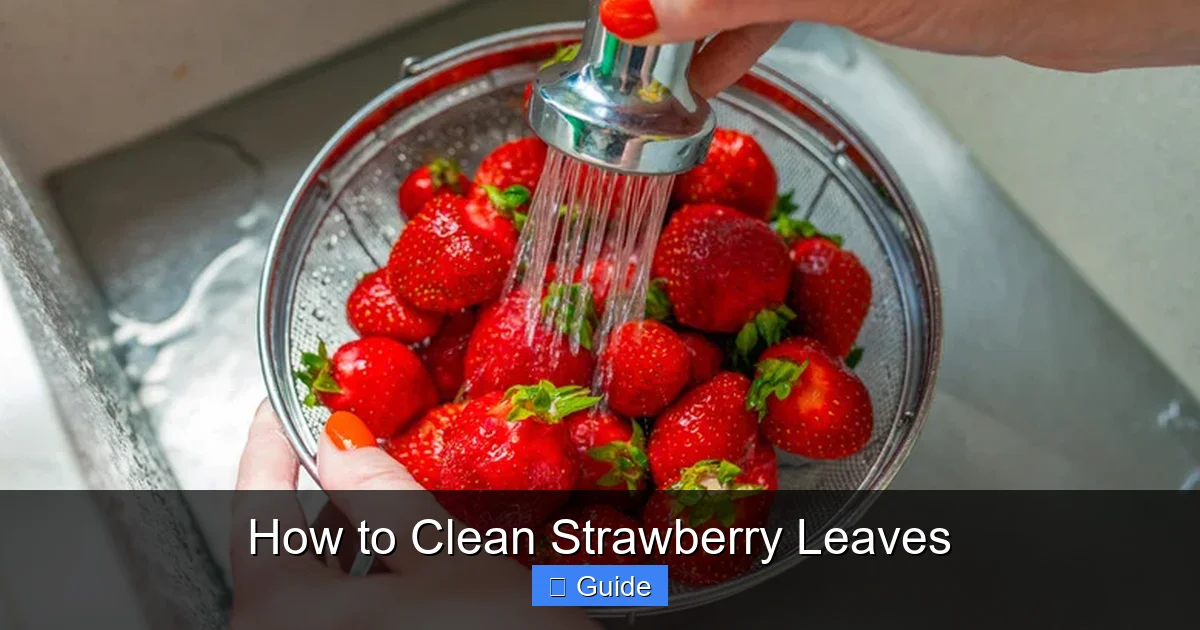
Fill a large bowl with cold tap water. Submerge the leaves completely. Swish them gently with your hands for about 30 seconds. Let them sit for a minute so any sediment sinks to the bottom. Lift the leaves out. Do not pour them through a colander or you will redeposit the dirt. Place them on a clean kitchen towel or in a salad spinner.
Tips for Best Results
Work in small batches. Overcrowding the bowl traps dirt between leaves. Change the water if it gets cloudy. Cold water keeps leaves crisp. Warm water wilts them fast. If you see any damaged leaves, discard them now.
Vinegar Soak for Pesticide and Bacteria Removal
Why Vinegar Works
White vinegar contains acetic acid. This mild acid kills many bacteria and helps dissolve waxy pesticide residues. Studies show a vinegar soak can reduce surface bacteria by up to 90 percent. It also helps remove some fungal spores that cause mold.
How to Make the Solution
Mix three parts cold water with one part white distilled vinegar. For a standard mixing bowl, use three cups water and one cup vinegar. Do not use apple cider vinegar or flavored vinegars. They leave a taste and can stain the leaves.
Soaking Process
Submerge the leaves in the vinegar solution. Let them soak for 5 to 10 minutes. Do not go longer or the leaves may absorb a vinegar taste. Swish gently halfway through. After soaking, lift the leaves out. Rinse thoroughly under cold running water for at least 30 seconds to remove all vinegar flavor.
When to Choose This Method
Use the vinegar soak for store-bought conventional strawberries. Also use it if you see any signs of mold or mildew on the leaves. It adds an extra layer of safety for raw preparations like salads or smoothies.
Baking Soda Bath for Deep Pesticide Cleaning
Science Behind Baking Soda
Research from the University of Massachusetts found that a baking soda solution removes more pesticide residue from produce surfaces than water or bleach solutions. Sodium bicarbonate breaks down certain pesticide compounds through hydrolysis. It works especially well on thiabendazole and phosmet, two common fungicides used on strawberries.
Preparing the Solution
Dissolve one teaspoon of baking soda in two cups of cold water. Stir until fully dissolved. For larger batches, scale up proportionally. The solution should taste slightly salty but not overwhelming.
Soaking Technique
Place leaves in the solution. Soak for 12 to 15 minutes. This longer soak time is key for the chemical reaction to work. Swish gently once or twice during the soak. After time is up, remove leaves and rinse very well under cold water. Pat dry immediately.
Best Use Cases
Choose this method when you know the strawberries were heavily treated. It is also great for leaves you plan to dry for tea, since you want zero residue in a concentrated product. Avoid using this on very delicate or already wilting leaves, as the longer soak can soften them further.
Salt Water Soak for Insect Removal
Why Salt Water Helps
Tiny insects like aphids, thrips, and spider mites often hide on strawberry leaves. They cling tightly and survive a plain water rinse. Salt water creates an osmotic shock that forces them to let go and float away. This is an old gardener trick that really works.
Making the Salt Solution
Dissolve one tablespoon of salt per quart of cold water. Use regular table salt or sea salt. Avoid iodized salt if possible, as it can leave a metallic taste. Stir until completely dissolved.
Process and Timing
Submerge leaves for 10 to 15 minutes. You will often see small bugs float to the surface or sink to the bottom. After soaking, lift leaves out and rinse extremely well. Salt left on leaves tastes terrible and draws out moisture during storage. Rinse under running water for a full minute.
When This Method Shines
Use salt water for homegrown strawberries, especially after rain. Also use it if you see any small holes in the leaves or tiny moving dots. It is the most effective way to ensure no hitchhikers end up in your tea or salad.
Drying Techniques for Crisp, Long-Lasting Leaves
Salad Spinner Method
A salad spinner is the gold standard. Place washed leaves in the basket. Spin in short bursts of 10 to 15 seconds. Check between spins. Over-spinning can bruise delicate leaves. The centrifugal force removes water from crevices without crushing.
Towel Pat-Dry Method
No spinner? No problem. Spread a clean kitchen towel on the counter. Lay leaves in a single layer. Place another towel on top. Press gently. Do not rub. Rubbing damages the leaf structure and causes dark spots. Repeat with dry towels until leaves feel dry to the touch.
Air Drying for Tea Preparation
If you plan to dehydrate leaves for tea, air dry first. Spread on a clean rack or screen in a single layer. Place in a well-ventilated area away from direct sun. A fan on low speeds things up. Leaves should feel leathery but not brittle before going into a dehydrator or low oven.
Why Thorough Drying Matters
Water left on leaves accelerates decay. It promotes bacterial growth and makes leaves slimy within hours. For storage, leaves must be bone dry. Even a little surface moisture cuts shelf life in half.
Storing Cleaned Strawberry Leaves
Short-Term Refrigerator Storage
Line an airtight container with paper towels. Place dry leaves inside. Do not pack tightly. Add another paper towel layer on top. Seal the container. Store in the crisper drawer. The towels absorb any residual moisture and condensation. Leaves stay fresh for 3 to 5 days.
Checking Stored Leaves
Check daily. Remove any leaves that show yellowing, sliminess, or dark spots. One bad leaf releases ethylene gas that speeds spoilage of the rest. Replace damp paper towels with fresh ones every two days.
Freezing for Long-Term Use
For tea or cooked dishes, freeze cleaned leaves. Blanch in boiling water for 10 seconds. Shock in ice water. Drain and pat dry. Spread on a parchment-lined tray. Freeze solid. Transfer to freezer bags. Remove air. Label with date. Use within 6 months for best flavor.
Drying for Herbal Tea
Dehydrate at 95 to 115 degrees Fahrenheit until leaves crumble easily. Store in airtight glass jars away from light and heat. Add a food-grade silica packet if you live in a humid climate. Properly dried leaves last a year or more.
Using Clean Strawberry Leaves in the Kitchen
Fresh in Salads and Garnishes
Young, tender leaves add a pleasant vegetal note to green salads. Pair with sliced strawberries, goat cheese, and balsamic vinaigrette. Use whole small leaves as a garnish on desserts or cocktails. They look beautiful and are completely edible.
Strawberry Leaf Tea
Steep 1 tablespoon fresh leaves or 1 teaspoon dried in hot water for 5 to 7 minutes. The tea is mild, slightly fruity, and caffeine-free. It has traditional uses for digestive comfort and mild diarrhea. Add honey and lemon if desired.
Infused Vinegar and Oil
Pack a jar with clean fresh leaves. Cover with white wine vinegar or olive oil. Let steep two weeks in a dark cupboard. Strain. The vinegar makes a lovely salad dressing base. The oil works for drizzling over grilled vegetables or bread.
Cooked Applications
Add leaves to soups and stews in the last 5 minutes of cooking. They wilt like spinach but hold shape better. Stir into risotto or pasta at the end. The heat mellows the tannins and brings out a subtle sweetness.
Common Mistakes to Avoid
Washing Too Early
Never wash leaves before you are ready to use or store them. Moisture triggers decay. If you buy strawberries with leaves attached, leave them unwashed in the fridge. Wash only what you need for immediate use.
Using Hot Water
Hot water cooks the leaves instantly. They turn dark green, limp, and slimy. Always use cold water. Ice water is even better for maintaining crisp texture.
Soaking Too Long
Extended soaking leaches water-soluble vitamins and makes leaves mushy. Set a timer. The maximum soak time for any method is 15 minutes. Most need far less.
Skipping the Final Rinse
After vinegar, baking soda, or salt soaks, you must rinse thoroughly. Residual cleaning agents affect flavor and can irritate sensitive stomachs. Rinse until the water runs clear and you smell no vinegar or salt.
Storing Wet Leaves
This is the number one reason cleaned leaves go bad fast. Take the time to dry them properly. A salad spinner pays for itself in saved produce.
Special Considerations for Different Sources
Homegrown Strawberries
You control the growing conditions. If you use no sprays, a basic rinse or salt soak for bugs is usually enough. Check the undersides of leaves where slugs and beetles hide. Morning harvest means less field heat and crisper leaves.
Farmers Market Strawberries
Ask the grower about their practices. Many small farms use minimal sprays. A vinegar soak covers most bases. These leaves are often fresher than store-bought, so they last longer after cleaning.
Grocery Store Strawberries
Conventional berries typically have the most pesticide residue on leaves. The baking soda soak is your best bet here. Organic store berries still need washing for dirt and bacteria. Vinegar soak works well.
Wild Strawberries
If you forage wild strawberries (Fragaria vesca), clean extra carefully. They grow in soil shared with animals. Use the salt soak followed by vinegar soak. Cook wild leaves rather than eating raw for maximum safety.
Tools That Make Cleaning Easier
Salad Spinner
Invest in a good one. The OXO Good Grips and Zyliss models spin efficiently and store compactly. They work for all leafy greens, not just strawberry leaves.
Large Mixing Bowls
Have at least two large bowls. One for the cleaning solution, one for the final rinse. Clear glass or plastic lets you see when the water gets dirty.
Colander with Fine Mesh
A fine mesh colander catches small leaves and lets you rinse under running water without losing any. Metal lasts longer than plastic.
Clean Kitchen Towels
Keep a stack of lint-free cotton towels just for produce. Flour sack towels work great. They absorb well and leave no fibers behind.
Paper Towels for Storage
Unbleached, chemical-free paper towels are best for lining storage containers. They wick moisture without adding anything unwanted.
Frequently Asked Questions About Cleaning Strawberry Leaves
Can you eat strawberry leaves raw?
Yes, strawberry leaves are edible raw. They taste mild and slightly grassy. Young leaves are more tender. Always clean them first using one of the methods above.
Do you need to remove the stems?
Stems are edible but can be tough and stringy. For tea, leave them on. For salads, pinch off the leaf blades and discard the thick stems.
How do you know if strawberry leaves are bad?
Discard leaves that are yellow, brown, black, slimy, or have mushy spots. A sour or musty smell means they are spoiled. When in doubt, throw it out.
Can you clean strawberry leaves with just water?
Yes, cold water removes visible dirt and some bacteria. For pesticides or bugs, use vinegar, baking soda, or salt solutions for better results.
Is it safe to use dish soap on strawberry leaves?
No. Dish soap leaves residue not meant for ingestion. Produce washes exist but studies show vinegar or baking soda work just as well or better.
How long do cleaned strawberry leaves last in the fridge?
Properly dried and stored in an airtight container with paper towels, they last 3 to 5 days. Check daily and remove any declining leaves.
Conclusion
Learning how to clean strawberry leaves opens up a whole new way to enjoy your strawberry plants. Those green tops are not waste. They are a bonus crop packed with flavor and nutrition. Whether you choose a quick rinse, a vinegar soak, a baking soda bath, or a salt water dunk, the key steps stay the same. Wash gently. Rinse well. Dry thoroughly. Store smartly.
Start with the method that matches your source and concern level. Homegrown no-spray leaves need less work. Conventional store-bought leaves benefit from the deeper cleaning methods. Whatever you choose, you will end up with clean, safe leaves ready for tea, salad, or any creative dish you dream up.
Next time you hull a basket of strawberries, set those leaves aside. Give them the care they deserve. Your body and your taste buds will thank you. And you will waste less of the plant you worked hard to grow or paid good money to buy. That is a win all around.
Frequently Asked Questions
Can you eat strawberry leaves raw?
Yes, strawberry leaves are completely edible raw. They have a mild, slightly grassy flavor and work well in salads or as garnish. Always wash them thoroughly first using cold water or a vinegar soak to remove dirt and potential contaminants.
What is the best way to remove pesticides from strawberry leaves?
A baking soda soak is most effective for pesticide removal. Dissolve 1 teaspoon baking soda in 2 cups cold water, soak leaves for 12 to 15 minutes, then rinse very well. Research shows this method breaks down common fungicide residues better than water or vinegar alone.
How long should you soak strawberry leaves in vinegar?
Soak strawberry leaves in a 3:1 water-to-vinegar solution for 5 to 10 minutes. Longer soaks can make leaves absorb vinegar flavor. Always rinse thoroughly under cold running water for at least 30 seconds after soaking.
Do you need to wash strawberry leaves if they are organic?
Yes, organic strawberry leaves still need washing. They can harbor dirt, bacteria, insects, and approved organic sprays. A basic cold water rinse or vinegar soak ensures they are clean and safe to eat.
Can you freeze strawberry leaves for later use?
Yes, blanch cleaned leaves in boiling water for 10 seconds, shock in ice water, drain well, and freeze on a parchment-lined tray. Once frozen solid, transfer to airtight freezer bags. They keep for up to 6 months and work well in cooked dishes or tea.
Why do my cleaned strawberry leaves turn slimy in the fridge?
Sliminess comes from excess moisture left on leaves after washing. Dry leaves thoroughly with a salad spinner or towels before storing. Use an airtight container lined with paper towels to absorb condensation, and replace damp towels every two days.