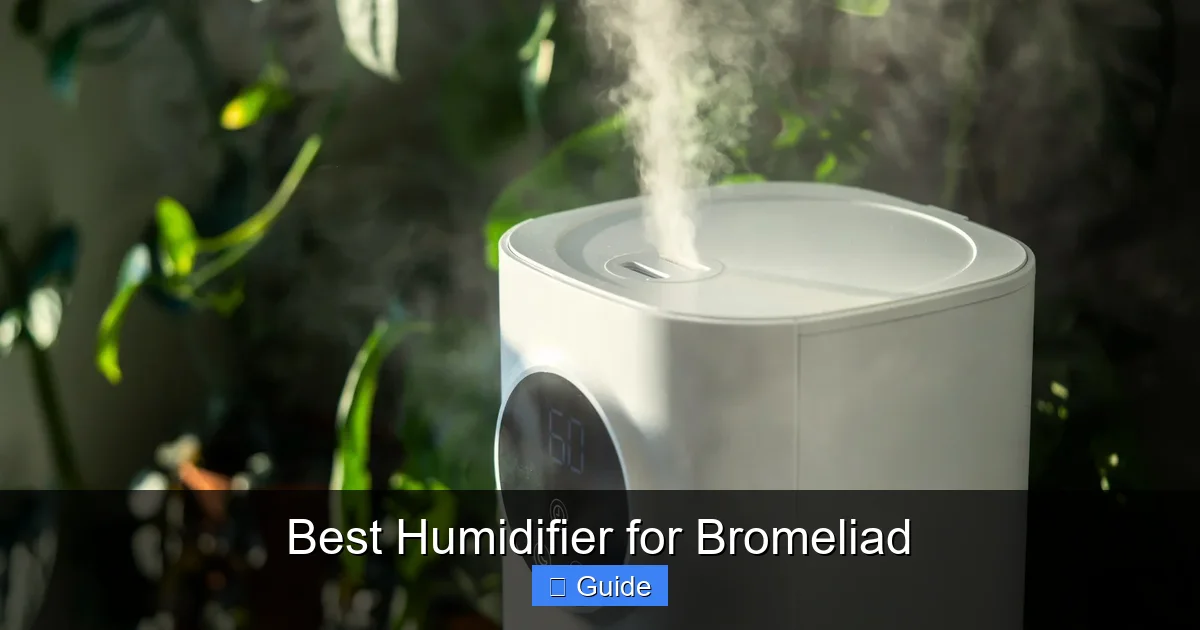
Best Humidifier for Bromeliad
Finding the best humidifier for bromeliad plants is essential for their health and vibrant growth. These tropical plants need consistent humidity levels between 50-70% to thrive indoors. Our guide covers top-rated models, must-have features, and expert care tips to help you choose the perfect humidifier for your bromeliad collection.
If you’ve ever watched a bromeliad’s vibrant bract fade or its leaves curl into sad little tubes, you know the heartbreak of low humidity. These stunning tropical plants come from rainforests where moisture hangs thick in the air. Our homes, especially in winter, are practically deserts by comparison. The best humidifier for bromeliad care can make the difference between a thriving centerpiece and a crispy disappointment.
I learned this lesson the hard way with my first Aechmea. Beautiful silver-banded leaves, a shocking pink flower spike — and within three weeks, brown tips everywhere. A quality humidifier changed everything. New pups appeared. Colors deepened. The plant actually grew. That’s what proper humidity does. It’s not optional for these plants. It’s survival.
Key Takeaways
- Bromeliads need 50-70% humidity: These tropical plants originate from rainforest environments and require consistent moisture in the air to prevent leaf curling and brown tips.
- Ultrasonic humidifiers work best: They produce fine mist without heat, making them ideal for delicate bromeliad foliage and energy-efficient for long-term use.
- Tank capacity matters for consistency: Choose a humidifier with at least 1-gallon capacity to maintain steady humidity overnight without frequent refills.
- Built-in hygrometers prevent over-humidifying: Models with automatic shutoff at target humidity protect your plants from fungal issues and root rot.
- Easy cleaning prevents mineral buildup: Look for wide tank openings and dishwasher-safe parts to maintain healthy air quality for your bromeliads.
- Placement affects performance: Position the humidifier 3-6 feet from plants with good air circulation for even moisture distribution.
- Group plants for microclimate benefits: Clustering bromeliads together with a humidifier creates a self-sustaining humidity zone that benefits all plants.
Quick Answers to Common Questions
What humidity level do bromeliads need?
Most bromeliads thrive at 50-70% humidity. Thin-leaved varieties like Tillandsia prefer the higher end (60-70%), while thick-leaved types like Dyckia tolerate 40-50%.
Can I just mist my bromeliads instead of using a humidifier?
Misting only raises humidity temporarily and can cause rot by leaving water in leaf cups. A humidifier provides consistent ambient moisture that mimics their natural rainforest environment.
Which type of humidifier is best for bromeliads?
Ultrasonic cool mist humidifiers are ideal — they produce fine mist without heat, run quietly, use little energy, and won’t scorch delicate leaves.
Do I need a humidifier with a built-in hygrometer?
Yes, a built-in hygrometer with auto-shutoff prevents over-humidifying (which causes mold) and under-humidifying. It maintains your target percentage automatically.
How often should I clean my humidifier?
Clean weekly during regular use. Empty and rinse daily if possible. Use vinegar monthly for mineral buildup. A dirty humidifier spreads bacteria and mold to your plants.
📑 Table of Contents
- Why Bromeliads Demand Serious Humidity
- Types of Humidifiers: Which Works Best for Bromeliads
- Essential Features for the Best Humidifier for Bromeliad Care
- Top Humidifier Recommendations for Bromeliad Growers
- Setting Up Your Humidifier for Maximum Bromeliad Benefit
- Common Mistakes That Kill Bromeliads (And How to Avoid Them)
- Seasonal Humidity Management for Year-Round Success
- Advanced Tips for Bromeliad Enthusiasts
- Troubleshooting Common Humidifier Issues
- Conclusion
Why Bromeliads Demand Serious Humidity
Understanding Their Natural Habitat
Bromeliads evolved in Central and South American rainforests. Some grow on forest floors. Others cling to tree branches as epiphytes. All of them experience humidity levels that rarely drop below 70%. The air is thick. Warm. Constantly moist. Their leaves have specialized scales called trichomes that absorb water directly from the atmosphere. This isn’t a preference. It’s their biology.
When you bring a bromeliad into a typical home with 30-40% humidity, those trichomes can’t function. The plant loses water faster than it can absorb it. Leaf tips brown. Growth stops. The central cup — that natural reservoir — dries out. Flower spikes fail to develop or fade prematurely. It’s a slow decline that many owners mistake for normal aging.
Signs Your Bromeliad Is Begging for Moisture
Watch for these telltale signals. Crispy leaf tips and edges are the most obvious. Leaves that curl inward or develop a leathery texture. The central cup empties quickly despite regular filling. Growth slows dramatically. New pups stay tiny or fail to form. Flower bracts lose their vivid color and turn papery. If you see any of these, your air is too dry.
Don’t wait for disaster. Prevention beats rescue every time. A good humidifier runs quietly in the background, maintaining that sweet spot where bromeliads flourish. Your plants will thank you with brighter colors, faster growth, and more abundant pups.
Types of Humidifiers: Which Works Best for Bromeliads
Ultrasonic Humidifiers — The Top Choice
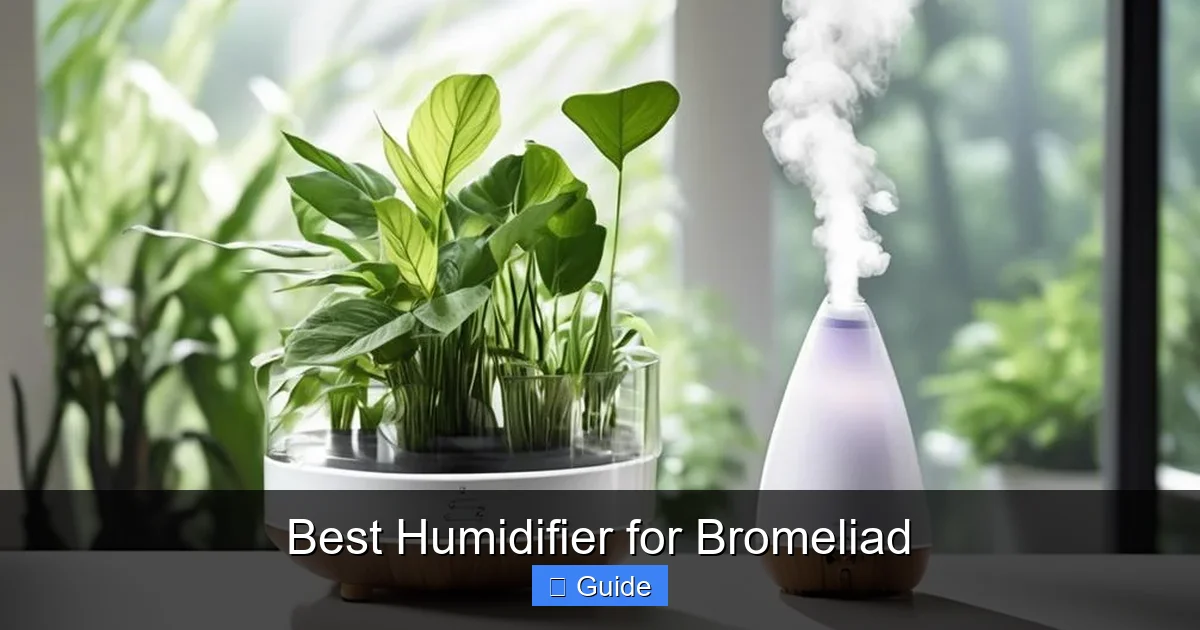
Ultrasonic models use high-frequency vibrations to create an ultra-fine cool mist. No heating element means no risk of scorching delicate leaves. They’re whisper-quiet — critical if your plants live in a bedroom or living space. Energy consumption is minimal. Most modern units include adjustable mist output, built-in hygrometers, and automatic shutoff when the target humidity is reached.
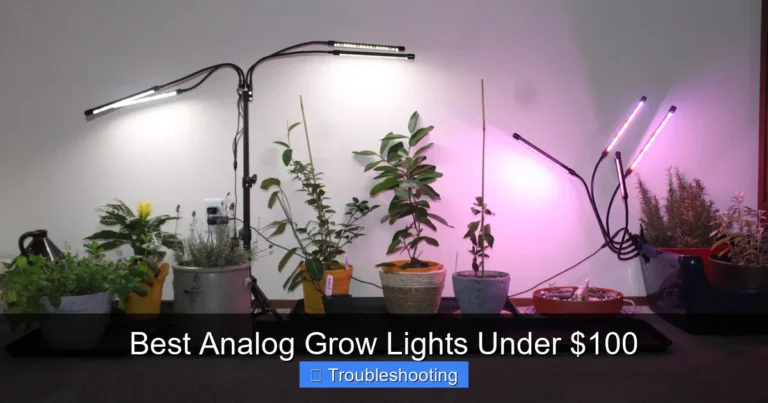
Visual guide about Best Humidifier for Bromeliad
Image source: fatsil.org
The fine mist disperses evenly without leaving large water droplets on foliage. This matters because bromeliads hate sitting water on their leaves — it invites fungal spots and crown rot. Ultrasonic mist mimics natural humidity rather than simulated rain. For the best humidifier for bromeliad collections, ultrasonic technology wins hands down.
Evaporative Humidifiers — Reliable Workhorses
Evaporative models pull air through a wet wick or filter using a fan. The air picks up moisture naturally. No white dust from minerals because the filter traps them. Self-regulating to some degree — as humidity rises, evaporation slows. These are sturdy, low-maintenance machines that handle larger spaces well.
The downside? Fan noise. Even on low settings, you’ll hear a constant hum. The mist isn’t as fine, so placement needs more care to avoid wet leaves. Filters need regular replacement. For a dedicated plant room or greenhouse area, they’re excellent. For a living room corner with a prized Guzmania? Maybe too noisy.
Warm Mist Humidifiers — Use With Caution
Warm mist units boil water and release steam. They kill bacteria and mold in the process, which sounds great. But the heat can damage tender bromeliad leaves if placed too close. They consume significantly more electricity. The hot steam creates a burn risk for curious pets or children. And in small spaces, they can actually raise temperature too much.
If you already own one, you can make it work. Just keep it at least six feet from your plants and monitor leaf temperature. But for a new purchase? Skip warm mist. The risks outweigh benefits for bromeliad care.
Impeller Humidifiers — Budget Option
Impeller models use a rotating disk to fling water at a diffuser, creating cool mist. They’re inexpensive and relatively quiet. But the mist droplets are larger and less consistent. Mineral dust can be an issue with tap water. They lack the precision controls that make ultrasonic units so plant-friendly. Fine for a single plant in a pinch, but not ideal for serious collectors.
Essential Features for the Best Humidifier for Bromeliad Care
Built-In Hygrometer and Auto-Shutoff
This feature is non-negotiable. A built-in hygrometer measures ambient humidity and shuts off the unit when your target is reached. Without it, you’re guessing. Too little humidity — plants suffer. Too much — you invite mold, fungus gnats, and root rot. Look for models that let you set a specific percentage (50%, 60%, 70%) rather than just low/medium/high settings.
Auto-shutoff also protects the machine. Running dry burns out the ultrasonic plate or fan motor. It’s a safety feature that saves money and prevents fire hazards. Every quality humidifier worth buying includes this.
Tank Capacity and Runtime
Bromeliads need consistent humidity 24/7. A tiny 0.5-gallon tank runs dry in 6-8 hours. That means middle-of-the-night refills or hours of dry air while you sleep. Aim for at least 1 gallon (3.8 liters) for overnight coverage. Better yet, 1.5 to 2 gallons gives you 24-36 hours between fills.
Check the runtime specs at your intended setting. Manufacturers often quote maximum runtime on the lowest setting. Real-world runtime at 60% humidity output will be shorter. Read user reviews for actual performance data.
Adjustable Mist Output and Direction
Different bromeliads have different needs. Thick-leaved varieties like Aechmea tolerate more direct mist. Thin-leaved Tillandsia-types prefer gentle, indirect humidity. A humidifier with 3+ mist intensity levels lets you customize. A 360-degree rotating nozzle or adjustable spout directs moisture where it’s needed — toward the plant grouping, not the wall or furniture.
Easy Cleaning and Maintenance
Stagnant water breeds bacteria, algae, and mold. You’ll be breathing what your humidifier puts out. So will your plants. Wide tank openings let you scrub every corner. Dishwasher-safe parts save enormous time. Some models include cleaning brushes or antimicrobial materials. Avoid units with narrow necks, complex internal channels, or non-removable components.
Plan to clean weekly during heavy use. Empty, rinse, and dry daily if possible. A dirty humidifier spreads pathogens faster than dry air damages leaves. This is the maintenance reality no marketing brochure mentions.
Quiet Operation
Ultrasonic units run at 25-35 decibels — quieter than a whisper. Evaporative fans hit 40-50 decibels, like a quiet refrigerator. If your bromeliads share your living space, noise matters. Check decibel ratings. Read reviews mentioning bedroom or nursery use. A humidifier you turn off because it’s annoying helps no one.
Filter Requirements and Costs
Evaporative humidifiers need wick filters replaced every 1-3 months. Cost adds up. Some ultrasonic models offer optional demineralization cartridges to reduce white dust. These also need replacement. Factor ongoing costs into your budget. Filterless ultrasonic units have the lowest long-term expense — just distilled water and occasional vinegar cleaning.
Top Humidifier Recommendations for Bromeliad Growers
Best Overall: Levoit LV600HH Hybrid Ultrasonic
This workhorse delivers both cool and warm mist (though stick with cool for bromeliads). The 1.5-gallon tank runs up to 36 hours. Built-in hygrometer with 1% precision. Auto mode maintains your exact target. Remote control. Quiet at 26dB. Wide tank opening cleans easily. The aromatherapy box is a bonus for humans — skip essential oils around plants. At $80-100, it’s feature-packed for the price.
Real-world performance: maintains 60% humidity in a 300 sq ft room effortlessly. The display shows current humidity at a glance. No guessing. No separate hygrometer needed. For serious bromeliad growers with multiple plants, this hits every requirement.
Best Budget Pick: Pure Enrichment MistAire Ultrasonic
At $35-45, this compact unit punches above its weight. 1.5-liter tank (about 0.4 gallons) runs 16-25 hours. Optional night light. Auto shutoff. Whisper-quiet. No built-in hygrometer — you’ll need a separate $10 digital hygrometer. But for a single bromeliad or small collection, it delivers reliable cool mist without breaking the bank.
Cleaning is simple. The tank opening fits a hand easily. No filters to replace. It’s the humidifier I recommend to beginners who want to test the waters before investing more. Does the job. Looks clean on a shelf. Hard to beat for the price.
Best for Large Collections: Honeywell HCM-350 Germ Free Evaporative
If you’ve graduated to a dedicated plant room or greenhouse cabinet, this evaporative powerhouse covers 500+ sq ft. 1-gallon tank runs 24 hours. UV technology kills 99.9% of bacteria in the water. No white dust. Three speed settings. Dishwasher-safe parts. The wick filter lasts 1-2 months.
It’s louder than ultrasonic — a steady fan hum. But it handles high-demand environments beautifully. Humidity stays rock-steady. For a room full of bromeliads, orchids, and ferns, this machine earns its keep. Around $70-85 plus filter costs.
Best Smart Option: Govee 4L Smart Humidifier
Tech lovers rejoice. This 4-liter (1-gallon) ultrasonic connects to WiFi and Bluetooth. Control via app from anywhere. Set schedules. Monitor real-time humidity on your phone. Voice control with Alexa/Google. Top-fill design — no lifting heavy tanks. 36-hour runtime. 28dB quiet. Auto mode with customizable humidity targets.
The app alerts you when water runs low or humidity deviates. Data logs show trends. For the grower who travels or wants precision without hovering, it’s brilliant. Around $80-90. The only downside: app dependency means no controls on the unit itself if WiFi fails.
Best Compact: TaoTronics 4L Cool Mist Ultrasonic
Slim profile fits tight shelves. 4-liter tank. 360-degree rotating nozzle. Three mist levels. Sleep mode turns off display lights. Auto shutoff. 30-hour runtime. Under 30dB. Around $50-60. No built-in hygrometer, but the compact design makes it perfect for a dedicated bromeliad shelf or cabinet setup.
Top-fill design is genuinely convenient. No spills. No lifting. The mist output is impressive for the size. If space is tight but you need serious capacity, this balances both beautifully.
Setting Up Your Humidifier for Maximum Bromeliad Benefit
Optimal Placement Strategy
Place the humidifier 3-6 feet from your bromeliad grouping. Too close — leaves get wet, inviting rot. Too far — mist dissipates before reaching plants. Aim the nozzle toward the center of the plant cluster, slightly upward so mist drifts down naturally. Avoid directing mist at walls, curtains, or furniture.
Elevate the unit slightly — a small table or plant stand works. This improves mist dispersion and keeps the intake away from floor dust. Ensure good air circulation around the humidifier itself. Don’t tuck it into a tight corner where intake air gets stale.
Creating a Humidity Zone
Group your bromeliads together. Plants transpire. Each leaf releases moisture. Clustered plants create a microclimate that’s naturally more humid than isolated specimens. The humidifier amplifies this effect. Add a pebble tray beneath the group for passive humidity backup. Fill with water to just below the pot bottoms — never let pots sit in water.
This zone approach means you can run the humidifier at lower output, saving energy and extending runtime. The plants help each other. It’s teamwork at its finest.
Water Quality Matters
Use distilled or reverse osmosis water. Tap water contains minerals that become white dust on leaves and furniture. In ultrasonic humidifiers, minerals can coat the transducer plate, reducing output over time. In evaporative units, they clog wicks faster. Distilled water costs $1/gallon. Your plants and humidifier will last longer.
If you must use tap water, clean the unit twice as often. Consider a demineralization cartridge if your model supports one. But honestly, distilled water is cheaper than replacement parts and healthier for bromeliads’ sensitive trichomes.
Monitoring and Adjusting
Buy a separate digital hygrometer even if your humidifier has one built in. Place it at plant level, not on the humidifier. Humidity varies vertically. You want to know what your bromeliads experience. Check morning and evening. Adjust output seasonally — homes get drier in winter heating season.
Target 50-60% for most bromeliads. Tillandsia and thin-leaved varieties appreciate 60-70%. Thick-leaved types like Dyckia tolerate 40-50%. Watch your plants. They’ll tell you if it’s right.
Common Mistakes That Kill Bromeliads (And How to Avoid Them)
Misting Instead of Humidifying
Hand-misting feels caring. It’s not enough. Misting raises humidity for minutes, not hours. It leaves water sitting in leaf axils and the central cup — prime real estate for rot. It creates wet/dry cycles that stress plants. A humidifier provides steady, ambient moisture. That’s what bromeliads evolved for. Put the spray bottle away. Invest in the machine.
Ignoring Air Circulation
Stagnant humid air breeds fungus. Powdery mildew. Crown rot. Botrytis. You need gentle air movement. A small clip fan on low, running a few hours daily, keeps air fresh without drying plants. Position it to blow across, not directly at, your bromeliads. This mimics the breezy rainforest understory. It’s the partner your humidifier needs.
Over-Humidifying
More isn’t better. Constant 80%+ humidity with no airflow is a fungal Petri dish. Leaves stay wet. Roots suffocate. The central cup becomes a soup of bacteria. Use the hygrometer. Respect the auto-shutoff. If you see condensation on windows or walls, you’re too high. Dial it back. Balance is everything.
Neglecting Cleaning
A dirty humidifier aerosolizes bacteria, mold spores, and mineral deposits. You breathe it. Your plants absorb it through trichomes. Weekly cleaning isn’t optional. Empty daily. Rinse thoroughly. Vinegar soak weekly for mineral buildup. Replace filters on schedule. A clean machine is a healthy machine.
Using Essential Oils or Additives
Some humidifiers have aromatherapy trays. Don’t use them near plants. Essential oils coat leaf surfaces, blocking trichomes and stomata. They can be phytotoxic. The “fresh scent” means chemical compounds your bromeliads never evolved to handle. Keep the air pure. Your plants don’t need lavender. They need clean water vapor.
Seasonal Humidity Management for Year-Round Success
Winter: The Critical Season
Indoor heating strips air moisture. Humidity can plummet to 20-30%. This is when bromeliads suffer most. Run your humidifier constantly. Check water levels twice daily. Consider a second unit for large collections. Group plants tightly. Add pebble trays. Monitor hygrometers obsessively. Winter is when the best humidifier for bromeliad care proves its worth.
Watch for cold drafts near windows. Cold air holds less moisture. Plants near glass experience lower effective humidity. Move sensitive specimens back a few feet. Or add a small supplemental humidifier just for that zone.
Spring: Transition Time
As heating systems shut off, indoor humidity rises naturally. Reduce humidifier output gradually. Open windows on mild days for fresh air exchange. But watch for cold snaps — a single frosty night can undo weeks of care. Keep the humidifier ready. Spring growth spurts need consistent moisture for new leaves and pups.
Summer: Natural Advantage
In many climates, summer humidity hits 50-70% naturally. You may not need the humidifier at all. Monitor anyway. Air conditioning removes moisture. If you run AC constantly, you’re back to winter conditions. Adjust accordingly. Summer is also prime time for moving bromeliads outdoors to shaded spots — they’ll love the natural humidity.
Fall: Preparation Phase
As temperatures drop and heating kicks in, humidity declines. Restart your humidifier routine before problems appear. Clean the unit thoroughly after summer storage. Replace filters. Test output. Position for winter plant arrangement. Proactive beats reactive every time.
Advanced Tips for Bromeliad Enthusiasts
Species-Specific Humidity Targets
Not all bromeliads are created equal. Know your genus:
- Guzmania, Vriesea, Tillandsia: 60-70% humidity. Thin leaves, high transpiration.
- Aechmea, Neoregelia, Billbergia: 50-60% humidity. Thicker leaves, more tolerant.
- Dyckia, Hechtia, Puya: 40-50% humidity. Succulent-like, desert-adapted.
- Cryptanthus (Earth Stars): 50-60% humidity. Terrestrial, prefer consistent moisture.
Research your specific species. Adjust accordingly. A mixed collection needs a compromise — aim for 55-60% and provide extra humidity for the neediest via pebble trays or closer humidifier placement.
Using Humidity to Trigger Blooming
Many bromeliads bloom in response to environmental cues. A humidity increase combined with temperature drop can simulate seasonal change. Try raising humidity to 70% for 2-3 weeks while dropping night temps 5-10°F. Then return to normal. This “rainy season” simulation often triggers flower spike initiation in mature plants.
Combine with the classic apple-in-a-bag ethylene trick for stubborn non-bloomers. But humidity alone, properly cycled, works surprisingly well for many species.
Propagating Pups in High Humidity
Newly separated pups lack root systems. They absorb water entirely through leaves. High humidity (70-80%) during the first 4-6 weeks dramatically improves survival and establishment. Create a propagation chamber — a clear plastic bin with a small humidifier inside, or a humidity dome with daily misting. The investment pays off in healthy, fast-growing offsets.
Integrating with Smart Home Systems
If you use Home Assistant, SmartThings, or similar, consider a smart hygrometer (Govee, SensorPush, Aqara) paired with a smart plug on your humidifier. Create automations: “If humidity < 55%, turn on humidifier. If > 65%, turn off.” Log data. Get alerts. It’s overkill for one plant. For a collection? It’s peace of mind.
Troubleshooting Common Humidifier Issues
White Dust Everywhere
Switch to distilled water immediately. Clean all surfaces. If your unit has a demineralization cartridge, replace it. White dust is mineral residue — harmless to humans, annoying on furniture, and can clog trichomes on bromeliads over time.
Humidifier Runs But Humidity Doesn’t Rise
Check for: tank seated properly, water level adequate, mist nozzle unobstructed, filter not clogged (evaporative), transducer plate clean (ultrasonic). Room too large for unit capacity? Add a second humidifier. Excessive ventilation? Close doors. Hygrometer reading wrong? Calibrate or replace.
Water Leaking or Pooling
Ultrasonic units: tank cap not tight, hairline crack in tank, base overfilled (some have max fill lines inside). Evaporative: wick not seated, tank cracked, base not level. Stop using until fixed. Water damage to floors and furniture costs far more than a replacement tank.
Strange Noises
Gurgling: air in the system, normal occasionally. Rattling: loose parts, check fan and housing. High-pitched whine: ultrasonic transducer failing or mineral-coated. Clean thoroughly. If noise persists, the unit may need replacement.
Mold or Slime in Tank
Clean immediately with vinegar solution (1:1 vinegar:water). Soak 30 minutes. Scrub. Rinse thoroughly. Dry completely. Increase cleaning frequency. Consider adding a drop of hydrogen peroxide per gallon as preventive (safe for plants at this dilution). Never use bleach — residue harms plants.
Conclusion
Finding the best humidifier for bromeliad care transforms your growing experience. These remarkable plants give so much — architectural form, impossible colors, fascinating life cycles — and ask so little in return. Consistent humidity is their primary request. Meet it, and they’ll reward you with growth that seems almost magical.
Start with a quality ultrasonic unit. The Levoit LV600HH or Govee 4L Smart deliver precision and convenience. On a budget? The Pure Enrichment MistAire gets the job done. For a plant room, the Honeywell HCM-350 handles volume. Match the machine to your space, your collection size, and your lifestyle.
Then commit to the routine. Clean weekly. Use distilled water. Monitor with a reliable hygrometer. Group your plants. Add gentle air circulation. Adjust seasonally. These habits become second nature, and your bromeliads will show their gratitude in ways that never get old — a new pup emerging, a flower spike shooting up, colors deepening to shades you didn’t know existed.
Your bromeliads came from the rainforest. Give them a slice of it. They’ll make your home feel like one too.
Frequently Asked Questions
What is the best humidifier for bromeliad plants in a bedroom?
The Levoit LV600HH or Govee 4L Smart are excellent bedroom choices. Both run under 30dB, have sleep modes with lights off, and maintain precise humidity without disturbing sleep.
Can I use tap water in my bromeliad humidifier?
Distilled or reverse osmosis water is strongly recommended. Tap water minerals create white dust on leaves and furniture, clog ultrasonic transducers, and shorten filter life in evaporative models.
How far should the humidifier be from my bromeliads?
Place the humidifier 3-6 feet from your plants. Aim the mist toward the center of the plant grouping, slightly upward, so moisture drifts down naturally without wetting foliage directly.
Do bromeliads need humidity at night?
Yes, bromeliads need consistent humidity 24/7. Nighttime is when many species perform gas exchange through their leaves. A humidifier with a large tank (1+ gallons) ensures coverage through the night.
Can high humidity hurt my bromeliads?
Constant humidity above 80% with poor air circulation promotes fungal diseases, crown rot, and root rot. Always pair humidity with gentle air movement from a small fan running a few hours daily.
How do I know if my bromeliad needs more humidity?
Watch for crispy brown leaf tips, inward-curling leaves, leathery texture, rapid central cup drying, stalled growth, tiny or absent pups, and fading flower bracts. These all signal insufficient humidity.