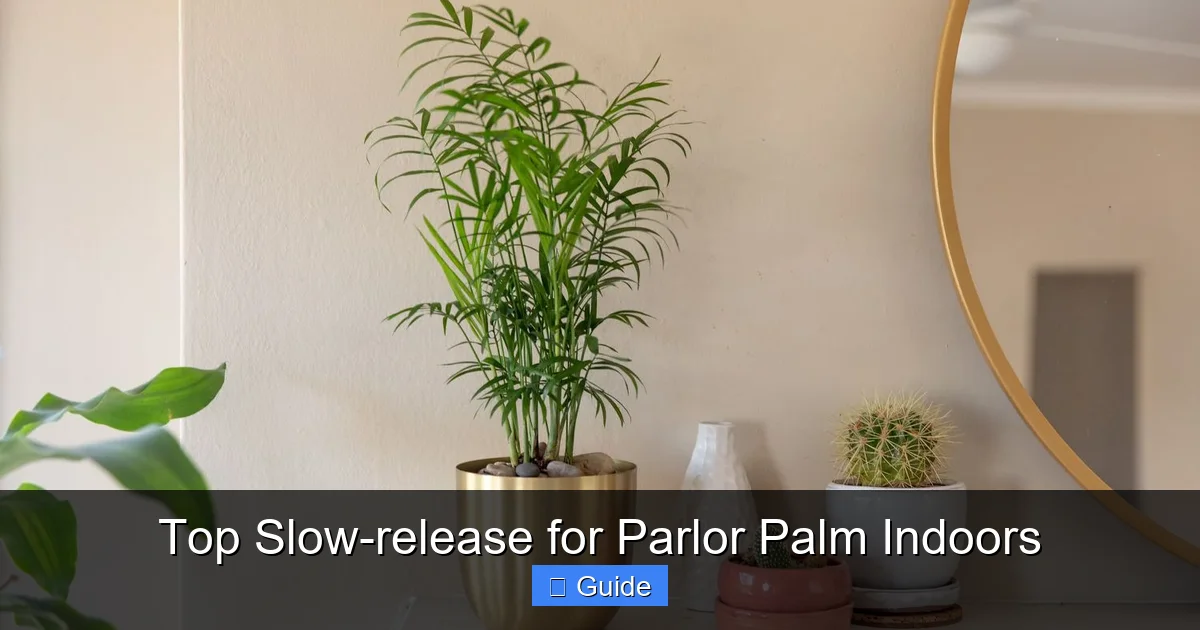
Top Slow-release for Parlor Palm Indoors
Choosing the right fertilizer keeps your parlor palm healthy and green. The top slow-release for parlor palm indoors gives steady nutrients without frequent feeding. Follow simple steps to apply it correctly and avoid common mistakes.
Parlor palms are a favorite indoor plant. They add a tropical feel to any room. They grow slowly and need steady nutrition. The top slow-release for parlor palm indoors provides that steady nutrition. It releases nutrients slowly over many months. This matches the plant’s natural uptake. You avoid spikes that can burn roots. You also reduce the risk of salt buildup in the pot.
Many gardeners ask why a slow-release product is better than liquid feed. Liquid feed gives a quick boost but fades fast. The top slow-release for parlor palm indoors keeps a constant supply. You only need to apply it two or three times a year. This saves time and effort. It also makes care simple for busy plant owners.
In this guide you will learn what to look for in a slow-release formula. You will see five top options that work well for indoor palms. You will get step‑by‑step application tips. You will discover common mistakes and how to avoid them. You will also get long‑term care advice for a thriving parlor palm.
Key Takeaways
- Steady nutrition: Slow-release formulas feed your palm over months.
- Less work: You fertilize only a few times a year.
- Balanced NPK: Look for a ratio near 3-1-2 for best growth.
- Micronutrients matter: Iron, magnesium, and manganese prevent yellow tips.
- Apply at the right time: Spring and early summer are ideal.
- Water feeding: Moist soil helps release nutrients evenly.
Quick Answers to Common Questions
What is the best NPK ratio for parlor palms?
A ratio near 3-1-2 provides balanced growth for parlor palms.
How often should I apply slow-release fertilizer?
Apply once in spring and once in early summer for a six‑month product.
Can I use organic slow-release fertilizer?
Yes, organic options like Espoma Palm‑Tone work well and add beneficial microbes.
What should I do if leaf tips turn brown?
Reduce fertilizer amount, flush the soil with water, and check humidity levels.
Is it okay to fertilize in winter?
No, parlor palms rest in winter. Stop fertilizing after early fall and resume in spring.
📑 Table of Contents
Why Parlor Palms Need Slow-Release Fertilizer
Understanding Nutrient Needs
Parlor palms need nitrogen for green fronds. They need phosphorus for strong roots. They need potassium for overall vigor. Micronutrients like iron keep leaves from turning yellow. The top slow-release for parlor palm indoors supplies all of these nutrients in a balanced way. A balanced diet prevents deficiency symptoms. It also supports steady growth throughout the year.
Benefits of Slow Release
Slow release means fewer applications. You apply once in spring and once in early summer. The plant receives a constant stream of food. You avoid the hassle of weekly liquid feeds. The top slow-release for parlor palm indoors also improves soil structure. It adds organic matter that holds moisture. This helps the roots stay hydrated between waterings.
Preventing Salt Buildup
Quick‑release fertilizers can leave salts in the soil. Salt buildup damages roots and causes brown tips. The top slow-release for parlor palm indoors releases nutrients slowly. This reduces salt accumulation. Your palm stays healthier for longer.
Matching the Plant’s Growth Cycle
Parlor palms have a distinct growing season. They grow most in spring and summer. The top slow-release for parlor palm indoors is timed to feed during this active period. It tapers off as growth slows in fall. This natural rhythm reduces waste and keeps the plant happy.
Reducing Maintenance Time
Busy plant owners appreciate low‑maintenance care. The top slow-release for parlor palm indoors means you spend less time mixing liquids. You simply sprinkle granules and water. The plant does the rest. This frees you to enjoy the greenery.
What to Look for in a Slow-Release Formula
NPK Ratio
Check the label for the NPK numbers. A ratio near 3-1-2 works well for palms. The top slow-release for parlor palm indoors often uses a 3-1-2 or similar ratio. This provides enough nitrogen for foliage. It gives enough phosphorus for roots. It supplies potassium for stress resistance.
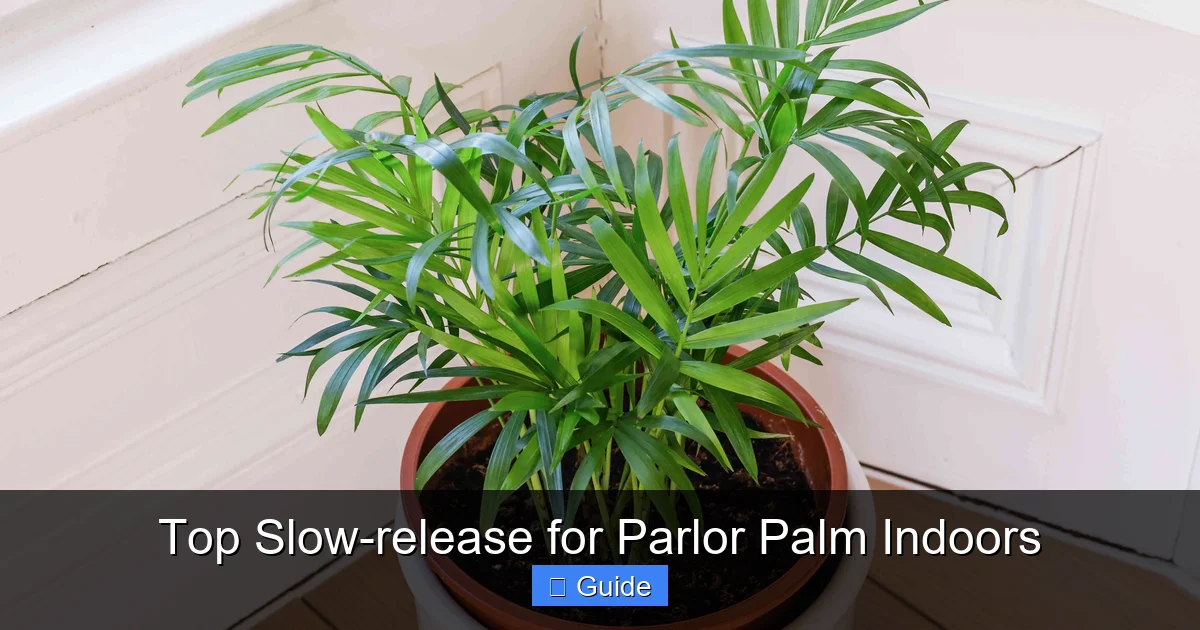
Visual guide about Top Slow-release for Parlor Palm Indoors
Image source: thespruce.com
Coating Technology
Look for polymer‑coated or resin‑coated granules. The coating controls how fast nutrients leave the granule. The top slow-release for parlor palm indoors uses a high‑quality coating. This ensures a predictable release over six months. Cheap coatings may break down too fast.
Granule Size and Uniformity
Small uniform granules spread evenly across the soil. They contact more soil particles. The top slow-release for parlor palm indoors typically uses fine granules. Large irregular granules can create hot spots. Hot spots cause uneven feeding.
Micronutrient Package
Iron, magnesium, and manganese are essential. They prevent yellowing and tip burn. The best formulas list these on the label. The top slow-release for parlor palm indoors includes a complete micronutrient blend. This keeps fronds deep green.
Release Duration
Release periods range from three to nine months. Choose a six‑month product for indoor palms. This matches the active growing season. The top slow-release for parlor palm indoors usually lasts six months. Longer release may continue into dormancy. Shorter release may need reapplication too soon.
Organic vs Synthetic Options
Both organic and synthetic slow-release fertilizers work. Organic types add beneficial microbes. Synthetic types often have precise coatings. The top slow-release for parlor palm indoors can be either, depending on your preference. Read reviews to see which fits your style.
Price and Availability
Cost varies widely. Budget brands may need more frequent application. Premium brands often last longer. The top slow-release for parlor palm indoors is available at garden centers and online. Compare price per month of feeding to find value.
Top Slow-Release Options for Parlor Palm Indoors
Here are five reliable choices. Each one meets the criteria above. They are widely available online and in garden centers. The top slow-release for parlor palm indoors can be found among these options.
Option 1: Osmocote Plus Indoor Plant Food
Osmocote Plus uses a polymer coating. It releases nutrients for up to six months. The NPK is 15-9-12. It contains iron and magnesium. Many growers call it the top slow-release for parlor palm indoors because it is easy to use. You simply sprinkle the granules on the soil surface.
Option 2: Jobe’s Organics Palm Fertilizer Spikes
These spikes are pre‑measured. You push them into the soil near the root zone. They release for about three months. The NPK is 4-2-4. They include beneficial microbes. They work well for small pots. The top slow-release for parlor palm indoors in spike form is convenient for tight spaces.
Option 3: Miracle‑Gro Shake ‘n Feed Palm Plant Food
This granular formula shakes onto the soil. It feeds for up to four months. The NPK is 12-4-8. It contains micronutrients. It is a budget friendly top slow-release for parlor palm indoors. You can apply it with a simple shake motion.
Option 4: Espoma Organic Palm‑Tone
Espoma uses natural ingredients. It releases slowly over six months. The NPK is 4-1-5. It adds beneficial bacteria. It is a great organic top slow-release for parlor palm indoors. Organic growers appreciate the soil‑building benefits.
Option 5: Dr. Earth Premium Gold Palm Fertilizer
Dr. Earth offers a blend of fish bone meal and kelp. It feeds for up to five months. The NPK is 5-5-5. It includes probiotics. It is a premium top slow-release for parlor palm indoors. This product supports both plant and soil health.
Comparing Cost per Month
Calculate cost per month by dividing price by release months. The top slow-release for parlor palm indoors with a six‑month release often wins on value. Cheaper three‑month products may cost more over a year. Do the math before buying.
User Reviews and Ratings
Check online reviews for real‑world performance. The top slow-release for parlor palm indoors with high ratings usually delivers consistent results. Look for comments about leaf color and growth speed. Avoid products with many complaints about burn.
How to Apply Slow-Release Fertilizer Correctly
Proper application ensures even feeding. Follow these steps each time you fertilize. The top slow-release for parlor palm indoors works best when applied correctly.
Step 1: Check Soil Moisture
Water the palm a day before fertilizing. Moist soil helps granules dissolve. Dry soil can cause uneven release. The top slow-release for parlor palm indoors needs moisture to start working.
Step 2: Measure the Right Amount
Read the label for the recommended rate. Usually it is one tablespoon per gallon of pot size. Do not exceed the rate. Overfeeding can damage roots. The top slow-release for parlor palm indoors is designed for a specific dose.
Step 3: Distribute Evenly
Sprinkle granules on the soil surface. Keep them away from the stem. Lightly work them into the top inch of soil. This improves contact. The top slow-release for parlor palm indoors spreads best when mixed lightly.
Step 4: Water Thoroughly
After applying, water until it drains from the bottom. This activates the coating. It also prevents fertilizer burn. The top slow-release for parlor palm indoors needs a good soak to begin release.
Step 5: Monitor and Adjust
Watch for new growth. If fronds stay pale, you may need a supplemental liquid feed. If tips brown, reduce the amount next time. The top slow-release for parlor palm indoors gives a baseline; adjust based on plant response.
Timing Your Applications
Apply the first dose in early spring when new growth appears. Apply a second dose in early summer. The top slow-release for parlor palm indoors will carry the plant through the growing season. Skip feeding in fall and winter.
Using a Measuring Spoon
A dedicated measuring spoon prevents guesswork. The top slow-release for parlor palm indoors label often gives a volume measure. Use the same spoon each time for consistency. This avoids accidental over‑application.
Common Mistakes and How to Avoid Them
Even experienced growers make errors. Knowing them helps you keep your palm healthy. The top slow-release for parlor palm indoors can prevent many of these issues.
Mistake 1: Using Quick‑Release Fertilizer
Quick‑release spikes give a sudden nutrient surge. This can scorch roots. Stick with the top slow-release for parlor palm indoors for steady feeding. Avoid products that promise instant results.
Mistake 2: Over‑Fertilizing
More is not better. Excess salts build up in the pot. Flush the soil with water every few months to remove salts. The top slow-release for parlor palm indoors reduces the need for heavy doses.
Mistake 3: Ignoring Micronutrients
Yellow tips often signal iron deficiency. Choose a product with a full micronutrient package. The top slow-release for parlor palm indoors includes these essential micros. Check the label before buying.
Mistake 4: Fertilizing in Winter
Palms rest in winter. They do not need extra food. Stop fertilizing after early fall. Resume in spring. The top slow-release for parlor palm indoors is timed for the growing season only.
Mistake 5: Poor Watering Habits
Inconsistent watering leads to uneven release. Keep the soil evenly moist. Use a saucer to catch excess water. The top slow-release for parlor palm indoors works best with consistent moisture.
Mistake 6: Using the Wrong Pot Size
A pot that is too large holds excess soil and water. This can dilute the fertilizer effect. The top slow-release for parlor palm indoors performs best in a pot that matches the root ball. Repot only when roots fill the container.
Mistake 7: Skipping Soil Flushes
Even slow-release salts accumulate over time. Flush the pot with clear water every three months. The top slow-release for parlor palm indoors stays effective when the soil stays clean. This simple step prevents root damage.
Long‑Term Care Tips for Healthy Parlor Palms
Fertilizer is only one part of care. Combine it with good light, humidity, and pruning. The top slow-release for parlor palm indoors supports growth but other factors matter too.
Light Requirements
Parlor palms thrive in bright indirect light. Direct sun can scorch leaves. A north or east window works well. Rotate the pot occasionally for even growth.
Humidity and Temperature
They prefer 50‑60% humidity. Mist the leaves or use a humidifier. Keep temperatures between 65‑80°F. Avoid cold drafts near windows.
Pruning and Cleaning
Remove brown or yellow fronds at the base. Wipe leaves with a damp cloth to remove dust. Clean leaves absorb light better. This helps the plant use the nutrients from the top slow-release for parlor palm indoors more efficiently.
Repotting Schedule
Repot every two to three years. Use a well‑draining potting mix. Add a handful of the top slow-release for parlor palm indoors to the new mix. This gives the plant a fresh start with steady nutrition.
Pest Prevention
Check for spider mites and scale. Treat early with neem oil. Healthy, well‑fed palms resist pests better. The top slow-release for parlor palm indoors helps keep the plant vigorous.
Seasonal Adjustments
Reduce watering in winter when growth slows. Keep the soil just barely moist. The top slow-release for parlor palm indoors will not release much in cold soil. Resume normal watering in spring.
Monitoring Leaf Color
Deep green leaves mean the plant is happy. Pale or yellow leaves signal a nutrient gap. The top slow-release for parlor palm indoors should keep color steady. If color fades, check light and water first.
Choosing the top slow-release for parlor palm indoors makes indoor palm care simple. You get steady nutrition with minimal effort. Follow the application steps and avoid common mistakes. Pair fertilizer with proper light, water, and humidity. Your parlor palm will reward you with lush green fronds for years.
Frequently Asked Questions
How do I know if my parlor palm needs fertilizer?
Slow growth, pale fronds, and yellow tips often indicate a nutrient deficiency. A soil test can confirm low nutrient levels.
Can I mix slow-release granules with potting soil when repotting?
Yes, mixing a measured amount into the new potting mix provides a steady start for the plant.
What is the difference between coated granules and spikes?
Coated granules spread over the soil surface while spikes are inserted into the root zone. Both release nutrients slowly but granules cover more area.
Do I need to water after applying slow-release fertilizer?
Yes, watering activates the coating and helps distribute nutrients evenly through the soil.
Can I use a liquid fertilizer together with slow-release?
You can supplement with a dilute liquid feed during peak growth, but avoid over‑fertilizing.
How long does a typical slow-release product last?
Most indoor palm formulas last between four and six months, matching the active growing season.