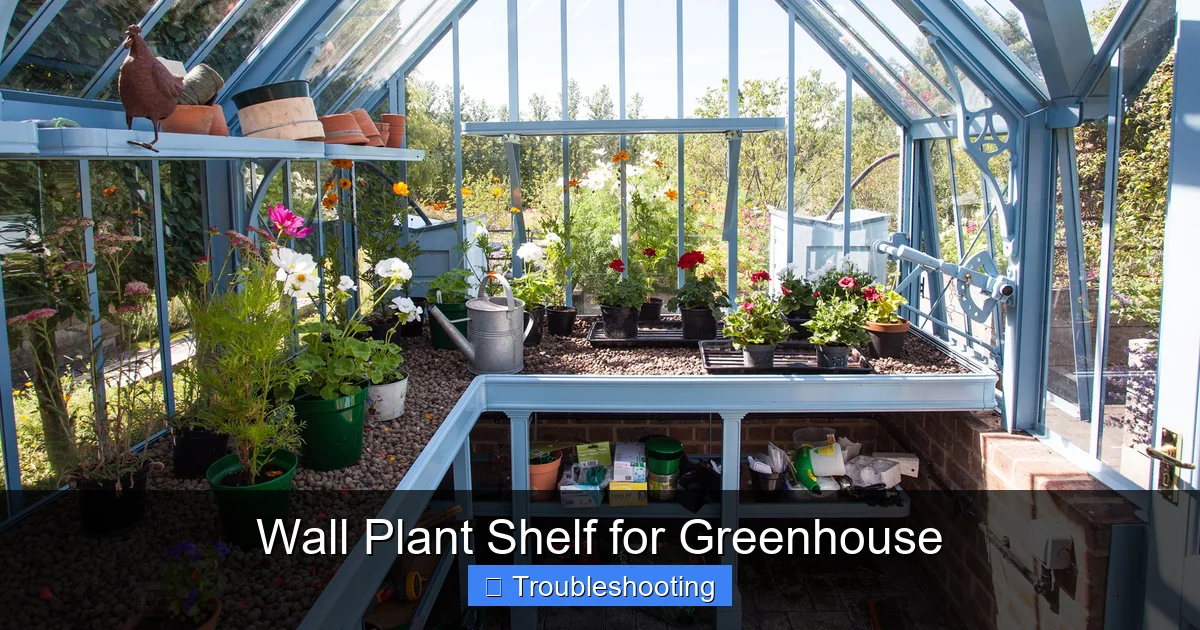
Wall Plant Shelf for Greenhouse
A wall plant shelf for greenhouse can transform your growing space, but only when it works correctly. This guide covers the most common problems from wobbly brackets to rusted shelves and sick plants, giving you practical fixes you can apply today.
You walk into your greenhouse expecting to see thriving plants on your new wall plant shelf for greenhouse. Instead, you notice a shelf bowing in the middle. Or maybe you spot rust creeping along the edges. Perhaps your seedlings look leggy and pale because the upper shelves block all the light. Sound familiar? You are not alone. Many gardeners face these exact issues, and the good news is that most of them have simple solutions.
A wall plant shelf for greenhouse adds valuable vertical growing space. It lets you start more seeds, display more flowers, and keep tools organized. But like any greenhouse equipment, it comes with its own set of challenges. Installation mistakes, weight miscalculations, moisture damage, and light blocking can all turn your space-saving solution into a headache. This guide walks you through every common problem and shows you exactly how to fix it. Let us get your shelves working for you, not against you.
Key Takeaways
- Secure mounting prevents collapse: Use proper anchors for your wall type and always check weight ratings before loading shelves.
- Moisture management stops rust: Choose powder-coated or stainless steel shelves and ensure good airflow to prevent corrosion.
- Weight distribution matters: Place heavier pots on lower shelves and near wall brackets to maintain structural integrity.
- Light blocking hurts plants: Space shelves to allow light penetration and rotate plants regularly for even growth.
- Drainage prevents root rot: Use trays under pots and avoid solid shelves that trap water against container bottoms.
- Regular inspection catches issues early: Check brackets, shelves, and plants weekly for signs of stress or damage.
- Proper installation saves money long-term: Invest in quality hardware and follow manufacturer guidelines to avoid costly replacements.
Quick Answers to Common Questions
Why is my wall plant shelf for greenhouse wobbling?
Loose hardware or failed anchors cause wobbling. Tighten all bolts and replace any spinning anchors with larger ones rated for your wall type.
How much weight can a typical greenhouse shelf hold?
Most shelves rate 50-100 pounds evenly distributed. Wet soil adds significant weight. Stay under 75 percent of rated capacity for safety.
What stops rust on metal greenhouse shelves?
Choose powder-coated or stainless steel. Inspect monthly. Touch up chips immediately with epoxy paint. Spray marine-grade clear coat twice yearly.
Why are my lower shelf plants leggy and pale?
Upper shelves block light. Use narrower upper shelves, reflective undersides, supplemental LEDs, and weekly plant rotation for even growth.
How often should I inspect my wall plant shelf for greenhouse?
Weekly for stability and plant health. Deep maintenance twice yearly including pressure washing, hardware re-torquing, and coating renewal.
📑 Table of Contents
Understanding Your Wall Plant Shelf for Greenhouse System
Types of Wall Plant Shelf for Greenhouse Designs
Not all shelves are created equal. You will find wire mesh shelves, solid metal shelves, wooden slatted shelves, and plastic modular systems. Wire mesh allows the best airflow and light penetration. Solid metal shelves hold water trays well but block light completely. Wooden shelves look natural but can rot in high humidity. Plastic shelves resist corrosion but may become brittle under intense UV exposure. Knowing which type you have helps you troubleshoot the right problems.
Mounting Methods and Wall Types
Your wall material dictates your mounting options. Concrete or brick walls need masonry anchors. Wooden studs accept lag bolts directly. Metal greenhouse frames require self-tapping screws with rubber washers. Polycarbonate panels need special spreading anchors. Never mount heavy shelves into drywall alone. The wall plant shelf for greenhouse must transfer weight to structural elements, not just surface materials.
Weight Ratings and Load Calculations
Every shelf has a maximum load rating. This rating assumes even weight distribution. A 50-pound rating does not mean you can put a 50-pound planter in the center. It means 50 pounds spread across the entire surface. Wet soil weighs significantly more than dry soil. A gallon of water adds 8.3 pounds. Calculate your actual load: pot weight plus wet soil weight plus plant weight plus water weight. Always stay under 75 percent of the rated capacity for safety.
Common Installation Problems and Solutions
Shelves That Wobble or Shift
A wobbly wall plant shelf for greenhouse usually means loose hardware or inadequate anchors. First, check every bolt and screw. Tighten them with a wrench, not just your fingers. If bolts spin without tightening, the anchor has failed. Remove the shelf and install larger anchors. For concrete, use wedge anchors. For wood, use longer lag bolts that penetrate at least two inches into studs. Add diagonal braces from shelf to wall for extra stability on taller units.
Brackets Pulling Away from the Wall
This indicates the wall cannot handle the load. You may have mounted into mortar joints instead of bricks. Or your anchors are too small for the weight. Solution: remount into solid brick or concrete. Use chemical anchors for maximum hold in questionable masonry. For wooden greenhouse frames, add a horizontal ledger board across multiple studs, then mount brackets to the ledger. This spreads the load across several structural members.
Uneven Shelves After Installation
Use a long level during installation, not a short torpedo level. Check level front-to-back and side-to-side. Greenhouse floors often slope for drainage. Your shelves must be level regardless of floor slope. Adjust bracket height individually. Shims work for small corrections. For larger errors, remount brackets. An unlevel wall plant shelf for greenhouse causes water to pool on one side, leading to uneven plant growth and structural stress.
Interference with Greenhouse Features
Shelves sometimes block vents, shade cloth tracks, or irrigation lines. Plan your layout before drilling. Map all existing features. Keep shelves at least six inches below roof vents. Leave clearance for shade cloth operation. Route irrigation lines behind shelves or through designated channels. If you already installed shelves that block something, consider removable brackets that let you swing shelves aside when needed.
Weight Capacity and Structural Issues
Sagging Shelves Under Load
A bowing shelf means you exceeded the practical load limit. Wire mesh shelves sag first at the center. Solid shelves deflect less but can permanently deform. Immediate fix: redistribute weight. Move heavy pots to the edges over brackets. Add a center support leg if the shelf design allows. Long-term fix: replace with heavier-gauge shelves or add reinforcement channels. Never ignore sagging. It progresses to sudden failure.
Bracket Failure and Metal Fatigue
Brackets fail at the weld points or bolt holes. Look for hairline cracks, elongated holes, or white rust powder at stress points. Aluminum brackets fatigue faster than steel. If you see any deformation, replace the bracket immediately. Upgrade to triangular gusseted brackets for heavy loads. A wall plant shelf for greenhouse with failed brackets can drop hundreds of pounds of plants in seconds.
Cascading Failure Risks
Multi-tier systems share loads. If the top shelf fails, it impacts the shelf below. This creates a domino effect. Prevent this by ensuring each shelf independently meets its load rating. Do not rely on lower shelves to catch falling upper shelves. Install safety cables from top shelf to wall as backup. Space shelves so a falling pot cannot hit plants on the next level down.
Dynamic Loads from Watering and Wind
Static ratings do not account for movement. Watering adds sudden weight. Greenhouse ventilation creates wind loads on plants. Hanging baskets swing. These dynamic forces multiply stress on brackets. Multiply your calculated static load by 1.5 for safety factor. Choose shelves rated well above your expected maximum load. A wall plant shelf for greenhouse in a windy location needs extra bracing.
Moisture and Corrosion Challenges
Rust Formation on Metal Components
Greenhouse humidity accelerates corrosion. Standard powder coating chips at bracket contact points. Once bare metal exposes, rust spreads fast. Inspect monthly. At first sign of rust, wire brush the area, apply rust converter, then touch up with epoxy paint. Stainless steel brackets cost more but eliminate rust worries. For existing shelves, spray clear marine-grade coating on all surfaces twice yearly.
Wood Rot and Mold on Shelves
Wooden shelves absorb moisture constantly. End grain soaks water like a straw. Seal all surfaces with marine spar urethane before installation. Recoat annually. Use pressure-treated lumber for shelf supports. Space boards for drainage. Never let pots sit directly on wood. Use plastic trays or pot feet. A wall plant shelf for greenhouse made of wood demands vigilant maintenance.
Aluminum Oxidation and White Rust
Aluminum does not rust red. It develops white powdery oxidation. This weakens the metal over time. Anodized aluminum resists better than raw. Clean oxidation with vinegar solution, then apply aluminum protectant. Avoid steel wool which embeds iron particles that cause galvanic corrosion. Check where different metals contact. Use plastic washers between aluminum and steel hardware.
Preventing Moisture Traps
Water collects in bracket cups, shelf channels, and hollow tubes. Drill small weep holes in low points of hollow brackets. Angle shelves slightly forward for drainage. Use open wire shelves instead of solid ones where possible. A wall plant shelf for greenhouse that holds water becomes a corrosion factory and mosquito breeder.
Plant Health Problems Related to Shelving
Light Blocking and Leggy Growth
Upper shelves cast shade on lower shelves. Plants stretch toward light, becoming weak and leggy. Solution: stagger shelf depths. Make upper shelves narrower than lower ones. Use reflective material on shelf undersides. Rotate plants weekly. Supplemental LED grow lights under each shelf work wonders. A wall plant shelf for greenhouse should enhance light distribution, not hinder it.
Airflow Restriction and Disease
Dense shelving blocks air movement. Stagnant air encourages fungal diseases like botrytis and powdery mildew. Space shelves at least 18 inches vertically. Use wire mesh shelves, not solid. Run circulation fans. Prune plants to maintain open centers. A wall plant shelf for greenhouse packed tight becomes a disease incubator.
Uneven Watering and Drainage Issues
Shelves at different heights receive different water amounts from overhead irrigation. Top shelves dry faster. Bottom shelves stay soggy. Install drip irrigation with individual emitters per shelf. Use moisture meters to check each level. Ensure every shelf drains completely. Standing water on shelves breeds algae and fungus gnats.
Temperature Stratification Effects
Greenhouses stratify. Top shelves run hotter. Bottom shelves stay cooler. This affects germination and growth rates. Monitor temperature at each shelf level with min/max thermometers. Match plants to their preferred shelf. Cool-loving crops on bottom. Heat-loving seedlings on top. A wall plant shelf for greenhouse creates microclimates. Use them strategically.
Pest Highways Along Shelves
Shelves touching walls create pest bridges. Ants, slugs, and spider mites travel shelf-to-shelf. Leave a one-inch gap between shelf ends and walls. Apply diatomaceous earth or sticky barriers on shelf supports. Inspect undersides of shelves weekly. A wall plant shelf for greenhouse should not become a pest superhighway.
Maintenance and Long-Term Care
Weekly Inspection Routine
Walk your shelves weekly. Check bracket tightness. Look for new rust spots. Test shelf stability with gentle pressure. Examine plants for stress signs. Check drainage. Clean debris. This ten-minute habit prevents major failures. Keep a log. Note when you tightened bolts or treated rust. Patterns reveal systemic issues.
Seasonal Deep Maintenance
Twice yearly, empty shelves completely. Remove all plants and pots. Pressure wash shelves and brackets. Inspect every weld, bolt, and anchor. Re-torque all hardware. Reapply protective coatings. Check wall anchors for pull-out. Replace any questionable components. A wall plant shelf for greenhouse lasts decades with this care.
Upgrading and Modifying Your System
Needs change. You may need more shelves, stronger shelves, or different spacing. Modular systems adapt easily. Fixed systems require more work. Add brackets for extra shelves. Replace wire mesh with heavier gauge. Install LED light bars under each shelf. Add drip irrigation. Your wall plant shelf for greenhouse should evolve with your growing goals.
When to Replace Versus Repair
Replace if: brackets show metal fatigue, shelves have permanent deformation, anchors pull from wall, or repair costs exceed half of replacement cost. Repair if: surface rust only, loose hardware, minor coating damage, or leveling issues. Safety first. A collapsed wall plant shelf for greenhouse destroys plants and risks injury.
Advanced Troubleshooting Scenarios
Retrofitting Shelves into Existing Greenhouses
Old greenhouses present unique challenges. Walls may be deteriorated. Frames may not be square. Floors slope unpredictably. Use adjustable brackets with slotted holes. Shim liberally. Test each anchor before loading. Consider freestanding shelf units that lean against walls rather than mount to them. A wall plant shelf for greenhouse in an old structure needs flexibility.
Integrating Automation with Shelves
Automated watering, lighting, and climate control add complexity. Run wires and tubes in conduit along shelf supports. Use waterproof connectors. Label everything. Install drip loops to prevent water tracking into electrical boxes. Keep controllers at eye level for easy access. A wall plant shelf for greenhouse with automation needs clean cable management.
Multi-Crop Shelving Strategies
Different crops need different conditions. Group by water needs. Group by light needs. Group by temperature needs. Use shelf dividers to create zones. Install separate irrigation zones per shelf. A wall plant shelf for greenhouse works best when organized by plant requirements, not just space efficiency.
Emergency Response for Shelf Failures
Have a plan. Know how to safely remove plants from a failing shelf. Keep empty flats ready for emergency transplants. Have spare brackets and hardware on site. Know which shelves can temporarily hold displaced plants. Practice your response. A wall plant shelf for greenhouse failure during peak season can wipe out months of work without a plan.
Conclusion
Your wall plant shelf for greenhouse represents an investment in growing space and plant health. Like any investment, it needs protection through proper installation, regular maintenance, and prompt troubleshooting. The problems we covered—wobbly mounts, sagging shelves, rust, light blocking, poor airflow—all have straightforward solutions. The key is catching them early.
Start with a thorough inspection today. Check every bracket. Test every shelf. Look at your plants with fresh eyes. Are they stretching? Yellowing? Crowded? Make one improvement this week. Tighten a bolt. Add a fan. Rotate a tray. Small actions compound. Next month, do another. Before long, your wall plant shelf for greenhouse will run like a well-tuned machine, giving you reliable harvests and beautiful displays season after season.
Remember, the best greenhouse gardeners learn by doing. Every problem you solve makes you better at preventing the next one. Share what you learn with fellow growers. The greenhouse community thrives on shared knowledge. Now go grow something amazing.
Frequently Asked Questions
Can I mount a wall plant shelf for greenhouse on polycarbonate panels?
No, polycarbonate panels cannot support shelf weight. Mount brackets only into the structural frame behind panels using frame clamps or through-bolts with backing plates.
What shelf material works best in high humidity?
Stainless steel wire mesh resists corrosion best. Powder-coated steel works if coating stays intact. Avoid bare steel, untreated wood, and cheap plastic that becomes brittle.
How do I prevent water from pooling on solid shelves?
Drill drainage holes every 12 inches. Angle shelves slightly forward. Use pot feet or trays. Better yet, switch to wire mesh shelves for natural drainage.
Should shelves be level if my greenhouse floor slopes?
Yes, shelves must be level regardless of floor slope. Use a long level during installation. Adjust each bracket independently. Shims work for minor corrections.
What causes brackets to pull out of concrete walls?
Anchors too small for the load, anchors in mortar joints instead of solid concrete, or concrete deterioration. Use wedge anchors in solid concrete only.
How do I add grow lights under existing shelves?
Use LED strip lights with adhesive backing or magnetic mounts. Run power cords along shelf supports in cable clips. Plug into timer-controlled outlet for consistent photoperiod.