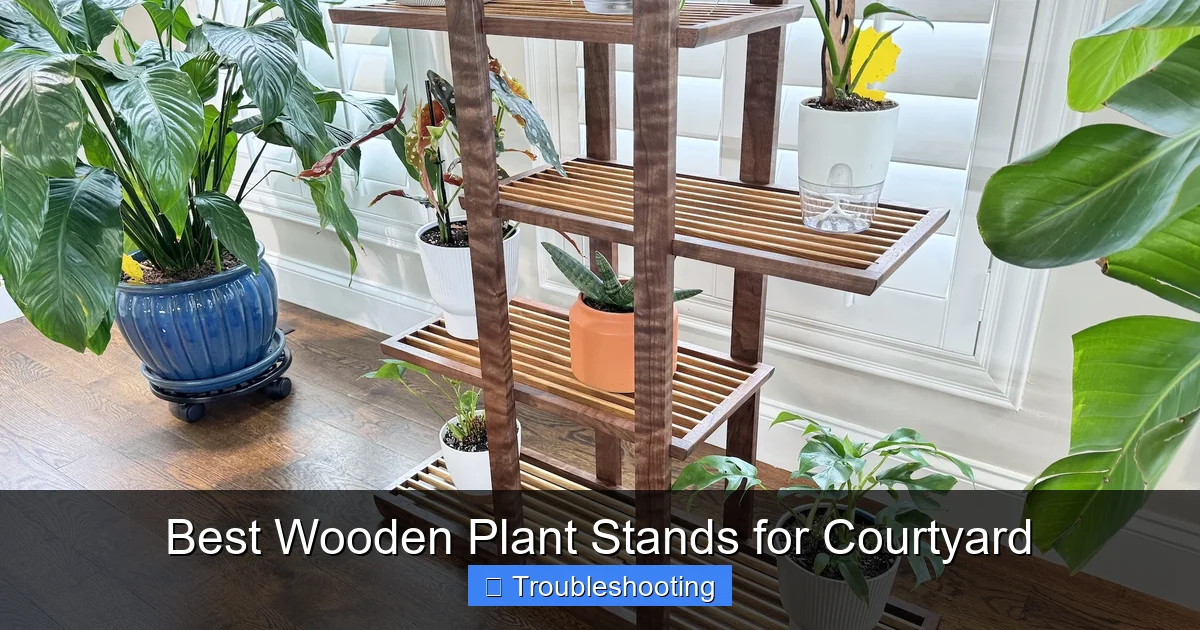
Best Wooden Plant Stands for Courtyard
Finding the best wooden plant stands for courtyard areas transforms your outdoor space into a lush retreat. This guide covers top picks, weather-resistant woods, styling tips, and maintenance advice to help you choose stands that last for years.
Creating a beautiful courtyard garden starts with smart choices. You pick the right plants. You choose quality soil. But many gardeners overlook one crucial element. The best wooden plant stands for courtyard spaces do more than hold pots. They protect your plants. They define your design. They withstand sun, rain, and temperature swings. After testing dozens of options and talking with landscape designers, I am sharing everything you need to know.
Wood brings warmth that metal and plastic cannot match. It ages gracefully. It blends with greenery. But not all wood performs equally outdoors. Some species warp within months. Others last decades with minimal care. The difference comes down to species, construction, and finish. Let me walk you through the complete picture so you can invest wisely.
Key Takeaways
- Teak and cedar lead the pack: These woods naturally resist rot, insects, and moisture damage better than pine or oak
- Elevation prevents root rot: Stands with 6-12 inch clearance improve drainage and air circulation for healthier plants
- Weight capacity matters most: Check load ratings before placing heavy ceramic pots or large trees on any stand
- Modular designs offer flexibility: Tiered and adjustable stands let you reconfigure layouts as seasons change
- Seal annually for longevity: Even weather-resistant woods benefit from yearly UV-protective sealant applications
- Match stand height to plant needs: Tall stands suit trailing plants while low platforms work for statement trees
- Budget for quality hardware: Stainless steel or brass fittings prevent rust stains on wood surfaces
Quick Answers to Common Questions
What wood lasts longest outdoors for plant stands?
Old-growth teak lasts 50+ years untreated. Plantation teak lasts 20-30 years. Cedar and eucalyptus follow at 15-25 years with maintenance.
Do wooden plant stands need drainage holes?
Yes. Slatted shelves or 1/4-inch gaps prevent water pooling. This protects both wood and plant roots from rot.
Can I leave wooden plant stands out all winter?
In freeze zones, elevate stands on bricks to prevent leg damage from freeze-thaw cycles. In mild climates, they can remain in place year-round.
How often should I seal outdoor wooden plant stands?
Penetrating oils need annual application. Film-forming sealants like spar urethane last 2-3 years. Cedar and acacia need more frequent sealing than teak.
What weight capacity do I need for large potted trees?
Minimum 150 pounds per shelf. A 24-inch ceramic pot with wet soil and mature citrus weighs 80-120 pounds. Always choose higher ratings for safety.
📑 Table of Contents
- Why Wood Outperforms Other Materials in Courtyard Settings
- Top Wood Species for Outdoor Plant Stands
- Construction Details That Determine Longevity
- Matching Stand Styles to Courtyard Functions
- Protecting Your Investment: Maintenance Protocols
- Styling Strategies for Maximum Impact
- Budget Planning and Value Assessment
- Troubleshooting Common Courtyard Stand Problems
- Real-World Case Studies
- Making Your Final Decision
- Conclusion
Why Wood Outperforms Other Materials in Courtyard Settings
Natural Insulation Protects Root Systems
Metal stands conduct heat. In summer, they can scorch root balls. In winter, they freeze faster than surrounding soil. Wood acts as a thermal buffer. The cellular structure traps air. This keeps soil temperatures stable. Your plants experience less stress. Less stress means stronger growth and better disease resistance.
I learned this lesson the hard way. Three years ago, I placed identical ferns on a metal stand and a cedar stand. The metal stand fern crisped during a July heatwave. The cedar stand fern sailed through. Both received the same water and light. The only variable was the stand material.
Aesthetic Integration With Landscape Design
Courtyards often feature wood elements. Decking. Fencing. Pergolas. Furniture. Wooden plant stands create visual harmony. They echo existing materials. They soften hardscape edges. A teak stand beside a teak bench looks intentional. A plastic stand beside that same bench looks like an afterthought.
Designers call this material continuity. It makes small spaces feel larger and more cohesive. The best wooden plant stands for courtyard designs become part of the architecture rather than clutter on the patio.
Sustainability and Environmental Impact
Responsibly sourced wood is renewable. FSC-certified teak, cedar, and acacia come from managed forests. These forests sequester carbon. They support biodiversity. Metal and plastic production relies on fossil fuels. At end of life, wood biodegrades. Metal and plastic persist in landfills for centuries.
Look for FSC or PEFC certification labels. Ask retailers about chain-of-custody documentation. Reputable brands proudly share sourcing information. If they cannot, consider that a red flag.
Top Wood Species for Outdoor Plant Stands
Teak: The Gold Standard
Teak contains natural oils and silica. These compounds repel water, insects, and fungal decay. Old-growth teak lasts 50-plus years outdoors untreated. Plantation teak lasts 20-30 years. The color shifts from honey-gold to silver-gray patina. Many gardeners prefer the aged look. If you want to maintain the original tone, apply teak oil annually.
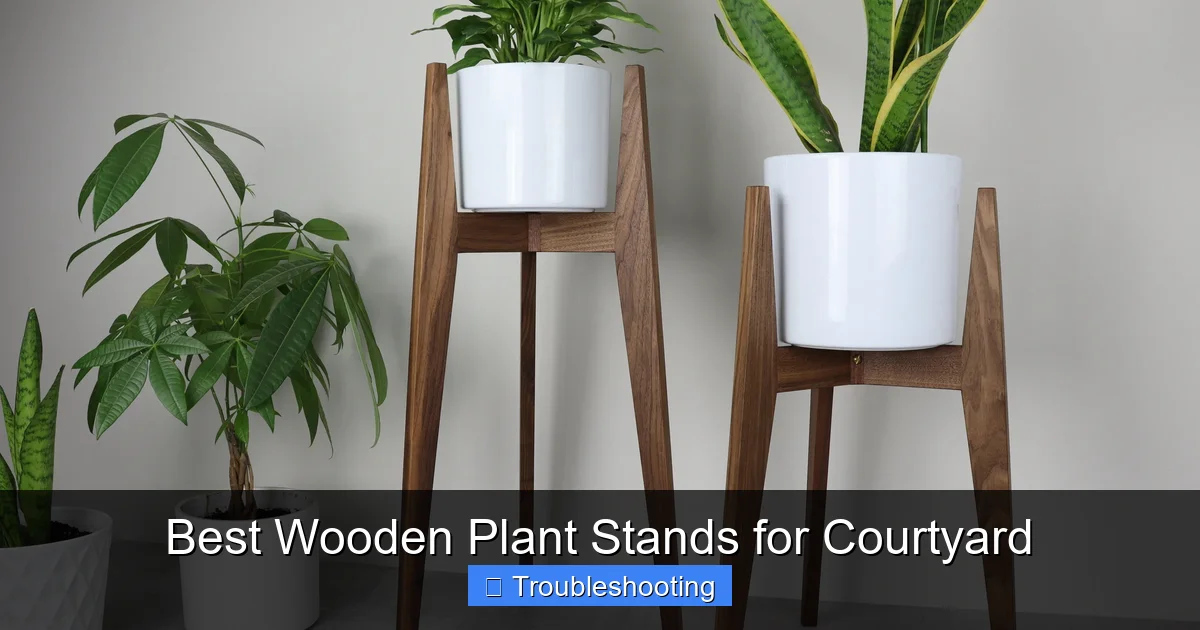
Visual guide about Best Wooden Plant Stands for Courtyard
Image source: i.etsystatic.com
Teak stands command premium prices. Expect to pay $200-800 for quality pieces. The investment pays off in decades of service. I have a teak plant stand from 1998 that still looks structural. It has survived hurricanes, blizzards, and three moves.
Western Red Cedar: Lightweight Champion
Cedar weighs 40% less than teak. This matters if you rearrange seasonally. The wood contains thujaplicins. These natural preservatives resist rot and insects. Cedar stands typically cost $100-400. They accept stain beautifully. You can match existing deck or fence colors.
One caveat. Cedar is softer than teak. Heavy pots can dent the surface over time. Use pot feet or protective pads. This distributes weight and prevents compression marks.
Acacia: Budget-Friendly Durability
Acacia offers impressive hardness at mid-range prices. Stands run $80-300. The wood resists scratches and dents better than cedar. Natural variation in grain creates visual interest. Acacia requires more frequent sealing than teak or cedar. Plan on resealing every 12-18 months in harsh climates.
Some acacia comes from invasive species removal programs. This makes it an eco-positive choice. Check for documentation if sustainability drives your purchase.
Eucalyptus: The Rising Star
Eucalyptus plantations produce dense, oil-rich wood. It machines well. It finishes beautifully. Prices sit between cedar and teak. $120-450 typical range. Sustainability credentials are strong. Fast growth cycles mean rapid carbon sequestration.
Early eucalyptus stands had warping issues. Modern kiln-drying solves this. Look for “kiln-dried to 8-10% moisture content” in specifications. This ensures stability through seasonal humidity swings.
Species to Avoid for Permanent Outdoor Use
Pine, fir, and spruce lack natural durability. Pressure-treated versions leach chemicals into soil. This can harm edible plants. Oak warps dramatically with moisture cycling. Maple and birch decay rapidly outdoors. Save these for indoor plant stands only.
Construction Details That Determine Longevity
Joinery Methods Matter More Than Wood Choice
A cedar stand with mortise-and-tenon joints outperforms a teak stand held by screws. Traditional joinery allows wood movement. Screws restrict movement. This causes splitting. Dowels and biscuits offer middle ground. They provide strength with some flexibility.
Examine joints before buying. Gaps should be hairline. Glue squeeze-out indicates proper clamping. Avoid stands with visible nail heads or staple crowns. These rust and stain wood. They also indicate mass-production shortcuts.
Hardware Quality Prevents Catastrophic Failure
Stainless steel 304 or 316 grade hardware is non-negotiable. Brass works but develops patina. Zinc-plated and galvanized hardware rust within two years in coastal areas. Rust stains wood permanently. It also weakens connections.
Check levelers on legs. Adjustable feet compensate for uneven pavers. They also promote airflow beneath the stand. This prevents moisture wicking into end grain. End grain absorbs water 100 times faster than face grain.
Drainage Design Protects Both Plants and Stands
Solid shelves trap water. This breeds mosquitoes. It rots wood. It drowns roots. The best wooden plant stands for courtyard use feature slatted shelves. Gaps of 1/4 to 1/2 inch allow drainage. They also permit air circulation. Some designs include removable drip trays. These protect patio surfaces while allowing inspection.
Tiered stands should stagger drainage paths. Water from upper tiers should not cascade onto lower plants. Look for offset shelf designs or integrated gutter channels.
Weight Capacity Ratings Prevent Disasters
Manufacturers should publish load ratings. No rating? Do not buy. A 12-inch ceramic pot with wet soil and a mature citrus tree weighs 80-120 pounds. Multiply by three for a three-tier stand. That’s 360 pounds on the bottom shelf. Undersized stands collapse. People get hurt. Plants get destroyed.
Look for 150-pound minimum per shelf for large plant stands. 75 pounds suffices for herb and flower displays. When in doubt, choose the higher rating. Over-engineering costs little. Under-engineering costs everything.
Matching Stand Styles to Courtyard Functions
Tiered Stands Maximize Vertical Space
Small courtyards benefit from vertical thinking. Three to five tier stands display 12-20 plants in a 2×2 foot footprint. Staggered heights ensure all plants receive light. Top tiers suit sun-lovers. Lower tiers accommodate shade-tolerant varieties.
Rotate tiers seasonally. Move sun-sensitive plants lower in summer. Bring tender plants higher in winter for frost protection. This flexibility defines the best wooden plant stands for courtyard gardening in variable climates.
Corner Units Transform Dead Space
Triangular corner stands fit snugly against walls. They utilize awkward angles. Five-tier corner units hold surprising plant quantities. They create living privacy screens when planted with tall grasses or bamboo.
Ensure corner units have wall clearance. At least 2 inches prevents moisture trapping against siding. Some models include mounting brackets for seismic zones or high-wind areas.
Rolling Caddies Enable Seasonal Migration
Heavy pots on locking casters change everything. Move citrus indoors before frost. Shift shade plants as sun angles change. Roll herbs to the kitchen door for harvesting. Quality casters support 200+ pounds each. Locking mechanisms prevent runaway stands on slopes.
Choose polyurethane wheels over rubber. Polyurethane resists UV degradation. It rolls smoothly over pavers and deck gaps. Rubber cracks and flat-spots within a year outdoors.
Pedestal Stands Create Focal Points
Single-pot pedestals elevate specimen plants. Japanese maples. Topiary forms. Large succulents. The stand becomes sculpture. Height ranges from 18 to 48 inches. Taller pedestals (36-48 inches) bring canopy-level interest to seating areas.
Stability increases with base width. Look for base-to-height ratios of 1:3 or wider. A 36-inch pedestal needs at least 12-inch base width. Weighted bases or ground anchors prevent tipping in wind.
Modular Systems Grow With Your Garden
Some brands offer interlocking components. Add tiers. Extend horizontally. Connect corner units. This adapts to changing plant collections. It also spreads cost over time. Start with a basic unit. Expand as budget allows.
Proprietary connection systems lock you into one brand. Universal designs using standard bolts offer more freedom. Check compatibility before investing in a system.
Protecting Your Investment: Maintenance Protocols
Annual Sealing Schedule
Mark your calendar. Early spring, before rainy season, is ideal. Clean first. Mild soap and soft brush. Rinse thoroughly. Dry 48 hours. Apply penetrating oil or film-forming sealant per manufacturer directions. Two thin coats beat one thick coat.
Penetrating oils (teak oil, tung oil) enhance grain. They require annual reapplication. Film-forming sealants (spar urethane, marine varnish) last 2-3 years. They alter wood appearance slightly. Choose based on aesthetic preference.
Seasonal Inspection Checklist
Spring: Check joints for opening. Tighten hardware. Inspect casters. Re-level feet. Summer: Monitor for insect activity. Carpenter bees love untreated cedar. Fill holes with wood putty. Fall: Clear debris from slats. Ensure drainage paths open. Winter: In freeze zones, elevate stands on bricks. Prevent freeze-thaw damage to legs.
Document with photos. Year-over-year comparison reveals slow degradation. Early intervention saves stands.
Hardware Maintenance
Stainless steel still benefits from attention. Spray with silicone lubricant annually. Work it into threads. Wipe excess. This prevents galling. Galling makes future adjustments impossible. If a bolt seizes, penetrating oil and patience usually work. Never force.
Refinishing Weathered Stands
Gray patina is not damage. It is surface oxidation. If you prefer original color, sand lightly. 120-grit followed by 220-grit. Remove dust. Apply brightener if needed. Then seal. This process restores appearance without removing significant material.
Deep cracks, splintering, or soft spots indicate structural issues. Sanding will not fix these. Replace affected components. Many manufacturers sell replacement parts. This extends stand life indefinitely.
Styling Strategies for Maximum Impact
Color Theory in Plant Stand Arrangements
Wood tone sets the palette. Warm teak complements cool foliage. Blue fescue. Silver eucalyptus. Purple basil. Cedar’s red undertones harmonize with warm flowers. Marigolds. Zinnias. Salvias. Acacia’s golden hue bridges both palettes.
Pot color matters too. Terracotta echoes wood warmth. Glazed ceramics in jewel tones create contrast. Matte concrete pots modernize traditional wood. Group pots in odd numbers. Three, five, seven. Vary heights within groups.
Creating Visual Rhythm
Repeat stand styles across the courtyard. Three matching tiered stands along a wall create rhythm. The eye moves naturally. This makes small spaces feel designed rather than cluttered. Vary plant selections on each stand for interest.
Alternate stand heights. Low, medium, tall, medium, low. This wave pattern draws viewers through the space. It also ensures light penetration to all plants.
Integrating Lighting
Solar spotlights at stand bases create drama. Uplight specimen plants. Downlight herb gardens for evening harvesting. String lights woven through tiered stands add magic. Choose warm white (2700K) for plants. Cool white stresses some species.
Run low-voltage wiring through stand legs during assembly. This hides cords. It protects connections. Plan lighting before final placement.
Seasonal Planting Rotations
The best wooden plant stands for courtyard gardens support year-round interest. Spring: Bulbs, pansies, early herbs. Summer: Heat-lovers, tropicals, vegetables. Fall: Mums, ornamental kale, late herbs. Winter: Evergreens, berries, structural branches.
Stands make rotations easy. Swap pots rather than replanting. Store off-season pots behind sheds. Label pots by season. This system keeps courtyards vibrant twelve months a year.
Budget Planning and Value Assessment
Price Tiers and What They Deliver
Entry level ($50-150): Acacia or plantation teak. Basic joinery. Limited hardware. 3-5 year lifespan with care. Good for renters or starter gardens.
Mid-range ($150-400): Cedar or quality eucalyptus. Mortise-and-tenon or dowel joinery. Stainless hardware. 10-15 year lifespan. Sweet spot for most homeowners.
Premium ($400-1000+): Old-growth teak or premium cedar. Traditional joinery. 316 stainless hardware. Custom sizing available. 25-50 year lifespan. Heirloom quality.
Custom ($800-3000+): Made-to-order dimensions. Exotic woods. Integrated features (irrigation, lighting, storage). Lifetime durability. Designer collaboration.
Hidden Costs to Factor In
Sealant: $20-40 annually. Replacement casters: $15-30 each. Pot feet: $10-20 per set. Winter storage (if applicable): $50-200 seasonally. Delivery: $50-300 depending on size and distance. Assembly: $0 (DIY) to $200 (professional).
Total five-year cost for mid-range stand: $150 + $100 (sealant) + $50 (hardware) + $200 (delivery/assembly) = $500. Amortized: $100/year. Compare to replacing cheap stands every 2-3 years at $80 each. Quality wins financially.
Where to Buy for Best Value
Local lumberyards often carry better stock than big boxes. They source regionally. They understand local climate demands. Specialty garden centers curate for performance. Online direct-from-maker brands eliminate middleman markup. They also offer better warranties.
Avoid marketplace sellers without clear return policies. Read three-star reviews. They reveal real-world durability issues that five-star reviews miss. One-star reviews often reflect shipping damage, not product flaws.
Troubleshooting Common Courtyard Stand Problems
Wobbling on Uneven Surfaces
Courtyard pavers settle. Decks slope for drainage. Adjustable feet solve 90% of wobbles. For fixed-leg stands, use composite shims. Cut from plastic decking boards. They never rot. Metal shims rust and stain. Wood shims compress and rot.
If wobble persists, check joinery. Loose joints flex under load. Disassemble, reglue, clamp. This restores rigidity. Prevent future loosening by avoiding drag-moving stands. Always lift.
Mold and Mildew Growth
Shaded, damp courtyards breed surface mold. It looks alarming but rarely damages sound wood. Mix 1 cup oxygen bleach per gallon water. Scrub with soft brush. Rinse. Dry. Apply mold-inhibiting sealant. Zinc naphthenate additives prevent recurrence.
Improve air circulation. Space stands 6 inches from walls. Prune overhanging foliage. Morning sun exposure dries surfaces fastest.
Pest Infestations
Carpenter bees bore perfect half-inch holes in cedar and pine. Fill holes with steel wool and wood putty. Paint or seal surfaces. Bees prefer bare wood. Termites build mud tubes on legs. Break tubes. Apply borate treatment to affected areas. Monitor monthly.
Ants farming aphids on plants? Treat the plants. The ants are not damaging the stand. They indicate plant health issues.
Water Staining on Patio Surfaces
Tannins in cedar and oak leach with rainwater. They stain concrete and stone permanently. Use drip trays. Elevate stands on rubber feet. Seal stand bottoms with epoxy. This blocks tannin migration. Clean stains immediately with oxalic acid wood bleach.
Real-World Case Studies
Urban Rooftop Courtyard: Wind and Weight Constraints
A 400-square-foot rooftop in Chicago needed greening. Weight limit: 40 psf. Wind gusts to 60 mph. Solution: Four 36-inch cedar pedestals with weighted bases. Each held a 24-inch fiberglass pot with dwarf Japanese maple. Total load: 28 psf. Low profile reduced wind catch. Three winters later, zero movement. Maples thriving.
Key takeaway: Match stand height to wind exposure. Tall tiered stands act as sails. Low pedestals stay grounded.
Mediterranean Courtyard: Heat and Drought
Tucson backyard. Summer temps 110°F. Intense UV. Solution: Teak tiered stands with integrated drip irrigation. Succulents and cacti in terracotta. Teak handles heat without checking. Drip lines concealed in stand legs. Plants watered daily at 4 AM. Zero stand degradation after four summers.
Key takeaway: Integrate irrigation during stand selection. Retrofitting damages finishes.
Coastal Courtyard: Salt and Humidity
Florida Keys property. Salt spray daily. Humidity 80%+. Solution: 316 stainless hardware throughout. Eucalyptus stands (sustainably sourced). Quarterly freshwater rinse. Annual marine-grade varnish. After six years, hardware pristine. Wood shows minimal checking.
Key takeaway: Hardware grade determines coastal survival. 304 stainless pits. 316 endures.
Making Your Final Decision
Decision Matrix: Match Your Priorities
Prioritize longevity? Choose teak. Prioritize mobility? Choose cedar with casters. Prioritize budget? Choose acacia with diligent sealing. Prioritize aesthetics? Choose custom. Prioritize sustainability? Choose FSC eucalyptus or reclaimed wood.
Most gardeners balance multiple priorities. Rank yours. Score each option 1-5 per criterion. Multiply by importance weight. Highest score wins. This removes emotion from significant purchases.
Questions to Ask Before Buying
What is the exact wood species and grade? What joinery methods are used? What hardware grade and finish? What is the published weight capacity per shelf? What finish is factory-applied? Is the finish food-safe for edible plants? What is the warranty? Are replacement parts available? What is the return policy? Can I see the stand assembled in person?
Reputable sellers answer all questions readily. Evasive answers signal quality issues.
Start Small, Expand Thoughtfully
Buy one stand. Live with it for a season. Observe how it weathers. Note maintenance reality versus expectation. Assess plant health on that stand. Then invest in matching pieces. This approach prevents costly mismatches.
Your courtyard evolves. Your plant collection evolves. The best wooden plant stands for courtyard spaces adapt alongside you. Choose quality. Maintain faithfully. Enjoy the beauty for decades.
Conclusion
Wooden plant stands anchor courtyard gardens in both function and beauty. The right stand elevates plants literally and aesthetically. It protects roots from temperature extremes. It organizes collections with intention. It weathers alongside your garden, gaining character rather than degrading.
Teak, cedar, acacia, and eucalyptus each offer distinct advantages. Construction quality separates heirlooms from landfill fodder. Mortise-and-tenon joinery. Stainless hardware. Slatted drainage. Adequate weight ratings. These details determine whether your stand lasts three years or thirty.
Match stand style to your courtyard’s rhythm. Tiered for density. Corner for dead space. Rolling for mobility. Pedestal for drama. Modular for growth. Maintain annually. Inspect seasonally. Refinish when desired. The effort is minimal. The reward is a courtyard that feels curated, alive, and deeply personal.
Your plants deserve the best foundation. Your courtyard deserves cohesive design. You deserve furniture that respects your investment. The best wooden plant stands for courtyard gardens deliver all three. Choose once. Choose well. Garden joyfully.
Frequently Asked Questions
What is the best wood for outdoor plant stands in humid climates?
Teak and eucalyptus perform best in high humidity due to their natural oil content and density. Both resist fungal growth and dimensional changes better than cedar or acacia. Choose kiln-dried stock at 8-10% moisture content for maximum stability.
How do I prevent my wooden plant stand from staining my patio?
Use drip trays under each pot, elevate stands on rubber feet or composite shims, and seal the bottom surfaces of stand legs with epoxy. Tannins in cedar and oak leach with rainwater and permanently stain concrete and stone.
Are tiered plant stands stable enough for windy rooftops?
Tiered stands act as sails in wind. For rooftops, choose low-profile pedestal stands (18-36 inches) with weighted bases or ground anchors. If using tiered stands, select models under 4 feet tall with wide base-to-height ratios of 1:3 or greater.
Can I use pressure-treated lumber for plant stands?
Avoid pressure-treated wood for edible plant stands. Chemicals can leach into soil. For ornamental plants only, use ground-contact rated lumber with a barrier (heavy plastic liner) between wood and soil. Naturally durable woods are safer and longer-lasting.
What hardware grade should I look for in coastal areas?
316 stainless steel (marine grade) is essential within 5 miles of saltwater. 304 stainless will pit and stain within 2-3 years. Brass works but develops patina. Never use zinc-plated or galvanized hardware outdoors near the coast.
How do I fix a wobbly wooden plant stand on uneven pavers?
Install adjustable feet if not present. For fixed legs, use composite shims cut from plastic decking boards. Never use wood shims (they rot) or metal shims (they rust and stain). Check and tighten all joinery annually as part of spring maintenance.