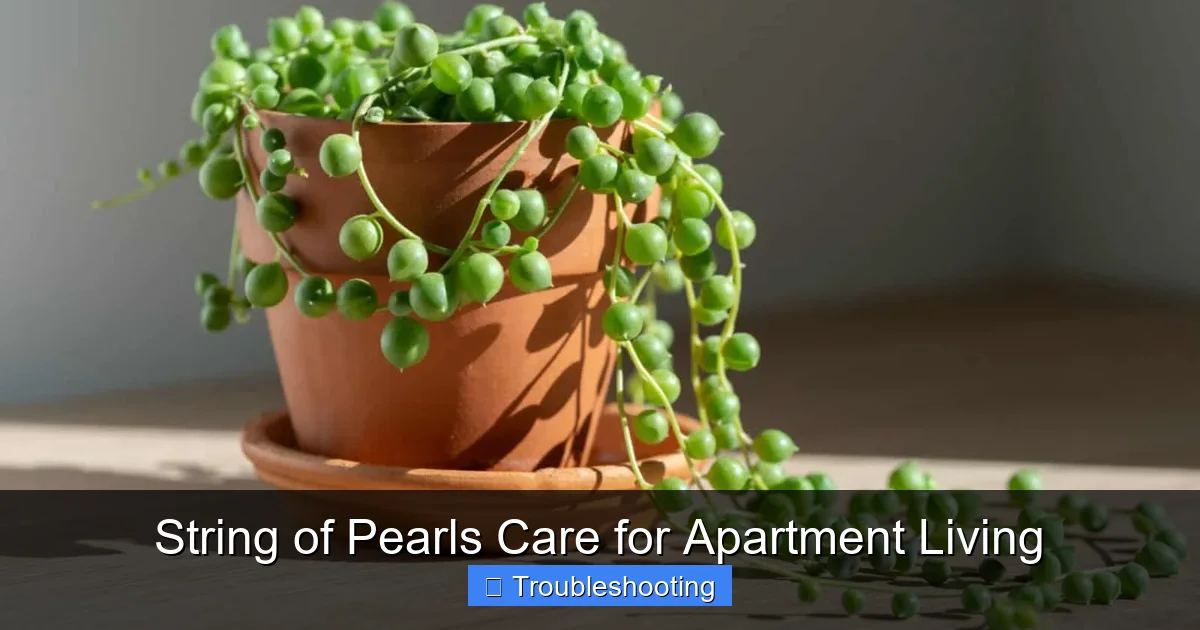
String of Pearls Care for Apartment Living
String of pearls thrives in bright, indirect light and needs a well‑draining pot. Water only when the top inch of soil feels dry. With the right routine, this trailing succulent adds green elegance to any apartment.
String of pearls care for apartment living begins with understanding the plant’s basic needs. This succulent stores water in its bead‑like leaves. It prefers bright light but can tolerate lower light for short periods. A small pot with drainage holes is essential for healthy roots.
Many apartment dwellers love the cascading look of string of pearls. The plant fits on shelves, hangs from macramé, or trails from a windowsill. Its low‑maintenance nature makes it ideal for busy city life. With a few simple habits, the plant stays vibrant year‑round.
In this guide you will learn light, water, soil, humidity, temperature, and propagation tips. Each section includes practical steps you can apply today. Follow the advice and your string of pearls care for apartment living will be stress‑free.
Key Takeaways
- Light: Place the plant near a south or east window for bright indirect light.
- Water: Let the soil dry out completely between waterings to avoid rot.
- Soil: Use a cactus mix with added perlite for fast drainage.
- Humidity: Average indoor humidity works; no extra misting needed.
- Temperature: Keep the plant between 65 °F and 80 °F for best growth.
- Propagation: Stem cuttings root quickly in water or soil.
- Troubleshooting: Shriveled beads mean underwatering; yellow beads mean overwatering.
Quick Answers to Common Questions
How often should I water my string of pearls in an apartment?
Water when the top inch of soil feels dry, typically every 7‑10 days in summer and every 3‑4 weeks in winter.
Can string of pearls survive low light?
It tolerates low light for short periods but grows best with bright indirect light.
What soil mix works best for string of pearls?
A cactus mix combined with perlite or pumice provides the fast drainage the plant needs.
How do I propagate string of pearls?
Take a 4‑inch stem cutting, remove lower beads, and root in water or directly in moist succulent soil.
Why are my beads shriveling?
Shriveled beads usually mean the plant is underwatered; give it a thorough soak and adjust the schedule.
📑 Table of Contents
Understanding the String of Pearls Plant
String of pearls care for apartment living starts with knowing the plant’s anatomy. The stems are thin and can grow several feet long. Each bead stores water, allowing the plant to survive drought. The root system stays shallow, so a shallow pot works well.
What Makes It Unique
Unlike many succulents, string of pearls grows as a trailing vine. The beads are actually modified leaves. They photosynthesize and hold moisture at the same time. This dual function makes the plant both decorative and resilient.
Growth Habit in Small Spaces
In an apartment the vine can be trained along a shelf edge. It also looks great in a hanging basket near a window. The plant does not need a large footprint. A 4‑inch pot provides enough room for roots to expand.
Light Requirements in an Apartment
String of pearls care for apartment living depends heavily on light quality. Bright indirect light encourages tight, plump beads. Too little light leads to stretched stems and pale color. Direct afternoon sun can scorch the beads.
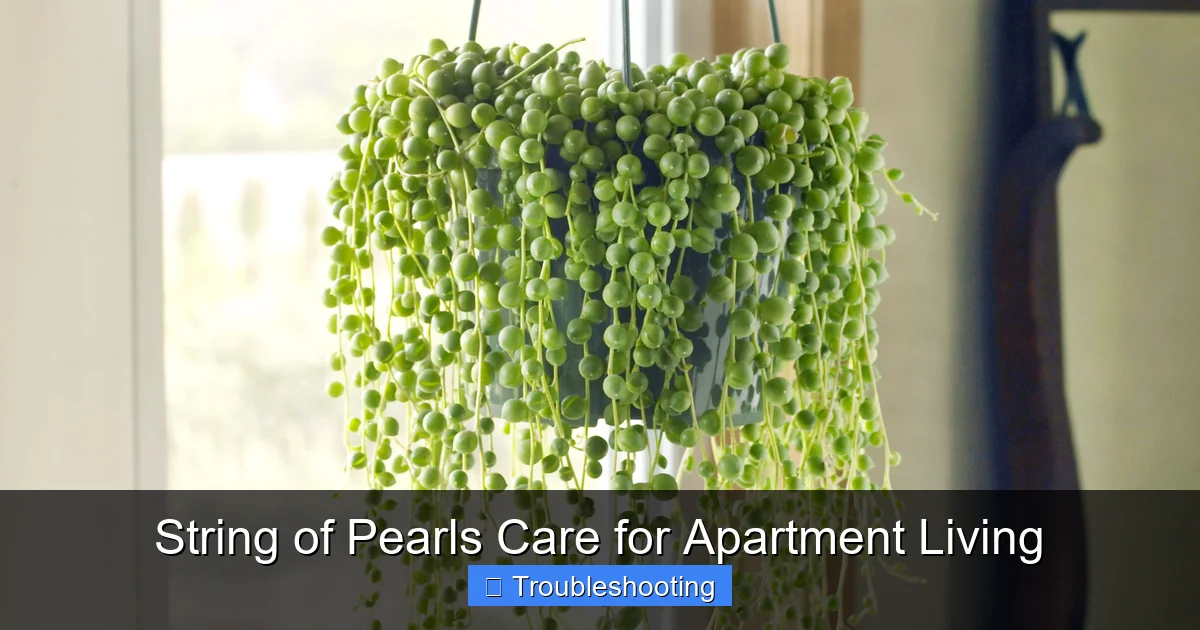
Visual guide about String of Pearls Care for Apartment Living
Image source: bhg.com
Best Window Directions
A south‑facing window gives the most consistent light. An east‑facing window offers gentle morning sun. West windows can work if you filter the harsh afternoon rays. North windows usually provide insufficient intensity.
Supplementing With Grow Lights
If natural light is limited, a full‑spectrum LED grow light helps. Place the light 12‑18 inches above the plant. Run it for 12‑14 hours a day. This mimics the long daylight hours the plant prefers.
Watering Routine for Small Spaces
String of pearls care for apartment living requires a careful watering schedule. Overwatering is the most common cause of failure. The soil must dry completely before the next drink. A moisture meter or finger test works well.
How to Check Soil Moisture
Insert your finger one inch into the soil. If it feels dry, water thoroughly until excess drains out. If it feels moist, wait a few more days. This simple check prevents root rot.
Seasonal Adjustments
During summer the plant may need water every 7‑10 days. In winter reduce frequency to every 3‑4 weeks. Cooler temperatures slow evaporation. Adjusting the schedule keeps the beads firm year‑round.
Soil, Potting, and Drainage Tips
String of pearls care for apartment living thrives in a fast‑draining mix. Standard potting soil holds too much water. A cactus or succulent blend with added perlite or pumice works best. The mix should feel gritty, not soggy.
Choosing the Right Mix
Combine two parts cactus soil with one part perlite. Add a handful of coarse sand for extra drainage. This blend mimics the plant’s native rocky habitat. It also prevents compaction over time.
Pot Size and Material
Choose a pot only slightly larger than the root ball. Terracotta pots wick moisture away, which is ideal. Plastic pots retain water longer, so use them only if you monitor moisture closely. Ensure every pot has drainage holes.
Humidity, Temperature, and Airflow
String of pearls care for apartment living does not demand high humidity. Average indoor levels around 40‑50 % are fine. Good airflow reduces fungal issues. Avoid placing the plant near heating vents or cold drafts.
Ideal Temperature Range
Keep the environment between 65 °F and 80 °F. Temperatures below 50 °F can cause bead drop. Sudden temperature swings stress the plant. A stable room temperature promotes steady growth.
Boosting Humidity Without a Humidifier
Group plants together to create a microclimate. Place a shallow tray of water near the plant. The evaporating water raises local humidity slightly. This simple trick helps during dry winter months.
Common Problems and Quick Fixes
String of pearls care for apartment living includes recognizing early warning signs. Shriveled beads usually mean the plant is thirsty. Yellow or mushy beads indicate too much water. Pests like mealybugs appear as white cottony spots.
Shriveled Beads
Increase watering frequency slightly. Ensure the soil dries fully between drinks. A thorough soak restores turgor in the beads. Within a week the beads should plump up again.
Yellowing Leaves
Cut back on watering immediately. Check that the pot drains well. Remove any mushy beads to prevent rot spread. Repot in fresh dry mix if the soil stays wet.
Pest Management
Wipe mealybugs off with a cotton swab dipped in rubbing alcohol. Repeat every few days until gone. Neem oil spray works as a preventive measure. Keep the plant clean to discourage future infestations.
Propagation and Styling Ideas
String of pearls care for apartment living makes propagation easy. Stem cuttings root quickly in water or directly in soil. This lets you expand your collection or share with friends. Styling the vines adds visual interest to any room.
Stem Cuttings in Water
Snip a 4‑inch segment just below a bead. Remove the lower beads to expose nodes. Place the cutting in a glass of water. Change water weekly. Roots appear in 2‑3 weeks, then transplant to soil.
Creative Hanging Displays
Use macramé hangers near a bright window. Let the vines cascade over a bookshelf. Combine with other trailing plants for a layered look. The lightweight vines need only a small hook.
Final Thoughts
String of pearls care for apartment living is simple when you follow the basics. Bright indirect light, well‑draining soil, and a dry‑between‑waterings routine keep the plant happy. Monitor for shriveled or yellow beads and adjust quickly. Propagation lets you fill every corner with green beads. Enjoy the low‑maintenance beauty this succulent brings to your home.
Frequently Asked Questions
What is the ideal temperature for string of pearls?
The ideal temperature range is 65 °F to 80 °F. Avoid temperatures below 50 °F as they can cause bead drop.
Do I need to mist string of pearls?
No misting is required. Average indoor humidity is sufficient for healthy growth.
Can I keep string of pearls in a bathroom?
Yes, if the bathroom receives bright indirect light and has good airflow.
How do I prevent root rot?
Use a well‑draining pot, fast‑draining soil, and let the soil dry completely between waterings.
What pests commonly affect string of pearls?
Mealybugs are the most common pest; they appear as white cottony clusters on stems and beads.
Can string of pearls grow outdoors in summer?
It can summer outdoors in a shaded spot, but bring it inside before temperatures drop below 50 °F.