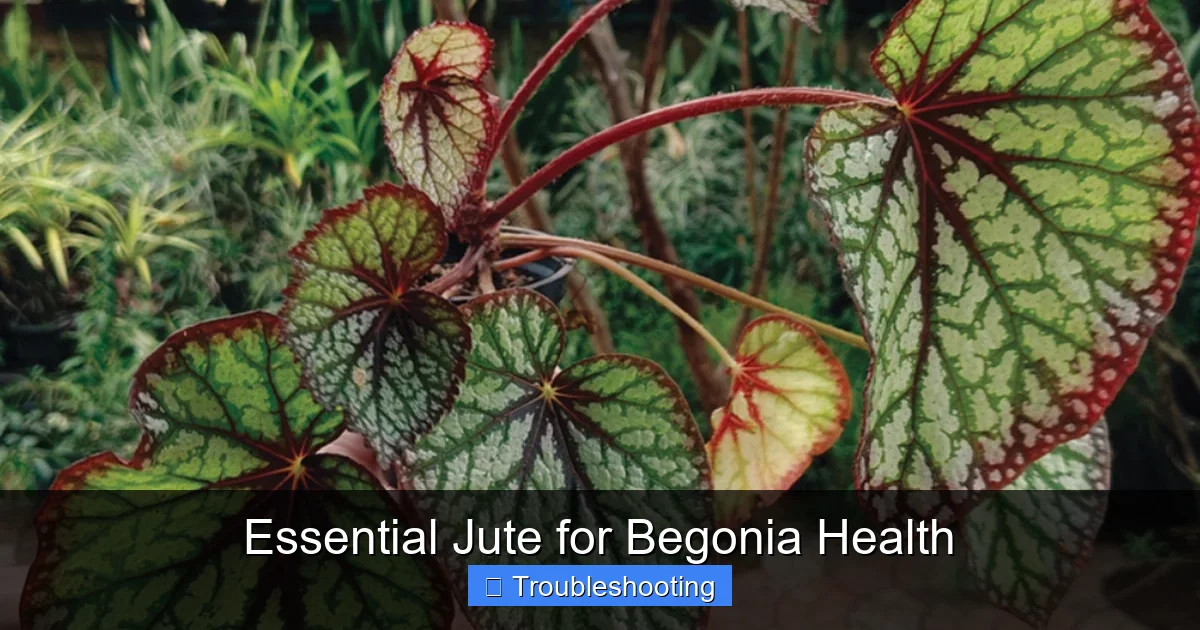
Essential Jute for Begonia Health
Essential jute for begonia health is a natural fiber that improves drainage, reduces fungal risk, and supports strong stems. Using it correctly can transform struggling begonias into thriving plants.
Key Takeaways
- Improved drainage: Jute creates air pockets that keep roots from sitting in water.
- Natural disease barrier: The fiber limits moisture on leaves, lowering fungal infections.
- Eco‑friendly support: Jute stakes and twine are biodegradable and safe for indoor gardens.
- Easy to prepare: Soak, cut, and layer jute in minutes for immediate benefits.
- Versatile uses: Mulch, liner, stake, or humidity tray – jute fits many roles.
- Cost effective: A small roll lasts multiple seasons, saving money on synthetic products.
- Long‑term health: Regular jute use promotes steady growth and vibrant blooms.
Quick Answers to Common Questions
What is the main benefit of using jute for begonias?
Jute improves drainage and airflow around roots, reducing rot risk.
Can I reuse jute liners each season?
It is best to replace liners annually because they degrade and can harbor salts.
Does jute affect soil pH?
No, jute is pH neutral and does not alter soil acidity.
How thick should a jute mulch layer be?
A half‑inch layer is enough to suppress evaporation without compacting soil.
Is jute safe for indoor begonia collections?
Yes, jute is non‑toxic, biodegradable, and safe for pets and people.
📑 Table of Contents
Why Jute Matters for Begonias
Begonias love moisture but hate soggy roots. When soil stays wet too long, rot sets in fast. That is where essential jute for begonia health shines. The natural fibers create tiny channels that let excess water escape while holding just enough moisture for the plant. You get a balanced environment without any chemical additives.
Jute also breathes. Unlike plastic liners, it allows air to move through the pot. This airflow keeps the root zone oxygenated, which is critical for nutrient uptake. Many growers notice faster leaf expansion after adding a thin jute layer at the bottom of the container.
Another bonus is disease prevention. Damp surfaces on stems and leaves invite powdery mildew and botrytis. A jute mulch on top of the soil absorbs splash water, keeping foliage dry. The result is fewer spots and a cleaner look.
Choosing the Right Jute Material
Raw vs. Treated Jute
Raw jute is untreated and fully biodegradable. It breaks down slowly, feeding the soil as it decomposes. Treated jute may have a light coating for durability, but it can reduce breathability. For essential jute for begonia health, raw jute is usually the better pick.
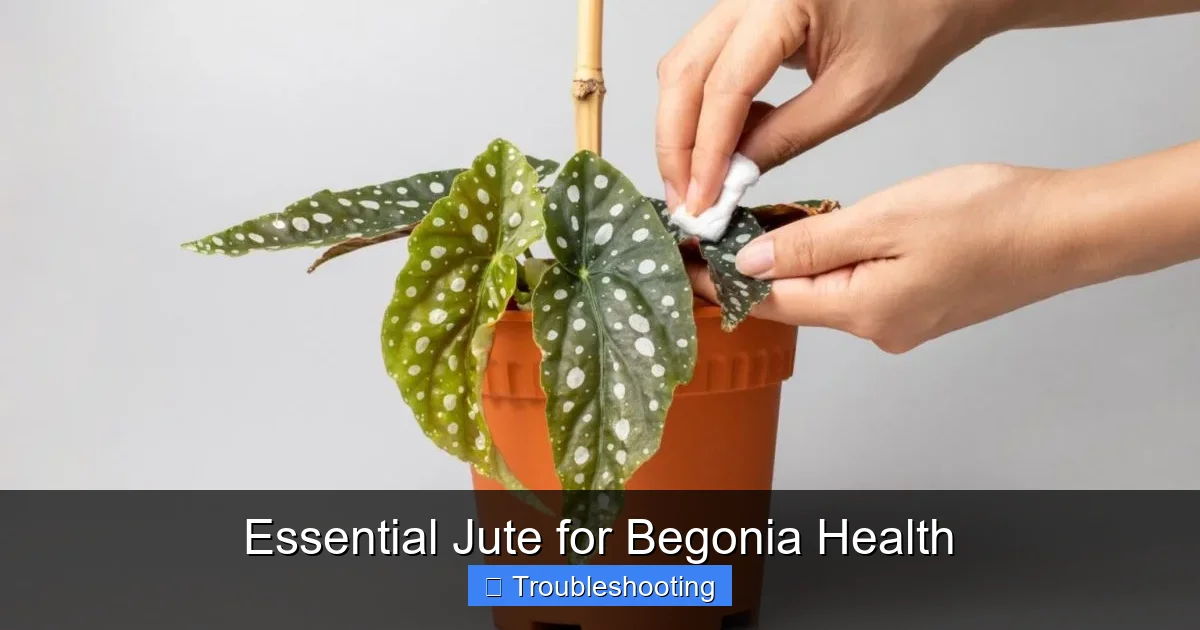
Visual guide about Essential Jute for Begonia Health
Image source: houseplantcentral.com
Thickness and Weave
Thin, loosely woven jute works well as a liner. Thicker, tightly woven pieces are ideal for stakes or twine. Match the thickness to the job: a 2‑mm sheet for pot liners, a 5‑mm rope for supporting tall canes.
Source and Sustainability
Look for jute labeled “organic” or “fair trade.” These certifications guarantee no harsh chemicals were used during processing. Sustainable sourcing also means the fibers retain their natural strength longer.
Preparing Jute for Your Begonia Pots
Soaking and Softening
Before use, soak jute in lukewarm water for 10‑15 minutes. This softens the fibers, making them easier to cut and shape. After soaking, wring out excess water – you want damp, not dripping.
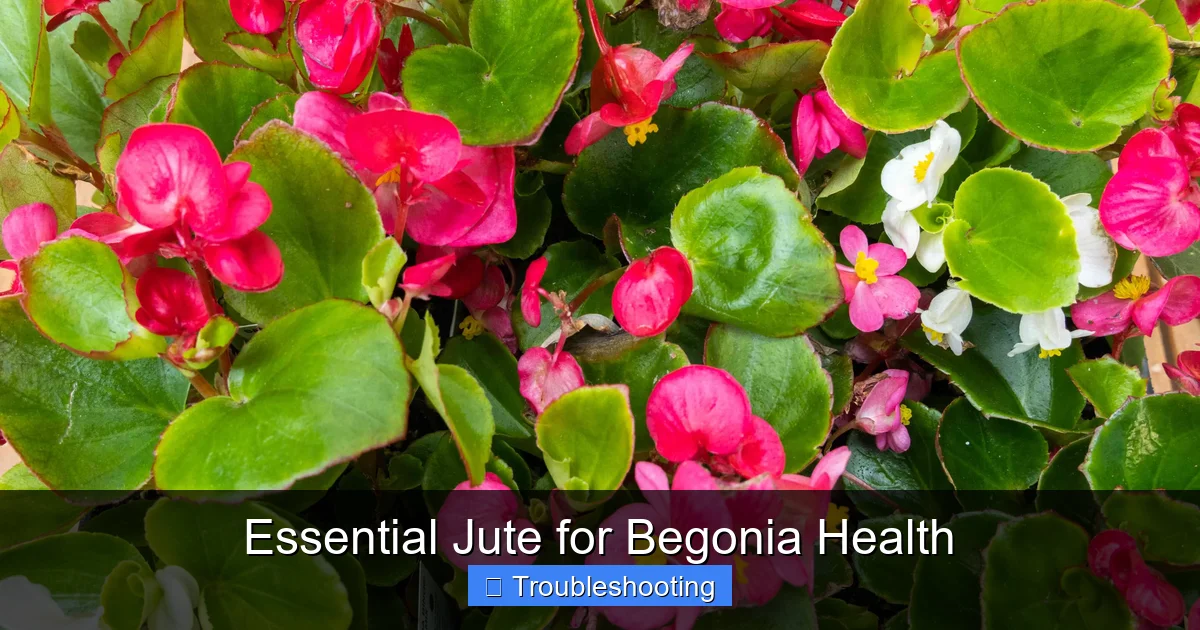
Visual guide about Essential Jute for Begonia Health
Image source: thespruce.com
Cutting to Size
Measure the interior diameter of your pot. Cut a circle of jute that sits just above the drainage holes. For a liner, leave a 1‑inch overlap up the sides. Sharp scissors give clean edges that won’t fray.
Layering Technique
Place the jute circle at the bottom of the pot. Add a thin layer of coarse perlite or bark on top. Then fill with your regular begonia mix. The jute acts as a filter, stopping soil from washing out while still letting water pass.
Using Jute as a Mulch and Support
Surface Mulch
Spread a ½‑inch layer of shredded jute over the soil surface. This mulch reduces evaporation, keeps temperature steady, and blocks weed seeds. Because jute is light, it won’t compact the soil.
Staking Tall Varieties
Some begonias grow tall and need a gentle guide. Wrap jute twine around the main stem and a bamboo stake. Tie loosely in a figure‑eight pattern. The natural fiber stretches slightly, preventing stem damage.
Humidity Trays
Place a shallow tray filled with wet jute beneath the pot. As the water evaporates, humidity rises around the leaves. This trick is especially helpful in dry indoor winter air.
Common Problems and How Jute Helps
Root Rot
Root rot is the number one killer of begonias. The improved drainage from a jute liner cuts the risk dramatically. If you already see mushy roots, repot with fresh mix and a new jute layer.
Leaf Spot and Mildew
Water splashing on leaves spreads spores. A jute mulch catches droplets, keeping foliage dry. Pair this with morning watering for best results.
Weak Stems
Leggy growth often comes from low light. Jute stakes give physical support while the plant builds stronger tissue. Combine with brighter light for faster recovery.
Nutrient Lockout
Compacted soil blocks nutrient flow. The air channels in jute keep the medium loose, allowing roots to explore and absorb fertilizer efficiently.
Long‑Term Care Tips with Jute
Seasonal Replacement
Jute breaks down over 12‑18 months. At each repotting, discard the old liner and add a fresh piece. This maintains optimal drainage and prevents buildup of salts.
Monitoring Moisture
Even with jute, check soil moisture with your finger. The top inch should feel slightly dry before watering again. Overwatering defeats the purpose of the fiber.
Fertilizer Compatibility
Organic fertilizers work well with jute because they release slowly. Synthetic salts can accumulate, so flush the pot monthly with clear water.
Cleaning and Reuse
If a jute stake looks clean, rinse and dry it for another season. Avoid reusing mulch that shows mold or discoloration.
Integrating with Other Amendments
Mix jute with coconut coir or peat for a custom blend. The combination balances water retention and aeration, giving your begonias a tailor‑made home.
Conclusion
Adding essential jute for begonia health to your care routine is a simple, natural upgrade. It solves drainage woes, cuts disease pressure, and provides gentle support – all without synthetic chemicals. Start with a liner, try a mulch layer, and watch your begonias respond with brighter leaves and more blooms. Happy growing!
Frequently Asked Questions
How often should I replace the jute liner in my begonia pots?
Replace the jute liner every 12 to 18 months or at each repotting to maintain optimal drainage and prevent salt buildup.
Can I use jute twine to tie up all types of begonias?
Jute twine works well for most upright and cane‑type begonias; for delicate trailing varieties, use a softer plant tie to avoid stem damage.
Will jute mulch attract pests?
Jute is not a food source for common indoor pests, but keep the mulch dry on the surface to discourage fungus gnats.
Do I need to soak jute before every use?
Soaking once before the first use softens fibers; after that, you can cut and place dry jute directly if it is already pliable.
Can jute be combined with synthetic liners?
Mixing jute with plastic liners reduces breathability; it is better to use jute alone for the full benefit.
What is the best way to dispose of old jute?
Compost old jute pieces; they break down naturally and add organic matter to the compost pile.