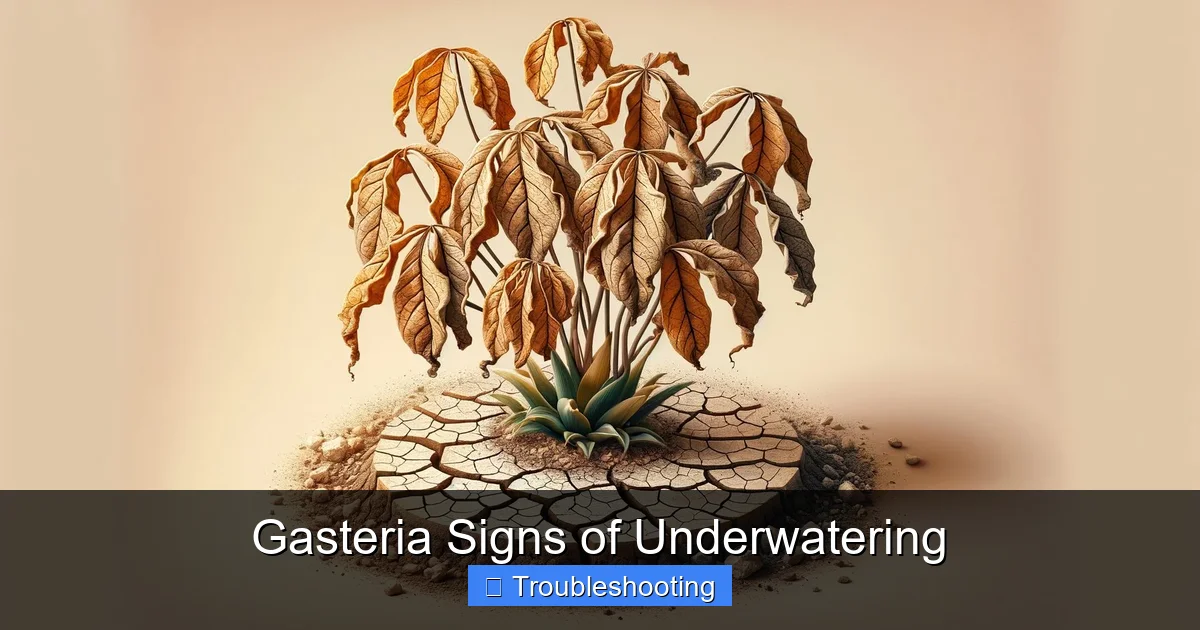
Gasteria Signs of Underwatering
Gasteria signs of underwatering include wrinkled leaves, brown tips, and slow growth. Catch these symptoms early and follow our step-by-step recovery guide to bring your succulent back to health.
You walk past your gasteria on the windowsill and something looks off. The leaves that once stood proud and plump now seem a little sad. Maybe they’ve lost their shine. Maybe the tips have turned crispy brown. If you’re nodding along, you’re not alone. Many plant parents mistake these subtle cries for help as just “how the plant looks.” But here’s the thing: your gasteria is trying to tell you something. Learning to read gasteria signs of underwatering can save your plant before permanent damage sets in.
Gasteria plants are tough cookies. They hail from South Africa, where they’ve evolved to survive drought like champions. Their thick, fleshy leaves store water for lean times. This survival strategy works great in the wild. In our homes, though, it can mask problems until they become serious. The plant keeps looking okay on the outside while running on empty inside. By the time obvious symptoms appear, the plant has often been struggling for weeks. The good news? Gasteria bounces back beautifully when you catch the problem early and know what to do.
Key Takeaways
- Wrinkled leaves are the first clue: Gasteria leaves lose their plump, firm texture and develop a deflated appearance when thirsty.
- Brown leaf tips signal chronic dryness: Crispy, brown edges mean the plant has been underwatered for an extended period.
- Slow or stalled growth indicates water stress: A healthy gasteria produces new leaves regularly during growing season.
- Leaf curling protects remaining moisture: Leaves may curl inward or fold to reduce surface area and water loss.
- Root inspection confirms the diagnosis: Dry, brittle roots versus mushy roots distinguish underwatering from overwatering.
- Deep, infrequent watering beats frequent sips: Soak the soil thoroughly, then let it dry completely before watering again.
- Adjust care with the seasons: Gasteria needs less water in winter dormancy and more during active spring and summer growth.
Quick Answers to Common Questions
How often should I water my gasteria?
Water only when the soil is completely dry at root depth (2-3 inches down). This typically means every 7-10 days in spring and fall, every 2-3 weeks in summer heat, and once a month or less in winter dormancy.
Can wrinkled gasteria leaves recover?
Yes, mildly to moderately wrinkled leaves will plump back up within 24-48 hours after a thorough bottom watering. Severely wrinkled leaves may recover partially but often retain some permanent texture changes.
Should I cut off brown tips on my gasteria?
You can trim brown tips for appearance using sterilized scissors cut at an angle. The brown tissue is dead and won’t recover, but trimming isn’t necessary for plant health. Only remove completely dried, papery leaves.
Why is my gasteria not growing new leaves?
Stalled growth during spring or fall usually indicates underwatering. The plant pauses growth to conserve water. Resume proper watering and new growth should resume within 2-3 weeks if roots are healthy.
Is bottom watering better for gasteria?
Yes, bottom watering is ideal for gasteria. It ensures even soil saturation, prevents hydrophobic soil issues, keeps leaves dry to avoid fungal spots, and mimics natural rainfall absorption patterns.
📑 Table of Contents
Understanding Gasteria Water Needs
Natural Habitat Clues
To understand what your gasteria wants, look at where it comes from. These succulents grow in the Eastern Cape of South Africa. The region gets rainfall mostly in spring and autumn. Summers can be hot and dry. Winters are cool with very little rain. The plants grow tucked into rock crevices or in the shade of larger shrubs. Their roots grab moisture quickly when it rains, then the plants coast on stored water.
This background tells you everything about watering. Gasteria wants a good soak that mimics a rainstorm. Then it wants the soil to dry out completely, just like the rocky soil in its native habitat. Constant moisture is foreign to these plants. Their roots need air pockets in the soil. Wet soil pushes out air and invites rot. The cycle is simple: soak, dry, repeat. The timing changes with seasons, but the principle stays the same.
Leaf Structure and Water Storage
Those thick, tongue-shaped leaves aren’t just for show. Each leaf works like a water balloon. The outer skin is thick and waxy, slowing evaporation. Inside, specialized cells hold water in a gel-like matrix. When full, leaves feel firm and cool. As water depletes, the gel shrinks. The leaf loses pressure, becoming soft and flexible. This is by design. The plant sacrifices leaf fullness to keep the crown and roots alive.
Different gasteria species store water differently. Gasteria batesiana has thick, rough leaves that hold lots of water. Gasteria ‘Little Warty’ has smaller leaves with less capacity. Gasteria glauca has a waxy coating that reduces water loss. Knowing your specific variety helps you gauge normal versus stressed. But all gasteria share the same basic signals when thirsty.
Seasonal Growth Patterns
Gasteria grows actively in spring and autumn. These are the shoulder seasons in its native range. During these times, the plant pushes new leaves from the center. It needs more water to support this growth. Summer often brings a semi-dormant period. Growth slows or stops. The plant focuses on survival. Water needs drop. Winter is full dormancy in many climates. The plant rests. Water needs are minimal.
Indoor growing changes this rhythm somewhat. Consistent temperatures and light can keep gasteria growing year-round. But the plant still benefits from a winter rest. Reduce watering significantly from late fall through early spring. This mimics nature and prevents weak, etiolated growth. Watch your plant. It will show you when it’s ready to grow again.
Early Warning Signs of Underwatering
Subtle Texture Changes
The very first gasteria signs of underwatering show up in leaf texture. Run your finger along a healthy leaf. It feels smooth, firm, cool. Like a taut balloon. Now check a thirsty plant. The leaf yields slightly to pressure. It’s not mushy. That’s overwatering. It’s just… less resistant. The surface might feel slightly less glossy. The waxy cuticle loses some luster as internal pressure drops.
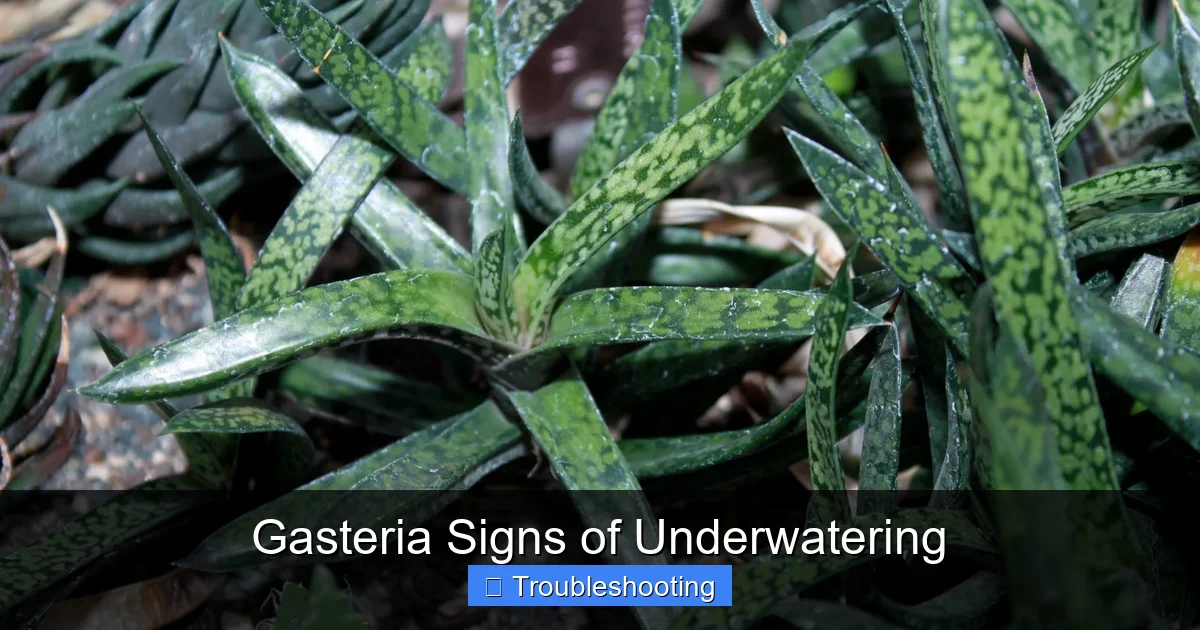
Visual guide about Gasteria Signs of Underwatering
Image source: cibercactus.com
This change happens gradually. You might not notice day to day. Take photos weekly. Compare them side by side. The difference becomes obvious in pictures. A healthy gasteria leaf reflects light evenly. A dehydrated leaf looks slightly dull, almost matte. This sign appears before any visible wrinkling. Catching it here means a simple watering fixes everything. No recovery period needed.
Slight Leaf Softening
Gently squeeze a leaf between thumb and forefinger. A well-hydrated gasteria leaf resists. It feels like pressing on a firm rubber eraser. An underwatered leaf gives way. You can feel the internal structure collapsing slightly. The leaf might even bend a little without springing back immediately. This is the plant using its reserves.
Test the same leaf position on different plants if you have multiples. Compare the oldest outer leaves to the newest center leaves. Outer leaves soften first. The plant prioritizes new growth. If even the center leaves feel soft, the situation is serious. The plant has exhausted all reserves. But if only outer leaves yield, a thorough soak will restore them quickly.
Color Shifts You Might Miss
Healthy gasteria leaves have a distinct color. Deep green, often with white spots or bands. Some varieties show reddish tones in bright light. Underwatering shifts these colors subtly. The green may deepen, looking almost gray-green. The vibrant contrast of spots fades. Red tones might intensify as stress pigments activate. These changes are easy to dismiss as light adaptation.
Here’s a trick. Water the plant thoroughly. Wait 24 hours. Check the color again. If the leaves brighten and spots pop, you’ve confirmed dehydration. The plant was dull from thirst, not light. This test works because gasteria rehydrates fast. The color change reverses within hours if caught early. If color doesn’t improve, the issue might be root damage or nutrient deficiency instead.
Growth Rate Slowdown
Gasteria isn’t a speed demon. But during growing season, you should see new leaves emerging from the center every few weeks. A healthy plant might produce 4-6 new leaves per growing season. Underwatering puts growth on pause. The plant conserves energy. No new leaves appear. Existing leaves don’t lengthen. The whole plant seems frozen in time.
Mark the date when you last saw a new leaf. If it’s been 6-8 weeks during spring or autumn with no action, check soil moisture. The plant might be waiting for water. Resume proper watering and watch. New growth usually resumes within 2-3 weeks. If it doesn’t, investigate roots. Chronic underwatering can damage root tips, slowing recovery even after water returns.
Advanced Symptoms of Severe Dehydration
Visible Wrinkling and Deflation
This is the classic sign everyone recognizes. Leaves develop horizontal wrinkles, like a deflating balloon. The wrinkles run across the leaf width, not lengthwise. Deep grooves form between raised ridges. The leaf looks corrugated. In severe cases, the leaf collapses inward, folding on itself. The plant looks distinctly shriveled.
Different species wrinkle differently. Gasteria verrucosa shows dramatic accordion folds. Gasteria pillansii leaves flatten against the stem. Gasteria disticha leaves curl dramatically. But all show the same principle: volume loss. The internal water columns have collapsed. The leaf structure buckles without internal pressure to hold it rigid.
Brown, Crispy Leaf Tips
Brown tips are the calling card of chronic underwatering. The very ends of leaves turn tan, then brown, then papery. This tissue is dead. It won’t green up again. The damage starts at the tip because that’s farthest from the roots. Water travels from roots to crown to leaf tips. When supply runs low, the tips get cut off first. It’s plant triage.
You might see a yellow halo between green and brown. This transition zone shows where cells are dying. The brown part crumbles if you rub it. The yellow part feels dry but intact. If only the very tips are brown, the plant recovers fully. The damaged tips just stay brown. You can trim them for aesthetics. Cut at an angle to mimic natural leaf shape. Sterilize scissors first.
Leaf Curling and Folding
As dehydration progresses, leaves curl inward. The edges roll toward the center. This reduces surface area exposed to air, slowing water loss. It’s a survival reflex. In extreme cases, leaves fold completely, touching each other across the crown. The plant becomes a tight, closed rosette. This protects the growing point at the center.
Don’t force leaves open. They’ll uncurl naturally when rehydrated. Forcing them tears tissue. The curling mechanism involves specialized cells that change shape with water pressure. When pressure returns, they relax. This takes 24-48 hours after a good soak. If leaves stay curled after watering, root damage may prevent water uptake. Check roots before assuming the plant is a lost cause.
Oldest Leaves Drying Completely
The bottom, oldest leaves sacrifice themselves first. They yellow, then brown, then turn into papery husks. The plant absorbs any remaining nutrients and water from these leaves before letting them go. This is normal to an extent. Succulents naturally shed oldest leaves. But accelerated shedding signals stress.
Count how many leaves have dried in the past month. One or two is normal turnover. Four or five means the plant is cannibalizing itself to survive. The stem might become visible as leaves drop. This exposes the stem to sunburn and pests. If you see this, the plant needs immediate intervention. But don’t panic. Even a stem with a few top leaves can regrow a full rosette.
Soil Pulling Away from Pot Edges
Peek at the soil surface. Severely dry soil shrinks. It pulls away from the pot sides, creating a gap. Water poured into this gap runs straight down the sides and out the drainage holes. The root ball stays bone dry. This is hydrophobic soil. It repels water instead of absorbing it. The gap is a clear visual indicator that the soil has been dry too long.
Regular potting mix does this. So does pure succulent mix if it contains peat. Once peat dries completely, it resists rewetting. The solution isn’t more water. It’s bottom watering. Set the pot in a tray of water. Let the soil drink from the bottom up. This forces water into the hydrophobic layer. Takes 20-30 minutes. The soil surface will darken when saturated.
How to Confirm It’s Underwatering (Not Overwatering)
The Finger Test Deep Dive
Everyone says “stick your finger in the soil.” But how deep? For gasteria, check 2-3 inches down. The top inch dries fast. That’s normal. The root zone matters. If soil at 2 inches is bone dry, it’s underwatering. If it’s damp or wet, stop. Overwatering causes similar above-ground symptoms. The finger test is your first line of defense.
Use a wooden chopstick if you hate dirty fingers. Push it to the bottom. Leave it 30 seconds. Pull it out. Damp soil clings to the wood. Dry soil falls off clean. A moisture meter works too. But cheap ones are unreliable. The chopstick never lies. Test multiple spots around the pot. Soil dries unevenly. One dry spot doesn’t mean the whole pot is dry.
Root Inspection: The Truth Teller
Roots don’t lie. Gently unpot the plant. Brush away loose soil. Healthy gasteria roots are thick, white or pale tan, firm. They snap crisply if bent. Underwatered roots are thinner, brownish, brittle. They snap with no resistance, like dry twigs. Some may be papery hollow tubes. The root tips, crucial for water uptake, are often shriveled or missing.
Overwatered roots tell a different story. They’re brown or black, mushy, slimy. They fall apart when touched. They smell sour or rotten. The outer cortex slips off the inner stele like a wet sock. This is root rot. Completely different problem. If you see mushy roots, you have overwatering, even if leaves look wrinkled. The plant can’t uptake water because roots are dead.
Leaf Feel: Firm vs Mushy
This is the quickest field test. Squeeze a leaf. Underwatered: firm but yielding, like a slightly soft grape. The leaf holds its shape. Overwatered: mushy, translucent, might burst liquid if squeezed hard. The leaf collapses under light pressure. The difference is unmistakable once you’ve felt both.
Check multiple leaves. Overwatering often affects lower leaves first. They turn yellow, then translucent, then mush. Underwatering affects all leaves similarly, though oldest show it most. If top leaves are firm but bottom are mushy, that’s overwatering. If all leaves are soft and wrinkled, that’s underwatering. Mixed signals mean mixed problems. Check roots to be sure.
Pot Weight Comparison
Lift the pot. A recently watered pot feels heavy. A bone-dry pot feels suspiciously light. Learn the weight difference. After watering, lift it. Feel the heft. Wait until soil is dry. Lift again. Memorize the light weight. This becomes your fastest check. No tools needed. Just pick it up.
This works best with lightweight pots. Plastic, terracotta, ceramic all work. Heavy decorative cachepots make it harder. If your gasteria sits in a heavy outer pot, lift the inner nursery pot instead. Or use the chopstick method. Weight is a great supplementary check but shouldn’t be your only one.
Timeline of Symptom Progression
Underwatering symptoms follow a predictable timeline. Week 1-2: subtle texture loss, slight dulling. Week 3-4: visible softening, growth pause. Week 5-6: wrinkling begins, tips brown. Week 7-8: severe wrinkling, leaf curl, oldest leaves crisp. Week 9+: stem exposure, root dieback, potential death.
Overwatering moves faster and differently. Day 1-3: leaves yellow, turn translucent. Day 4-7: leaves mush, drop off. Week 2: stem rots, plant collapses. The speed difference is key. Underwatering is a slow bleed. Overwatering is a crash. If your plant declined over months, it’s underwatering. If it collapsed in days, it’s overwatering.
Step-by-Step Recovery Plan
Immediate First Aid
Found the problem? Act now. But don’t drown the plant. That shocks roots adapted to dry conditions. Instead, bottom water. Fill a basin with room temperature water. Set the pot in. Let it sit 20-30 minutes. The soil will wick water up evenly. No hydrophobic gaps. No runoff. The root ball saturates from bottom to top.
After soaking, let it drain completely. No saucer water. Wet feet cause rot. Place the plant in bright, indirect light. Not full sun. A stressed plant burns easier. The leaves have lost protective pigments. Watch for changes over 48 hours. Leaves should plump. Wrinkles should soften. Color should brighten. If nothing changes in 48 hours, roots may be too damaged to absorb water.
Root Rehabilitation
If bottom watering didn’t work, check roots. Unpot. Rinse roots gently with lukewarm water. Trim any hollow, papery roots. They’re dead weight. Keep anything firm and white. Dip remaining roots in rooting hormone powder. This stimulates new root growth. Not essential, but helpful.
Repot in fresh, well-draining mix. Use a pot barely larger than the root mass. Big pots hold too much moisture. The mix should be 50% inorganic (pumice, perlite, coarse sand) and 50% organic (coco coir, composted bark). Avoid peat. It goes hydrophobic again. Water lightly after repotting. Just enough to settle soil. Then wait for new growth before watering again.
Gradual Reintroduction to Light
A dehydrated gasteria has compromised defenses. Full sun will scorch it. Start with bright shade. A north window or filtered east light. After a week of plump leaves, move to slightly brighter. Add 30 minutes of morning sun daily. Increase weekly. Full adaptation takes 3-4 weeks. Rushing causes sunburn patches that never heal.
Watch leaf color during this process. Some reddening is normal stress color. But bleached white patches or brown crispy spots mean too much light too fast. Back off immediately. The plant tells you its limits. Respect them. A slow transition builds stronger, more resilient tissue.
Watering Schedule Reset
Forget your old schedule. Start fresh. Water only when soil is completely dry at root depth. Use the chopstick test. In spring/autumn, this might be every 7-10 days. Summer heat might push it to 5-7 days. Winter dormancy stretches to 3-4 weeks. The schedule serves the plant, not the calendar.
Keep a simple log. Date watered. Date checked dry. Notes on plant response. Patterns emerge. You’ll learn your specific conditions. A plant near a heater dries faster. One in a plastic pot dries slower. One in terracotta breathes more. The log turns guesswork into knowledge.
Monitoring Recovery Milestones
Week 1: Leaves plump, wrinkles fade. Week 2: Color brightens, leaf tips stop browning. Week 3: New growth visible at center. Week 4: Plant looks normal. Full recovery takes 4-6 weeks for moderate cases. Severe cases with root loss take 2-3 months. Patience pays.
Document with photos. Weekly, same angle, same light. The progress is slow but real. You’ll see the center tightening. New leaves emerging glossy and firm. Old wrinkled leaves either recover or dry off. Both are wins. The plant is choosing where to spend energy.
Long-Term Prevention Strategies
Choosing the Right Soil Mix
Soil is the foundation. Get this right and watering becomes easy. The perfect gasteria mix drains fast but holds some moisture. My go-to recipe: 2 parts pumice, 1 part coco coir, 1 part coarse sand. Pumice holds water in pores but drains excess. Coco coir retains moisture without going hydrophobic. Sand adds weight and drainage.
Avoid commercial “cactus soil” straight from the bag. Most are too organic. They stay wet too long. If you must use bagged mix, amend heavily. Add 50% pumice or perlite. Your mix should feel gritty. When you squeeze wet handful, it should crumble apart, not form a ball. This texture ensures roots get air and water in balance.
Pot Selection Matters
Terracotta is king for gasteria. The porous walls wick moisture, preventing soggy bottoms. They also show you moisture level. Dark patches on the outside mean wet soil inside. Uniform light color means dry. Plastic pots trap moisture. If you use plastic, add extra drainage holes. Drill them yourself. More holes never hurt a succulent.
Pot size is critical. Gasteria likes tight quarters. A pot 1 inch wider than the root ball is perfect. Large pots hold water the roots can’t reach. That water stagnates. Roots rot. The plant suffers. When repotting, go up one size only. Or same size with fresh soil. The plant will thank you with vigorous growth.
Environmental Humidity Considerations
Humidity changes everything. High humidity slows soil drying. Low humidity speeds it up. Bathroom gasteria needs less water than kitchen gasteria. Desert climate gasteria needs more than tropical climate gasteria. Indoor heating creates desert conditions. A hygrometer helps. Under 30% humidity, check soil more often. Over 60%, check less.
Grouping plants raises local humidity. A tray of pebbles with water under (not touching) pots helps. But don’t mist gasteria. Water on leaves invites fungal spots. These plants want dry leaves, moist roots. Misting confuses the issue. If you must increase humidity, use a humidifier aimed away from plants. Or the pebble tray method.
Seasonal Adjustment Calendar
Create a mental calendar. March-May: Active growth. Water when dry at 2 inches. June-August: Summer slowdown. Water when dry at 3 inches. September-November: Second growth flush. Water when dry at 2 inches. December-February: Dormancy. Water when dry at bottom of pot. Maybe once a month.
Adjust for your reality. Grow lights extend growing season. Cool windowsills deepen dormancy. The calendar is a starting point. The plant is the final authority. Learn its language. It speaks in leaf texture, color, and growth. Listen and respond.
Vacation and Extended Absence Care
Going away for two weeks? Water thoroughly before leaving. Move plant to slightly lower light. This reduces water use. For longer trips, use capillary mats. Set pots on wet felt that wicks water up. Or self-watering spikes with reservoirs. Test these systems weeks before travel. Make sure they work for your specific setup.
Better yet, enlist a plant sitter. Give written instructions: “Water only if chopstick comes out clean at 2 inches.” Show them once. Most people overwater from kindness. Clear rules prevent kindness killing. If no sitter exists, the plant survives 3-4 weeks dry better than 1 week wet. Underwatering is reversible. Rot is often fatal.
Conclusion
Your gasteria has been talking to you this whole time. Those wrinkled leaves, brown tips, and paused growth weren’t random. They were a conversation. Now you speak the language. You know the early whispers of texture change. You recognize the urgent shouts of deep wrinkling. You can distinguish thirst from drowning. And you have a plan for both rescue and prevention.
The relationship with your plants deepens when you learn their signals. You stop guessing. You start responding. A gasteria that gets water exactly when it needs it grows into a magnificent specimen. Thick leaves. Vivid spots. Regular flowers. Offsets to share. All from paying attention. The plant does the hard work of growing. You just need to listen and water wisely.
Next time you walk past that windowsill, run your finger along a leaf. Feel that firm, cool resilience? That’s the feeling of a plant understood. And if it yields a little? You know exactly what to do. Your gasteria is counting on you. Now you won’t let it down.
Frequently Asked Questions
What are the first signs of underwatering in gasteria?
The earliest signs include a subtle loss of leaf glossiness, slight softening when gently squeezed, and a dulling of the vibrant green color. These changes appear before visible wrinkling and indicate the plant is using its stored water reserves.
How do I tell if my gasteria is underwatered or overwatered?
Check the roots and leaf texture. Underwatered plants have dry, brittle roots and firm but yielding leaves. Overwatered plants have mushy, brown/black roots and translucent, mushy leaves that may burst liquid when squeezed. Soil moisture at root depth confirms the diagnosis.
Can a severely dehydrated gasteria be saved?
Yes, even severely dehydrated gasteria can often recover. Bottom water for 30 minutes, then assess. If no improvement in 48 hours, unpot and trim dead roots, then repot in fresh gritty mix. Recovery takes 2-3 months for severe cases but is very possible.
Why are my gasteria leaves curling inward?
Leaf curling is a survival mechanism to reduce surface area and slow water loss. The plant folds its leaves to protect the growing center. This reverses naturally within 24-48 hours after proper rehydration. Do not force leaves open.
Does gasteria need less water in winter?
Yes, gasteria enters dormancy in winter and needs significantly less water. Water only when soil is dry at the bottom of the pot, typically once every 3-4 weeks. Overwatering during dormancy is a common cause of root rot.
What soil mix prevents underwatering issues?
A mix of 50% inorganic material (pumice, perlite, coarse sand) and 50% organic material (coco coir, composted bark) provides ideal drainage while retaining enough moisture. Avoid peat-based mixes which become hydrophobic when dry.