Best Plant Styling for Bohemian Homes
Create a lush bohemian oasis by mixing trailing plants, statement trees, and eclectic planters throughout your home. Layer textures with macrame hangers, woven baskets, and vintage pots to achieve that effortless, collected-over-time look that defines boho style.
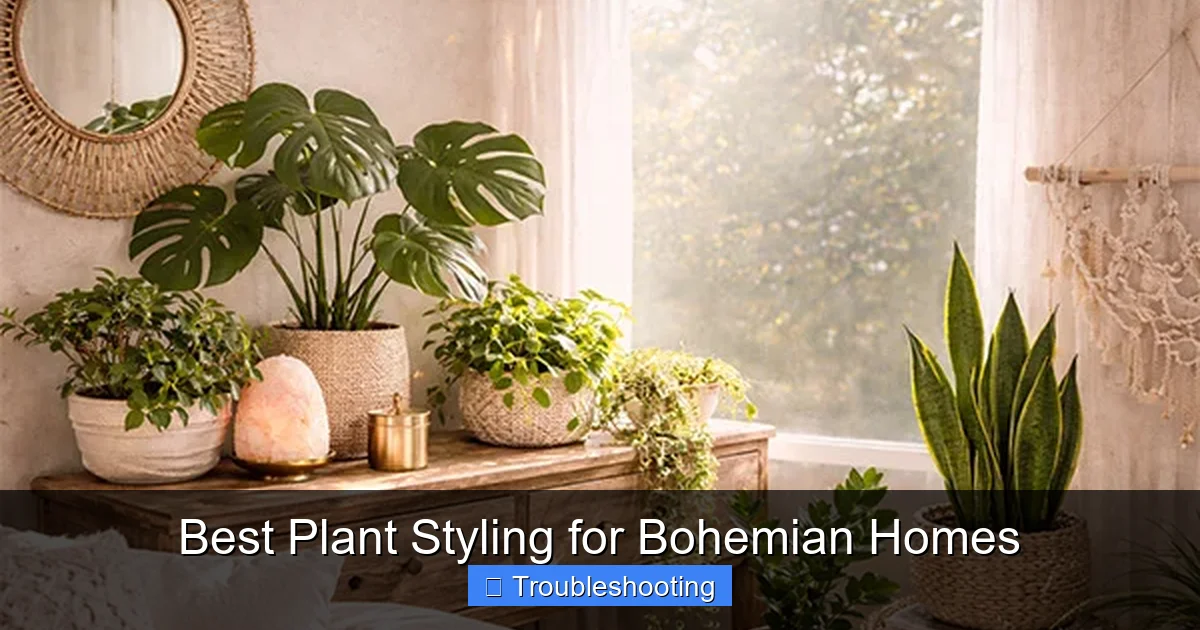
Walking into a bohemian home feels like stepping into a jungle sanctuary. Plants spill from macrame hangers. Monsteras unfurl massive leaves in woven baskets. Succulents cluster on vintage wooden shelves. The best plant styling for bohemian homes creates this exact feeling. It feels wild yet intentional. It feels collected over years. It feels alive.
You do not need a green thumb to achieve this look. You need the right plants. You need the right containers. You need a few styling tricks. This guide walks you through everything. From plant selection to placement. From container choices to care routines. Let us build your boho jungle together.
Key Takeaways
- Mix plant heights and textures: Combine floor plants, hanging trails, and tabletop succulents for visual depth
- Choose eclectic containers: Use macrame hangers, woven baskets, ceramic pots, and vintage finds
- Prioritize low-maintenance varieties: Select pothos, snake plants, and monsteras that thrive with minimal care
- Create plant clusters: Group 3-5 plants together for maximum impact and humidity benefits
- Use vertical space: Install shelves, ceiling hooks, and wall-mounted planters to maximize greenery
- Incorporate natural materials: Pair plants with rattan, jute, wood, and stone for cohesive boho aesthetic
- Rotate seasonally: Swap plants and containers to keep your space fresh year-round
Quick Answers to Common Questions
What are the easiest plants for bohemian styling beginners?
Pothos, snake plants, ZZ plants, and spider plants top the list. They tolerate low light, irregular watering, and still look lush in macrame hangers or woven baskets.
How do I prevent my boho plant corner from looking messy?
Use the rule of three: group plants in odd numbers, vary heights intentionally, and unify with a common element like pot color or material. Step back often to assess balance.
Can I mix real and fake plants in bohemian styling?
Absolutely. High-quality artificial plants work well in dark corners or high shelves. Mix them with real plants at eye level where texture differences are less noticeable.
What’s the best way to water hanging plants without making a mess?
Take them down to water in the sink or shower, use a long-spout watering can with a slow pour, or install a pulley system to lower them for watering without removing hooks.
How do I style plants in a small bohemian apartment?
Maximize vertical space with wall shelves, ceiling hooks, and tension rods. Choose trailing plants that grow down rather than out. Use mirrors to reflect greenery and double visual impact.
📑 Table of Contents
- Understanding the Bohemian Plant Aesthetic
- Choosing the Right Plants for Your Boho Space
- Selecting Perfect Boho Containers
- Styling Techniques for Maximum Impact
- Care Routines for Thriving Boho Jungles
- Seasonal Transitions and Refreshes
- Troubleshooting Common Boho Plant Problems
- Budget-Friendly Boho Plant Styling
- Advanced Styling for Plant Collectors
- Conclusion
Understanding the Bohemian Plant Aesthetic
What Makes Plant Styling Bohemian
Bohemian style rejects rigid rules. It embraces imperfection. It celebrates the mix. The best plant styling for bohemian homes follows this philosophy. You will not find symmetrical arrangements. You will not find matching pots. You will find abundance. You will find variety. You will find personality.
Think of a boho plant corner as a visual story. Each plant represents a chapter. The massive monstera you rescued from a garage sale. The string of pearls your grandmother propagated. The fiddle leaf fig you splurged on. The air plants you picked up at a farmers market. Together they tell your story.
Core Elements of Boho Plant Design
Several elements define this aesthetic. Layering ranks first. Plants sit at different heights. Some hang from the ceiling. Some perch on shelves. Some stand on the floor. Some rest on plant stands. This creates depth. It draws the eye upward. It makes rooms feel larger.
Texture mixing comes second. Smooth ceramic meets rough terracotta. Glossy leaves meet fuzzy stems. Woven baskets meet metal stands. Glass propagation stations meet wooden crates. This tactile variety keeps the eye engaged. It prevents visual boredom.
Color palette stays earthy but not boring. Terracotta, cream, sage, mustard, rust, charcoal. Pops of color appear in glazed pots. In flowering plants. In painted plant stands. The overall effect feels grounded. It feels connected to nature.
Choosing the Right Plants for Your Boho Space
Statement Floor Plants
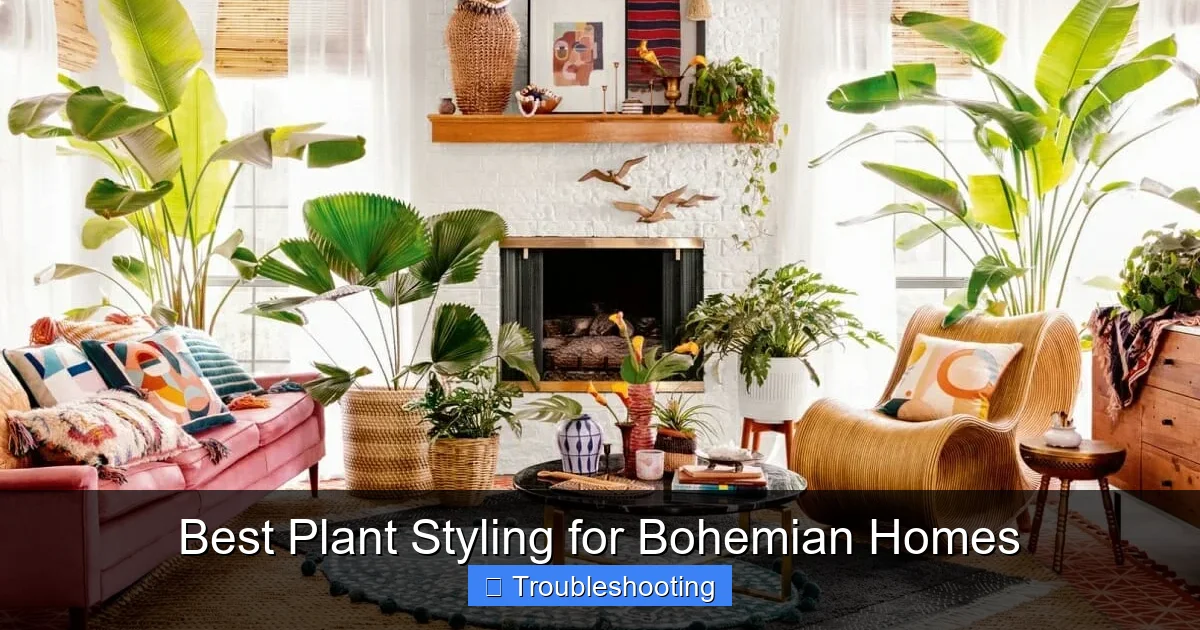
Every bohemian home needs at least one large floor plant. These anchor the space. They create immediate impact. The fiddle leaf fig remains a classic choice. Its violin-shaped leaves add drama. It needs bright indirect light. It dislikes drafts. Rotate it weekly for even growth.
Visual guide about Best Plant Styling for Bohemian Homes
Image source: cdn.home-designing.com
The bird of paradise offers tropical flair. Its massive leaves split naturally. This creates interesting shadows. It grows tall. It makes a corner feel intentional. The rubber plant provides deep green glossy leaves. The burgundy variety adds moody color. Both tolerate lower light than fiddle leafs.
Monstera deliciosa defines the boho aesthetic. Its fenestrated leaves are iconic. It climbs if given a moss pole. It trails if left alone. It propagates easily. Share cuttings with friends. This builds community. This builds your plant collection.
Trailing and Hanging Plants
Hanging plants utilize vertical space. They soften hard lines. They add movement. Pothos varieties lead the pack. Golden pothos grows fast. Marble queen offers variegation. Neon pothos brings chartreuse brightness. All tolerate low light. All forgive missed waterings.
String of pearls creates living jewelry. Its bead-like leaves cascade beautifully. It needs bright light. It hates wet feet. Use well-draining soil. Water sparingly. String of hearts offers delicate variegated leaves. It grows long. It looks stunning in macrame hangers.
Philodendron brasil brings heart-shaped leaves with lime green centers. It trails aggressively. It roots easily in water. Spider plants produce babies. These dangle like ornaments. They purify air. They thrive in bathrooms. English ivy climbs or trails. It prefers cooler temperatures.
Tabletop and Shelf Plants
Smaller plants fill gaps. They create vignettes. Snake plants come in many varieties. The classic tall type. The compact bird’s nest. The cylindrical spear. All survive neglect. All clean air. All look architectural.
ZZ plants offer waxy dark leaves. They thrive in dark corners. They grow slowly. They need water monthly. Chinese evergreens provide patterned leaves. Silver bay. Red aglaonema. They tolerate low light. They add color without flowers.
Succulents and cacti add geometric interest. Echeveria rosettes. Haworthia stripes. Bunny ear cactus. They need bright light. They need gritty soil. They need rare watering. Group them in shallow dishes. Add decorative sand. Add small crystals. Create miniature landscapes.
Air Plants and Unconventional Choices
Tillandsias require no soil. They absorb moisture through leaves. Display them in glass globes. Mount them on driftwood. Nestle them in shells. Wire them to macrame. Mist them weekly. Soak them monthly. They add whimsy. They spark conversation.
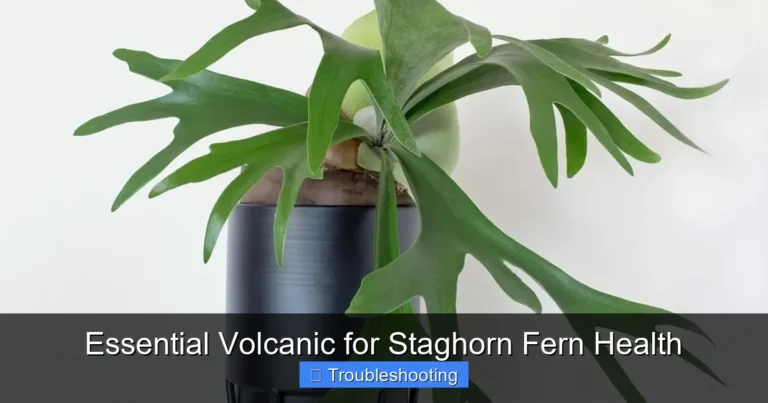
Staghorn ferns mount on wooden boards. They look like living antlers. They need humidity. They need indirect light. They become wall art. Carnivorous plants add intrigue. Pitcher plants. Venus flytraps. They need distilled water. They need high humidity. They become conversation pieces.
Selecting Perfect Boho Containers
Macrame Plant Hangers
Macrame defines bohemian style. Hand-knotted cotton rope. Natural or dyed fibers. Simple designs. Complex patterns. Single plant hangers. Multi-tier hangers. They transform ceilings into gardens. They free up floor space. They add texture overhead.
Make your own macrame. Learn basic knots. Square knot. Spiral knot. Gathering knot. Use cotton cord. Use jute twine. Use recycled t-shirt yarn. Customize lengths. Customize colors. Handmade pieces carry energy. They carry intention.
Woven Baskets and Natural Fibers
Seagrass baskets. Water hyacinth planters. Rattan containers. Bamboo cachepots. These hide plastic nursery pots. They add warmth. They add texture. They breathe. They age beautifully. Look for handles. Look for interesting shapes. Look for tight weaves.
Line baskets with plastic. Use saucers. Prevent water damage. Elevate with pot feet. Allow airflow. Rotate baskets seasonally. Move them outdoors in summer. Bring them in before frost. Natural fibers degrade eventually. Embrace the patina.
Ceramic and Terracotta Pots
Terracotta breathes. It wicks moisture. It prevents root rot. It develops character. White mineral deposits. Green algae stains. Orange clay darkens. These marks tell time. Glazed ceramics offer color. Cream. Sage. Terracotta. Mustard. Charcoal. Mix finishes. Mix shapes.
Footed pots elevate plants. Drainage holes matter. Always. Use saucers. Use cork pads. Protect surfaces. Group pots in odd numbers. Three. Five. Seven. Vary heights. Vary widths. Create rhythm. Create flow.
Vintage and Repurposed Containers
Thrift stores hold treasures. Enamelware pitchers. Copper kettles. Ceramic crocks. Wooden crates. Metal tins. Glass jars. Concrete planters. Drill drainage holes. Add gravel layer. Use landscape fabric. Prevent soil loss.
Vintage finds add soul. They carry history. A 1950s planter from your grandmother. A market basket from Morocco. A ceramic pot from a local artist. These pieces ground your space. They make it uniquely yours.
Styling Techniques for Maximum Impact
Creating Plant Clusters
Groups beat singles. Three plants minimum. Five looks better. Seven creates abundance. Vary heights. Vary textures. Vary leaf shapes. Place tallest at back. Medium in middle. Trailing in front. This creates depth. This mimics nature.
Use a unifying element. Same pot color. Same pot material. Same plant family. Or unify through variety. All different but cohesive. Trust your eye. Step back. Adjust. Photograph. Reassess. Clusters increase humidity. Plants help plants.
Utilizing Vertical Space
Walls offer prime real estate. Install floating shelves. Stagger heights. Use brackets with character. Wrought iron. Carved wood. Brass. Display small plants. Display propagating cuttings. Display air plants. Display dried elements.
Ceiling hooks hold hangers. Find joists. Use proper anchors. Swivel hooks prevent tangling. Pulley systems allow watering access. High ceilings need long hangers. Low ceilings need short ones. Measure first. Install once.
Plant ladders lean against walls. Vintage wooden ladders. Modern metal ones. DIY branch ladders. Each rung holds a plant. Top rungs get trailing plants. Bottom rungs get upright ones. Move ladders seasonally. Follow the light.
Styling Specific Rooms
Living rooms handle large plants. Place a tree in an empty corner. Flank a sofa with matching floor plants. Hang trailing plants near windows. Cluster plants on console tables. Use the fireplace hearth in summer.
Bedrooms benefit from air-purifying plants. Snake plants release oxygen at night. Place on nightstands. Hang pothos from curtain rods. Keep large plants away from beds. Feng shui suggests this. Science suggests better sleep.
Bathrooms love humidity-loving plants. Ferns thrive. Orchids bloom. Pothos grows wildly. Air plants absorb shower steam. Use suction cup shelves. Use tension rods with hangers. Use window sills. Avoid direct hot water spray.
Kitchens welcome herbs. Basil. Mint. Rosemary. Thyme. Hang in macrame near windows. Use magnetic planters on fridge. Propagate in water on counters. Cook with fresh herbs. Enjoy the scent. Enjoy the green.
Home offices need focus-boosting greenery. ZZ plant on desk. Pothos on shelf. Snake plant in corner. Reduce eye strain. Improve air quality. Lower stress. Increase productivity. Rotate plants weekly. Even growth. Fresh perspective.
Care Routines for Thriving Boho Jungles
Watering Strategies
Overwatering kills more plants than underwatering. Check soil first. Finger test. Knuckle deep. Dry? Water. Moist? Wait. Use moisture meters. Use chopsticks. Use weight lifting. Learn each plant’s language.
Bottom watering prevents fungus gnats. Place pots in tray. Add water. Wait twenty minutes. Remove excess. Top water monthly. Flush salts. Shower plants quarterly. Dust leaves. Inspect pests. Bond with your jungle.
Group plants by water needs. Succulents together. Tropicals together. Air plants together. Simplify routine. Reduce mistakes. Create watering schedule. Sunday mornings. Coffee in hand. Music playing. Ritual not chore.
Light Management
Observe light patterns. Morning sun. Afternoon shade. Seasonal shifts. South windows brightest. North windows darkest. East gentle morning. West harsh afternoon. Match plants to reality. Not wishful thinking.
Rotate plants weekly. Quarter turn each watering. Prevent leaning. Ensure even growth. Use sheer curtains. Diffuse harsh light. Prevent leaf burn. Supplement with grow lights. Full spectrum LEDs. Timer controlled. Winter essential.
Humidity and Temperature
Tropical plants crave humidity. Forty percent minimum. Sixty percent ideal. Group plants. Create microclimates. Pebble trays work. Fill tray. Add pebbles. Add water. Pots sit above water. Evaporation increases humidity.
Humidifiers help. Cool mist. Large capacity. Auto shutoff. Clean weekly. Prevent mold. Bathrooms naturally humid. Kitchens too. Move plants seasonally. Summer outdoors. Winter indoors. Acclimate gradually. Prevent shock.
Soil and Fertilizing
Quality soil prevents problems. Well-draining mix. Perlite. Orchid bark. Coco coir. Worm castings. Avoid garden soil. Avoid moisture control mixes. They compact. They suffocate roots. Repot annually. Spring best. Size up two inches.
Fertilize growing season. Spring through fall. Dilute to half strength. Weekly weakly. Organic options. Fish emulsion. Seaweed extract. Worm tea. Synthetic balanced. 10-10-10. 20-20-20. Flush monthly. Prevent buildup.
Pest Prevention and Treatment
Inspect weekly. Undersides of leaves. Stem joints. Soil surface. New growth. Common pests. Spider mites. Mealybugs. Scale. Fungus gnats. Thrips. Aphids. Early detection saves plants.
Isolate new plants. Two weeks minimum. Treat preventatively. Neem oil spray. Insecticidal soap. Beneficial insects. Ladybugs. Predatory mites. Sticky traps. Monitor. Quarantine affected. Treat consistently. Persistence wins.
Seasonal Transitions and Refreshes
Spring Awakening
Spring signals growth. Increase watering. Resume fertilizing. Repot rootbound plants. Prune leggy growth. Propagate cuttings. Clean windows. Maximize light. Move plants outdoors gradually. Harden off. Two weeks. Shade to sun.
Refresh containers. Paint terracotta. Replace liners. Add fresh moss. Top dress soil. Remove dead leaves. Check for pests. Celebrate new growth. Document progress. Photos help. Journals help. Track patterns.
Summer Abundance
Summer brings vigor. Water more frequently. Morning best. Evening second. Midday never. Watch for burn. Move sensitive plants. Provide shade cloth. Increase humidity. Mist daily. Group tightly. Create jungle corners.
Propagate aggressively. Water jars everywhere. Share with friends. Swap at plant meets. Sell at markets. Expand collection. Try new varieties. Experiment with styling. Hang more. Cluster more. Live abundantly.
Fall Transition
Fall signals slowdown. Reduce fertilizing. Stop by Halloween. Reduce watering. Check soil deeper. Bring outdoor plants in. Inspect thoroughly. Treat preventatively. Quarantine two weeks. Clean leaves. Check roots.
Adjust light positions. Days shorten. Move plants closer. Clean windows again. Consider grow lights. Prepare for winter. Stock supplies. Soil. Pots. Fertilizer. Neem oil. Sticky traps. Humidifier filters.
Winter Rest
Winter demands patience. Water minimally. Monthly for succulents. Biweekly for tropicals. No fertilizer. Maximize light. South windows prime. Rotate religiously. Combat dry air. Humidifiers running. Pebble trays full.
Accept leaf drop. Normal adjustment. Remove yellow leaves. Prevent fungus. Check for pests weekly. Spider mites love dry heat. Shower plants monthly. Lukewarm water. Gentle pressure. Drain thoroughly. Dream of spring.
Troubleshooting Common Boho Plant Problems
Yellowing Leaves Diagnosis
Yellow leaves signal issues. Bottom leaves only? Natural aging. Remove them. Widespread yellowing? Overwatering likely. Check roots. Mushy brown? Root rot. Trim rot. Repot fresh. Dry soil? Underwatering. Soak thoroughly.
Yellow with green veins? Nutrient deficiency. Iron or nitrogen. Fertilize appropriately. Yellow spots? Pest damage. Check undersides. Treat accordingly. Yellow halos? Fungal issue. Improve airflow. Reduce moisture. Remove affected.
Brown Tips and Edges
Crispy brown tips frustrate everyone. Low humidity usually. Increase humidity. Group plants. Add humidifier. Use pebble trays. Fertilizer burn possible. Flush soil. Water heavily. Drain completely. Wait. Resume dilute feeding.
Inconsistent watering causes stress. Wet dry wet dry. Roots confuse. Establish routine. Same day. Same method. Tap water chemicals? Chloramine. Fluoride. Use filtered. Use rainwater. Use distilled. Let sit overnight.
Leggy Growth and Small Leaves
Stretched stems. Wide internodes. Small pale leaves. Light deficiency. Move closer to window. Add grow light. Prune leggy growth. Propagate cuttings. New growth will compact. Rotate for symmetry. Pinch tips. Encourage branching.
Pest Infestations
Sticky residue. Webbing. Cottony masses. Tiny flies. Visible bugs. Act fast. Isolate immediately. Identify pest. Choose treatment. Neem oil weekly. Insecticidal soap three days. Systemic granules soil. Beneficial insects release.
Repeat treatments. Life cycles vary. Eggs survive. Hatch later. Persist two weeks minimum. Monitor monthly after. Prevent reinfestation. Quarantine new plants. Inspect before buying. Healthy plants resist pests.
Root Bound and Soil Issues
Roots circling. Exiting drainage. Cracking pot. Water runs through. Plant stunted. Time to repot. Size up two inches. Loosen root ball. Trim circling roots. Fresh soil. Water well. Shade week. Resume care.
Soil hydrophobic? Water beads. Runs off. Submerge pot. Soak twenty minutes. Add wetting agent. Repot if severe. Old soil compacts. Loses structure. Annual refresh prevents. Quality mix invests. Healthy roots thrive.
Budget-Friendly Boho Plant Styling
Propagation Station
Free plants multiply joy. Water propagation simplest. Clear jars. Bright indirect light. Change water weekly. Watch roots grow. Pot when inches long. Soil propagation works too. Moist perlite. Humidity dome. Patience required.
Trade cuttings. Host plant swaps. Join online groups. Attend local meetups. Libraries host exchanges. Coffee shops too. Community builds. Knowledge shares. Rare plants circulate. Friendships bloom.
Thrift Store Treasure Hunting
Thrift stores overflow with planters. Ceramic pots. Woven baskets. Glass vessels. Metal containers. Wooden boxes. Visit weekly. Best selection mornings. Negotiate bundles. Clean thoroughly. Bleach solution. Sun dry.
Look beyond planters. Ladders become displays. Crates become shelves. Chairs become stands. Trunks become tables. Imagination transforms. Paint unifies. Stain warms. Seal protects. Personal touch matters.
DIY Container Projects
Concrete planters cost pennies. Quikrete. Molds. Plastic containers. Cooking spray. Mix. Pour. Tap bubbles. Cure days. Seal. Paint. Drill drainage. Custom sizes. Custom shapes. Modern organic forms.
Macrame hangers from cord. Thirty minutes. Basic knots. YouTube tutorials. Customize length. Add beads. Add fringe. Dip dye ombre. Gift extras. Sell at markets. Fund plant addiction. Creative cycle completes.
Smart Plant Shopping
Buy small. Grow large. Four inch pots cost less. Establish faster. Adapt better. Less transplant shock. Watch growth. Document journey. Satisfaction multiplies. Local nurseries beat big boxes. Healthier plants. Expert advice. Community connection.
Clearance sections hide gems. Stressed plants recover. Yellow leaves trim. Rootbound repot. Pest treat. Patience rewards. Half price. Quarter price. Free sometimes. Ask managers. Build relationships. Get tips. Get first dibs.
Advanced Styling for Plant Collectors
Creating Plant Vignettes
Vignettes tell stories. Three to five objects. Plants plus pottery. Plants plus books. Plants plus art. Plants plus textiles. Vary heights. Vary textures. Odd numbers rule. Negative space breathes. Edit ruthlessly.
Color coordinate subtly. Pot matches pillow. Plant matches art. Leaf echoes rug. Thread connects. Eye travels. Mind rests. Heart sings. Change seasonally. Rotate objects. Refresh energy. Prevent stagnation.
Incorporating Dried and Preserved Elements
Pampas grass adds height. Dried palm fronds fan. Preserved eucalyptus scents. Bunny tails soften. Wheat stalks structure. Mix with living. Contrast textures. Green versus beige. Soft versus stiff. Life versus preserved.
Dried elements need zero care. Last years. Fade gracefully. Replace annually. Source sustainably. Grow your own. Dry upside down. Dark ventilated space. Two weeks. Spray seal. Prevent shedding. Arrange artfully.
Lighting Your Plant Displays
Grow lights double as decor. Sleek bars. Vintage pendants. Clip spots. Floor uplights. Warm spectrum. 3000K-4000K. High CRI. 90+. Plants glow. Leaves shine. Shadows dance. Evening magic. Timer automates. Twelve hours on.
Accent lighting highlights. Picture lights. Track heads. Rope lights. Under shelves. Behind plants. Silhouette drama. Mood setting. Party ready. Daily delight. Dimmable preferred. Smart bulbs integrate. Voice control. Scene setting.
Conclusion
Creating the best plant styling for bohemian homes transforms houses into sanctuaries. It happens one plant at a time. One hanger at a time. One cluster at a time. There is no finish line. There is only growth. Yours and theirs.
Start where you are. Buy one plant. Find one pot. Hang one macrame. Watch it thrive. Feel the pride. Add another. Build slowly. Learn constantly. Kill some. Save most. The journey teaches. The jungle heals.
Your bohemian plant paradise awaits. It lives in the cutting your friend shared. It lives in the basket you found. It lives in the morning light hitting leaves. It lives in the water ritual. It lives in you. Begin today. Grow forever.
Frequently Asked Questions
How many plants do I need for a bohemian look?
There is no magic number but aim for at least 7-10 plants of varying sizes in a living room. Start with 3-5 and build gradually. The collected-over-time look matters more than quantity.
Do bohemian plant styles require lots of natural light?
Not necessarily. Many boho favorites like snake plants, ZZ plants, pothos, and philodendrons tolerate low light. Supplement with grow lights for sun-loving varieties like fiddle leaf figs or succulents.
What pots work best for bohemian plant styling?
Mix materials: terracotta, glazed ceramic, woven baskets, macrame hangers, vintage finds, and concrete planters. Avoid matching sets. Choose pots with drainage holes or use cachepots with nursery pots inside.
How do I keep trailing plants full and not leggy?
Pinch back growing tips regularly to encourage branching. Provide adequate light. Rotate weekly for even growth. Propagate cuttings and replant in the same pot to fill bare spots at the soil line.
Can I put plants on the floor in bohemian styling?
Yes, floor plants are essential. Use large statement plants like monsteras, birds of paradise, or fiddle leaf figs in woven baskets or ceramic pots. Elevate slightly with plant feet or cork pads to protect flooring.
How do I transition outdoor plants inside for winter in a boho home?
Inspect thoroughly for pests, treat preventatively with neem oil, quarantine for two weeks, acclimate gradually to lower light, reduce watering, and expect some leaf drop. Place in brightest spots and add humidity.