Best Jute for Beginner Plant Parents
Finding the best jute for beginner plant parents doesn’t have to be overwhelming. This guide breaks down the top jute types, products, and techniques that help new plant owners succeed. From jute twine for climbing plants to jute mats for moisture control, you’ll learn exactly what to buy and how to use it.
Welcome to the world of plant parenting. You have your first monstera. You have your first pothos. You have a shelf full of terracotta pots and a watering can that matches your aesthetic. But there is one tool many beginners overlook. That tool is jute. Finding the best jute for beginner plant parents can transform how your plants grow. It supports climbing vines. It protects delicate roots. It even helps manage soil moisture. This guide walks you through everything you need to know. We will cover types, products, techniques, and common mistakes. By the end, you will feel confident choosing and using jute in your indoor jungle.
Jute is a natural fiber. It comes from the jute plant, grown mostly in India and Bangladesh. It is biodegradable. It is affordable. It has a rough texture that plant roots love. Unlike plastic ties or metal stakes, jute disappears into the soil over time. It becomes part of the ecosystem. For a beginner, this means less waste and less worry. You do not need to remove it carefully. You just let nature take its course. But not all jute is created equal. Some is too rough. Some is treated with oils that repel water. Some falls apart in weeks. Knowing the difference saves you money and saves your plants.
Key Takeaways
- Natural fibers breathe: Jute allows air and water to move freely around roots and stems.
- Twine thickness matters: Thicker twine supports heavy vines; thinner twine works for delicate stems.
- Pre-soak before use: Soaking jute prevents it from wicking moisture away from your plants.
- Jute poles beat moss poles: They cost less, last longer, and provide better grip for aerial roots.
- Replace annually: Natural jute breaks down over time, so plan to swap it out each growing season.
- Watch for mold: In humid homes, check jute products weekly for fuzzy growth.
- Buy untreated: Avoid jute treated with chemicals or dyes that could harm sensitive plants.
Quick Answers to Common Questions
What is the best jute thickness for tying houseplants?
Three-ply jute twine is the best all-around thickness. It is strong enough for heavy vines but gentle enough for delicate stems.
Should I soak jute before using it on plants?
Yes, always soak jute for ten minutes before use. Dry jute pulls moisture from plant stems and soil, which can stress your plants.
How often should I replace jute poles?
Replace jute poles annually or whenever they show soft spots, mold, or instability at the soil line.
Can I use dyed or decorative jute for my plants?
No, avoid dyed or decorative jute. The chemicals and dyes can leach into the soil and harm sensitive plant roots.
What is the difference between jute twine and jute rope?
Jute twine is thinner (usually three-ply) for tying and delicate work. Jute rope is thicker (quarter-inch or more) for heavy structural support and large poles.
📑 Table of Contents
- Why Jute Matters for New Plant Parents
- Understanding Jute Types for Plant Care
- Top Jute Products for Beginners
- How to Use Jute in Your Plant Care Routine
- Common Jute Mistakes to Avoid
- Caring for Your Jute Plant Accessories
- Jute Alternatives and When to Use Them
- Building Your Beginner Jute Toolkit
- Troubleshooting Common Jute Issues
- Conclusion
Why Jute Matters for New Plant Parents
The Breathability Factor
Plants need air at their roots. Plastic stakes and ties trap moisture. They create a humid microclimate that breeds rot. Jute is different. Its loose weave lets air flow. Water evaporates naturally. This mimics the forest floor where many houseplants originate. When you wrap a stem with jute twine, the stem can still breathe. When you use a jute pole, aerial roots attach and absorb moisture from the fiber itself. This breathability is the single biggest reason to choose jute over synthetic options.
Root Attachment and Climbing Support
Climbing plants like monstera, philodendron, and pothos want to go up. In nature, they cling to tree bark. Their aerial roots seek rough surfaces. A smooth bamboo stake gives them nothing to grab. A moss pole works but dries out fast and costs more. A jute-wrapped pole or a thick jute rope pole provides perfect texture. The fibers catch root tips. The plant climbs faster. It produces larger leaves. It looks healthier. For a beginner, watching a plant climb a jute pole is incredibly rewarding. It feels like real progress.
Eco-Friendly and Budget-Friendly
Starting a plant collection gets expensive. Pots, soil, lights, fertilizers, humidifiers. The costs add up. Jute is one of the cheapest tools you can buy. A large roll of twine costs a few dollars. A jute pole costs less than a moss pole. Jute mats and liners are pennies per square foot. And when you are done, you compost it. No plastic in the landfill. No microplastics in your soil. For the eco-conscious beginner, jute aligns with your values without stretching your wallet.
Understanding Jute Types for Plant Care
Jute Twine: The Versatile Workhorse
Jute twine is the most common form. It comes in different thicknesses. Single-ply is thin and delicate. Three-ply is standard. Six-ply or thicker is heavy duty. For most beginners, three-ply hits the sweet spot. It is strong enough to hold a mature pothos vine. It is gentle enough not to cut into a young monstera stem. Look for twine labeled “natural” or “unpolished.” Avoid “polished” twine. The polish is often a starch or oil coating. It makes the twine shiny and water-resistant. That sounds good, but it prevents the twine from absorbing and releasing moisture. It also feels slippery. Roots cannot grip it well.
Visual guide about Best Jute for Beginner Plant Parents
Image source: croptrust.org
Jute Rope: For Heavy Duty Support
Jute rope is thicker than twine. It usually starts at quarter-inch diameter and goes up. This is what you want for large plants. A mature monstera deliciosa with thick stems needs rope, not twine. A heavy hoya with woody vines needs rope. You can wrap rope around a PVC pipe to make a DIY pole. You can use it to anchor a large plant to a wall trellis. The texture is coarser. It lasts longer outdoors. Indoors, it may shed fibers on your floor. Vacuum regularly if you use thick rope inside.
Jute Fabric and Burlap: For Soil and Liners
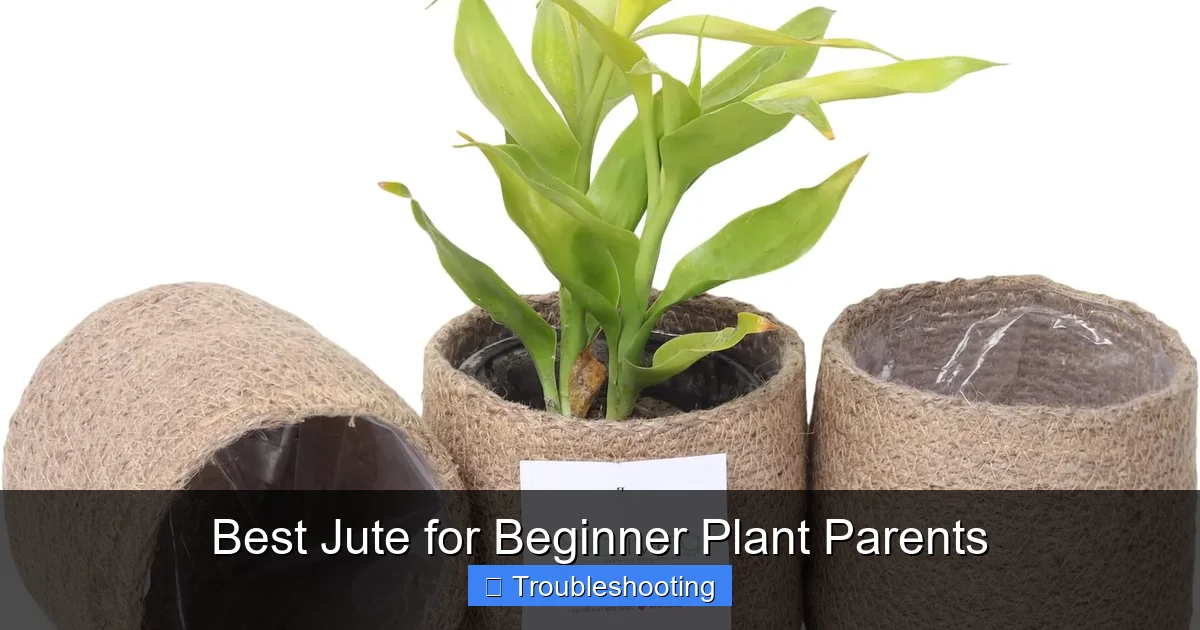
Jute fabric comes in sheets or rolls. Burlap is a coarse, open-weave jute fabric. Gardeners use it for erosion control. Plant parents use it for pot liners, basket liners, and soil covers. A jute liner in a wire hanging basket holds soil while letting water drain. A jute mat on top of soil slows evaporation. It keeps fungus gnats from laying eggs. It looks natural and tidy. You can cut it to fit any pot. Make sure it is untreated. Some burlap is treated with copper or pesticides for landscaping. That is not safe for houseplants.
Jute Poles and Stakes: Ready-Made Climbing Aids
You can buy poles already wrapped in jute. These are often a wooden or metal core with jute rope wound tightly around. Some are hollow with a jute sleeve. The advantage is convenience. No DIY needed. The disadvantage is fixed height. You cannot easily extend them. Some have a plastic core that does not breathe. Look for a solid wood core or a hollow jute tube. The best jute for beginner plant parents often comes in pole form because it removes guesswork. You stick it in the pot. You attach the plant. Done.
Jute Netting and Mesh: For Trellising
Jute netting looks like a loose grid. It comes in sheets or rolls. You staple it to a frame. You hang it on a wall. You drape it over a window. Vines climb through the holes. This is great for creating a living wall. It is also good for training plants along a window sill. The grid spaces vary. Half-inch grids work for small leaves. Two-inch grids work for large leaves. Netting degrades faster than rope. Plan to replace it yearly. But it is cheap and easy to install.
Top Jute Products for Beginners
Best All-Around Twine: Three-Ply Natural Jute Twine
If you buy one jute product, make it a 200-foot roll of three-ply natural jute twine. Brand matters less than specs. Look for 100% jute. No polyester blend. No chemical treatment. A 200-foot roll lasts a year or more for a small collection. You use it to tie vines to stakes. You use it to make a moss pole alternative. You use it to hang kokedama. You use it to bundle cuttings for propagation. Keep it in a dry drawer. Cut what you need. It is the Swiss Army knife of plant tools.
Best Climbing Pole: Jute-Wrapped Wooden Pole
A wooden dowel wrapped in jute rope is the gold standard for beginners. It is sturdy. It breathes. It looks good. It comes in heights from two feet to six feet. Choose a height two feet taller than your plant. That gives room to grow. The wood core absorbs water and releases it slowly. The jute wrap gives roots something to grab. Push it deep into the pot. Pack soil around it. It will not wobble. As the plant grows, add a second pole on top. Some poles have a metal screw connector. Others just sit end to end. Both work.
Best for Hanging Baskets: Jute Basket Liners
Wire hanging baskets look great but leak soil. Coco coir liners work but hold too much water. They stay soggy. Jute liners drain faster. They dry evenly. They last one to two seasons. Buy them pre-cut to fit standard basket sizes. Or buy a roll and cut custom shapes. Line the basket. Add soil. Plant. The jute holds everything. Water runs through. Air reaches roots from the sides. This prevents the root rot that kills so many hanging plants. It is a small change with a big impact.
Best for Moisture Control: Jute Mulch Mats
Jute mulch mats are circles or squares of dense jute felt. You lay them on top of the soil. They slow evaporation. They suppress weeds (not that you have weeds indoors). They deter fungus gnats. They keep soil from splashing on leaves when you water. They look clean and natural. Cut a slit to the center. Slide it around the stem. They last six to twelve months. Then they break down into the soil. Add a new one. Your watering schedule becomes more consistent. Your plants stay happier.
Best DIY Option: Bulk Jute Rope by the Foot
Some hardware stores and garden centers sell jute rope by the foot. This lets you buy exactly what you need. You want to make a six-foot pole? Buy seven feet of rope. You want to wrap a trellis? Measure and buy. It reduces waste. It lets you test different thicknesses. Try quarter-inch. Try half-inch. See what your plants prefer. Thicker rope lasts longer. Thinner rope is easier to wrap. Having options makes you a better plant parent.
How to Use Jute in Your Plant Care Routine
Pre-Soaking: The Step Most Beginners Skip
Dry jute is thirsty. It will pull moisture from whatever touches it. That includes your plant stems and your soil. Before you use any jute product, soak it. Submerge twine, rope, or fabric in room temperature water for ten minutes. Squeeze out excess. It should be damp, not dripping. Now it will not steal water from your plant. It will actually provide a tiny reservoir of moisture. This is critical for jute poles. A dry pole creates a dry zone around it. Roots avoid it. A damp pole invites roots. They attach within weeks.
Tying Techniques That Don’t Damage Stems
Never tie jute tight around a stem. Stems expand. A tight tie becomes a tourniquet. It cuts off nutrient flow. It leaves a permanent scar. Instead, use a figure-eight loop. Wrap the twine around the support. Cross it over. Wrap around the stem. Cross back. Tie off on the support. This creates a buffer zone. The stem can move. It can thicken. The twine stays secure. Check ties monthly. Loosen any that feel snug. Replace any that are cutting in. This habit prevents heartbreak later.
Building a Jute Pole from Scratch
Making your own pole is satisfying and cheap. You need a wooden dowel (one inch diameter, four to six feet long), jute rope (quarter to half inch), and a staple gun or strong glue. Start at the bottom. Staple or glue the rope end. Wrap tightly upward. Overlap each round slightly. Keep tension even. Staple or glue the top end. Soak the finished pole. Install it. This pole costs under five dollars. A store-bought equivalent costs twenty. And you can customize height and thickness exactly.
Using Jute for Propagation Support
When you propagate cuttings in water or soil, they sometimes need support. A tiny jute stake helps. Cut a six-inch piece of thin jute twine. Tie it loosely around the cutting. Anchor the other end to the pot rim. Or make a mini tripod with three twigs and jute lashing. This keeps the cutting upright. It prevents the node from submerging too deep. It prevents the cutting from falling over and snapping. Once roots establish, remove the support. The jute goes in the compost.
Seasonal Jute Maintenance
Jute does not last forever. That is a feature, not a bug. But you need to manage the transition. In spring, inspect all jute products. Poles: check for soft spots. Twine ties: check for fraying. Liners: check for holes. Netting: check for sagging. Replace anything compromised. Do it during repotting season. Disturb roots once. Add fresh jute. The old jute goes in the compost bin. It feeds next year’s soil. This cycle keeps your plant care sustainable.
Common Jute Mistakes to Avoid
Buying Treated or Dyed Jute
Craft stores sell colorful jute. Red, green, blue, pink. It looks festive. Do not use it for plants. The dyes are not tested for soil safety. They can leach chemicals. Some contain heavy metals. Some are petroleum-based. “Natural” jute should be beige to light brown. If it looks perfectly uniform in color, it may be bleached. Bleached jute is weaker. It rots faster. Stick with raw, unbleached, undyed jute. Your plants will thank you.
Using Jute That Is Too Thin
Single-ply twine looks delicate. It seems gentle. But it cuts. Under tension, thin fiber acts like a wire. It slices into stems. It snaps under the weight of a wet vine. It degrades in weeks. You spend more time re-tying than enjoying plants than growing them. Spend the extra dollar on three-ply. It lasts months. It distributes pressure. It gives roots a substantial surface. Thicker is better for almost every plant application.
Forgetting to Check for Mold
Jute loves humidity. So do mold and mildew. In a humid home, jute can develop white or gray fuzz. This is usually harmless saprophytic fungus. But it can spread to soil. It can trigger allergies. It looks unsightly. Check jute weekly. Wipe poles with a damp cloth. Spray with diluted hydrogen peroxide (one part peroxide, four parts water) if you see fuzz. Replace twine ties that get moldy. Increase air circulation with a fan. Prevention is easier than cure.
Leaving Jute on Too Long
Because jute breaks down, it eventually fails. A pole rots at the soil line. Twine snaps. A liner disintegrates. If you leave it, the plant loses support. A heavy vine crashes down. Stems break. Roots tear. Set a calendar reminder. Check jute every six months. Replace poles annually. Replace twine ties every repotting. Replace liners each spring. The cost is low. The risk of not replacing is high.
Using Jute for the Wrong Plants
Not every plant likes jute. Succulents and cacti hate constant moisture. Jute holds water. It keeps the stem base damp. This causes rot. Orchids mounted on jute may stay too wet. Carnivorous plants need specific media. Jute alters pH as it decomposes. Research your plant’s needs. If it wants dry, airy conditions, skip the jute. Use bamboo stakes or plastic clips instead. Match the tool to the plant.
Caring for Your Jute Plant Accessories
Cleaning Jute Poles Between Uses
When a plant outgrows a pole or you move it to a new pot, clean the pole before reuse. Brush off loose fibers. Scrub with a stiff brush and mild soap. Rinse well. Soak in a ten percent bleach solution for ten minutes. This kills pathogens. Rinse again until bleach smell is gone. Dry completely in sun. Store in a dry box. A clean pole prevents disease transfer. It extends the pole’s life. It is worth the fifteen minutes of effort.
Storing Jute Twine Properly
Jute twine hates damp basements. It molds in humid garages. Store it indoors in a sealed container. A plastic bin with a lid works. Add a silica gel packet. Keep it away from direct sunlight. UV degrades the fibers. Organize by thickness. Label the bins. When you need twine, it is ready. No tangles. No mold. No frustration. Good storage habits make plant care smoother.
Repurposing Old Jute
Do not throw old jute in the trash. Compost it. Cut poles into six-inch sections. They break down faster. Shred twine. Tear fabric. Mix into your compost bin. It adds carbon. It feeds microbes. In a few months, it becomes rich humus. Use that humus to top-dress your plants. The cycle completes. What supported your plants now feeds them. This is the beauty of natural materials.
Knowing When to Upgrade
As your skills grow, your jute needs change. You may want taller poles. You may want custom trellises. You may want to experiment with jute macrame hangers. The basics you learned here still apply. Choose untreated. Choose appropriate thickness. Pre-soak. Tie loosely. Check regularly. The principles scale. A ten-foot jute rope trellis uses the same knots as a six-inch stake. Confidence with the basics unlocks advanced projects.
Jute Alternatives and When to Use Them
Coir: The Coconut Fiber Option
Coir comes from coconut husks. It is similar to jute but different in key ways. It holds more water. It lasts longer. It is more expensive. It comes as poles, liners, chips, and mats. Coir poles are great for plants that love constant moisture. Calathea, maranta, ferns. But coir can stay too wet for succulents. It can harbor fungus gnats more than jute. For beginners, jute is more forgiving. Coir is a good second step.
Bamboo: The Classic Stake
Bamboo stakes are cheap, strong, and smooth. They work for plants that do not climb with aerial roots. Tomatoes, peppers, young trees, top-heavy flowers. But climbing aroids hate bamboo. Roots cannot attach. The plant flops. You must tie every node. That is labor-intensive. Use bamboo for structural support. Use jute for climbing support. Sometimes you use both. A bamboo stake with jute twine ties gives you the best of both.
Moss Poles: The Premium Choice
Moss poles are sphagnum moss wrapped around a mesh core. They hold immense water. They mimic a tree trunk perfectly. Aerial roots go wild. Leaves get huge. But they are high maintenance. You must mist them daily. They dry out fast. They cost twenty to fifty dollars. They fall apart in a year. For a beginner, they are overwhelming. Start with jute. Graduate to moss when you have a humidifier and a routine.
Synthetic Options: When Plastic Wins
Plastic stakes, vinyl ties, and coated wire have a place. They are sterile. They are reusable indefinitely. They do not rot. For hydroponics, they are essential. For plants with sensitive skin (some people react to jute fibers), they are safer. For outdoor use in wet climates, they last years. But they add microplastics to your environment. They do not breathe. They do not support root attachment. Use them sparingly. Jute should be your default.
Building Your Beginner Jute Toolkit
The Starter Kit: Under Twenty Dollars
You can start with a minimal kit. One roll of three-ply jute twine (200 feet). One four-foot jute-wrapped pole. Two jute basket liners (standard twelve-inch). One jute mulch mat (twelve-inch circle). Total cost: fifteen to twenty dollars. This covers tying, climbing, hanging, and moisture control. You will use every piece within your first month. Keep the receipt. If a product fails, return it. Quality varies even within the same specs.
The Expanded Kit: For the Growing Collection
After six months, you will know what you use most. Maybe you love making poles. Buy bulk jute rope. Maybe you have twenty hanging baskets. Buy a roll of jute liner fabric. Maybe you propagate constantly. Buy thin jute twine for delicate cuttings. Build your kit based on your habits. Do not buy everything at once. Let your plants guide your purchases. This saves money and storage space.
Where to Buy Quality Jute
Local garden centers often carry jute. You can feel the texture. You can check for treatments. Staff may have recommendations. Hardware stores carry jute rope in the twine aisle. Check the label. Online retailers offer variety. Read reviews from plant parents. Look for “untreated,” “unpolished,” “food safe,” or “organic.” Avoid “craft jute” or “decorative jute.” Those are red flags for plant use. Specialty plant shops curate the best options. They cost more but save you trial and error.
Storing Your Toolkit
Designate a plant care box or shelf. Keep jute in a zip-top bag inside the box. Add scissors. Add plant clips. Add a spray bottle for pre-soaking. Add a small brush for cleaning poles. When you need to stake a plant, everything is in one place. No hunting through drawers. No using kitchen twine because you cannot find the plant twine. Organization makes you a better plant parent. It turns chores into rituals.
Troubleshooting Common Jute Issues
Jute Pole Wobbles in the Pot
A wobbly pole damages roots. It leans. The plant leans. Fix it by packing soil firmly around the base. Water thoroughly to settle soil. Add a second stake beside it for triangulation. Tie the two stakes together at the top with jute twine. For very large plants, use a pole with a wider base. Some have a flared bottom. Some have a tripod base. Stability matters more than height. A short stable pole beats a tall wobbly one.
Twine Keeps Slipping Off Smooth Stems
Some stems are too smooth. Twine slides down. Try wrapping the stem once with a thin strip of jute fabric first. This creates friction. Then tie the twine over it. Or use a plant clip at the base. Clip to the stem. Tie twine to the clip. The clip grips. The twine supports. This combo works for thick, smooth stems like mature monstera or bird of paradise.
Jute Dries Out Too Fast
In a dry home, jute loses moisture in hours. A dry pole does not attract roots. Mist the pole daily. Or wrap the pole in plastic wrap for the first two weeks. This creates a humid microclimate. Roots attach. Then remove the wrap. The established roots will pull moisture from the air and soil. A humidifier near the plant helps everything. Group plants together. They create their own humidity.
Fungus Gnats in Jute Liners
Jute liners can harbor fungus gnat larvae. The damp fibers are perfect. If you see tiny flies, act fast. Remove the liner. Let the soil dry more between waterings. Apply mosquito bits (BTi) to the soil. Replace the liner with a fresh one. Yellow sticky traps catch adults. Do not reuse the infested liner. Compost it far from your plants. Prevention: let the top inch of soil dry. Do not keep liners constantly soggy.
Jute Smells Musty
A musty smell means mold or bacteria. This happens in low light, low airflow, high humidity. Move the plant to a brighter spot. Add a fan. Remove affected jute. Replace with fresh. Wash the pot with bleach solution. Repot in fresh soil. The smell is a warning. Your plant’s roots may be suffering too. Act quickly. Fresh jute, fresh air, fresh start.
Conclusion
You now know more about jute than most plant shop employees. You understand why breathability matters. You can identify quality jute. You know which products to buy first. You have techniques for tying, staking, lining, and mulching. You know the mistakes to avoid. You have a maintenance schedule. You even know how to troubleshoot problems. The best jute for beginner plant parents is not a single product. It is a mindset. Choose natural. Choose appropriate. Choose sustainable. Your plants will climb higher. Your soil will stay healthier. Your wallet will stay fuller. And your conscience will stay clear. Every piece of jute you use returns to the earth. Every plant you support grows stronger. That is the cycle of good plant parenting. Start with that roll of twine. Watch what happens. You are going to love the results.
Remember, every expert was once a beginner. Every jungle started with one plant. Your jute journey starts today. Happy growing.
Frequently Asked Questions
Is jute safe for all houseplants?
Jute is safe for most tropical and climbing houseplants. However, avoid using jute with succulents, cacti, and other plants that prefer dry conditions, as jute retains moisture and can cause rot at the stem base.
How do I prevent mold on jute plant supports?
Increase air circulation with a fan, avoid overwatering, and wipe down jute poles weekly with a damp cloth. If mold appears, spray with diluted hydrogen peroxide (1:4 ratio) and replace severely affected pieces.
Can I make my own jute moss pole alternative?
Yes, wrap a wooden dowel tightly with jute rope, securing the ends with staples or non-toxic glue. Soak the finished pole before installing. This DIY version costs a fraction of store-bought moss poles and works just as well for root attachment.
How do I tie jute without damaging plant stems?
Use a figure-eight tie: wrap around the support, cross over, wrap loosely around the stem, cross back, and tie off on the support. This creates a buffer that allows stem expansion without constriction.
Where can I buy untreated jute for plants?
Look for untreated jute at local garden centers, hardware stores (in the twine aisle), specialty plant shops, or online retailers. Always verify the label says “untreated,” “unpolished,” or “natural” before purchasing.
What should I do with old, degraded jute?
Compost it! Cut jute poles and twine into small pieces and add them to your compost bin. They break down into carbon-rich humus that you can later use to enrich your plant soil, completing a sustainable cycle.