Best Indoor Plants for Beginners for Budget
Looking for the best indoor plants for beginners for budget? This guide covers 10 affordable, low-maintenance houseplants perfect for new plant parents. Learn care tips, troubleshooting tricks, and smart shopping strategies to build a thriving indoor garden without breaking the bank.
Key Takeaways
- Snake plants and pothos top the list: These nearly indestructible plants cost under $15 and survive neglect.
- Propagation saves money: Turn one plant into many for free using water or soil methods.
- Light matters more than price: Match plants to your actual light conditions to avoid costly replacements.
- Overwatering kills more plants than underwatering: Learn the finger test to prevent root rot.
- Shop smart, not just cheap: Local nurseries, plant swaps, and clearance sections offer better value than big-box stores.
- Group plants by care needs: Simplify your routine and catch problems early by clustering similar plants together.
- Start small and expand gradually: Build confidence with 2-3 easy plants before investing in rarer varieties.
Quick Answers to Common Questions
What is the absolute cheapest indoor plant for beginners?
Pothos and spider plants often sell for $5-8 at grocery stores and hardware stores. They’re the most affordable entry point.
How often should I water budget-friendly houseplants?
Most prefer the soil to dry out between waterings. Check with your finger weekly. Water only when the top inch feels dry.
Can I really grow new plants for free from cuttings?
Yes. Pothos, spider plants, philodendrons, and many succulents root easily in water or soil. One plant becomes many at zero cost.
What’s the biggest mistake beginners make with cheap plants?
Overwatering. It kills more plants than anything else. When in doubt, wait a day. Dry soil is fixable. Rotted roots usually aren’t.
Do budget plants need special fertilizer or soil?
No. Standard potting mix and diluted all-purpose fertilizer work fine. Save money on supplies. Spend it on more plants instead.
📑 Table of Contents
- Why Starting an Indoor Garden Doesn’t Have to Cost a Fortune
- What Makes a Plant Perfect for Beginners on a Budget
- Top 10 Best Indoor Plants for Beginners for Budget
- Essential Care Tips for Cheap Houseplants
- Common Problems and Troubleshooting Guide
- Smart Shopping: Where to Find Affordable Plants
- Building Your Indoor Garden on a Budget
- Seasonal Care Adjustments for Budget Plants
- Conclusion: Your Green Journey Starts Today
Why Starting an Indoor Garden Doesn’t Have to Cost a Fortune
Many people dream of a lush indoor jungle but assume it requires a massive budget. The truth? You can create a beautiful plant collection for less than the cost of a nice dinner out. The best indoor plants for beginners for budget are not only affordable to buy but also cheap to maintain. They forgive mistakes. They adapt to imperfect conditions. And they teach you the fundamentals of plant care without the stress of watching expensive specimens decline.
I started my own plant journey with a $5 pothos from a grocery store clearance rack. Three years later, that single plant has produced dozens of offspring through propagation. My collection now includes over thirty plants, and I’ve spent very little beyond that initial purchase. The secret isn’t spending more. It’s choosing wisely from the start. This guide will walk you through everything you need to know about selecting, buying, and caring for budget-friendly houseplants that actually thrive.
What Makes a Plant Perfect for Beginners on a Budget
Low Purchase Price
The best indoor plants for beginners for budget typically cost between $5 and $20 for a starter size. You’ll find them at hardware stores, grocery stores, local nurseries, and even big-box retailers. Avoid trendy “rare” plants with three-figure price tags. Those are for collectors, not beginners. Common varieties are common for a reason. They’re easy to grow, easy to propagate, and widely available.
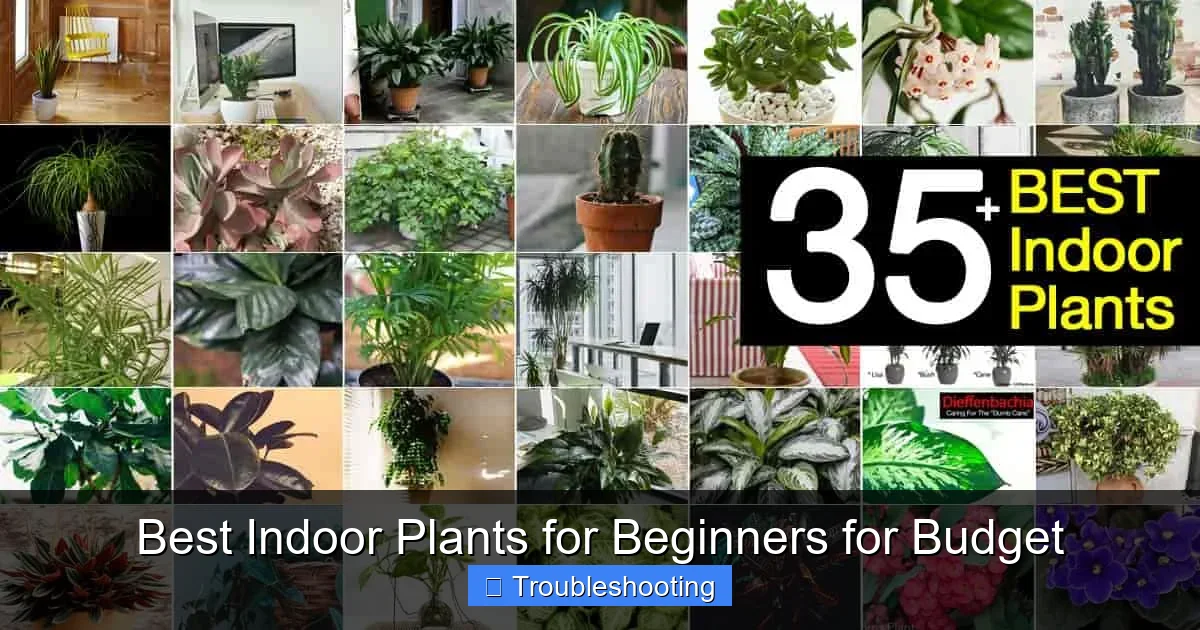
Visual guide about Best Indoor Plants for Beginners for Budget
Image source: plantcaretoday.com
Forgiving Care Requirements
Budget-friendly beginner plants share key traits. They tolerate low light. They survive irregular watering. They resist common pests. They don’t demand special humidity, fancy soil mixes, or expensive fertilizers. A snake plant can go weeks without water. A ZZ plant thrives in a dark corner. These plants give you margin for error while you learn.
Easy Propagation
This is the ultimate money-saver. Many affordable plants multiply readily from cuttings. One pothos becomes ten. One spider plant produces dozens of babies. One succulent leaf grows a whole new plant. Once you master basic propagation, your collection expands for free. You can also trade cuttings with friends or at plant swaps, accessing varieties you’d never find in stores.
Long Lifespan
A $15 plant that lives for decades costs pennies per year. Compare that to cut flowers that die in a week. The best indoor plants for beginners for budget are investments that pay dividends in beauty, air purification, and satisfaction for years to come.
Top 10 Best Indoor Plants for Beginners for Budget
1. Snake Plant (Sansevieria)
The snake plant is the undisputed king of budget-friendly houseplants. You can buy a small one for $8-12. It survives low light, drought, and neglect. Its upright, architectural leaves add modern style to any room. NASA studies confirm it removes toxins like formaldehyde and benzene from indoor air. Water only when soil is completely dry. That might mean once a month in winter. It’s nearly impossible to kill unless you overwater.
2. Pothos (Epipremnum aureum)
Pothos costs $5-15 and grows like a weed in the best way. Its heart-shaped leaves trail beautifully from shelves or hanging baskets. It tolerates low light but grows faster in bright indirect light. Water when the top inch of soil feels dry. Yellow leaves usually mean too much water. Brown crispy tips mean too little. It roots easily in water, making propagation foolproof. One plant fills a shelf within a year.
3. ZZ Plant (Zamioculcas zamiifolia)
The ZZ plant costs $10-20 and thrives on neglect. Its waxy, dark green leaves reflect light and brighten dim corners. It stores water in potato-like rhizomes underground, so it survives weeks without watering. Perfect for frequent travelers or forgetful waterers. It grows slowly, so it won’t outgrow its space quickly. Avoid direct sun, which scorches the leaves.
4. Spider Plant (Chlorophytum comosum)
Spider plants cost $5-10 and produce adorable “babies” on long stems. These plantlets root easily in water or soil, giving you free plants to keep or share. They prefer bright indirect light but tolerate medium light. Keep soil lightly moist. Brown leaf tips often indicate fluoride sensitivity from tap water. Use filtered water or let tap water sit overnight. They’re non-toxic to pets, a rare bonus.
5. Peace Lily (Spathiphyllum)
Peace lilies cost $8-15 and signal clearly when they need water by dramatically drooping. Water thoroughly, and they perk up within hours. They bloom white flowers in decent light. They prefer consistent moisture but forgive occasional neglect. They’re excellent air purifiers. Keep away from pets and children, as they’re mildly toxic if ingested.
6. Chinese Evergreen (Aglaonema)
Chinese evergreens cost $10-18 and come in stunning varieties with silver, red, or pink variegation. They tolerate low light better than almost any colorful plant. Water when the top half of soil dries out. They’re slow growers, so they stay manageable for years. Avoid cold drafts, which cause leaf drop.
7. Cast Iron Plant (Aspidistra elatior)
True to its name, this plant survives conditions that kill others. Cost: $12-20. It handles deep shade, temperature swings, irregular watering, and poor air quality. Its dark green, strap-like leaves add elegant texture. It grows slowly and rarely needs repotting. A true set-it-and-forget-it plant for the darkest corners.
8. Jade Plant (Crassula ovata)
Jade plants cost $5-15 and bring succulent charm to sunny windows. They store water in thick leaves and stems. Water deeply but infrequently, letting soil dry completely. They need several hours of direct sun to stay compact and colorful. Without enough light, they stretch and weaken. They live for decades and become treelike with age. Easy to propagate from leaf or stem cuttings.
9. Heartleaf Philodendron (Philodendron hederaceum)
Often confused with pothos, heartleaf philodendron costs $8-15 and has softer, more matte leaves. It trails or climbs with support. It tolerates lower light than pothos and grows steadily year-round. Water when the top inch of soil dries. It’s another propagation superstar. One vine yields dozens of new plants.
10. Aloe Vera
Aloe vera costs $5-12 and doubles as a first-aid plant. The gel inside leaves soothes burns and cuts. It needs bright light, ideally some direct sun. Water deeply but rarely, letting soil dry completely. It produces “pups” at the base that separate easily for new plants. Use a cactus/succulent soil mix for best drainage.
Essential Care Tips for Cheap Houseplants
Master the Finger Test
Forget watering schedules. Stick your finger an inch into the soil. If it’s dry, water. If it’s moist, wait. This simple habit prevents the number one killer of houseplants: overwatering. Most budget plants prefer to dry out between waterings. When in doubt, wait one more day. Underwatered plants recover. Rotted roots rarely do.
Understand Your Light
Before buying, observe your space at different times of day. South-facing windows get strong direct light. East and west get moderate morning or afternoon sun. North-facing gets bright indirect light only. Interior walls get low light. Match plants to conditions. A snake plant in a north window thrives. A jade plant in the same spot stretches and declines. The best indoor plants for beginners for budget still need appropriate light to look their best.
Choose the Right Pot
Drainage holes are non-negotiable. No holes means trapped water means root rot. If you fall in love with a decorative pot without holes, use it as a cachepot. Keep the plant in a plastic nursery pot with drainage, then slip it inside the pretty pot. Remove for watering, let drain fully, then return. Terracotta pots wick moisture and help prevent overwatering. Plastic retains moisture longer. Match pot material to your watering habits.
Use Quality Potting Mix
Don’t use garden soil. It compacts, drains poorly, and brings pests indoors. Spend $5-10 on a good all-purpose potting mix. For succulents and cacti, add perlite or buy a cactus mix. For aroids like pothos and philodendron, add orchid bark for aeration. Repot only when roots circle the pot or grow from drainage holes. Most budget plants prefer being slightly root-bound.
Fertilize Sparingly
New potting mix contains nutrients for 3-6 months. After that, fertilize monthly during spring and summer with a balanced liquid fertilizer at half strength. Stop in fall and winter when growth slows. Over-fertilizing burns roots and causes weak, leggy growth. Less is more. A $10 bottle of fertilizer lasts years for a small collection.
Clean Leaves Regularly
Dust blocks light and attracts pests. Wipe leaves monthly with a damp cloth. For fuzzy-leaved plants, use a soft brush. Shower sturdy plants occasionally to rinse dust and dislodge pests. Clean leaves photosynthesize better, making plants stronger and more resilient.
Rotate for Even Growth
Plants lean toward light. Rotate pots a quarter turn each time you water. This promotes balanced, symmetrical growth and prevents lopsided specimens. It’s a tiny habit that makes a big visual difference over time.
Common Problems and Troubleshooting Guide
Yellow Leaves
Yellow leaves usually signal overwatering. Check soil moisture. If wet, stop watering and improve drainage. Ensure the pot has holes. Empty saucers after watering. If soil stays soggy for days, repot into fresh mix. Yellow leaves can also mean nutrient deficiency if you haven’t fertilized in months. Older leaves naturally yellow and drop. That’s normal. Widespread yellowing on new growth needs attention.
Brown Leaf Tips
Brown crispy tips typically indicate low humidity, inconsistent watering, or salt buildup from fertilizer. Increase humidity by grouping plants, using a pebble tray, or running a humidifier. Water consistently. Flush soil monthly by running water through for several minutes to wash out salts. Trim brown tips with clean scissors at an angle to mimic natural leaf shape.
Drooping or Wilting
Drooping usually means thirst. Check soil. If dry, water thoroughly. If wet, you may have root rot from overwatering. Smell the soil. Sour, rotten odor means rot. Unpot the plant. Trim black, mushy roots. Repot in fresh soil. Water lightly. Peace lilies dramatically droop when thirsty but recover fast. Learn your plants’ signals.
Leggy, Stretched Growth
Long spaces between leaves, small pale leaves, and weak stems mean insufficient light. Move the plant closer to a window. Add a grow light. Prune leggy stems to encourage bushier growth. Use cuttings for propagation. A plant stretching for light isn’t dying, but it won’t look its best.
Pests: Fungus Gnats, Spider Mites, Mealybugs
Fungus gnats love wet soil. Let soil dry more between waterings. Use yellow sticky traps. Top-dress with sand or mosquito bits. Spider mites thrive in dry air. Increase humidity. Spray leaves with water. Treat with neem oil or insecticidal soap weekly for three weeks. Mealybugs look like white cotton. Dab with alcohol on a cotton swab. Spray with neem oil. Isolate infected plants immediately.
Root Rot
The silent killer. Symptoms: yellowing leaves, wilting despite wet soil, foul smell, black mushy roots. Prevention is easier than cure. Ensure drainage. Use well-draining soil. Water only when needed. If caught early, trim rot, treat roots with hydrogen peroxide solution (1 part 3% peroxide to 3 parts water), repot in fresh soil. Severe cases mean the plant is a loss. Learn from it.
Leaf Drop
Sudden leaf drop often follows environmental shock: moving, temperature change, draft, repotting. Give the plant stability. Avoid moving it. Maintain consistent care. New growth will emerge. Gradual leaf drop from the bottom up is often natural aging or light deficiency. Move to brighter light.
Smart Shopping: Where to Find Affordable Plants
Local Nurseries and Garden Centers
Independent nurseries often have healthier plants than big-box stores. Staff know their stock and can advise you. Prices may be slightly higher, but you’re paying for quality and expertise. Ask about upcoming sales. Many discount older stock monthly. Build a relationship. Regular customers get tips, cuttings, and first dibs on new arrivals.
Big-Box Hardware Stores
Home Depot, Lowe’s, and similar stores carry the best indoor plants for beginners for budget at rock-bottom prices. Their volume buying power means $5 snake plants and $8 pothos. Quality varies. Shop early morning on delivery days (often Tuesday/Thursday) for freshest stock. Avoid plants sitting in standing water. Check for pests. The clearance rack is gold. Half-dead plants often recover with TLC.
Grocery Stores and Supermarkets
Trader Joe’s, Whole Foods, Kroger, and local chains rotate seasonal houseplants. Prices are competitive. Plants are usually healthy but may be in decorative pots without drainage. Repot immediately. Selection is limited to high-turnover varieties. That’s fine for beginners. These are exactly the plants you want.
Plant Swaps and Community Groups
Facebook Marketplace, Nextdoor, local plant groups, and community plant swaps are treasure troves. People give away cuttings, divisions, and whole plants for free or cheap. You get varieties stores don’t carry. You meet mentors. You learn local growing conditions. Bring something to trade, even if it’s just pothos cuttings in water. Generosity circulates.
Online Retailers and Etsy
Online offers variety but adds shipping cost and risk. Buy from reputable sellers with heat packs in winter. Read reviews. Start with unrooted cuttings to save money. They’re cheaper and ship better. Root them yourself. It’s rewarding and builds skills. Avoid importing plants. Customs, phytosanitary certificates, and shipping stress make it costly and risky for beginners.
Clearance and Discount Sections
Every plant seller has a discount area. Plants with cosmetic damage, finished blooms, or overgrown pots sell for 50-75% off. Many need only grooming, repotting, or patience. I’ve rescued $30 plants for $3. Check roots before buying. Firm, white or light tan roots mean life. Black, mushy, or hollow roots mean pass.
Building Your Indoor Garden on a Budget
Start with Three
Resist the urge to buy everything at once. Start with three different plants from the list above. Choose one for low light, one for medium light, one for bright light. This teaches you how different plants respond in your specific environment. Track their progress. Note what works. Expand slowly. A collection built over a year is stronger than one bought in a weekend.
Propagate Aggressively
Make propagation a habit. When you prune, root the cuttings. When a spider plant makes babies, pot them. When a succulent drops a leaf, set it on soil. Label cuttings with date and variety. Share extras. Trade for plants you want. Propagation turns a $50 investment into a $500 collection within two years. It’s the single best way to garden on a budget.
Group by Care Needs
Place plants with similar light and water needs together. This simplifies care. You water the “thirsty group” twice a week and the “dry group” every two weeks. You notice problems faster when plants share conditions. Grouping also creates humidity microclimates that benefit tropical plants. It looks better too. Clusters feel like a garden. Scattered singles feel like clutter.
DIY Plant Supplies
Save money on accessories. Make your own potting mixes. Blend peat moss, perlite, and compost. Create humidity trays from saucers and pebbles. Use chopsticks or skewers as stakes. Repurpose jars for water propagation. Turn plastic containers into nursery pots (add holes). Make neem oil spray from concentrate. Macrame hangers from cheap cord. Creativity beats consumption.
Learn to Read Plants
The best money-saving skill is observation. Notice subtle changes. New growth means happiness. Pale leaves mean hunger or light issues. Sticky residue means pests. Soil pulling from pot edges means severe dryness. Catching problems early saves plants and money. Spend five minutes daily walking your collection. It’s relaxing and profitable.
Invest in Tools That Last
Buy quality basics once: good pruning shears, a narrow-spout watering can, a moisture meter if you struggle with the finger test, a spray bottle for neem oil, a small hand trowel. Avoid gimmicks. Self-watering spikes, fancy misters, and automatic lights often complicate more than they help. Simple tools. Consistent habits. Healthy plants.
Seasonal Care Adjustments for Budget Plants
Spring: The Growth Surge
Days lengthen. Plants wake up. Increase watering frequency. Start fertilizing monthly. Repot root-bound plants. Propagate actively. Move winter-compromised plants to better light. Check for pests emerging from dormancy. Spring is when your collection expands fastest. Take advantage.
Summer: Vigilance and Vacation Prep
Heat and light intensify. Water more often. Watch for sun scorch on plants near south/west windows. Move sensitive plants back. Increase humidity. Before vacations, water thoroughly, group plants in a bathtub with wet towels, or use self-watering spikes. Summer pests multiply fast. Inspect weekly.
Fall: The Wind-Down
Growth slows. Reduce watering. Stop fertilizing by October. Bring outdoor summer plants inside before nights drop below 50°F. Inspect and treat for pests before they enter. Clean windows to maximize winter light. Fall is the last chance to propagate before low light slows rooting.
Winter: Survival Mode
Light is minimal. Growth nearly stops. Water sparingly. Most plants need half their summer water. No fertilizer. Keep away from heating vents and cold drafts. Supplement with grow lights if possible. Accept some leaf drop. Don’t panic. Winter is for maintenance, not expansion. Your patience will be rewarded in spring.
Conclusion: Your Green Journey Starts Today
You now have a complete roadmap to the best indoor plants for beginners for budget. You know which plants to buy, where to find them cheap, how to care for them, how to troubleshoot problems, and how to expand your collection for free through propagation. The only thing left is to start.
Pick one plant from the top ten list. Buy it this week. Place it where you’ll see it daily. Water it when the soil feels dry. Watch it grow. When you feel confident, add a second. Then a third. Within a year, you’ll have a thriving indoor garden that cost less than a few fancy coffees per month. More importantly, you’ll have developed a rewarding hobby that beautifies your home, purifies your air, and connects you to the natural world.
Remember: every expert was once a beginner who killed a plant or two. The difference is they kept going. You will too. Happy growing.
Frequently Asked Questions
Which indoor plant is the hardest to kill for a total beginner?
The snake plant (Sansevieria) and ZZ plant (Zamioculcas zamiifolia) are widely considered the most indestructible. They tolerate low light, irregular watering, temperature swings, and general neglect better than any other common houseplant.
How much should I expect to spend on my first three indoor plants?
You can start a three-plant collection for $20-40 total. Look for 4-inch nursery pots at hardware stores, grocery stores, or local nursery clearance sections. Avoid decorative pots initially. Use cachepots you already own.
My plant’s leaves are turning yellow. Am I overwatering or underwatering?
Check the soil. If it’s wet and the pot feels heavy, you’re overwatering. If it’s bone dry and the pot feels light, you’re underwatering. Feel the soil before assuming. Yellow leaves from overwatering usually feel soft. From underwatering, they feel crispy.
Can I keep budget indoor plants in a windowless bathroom?
Only if you add a grow light. No plant survives long without any light. Snake plants, ZZ plants, and cast iron plants tolerate low light better than others, but “low light” still means some natural or artificial light. A simple LED grow bulb in a regular fixture works well.
How do I know when to repot my cheap houseplants?
Repot when roots circle the bottom, grow from drainage holes, or the plant dries out within a day of watering. Most budget plants only need repotting every 2-3 years. Spring is the best time. Go up only one pot size.
Are budget indoor plants safe for cats and dogs?
Many are toxic. Spider plants, cast iron plants, and some palms are pet-safe. Snake plants, pothos, ZZ plants, peace lilies, philodendrons, Chinese evergreens, jade plants, and aloe vera are toxic if ingested. Keep toxic plants out of reach or choose pet-safe varieties only.